What Are Common Packaging Risks for Pilates Apparatus During Sea Freight
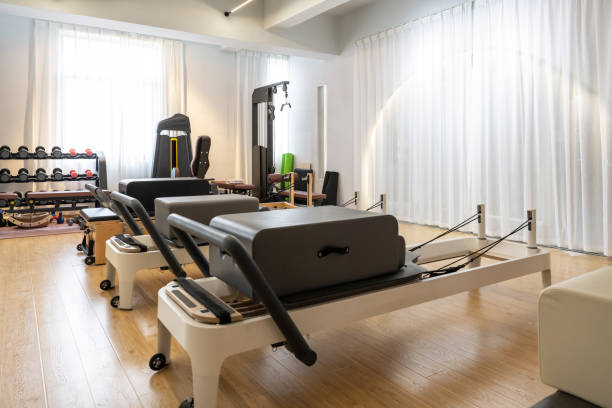
Pilates apparatus, including reformers, Wunda chairs, tower systems, and Cadillac machines, feature precision structures, fragile upholstery, delicate metal accessories, and customized wooden frames. Unlike standard heavy gym equipment, these high-end fitness devices are highly susceptible to damage during long-distance sea freight. Most cargo losses and customer complaints in Pilates equipment import and export business stem from improper packaging rather than product quality issues. Unprofessional packaging leads to moisture damage, structural deformation, cosmetic scratches, missing parts, and collapsed crates during ocean transportation. To help global importers and distributors identify hidden shipping hazards and verify supplier packaging standards, this article summarizes the most common packaging risks for Pilates apparatus during sea freight and corresponding preventive solutions.
1. Moisture and Mildew Damage From Poor Sealing
Sea freight involves long-term exposure to humid, salty, and variable-temperature marine environments, making moisture damage the most prevalent risk for Pilates equipment. Wooden frames, foam upholstery, sponge cushions, and fabric padding are extremely sensitive to dampness.
Many ordinary packaging solutions lack complete waterproof and moisture-proof layers. Simple carton wrapping or incompletely sealed wooden crates allow sea humidity and water vapor to penetrate during vessel navigation. This causes solid wood frames to absorb moisture, resulting in warping, bending, surface mildew, and cracked paint. For upholstery parts, prolonged dampness leads to mold growth, unpleasant odors, sponge deformation, and irreversible discoloration. Metal components such as springs, guide wheels, and locking screws are also prone to salt corrosion and rust, affecting sliding smoothness and structural stability.
Professional export packaging solves this problem with integrated protection: full waterproof film wrapping, moisture-proof desiccant placement, sealed crate edges, and thickened plywood wooden cases, completely isolating equipment from humid marine air.
2. Cosmetic Scratches and Surface Abrasion
Boutique Pilates studios and high-end fitness distributors prioritize equipment appearance, as flawless aesthetics directly determine product market value and sales premium. However, inadequate surface protection during packaging easily causes cosmetic damage during container transportation and handling.
Common packaging flaws include missing protective corner guards, no foam wrapping on frame surfaces, and rough inner packaging materials. During container loading and long-vibration sea transportation, friction and collision occur between equipment, container walls, and adjacent goods. This leads to scratches on powder-coated metal frames, scuffs on wooden veneers, and wear marks on premium upholstery. For customized OEM equipment with printed logos and exclusive color matching, even minor surface abrasions will make products unsuitable for high-end studio sales, causing huge profit losses for importers.
Standard commercial-grade packaging adopts full-wrap EPE foam, hard plastic corner protection, and anti-friction inner lining to ensure zero surface damage during shipping.
3. Wooden Crate Deformation and Structural Collapse
Most Pilates core equipment is packaged in wooden crates for export. However, many suppliers use thin, low-density plywood or unframed simple wooden boxes to save costs. These low-grade packaging crates cannot withstand stacking pressure and violent handling during international freight.
During sea freight, containers are stacked layer by layer in the vessel hold, bearing huge vertical pressure. Fragile wooden crates are prone to side bulging, plate cracking, and overall collapse. Once the crate deforms, it will squeeze the internal Pilates reformer frame, causing permanent structural bending, carriage deformation, and misaligned sliding tracks. In severe cases, the entire equipment becomes unusable and cannot be repaired, resulting in batch cargo scrapping.
Reliable suppliers adopt thickened multi-layer plywood plus reinforced square wood framing for export crates, with firm nail fixation and pressure-resistant structural design, supporting safe stacking and long-distance ocean transportation.
4. Loose Internal Placement Leading to Component Displacement
Pilates equipment consists of multiple disassembled parts and precision components, including carriages, spring sets, guide rails, adjustable bases, and small hardware accessories. A common packaging risk is loose internal fixing without effective bundling and gap filling.
Continuous bumping and shaking during sea freight causes unfixed internal parts to shift and collide with each other. Main frames may deviate from fixed positions, springs may be squeezed and deformed, and precision sliding components may be impacted, affecting assembly accuracy and training stability. Loose small accessories such as star knobs, bolts, and adjustment tools are also easy to scatter and lose inside the crate, leading to incomplete equipment after arriving at the destination port.
Qualified packaging processes adopt professional binding straps, integral foam filling, and independent classified packaging for accessories, ensuring zero displacement of internal components during transportation.
5. Mixed Loading Extrusion and Irregular Stacking Risks
Most importers adopt mixed container orders, loading multiple Pilates models and fitness accessories in one container. Unreasonable packaging size design and irregular stacking bring huge extrusion risks.
If the supplier fails to unify packaging specifications and formulate scientific stacking plans, lightweight equipment and accessories will be squeezed under heavy reformer wooden crates. Hollow-structured Wunda chairs and half-tower equipment are particularly vulnerable to extrusion deformation. In addition, disorderly stacking leaves large gaps in the container, causing goods to shake violently during sea transportation and aggravate collision damage.
Professional manufacturers customize unified packaging sizes for all Pilates products, match targeted mixed loading plans, place heavy equipment at the bottom and light goods on top, and fill container gaps to avoid extrusion and shaking risks.
6. Unclear Marking and Classification Confusion
Although easily overlooked, non-standard packaging marking is a key hidden risk affecting customs clearance and warehouse management. Many suppliers do not label packaging boxes clearly, missing product model, quantity, shipping mark, and classification information.
For mixed container shipments with multiple products and batches, unclear marking leads to classification confusion after cargo arrival. Warehouse staff cannot quickly match models and quantities, easily causing inventory errors and delivery mistakes. Meanwhile, inconsistent packaging marking information may mismatch customs declaration documents, triggering customs inspection, detention, and clearance delays, bringing additional time and economic losses to importers.
7. Unqualified Packaging Materials Causing Secondary Pollution
Some cost-oriented suppliers use inferior, unsterilized packaging foam, dirty wrapping paper, and recycled cartons. These unqualified materials carry dust, stains, and residual impurities, causing secondary pollution to Pilates equipment.
After long-distance transportation, upholstery and frames are stained with difficult-to-clean dirt, while inferior foam residues adhere to equipment gaps. This not only affects the appearance of new equipment but also increases the cleaning workload for studio installation. In serious cases, unqualified packaging materials may fail EU environmental and safety inspections, affecting product sales in European commercial markets.
How to Avoid Sea Freight Packaging Risks: Core Verification Standards for Importers
To eliminate packaging-related shipping losses, importers must clarify standardized packaging requirements with suppliers before shipment and verify the following key standards: complete waterproof and moisture-proof packaging, thickened reinforced export wooden crates, full surface anti-collision protection, fixed internal component binding, clear packaging marking, and scientific mixed loading stacking schemes. Requesting suppliers to provide packaging photos and loading videos before shipment is the most effective way to control risks.
Conclusion
Packaging quality determines the final arrival condition of Pilates apparatus in cross-border sea freight. The main sea freight packaging risks include moisture mildew damage, surface abrasion, wooden crate collapse, internal component displacement, mixed loading extrusion, irregular marking, and secondary pollution. For global Pilates equipment importers, selecting manufacturers with standardized export packaging processes is crucial to reduce cargo damage rates, avoid economic losses, and ensure stable product quality from factory shipment to studio installation.