Custom Pilates Reformer: OEM & ODM Solutions for Fitness Brands

For fitness companies looking to build their own Pilates equipment brands, OEM (Original Equipment Manufacturing) and ODM (Original Design Manufacturing) are the two most direct paths. They allow brands to own customized products aligned with their positioning and market needs without building their own factories. But what's the difference between OEM and ODM? Which suits which type of brand? What should be watched for during collaboration? This article provides a systematic decision-making reference covering four dimensions: model comparison, customization scope, collaboration process, and selection recommendations.
I. Core Differences Between OEM and ODM
OEM: Customized production based on existing products. The brand selects a base model from the factory's existing product line and adjusts appearance and configuration per its own requirements — changing upholstery color, printing brand logos, adjusting spring configurations, customizing packaging. The product's core design and structure remain unchanged; the brand receives "standard products branded as their own."
ODM: Deep collaboration starting from the design stage. The factory's R&D team designs the product from scratch based on the brand's market positioning, target clientele, and functional requirements — creating engineering drawings, performing structural calculations, developing functional prototypes, and testing. The brand receives "a product built specifically for its needs" with stronger differentiation potential.
How to choose: If the brand wants to launch products quickly and control development costs, OEM is more efficient. If the brand pursues unique product positioning and clear differentiation from competitors, ODM better meets the need.
II. Customization Dimensions
Whether OEM or ODM, customization typically covers the following areas:
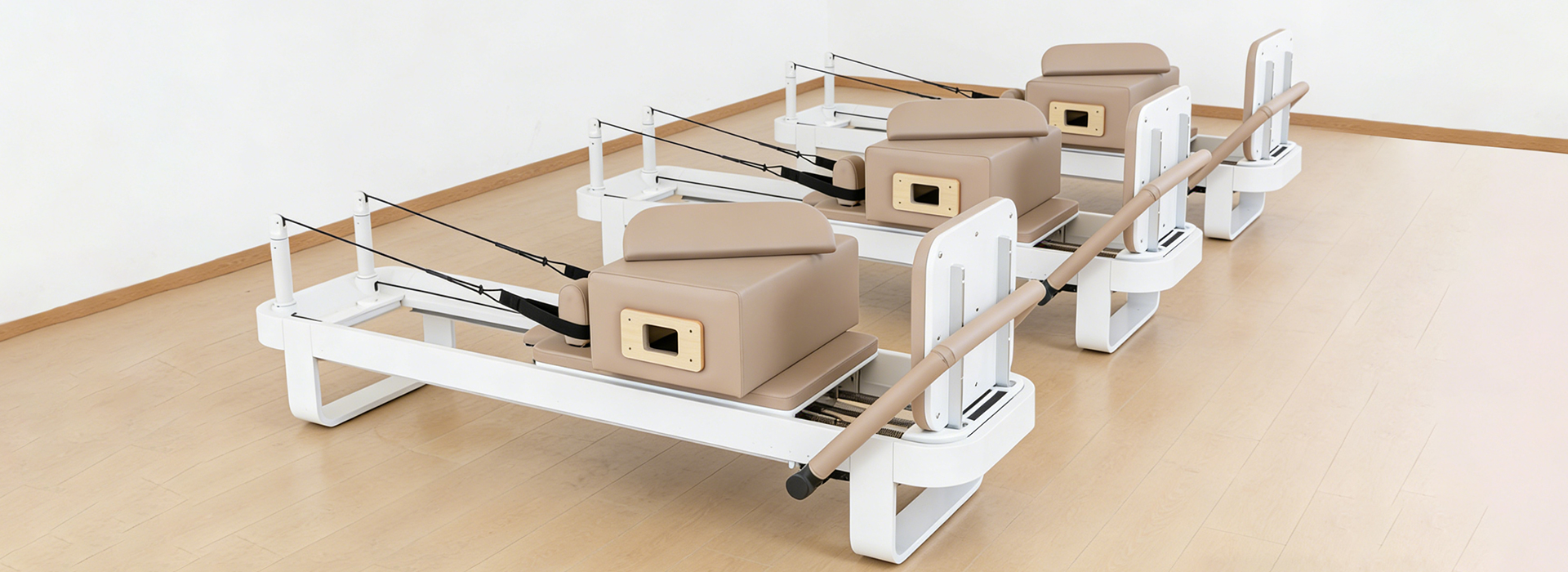
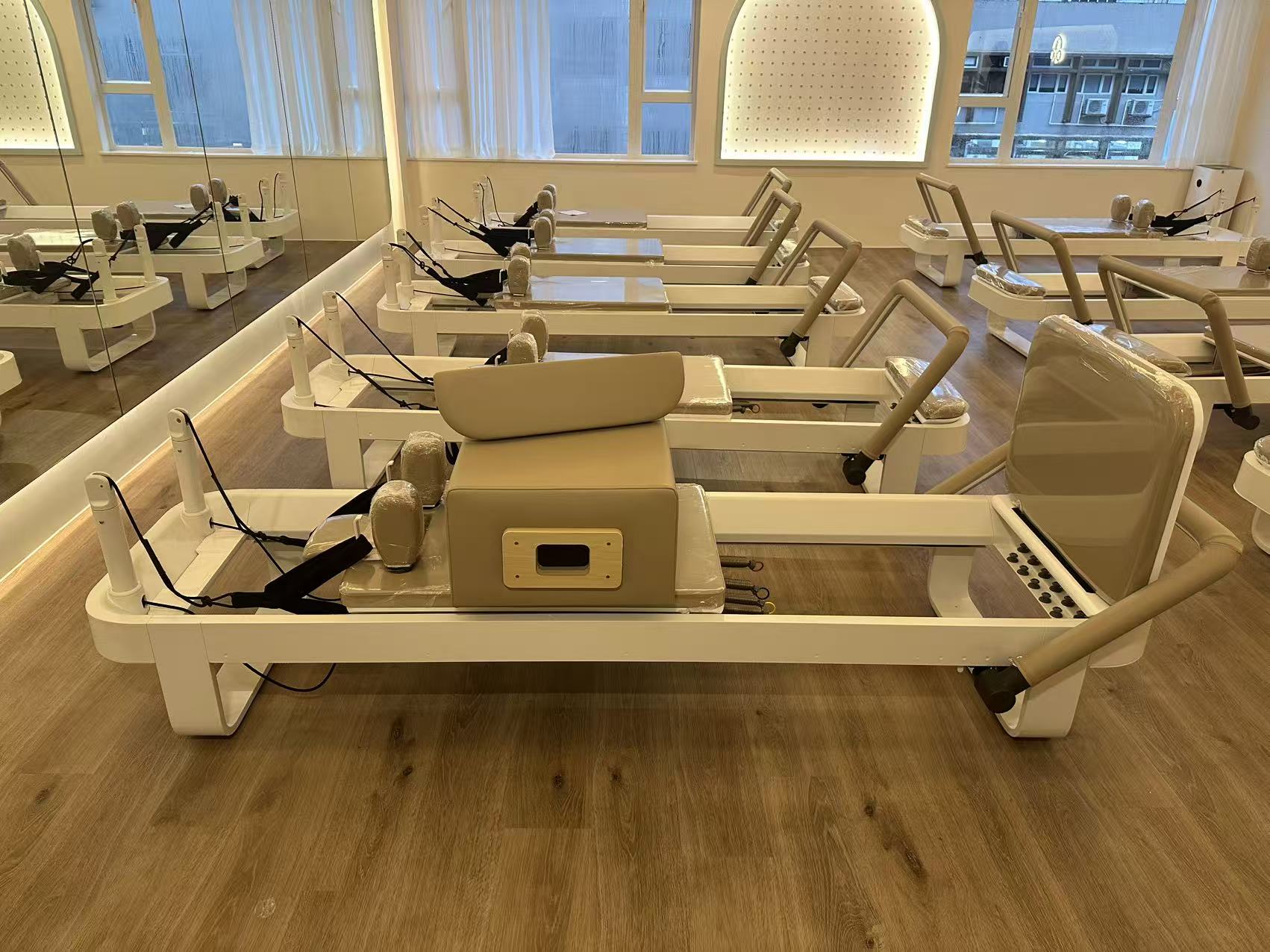
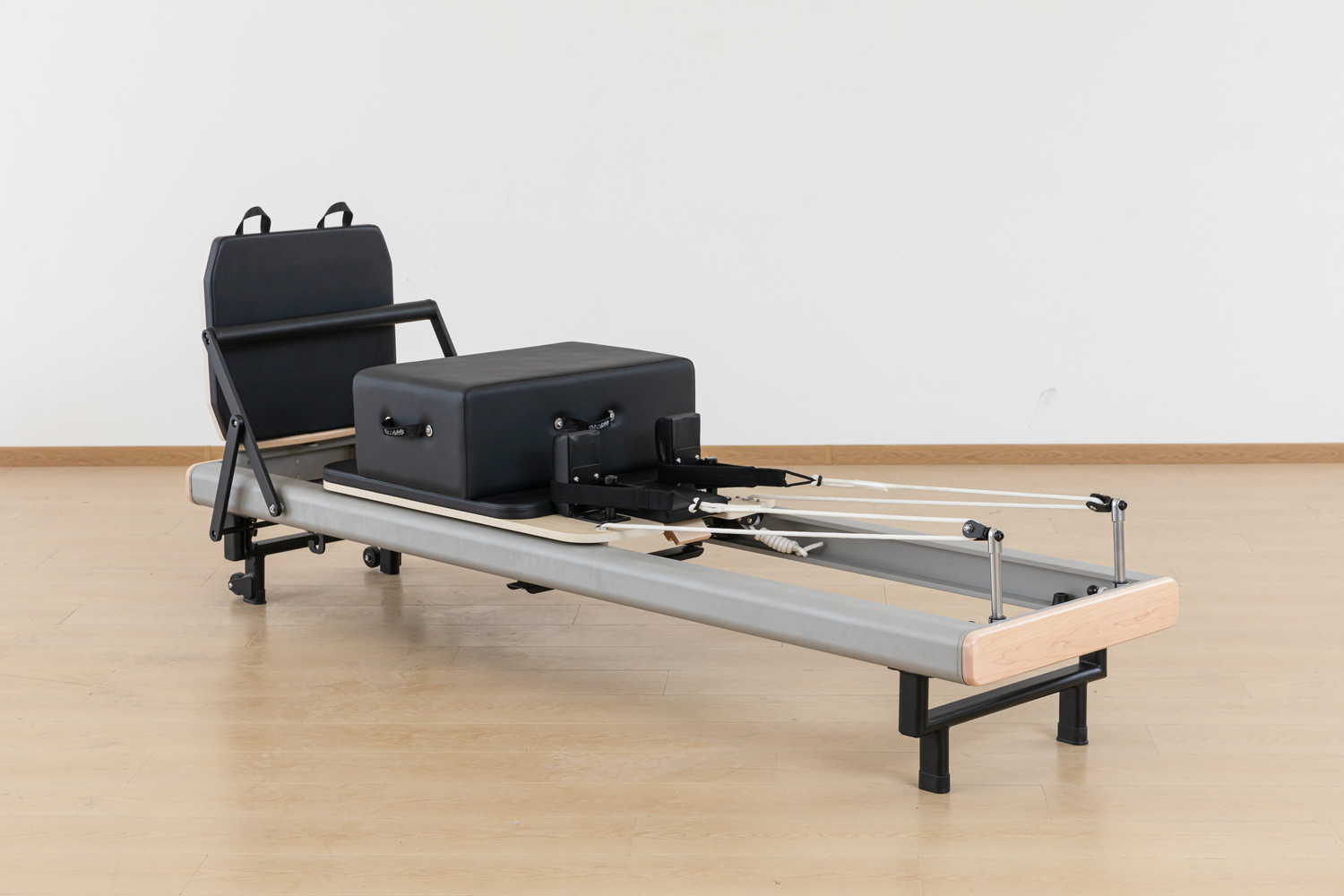
Appearance customization is the most common and accessible dimension. Upholstery colors: factories typically offer dozens of options covering classic neutrals and trending shades, with brand-specific color codes available. Frame colors: standard options include black, white, silver, and natural wood finishes; some factories support custom colors. Branding: logos can be applied to frames, upholstery, and straps via pad printing, laser engraving, embroidery, and metal nameplates. Packaging: branded boxes, manuals, and marketing materials can be produced on demand.
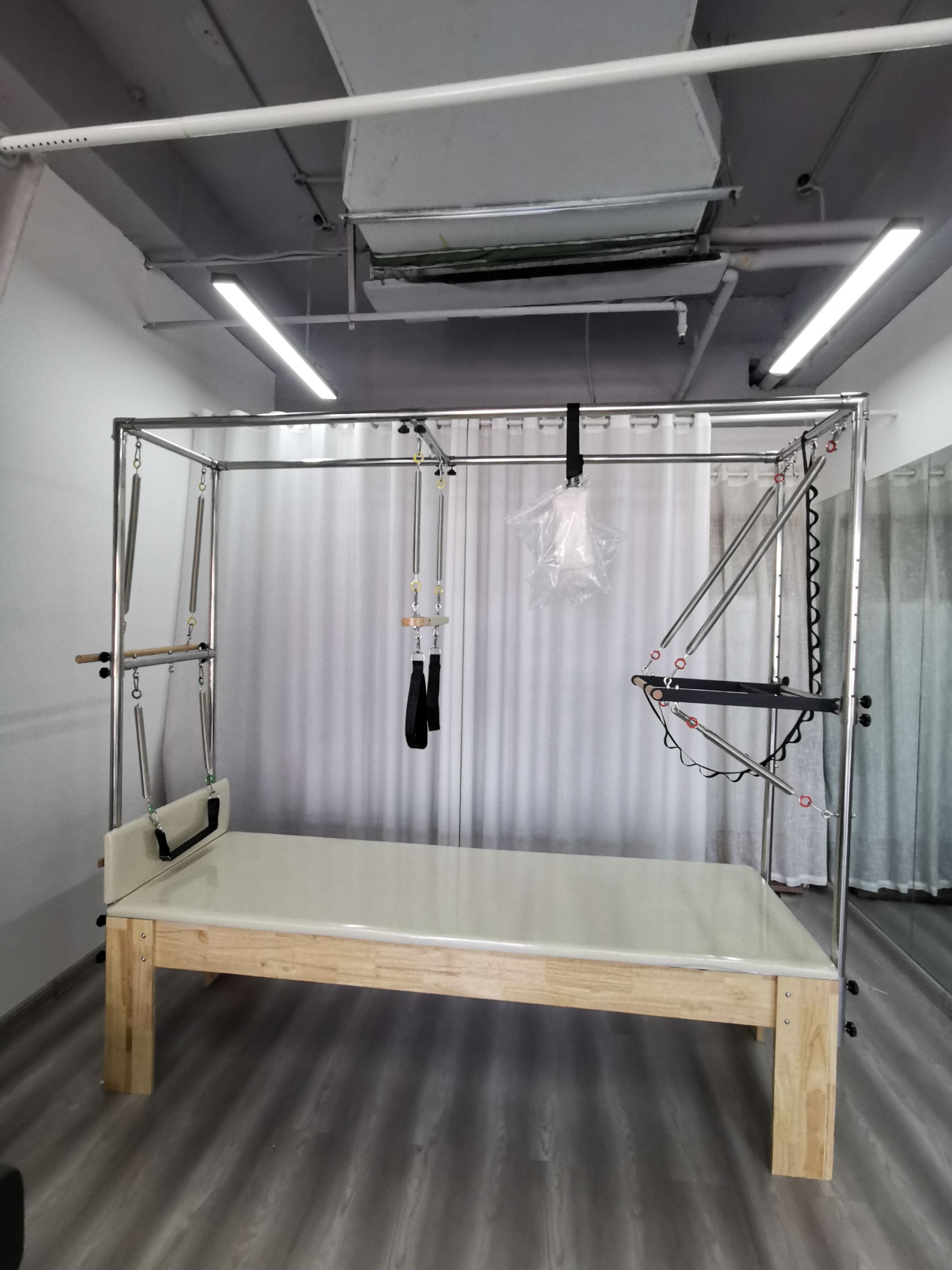
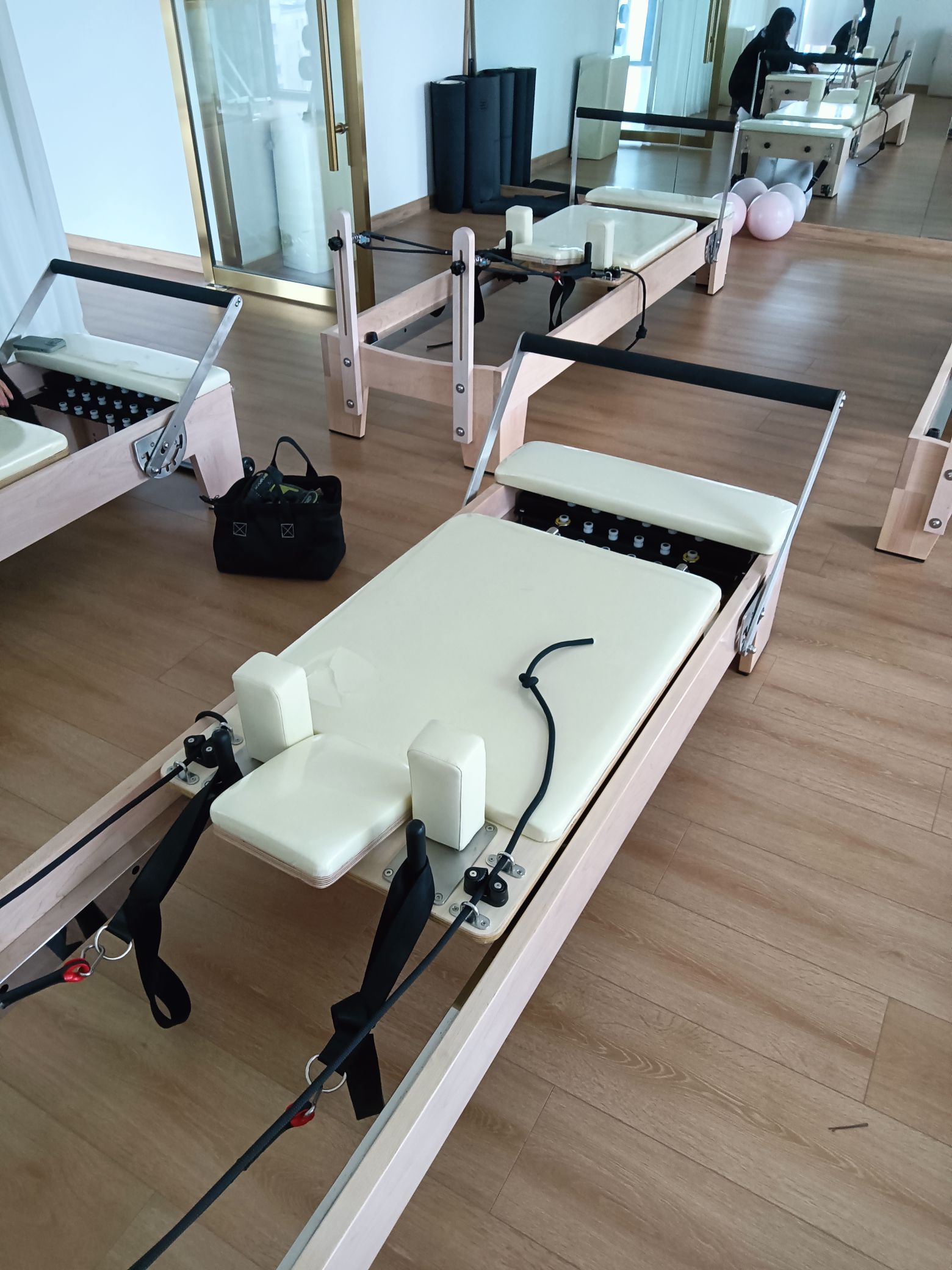
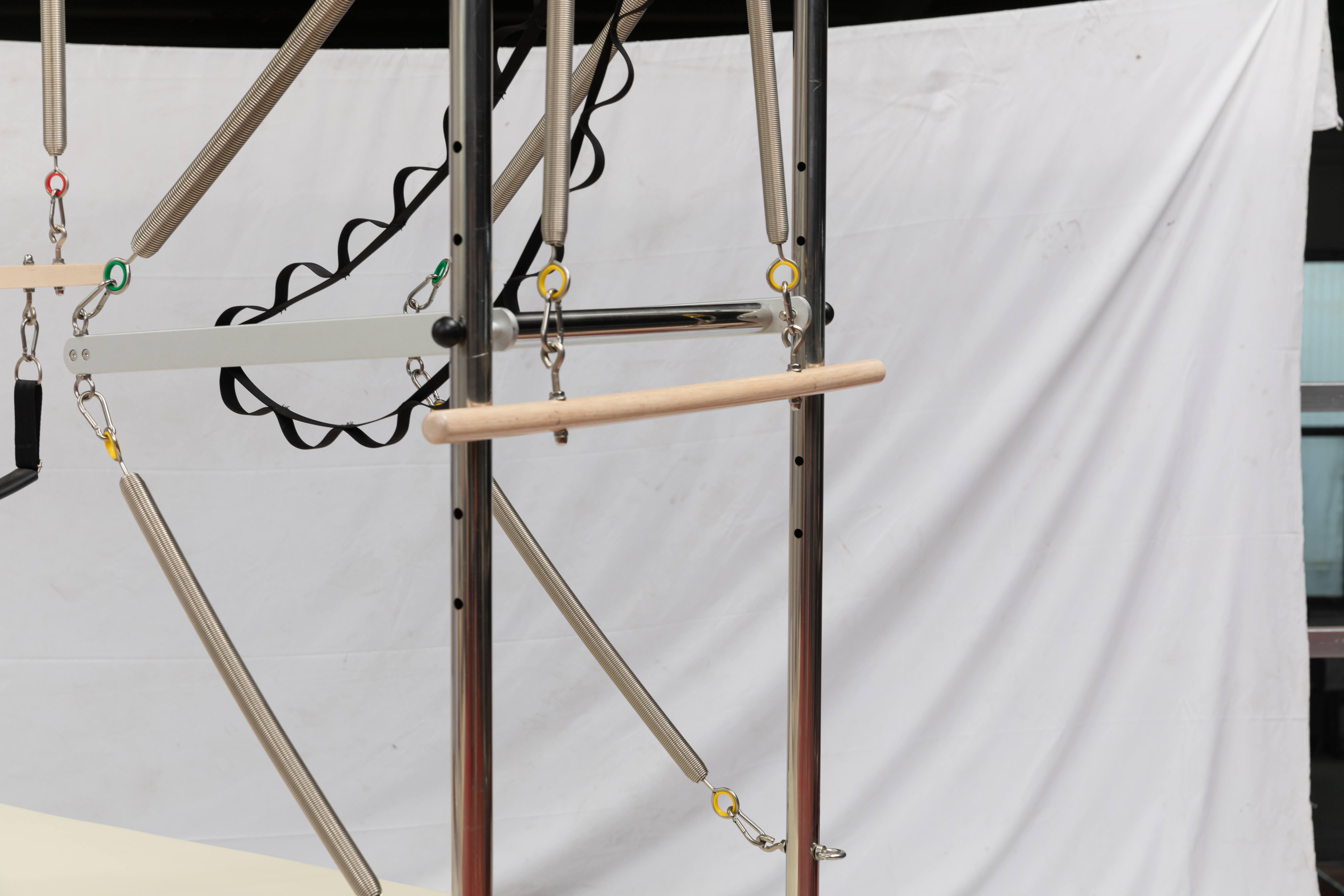
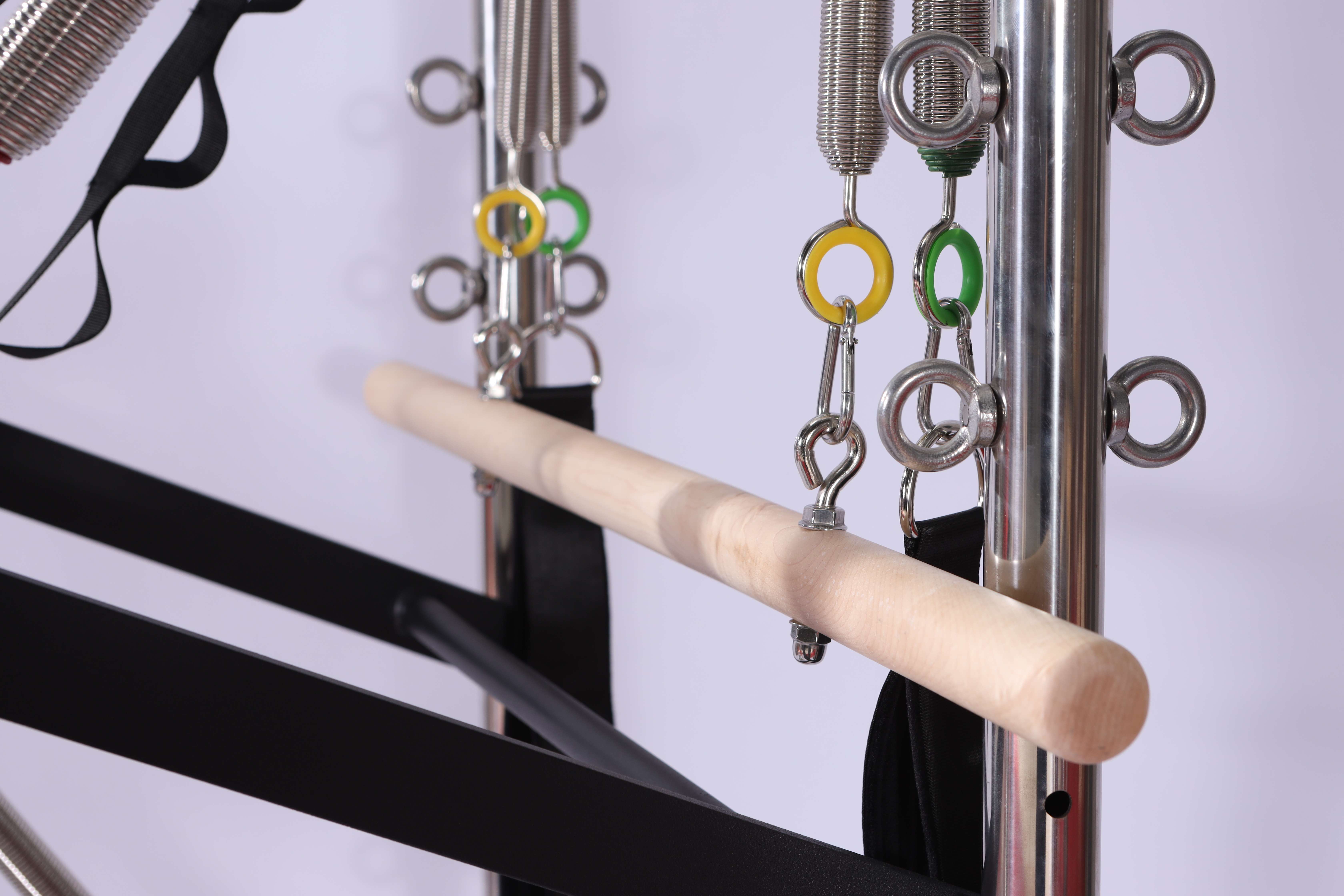
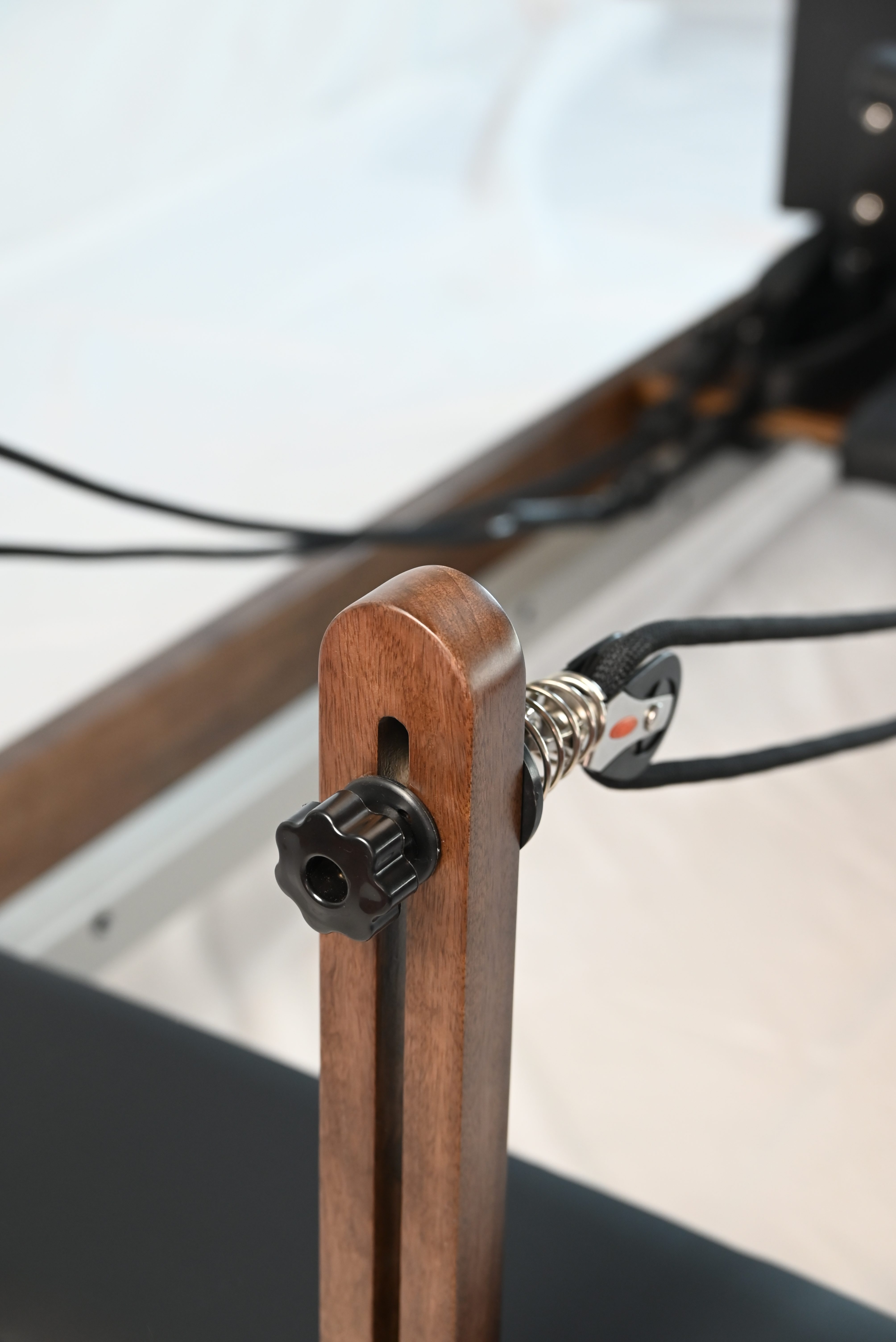
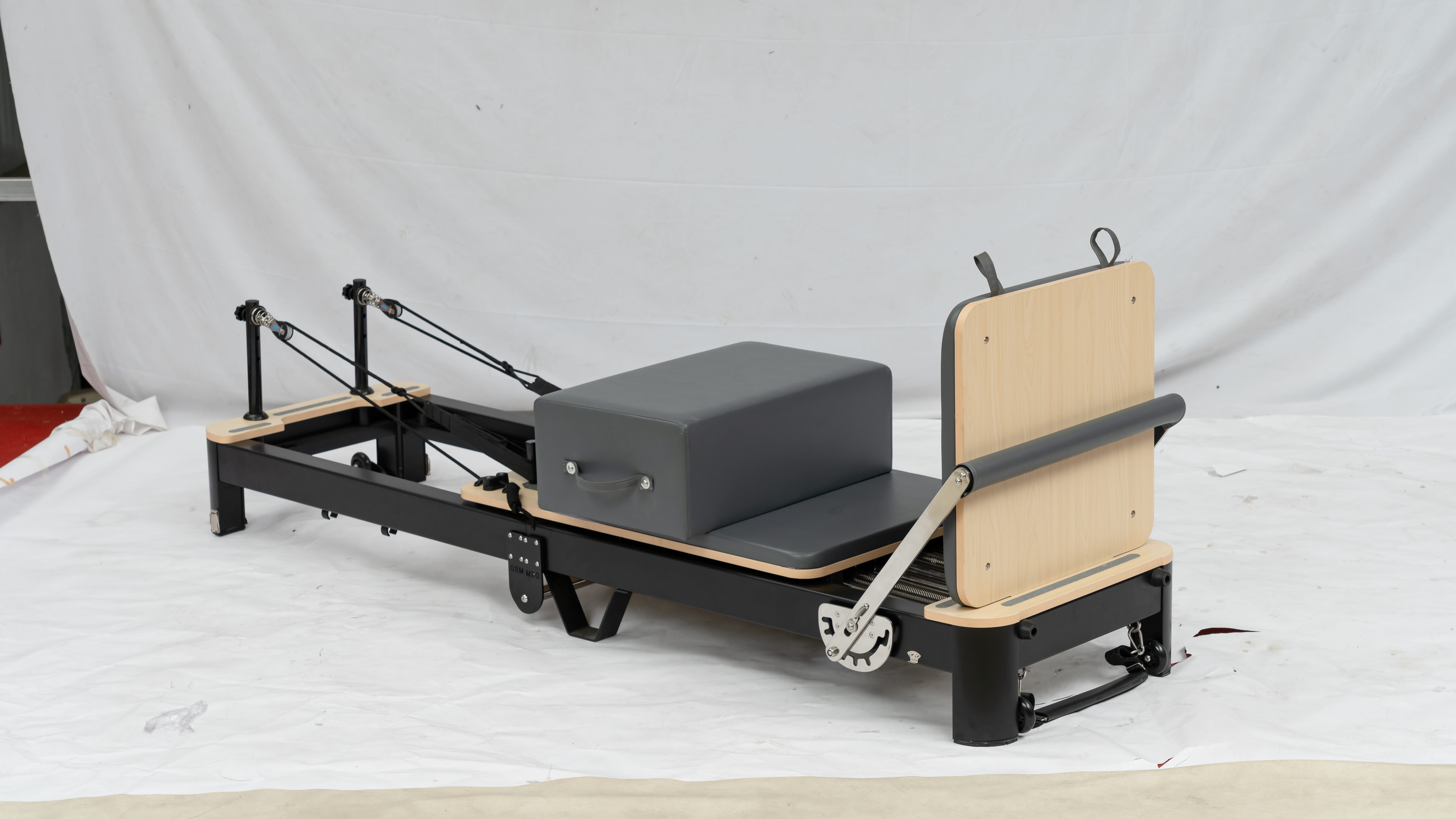
Functional and structural customization addresses deeper differentiation needs. Spring systems can be configured with different force combinations to suit different user populations and class types. Accessory packages can include or exclude Jumpboards, Towers, rope systems, and more. Adjustment systems: some factories support custom footbar angles, rope heights, and shoulder rest positions. Dimensional adjustments: limited manufacturers offer custom frame lengths for special space requirements.
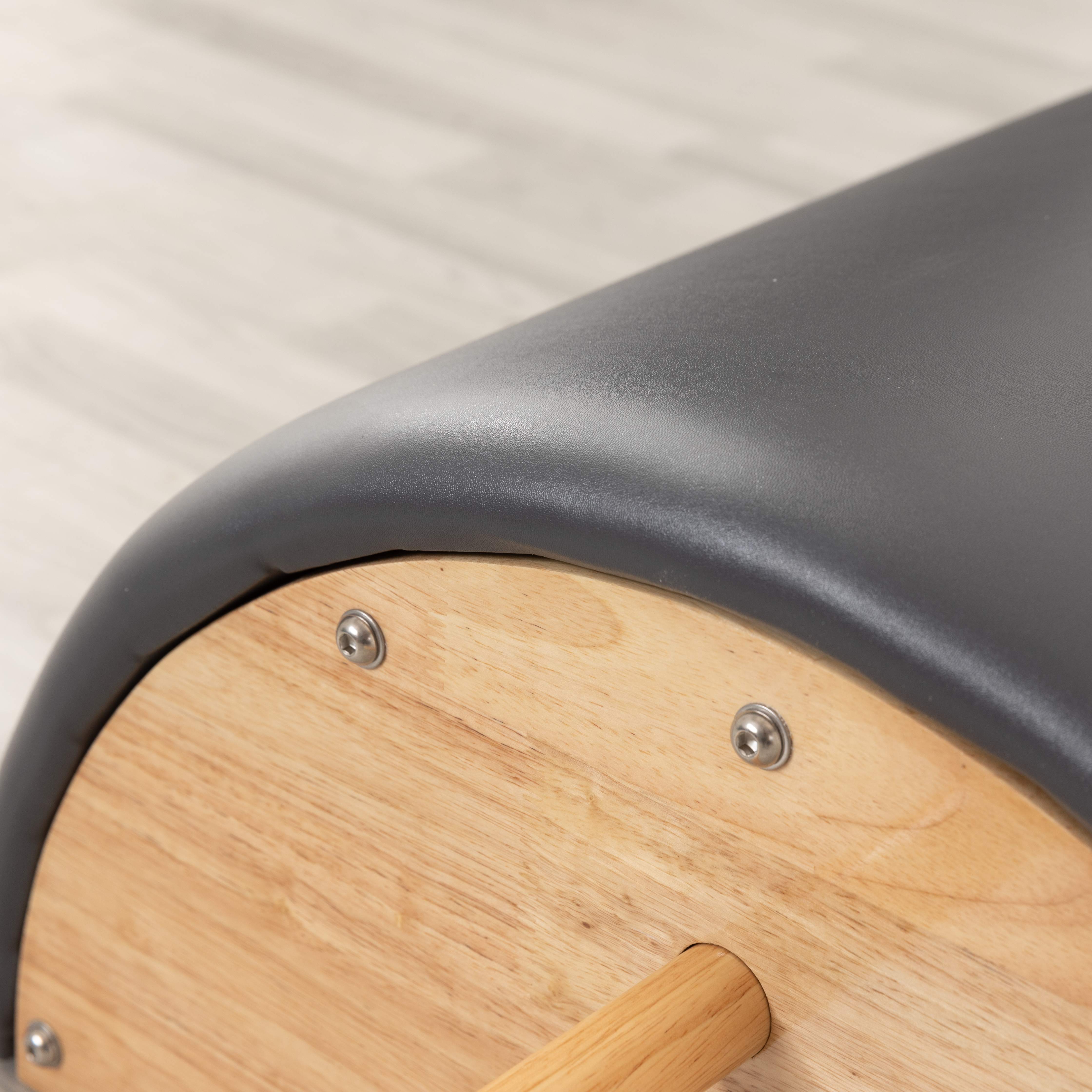
Material and process customization covers frame materials (solid wood, aluminum alloy, or carbon steel), leather grades, and spring materials. Premium customization can also include special surface treatments, custom hardware, and exclusive color schemes.
III. Standard OEM/ODM Collaboration Process
Stage 1: Requirements communication. The brand provides product positioning, target clientele, functional requirements, budget range, and delivery timeline. The factory assesses feasibility and provides preliminary pricing and customization recommendations.
Stage 2: Design and development (ODM mode). The factory's R&D team creates design drawings and 3D engineering drawings, performs structural calculations and spring parameter design. After design approval, functional prototypes are built.
Stage 3: Sample production and approval. 1-2 samples are produced based on approved designs, functionally tested and visually inspected, then sent to the brand for confirmation. The brand evaluates actual feel, quality, and branding effect, and provides feedback. After approval, a Sample Confirmation is signed.
Stage 4: Mass production. Production begins upon deposit payment. During production, the brand can arrange factory inspections or video verification, with inspection records for critical processes available for review.
Stage 5: Outgoing inspection and delivery. Finished products undergo Outgoing Quality Control (OQC) before sea or air shipment, with complete export documentation provided.
IV. Evaluation Criteria for OEM/ODM Factories
R&D capability is central to ODM collaboration. Does the factory have an in-house design team? Can it provide structural calculations and engineering drawings? Do past ODM cases demonstrate sufficient complexity? For OEM collaboration, the breadth and quality of the factory's existing product line are more important references.
Production capacity determines delivery reliability. Evaluate factory floor space, production line count, annual capacity, and current order status. Factories with export experience and ISO 9001 certification are generally more trustworthy.
Quality control system transparency directly affects product consistency. The factory should clearly demonstrate its IQC, IPQC, and OQC processes and records. Clearer inspection standards mean better quality assurance.
Customization flexibility reflects the factory's willingness to collaborate. Factories accepting smaller MOQs (e.g., 50-100 units) generally value long-term brand partnerships more.
Intellectual property protection is an essential consideration for brands. In ODM collaborations, ownership of design drawings and product appearance should be clearly specified in contracts. Factories should commit to not using custom designs for other clients.
V. Key Considerations During Collaboration
Clarify IP ownership. Under ODM, brands typically want exclusive design rights. Contracts should specify ownership of design drawings, molds, and product appearance, as well as the factory's confidentiality obligations.
Define quality consistency standards. After sample approval, bulk production quality should match the sample. Contracts should specify acceptance criteria and procedures for non-conforming goods.
Set late delivery penalty clauses. Specify penalty percentages and maximum tolerance periods to mitigate peak-season capacity risks.
Phased payments. Typically 30% to 50% deposit to initiate production, with balance paid before shipment. Avoid full upfront payment risks.
Summary: OEM and ODM offer fitness brands two distinct product customization paths — OEM suits brands pursuing efficiency and cost control, while ODM suits brands pursuing differentiation and unique positioning. Whichever model is chosen, the factory's R&D capability, quality system, delivery record, and IP protection are core evaluation dimensions. Before formal collaboration, validate the factory's actual capabilities and responsiveness through sample production, then sign the bulk contract based on sample approval — this measured approach may take longer but effectively avoids larger downstream risks.