How to Calculate Total Landed Cost When Importing Pilates Machines to Europe
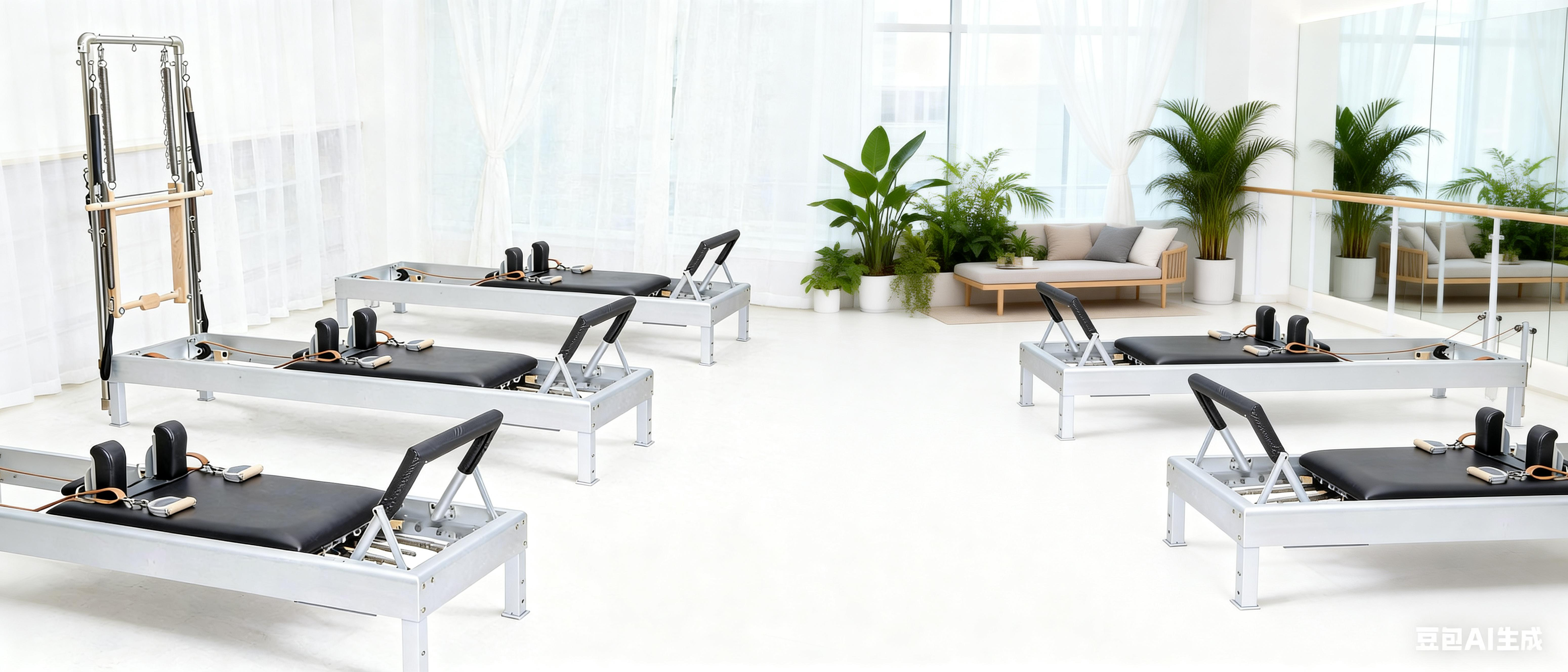
Importing pilates machines into Europe involves more than just paying the FOB or EXW price quoted by your manufacturer. Many new distributors and studio owners only budget for the equipment cost and sea freight, ignoring hidden charges that can quickly eat into profit margins. The total landed cost represents every expense incurred until your pilates apparatus arrives ready for sale or installation at your European warehouse. Mastering this calculation helps you set competitive retail pricing, select reliable suppliers, and avoid unexpected budget overruns.
Core Components of Total Landed Cost for Pilates Equipment
1. Product Unit Cost
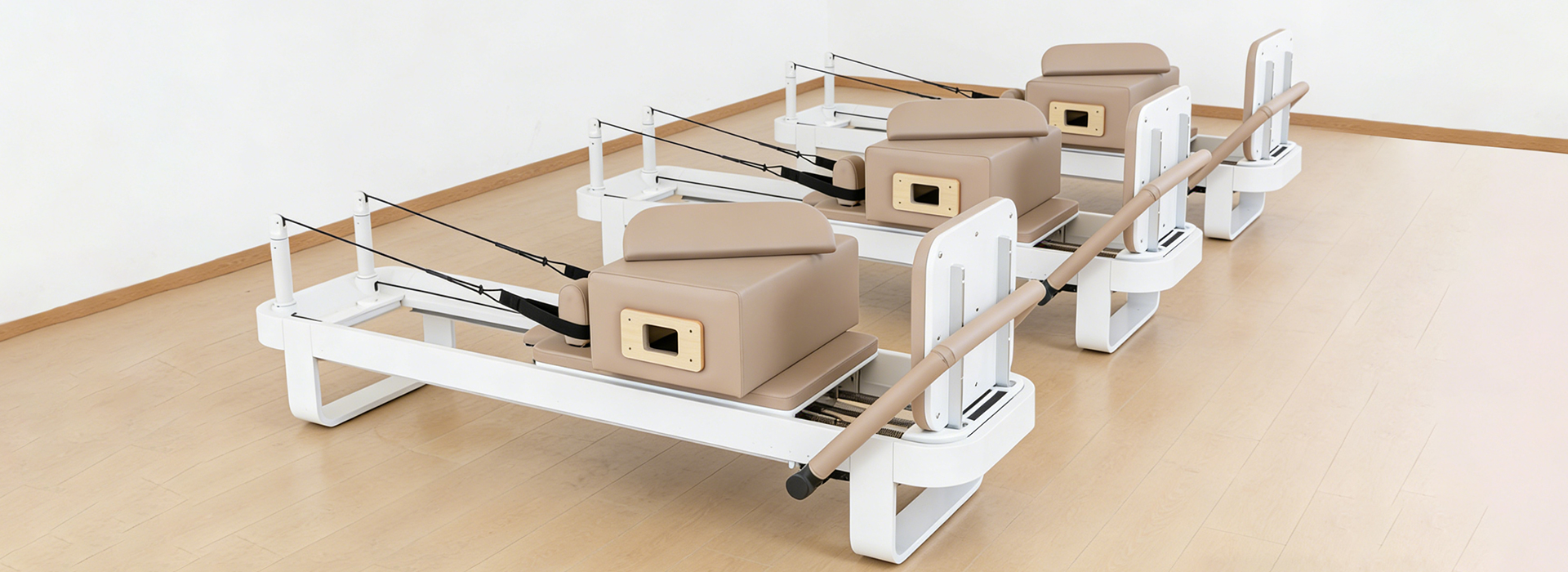
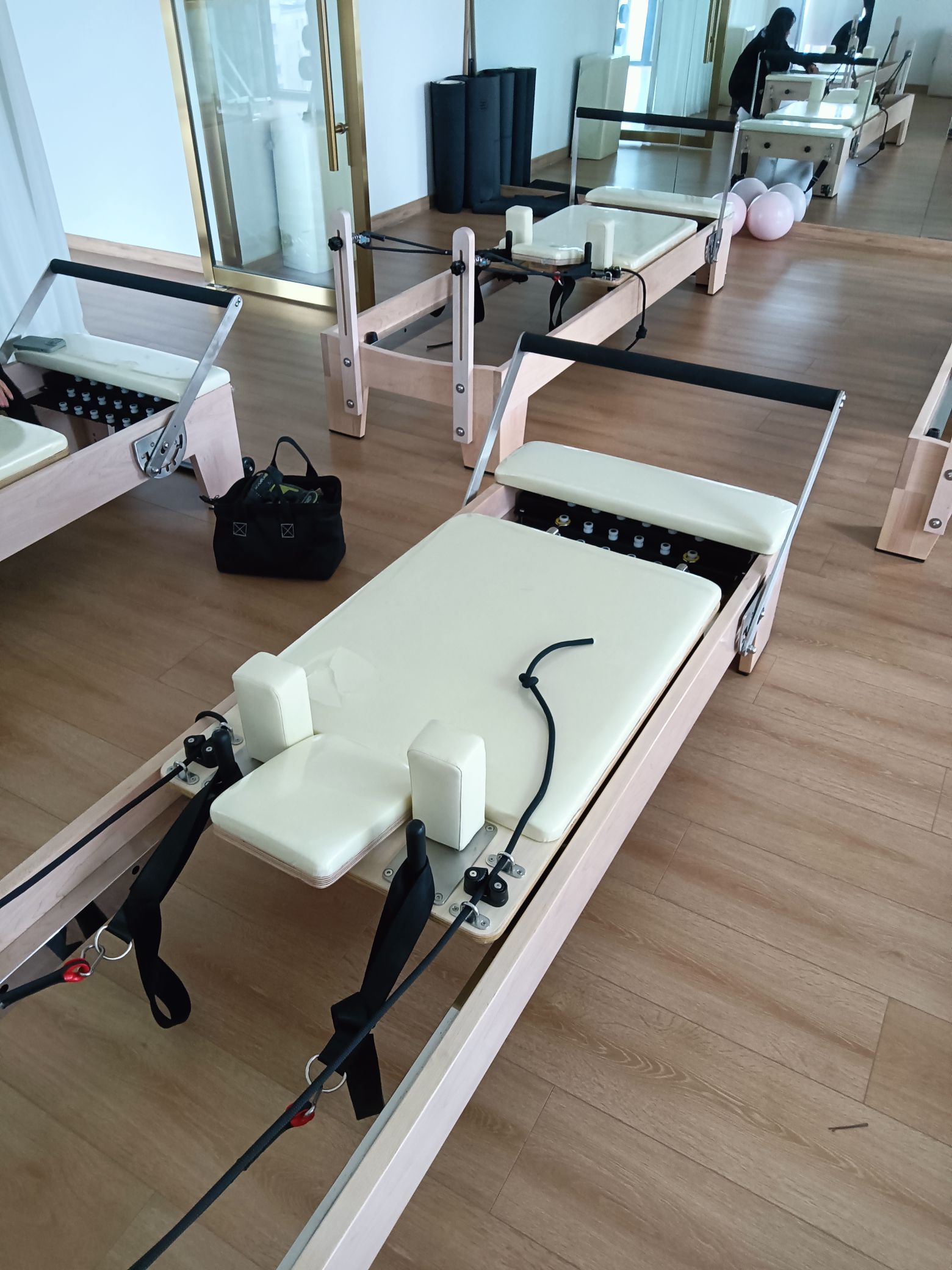
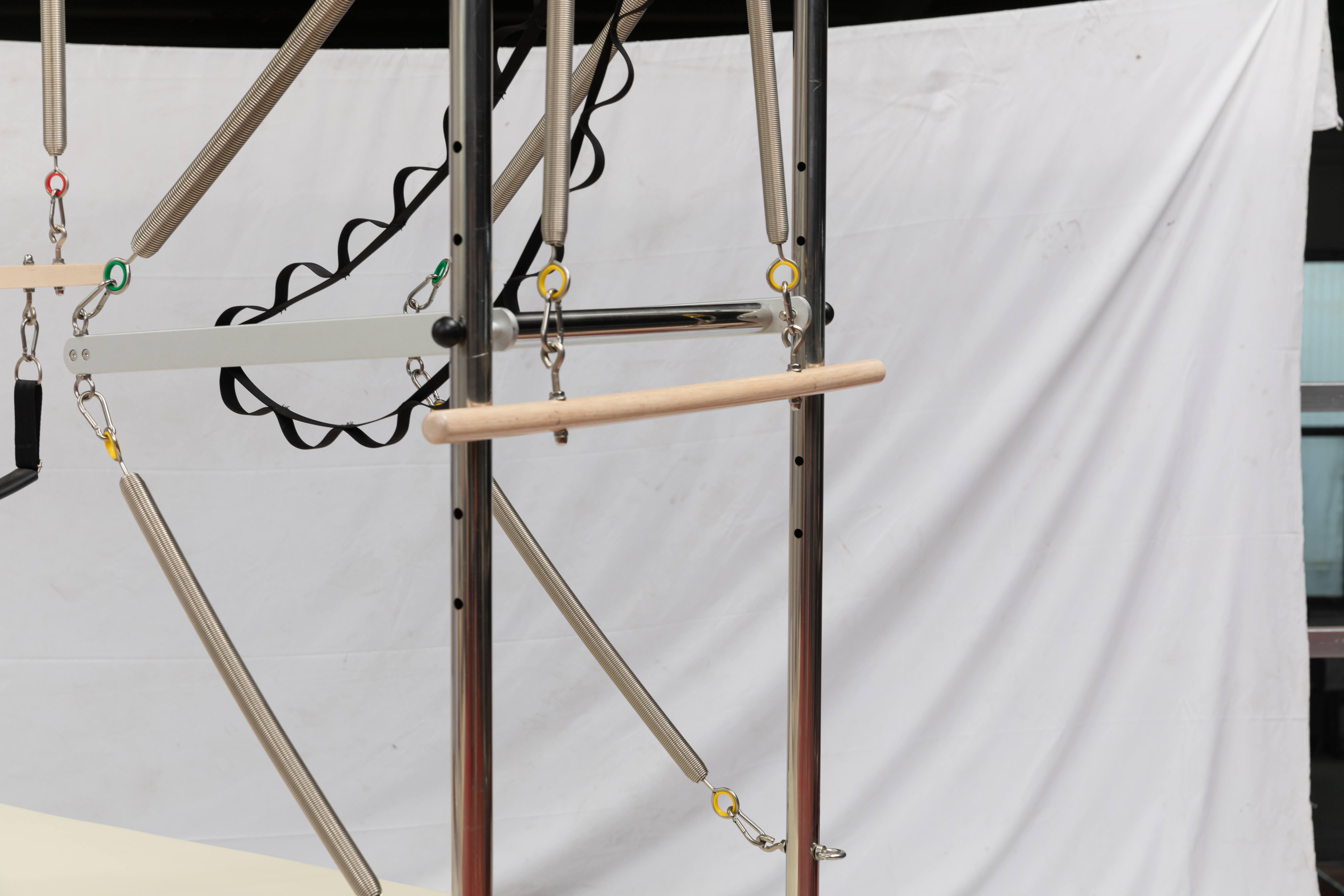
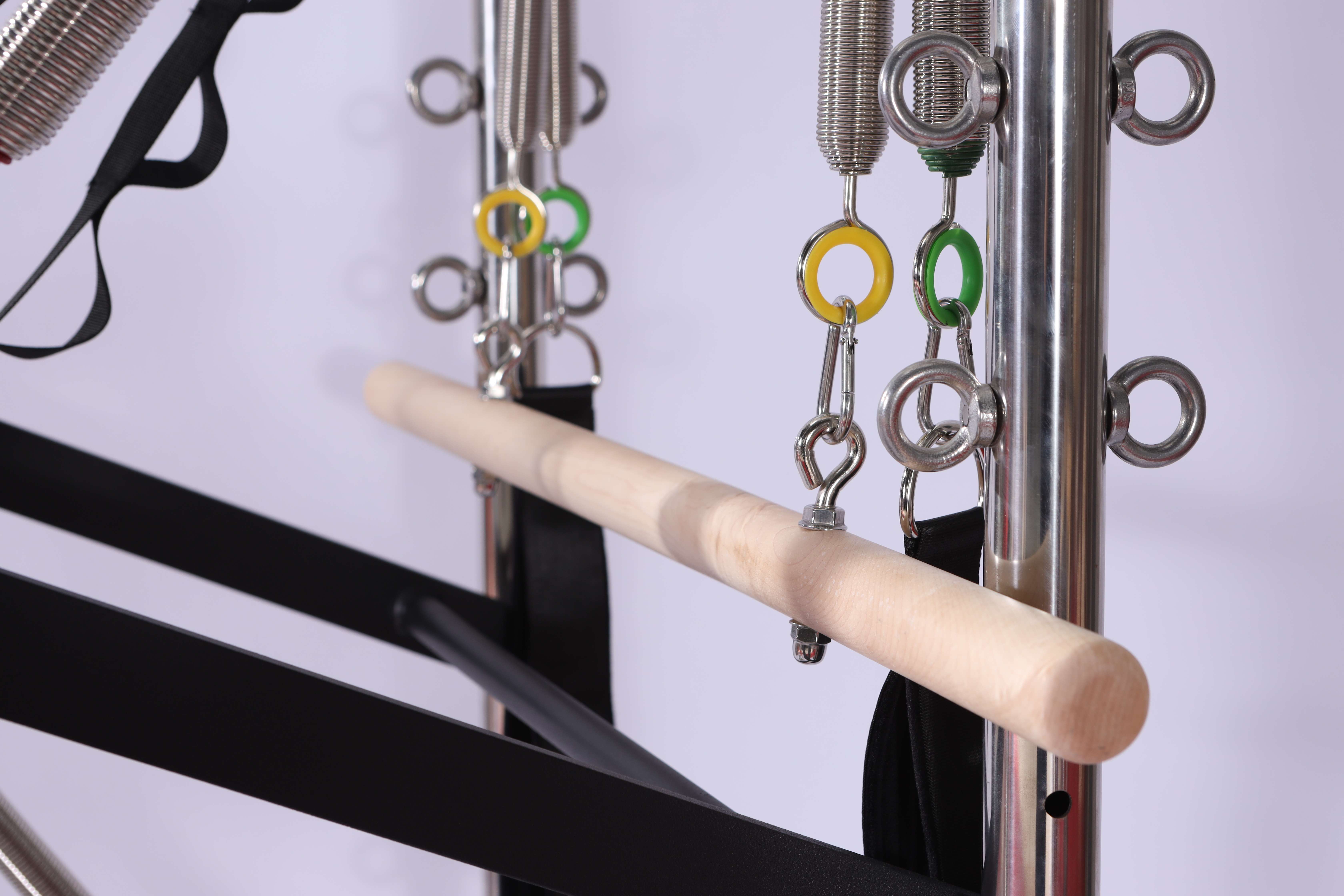
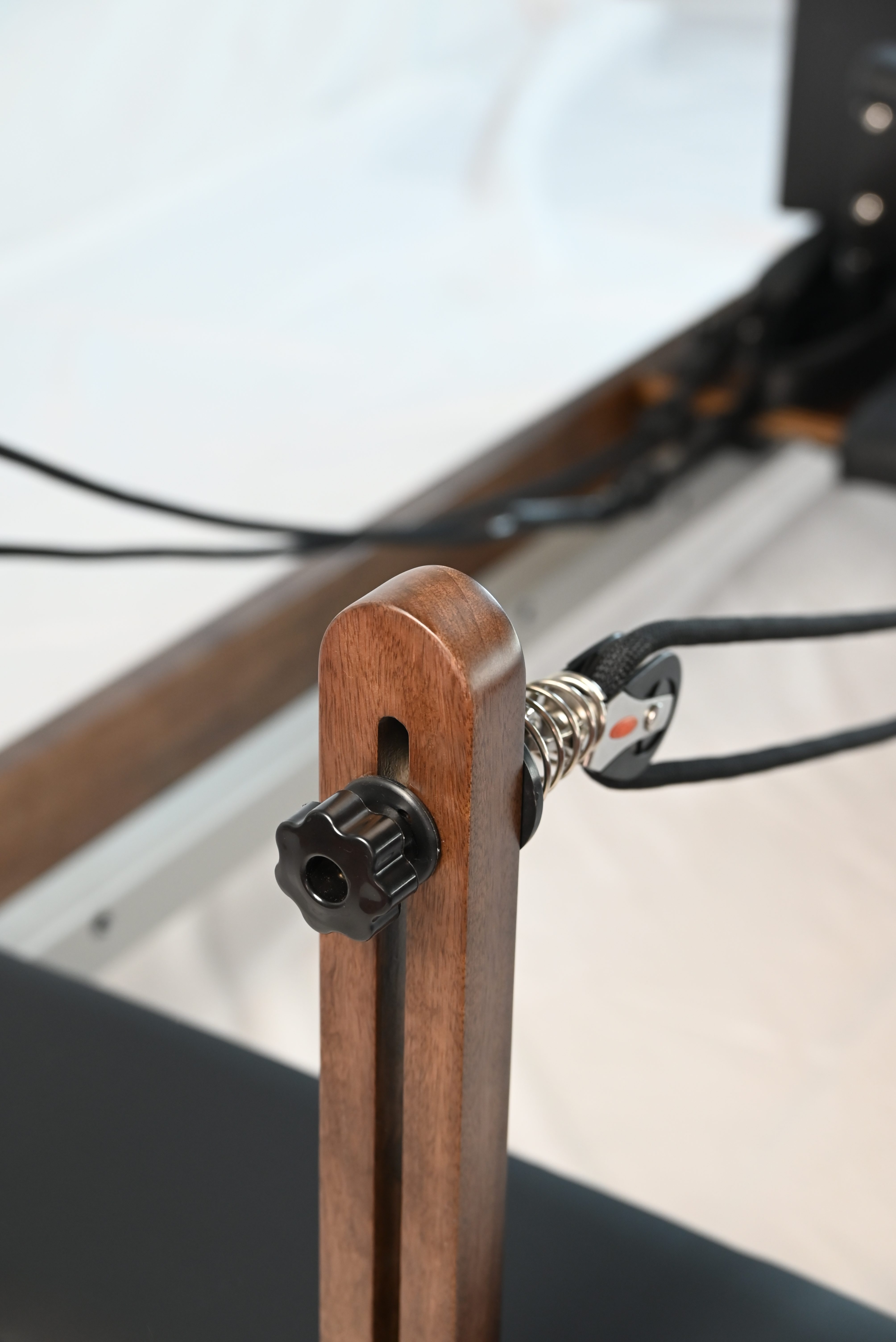
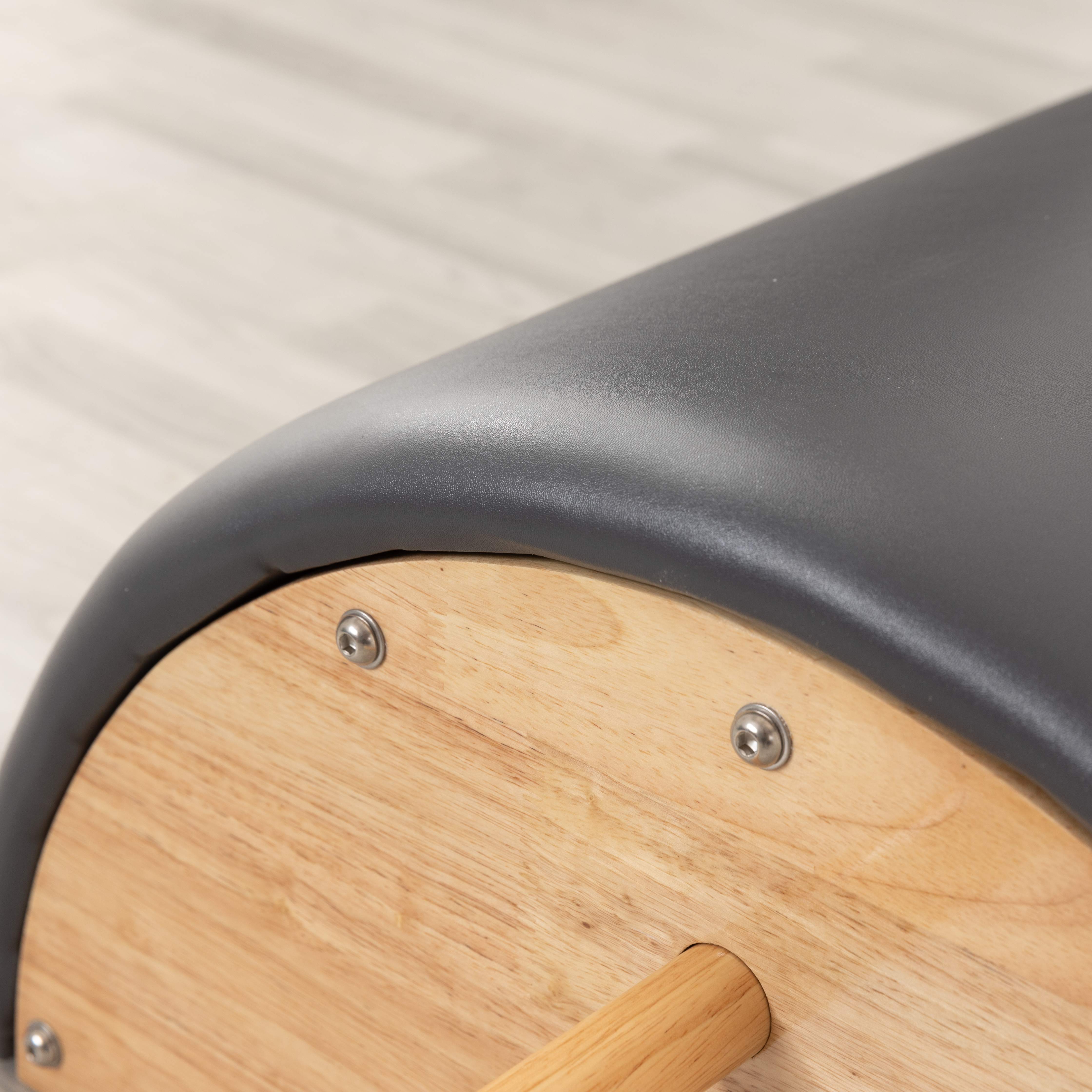
This is the base price from your pilates equipment manufacturer, based on your order quantity. It includes raw materials such as maple or aluminum frames, springs, foam padding, straps, and accessories like star knobs and wheels. OEM custom branding, custom color finishes, and special spec upgrades will add extra cost here. Always confirm whether the quote includes export packaging for sea freight.
2. International Freight & Local Handling
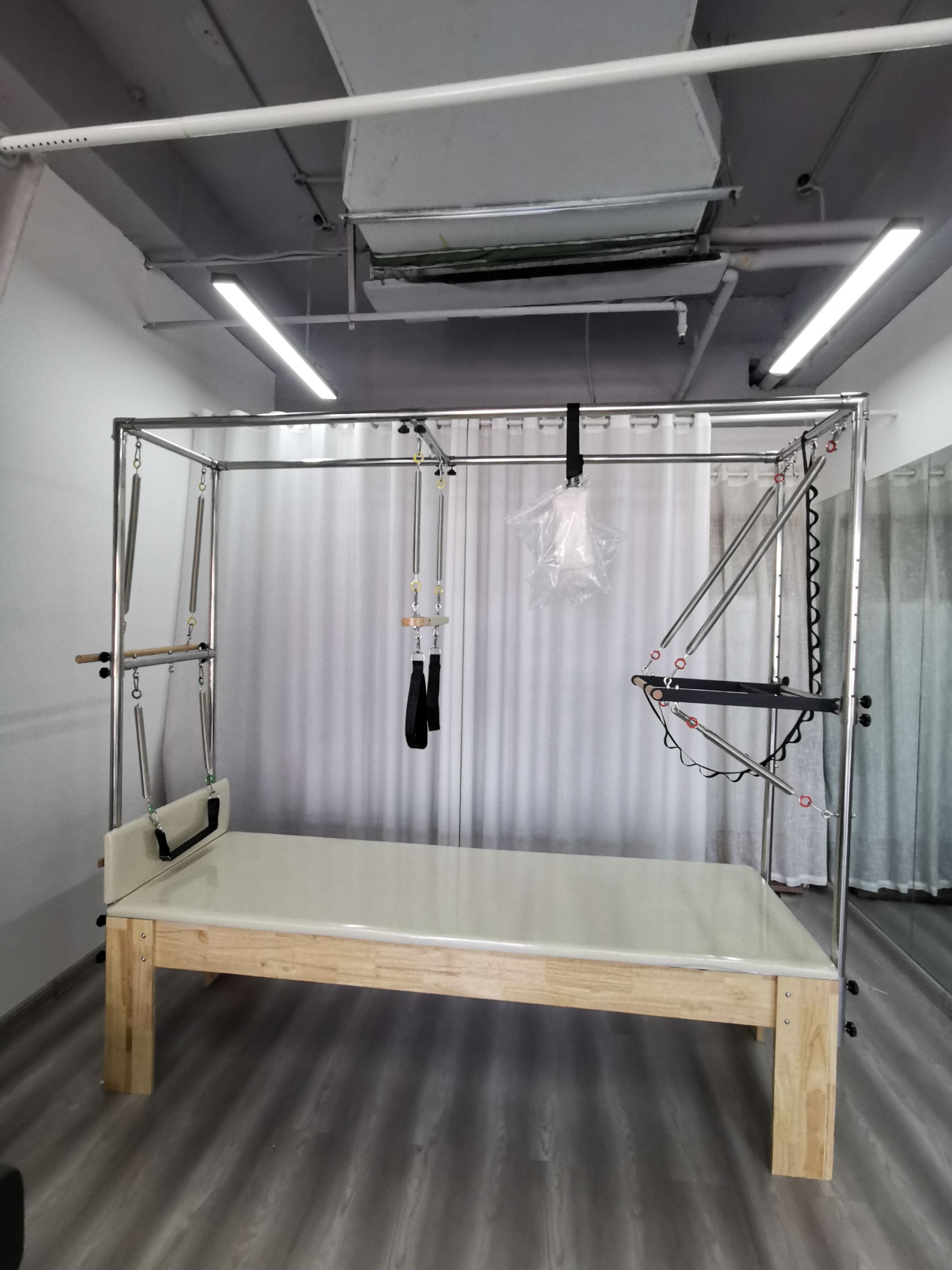
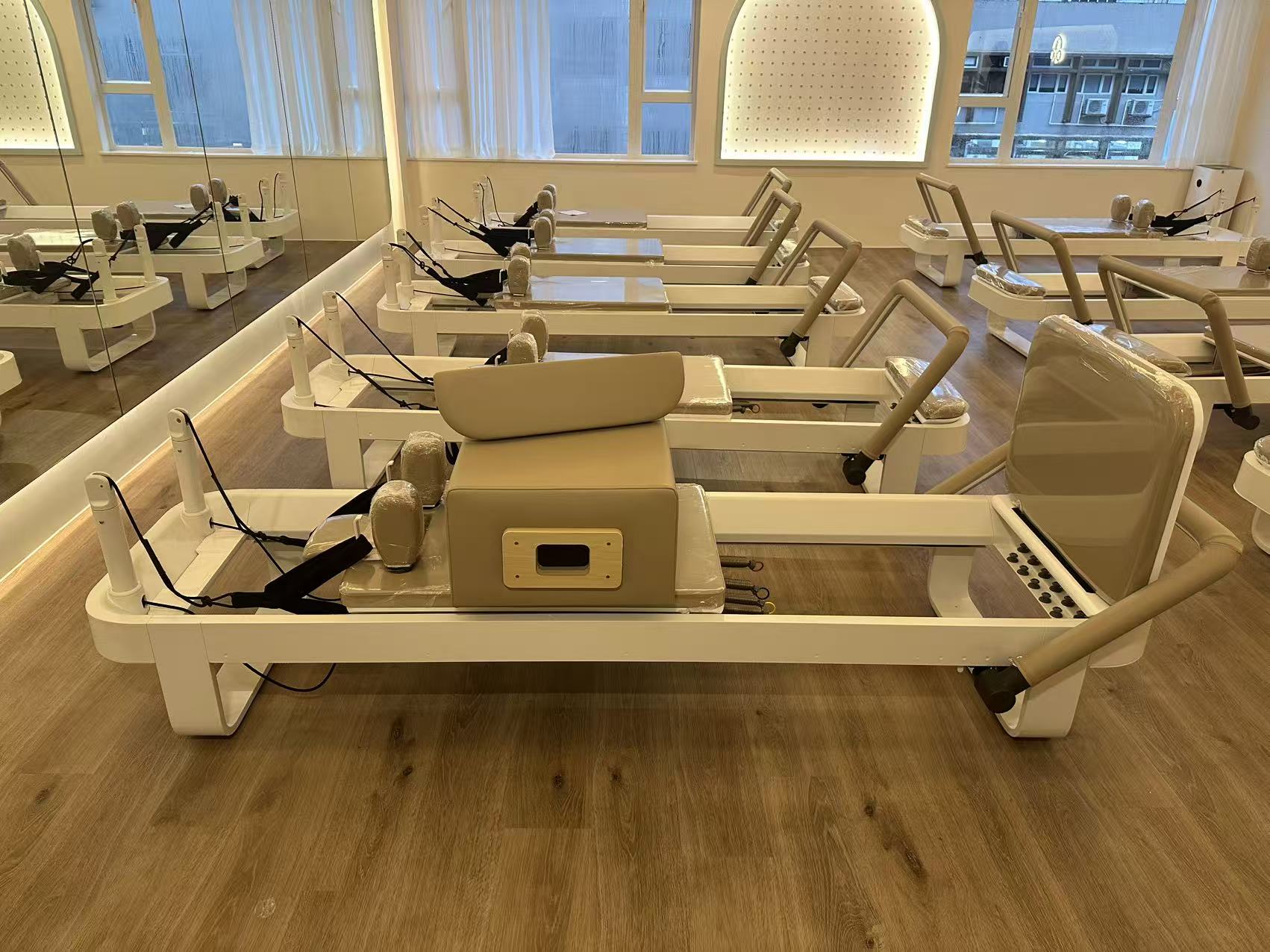
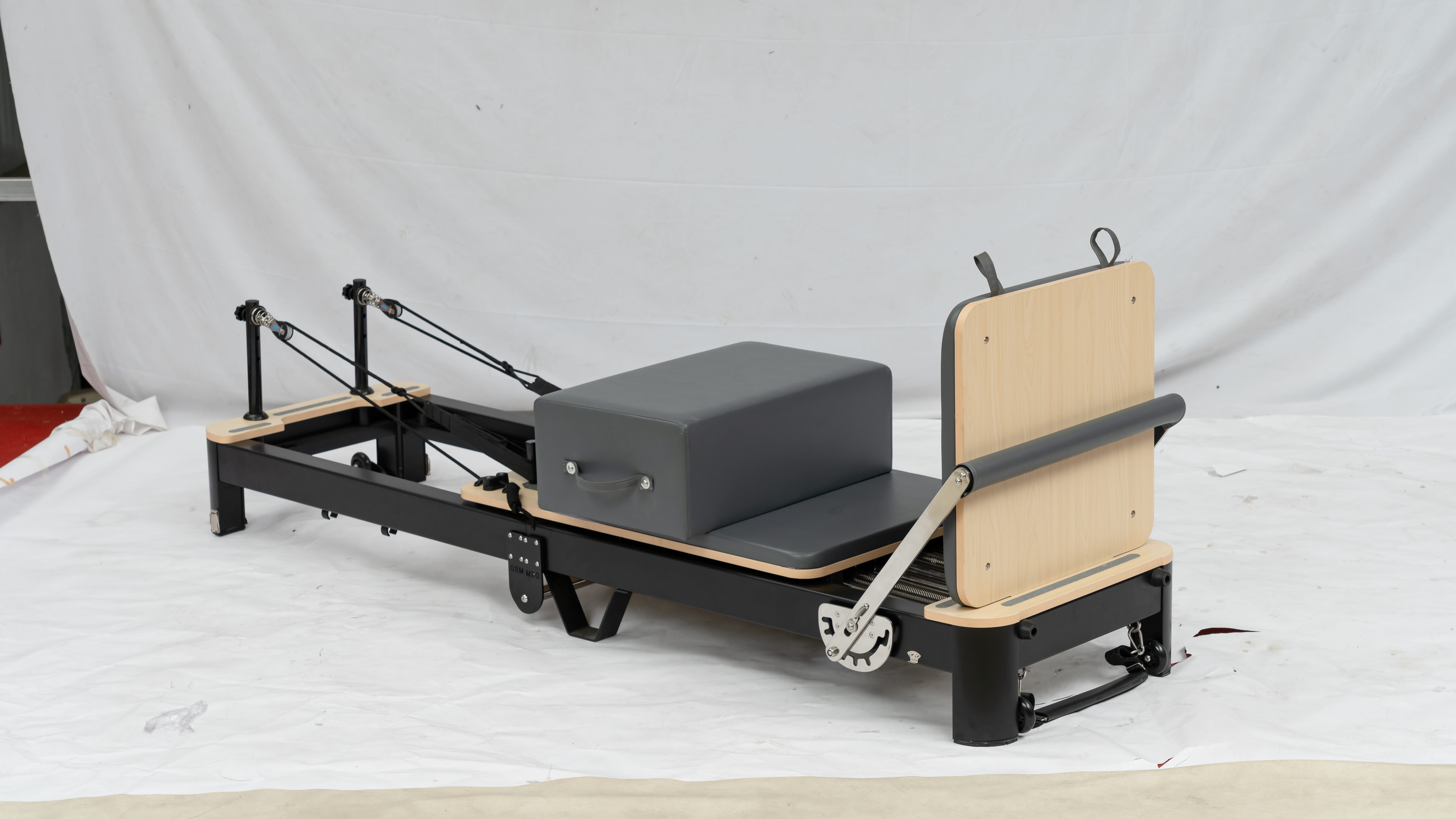
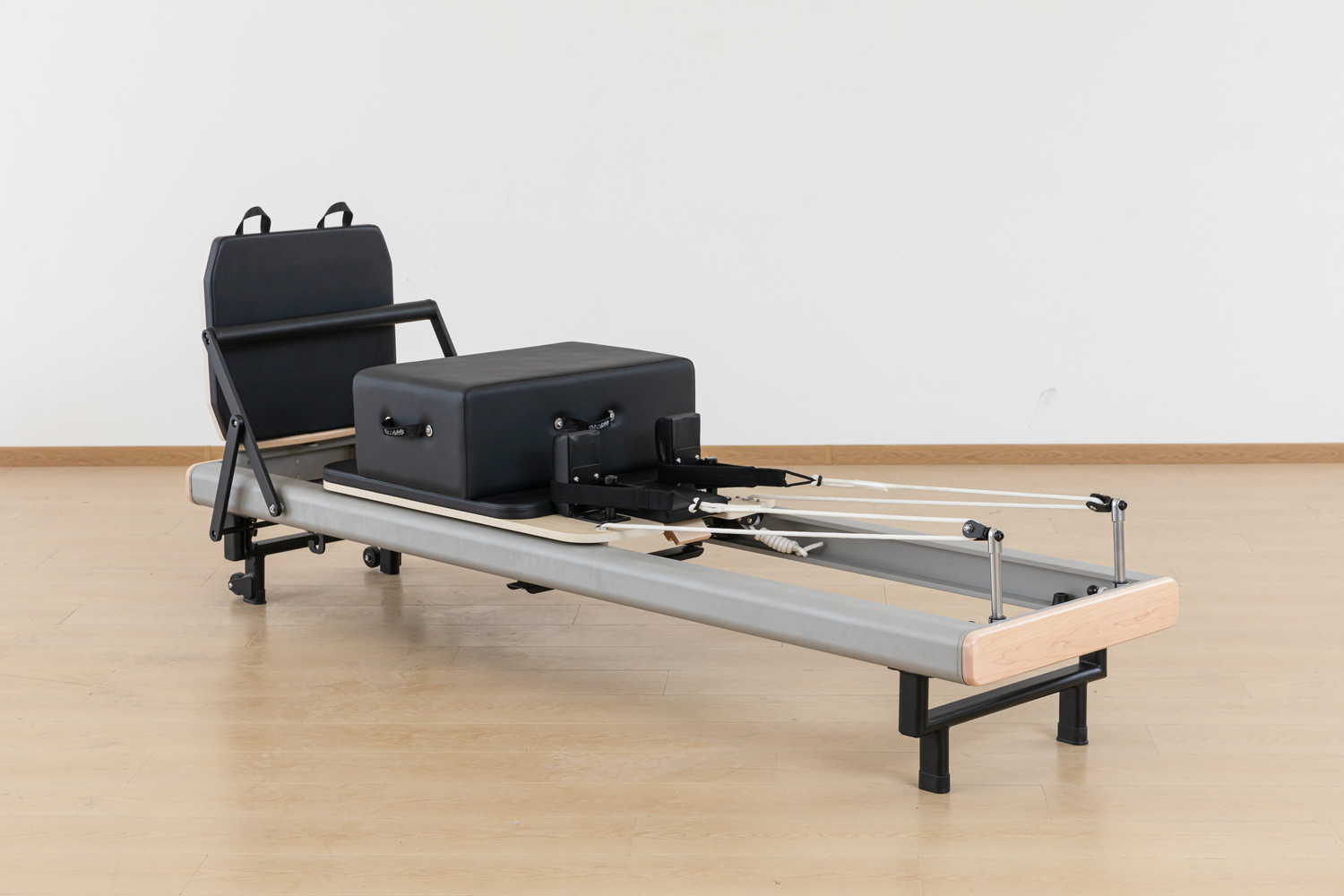
Ocean freight is the main transport expense for bulk pilates reformers, wunda chairs and cadillac machines. You will also need to account for:
- Container loading fee at the factory
- Terminal handling charges at the port of origin
- Fuel surcharges
- Customs clearance agent fees at destination European port
- Inland trucking cost from the port to your warehouse
For small sample shipments, air freight or DDP courier rates replace sea freight.
3. Import Duties & VAT
European countries apply different import duty rates for fitness and pilates apparatus. Duty is calculated on the customs value of goods (product cost + international freight + insurance). After duty, you pay local VAT. VAT rules vary between EU member states; VAT can often be reclaimed by registered business buyers, but it still impacts your cash flow temporarily.
Important: CE certification and compliance with EN 957 / ISO 20957 standards are mandatory. Non-compliant shipments may be detained or rejected, leading to massive extra costs.
4. Insurance
Cargo insurance covers loss or damage during ocean transit. Pilates machines have large frames and fragile foam and spring components, so insurance is strongly recommended. Insurance premium is normally calculated as a small percentage of the combined goods and freight value.
5. Destination Warehouse & Unloading Fees
Once the container arrives at your local warehouse, costs include container unloading, pallet handling, storage, quality inspection, and repackaging if damaged during transit. Oversized pilates reformers require extra labor for unloading.
6. Additional Hidden Costs
These are frequently overlooked by new importers:
- Customs brokerage service fees
- Document fees: certificate of origin, CE test reports
- Demurrage and detention fees if container clearance is delayed
- Product repair or replacement for damaged units
- Bank transfer fees for supplier payments
- Currency exchange fluctuation losses
Step-by-Step Landed Cost Calculation Formula
Total Landed Cost per unit =
(Total product cost + Ocean freight + Cargo insurance + Import duty + VAT + Port & local handling + Warehouse & unloading + Miscellaneous fees) ÷ Total number of pilates machines in the container
Practical Tips for Pilates Equipment Importers
- Always ask your supplier for accurate packing dimensions and gross weight for palletized pilates machines. Incorrect dimension data will lead to wrong freight quotes.
- Confirm import duty classification code for pilates apparatus with your customs broker before placing bulk orders.
- Build a contingency buffer of 5–8% of total cost in your budget to cover unexpected surcharges or freight price increases.
- Compare landed cost across different order sizes. Mixed container orders with reformers, wunda chairs and accessories can improve container utilization and reduce per-unit shipping cost.
- Avoid relying only on DDP pricing for long-term business. Understanding the full landed cost breakdown gives you negotiation power and better control over your supply chain.
Final Thoughts
Calculating landed cost is essential for European pilates distributors and large studio operators. When you clearly understand every cost layer from factory to warehouse, you can accurately assess supplier quotations, protect your profit margin, and make smarter purchasing decisions for your pilates equipment inventory. Skipping this step may turn what looks like a profitable order into a costly mistake.
Want me to shorten this article for blog, or add a simple calculation example table for your readers?