Wood vs Aluminum Pilates Reformer: Which One Is Right for You?

When choosing a Pilates Reformer, frame material is one of the first decisions you'll make — wood or aluminum? This isn't just about aesthetic preference. It affects user experience, maintenance requirements, and service life. Both materials have their advocates, and there's no absolute "better" — only "more suitable."
This article helps you make an informed decision across five dimensions: feel, stability, maintenance, lifespan, and use case.
I. Wood Frames: Classic Warmth
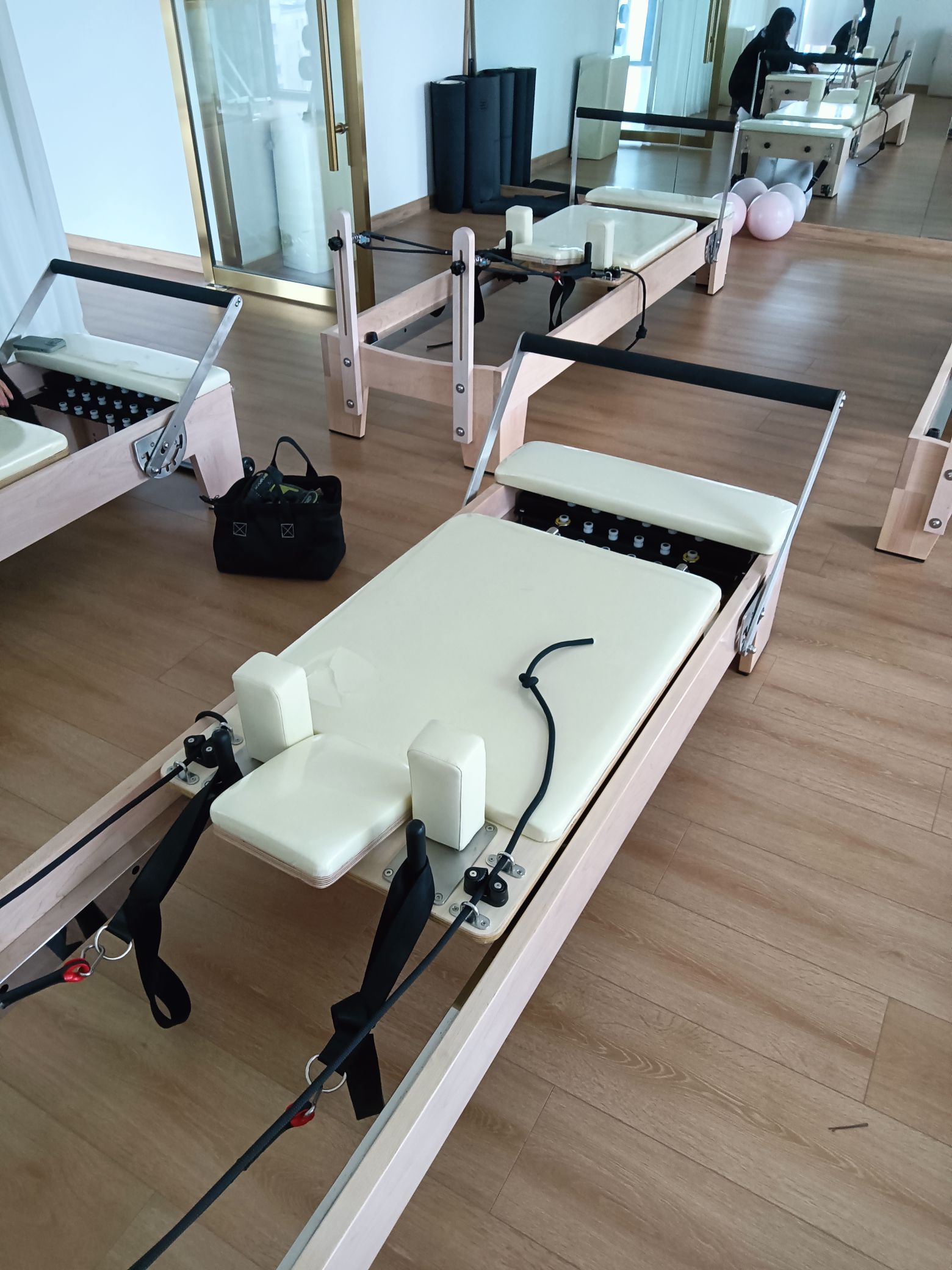
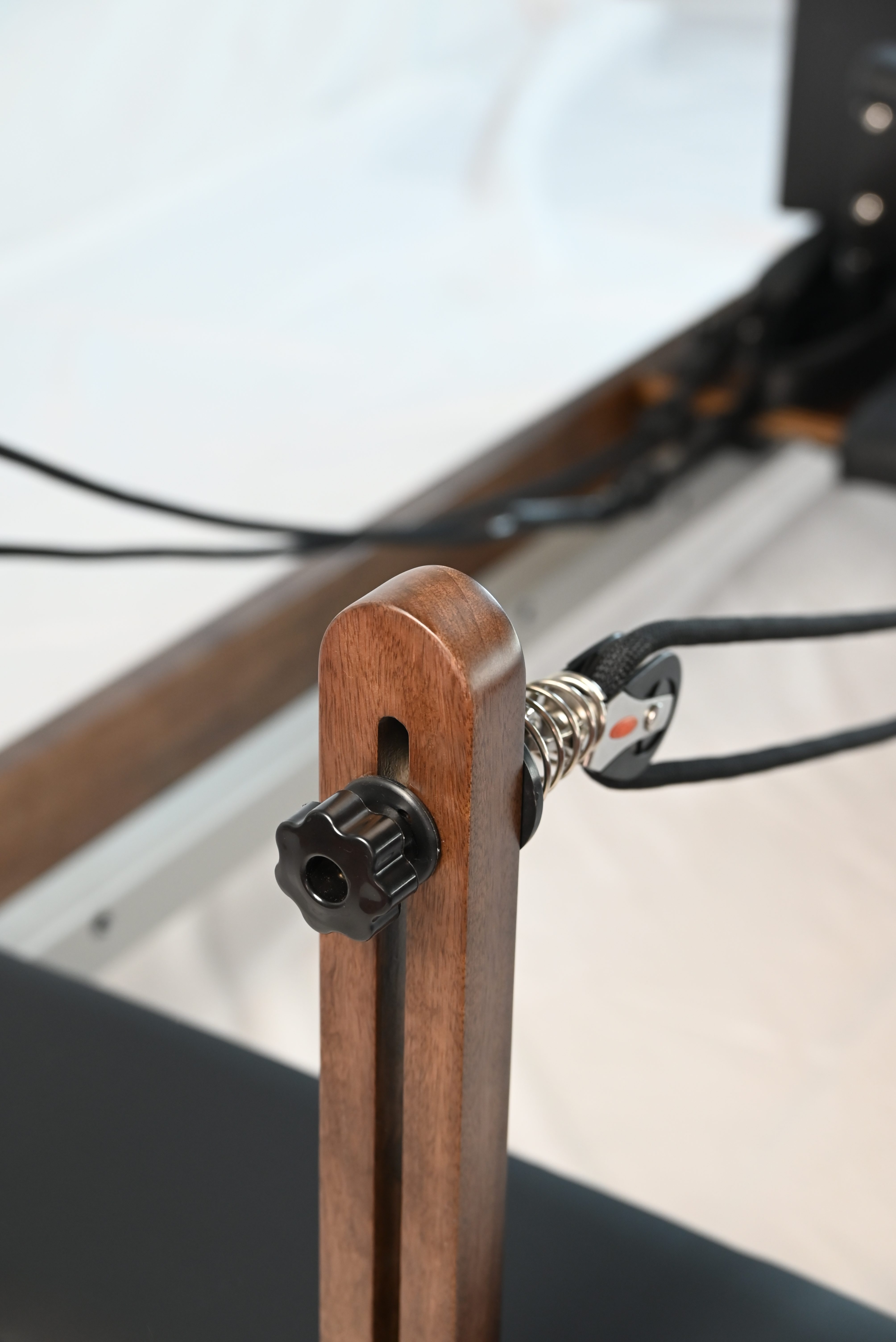
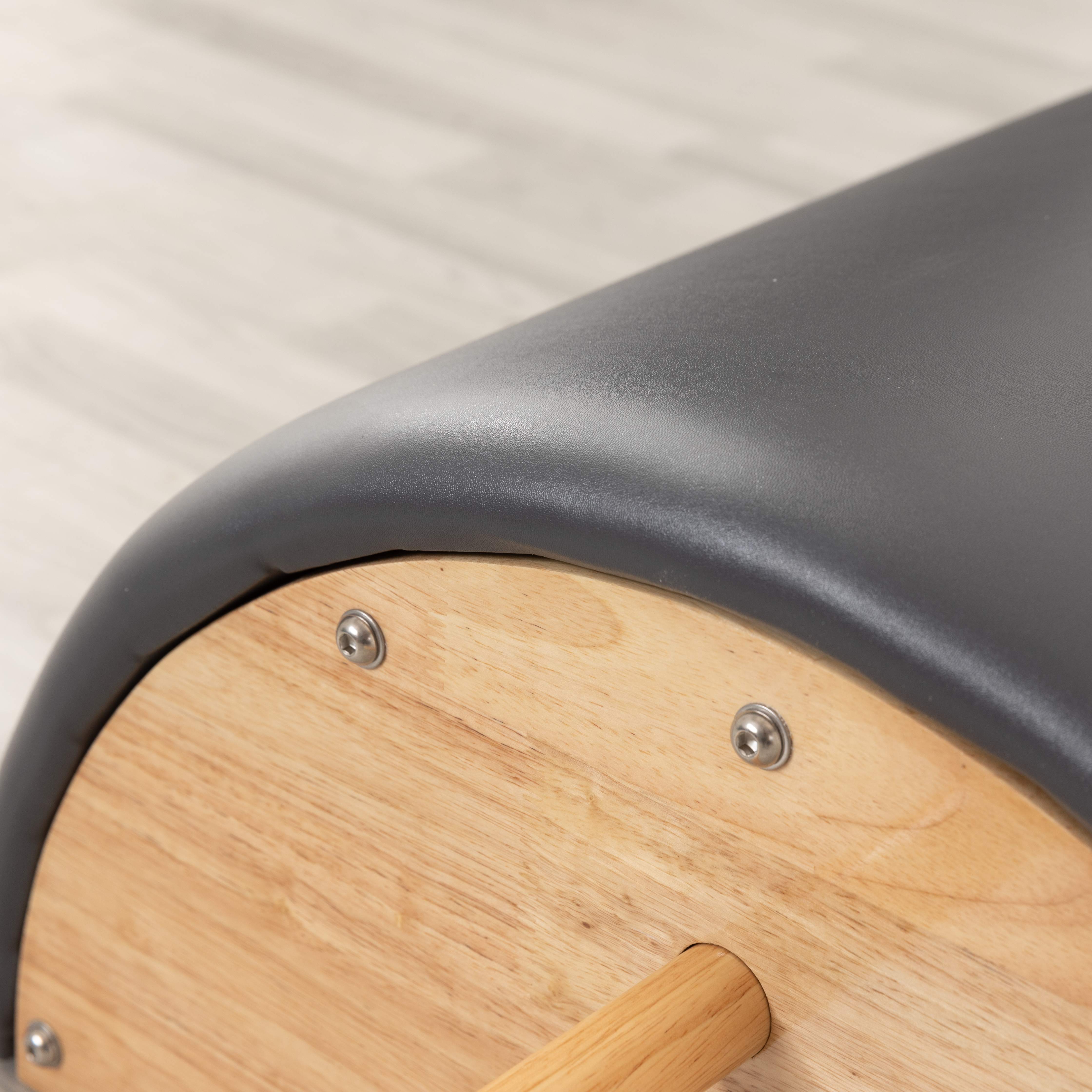
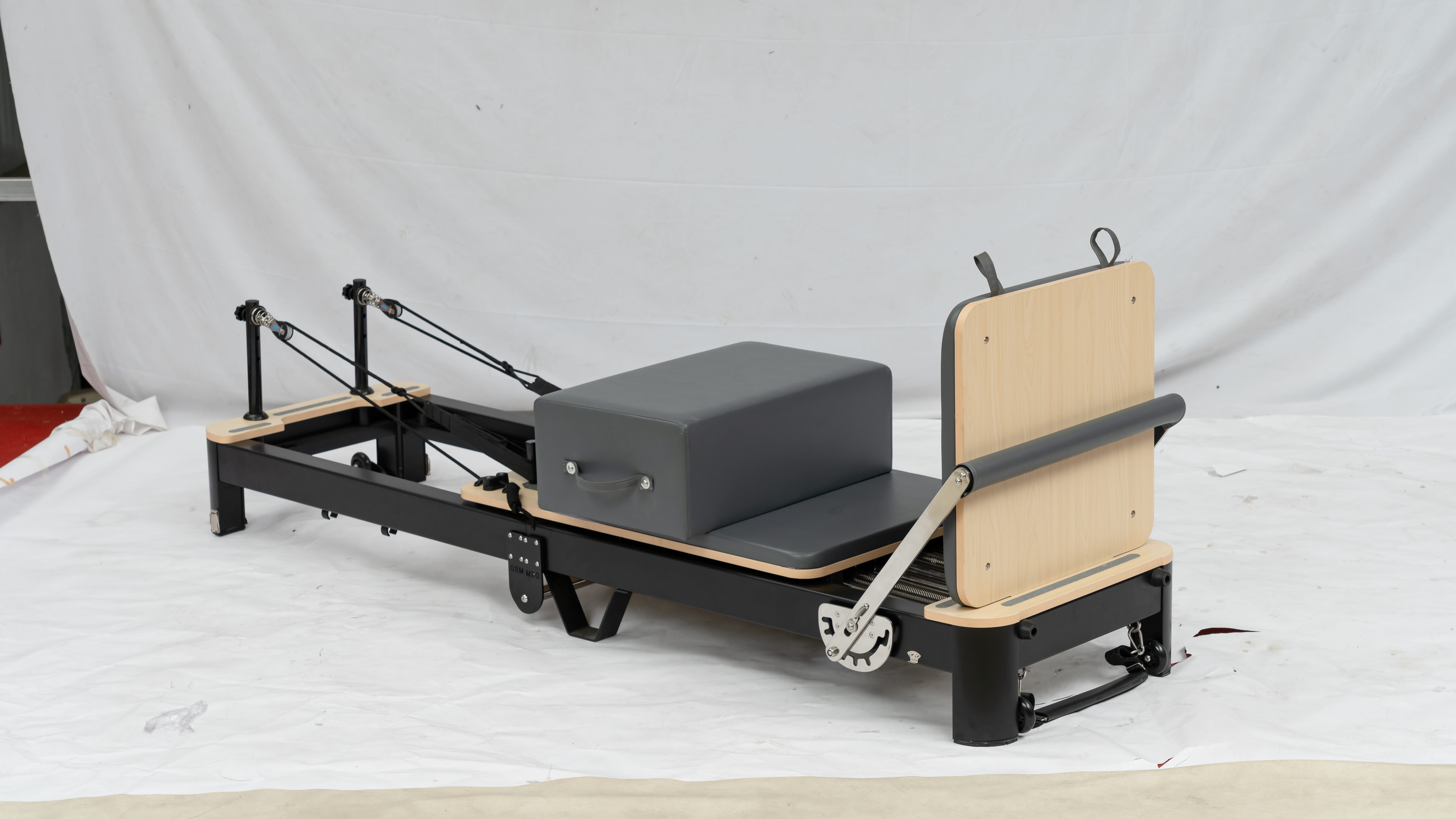
Wood frames are the traditional choice for Pilates equipment and the standard in many classical Pilates studios. Maple, oak, and beech are the most common wood types.
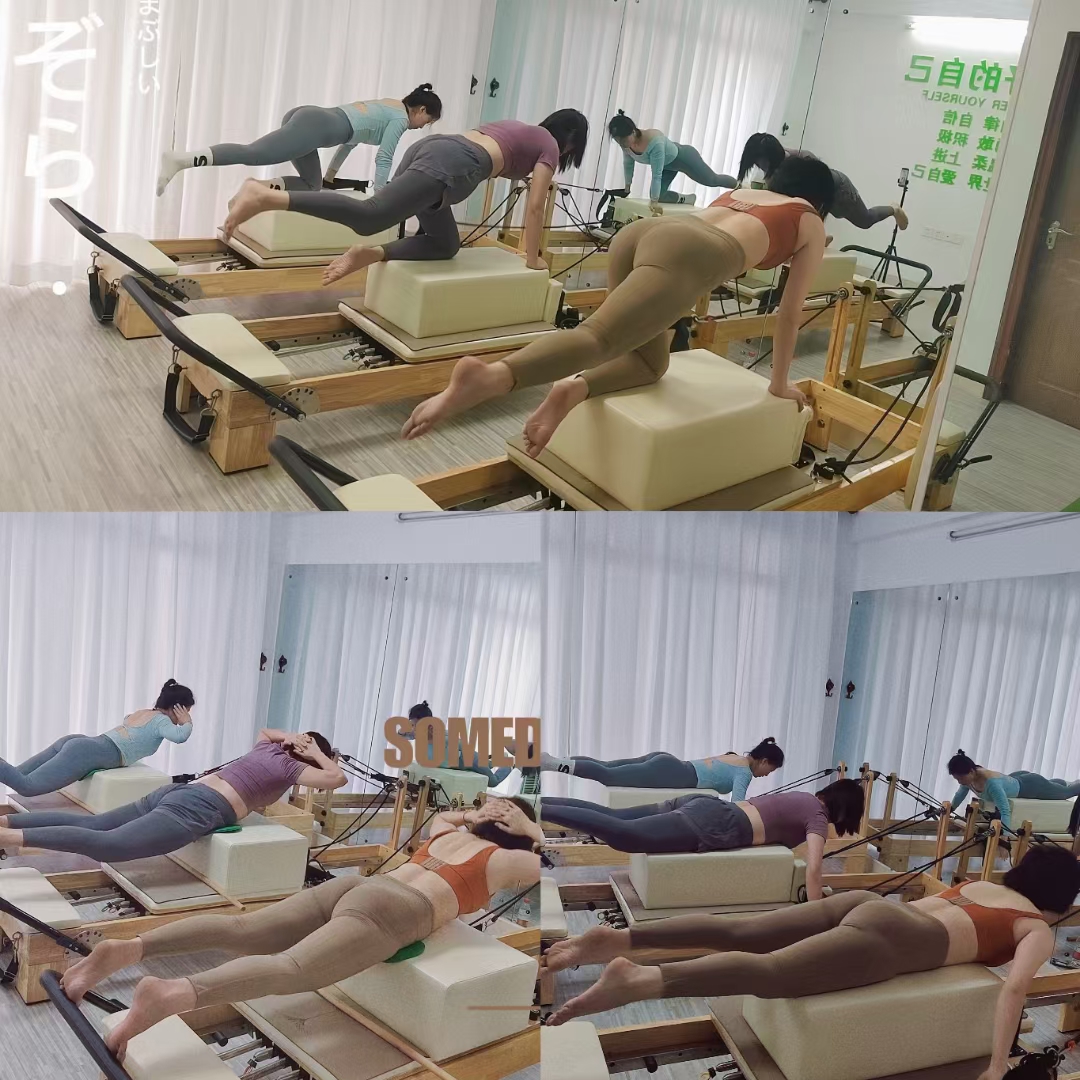
Advantage 1: Natural feel and aesthetic integration. The warm touch of wood is something metal can't replicate. One user described it: "The warm touch underfoot is completely different from cold metal — it feels like being gently held by the grain". Maple's fine texture, oak's classic character, beech's solid tone — different woods offer different visual experiences. For home users, wooden equipment integrates more naturally into living spaces, avoiding the "out of place" look of metal.
Advantage 2: Superior noise performance. Wood's natural fiber structure has sound-absorbing properties. Balanced Body's Strata Rock Maple uses multi-layer cross-lamination, providing strength far exceeding single-plank wood while effectively absorbing vibration and noise. Multiple users emphasize that wooden beds are "stable, quiet, and non-disruptive" — particularly important for apartment dwellers.
Advantage 3: Stability and low center of gravity. The natural weight of wood frames provides excellent stability during practice. Users report the wooden bed feels "as stable as if rooted into the floor," with no wobbling or shifting during pelvic curls, single-leg stretches, and side-support work.
Disadvantage: Sensitive to environment. Wood is sensitive to temperature and humidity changes, requiring moisture content below 8%. Prolonged exposure to humid environments can cause swelling, warping, or cracking; excessive dryness can cause shrinkage and joint loosening. Wood frames require regular maintenance, avoiding direct sunlight and extreme conditions.
II. Aluminum Frames: Modern Rationality
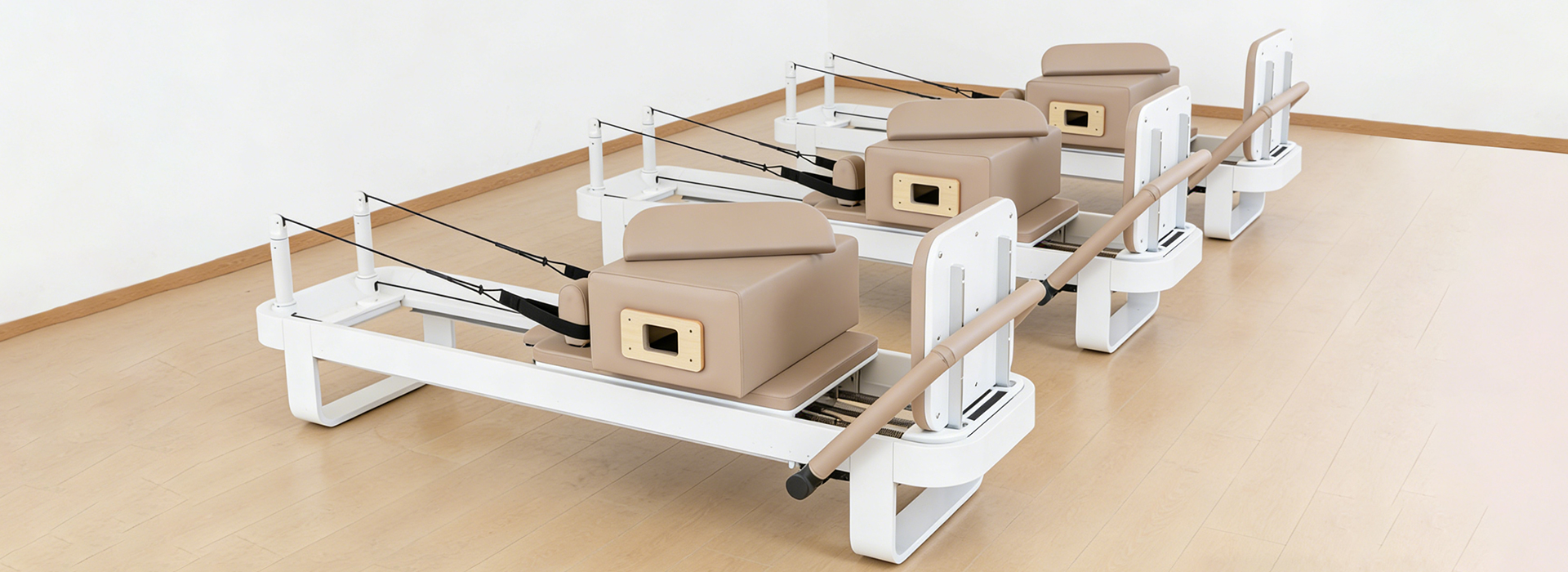
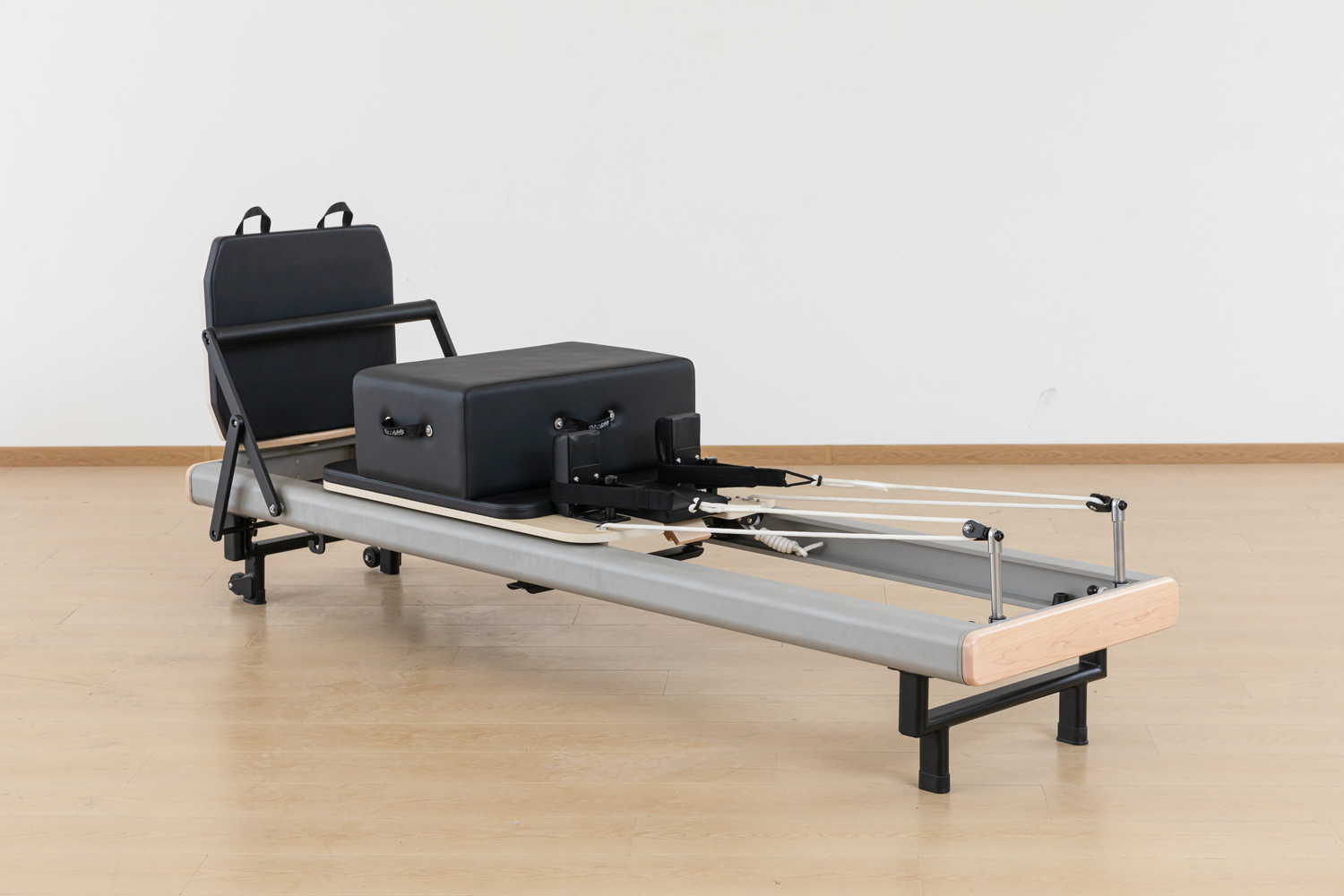
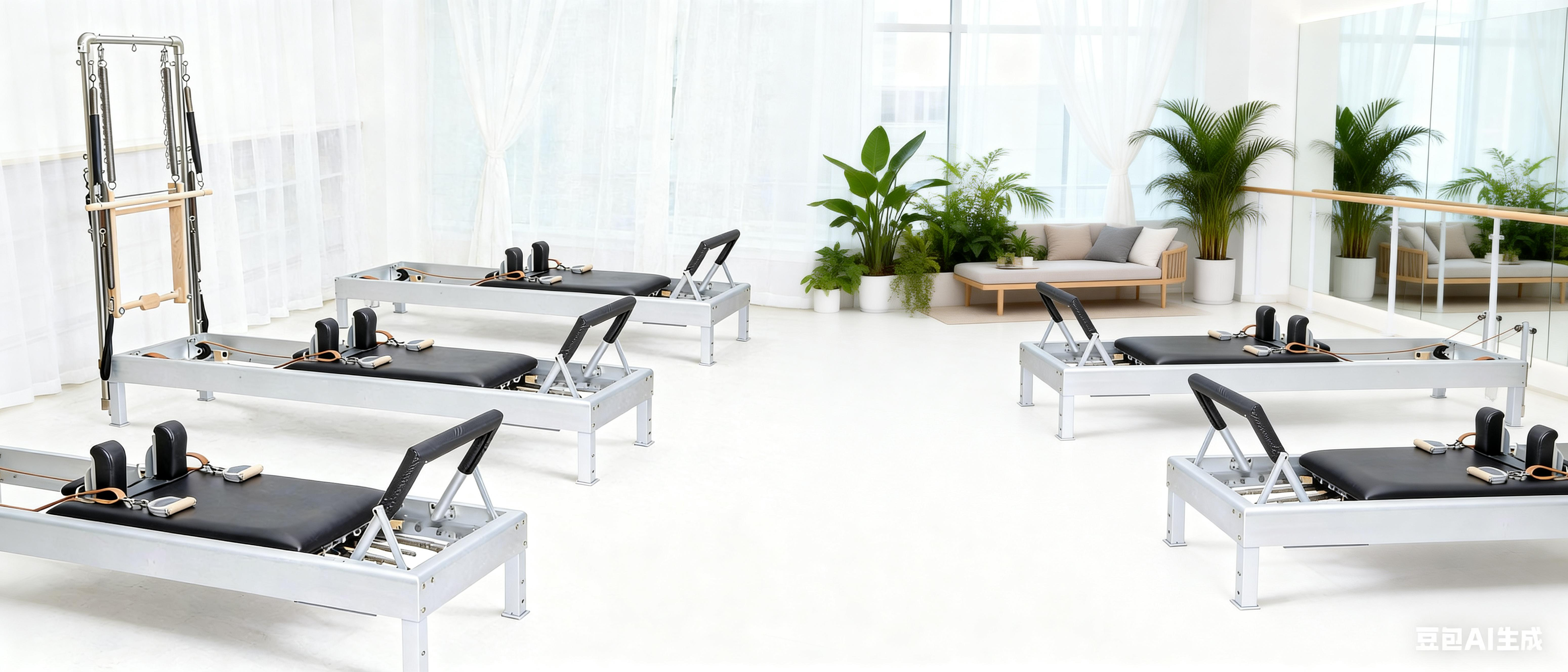
Aluminum frames represent a more modern, lightweight design direction, gaining popularity in commercial studios and among home users seeking portability.
Advantage 1: Lightweight and portable. Aluminum weighs approximately 30% less than wood — a significant advantage for studios needing to move equipment frequently or home users with limited space. An aluminum Reformer typically weighs 20-30kg less than a same-size wooden model.
Advantage 2: Unaffected by environment. Aluminum is insensitive to temperature and humidity changes, unlike wood which swells, shrinks, or cracks. Whether placed in dry northern climates or humid southern regions, aluminum frames maintain dimensional stability. This makes them particularly suitable for regions with variable climate conditions.
Advantage 3: Corrosion resistance and easy maintenance. Anodized aluminum surfaces offer high hardness, wear resistance, and won't rust. Daily maintenance requires only a damp cloth — no regular oiling or waxing like wood.
Advantage 4: Modern aesthetics and design flexibility. Aluminum frames typically present a cleaner, more modern appearance, suitable for minimalist studios. Their malleability allows for more complex cross-sectional shapes and finer adjustment mechanisms.
Disadvantage: Feel and noise. Aluminum feels cooler to the touch and appears less warm than wood. In terms of glide noise, aluminum frames lack wood's natural damping characteristics. If rail and pulley systems are inadequate, metal friction or resonance sounds may be more noticeable. Aluminum reformers therefore demand higher rail system precision.
III. Direct Comparison Across Five Dimensions
Stability: Wood frames are generally more stable under lateral force due to greater self-weight; aluminum frame stability relies more on structural design and foot pad quality. Quality aluminum reformers can achieve excellent stability as well.
Noise performance: Wood frames have a natural advantage in noise reduction — sound-absorbing properties mean virtually no additional noise during gliding. Aluminum frames require higher-quality rail and pulley systems to achieve equivalent quietness.
Maintenance requirements: Wood frames need regular care — avoiding moisture and direct sunlight, with occasional oiling. Aluminum frames are simple to maintain — just wipe down, with virtually no special care needed.
Service life: Under normal use and maintenance, both frame types can last over a decade. Quality solid wood frames, properly maintained, can exceed 20 years; aluminum frames offer greater long-term stability due to environmental insensitivity.
Price range: Solid wood raw material costs are typically higher, especially imported maple and oak. Aluminum frames have relatively controllable mass production costs. For the same brand and configuration, solid wood models typically cost 20% to 50% more than aluminum.
IV. Which One Is Right for You?
Choose a wood frame if you:
·Want aesthetic integration with your home — equipment as part of the space
·Have high noise sensitivity (apartment dweller, practicing above others)
·Enjoy the tactile warmth of natural materials
·Are willing to maintain the equipment regularly
·Prefer the traditional look of classical Pilates
Choose an aluminum frame if you:
·Need to move equipment frequently or have limited space
·Live in humid climates or regions with large temperature swings
·Want simple, worry-free maintenance
·Prefer modern minimalist design
·Prioritize long-term dimensional stability
Compromise option: Some brands offer hybrid designs — "aluminum frame with wood accents" or "wood frame with metal connectors" — combining the advantages of both materials. If you want both, look for these products.
Summary: Wood and aluminum frames each have advantages. The key is your use case, climate conditions, and personal preference. Wood frames excel in feel, quietness, and aesthetics but require more maintenance; aluminum frames win on portability, stability, and easy care but feel cooler to the touch. Whichever you choose, frame quality ultimately depends on material grade, manufacturing process, and quality control standards — the same material can produce dramatically different quality from different factories. Before deciding, experience both materials in person — feel the glide, stability, and overall quality — then make your final choice.