Key Features to Look for in a Durable Pilates Reformer
How long a Pilates Reformer lasts is largely determined at the time of purchase. Frame material, spring quality, carriage system precision, upholstery grade — these engineering details hidden beneath the surface are the core factors determining whether equipment can accompany you for a decade or more.
This article systematically outlines six key features of durable Pilates Reformers to help you make more rational procurement decisions.
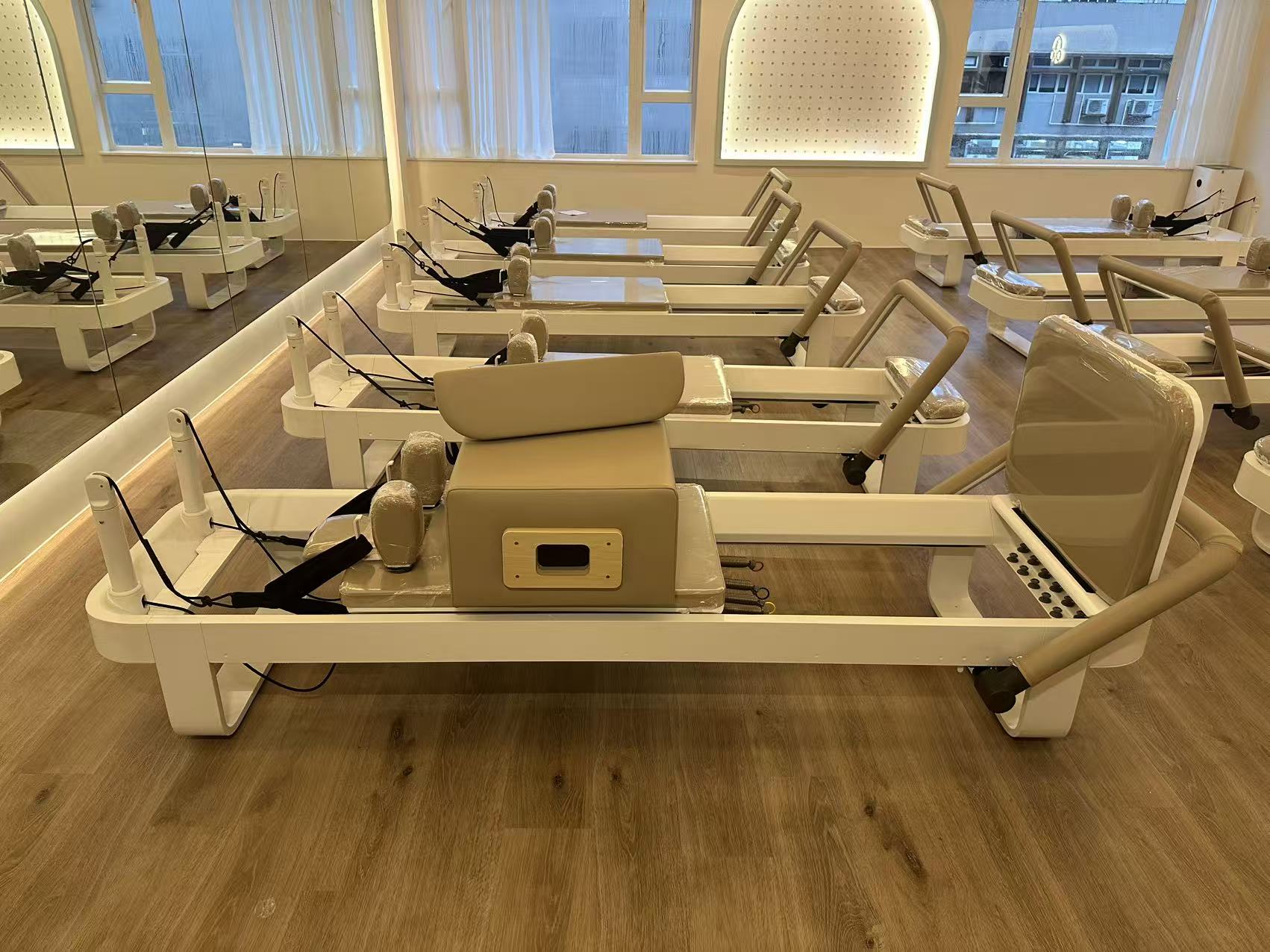
I. Frame: The "Skeleton" That Determines Lifespan
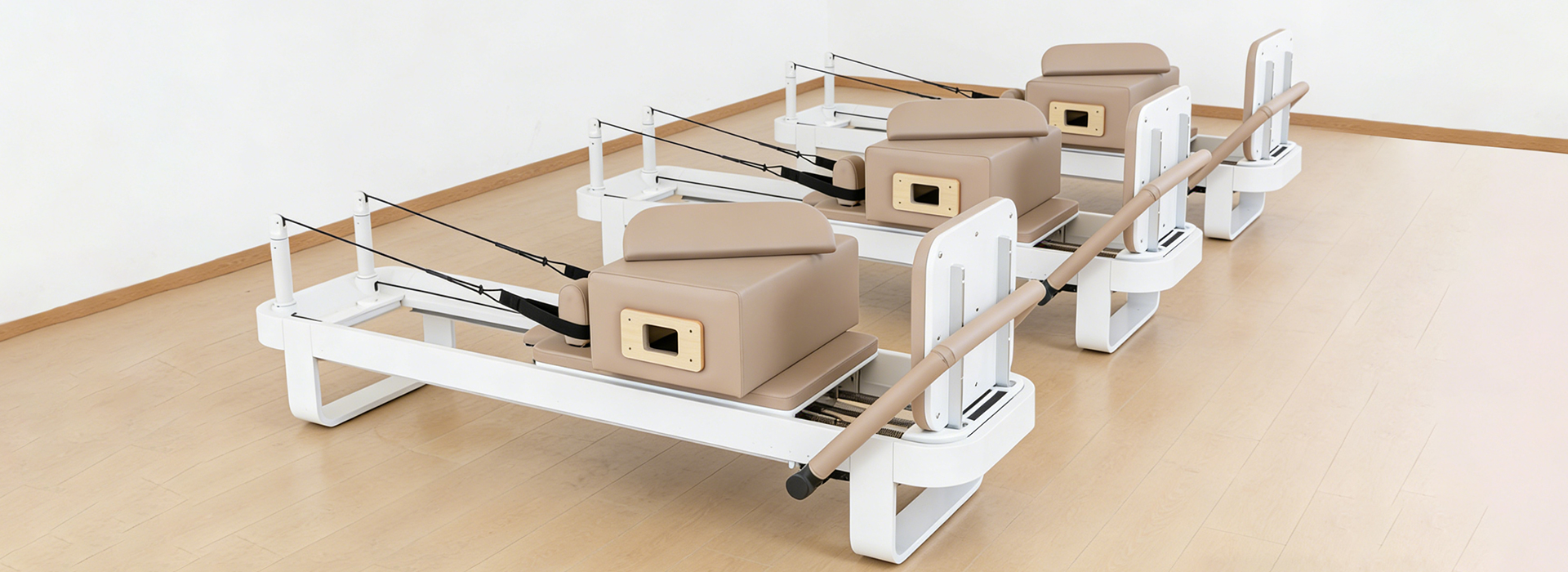
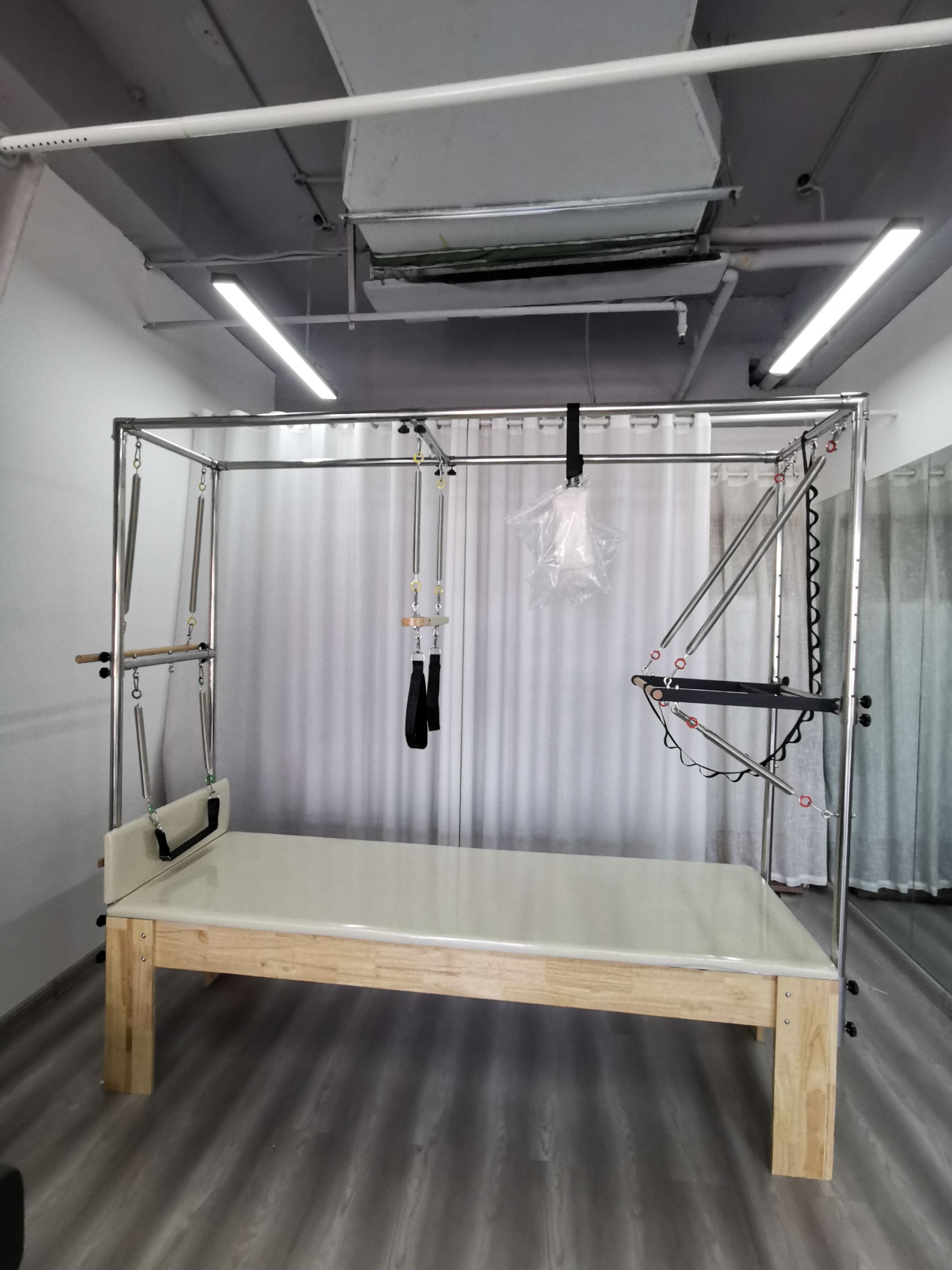
The frame is the load-bearing structure and the longest-lasting component. A durable Reformer frame must meet three conditions: sufficient material thickness, reliable joining, and excellent corrosion protection.
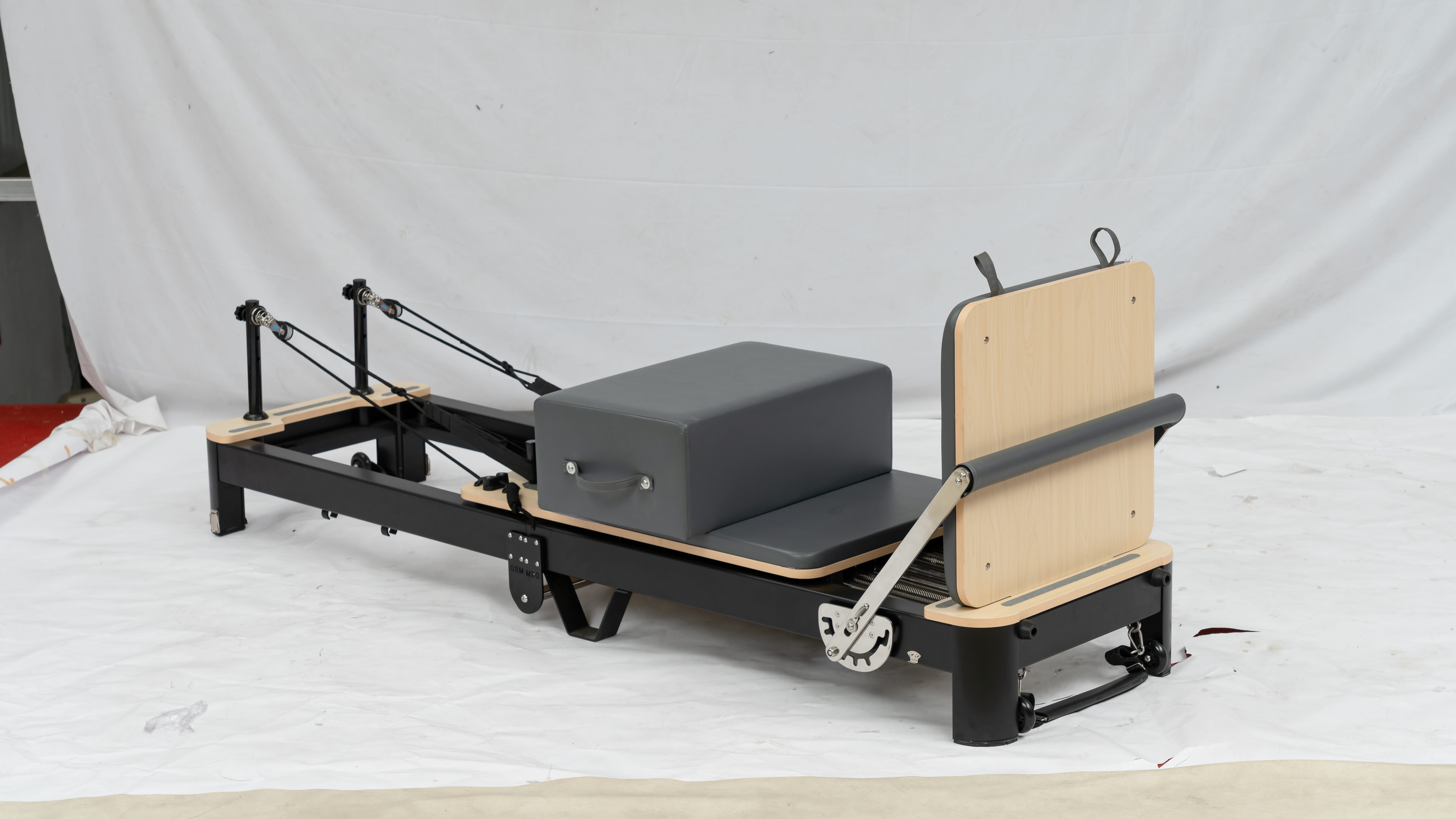
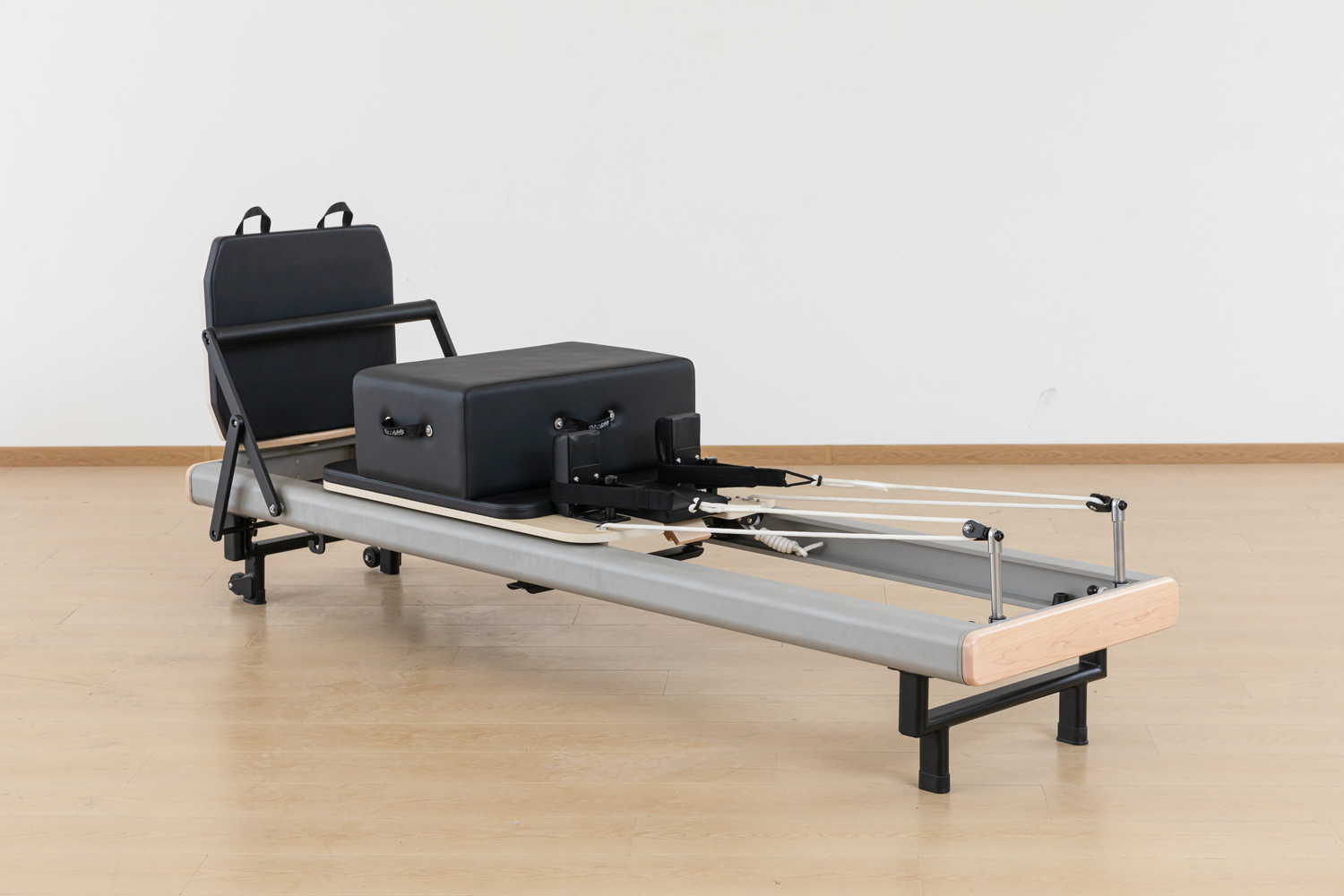
Material thickness is foundational. Commercial-grade carbon steel frames should be at least 2mm thick; aviation-grade aluminum (such as 6061-T6), after anodizing, combines lightweight properties with high strength; solid wood frames should use hardwoods like maple, oak, or beech, with moisture content strictly controlled below 8%.
Joining quality determines long-term frame stability. Welds should be uniform and smooth, free from porosity, cracks, or cold shuts. Critical load-bearing welds require non-destructive testing. Solid wood frames should use mortise-and-tenon joinery or precision assembly — holding tight without a single screw and never developing squeaks over time.
Corrosion protection affects lifespan in humid environments. Quality frames undergo multi-layer treatment — phosphating, electrophoretic coating, powder coating, or anodizing — with strong coating adhesion, scratch and corrosion resistance, verifiable through salt spray testing.
II. Springs: The "Consumable" That Deserves the Most Attention
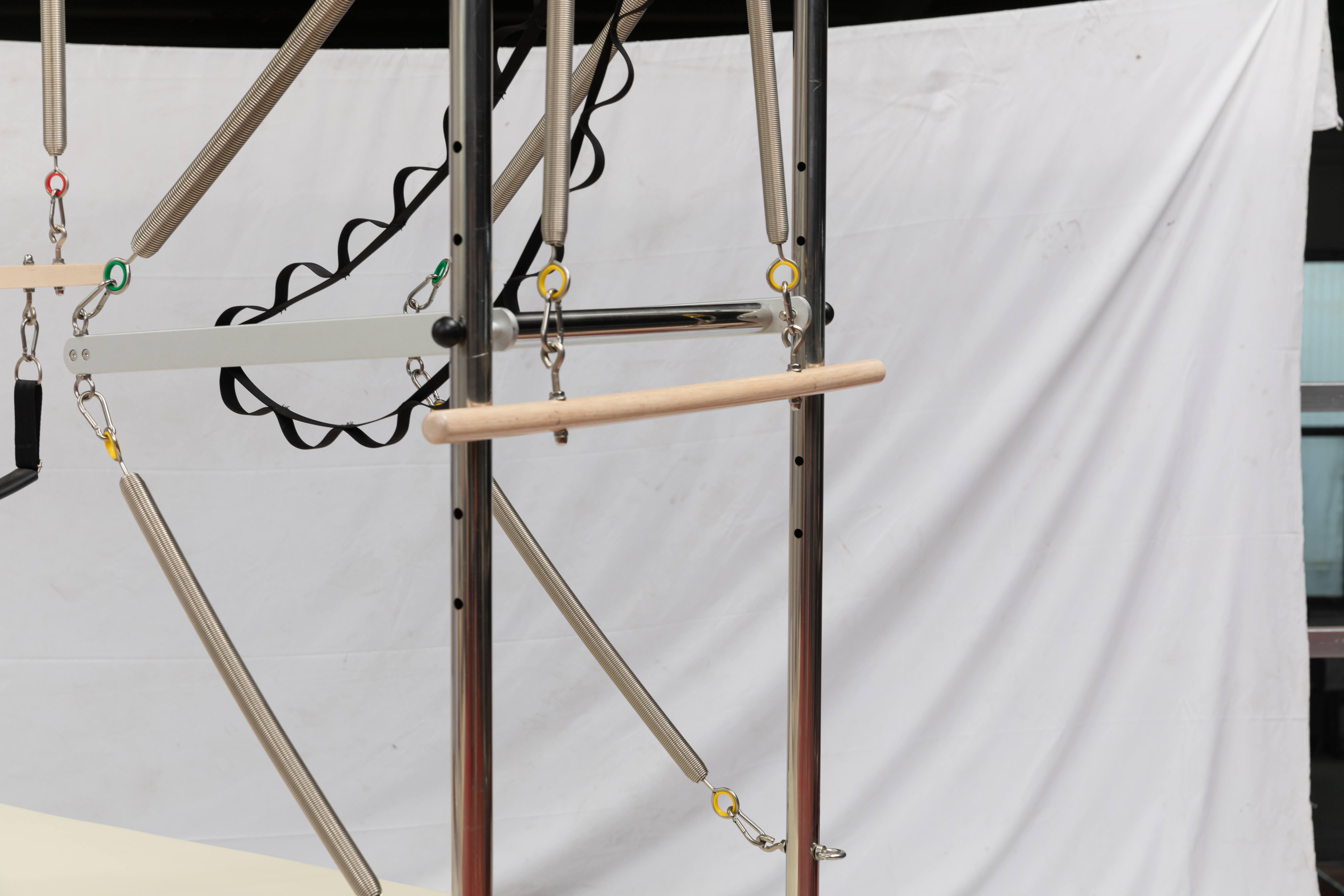
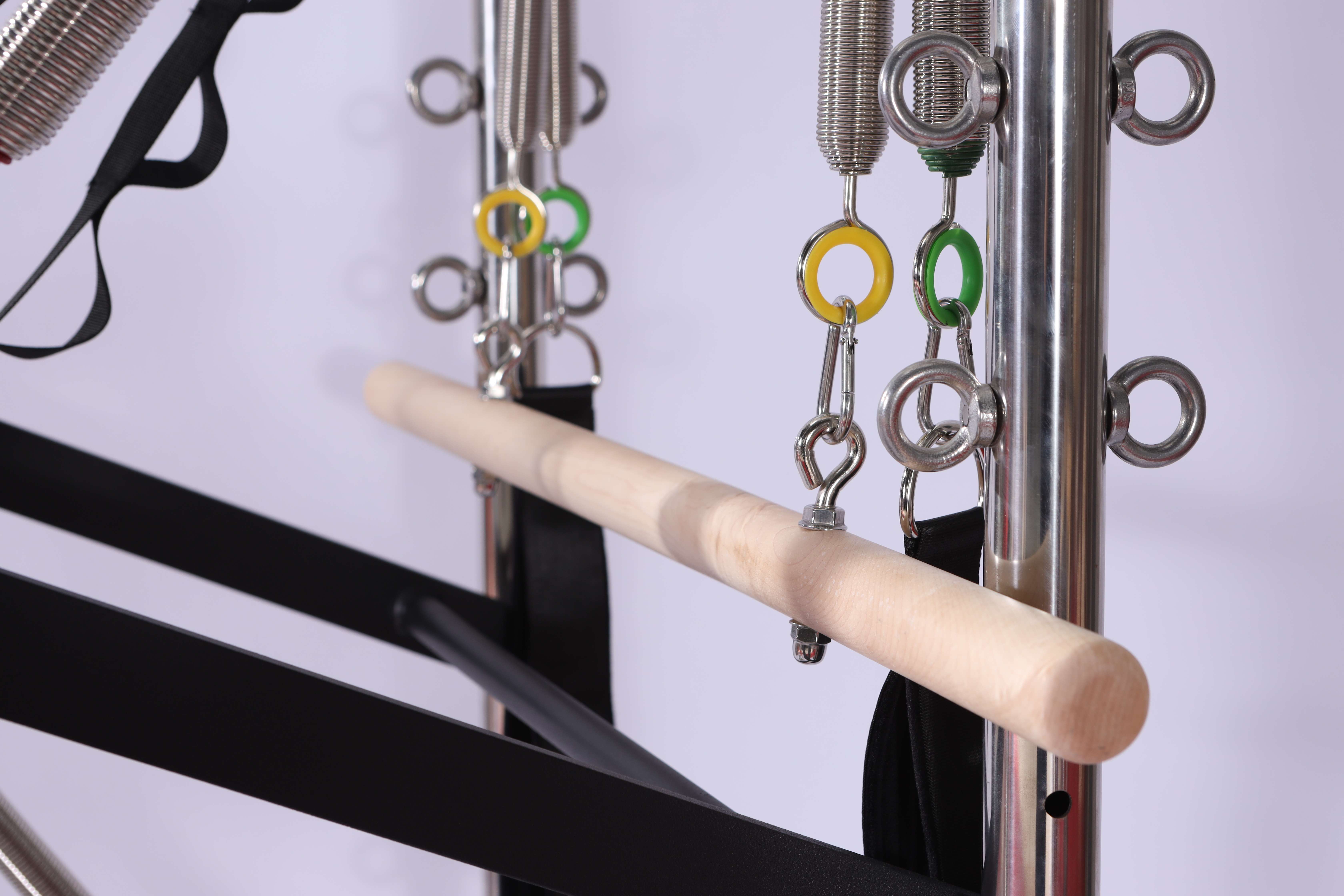
Springs are the Reformer's "power heart" and the fastest-aging component. Judge spring quality by three metrics: material, process, and lifespan.
Material: Quality springs use German or Japanese imported piano wire (high-carbon steel, 0.7-1.0% carbon content) for high tensile strength and consistent elastic modulus. Standard carbon steel springs last approximately 100,000-200,000 cycles, while piano wire springs reach 500,000+ cycles.
Process: Springs require rigorous heat treatment to eliminate residual stress. Hook areas need additional reinforcement — this is a stress concentration zone where poor treatment leads to fracture. Commercial-grade spring force tolerance should be within ±5% to ±8%, ensuring consistent feel across same-spec springs on the same machine.
Replacement cycle directly reflects durability. Industry guidance recommends replacing springs every two years, but high-quality springs can last longer under normal commercial use.
III. Carriage and Rails: The "Joints" That Determine Feel
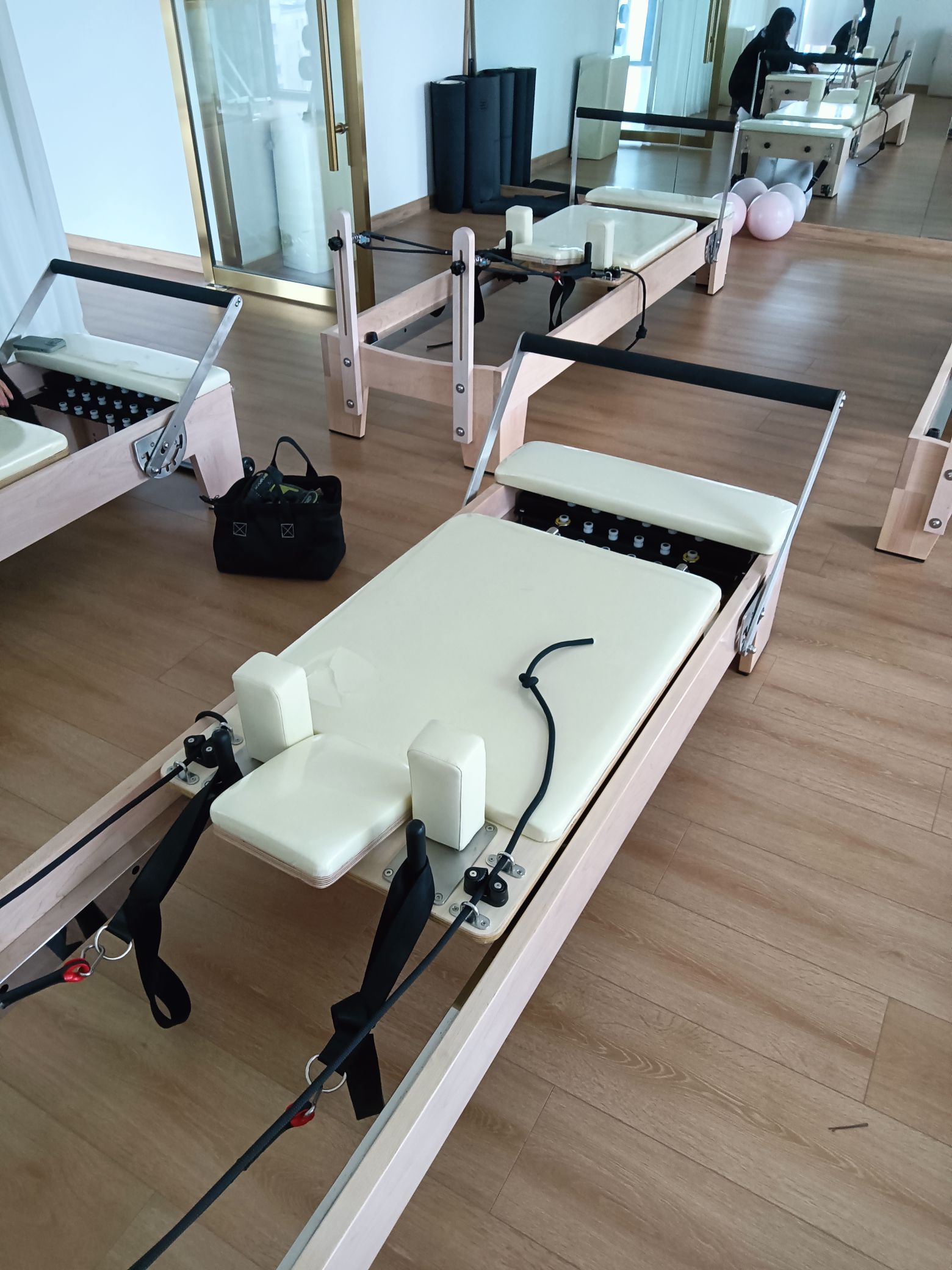
Carriage system precision directly affects every practice session. Durable carriage systems require attention to rail material, wheel quality, and assembly precision.
Rails should use anodized aluminum or chrome-plated carbon steel for high surface hardness and wear resistance. Rail straightness and parallelism tolerances must be controlled within extremely tight ranges — excessive clearance causes wobble, insufficient clearance increases resistance or produces noise.
Wheels should use POM engineering plastic or sealed-bearing silent types. Sealed bearings effectively prevent dust and fiber ingress, extending wheel lifespan.
Assembly precision determines glide smoothness. Quality equipment undergoes glide testing under full load (approximately 120kg), ensuring no sticking or abnormal noise throughout, with noise levels below 50 decibels.
IV. Upholstery: The Daily-Contact "Façade"
Upholstery durability directly affects client experience and maintenance costs.
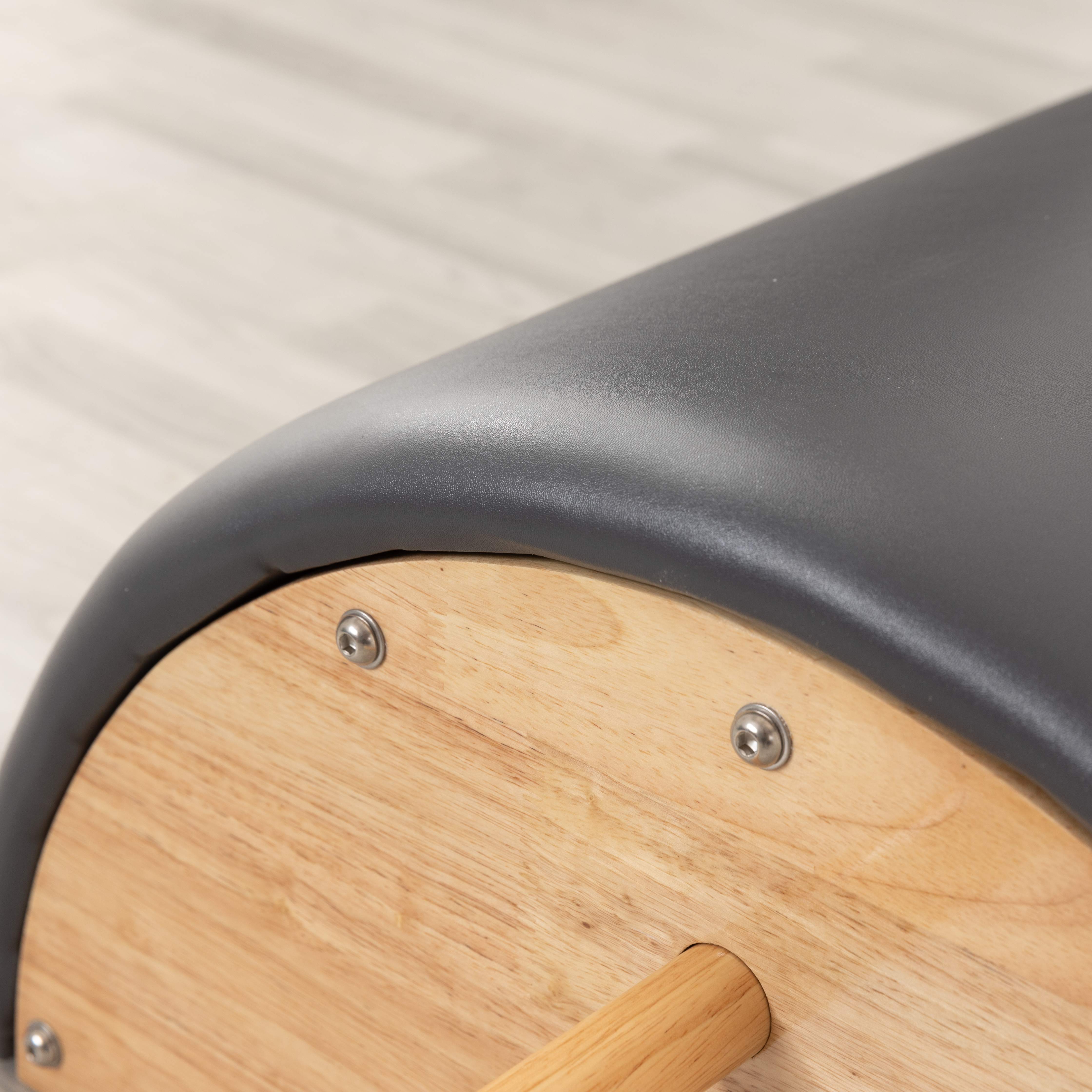
Leather should use high-wear PU (Martindale test exceeding 50,000 cycles), offering sweat resistance, easy cleaning, and anti-aging properties. Critical stress seams should be double-stitched to prevent tearing.
Foam density should be at least 45kg/m³, ensuring quick rebound after pressing and no sagging after years of use. High-density foam paired with soft leather creates a "firm core with soft surface" comfort structure.
V. Adjustment Mechanisms: The Easily Overlooked "Details"
Adjustment mechanism durability is often overlooked, yet directly affects daily usability and safety.
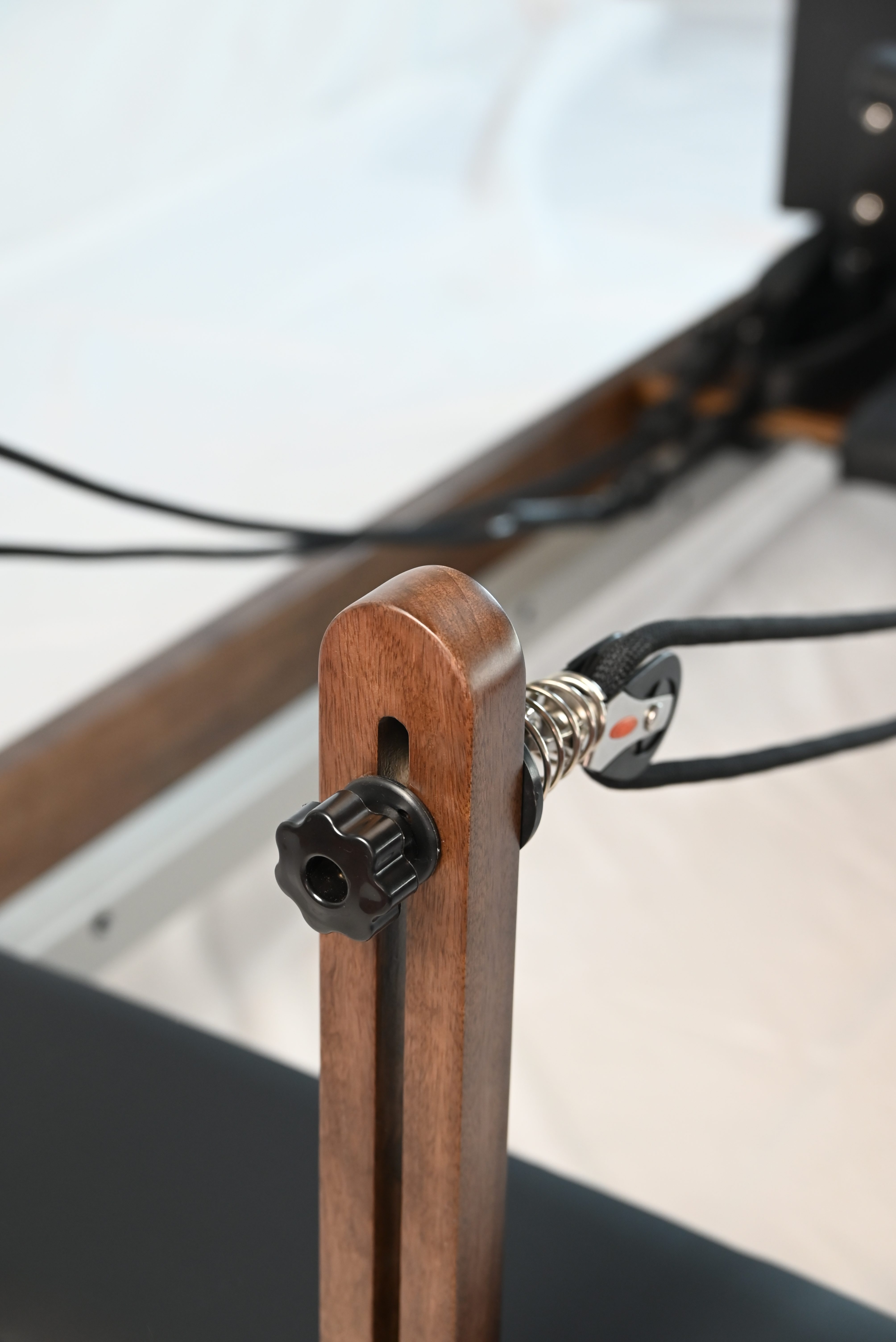
Footbar should support multiple quick-adjust positions with secure locking. Every adjustment should operate smoothly without sticking, and remain locked under pressure.
Shoulder rests and headrest should adjust quickly and lock stably. Headrest should offer multiple angle settings to support cervical protection in different positions.
All adjustment mechanisms should undergo repeated testing of locking devices to ensure reliable locking after long-term use.
VI. Warranty and Service: A "Commitment" to Durability
Warranty terms are a manufacturer's confidence in product durability. Key areas to check:
Frame warranty: Quality brands typically offer 5-10 year or even lifetime frame warranties.
Moving parts warranty: Springs, pulleys, and ropes typically carry approximately 2-year coverage.
Upholstery warranty: Some brands offer 1-2 year upholstery coverage; others don't cover upholstery wear.
After-sales response: Warranty periods, parts availability, and response mechanisms should be clearly specified in contracts.
VII. The Relationship Between Price and Durability
Durability isn't synonymous with "most expensive," but "cheapest" is almost certainly not durable. Market experience shows:
An entry-level commercial Reformer at $3,000-$4,000 is sufficient for daily operations; mid-range commercial products at $4,500-$5,500 offer mature durability and ergonomics — the top choice for most studios; premium products above $6,000 deliver optimal carriage smoothness, frame stability, and resale value.
From a total lifecycle cost perspective, equipment lasting over a decade has a lower annual amortized cost than budget equipment needing replacement every two to three years.
Summary: A durable Pilates Reformer comes down to six things: thick enough frame, tough enough springs, smooth enough carriage, wear-resistant enough upholstery, secure enough adjustments, and long enough warranty. When purchasing, look beyond appearance and price — focus on the engineering metrics hidden beneath the surface. A well-chosen machine will serve a studio through more than a decade of operation — the best protection for your investment.