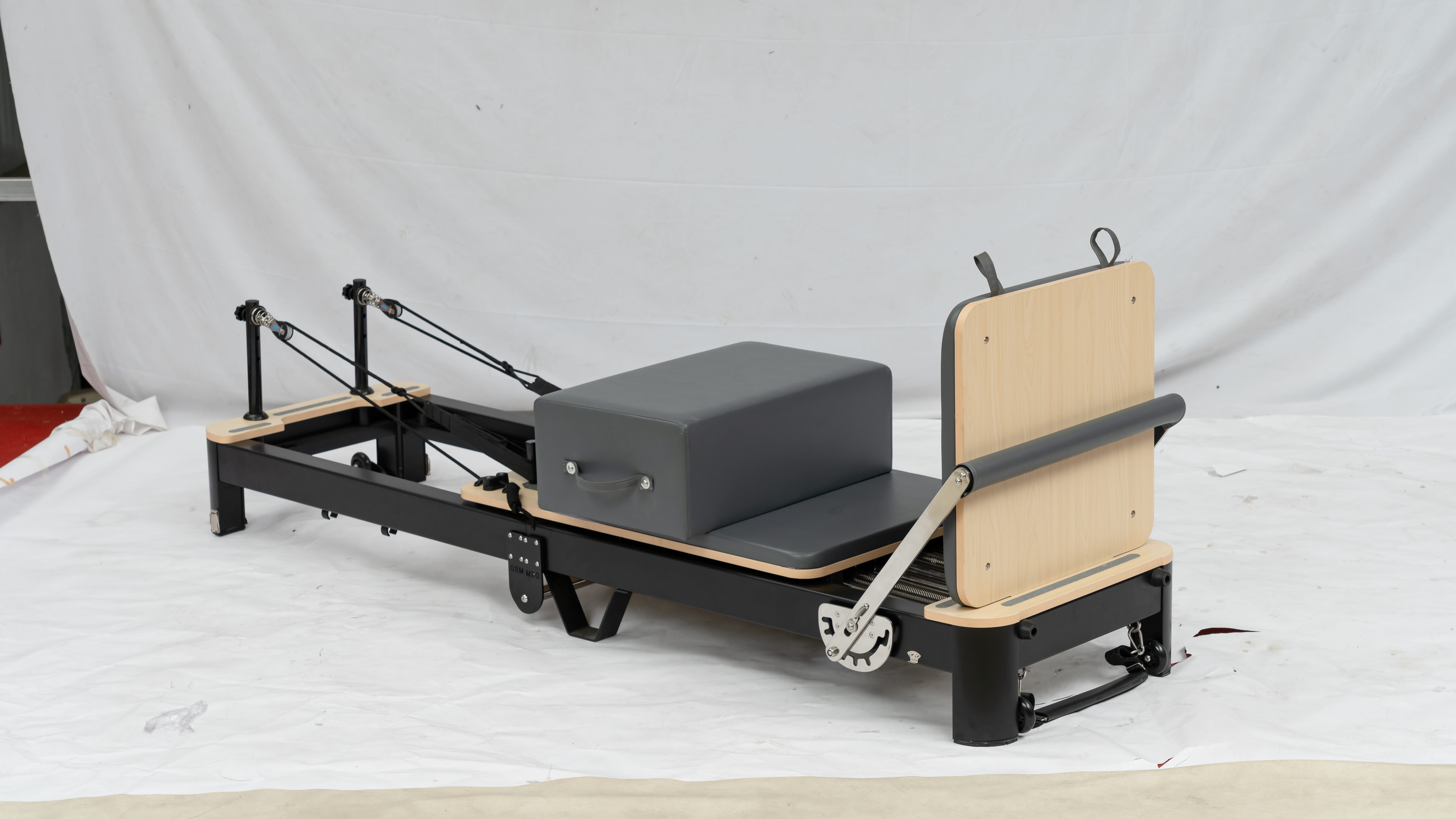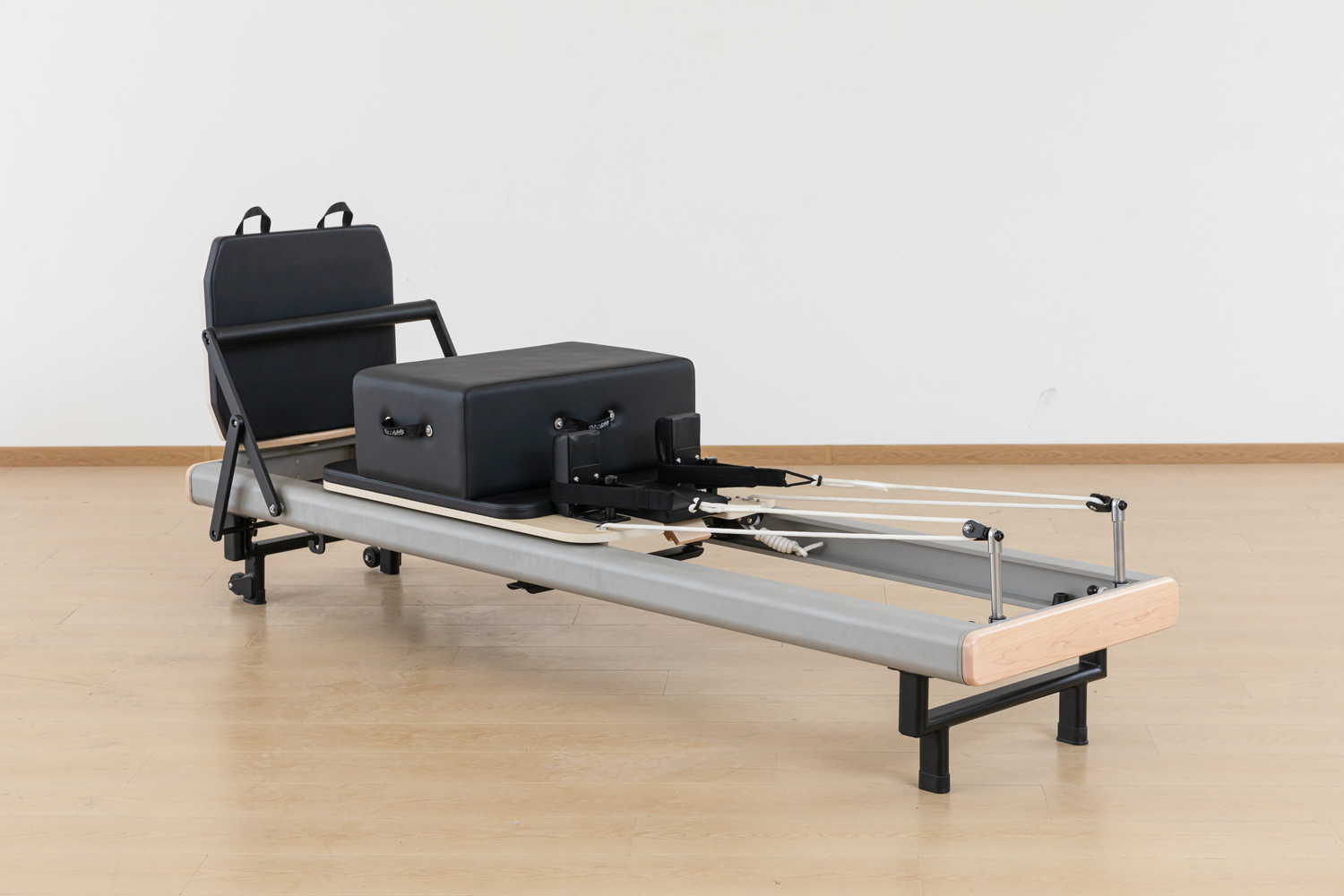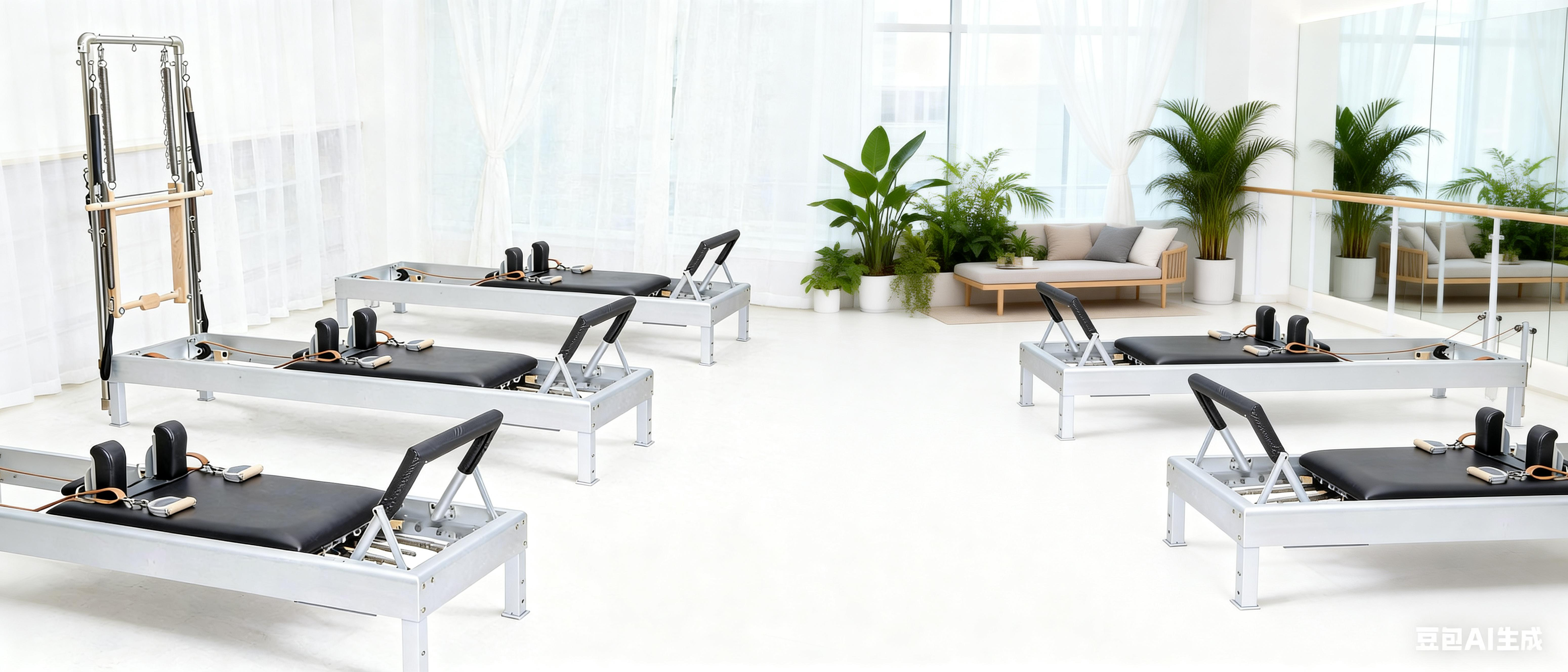
Benefits of Investing in Professional‑Grade Pilates Equipment
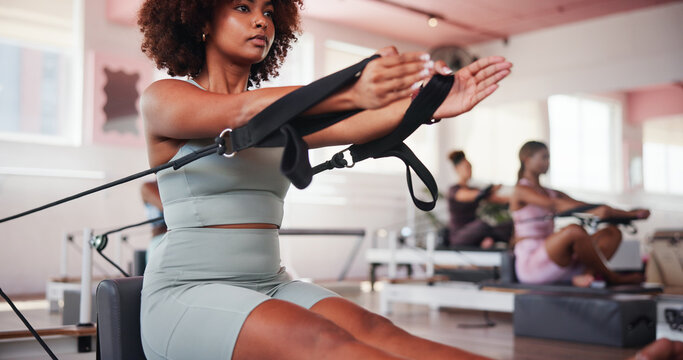
In the Pilates industry, "equipment" is never just an expense — it's a strategic investment affecting a studio's long-term competitiveness. The price gap between professional-grade equipment and entry-level products can be several times over, but behind that gap lies lower long-term costs, more consistent class quality, higher client retention, and stronger brand premium capability.
This article analyzes the real returns of investing in professional-grade Pilates equipment across four dimensions: financial returns, operational efficiency, client experience, and brand value.
I. Financial Returns: Lower Total Cost of Ownership
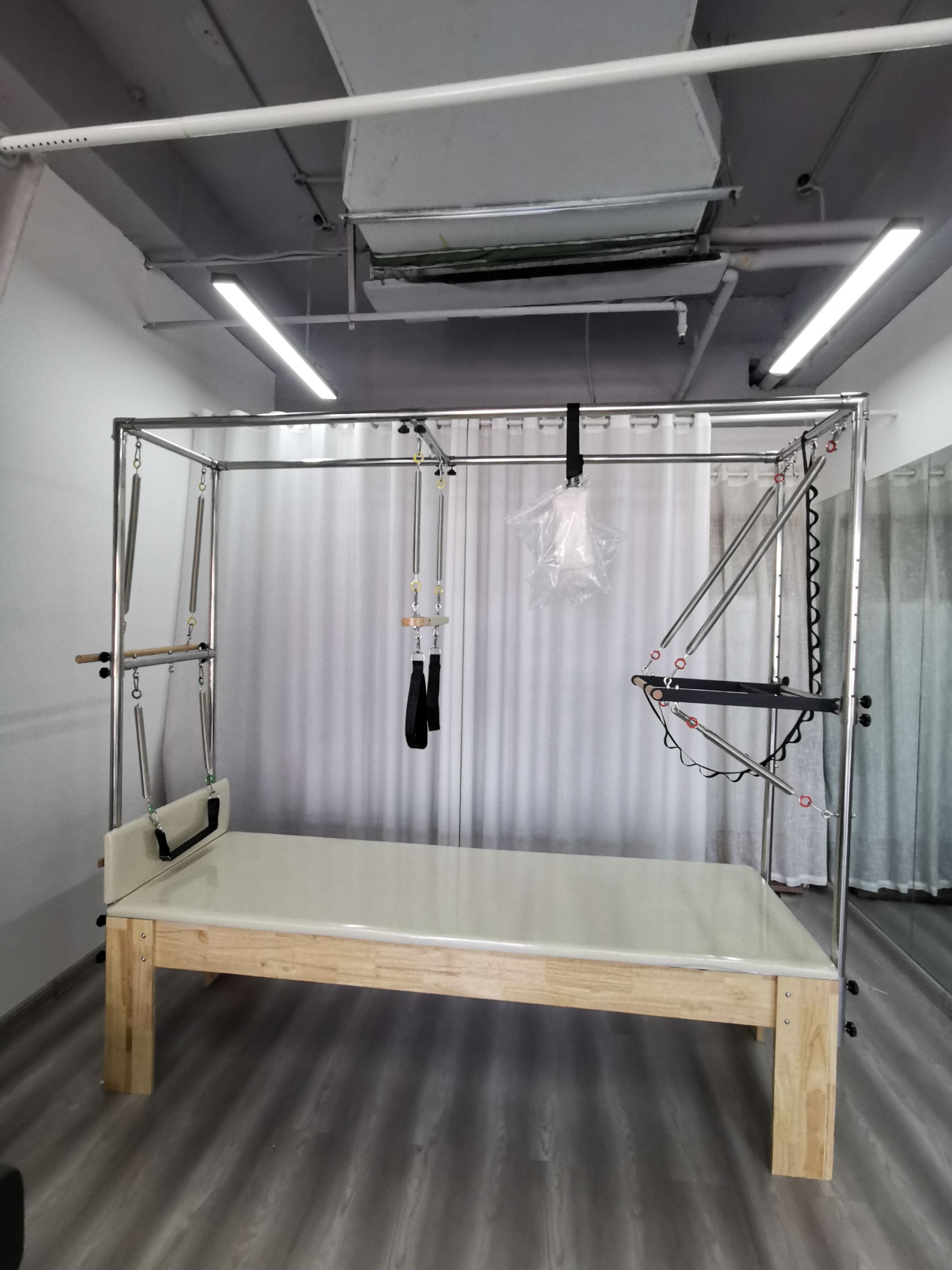
Higher upfront investment, but lower annual cost. A professional commercial Reformer costs approximately 2 to 3 times an entry-level product, but its service life typically reaches 10 to 15 years, while budget equipment may need replacement within 2 to 3 years. Amortized over its service life, professional equipment actually costs less per year. As the industry saying goes: "Buy cheap, pay twice."
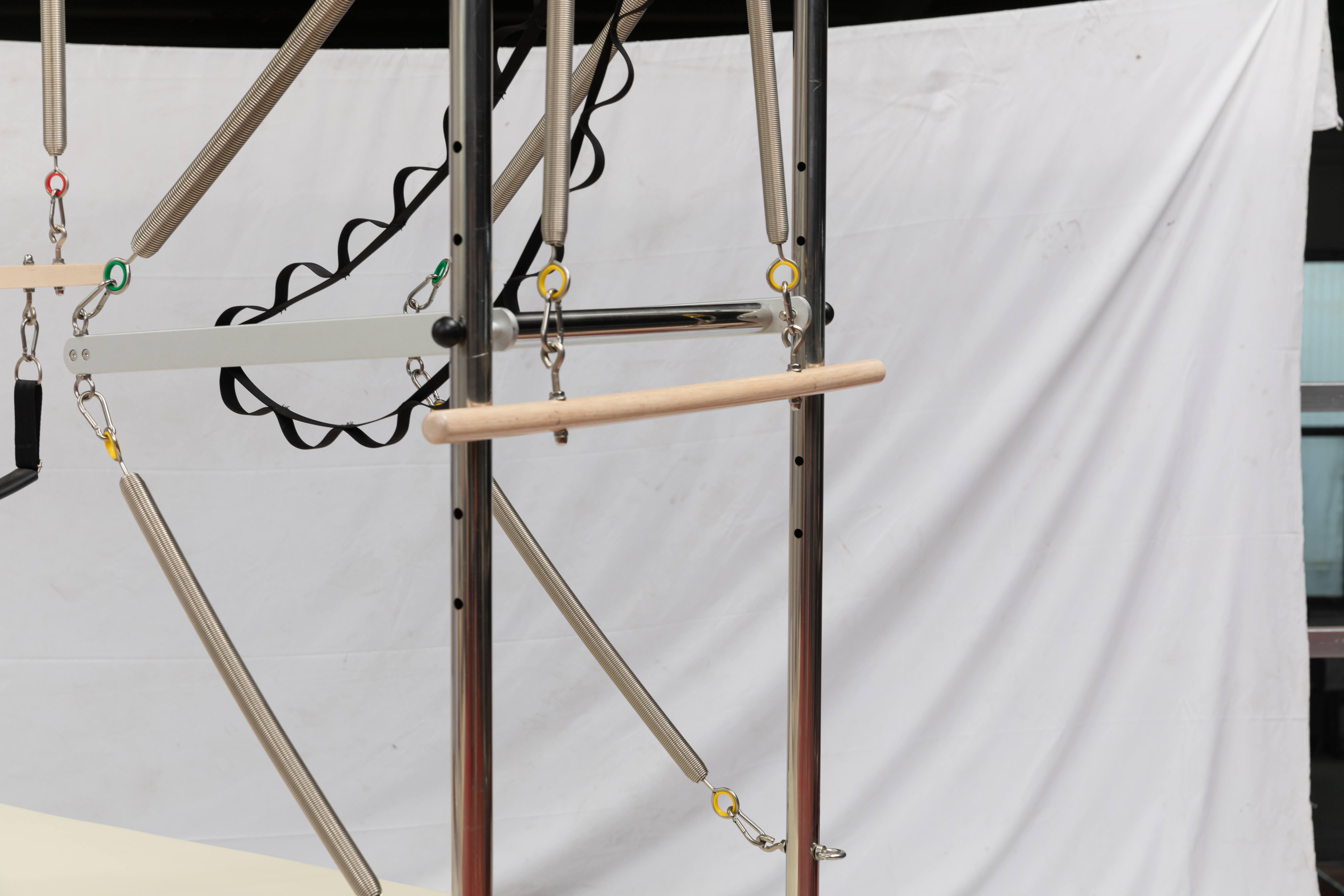
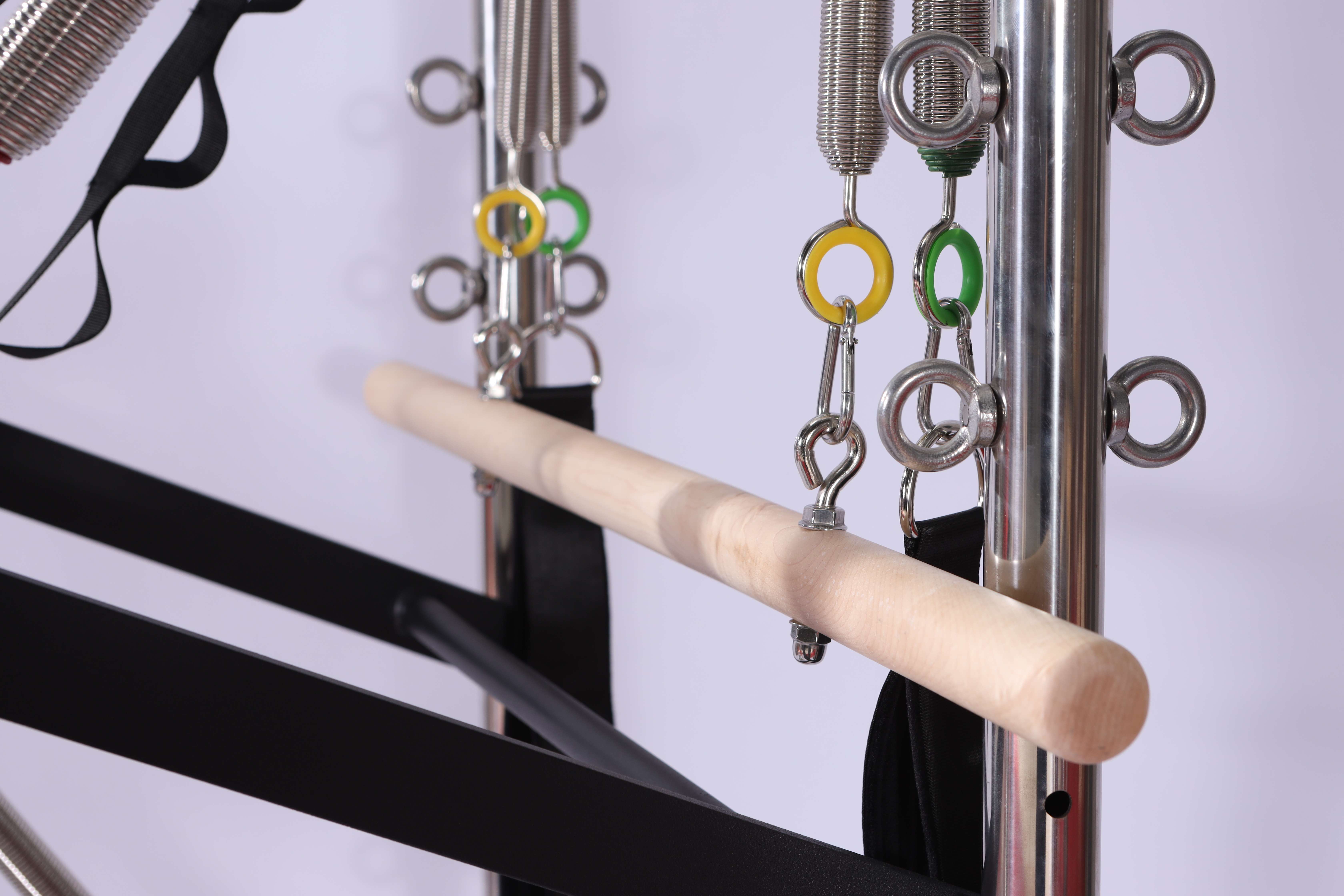
Significantly lower repair costs. Professional equipment uses reinforced frames, imported piano wire springs, and precision pulley systems, remaining stable under daily high-frequency use. Budget equipment may develop spring fatigue, rail sticking, or upholstery cracking within months, with parts often difficult to source — both a cost and time burden.
Higher resale value. Professional equipment from recognized brands has a stable second-hand market. Reselling after a few years typically recovers a significant portion of the purchase price — an advantage budget equipment cannot match. Some classic brand reformers even hold their value, with second-hand prices remaining firm long-term.
II. Operational Efficiency: Less Downtime, More Scheduling Capacity
Equipment downtime directly equals revenue loss. For a studio, one reformer with 3-6 days of annual downtime can lose approximately $1,000-$2,000 per downtime incident at typical rates of $35-$60 per session with three classes daily. Professional equipment has low failure rates and long maintenance cycles, ensuring stable class schedule execution.
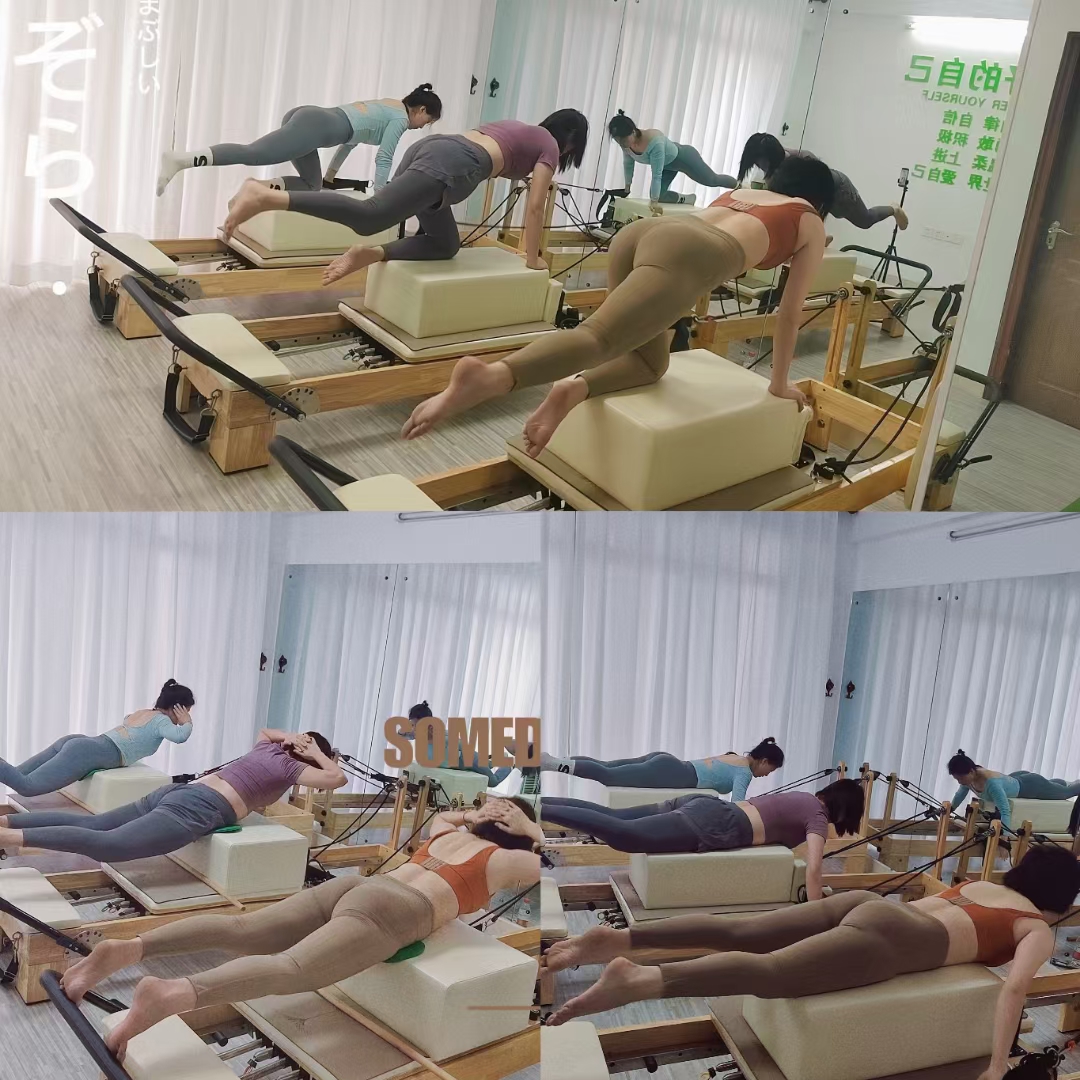
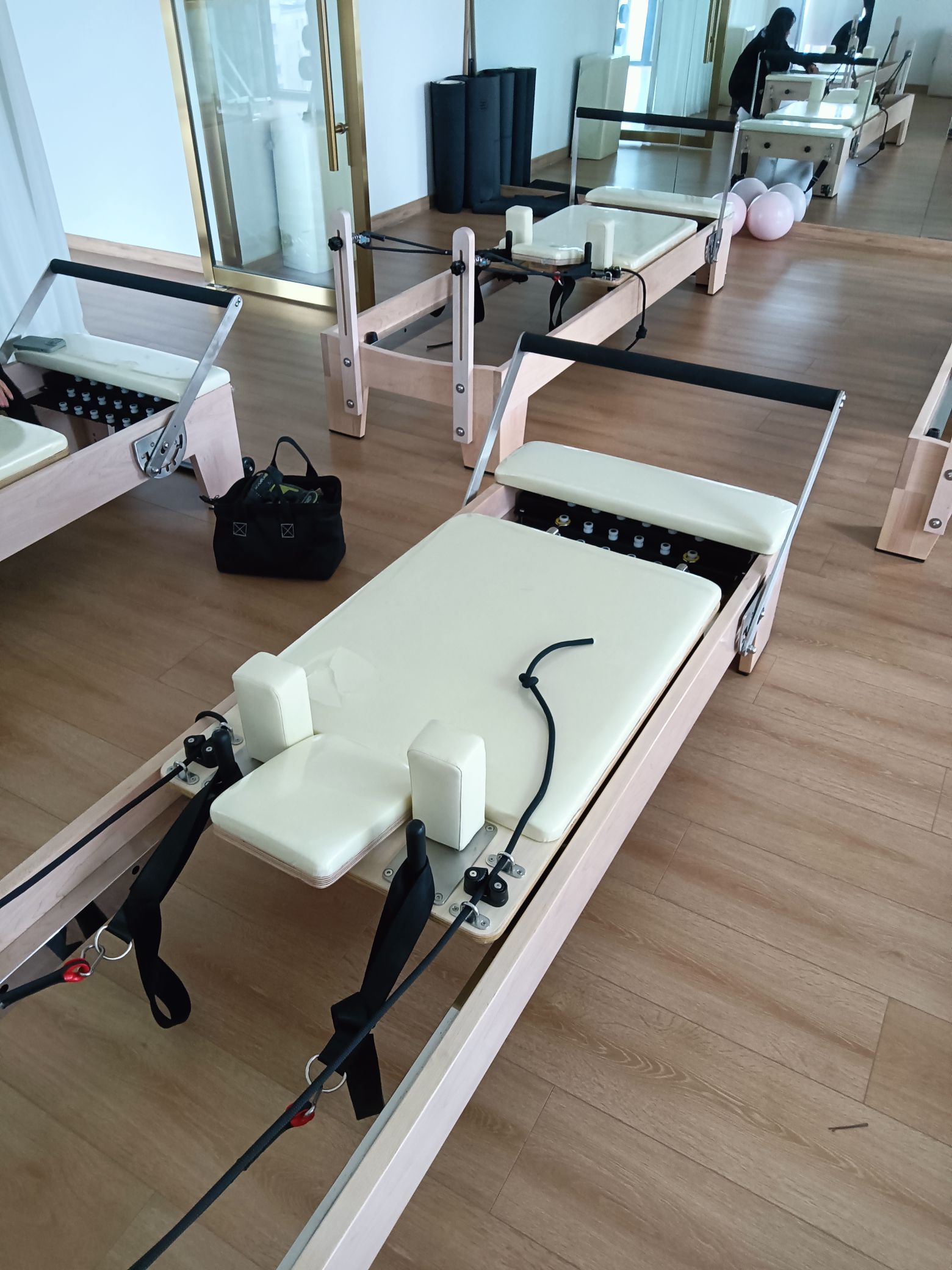
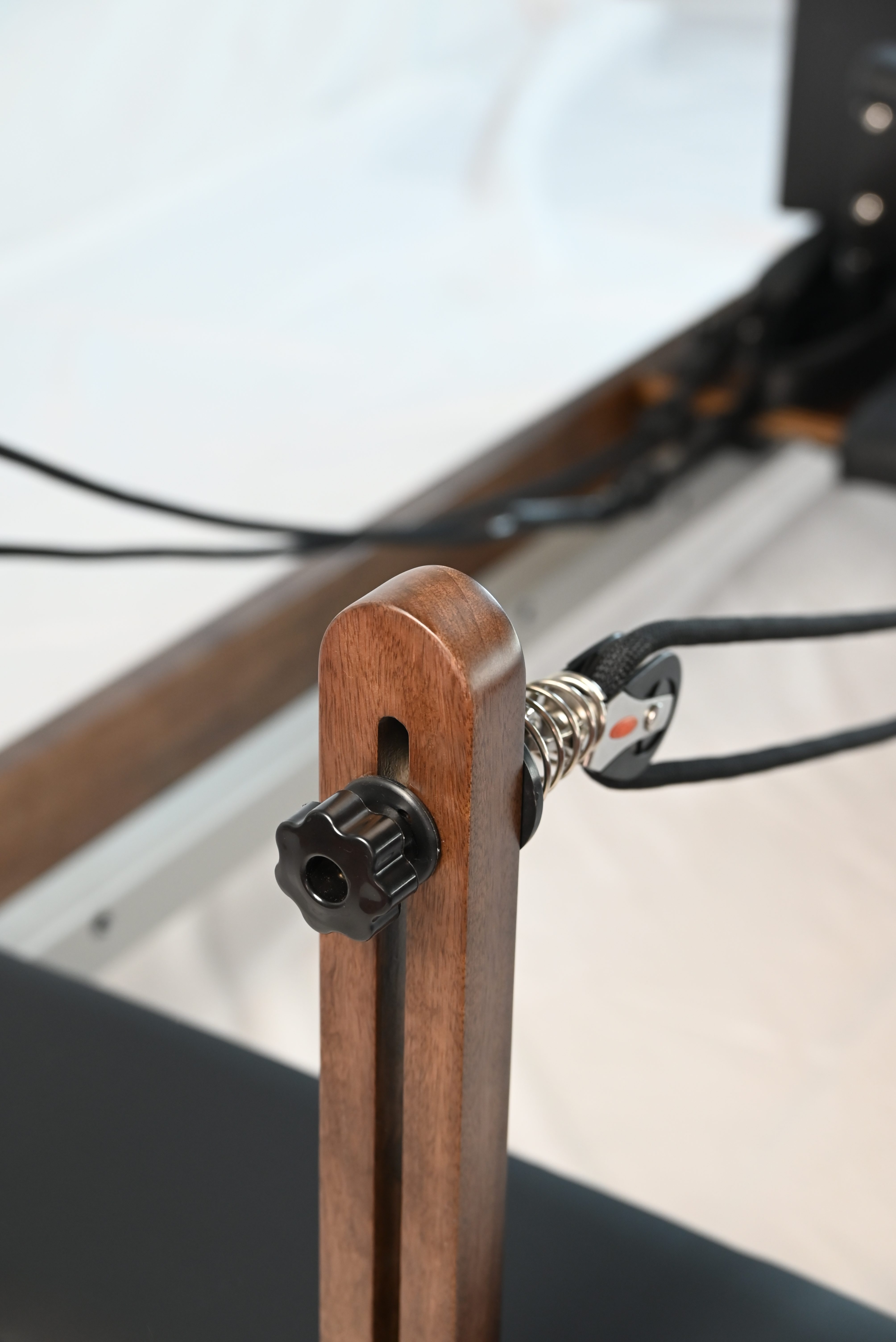
Quick adjustments improve group class efficiency. Professional equipment’s footbar, headrest, and shoulder rest adjustment mechanisms operate smoothly and lock securely, allowing instructors to quickly adjust between clients of different sizes — reducing transition time and increasing scheduling density.
Guaranteed parts supply. Professional brands have mature supply systems for springs, pulleys, ropes, and other wear parts, with short replenishment cycles. Budget equipment parts are often non-standard and inconsistently supplied — leading to the "equipment still here, parts gone" dilemma.
III. Client Experience: Directly Impacting Retention
Feel differences are perceptible to clients. "This bed glides so smoothly" — a direct feedback many clients give about professional equipment. Glide smoothness, linear spring feel, and quiet operation all affect how clients perceive class quality. Budget equipment's uneven resistance, noise, and wobble constantly interrupt client focus and degrade training experience.
Safety is the bottom line. Professional equipment undergoes rigorous load testing and safety certification (e.g., ISO 20957-1 Class S), with stable structures and secure components. Budget equipment may have weld defects, spring breakage risks, or frame deformation hazards — a safety incident would be devastating to a studio's reputation.
Client retention and word-of-mouth. Satisfied clients renew and refer friends. Equipment experience is a key variable in retention. Investing in professional equipment is essentially voting for your clients' willingness to return.
IV. Brand Value: Supporting Your Professional Image
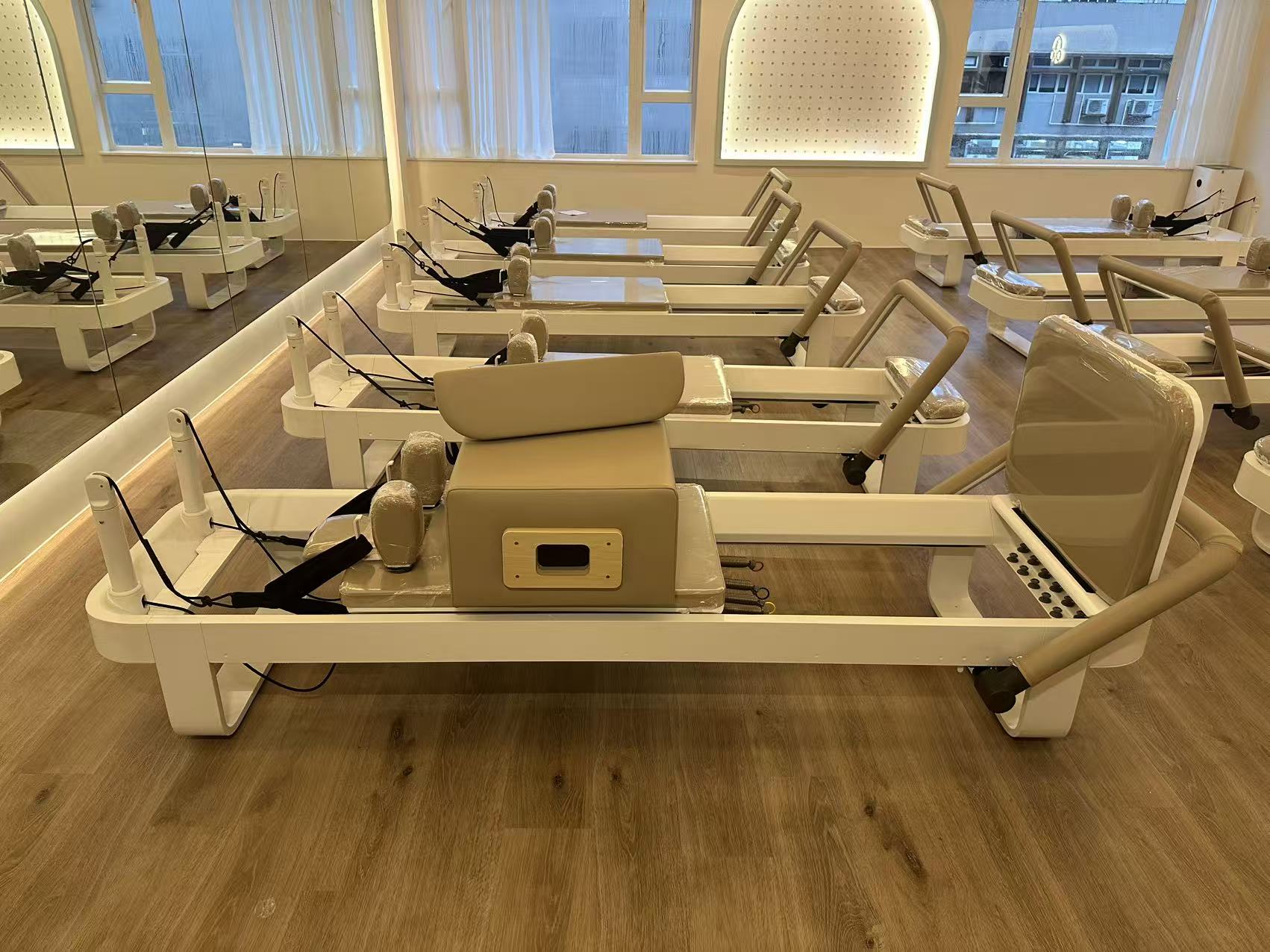
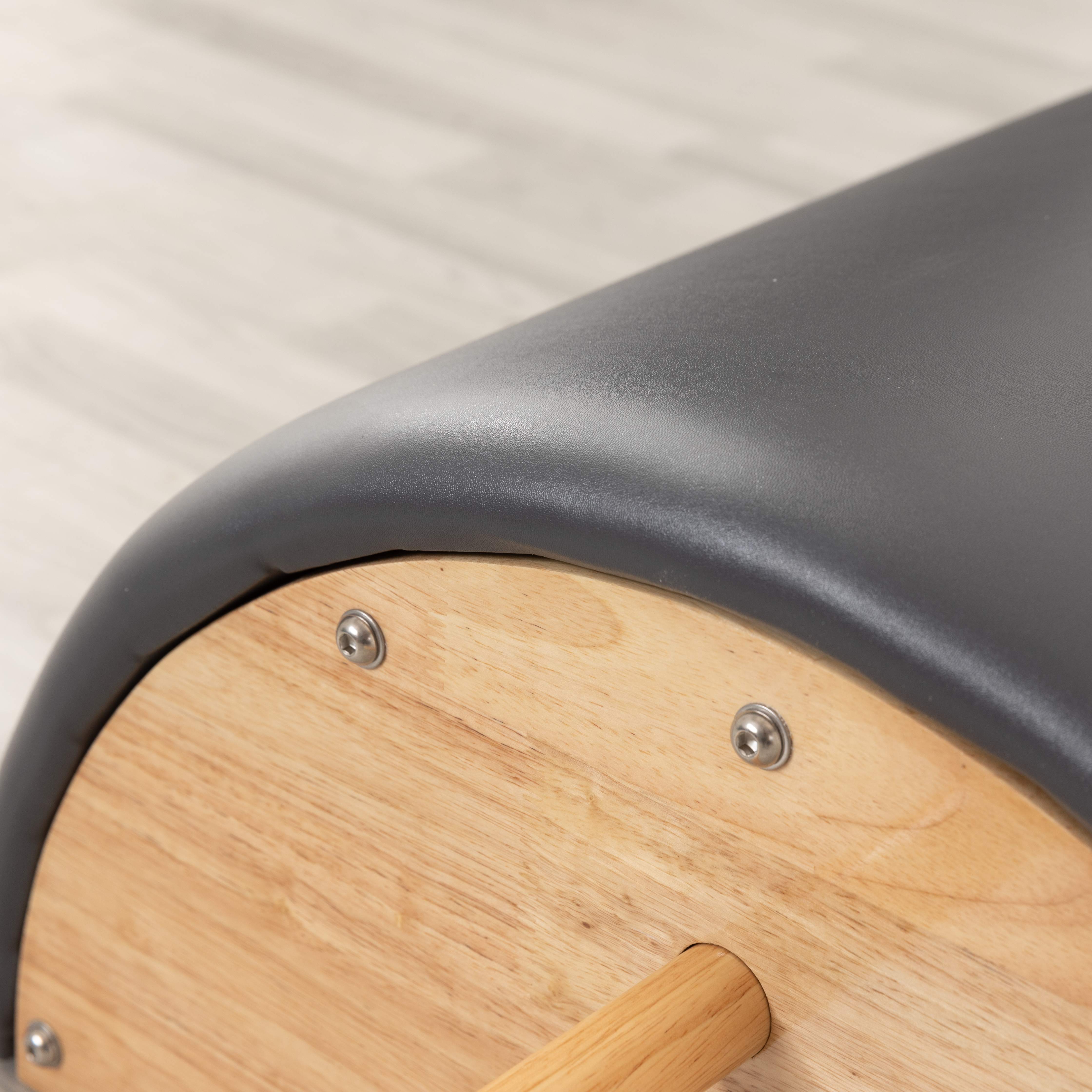
Equipment is the studio's "face". When clients walk in, the first thing they see is the equipment. Professional equipment's texture and brand背书 subconsciously reinforce perceptions of your studio's professionalism. This is especially critical for premium-positioned studios.
Brand partnership and certification opportunities. Some professional brands establish certified partnership relationships with studios, offering instructor training, curriculum development, and brand promotion support. This enhances both studio expertise and brand credibility.
Supporting pricing power. Professional equipment is one of the foundations of a studio's pricing confidence. When clients see equipment quality matching service standards, acceptance of class pricing is higher. Conversely, if equipment experience doesn't match pricing, client churn is only a matter of time.
V. How to Identify "Professional-Grade"
Not all expensive equipment is professional-grade, and not all professional-grade equipment is expensive. Evaluation should focus on:
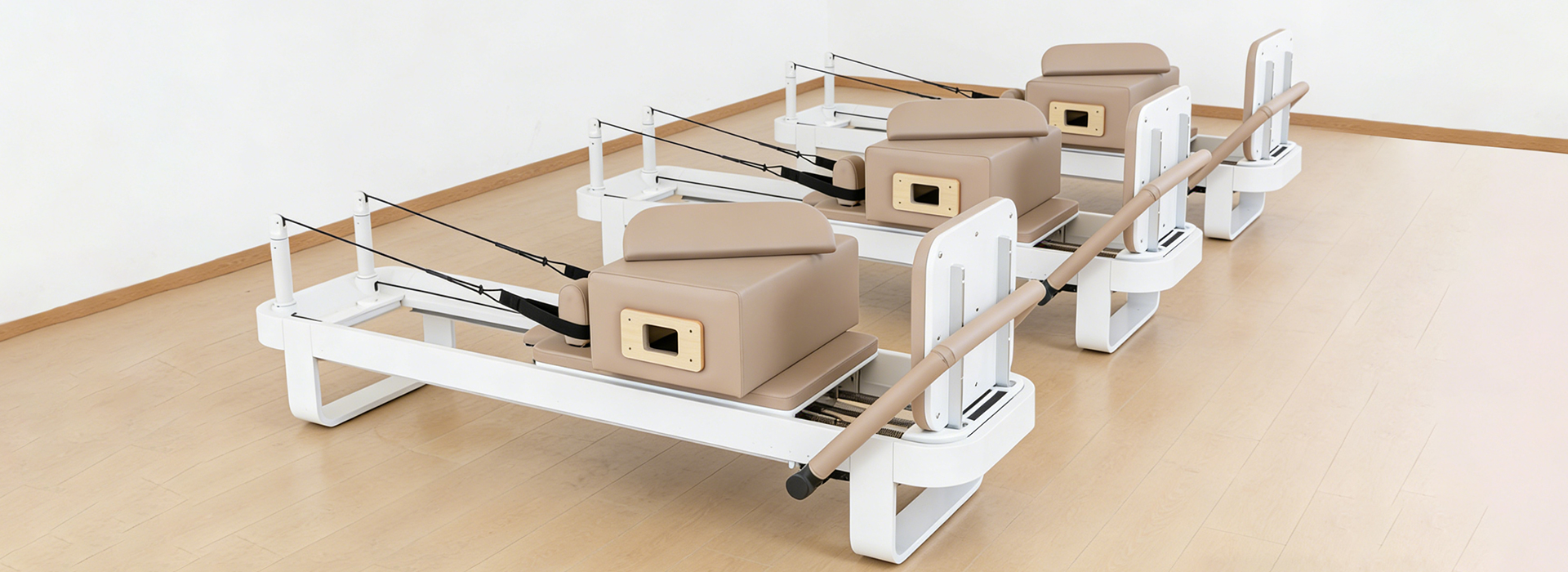
Frame material and load capacity: Commercial-grade frames are typically at least 2mm thick with 150kg+ load capacity. Aviation-grade aluminum (6061-T6) or thickened carbon steel are mainstream choices.
Spring system: Imported piano wire springs with 50,000+ cycle rated life, force tolerance within ±5% to ±8%.
Carriage system: 8-wheel carriage system with sealed bearings and precision rails, glide noise below 50 dB under full load.
Warranty terms: 5-10 year frame warranty (some brands offer limited lifetime), approximately 2 years on moving parts. Clear warranty scope and defined after-sales response.
Brand history and industry reputation: Brands with long-term market presence have products tested by time, with mature parts supply and after-sales systems.
Summary: Investing in professional-grade Pilates equipment is fundamentally paying for your studio's long-term operational stability, client experience quality, and brand value. The returns aren't immediate — they show up in lower annual costs, less downtime loss, higher client retention, and stronger pricing power. For studios that take their business seriously, professional-grade equipment isn't a "luxury" — it's a "necessity." It determines the quality standard your studio can maintain over the next decade.