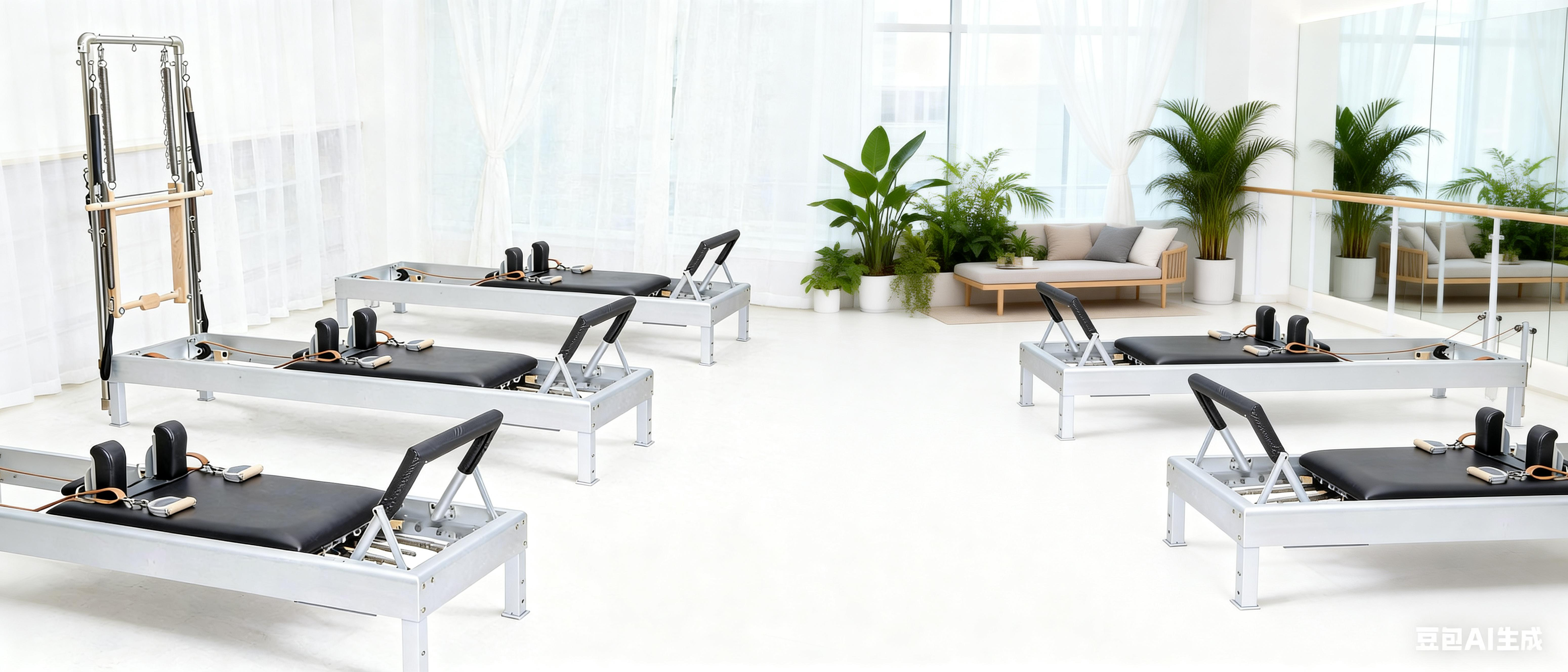
How to Maintain Your Pilates Reformer for Long‑Term Use
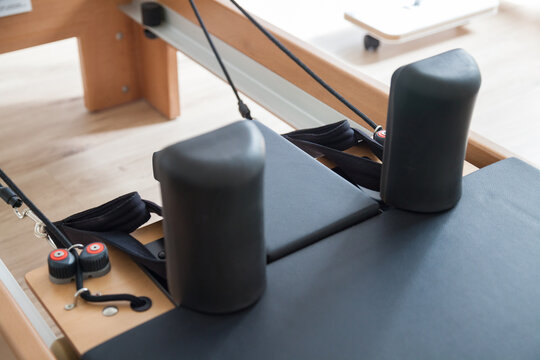
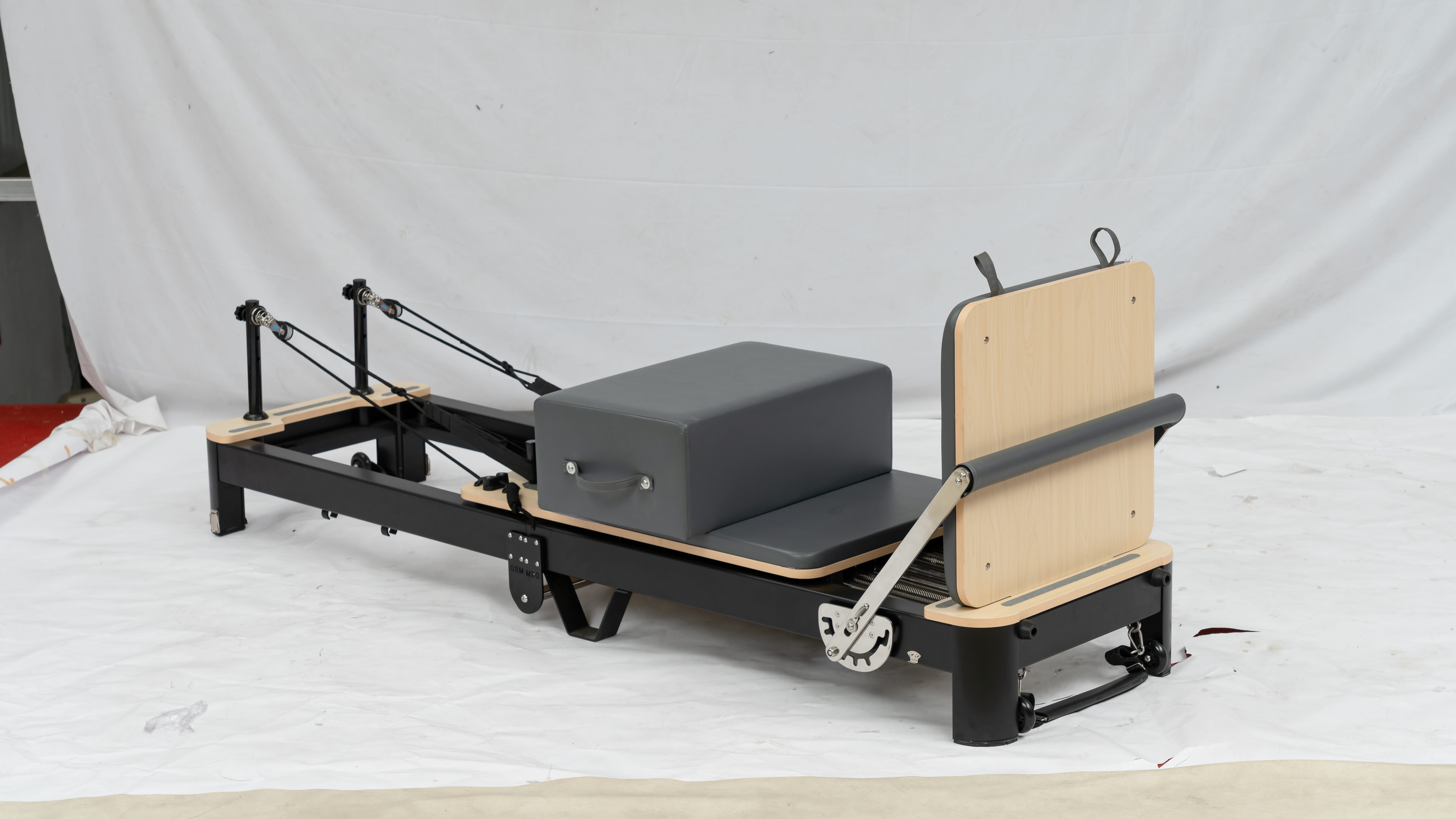
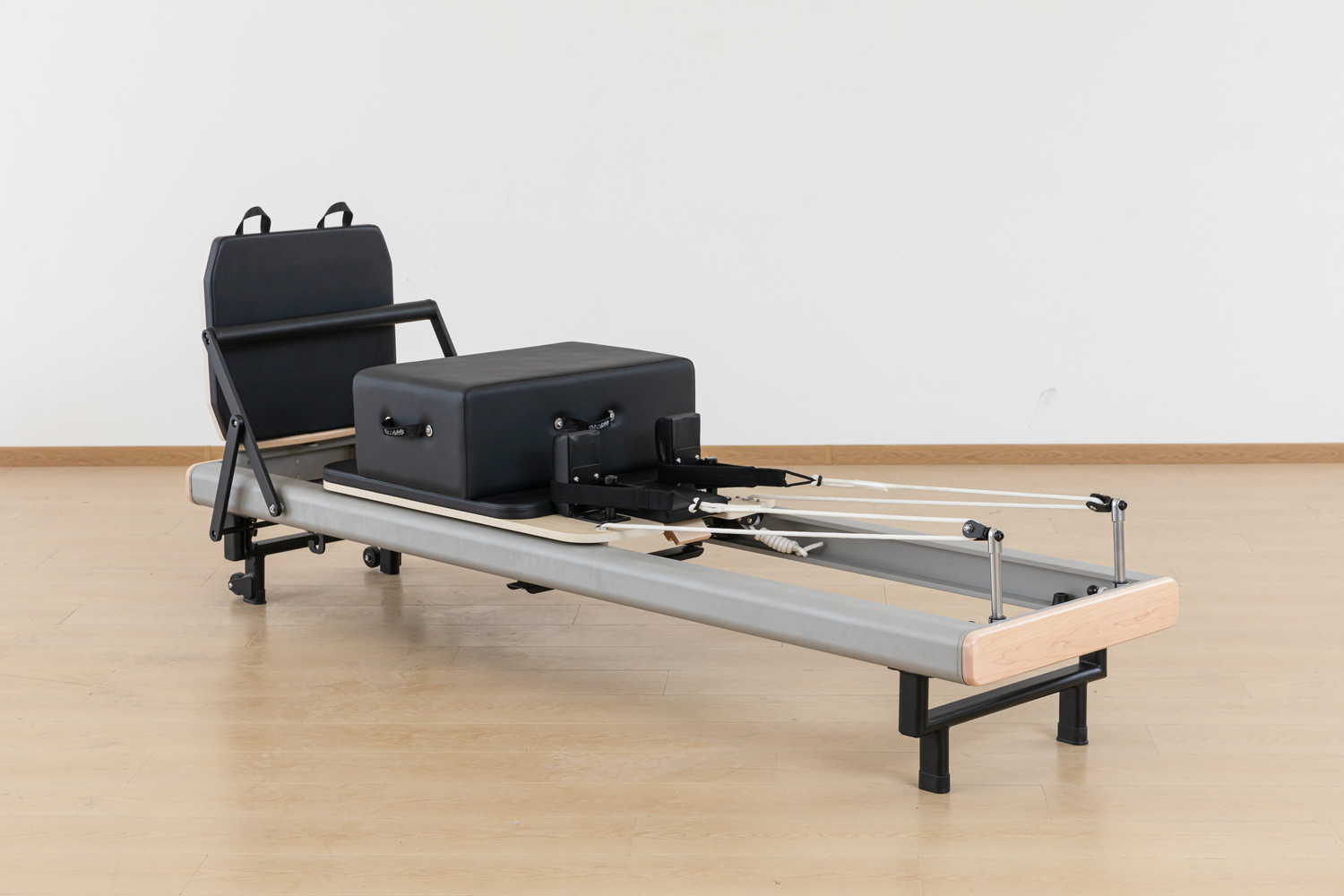
A Pilates Reformer is a long-term investment. A well-maintained machine can last over a decade, while a neglected one may develop spring fatigue, rail sticking, and upholstery cracking within three to five years. More importantly, maintenance isn't just about equipment lifespan — it's about safety. A poorly maintained reformer can suffer spring breakage or carriage seizure during practice, causing injury.
This article provides a systematic maintenance guide organized by four timeframes: daily, weekly, monthly, and annual.
I. Daily Maintenance: The "Golden Minute" After Each Use
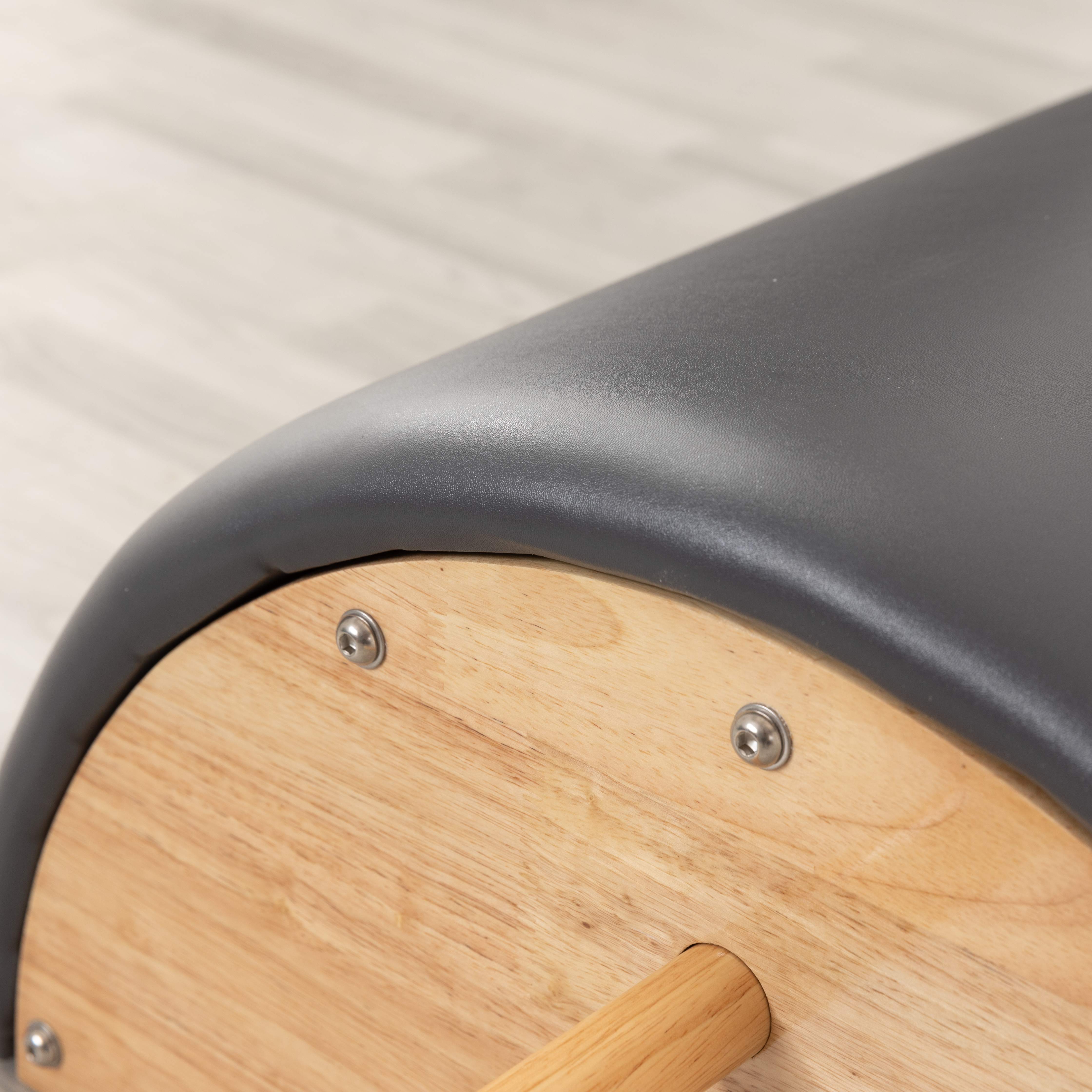
Upholstery wipe-down. After each session, wipe leather surfaces with a slightly damp microfiber cloth to remove sweat and dust. Salt and acidic substances in sweat corrode leather coatings and metal components; long-term accumulation causes leather hardening and cracking. Never spray water or cleaner directly onto leather — apply to the cloth first.
Carriage return. Return the carriage to its resting position after practice, but control the speed — don't let it slam back into the end-stops. Impact forces accelerate spring fatigue and frame shock damage. Guide the carriage back gently with your hands.
Quick visual check. Before or after each use, quickly scan for obvious spring deformation, rope wear, or loose screws. Ten seconds of daily visual inspection catches issues early.
II. Weekly Maintenance: Deep Cleaning and Inspection
Leather deep cleaning. Weekly, dilute neutral soap (baby shampoo or specialized leather cleaner) in warm water, apply with a soft cloth, wipe leather surfaces gently, then remove soap residue with a clean damp cloth, and dry with a dry cloth. This removes deeper grime that daily wiping can't address.
Rail dust removal. Rails and wheels accumulate dust, lint, and skin flakes. Use a small brush (an old toothbrush works) to gently brush dust and debris from rail crevices, then wipe rail surfaces with a clean dry cloth. Avoid pushing dust into wheel bearings.
Rope and strap inspection. Check ropes for fraying, knots, or insecure attachment; check strap edges for fraying or signs of wear. Nylon straps are durable but still wear from friction over time.
Fastener check. Gently shake each frame corner and listen for unusual sounds. Check footbar, shoulder rest, and headrest adjustment mechanism screws for looseness.
III. Monthly Maintenance: Lubrication and System Checks
Rail lubrication. Metal rails need periodic lubrication to stay smooth. Apply silicone spray lightly to rail surfaces, then slide the carriage back and forth to distribute evenly. Important Warning: Never use WD-40 or ordinary lubricating oil! These oil-based products attract dust and lint, accelerating wear through an "abrasive paste" effect.
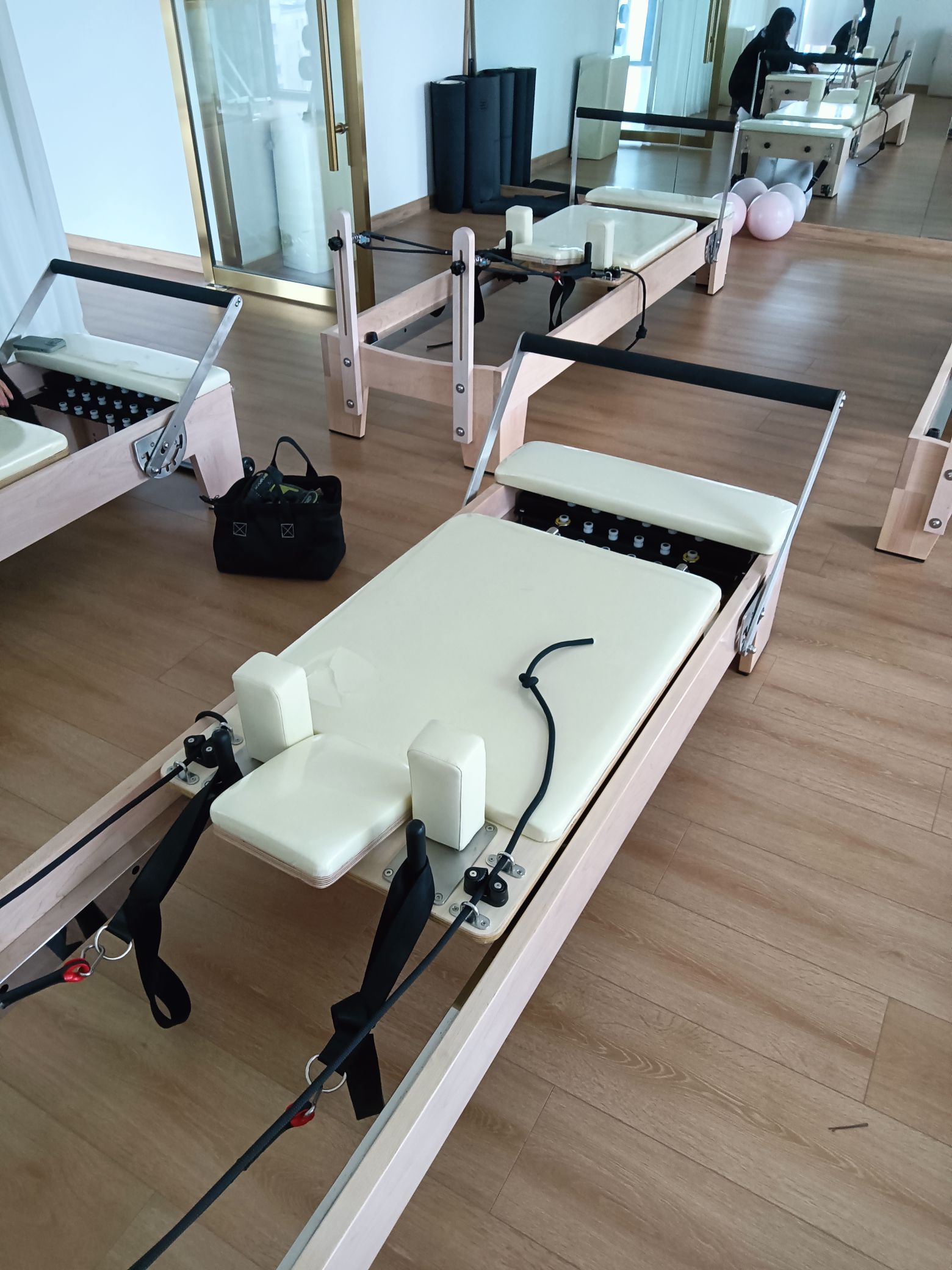
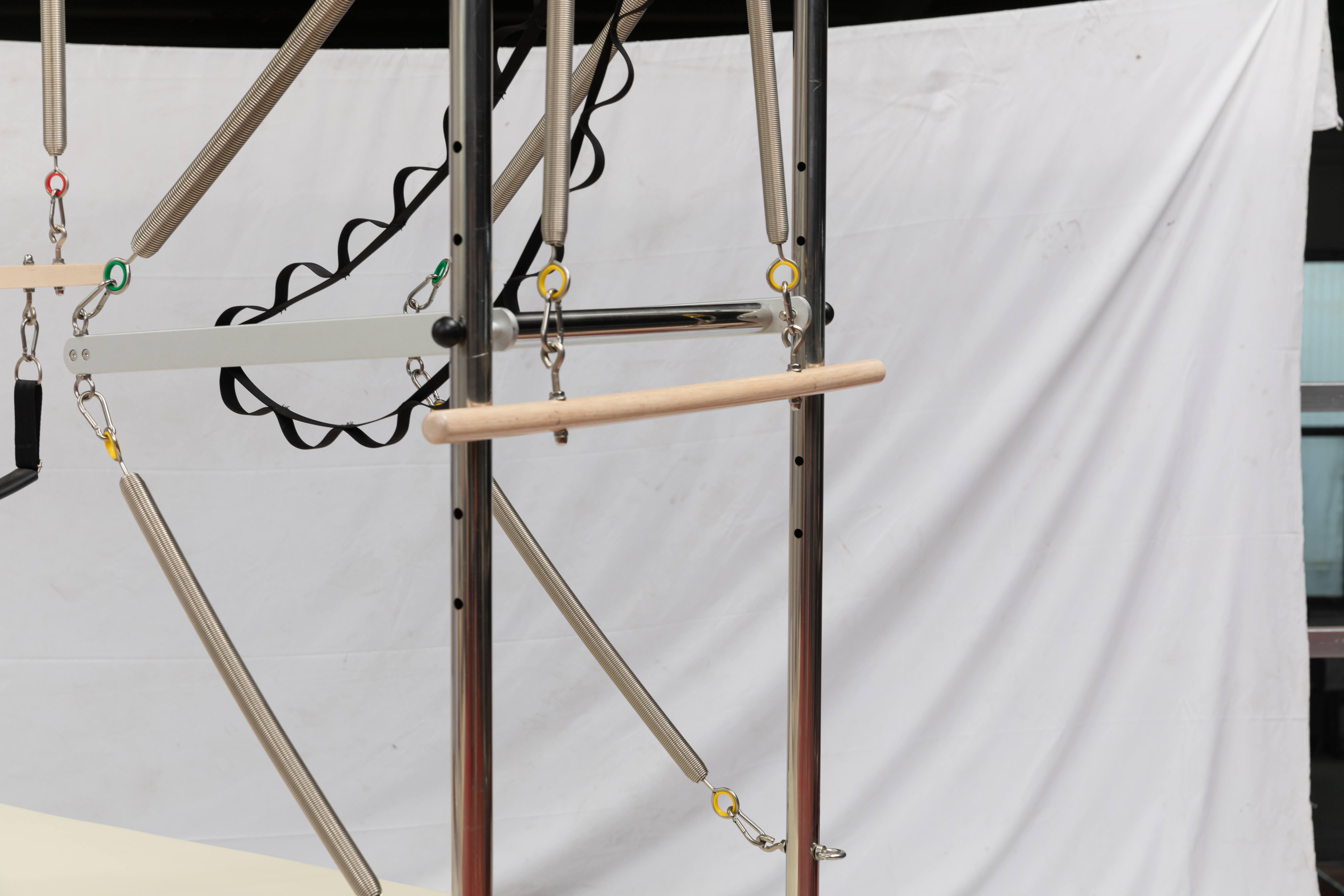
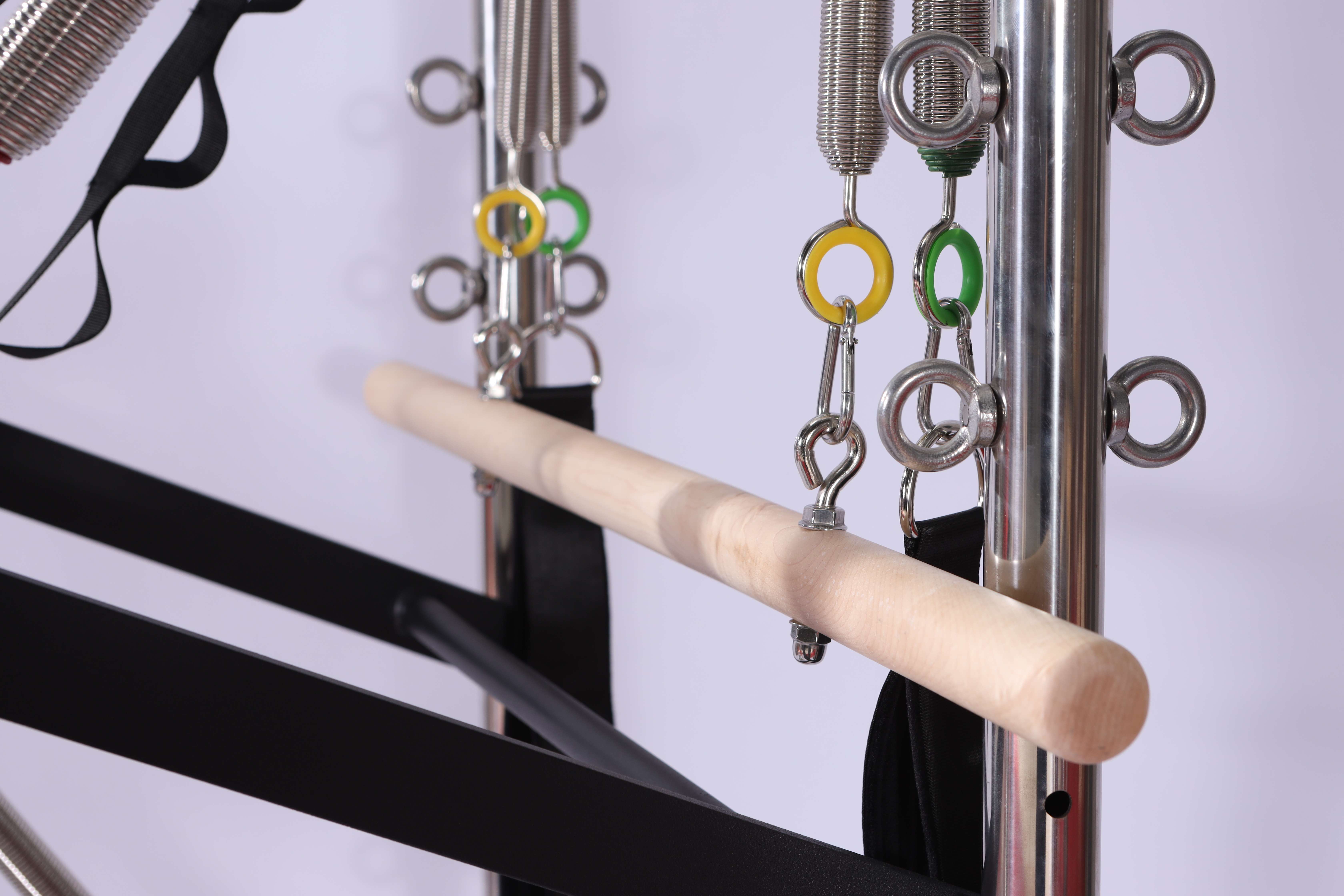
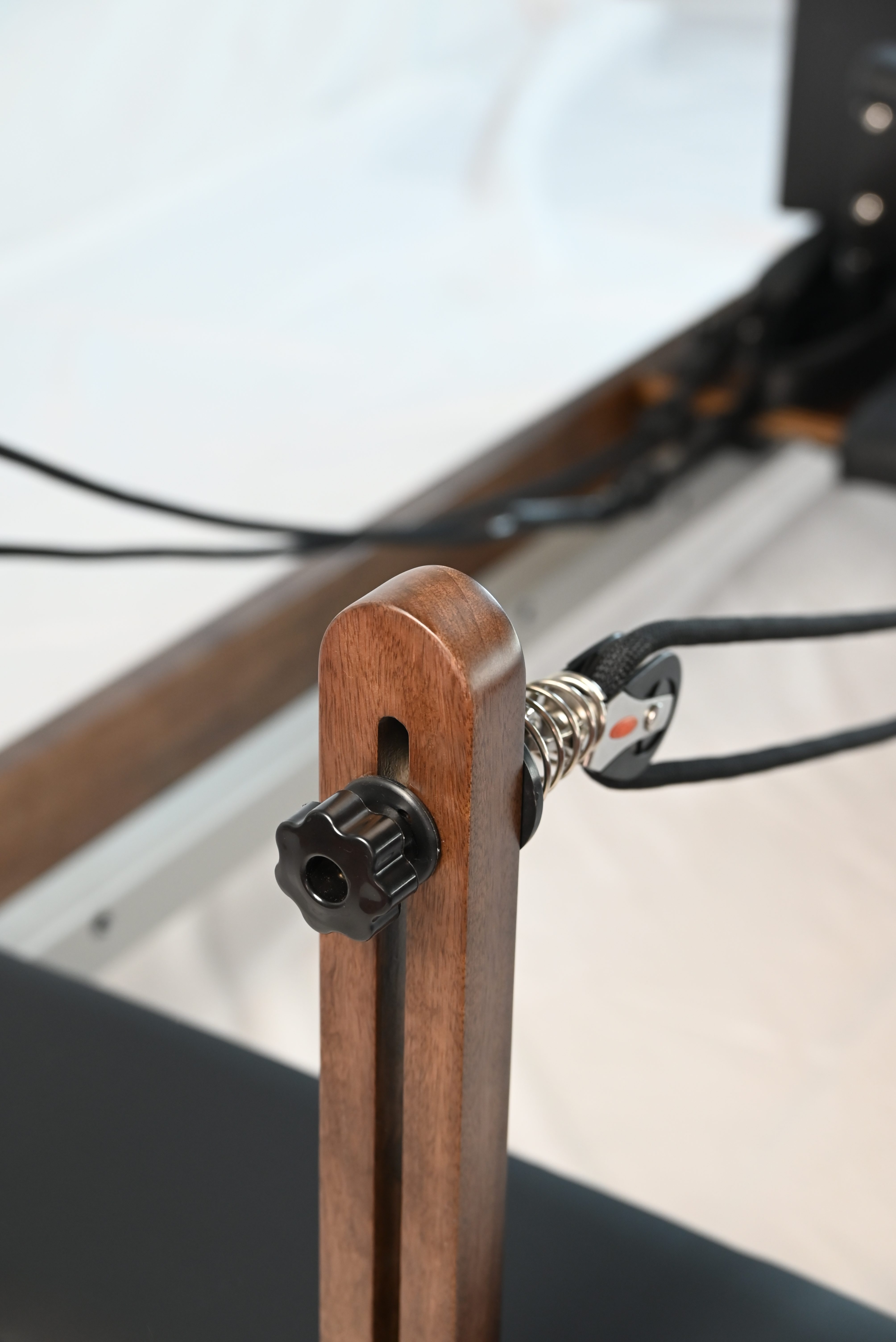
Spring condition check. Springs are the fastest-wearing component. Check monthly for deformation, cracks, or loss of elasticity. A simple test: push the carriage back and observe whether both sides return at the same speed — noticeable differences indicate uneven tension and suggest replacing the entire set. If you find gaps between coils, kinks, rust, or abnormal rebound, stop using immediately and replace.
Wheel inspection. Check wheels for cracks, wear, or rough rotation. Noticeable noise or sticking during gliding may indicate bearing wear or rail deformation, requiring professional inspection.
Full adjustment mechanism test. Test all adjustable components one by one — footbar positions, headrest angle, shoulder rest position, rope length — confirming smooth operation and secure locking.
IV. Quarterly Maintenance: Deep Care
Spring rotation. Balanced Body recommends rotating springs quarterly — move them to different positions on the spring bar to promote even wear and extend overall life.
Wood frame care. For solid wood frame equipment, apply specialized wood furniture care oil or water-based varnish care products every few months to provide a protective film. Experienced users share a natural recipe — mix dilute white vinegar and olive oil in a 1:1 ratio, apply with a soft cloth. This cleans and nourishes the wood. Avoid silicone-based furniture polishes.
Deep cleaning and inspection. Wipe all frame surfaces, clean rail crevices, check all fasteners, and inspect anti-slip feet for aging or wear.
V. Annual Maintenance: Professional Service and Component Replacement
Full spring set replacement. In commercial environments, springs should be replaced every two years; high-frequency studios may need more frequent replacement. If annual assessment reveals significant tension loss or abnormal rebound, replace earlier.
Professional maintenance. Have a professional perform a comprehensive inspection and maintenance annually, including rail calibration, bolt tightening, spring force testing, and frame structure inspection.
Wear part assessment. Assess the condition of ropes, straps, wheels, and feet pads, and plan replacements. Consider a "budget spreading" approach — replace one set of components each year to maintain performance without a large one-time expense.
VI. Storage Environment: The Underestimated "Lifespan Killer"
Control humidity. Wood equipment is most vulnerable to moisture. Ideal humidity is 40% to 60%. In humid areas, use a dehumidifier or place desiccant packs. Avoid positioning equipment near windows, humidifiers, or air conditioning vents.
Avoid direct sunlight. UV rays cause leather to fade and harden, and accelerate wood aging and cracking. Position equipment away from direct sunlight or use curtains.
Maintain ventilation. Equipment areas should be well-ventilated to prevent moisture and odor accumulation.
Maintain stable temperature. Avoid placing equipment in environments with drastic temperature changes, such as near radiators or outdoor AC units. Extreme temperatures affect spring performance and material stability.
VII. Maintenance Frequency Quick Reference
After each use: Wipe leather, return carriage gently, quick visual check.
Weekly: Leather deep cleaning, rail dust removal, rope and strap inspection, fastener check.
Monthly: Rail lubrication, spring condition check, wheel inspection, adjustment mechanism test.
Quarterly: Spring rotation, wood frame care, deep cleaning.
Annually: Assess springs (replace if needed), professional maintenance, wear part assessment.
Summary: Pilates Reformer maintenance can be summarized as "daily wipe, weekly check, monthly lubricate, quarterly rotate, annual replace" — daily surface cleaning, weekly fastener and rope checks, monthly lubrication and spring inspection, quarterly spring rotation and wood frame care, and annual assessment and replacement of wear parts. Building systematic maintenance habits is not just an investment in equipment — it's a commitment to client safety and practice quality. A well-cared-for reformer can still deliver smooth feel and stable performance after a decade.