How to Select Pilates Accessories That Match Your Reformer Machine Specs
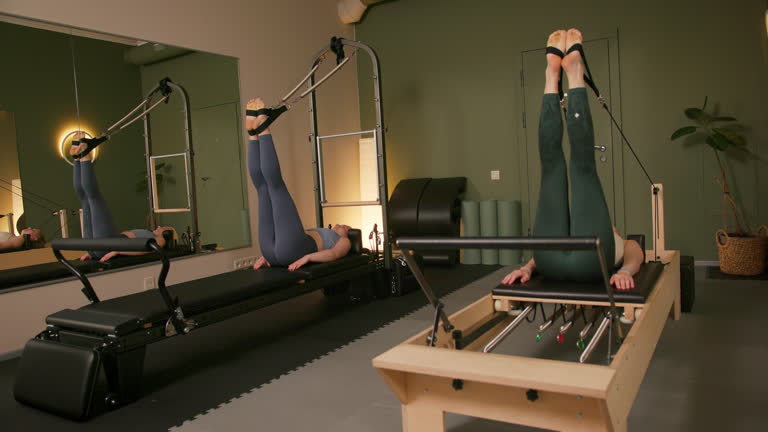
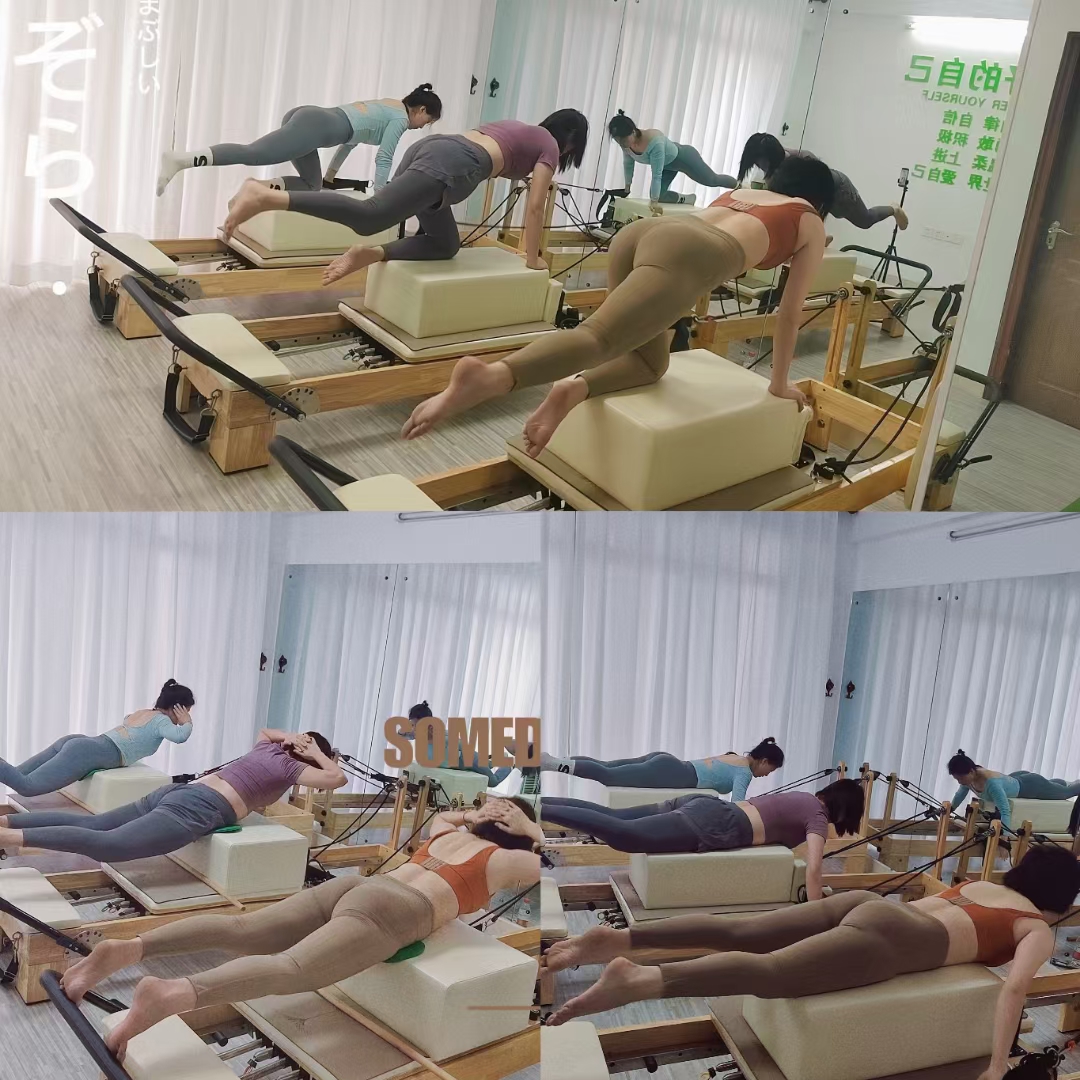
A high-quality Pilates reformer serves as the core foundation of every boutique studio and home Pilates setup, while compatible accessories determine training diversity, client comfort, and exercise safety. Many studio owners and equipment importers make a common mistake: purchasing trendy Pilates accessories without matching the exact specs of their reformer machines. Mismatched straps, foot bars, pulley parts, and support cushions lead to unstable equipment operation, restricted movement ranges, safety hazards, and frequent accessory replacement costs. To maximize the service life of your reformer and deliver standardized, comfortable training sessions, it is essential to select accessories that perfectly fit your machine’s structural specifications. This article shares practical guidelines for selecting spec-matched Pilates reformer accessories for commercial and home use.
1. Confirm Reformer Frame Structure and Dimension Specs First
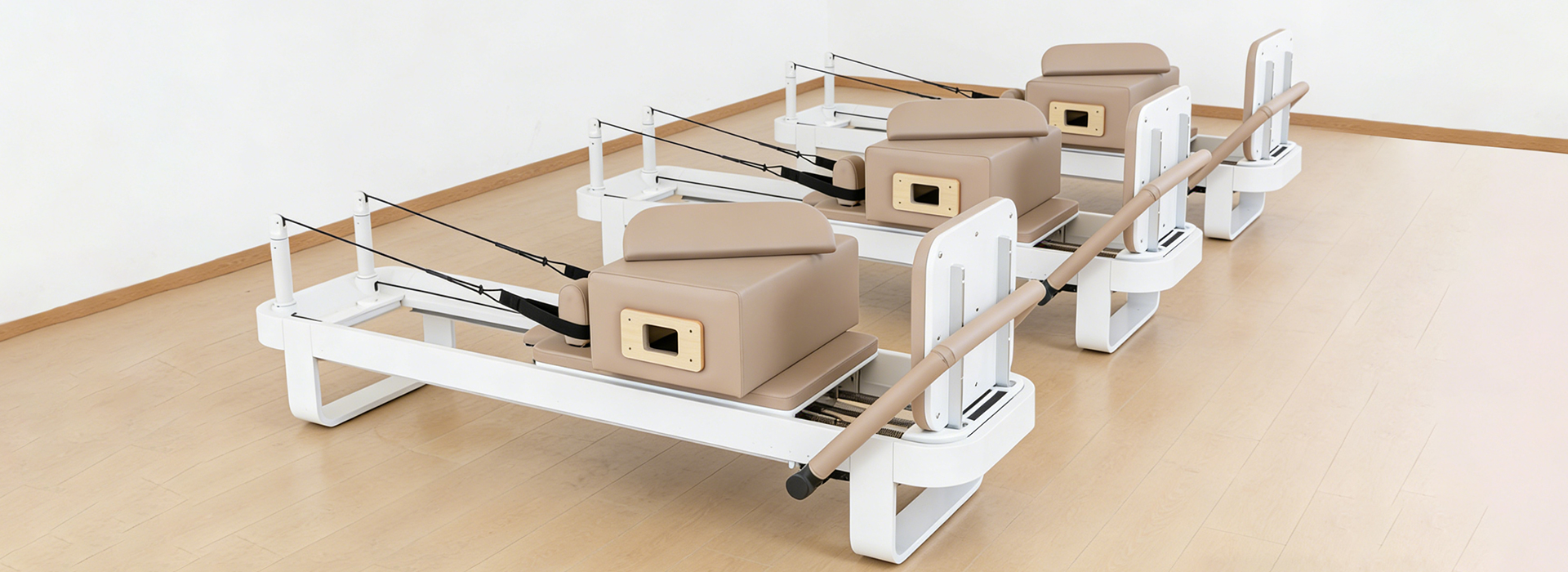
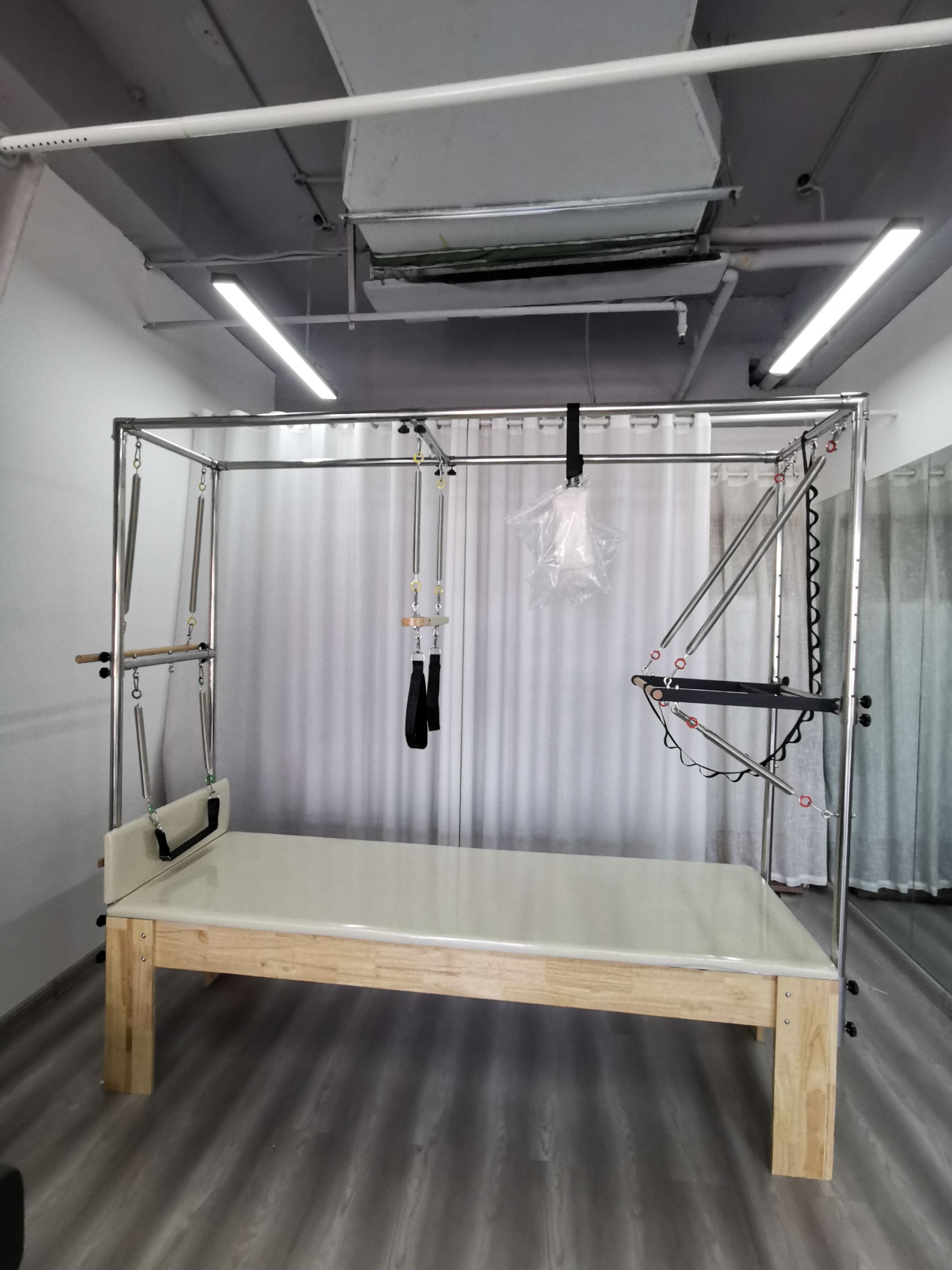
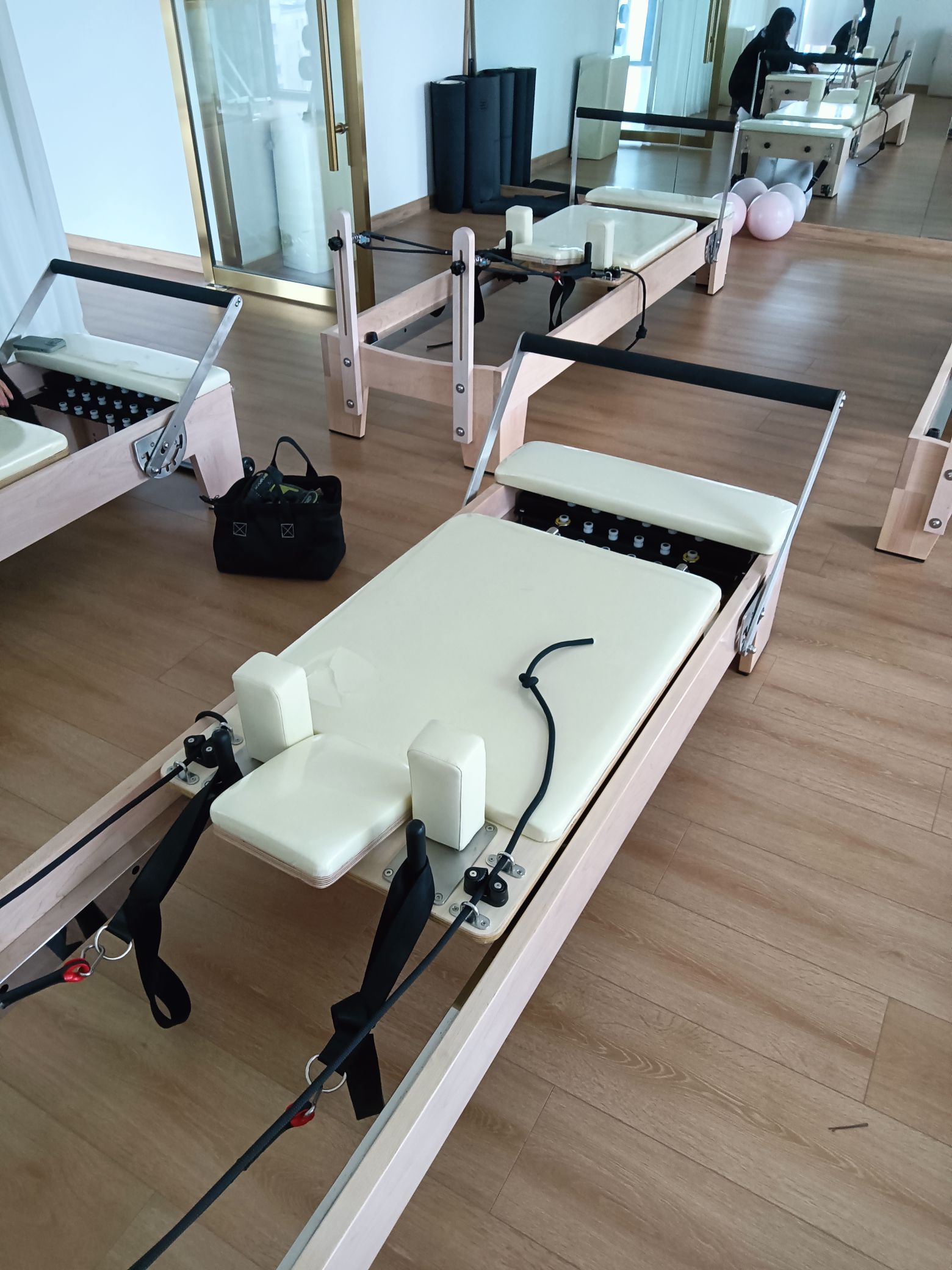
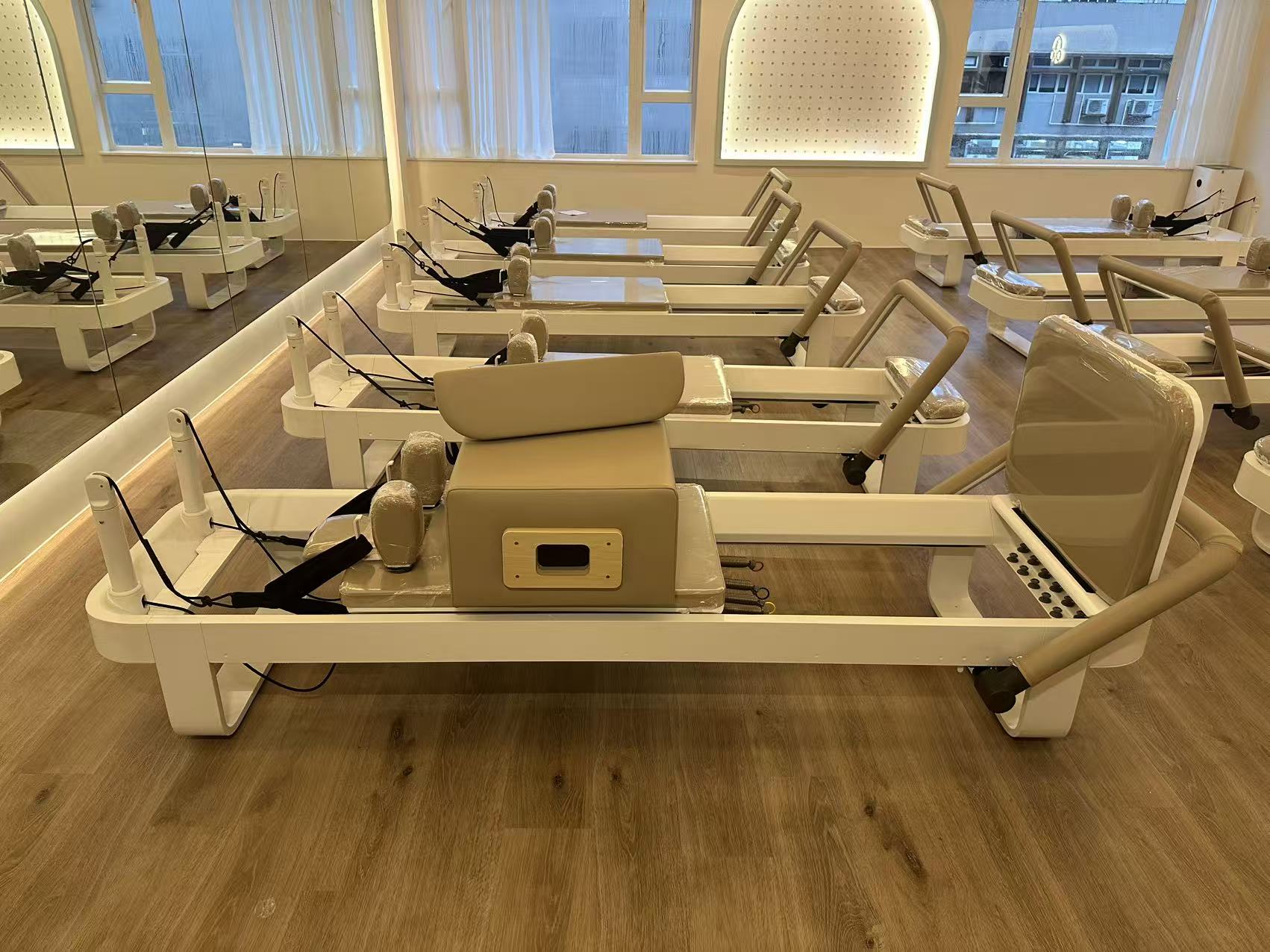
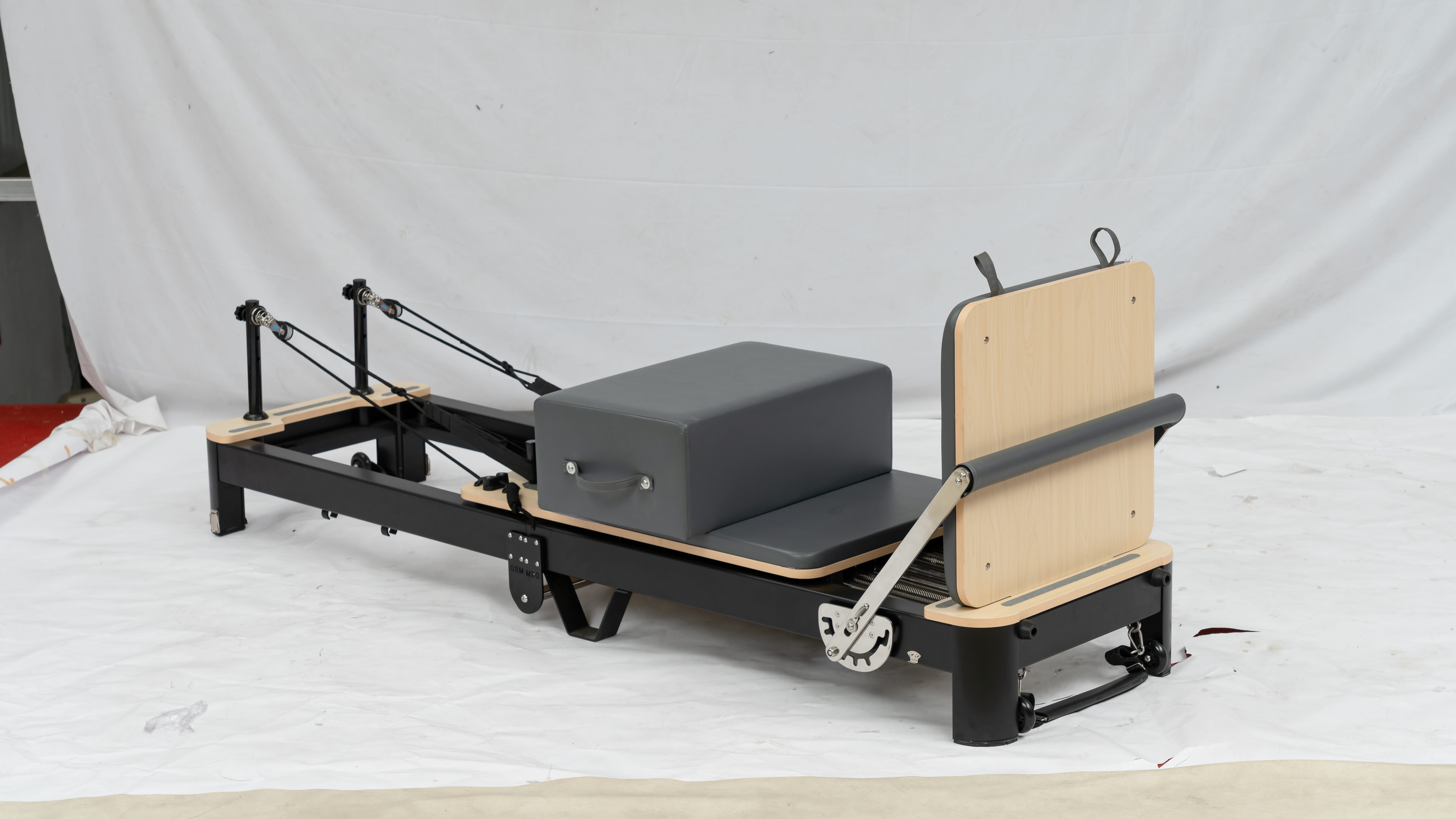
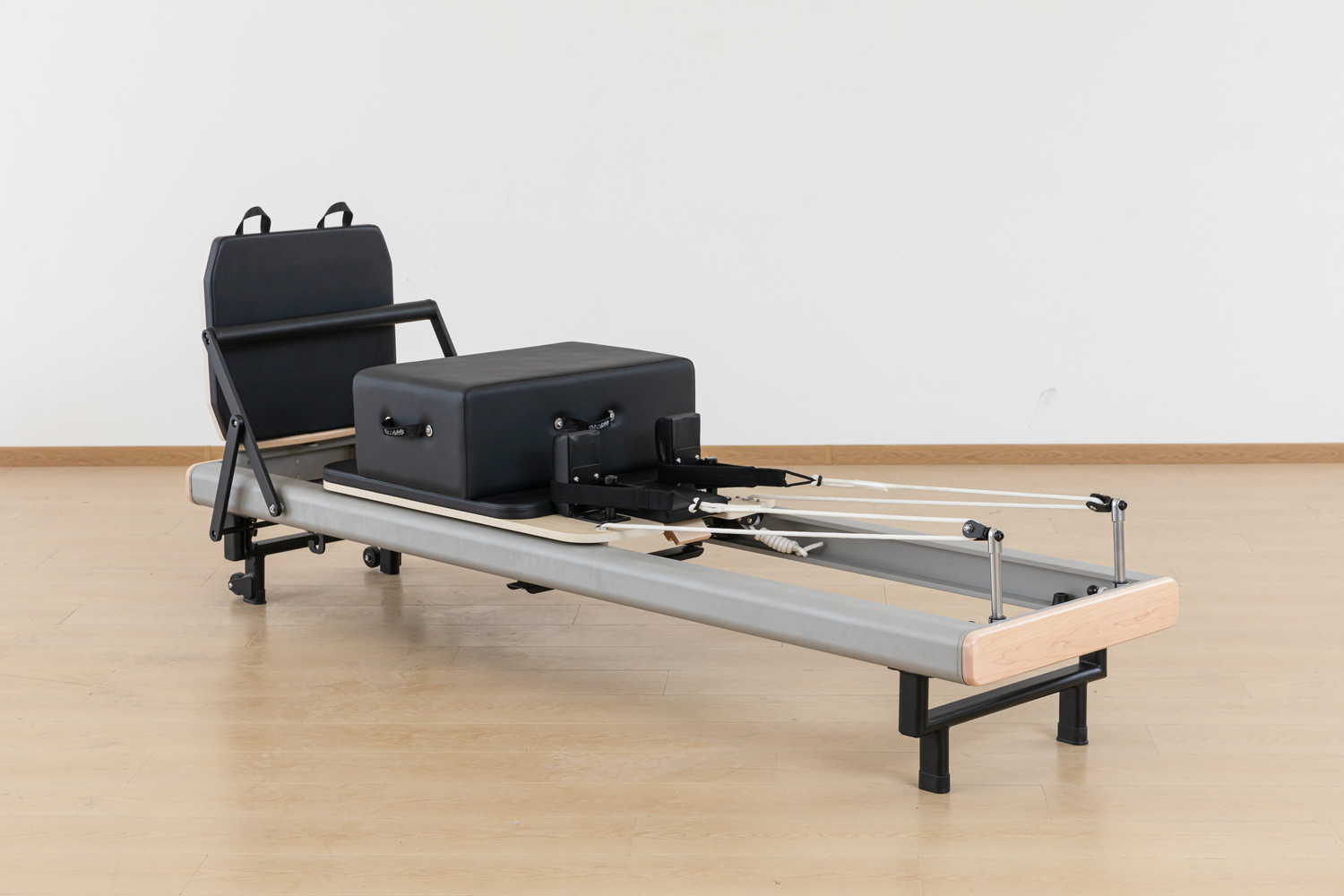
Before purchasing any supporting accessories, the primary step is to clarify the core structural specifications of your Pilates reformer. Different types of reformers — including wooden classic reformers, thickened aluminum alloy reformers, and ultra-thin commercial models — vary greatly in frame width, carriage length, rail height, and bayonet spacing. These dimensional differences directly determine accessory compatibility.
For example, foot straps, leg springs, and shoulder blocks rely on precise frame bayonet spacing for fixed installation. Generic accessories with universal sizing may loosen or fail to install firmly on customized narrow or wide-frame reformers. Similarly, headrest cushions, neck supports, and knee pads must match the carriage width and radian specs to avoid tilting, slipping, or incomplete fitting during training. Professional accessory selection always starts with recording frame length, width, rail spacing, and fixed hole position data to eliminate mismatching risks.
2. Match Spring Tension Accessories With Original Spring Specs
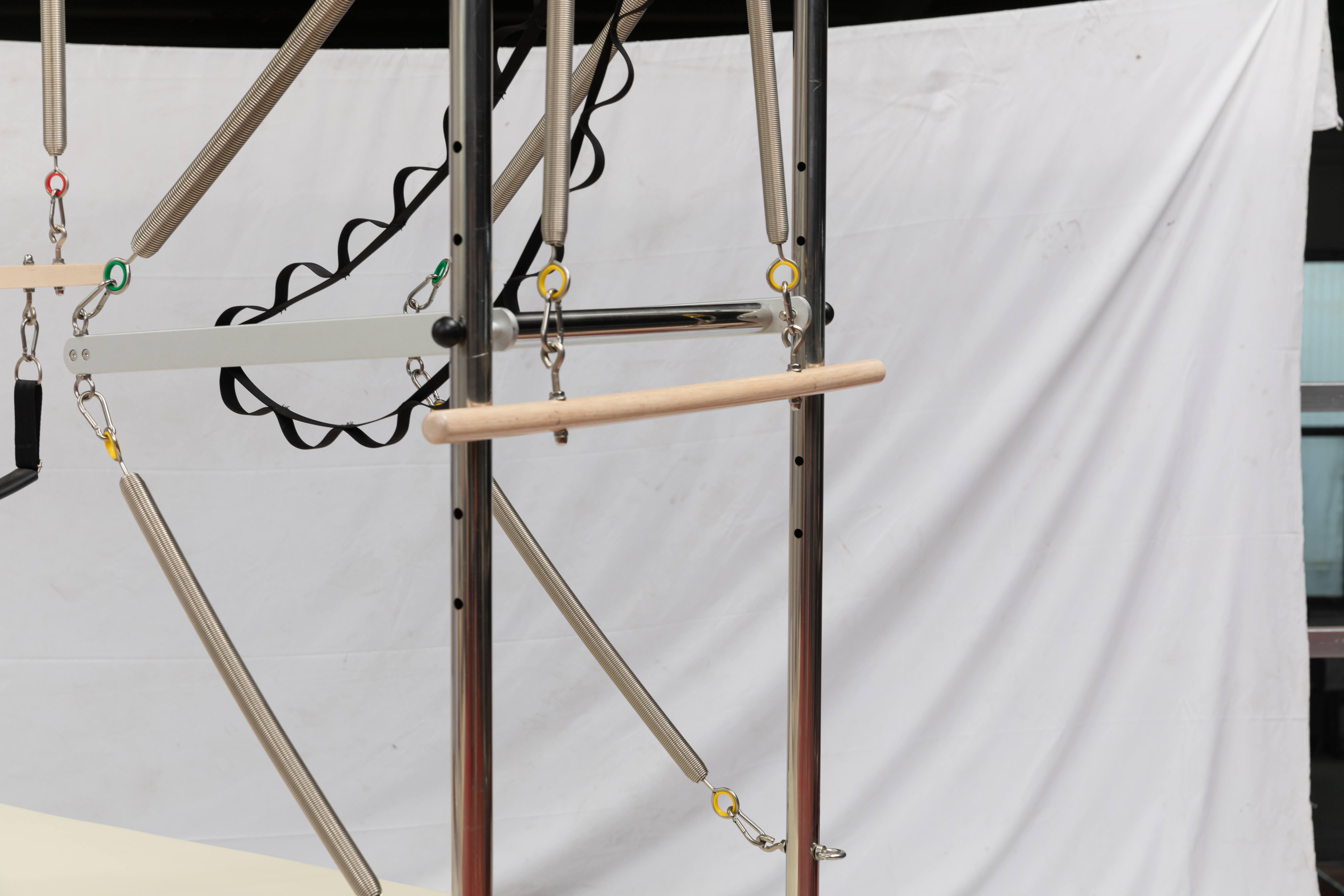
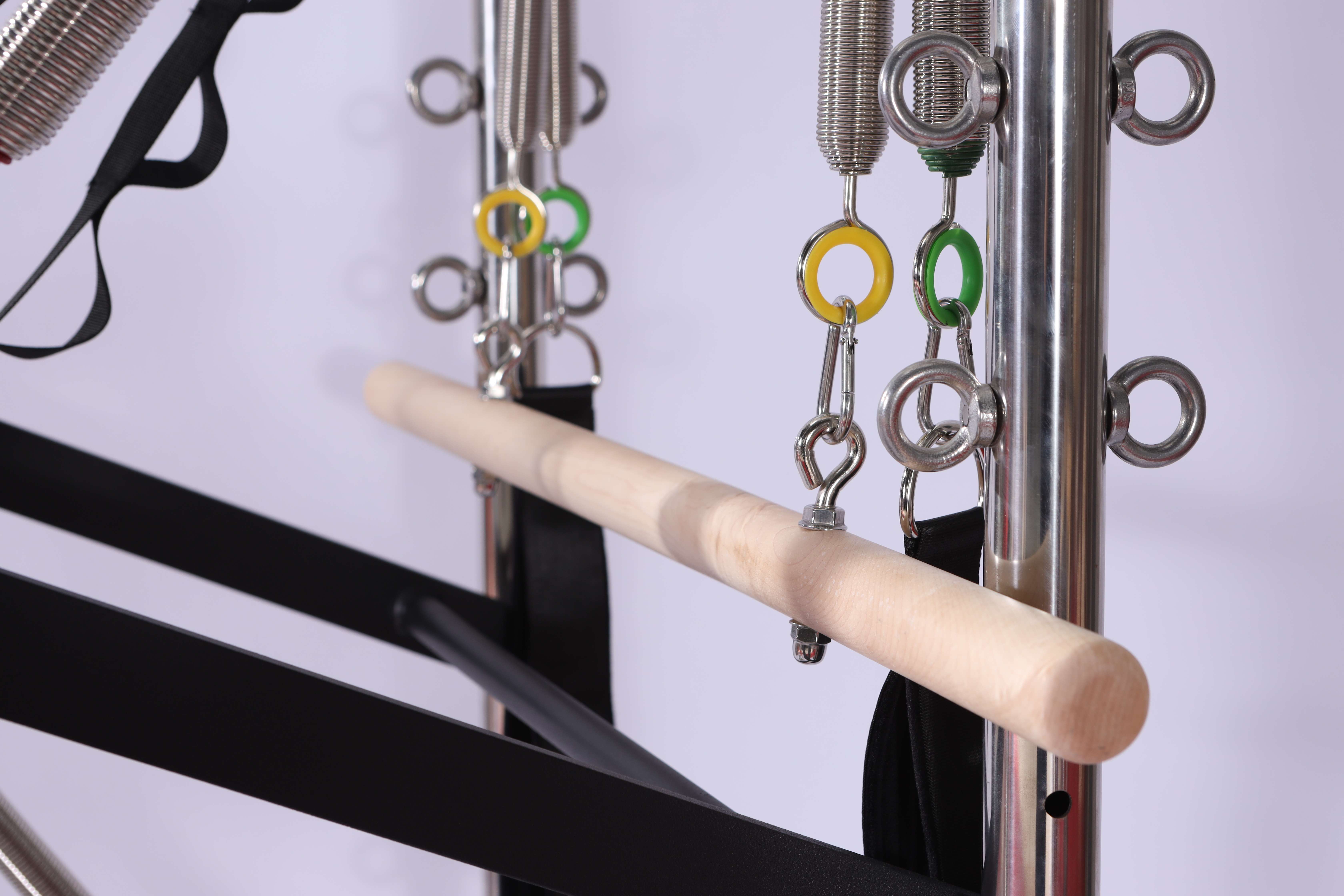
Spring systems are the core power source of reformer training, and all spring-matched accessories must be consistent with the original machine’s spring specifications. Commercial Pilates reformers are usually equipped with multiple springs of different tension levels, categorized by light, medium, and heavy resistance, with unified wire diameter and stretching stroke standards from formal manufacturers.
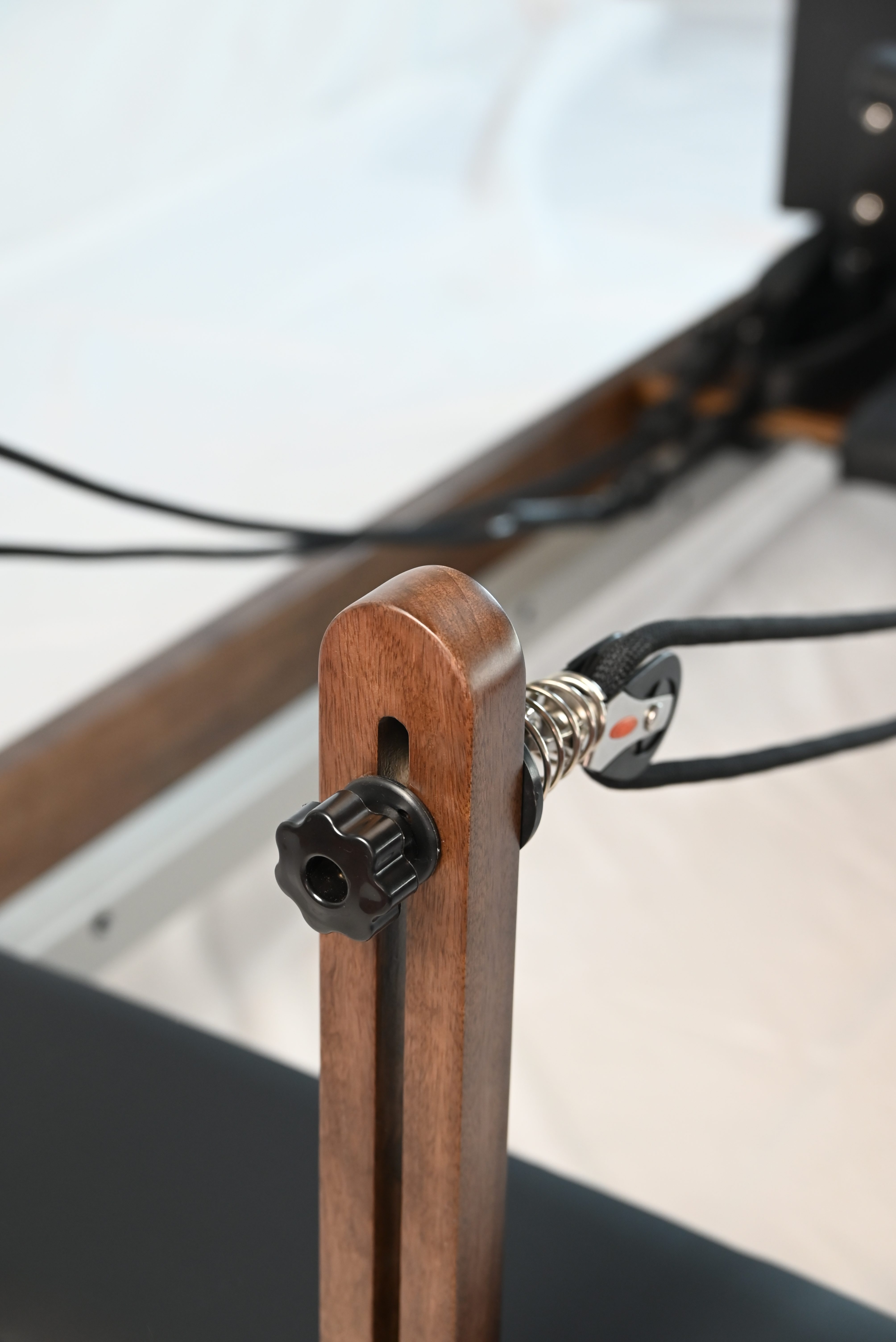
When replacing auxiliary springs, extension springs, and spring hooks, buyers must strictly match the original spring length, thickness, and load-bearing specs. Mismatched thick springs cannot fit the pulley sliding system, while overly thin springs cause insufficient tension and unbalanced force, affecting training accuracy and even causing spring derailment during high-intensity stretching. In addition, spring connection accessories such as metal buckles and silicone limit loops must conform to the original machine’s interface size to ensure stable locking and smooth sliding throughout the movement stroke.
3. Select Pulley and Cable Accessories Based on Rail and Height Specs
High-end commercial reformers feature precise pulley and cable traction systems, and their supporting accessories are highly customized according to machine height and sliding rail parameters. Many studios encounter jittery sliding, cable jamming, or abnormal noise after replacing traction ropes and pulleys, which is mostly caused by spec mismatch rather than product quality problems.
Low pulley and high pulley accessories need to match the reformer’s overall height and pulley slot width. Ultra-high tower reformers require extended-length traction cables, while standard flat-bed reformers use conventional short cables. Using mismatched cables will lead to insufficient stretching range or excessive cable slack, reducing training effectiveness and affecting equipment service life. It is recommended to select original manufacturer-matched pulley accessories, which are precisely calibrated with the rail sliding speed and radian to ensure consistent operating feel and long-term stable performance.
4. Prioritize Material Consistency for Contact Accessories
Although contact accessories such as hand grips, foot loops, neck cushions, and lumbar supports do not involve structural installation size, material consistency must match the original reformer’s commercial-grade standards, especially for high-traffic studios.
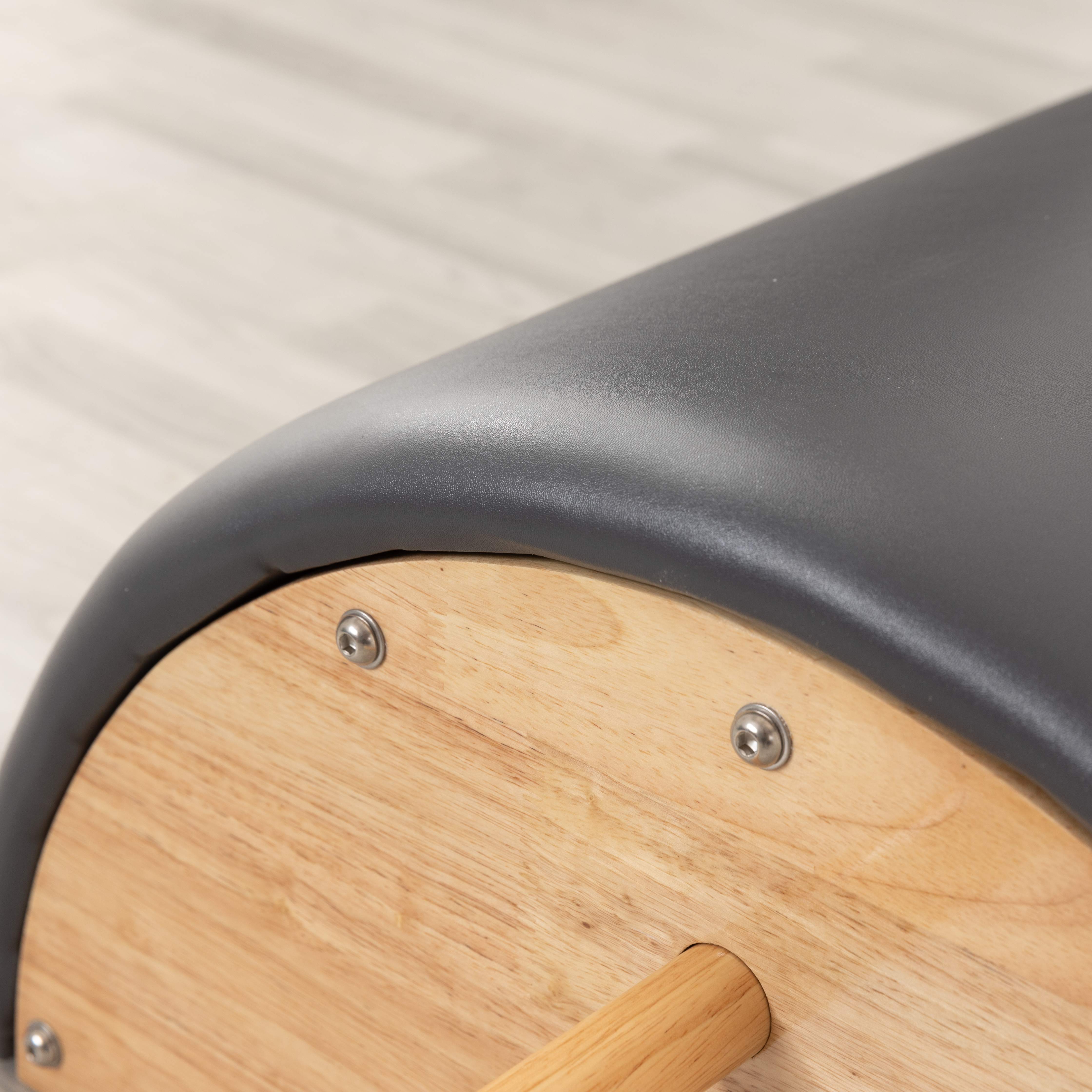
Formal commercial reformers adopt low-odor PU and silicone accessories, high-density rebound foam, and wear-resistant upholstery materials. When replacing or expanding accessories, studios should avoid cheap plastic and low-density foam alternatives. Mismatched inferior materials will not only damage the overall high-end texture of the reformer but also deform and wear quickly after frequent use, causing client discomfort and increasing long-term replacement costs. Keeping consistent material specs ensures unified safety, comfort, and durability for the entire equipment set.
5. Verify Compatibility With Adjustable Functional Parts
Most modern commercial reformers are designed with multi-angle adjustable functions, including adjustable foot bars, height-adjustable bases, and limit stoppers. These functional components have unique spec parameters, and their replacement accessories must fully match the original adjustable structure.
For example, adjustable star knobs, locking screws, and limit blocks have unified aperture and thread standards for each reformer model. Universal screws with mismatched threads will cause loose locking, unstable equipment fixation, and position deviation during repeated adjustment. For reformers with customized height and base upgrades, customized matching functional accessories are required instead of generic universal parts, to ensure accurate adjustment and firm locking of every functional position.
6. Avoid Universal Accessories for Custom OEM Reformers
Many boutique studios and distributors customize exclusive OEM reformers with personalized frame sizes, special upholstery styles, and upgraded structural parts. For these customized machines, universal market accessories are often incompatible.
Custom maple wood reformers, thickened aluminum rail upgraded models, and special-size studio reformers have non-standard partial structures. Only original manufacturer supporting accessories can achieve a perfect fit. Using third-party universal accessories may lead to installation gaps, unstable fixation, and even damage to customized equipment structures. For bulk customized reformer orders, it is best to purchase matching accessories together with the equipment to unify all spec standards.
7. The Benefits of Full Spec-Matched Accessory Configuration
Matching accessories strictly according to reformer machine specs brings long-term value for both home users and commercial studios. First, it ensures 100% equipment operating stability, avoids abnormal noise, jamming, and loose parts, and eliminates potential safety hazards during training. Second, unified spec accessories maintain the original training resistance and movement track, ensuring standardized teaching effects and professional course quality.
In addition, spec-matched supporting parts greatly extend the overall service life of Pilates equipment, reduce frequent replacement and maintenance costs, and keep the equipment in a new, high-end state for long-term studio operation. For distributors, complete matched accessory packages also improve product competitiveness and after-sales service quality.
Final Conclusion
Selecting compatible Pilates accessories is not a simple universal purchase but a precise matching process based on reformer frame dimensions, spring specs, pulley cable parameters, adjustable structure standards, and original material grades. Blindly purchasing cheap universal accessories leads to hidden safety risks and increased operating costs. Studio owners and importers should always prioritize spec-consistent original supporting accessories to ensure equipment stability, teaching professionalism, and long-term operational value. Standardized accessory matching is an essential part of professional Pilates equipment operation and maintenance.