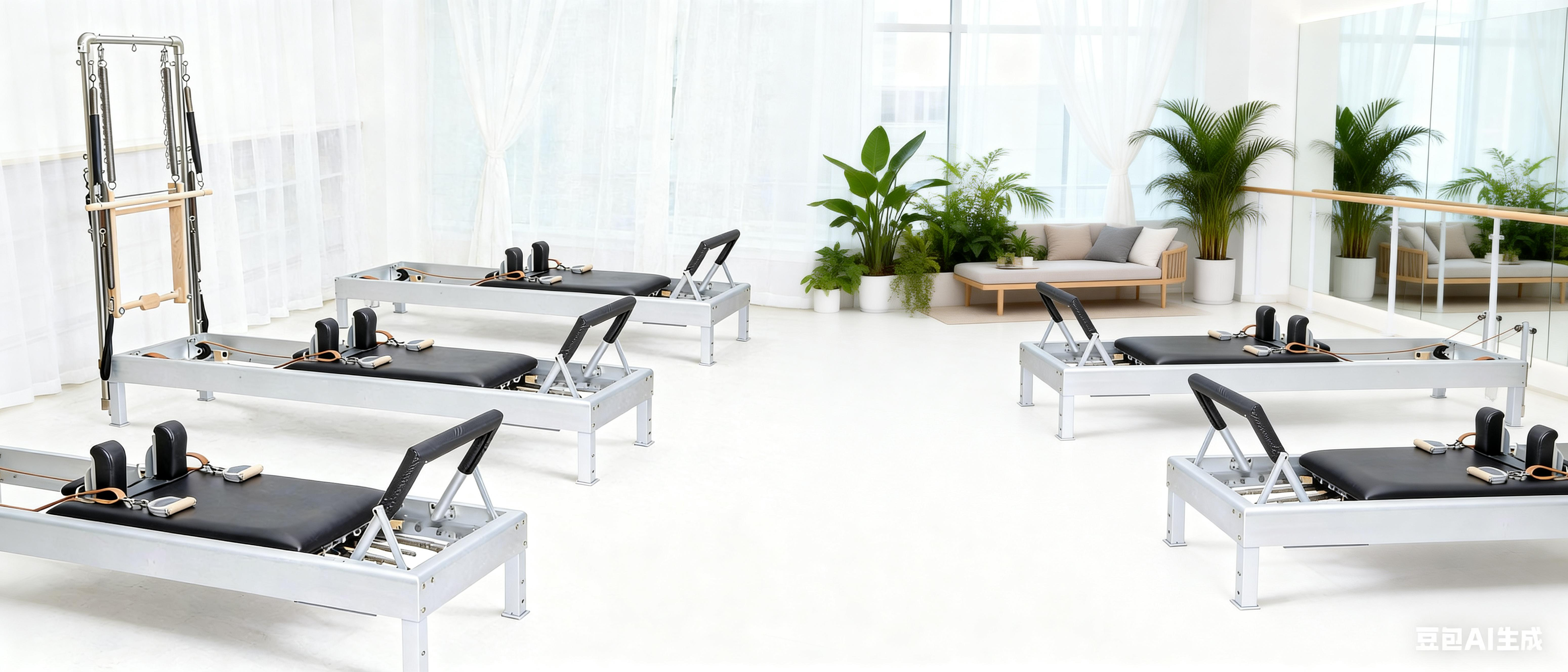
Best Commercial Pilates Reformers for Fitness Studios in 2026
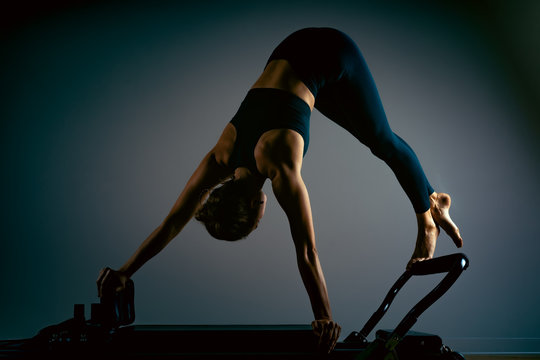
Choosing a reformer is the single most important equipment decision a studio owner makes. Get it right and your instructors are happy, your clients are loyal, and your equipment holds up for years. Get it wrong and you‘re dealing with wobbly carriages, frustrated teachers, and costly replacements inside of three years. The 2026 commercial reformer market offers more choices than ever — but the criteria for judging them are clearer too.
What “Commercial Grade” Actually Means
A home reformer might see one or two sessions a day. A commercial studio reformer might see eight to twelve. The difference isn‘t just price — it’s engineering standards: a frame that can handle repeated heavy use without flex or creaking, a carriage system that stays smooth over thousands of sessions, springs that maintain consistent resistance and are easy to swap when they degrade, and hardware and upholstery that hold up to daily cleaning protocols. Commercial grade also means manufacturer support, parts availability, and warranty coverage — because equipment will eventually need replacement parts, and nobody wants to deal with “no one to call”.
Commercial Reformers Worth Considering in 2026
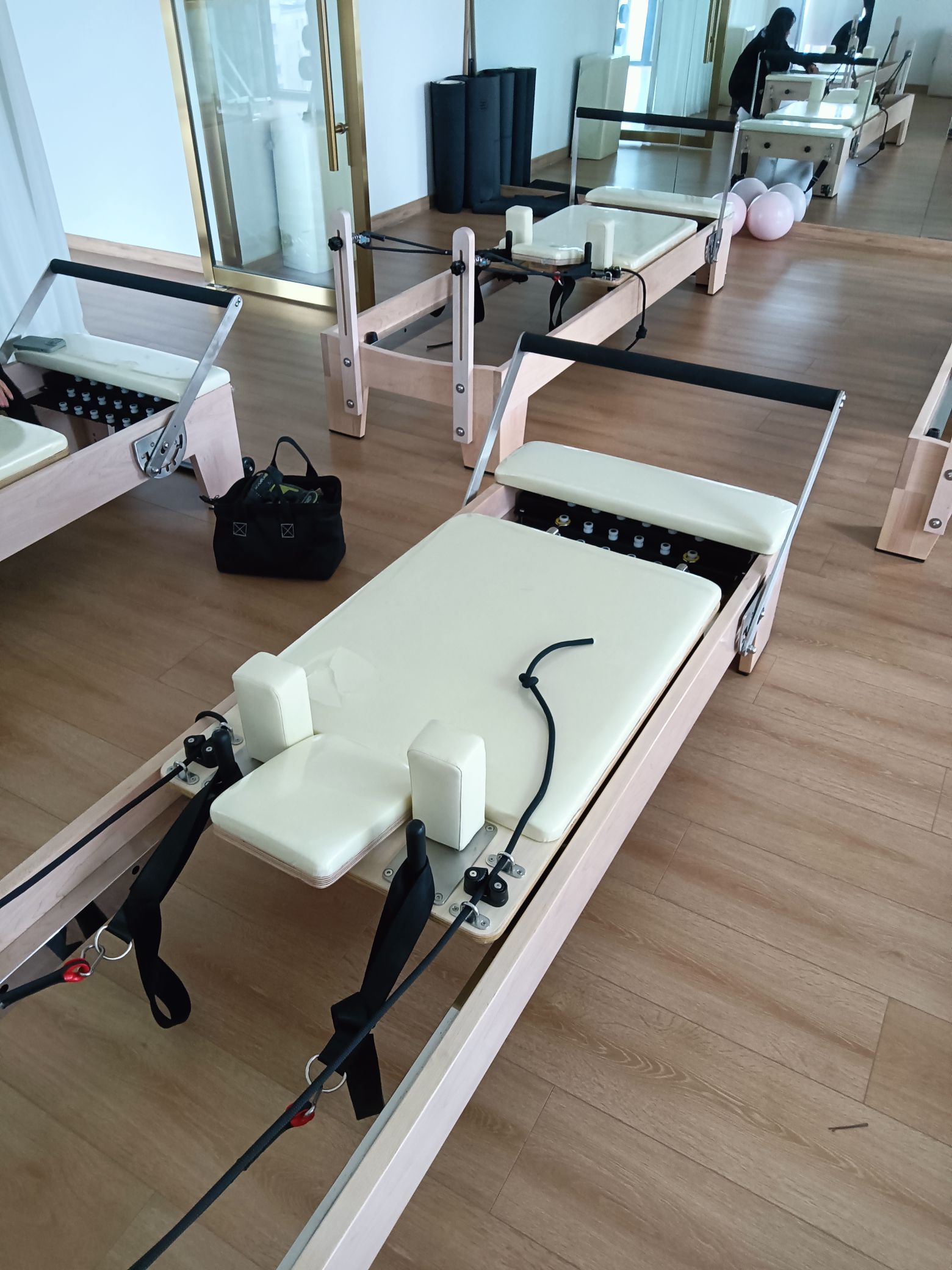
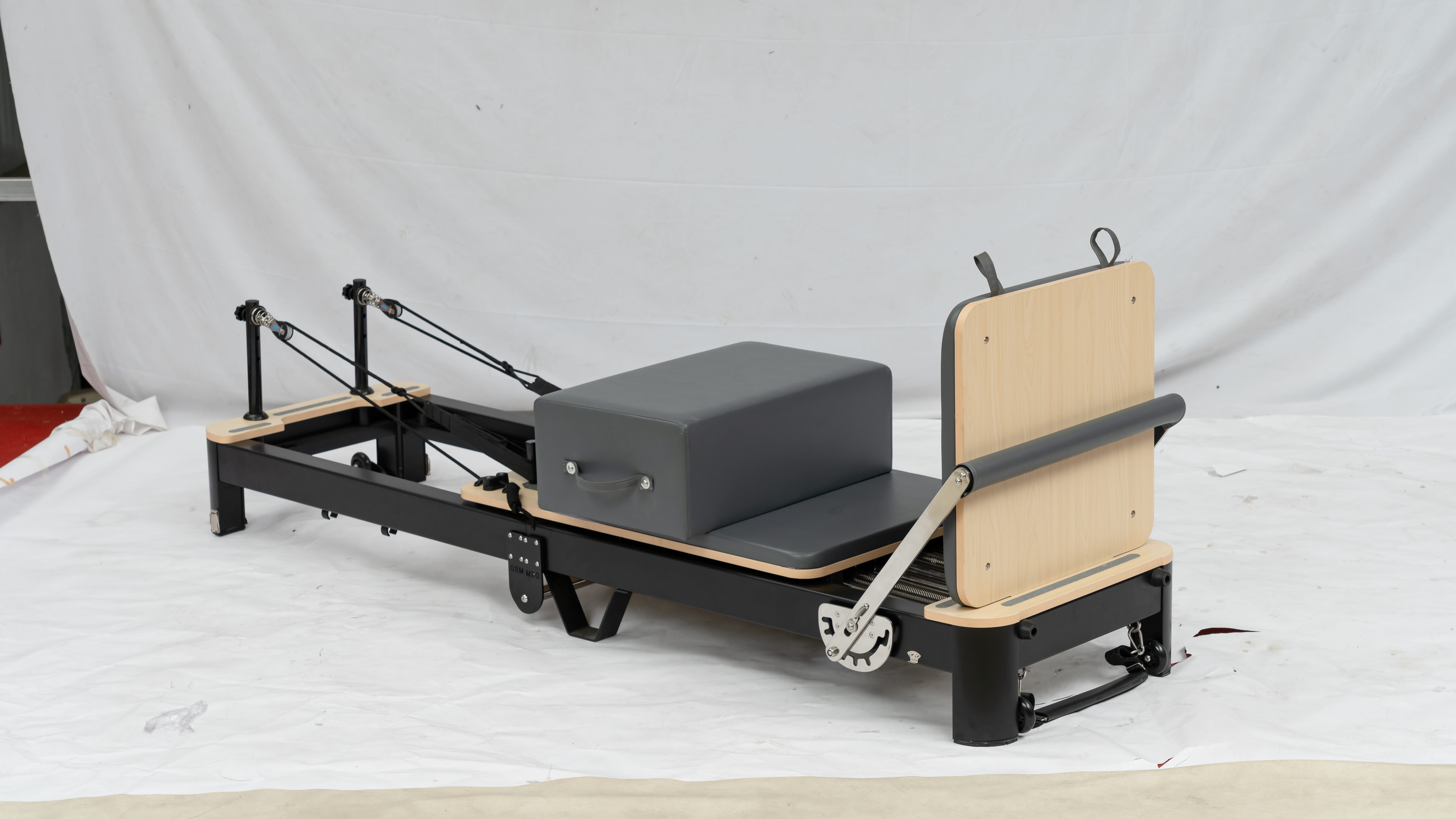
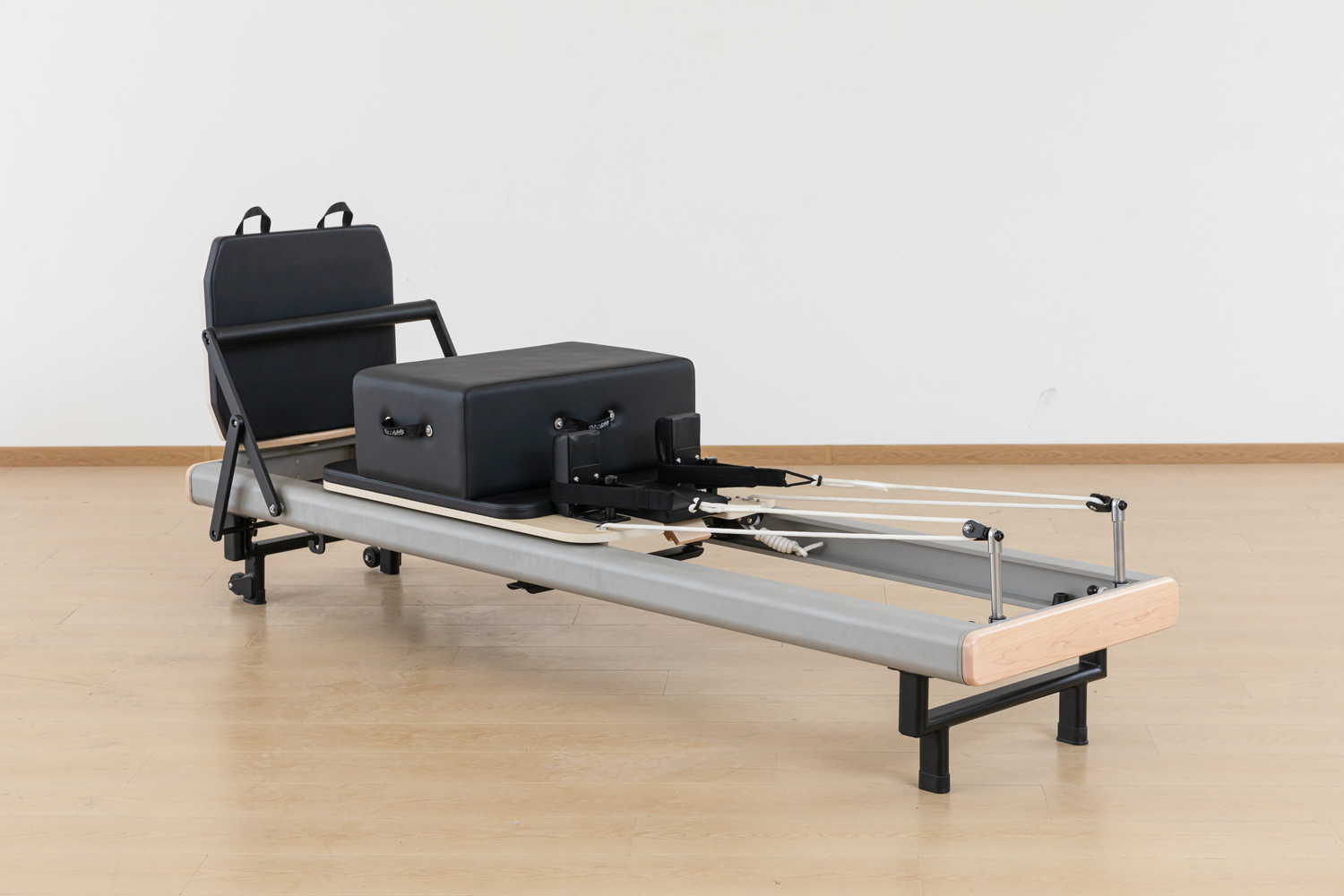
Balanced Body Allegro 2 is the most widely used commercial reformer in North American studios. Aluminum frame, well-calibrated carriage out of the box, reliable coil spring system, and an instructor pool that already knows how to use it — it‘s the “no adaptation needed” choice. Four footbar positions, easy rope swaps, works for classical through fitness-forward programming. The downside: it’s not the most visually striking option. If your studio brand is built on aesthetics, you may want more visual presence. Price range: $3,500–$4,200.
Balanced Body Studio Reformer is Balanced Body‘s flagship. Maple frame, exceptionally smooth carriage, and precision dialed to classical standards. The premium over the Allegro 2 is meaningful per unit, and it adds up fast when outfitting ten or more. Price range: $4,500–$5,500.
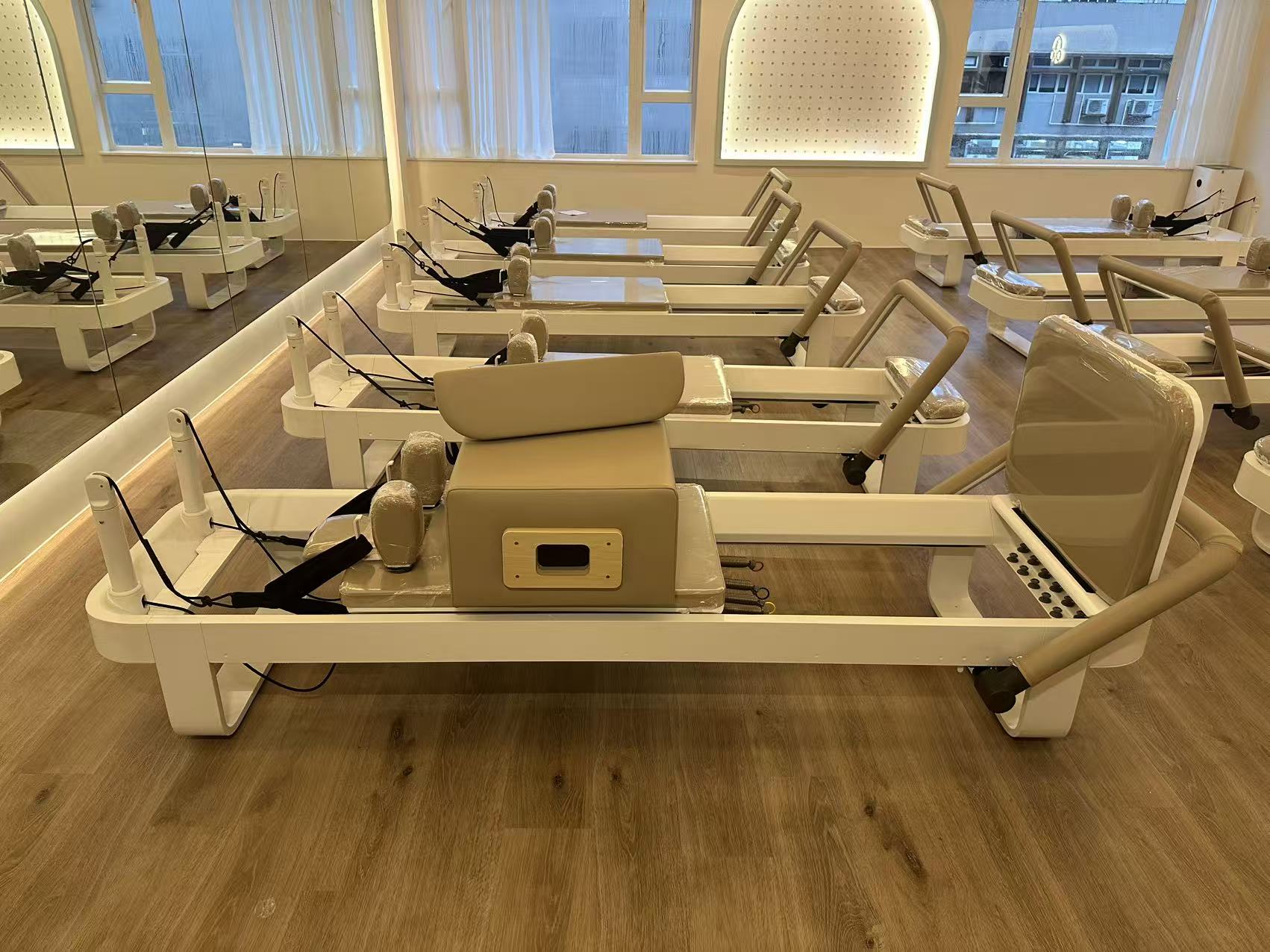
Merrithew V2 Max is known for durability. Aircraft-grade aluminum frame with a gear-reduction carriage system that stays exceptionally smooth under load. If your studio skews toward higher-intensity programming — strength-based Pilates, athletic conditioning, reformer cardio — it holds up better than most alternatives. It’s also the equipment of choice for Merrithew‘s licensed STOTT programming. Price range: $4,800–$6,000.
Gratz takes a different path. Built in Pennsylvania to Joseph Pilates’ original specifications: wooden frame, leather straps, narrower carriage — all intentional. Suited to classical certification schools, markets with a deep traditionalist demographic (parts of New York, London, Sydney, Tokyo), or studios that want to differentiate from the contemporary studio across the street through lineage. The trade-offs are real: more involved maintenance, narrower instructor hiring pool, slower member onboarding. Price range: $5,000–$8,000.
Align-Pilates R8-Pro positions itself as a “light commercial entry-level” reformer while preserving classic Pilates geometry. Four footbar heights, rapid-change spring bar, Silent Ropes system, 120 kg weight limit. Suitable for home studios, small boutique spaces, or multi-purpose rooms. At $2,700–$3,200, it‘s a pragmatic choice for budget-conscious buyers who still want professional performance.
Specs That Actually Matter Day-to-Day
Carriage size and travel length affect member fit. A 26.5-inch carriage (like Align-Pilates A8 Pro) accommodates taller and broader builds; the narrower classical carriage (Gratz, 24 inches) is intentionally restrictive. Travel under 40 inches limits long-spine work; 44+ inches opens athletic-leaning programming.
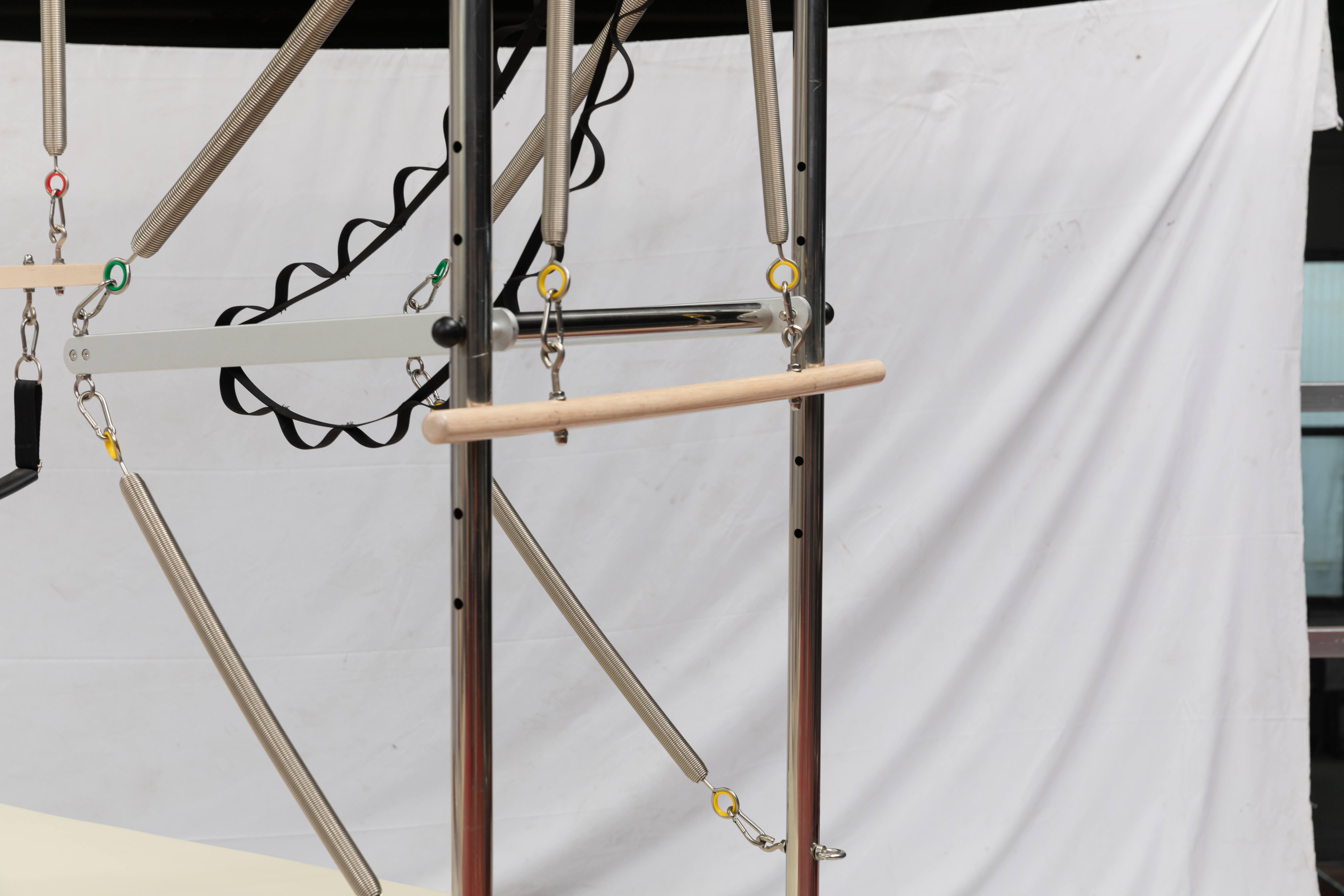
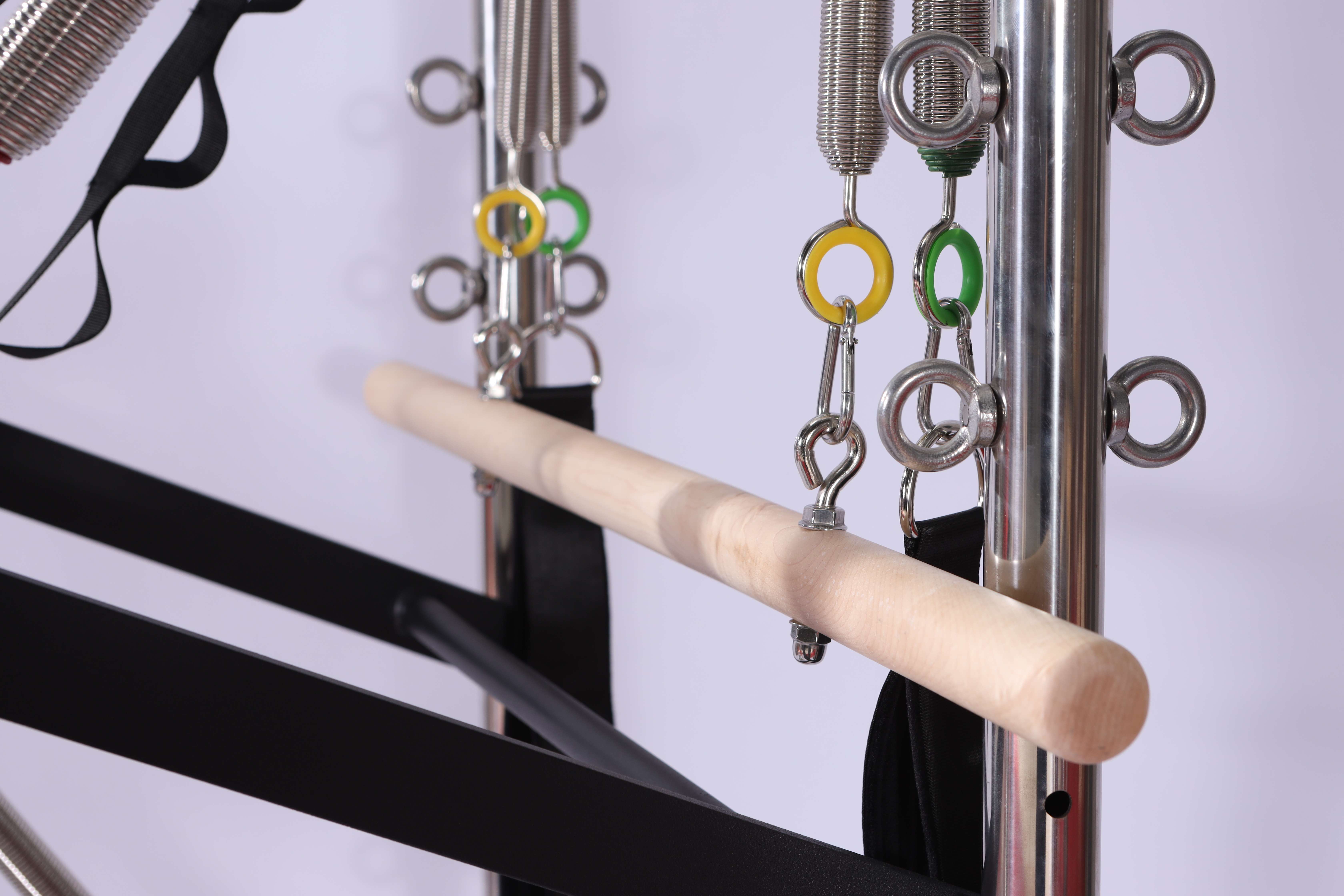
Spring systems vary in more than count. Balanced Body and Merrithew use 4–5 springs with standardized color resistance; BASI uses 4 with proprietary calibration; Gratz uses heavier classical springs. If you mix brands within one studio, your instructors must cue spring loads differently per bed — an operational drag during peak hours.
Instructor-certification compatibility is the silent constraint. A BASI-certified teacher on a Balanced Body bed loses the EPS pulley reference. A STOTT-certified teacher on a Gratz loses the entire contemporary methodology foundation. Match your beds to your hiring market.
On warranty: most contemporary brands offer 1-year parts plus 2-year frame; premium Balanced Body lines reach 5-year frame. Plan an annual maintenance budget of $100–$250 per reformer (rollers, ropes, springs, leather).
Budget Reference
For an 8-reformer studio, 2026 prices fall into three tiers:
·Capital-efficient (~$25k–$30k): 8 Elina or Peak Pilates units new ($3,000–$3,800 each), or 8 used Balanced Body / STOTT ($2,800–$3,500 each). Suited to first studios where build-out spend is allocated elsewhere.
·Standard commercial (~$35k–$45k): 8 Balanced Body Allegro 2 or Merrithew V2 Max. The most common configuration, with proven durability and instructor familiarity.
·Premium brand (~$55k+): 8 Balanced Body Studio Reformers or Gratz. For luxury-positioned boutiques where pricing supports the equipment premium.
Used equipment typically sells at 40–60% of new retail. A Balanced Body Allegro 2 that retails at $6,500 can land used at $2,800–$4,000 if under five years of commercial use and serviced. Used makes sense for first studios with tight pre-launch budgets, a 4–6 week procurement window, and someone who can inspect units in person (carriage rollers, spring wear, frame welds, footbar locks).