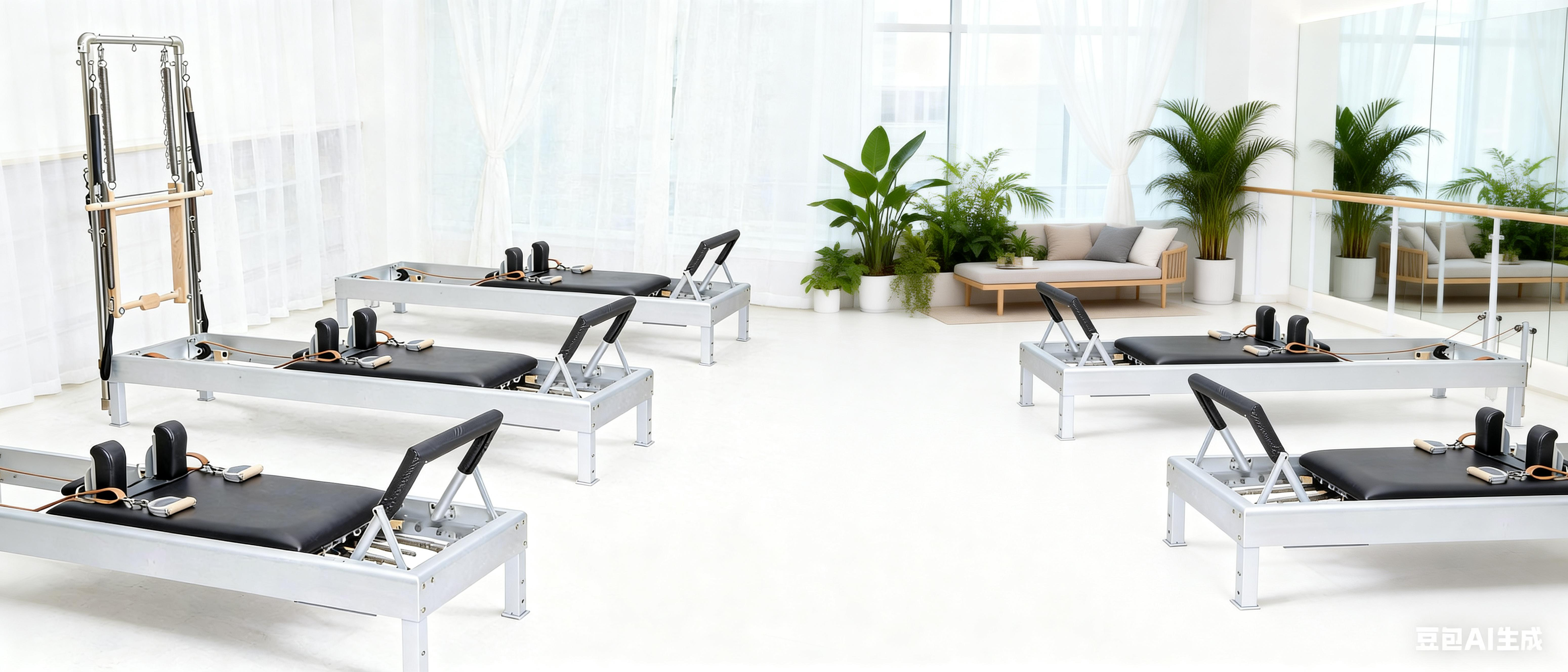
Durable Pilates Reformer: Materials, Build Quality & Buying Tips
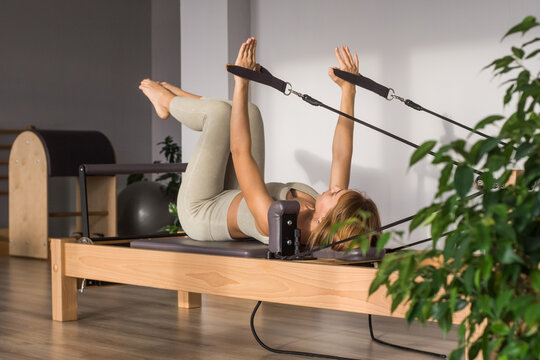
A Pilates Reformer is a long-term investment in your fitness and wellness. A durable model not only ensures safe, stable support during every workout but also delivers excellent value—serving you reliably for years without wobbling, squeaking, or losing structural integrity. This guide breaks down the core materials, key markers of build quality, and practical buying tips to help you choose a Reformer built to last.
I. Key Construction Materials & Their Durability
The longevity of a Reformer starts with the materials it is made of. Here is how common options compare:
Frame Materials
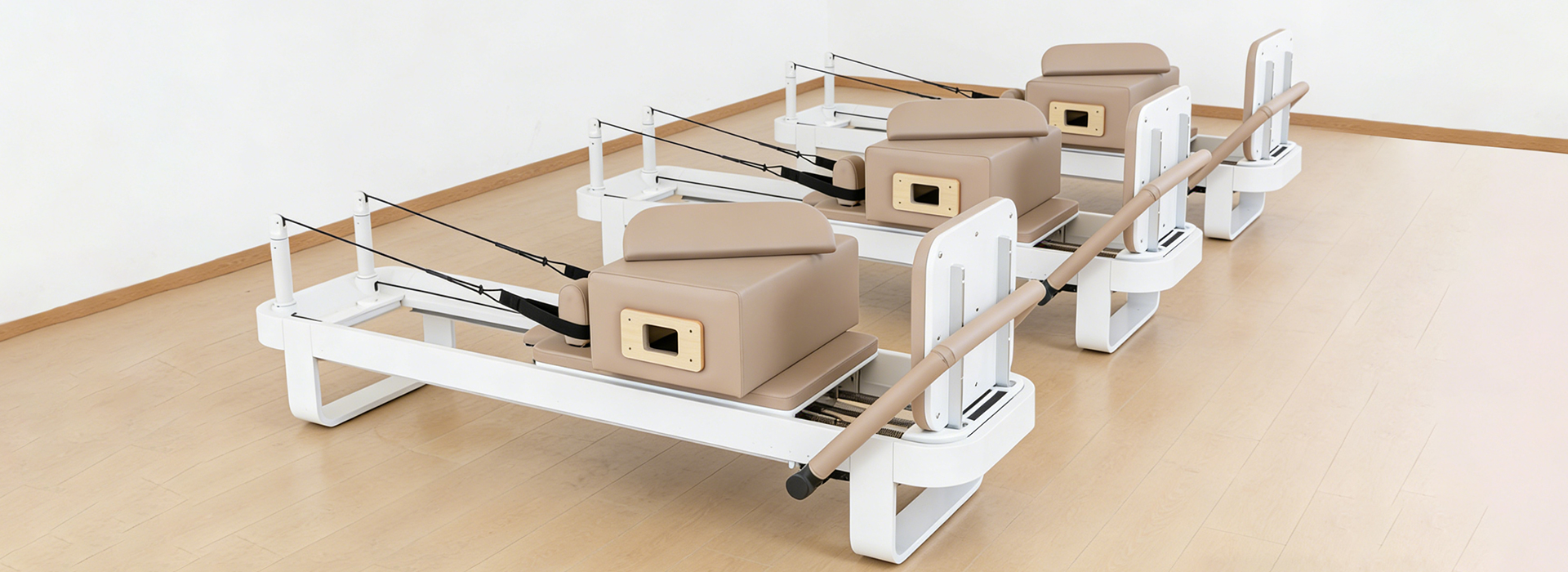
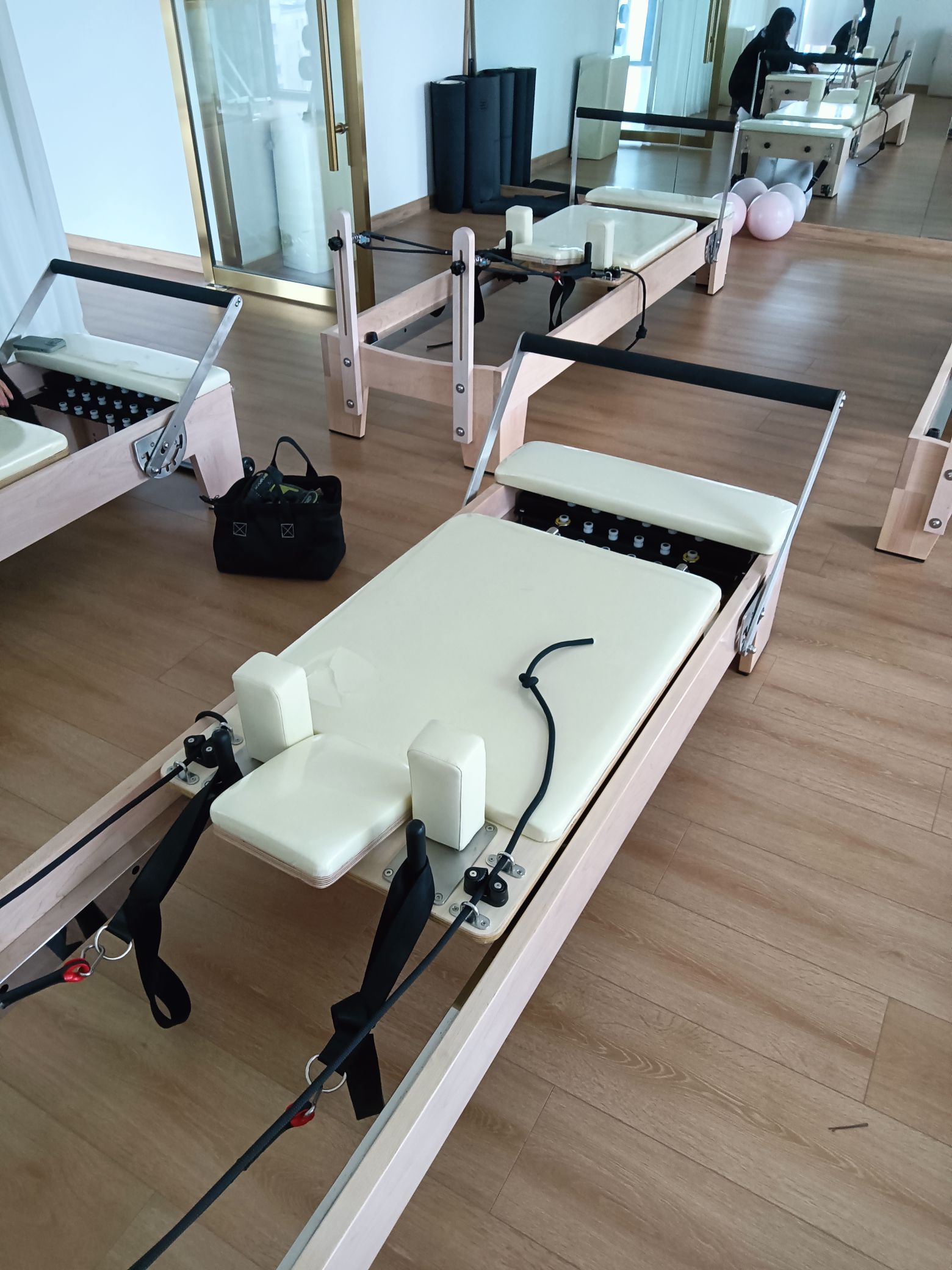
·Hardwood (Beech, Maple, Birch)
Pros: High natural strength, excellent vibration damping, premium feel, repairable if scratched; maintains rigidity over decades with proper care.
Cons: Heavier, sensitive to extreme humidity and temperature changes, higher cost.
Best for: Home use where aesthetics and long-term value matter.
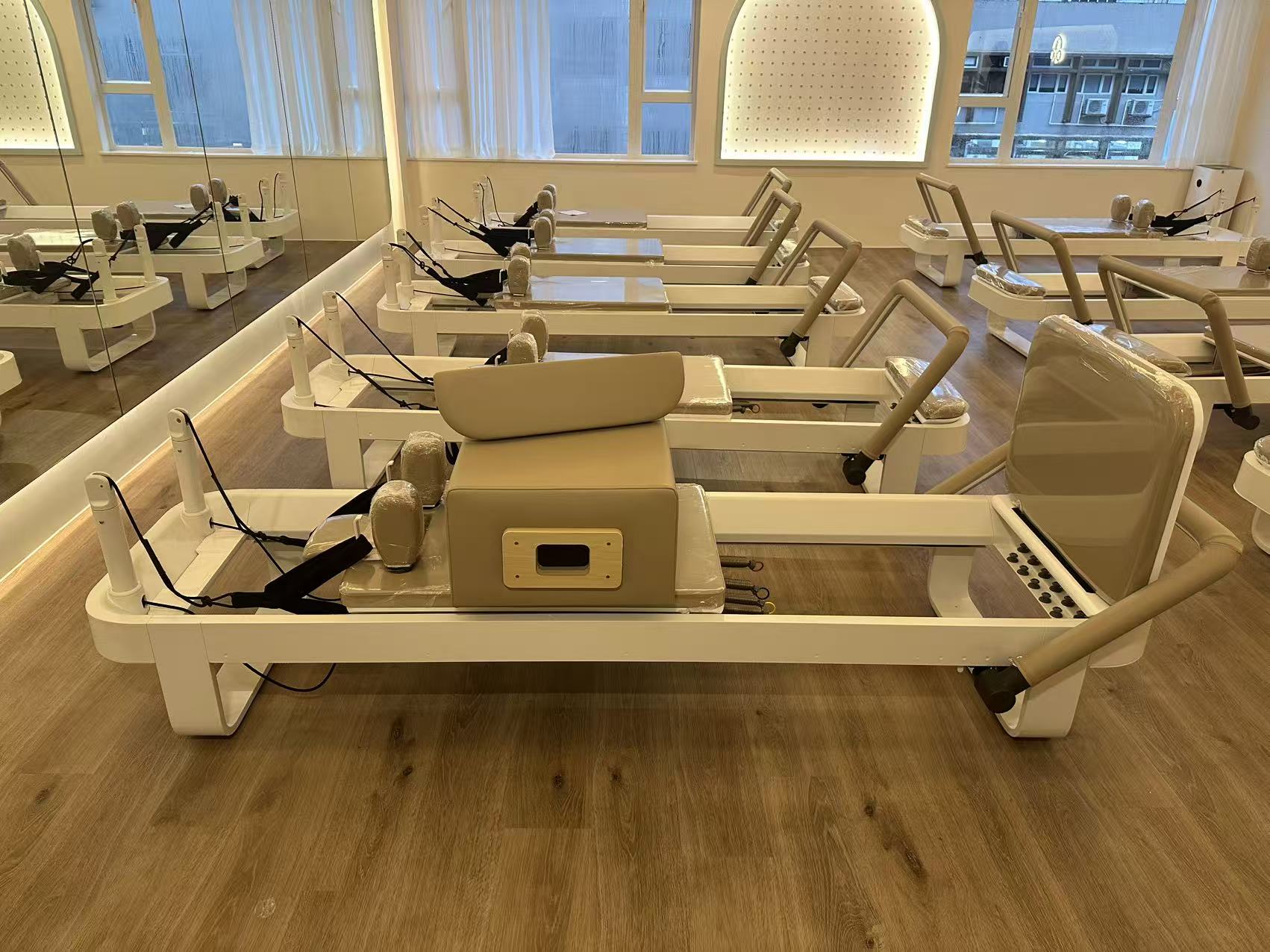
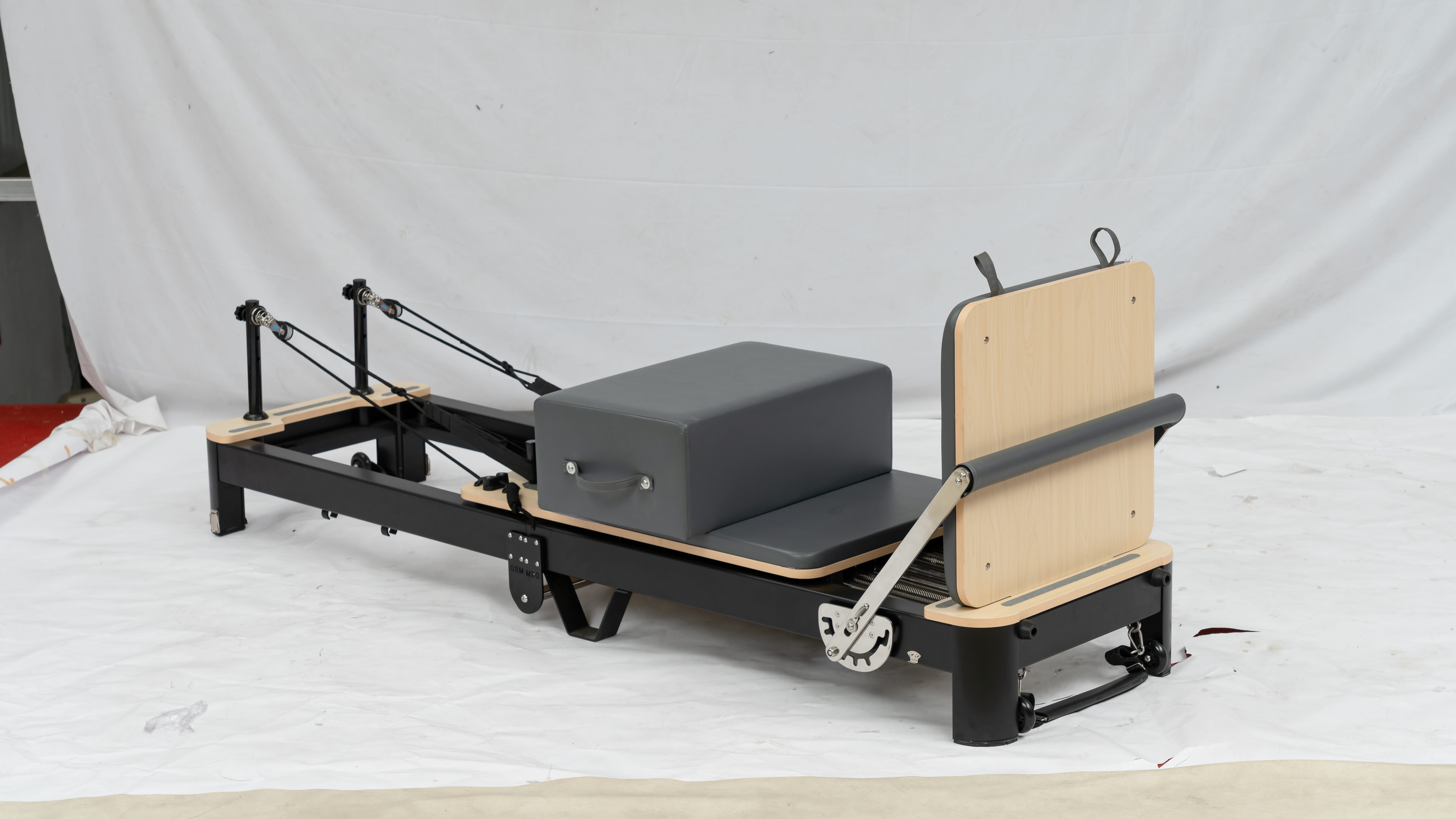
·Steel / Powder-Coated Metal
Pros: Superior impact resistance, no warping, consistent performance across environments, easy to clean.
Cons: Heavier than aluminum, may transmit slight vibration; low-quality paint can chip.
Best for: Busy studios and high-frequency daily use.
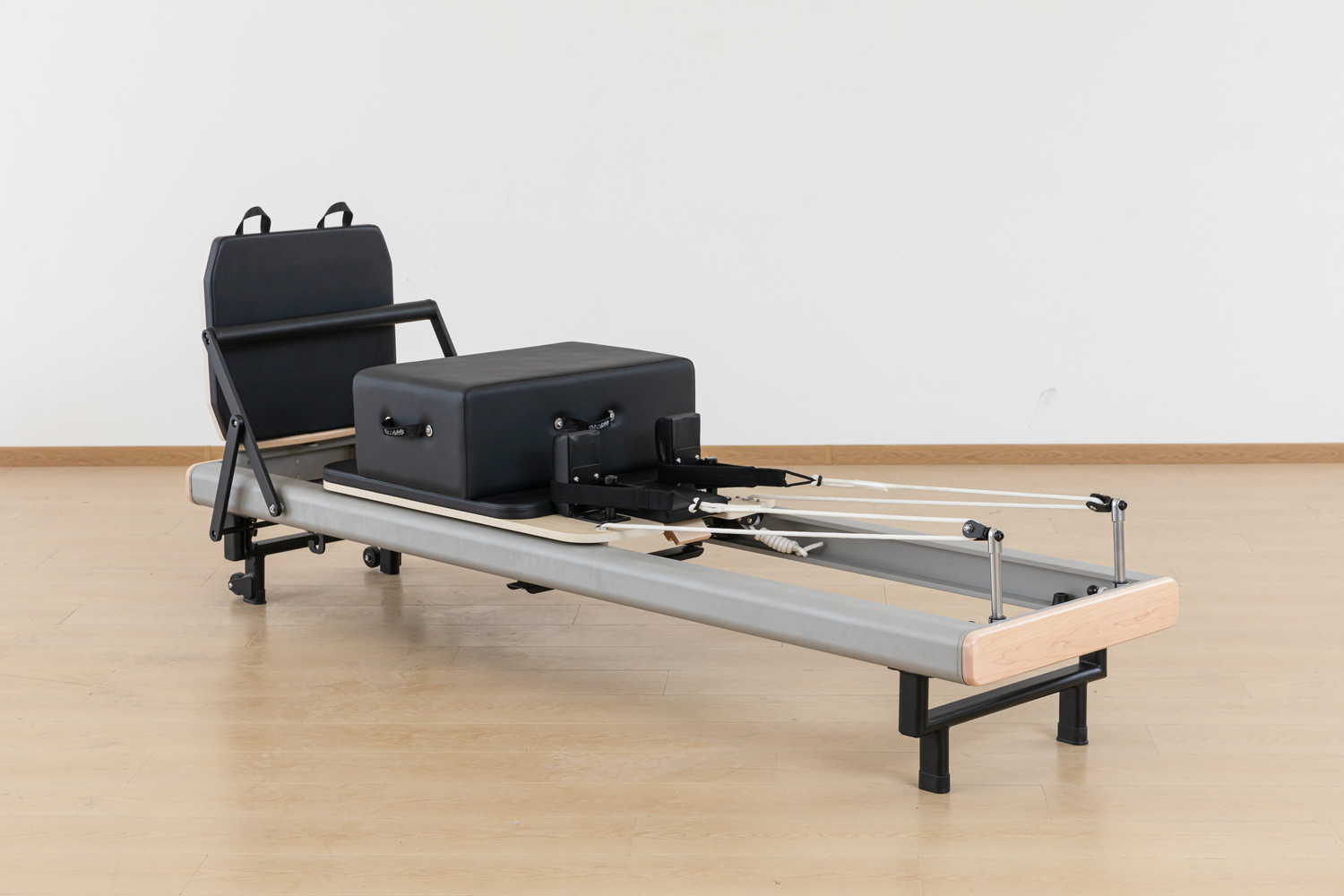
·Aluminum
Pros: Lightweight, rust-resistant, high strength-to-weight ratio.
Cons: More flexible than steel or hardwood—thinner frames may flex under heavy load; generally higher price.
Best for: Travel Reformers, light commercial use, or spaces requiring easy mobility.
Carriage & Moving Surfaces
·Wood or High-Density Composites: Smooth, quiet glide; consistent cushioning.
·Molded Plastic/Polymer: Light and low-maintenance, but check thickness—thin materials can crack with heavy, repeated use.
·Guide Rails: Hard-anodized aluminum or polished steel rails are most durable; they resist scratches and keep movement smooth.
Springs & Resistance System
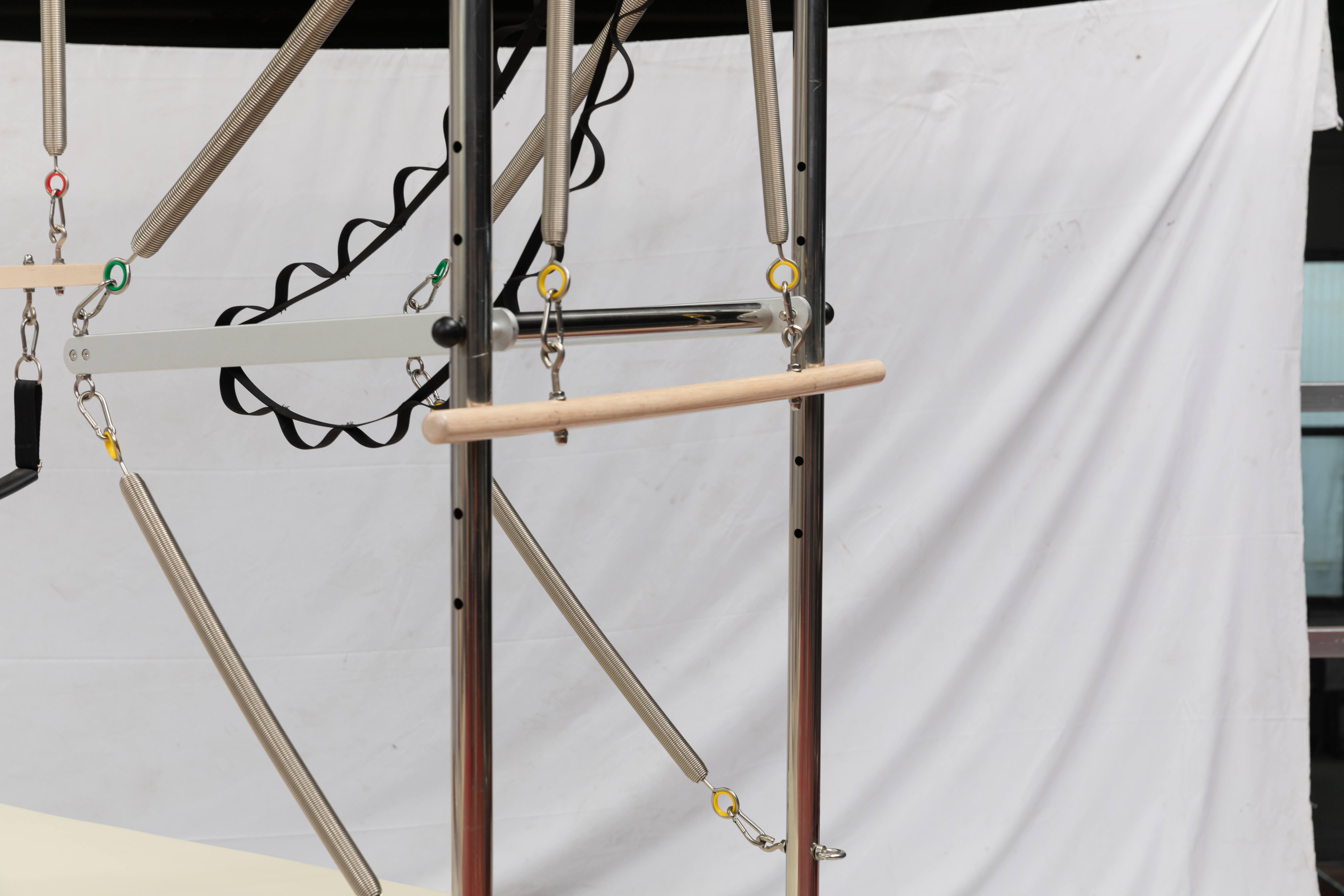
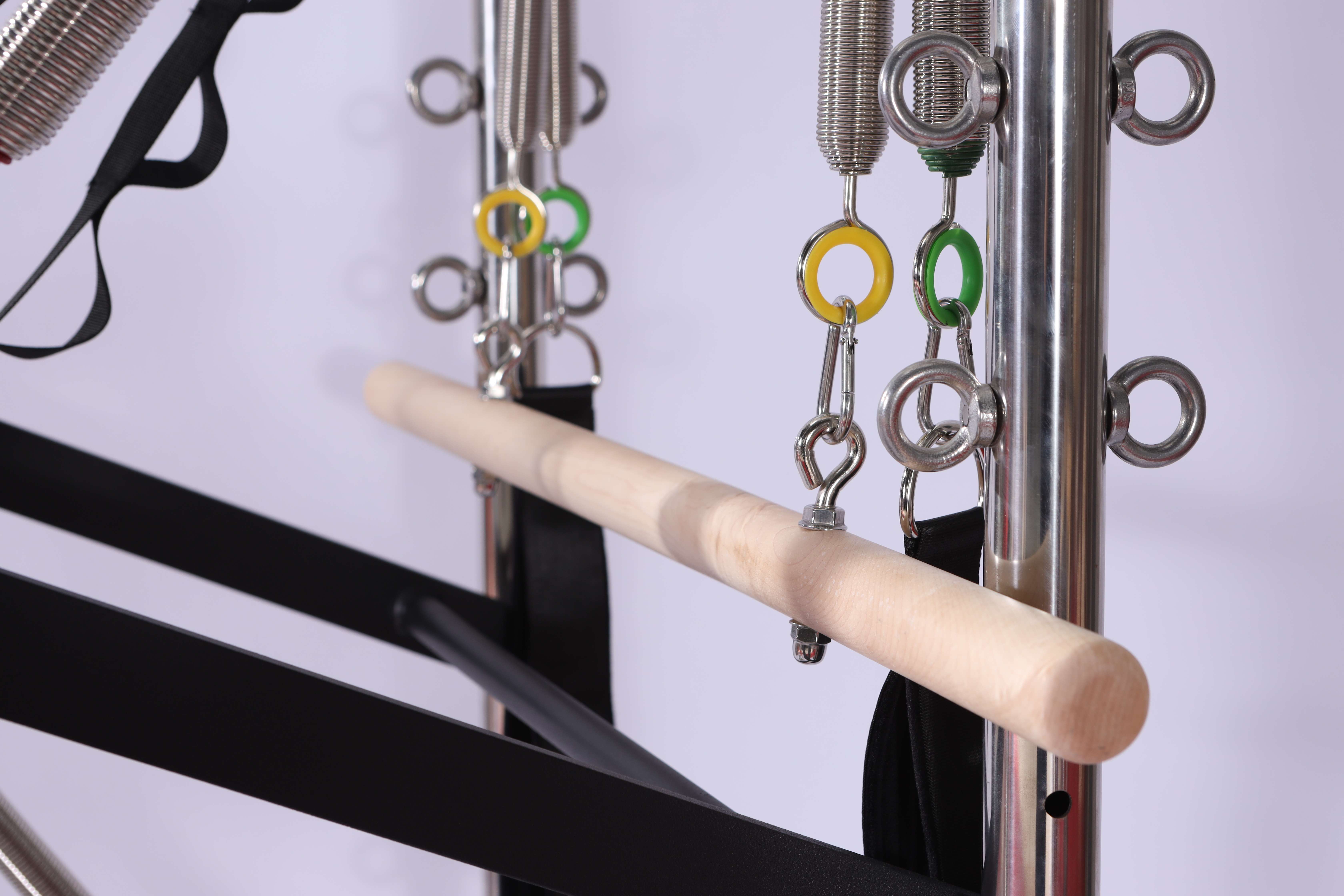
·High-Grade Stainless Steel Springs: Resist rust and fatigue; maintain consistent tension longer.
·Color-Coded, Calibrated Sets: Ensure predictable resistance; look for 4–5 springs of varying tension for versatility.
·Cords/Straps: Nylon or reinforced synthetic webbing is standard; premium options add anti-fray coatings.
Upholstery & Padding
·Vinyl / PU-Coated Fabrics: Water-resistant, easy to wipe clean, and durable against sweat and frequent contact.
·High-Density Foam: Slow to compress; quick-rebound padding stays supportive and comfortable year after year.
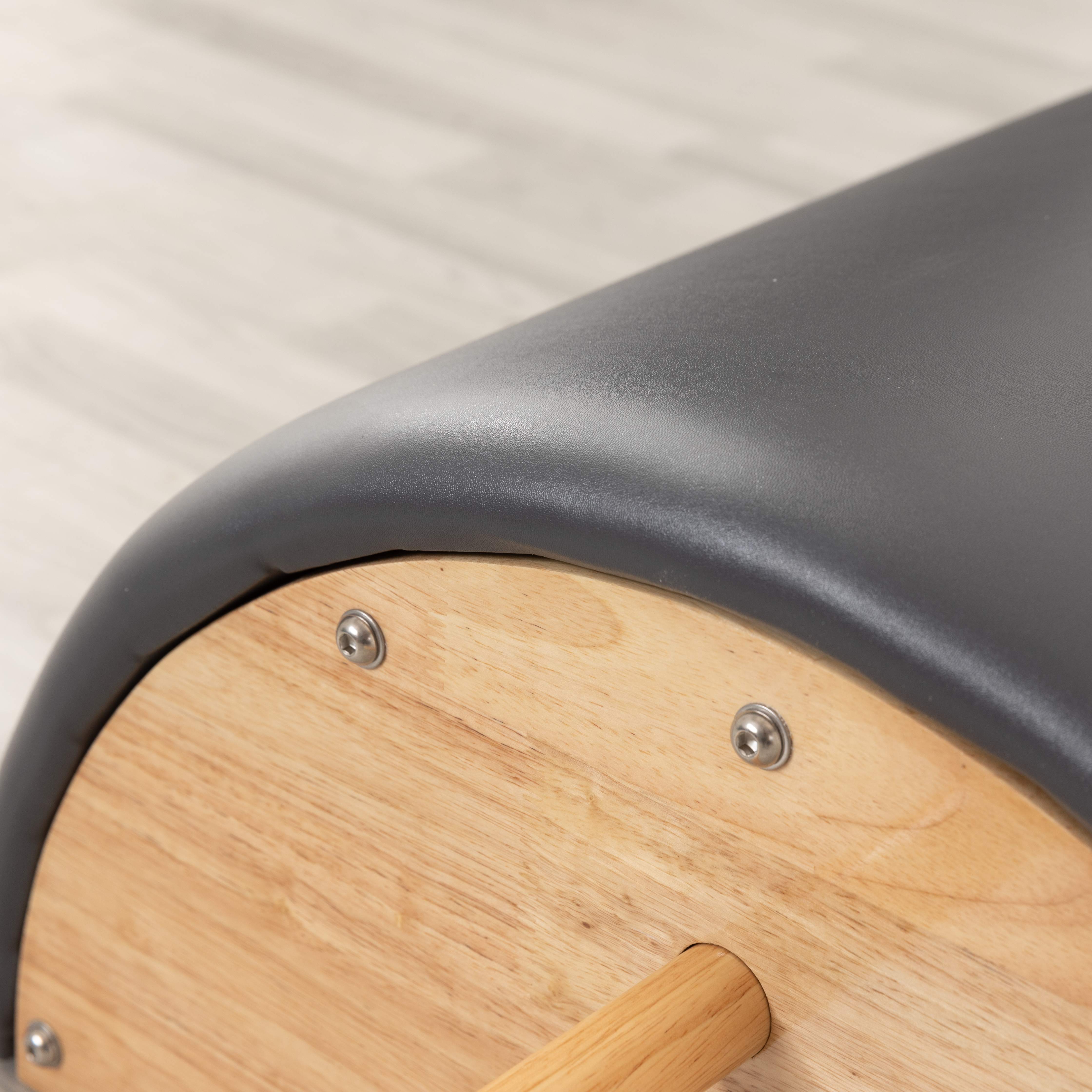
·Stitching & Seams: Double-stitched, reinforced edges resist tearing at stress points.
II. Build Quality: What to Inspect Before Buying
Materials alone do not guarantee longevity—construction details matter just as much.
Frame Joints. Look for mortise-and-tenon connections for wood frames or fully welded reinforced corners for metal frames; bolts should be secured with locking nuts. Signs of poor quality include visible gaps at joints, assembly using simple screws only, and any loose connections.
Carriage Movement. The carriage should glide silently and evenly along the full length of the track with no side-to-side play or sticking. Avoid models where the carriage wobbles, makes noise, drags, or offers uneven resistance across different sections of the track.
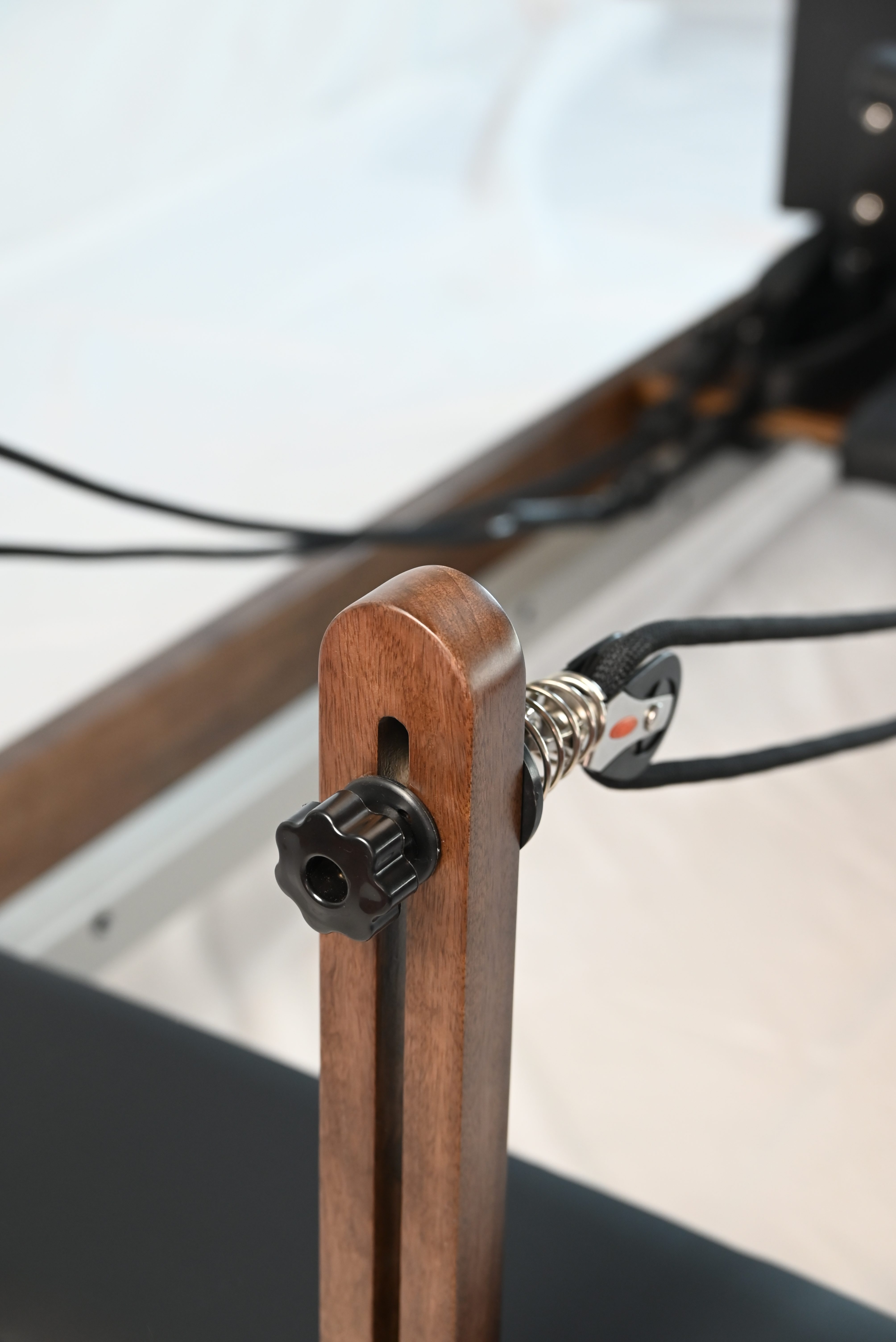
Spring Hangers. These should be constructed from thick-gauge metal, securely anchored to the frame, and fitted with smooth attachment points. Low-quality versions use thin metal or plastic clips, show bending, or come loose easily under tension.
Rope and Strap Adjustment. Buckles should operate smoothly and hold position reliably so strap length remains consistent during use. Poorly designed adjusters slip under load, are difficult to grip, or show fraying after minimal use.
Footbar and Headrest. Locking positions should feel solid and the components should not flex when bearing body weight. Wiggling movement, plastic-only hinges, and play in locking mechanisms indicate inferior build quality.
Surface Finish. Paint or varnish should be applied evenly; wood edges should be fully sealed and all surfaces free of sharp edges. Red flags include peeling coating, exposed unsealed raw wood, and rough or unfinished spots.
III.Practical Buying Tips for Long-Lasting Value
Match Reformer Type to Your Usage
·Home Use: Solid hardwood or heavy-gauge steel; compact footprint but do not compromise frame thickness.
·Studio/Commercial: All-steel construction, reinforced anchor points, heavy-duty upholstery, and extra-durable springs.
·Portable/Folding: Aluminum or sturdy composite; prioritize hinge quality and locking mechanisms over lightweight claims.
Check Weight Capacity & Stability
·Standard home models: 250–300 lbs (113–136 kg).
·Studio-grade: 350 lbs (159 kg) or higher.
·A higher capacity usually means a stronger frame—even if you do not need the full limit.
Prioritize Brands with Strong Warranties
Look for:
·Frame: 10–15 years or lifetime coverage
·Springs & Hardware: 1–5 years
·Upholstery & Padding: 6 months–2 years
This reflects the manufacturer’s confidence in their own build quality.
Avoid “Too Good to Be True” Pricing
Quality materials and precision assembly have a cost. A significantly discounted new Reformer may use thinner steel, lower-grade wood, or untested springs that fail prematurely.
Maintenance Equals Longevity
Wipe down upholstery and rails after every session.
Inspect springs, ropes, and connections monthly—tighten loose parts immediately.
Keep the unit away from direct sunlight, damp areas, or extreme temperature swings.
Lubricate guide rails per manufacturer instructions to reduce friction and wear.
Conclusion
A truly durable Pilates Reformer balances premium materials, solid engineering, and thoughtful design. By choosing a robust frame—whether hardwood or steel—inspecting every joint and moving part, and following simple regular maintenance, you will protect your investment and enjoy safe, effective workouts for a decade or more. Quality is not just about buying the most expensive model; it is about choosing one built to stay strong, reliable, and comfortable with every session.