Elevate Your Studio: Upgrade with Professional Pilates Equipment
I. Introduction
A Pilates studio's reputation is built on the quality of its equipment. Clients notice the difference between a wobbly reformer and one that glides smoothly through every movement. Upgrading to professional-grade equipment is not just about aesthetics—it directly affects client retention, instructor satisfaction, and your studio's ability to command premium pricing. This article walks through what to look for, what to avoid, and how to plan an upgrade that pays for itself.
II. Why Equipment Quality Defines Your Studio
Professional Pilates equipment differs from consumer-grade alternatives in three critical areas: stability, precision, and durability.
A commercial reformer must withstand 30 to 50 sessions per week. The frame must remain rigid under dynamic loads. Springs must deliver consistent tension after thousands of repetitions. The carriage must track smoothly without developing play in the wheels or rails. Consumer machines that perform adequately in a home setting often fail within months under studio conditions.
Beyond mechanical performance, equipment quality shapes the client experience. A reformer that squeaks, shifts, or resists movement makes clients feel unsafe. A well-maintained professional machine, by contrast, lets clients focus entirely on their bodies rather than on the apparatus beneath them.
III. Key Equipment Categories to Consider
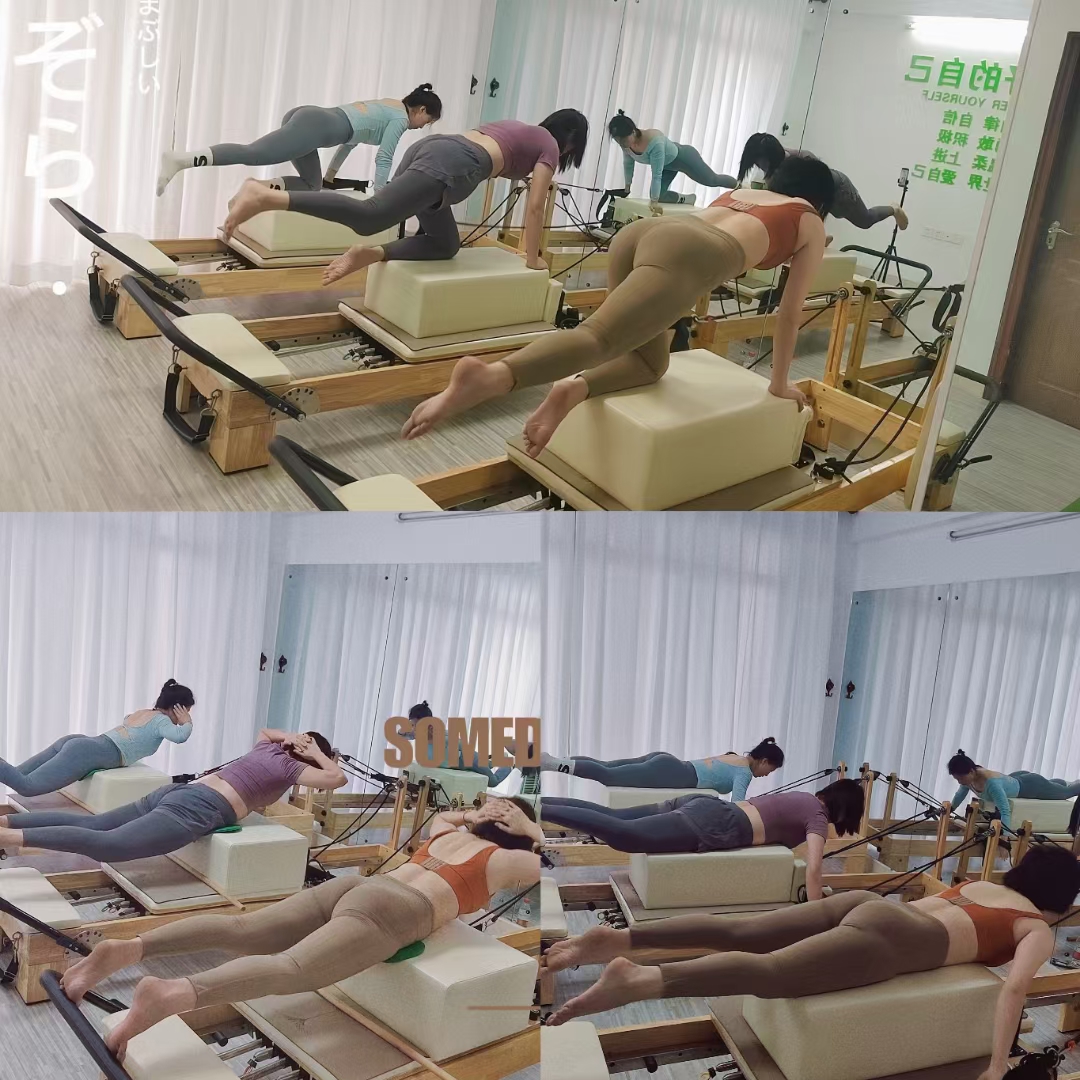
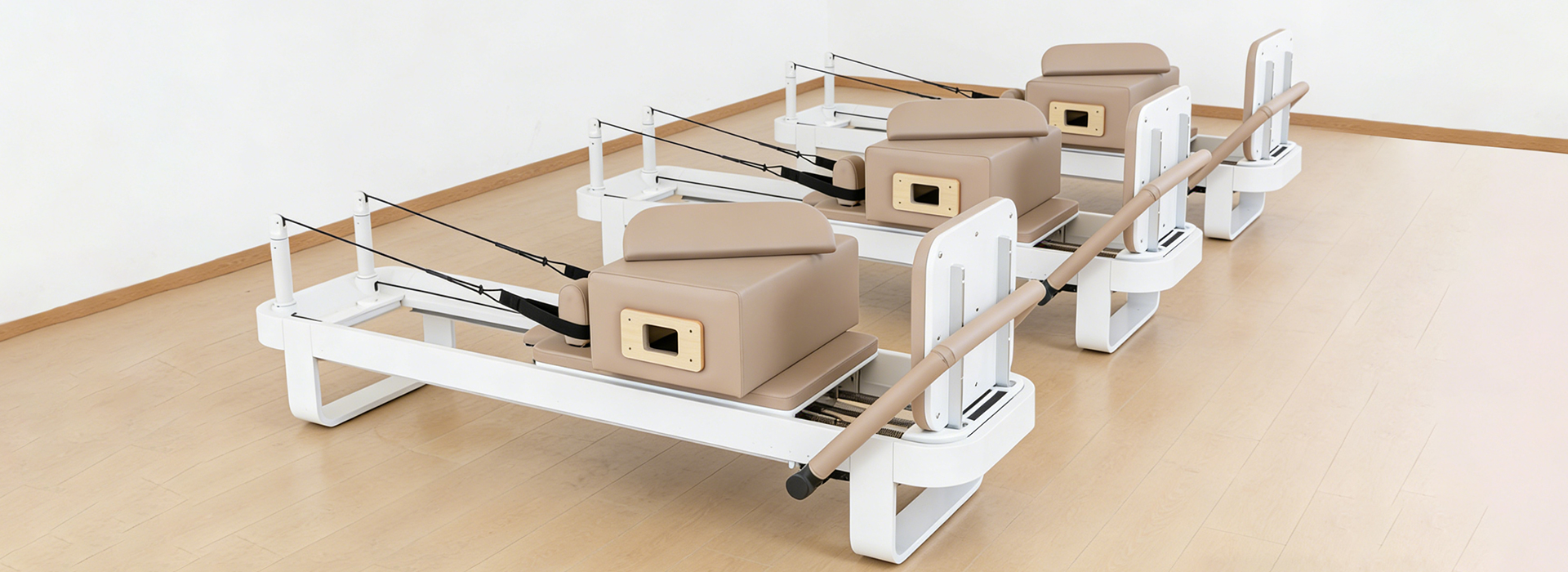
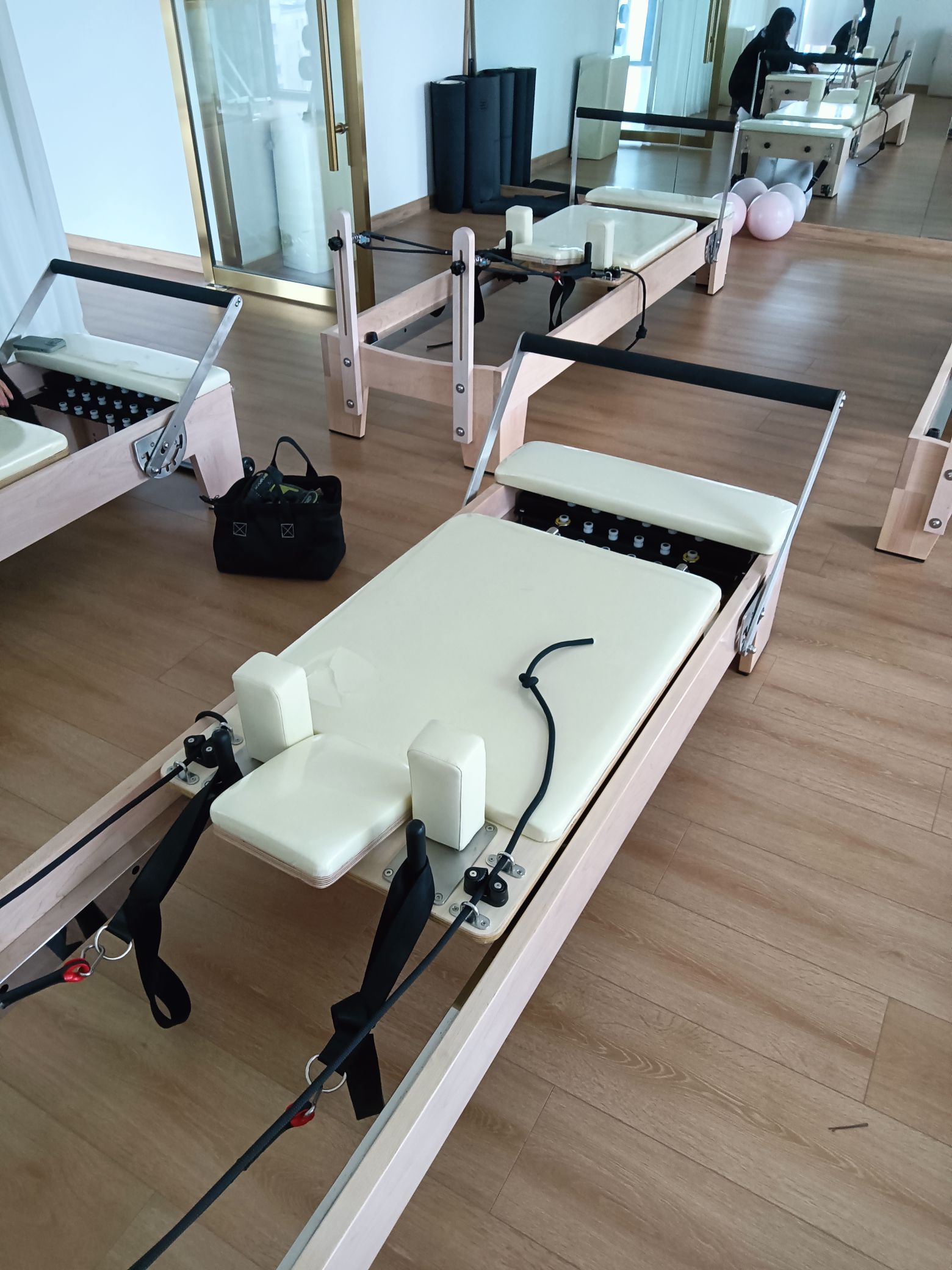
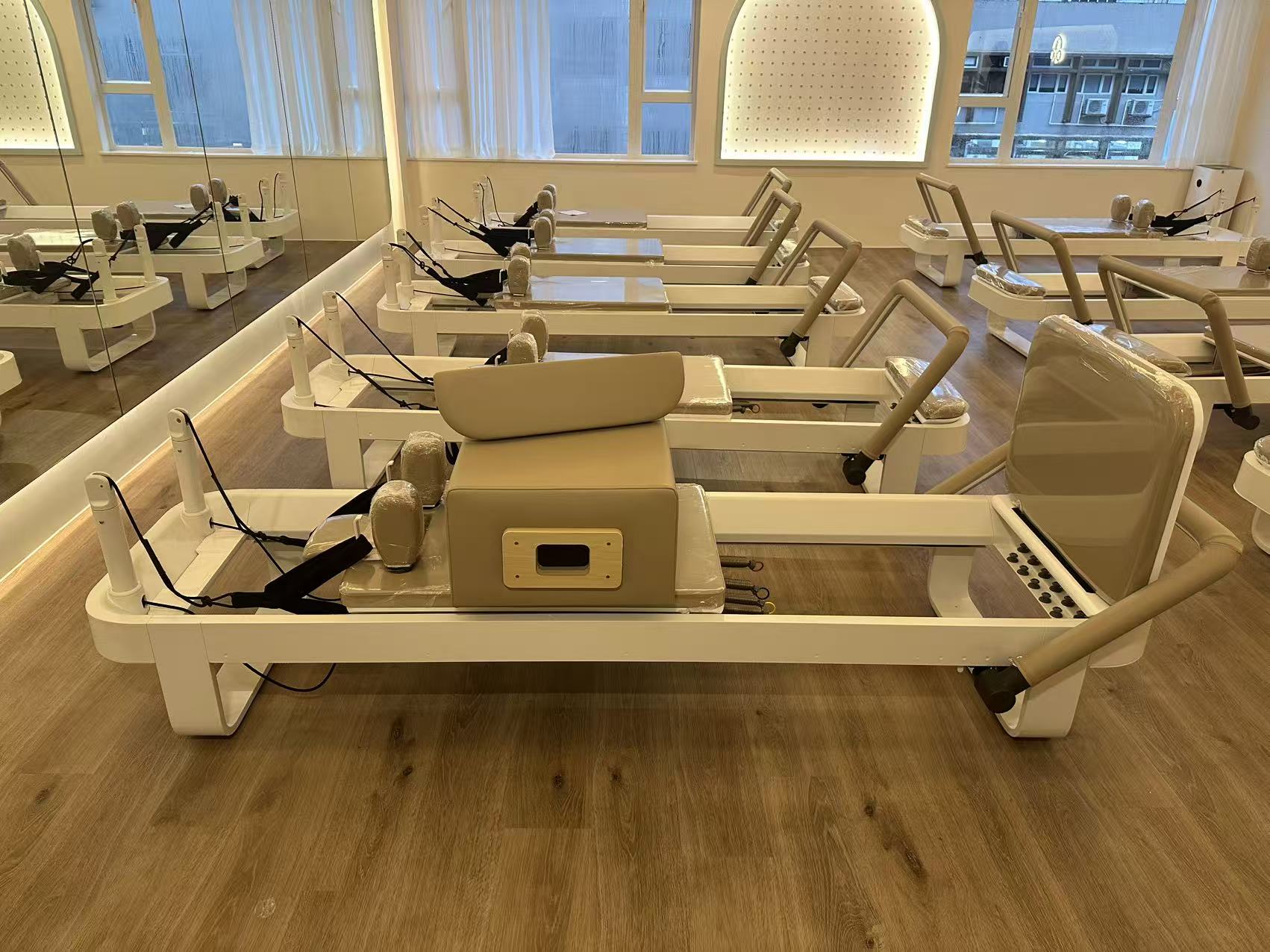
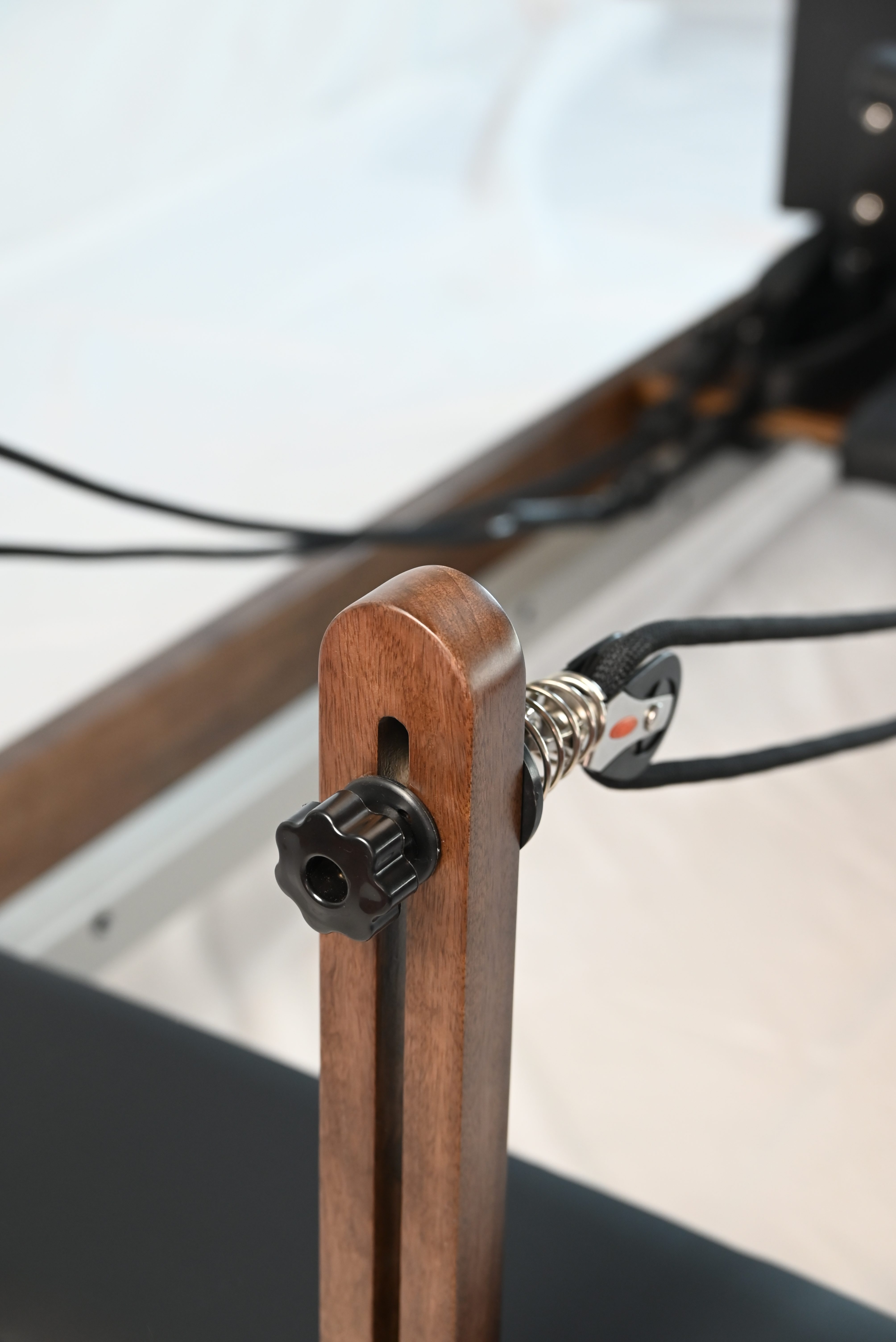
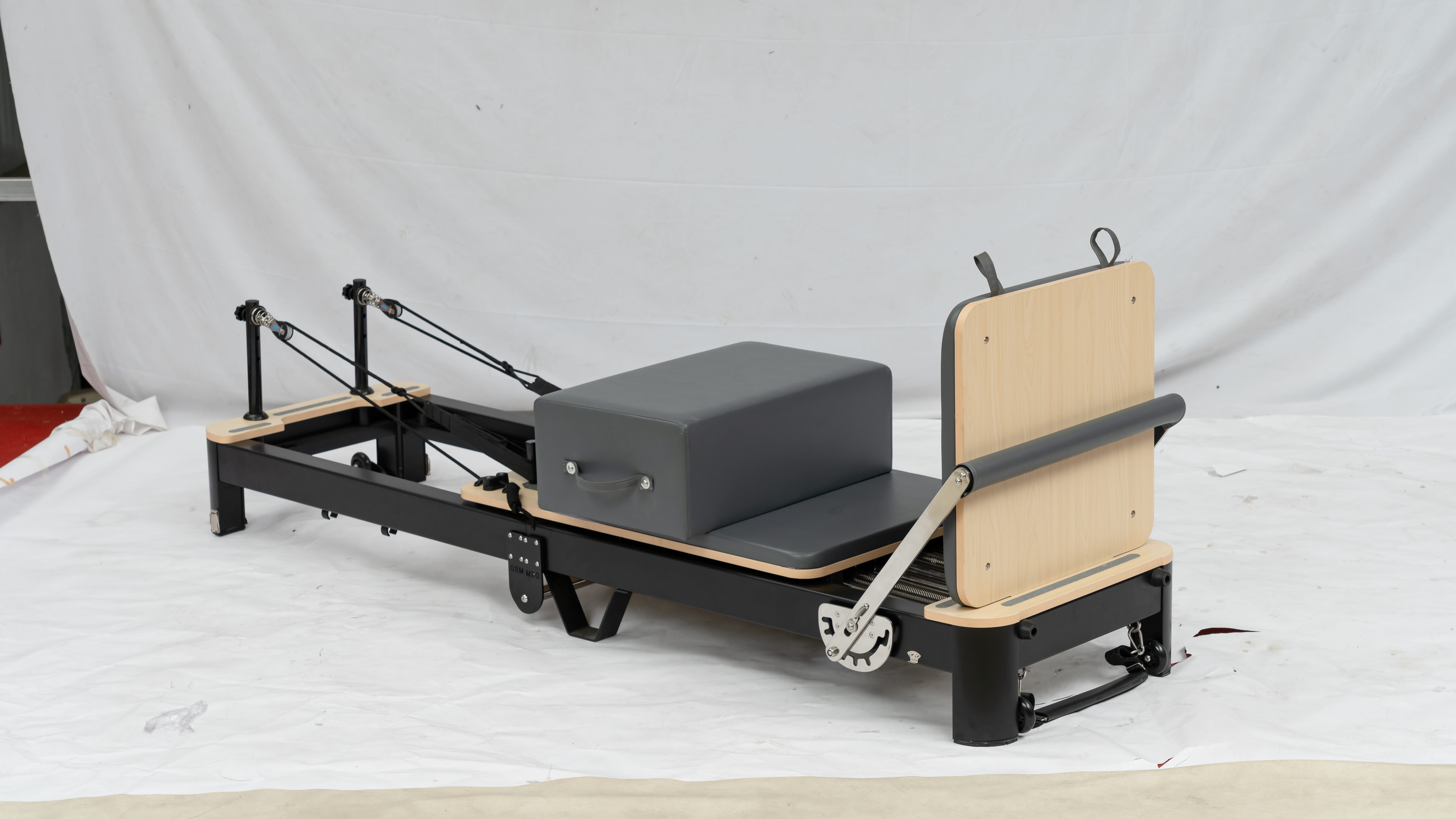
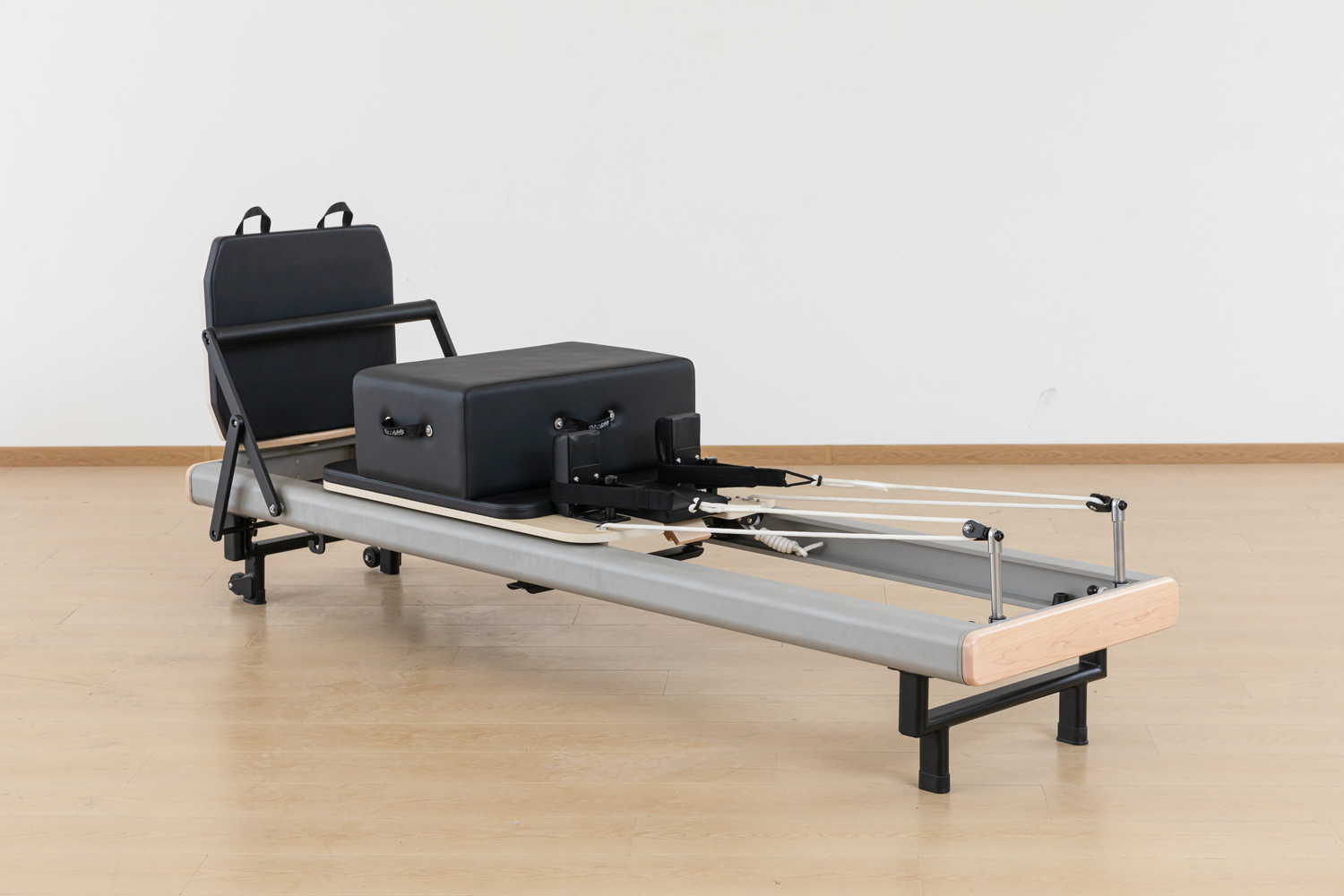
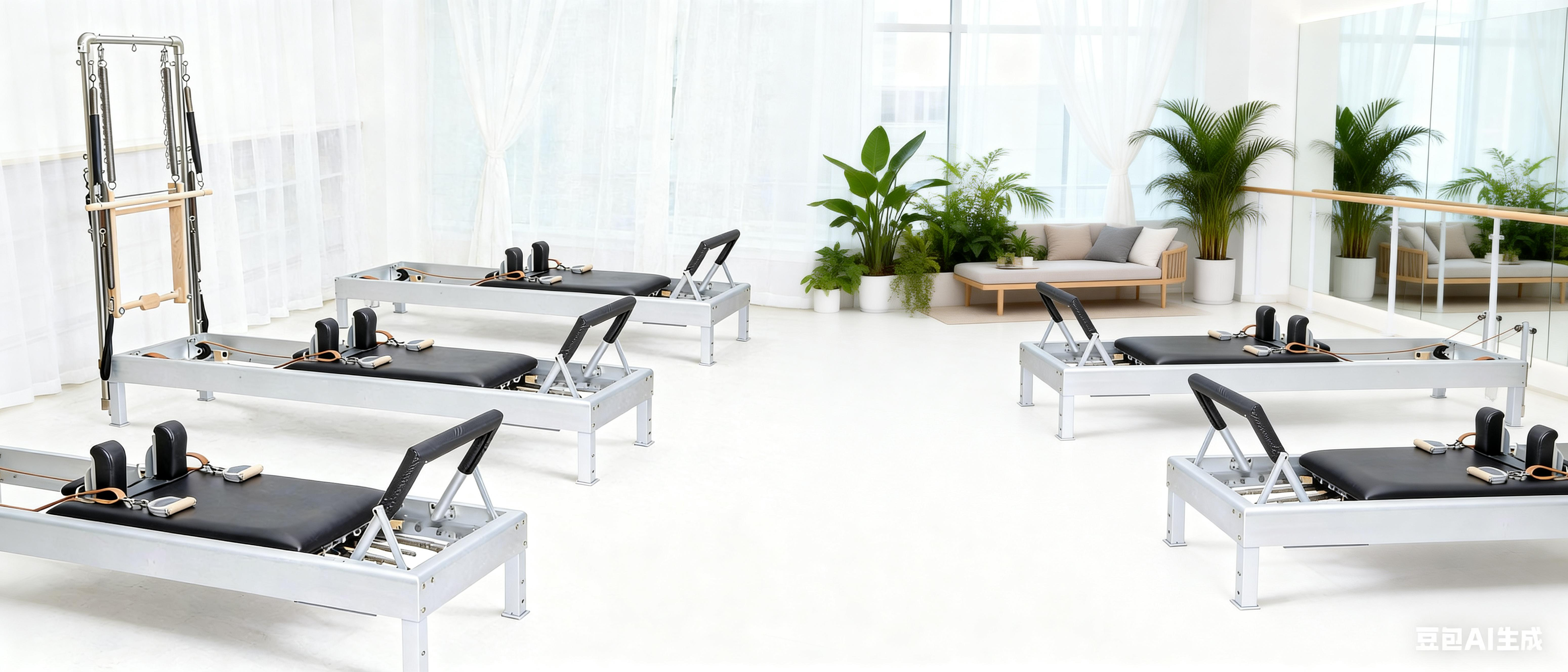
Reformers. The centerpiece of most studios. Look for aluminum or steel frames, at least five spring positions, and adjustable footbars. A well-built reformer should support at least 350 pounds and offer smooth carriage travel across the full track length.
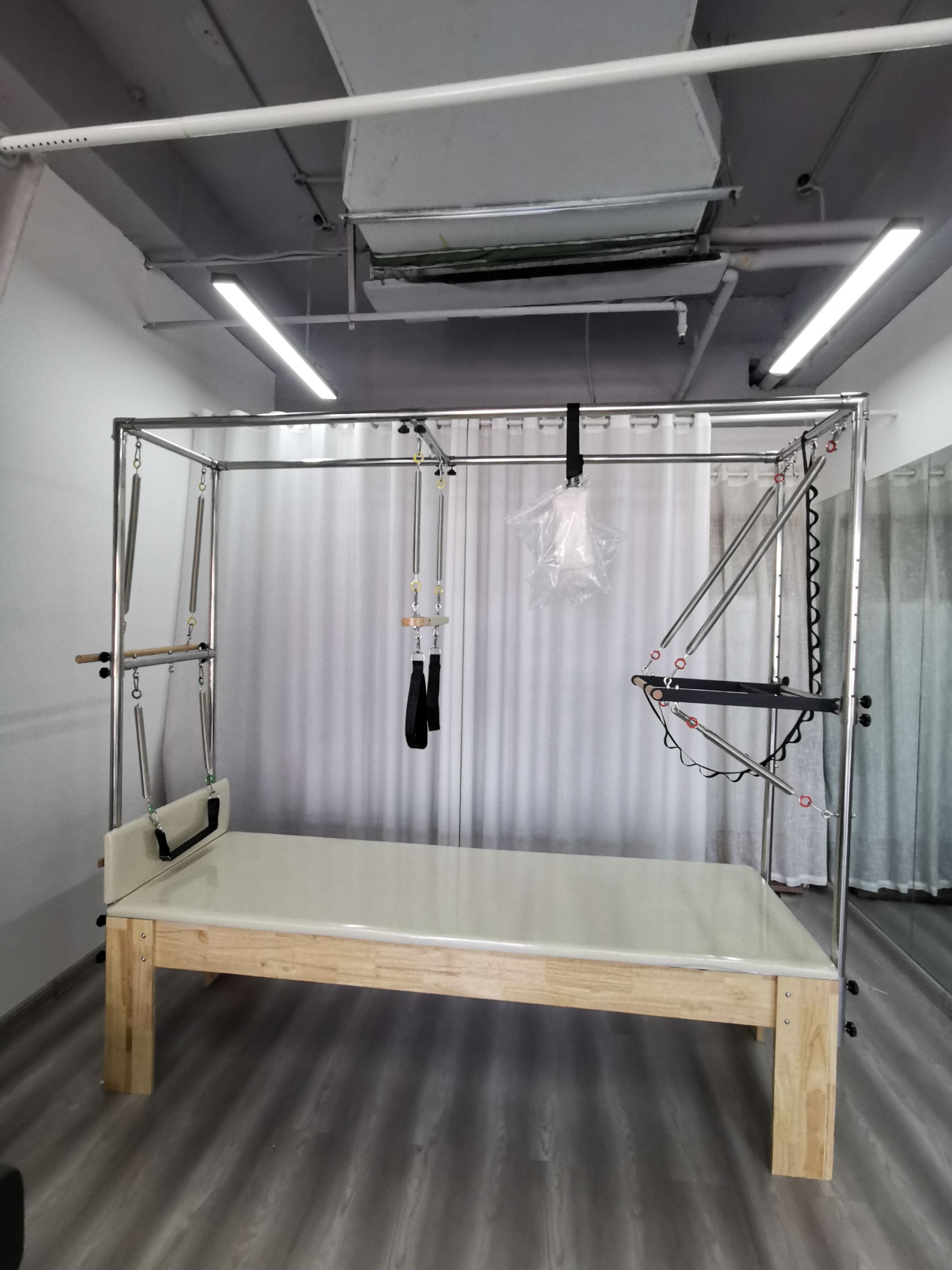
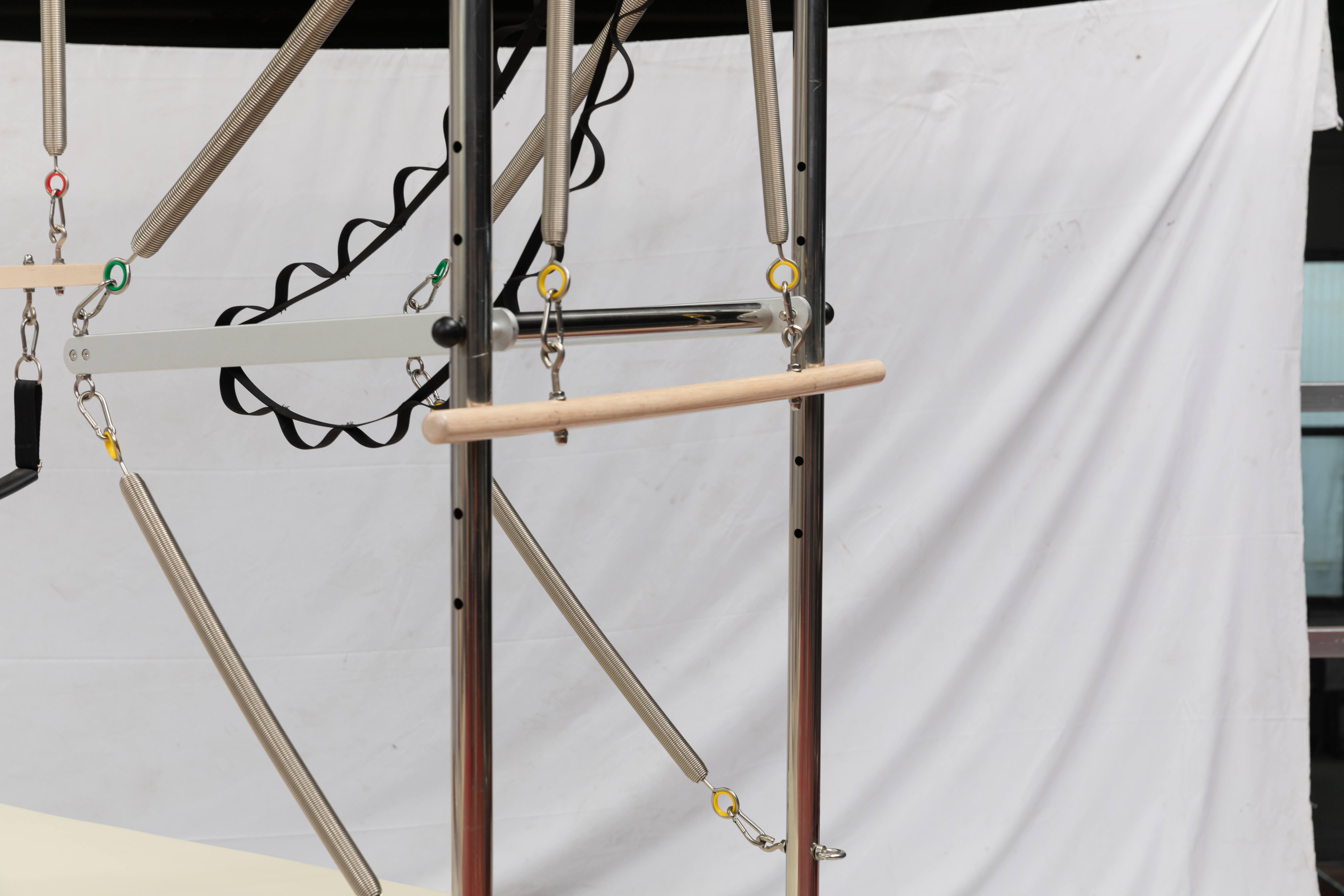
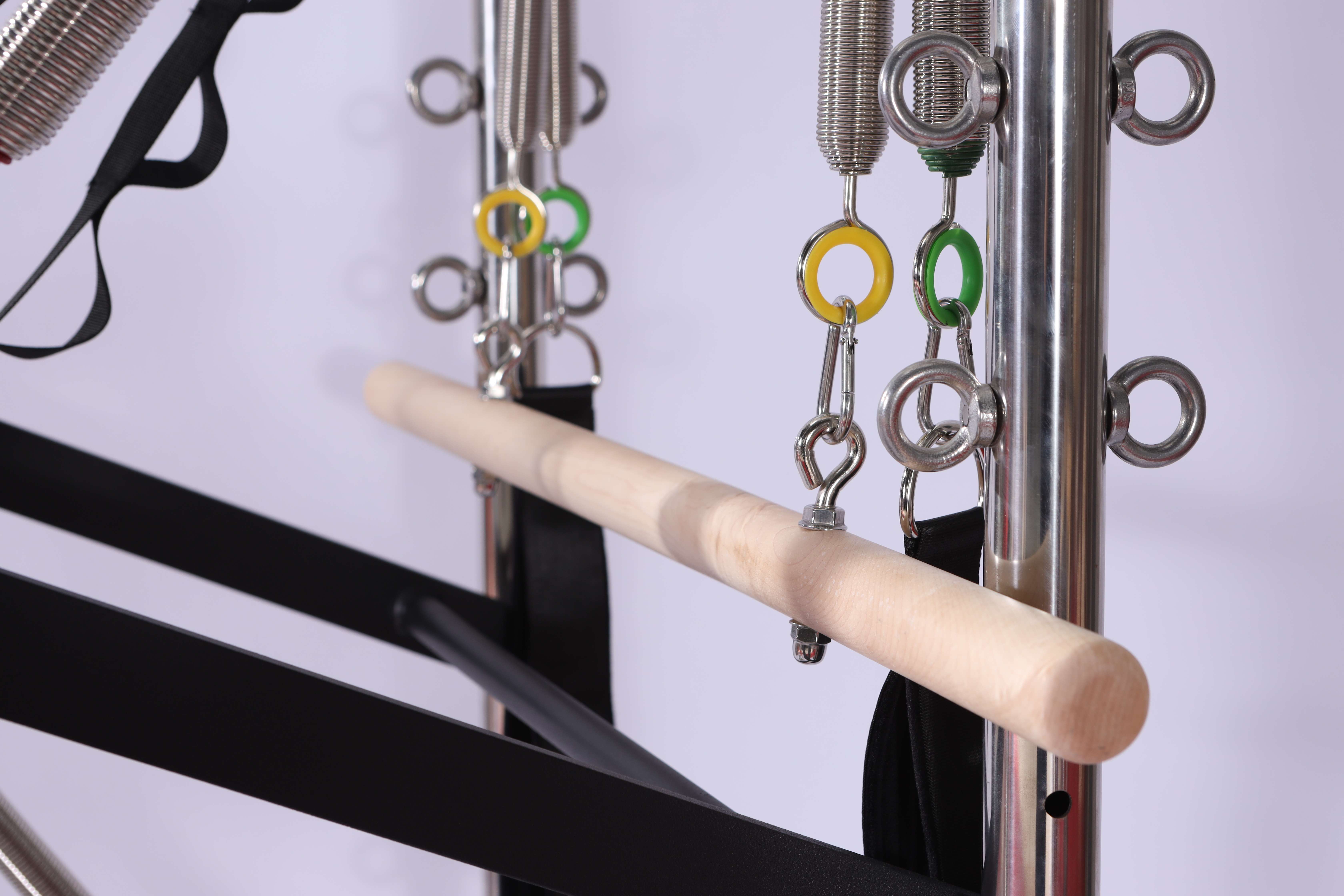
Cadillacs and Towers. Essential for rehabilitation-focused studios. These provide vertical resistance and support a wider range of exercises than reformers alone. Verify that the tower frame is welded, not bolted, at critical stress points.
Chairs. The Wunda Chair and its variants develop balance and core strength. Prioritize models with adjustable spring tension and a stable pedal mechanism.
Barrels and Accessories. Spine correctors, ladder barrels, and small props round out a studio's offerings. These are lower-cost upgrades that expand class variety without major capital outlay.
IV. Planning Your Upgrade Strategically
Assess current utilization. Track which equipment gets used most and which sits idle. Upgrade the high-demand items first.
Phase the investment. Replacing an entire studio at once is rarely necessary. A phased approach—reformers this quarter, chairs the next—spreads cost and lets you evaluate each purchase before committing further.
Consider refurbished options. Quality refurbished reformers from reputable brands can deliver 80% of the performance at 50% of the cost, provided the springs and rollers have been replaced.
Budget for maintenance. Professional equipment requires ongoing care. Set aside 5–10% of the purchase price annually for springs, rollers, and occasional frame servicing.
V. The Financial Case for Upgrading
Professional equipment supports higher class prices. Studios with premium reformers routinely charge 20–30% more per session than those using consumer-grade machines, and clients accept the difference because they can feel it.
Retention improves as well. Clients who train on equipment that feels stable and responsive are less likely to leave for a competitor. Instructor satisfaction rises too, reducing turnover in a field where good teachers are hard to find.
The math is straightforward: a $5,000 professional reformer used for 30 sessions per week at $35 per session generates $1,050 weekly. It pays for itself in under five weeks.
Final Thoughts
Upgrading your studio's equipment is an investment in your business's core proposition. Clients come for the method, but they stay for the experience—and the experience begins with the machine beneath them. Choose equipment that matches your studio's ambition, maintain it properly, and it will reward you for years.