Studio Success: How Quality Pilates Equipment Improves Client Experience
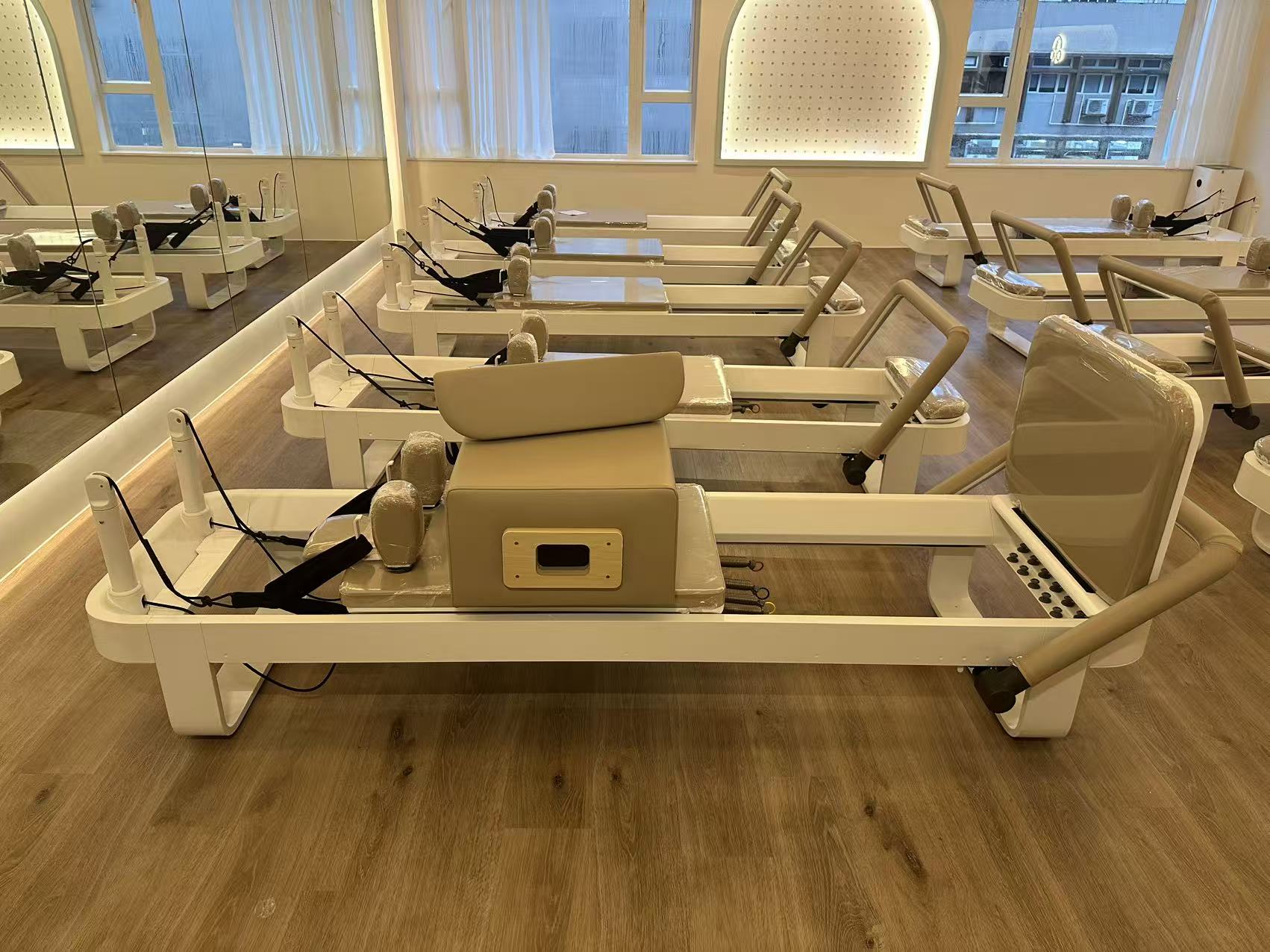
In the competitive world of fitness studios, client retention often depends on factors that go beyond instructor skill or class scheduling. The equipment clients touch, feel, and rely on during every session shapes their perception of your studio far more than many owners realize. A reformer that glides smoothly, a cadillac that feels solid, a chair that responds predictably — these details accumulate into an experience that either keeps clients coming back or sends them searching for alternatives.
This article examines how investing in quality Pilates equipment translates directly into measurable improvements in client experience, and ultimately, into studio success.
I. Safety Builds Trust
Clients cannot relax into a workout if they are worried about equipment failure. Wobbly frames, inconsistent spring tension, and worn straps create low-grade anxiety that undermines the entire session. When clients sense that equipment is unstable, they compensate with tension in their own bodies, which defeats the purpose of Pilates and increases injury risk.
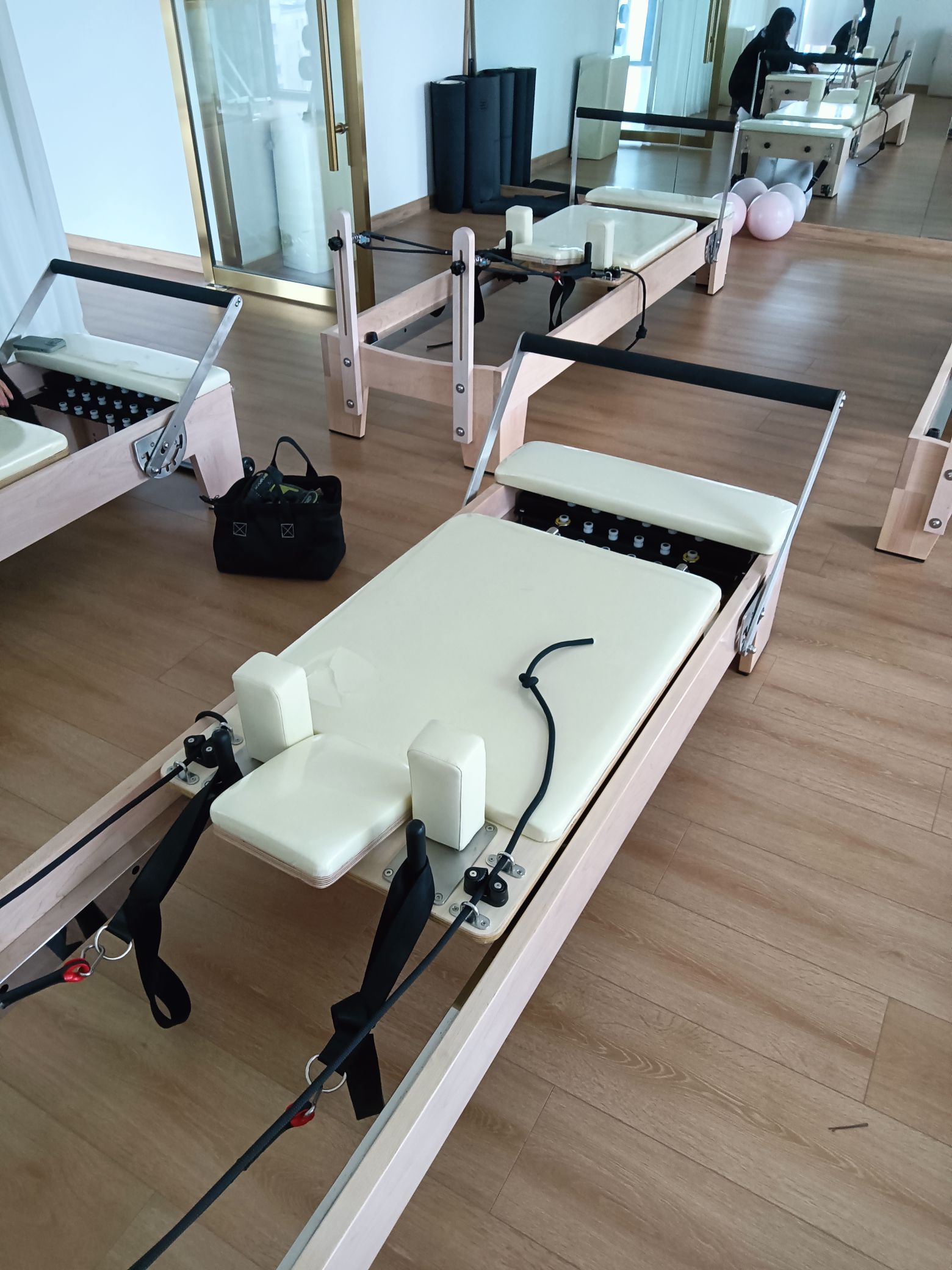
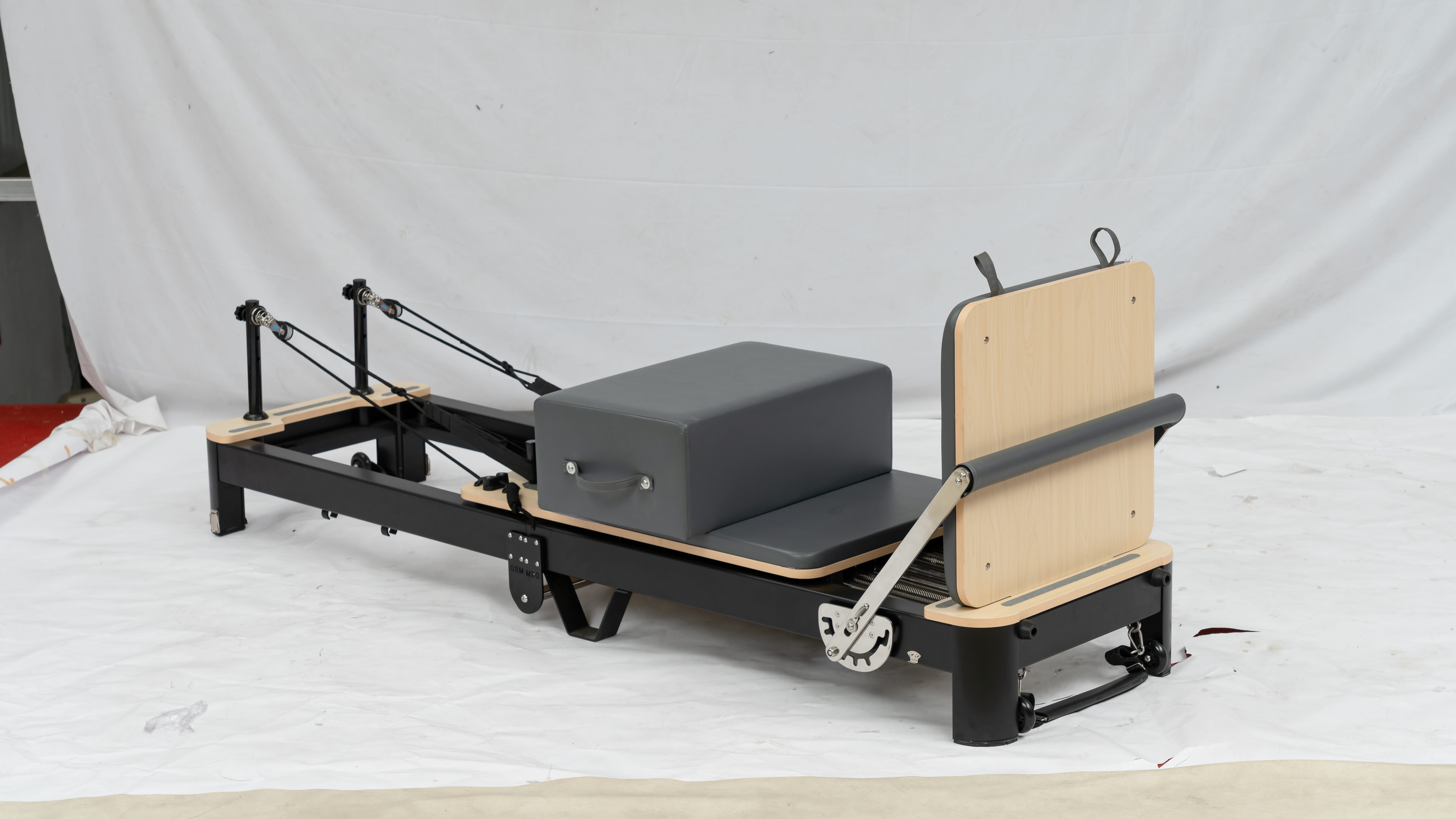
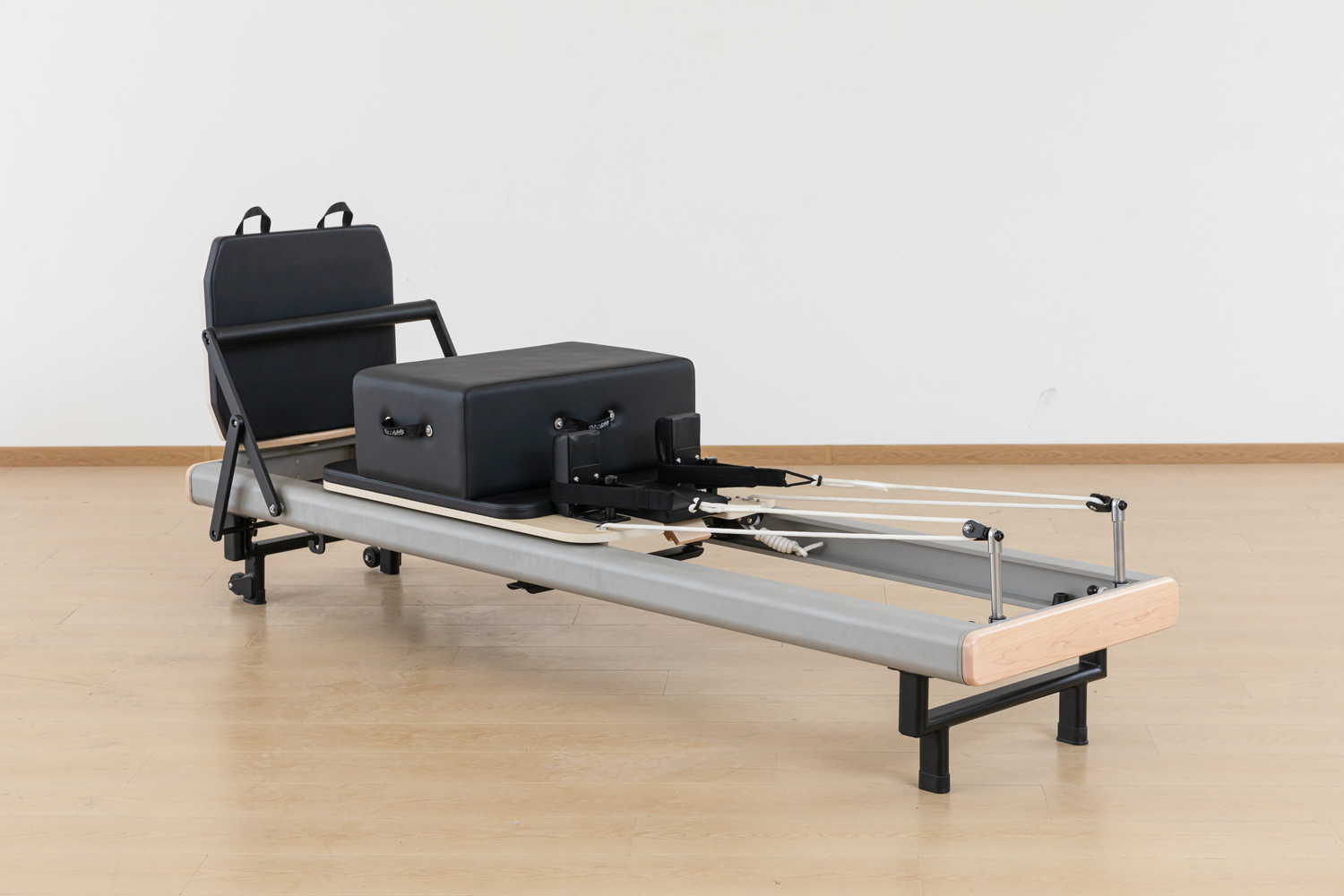
Quality equipment eliminates this concern. A reformer with a solid frame, precision-engineered carriage tracks, and consistent spring resistance allows clients to focus entirely on movement and breath. That sense of security is the foundation of trust, and trust is what keeps clients returning.
II. Smooth Movement Enhances Mind-Body Connection
Pilates is built on the principle of controlled, mindful movement. Every exercise depends on the client's ability to sense subtle shifts in position, resistance, and alignment. Equipment that moves erratically or offers inconsistent feedback disrupts this connection.
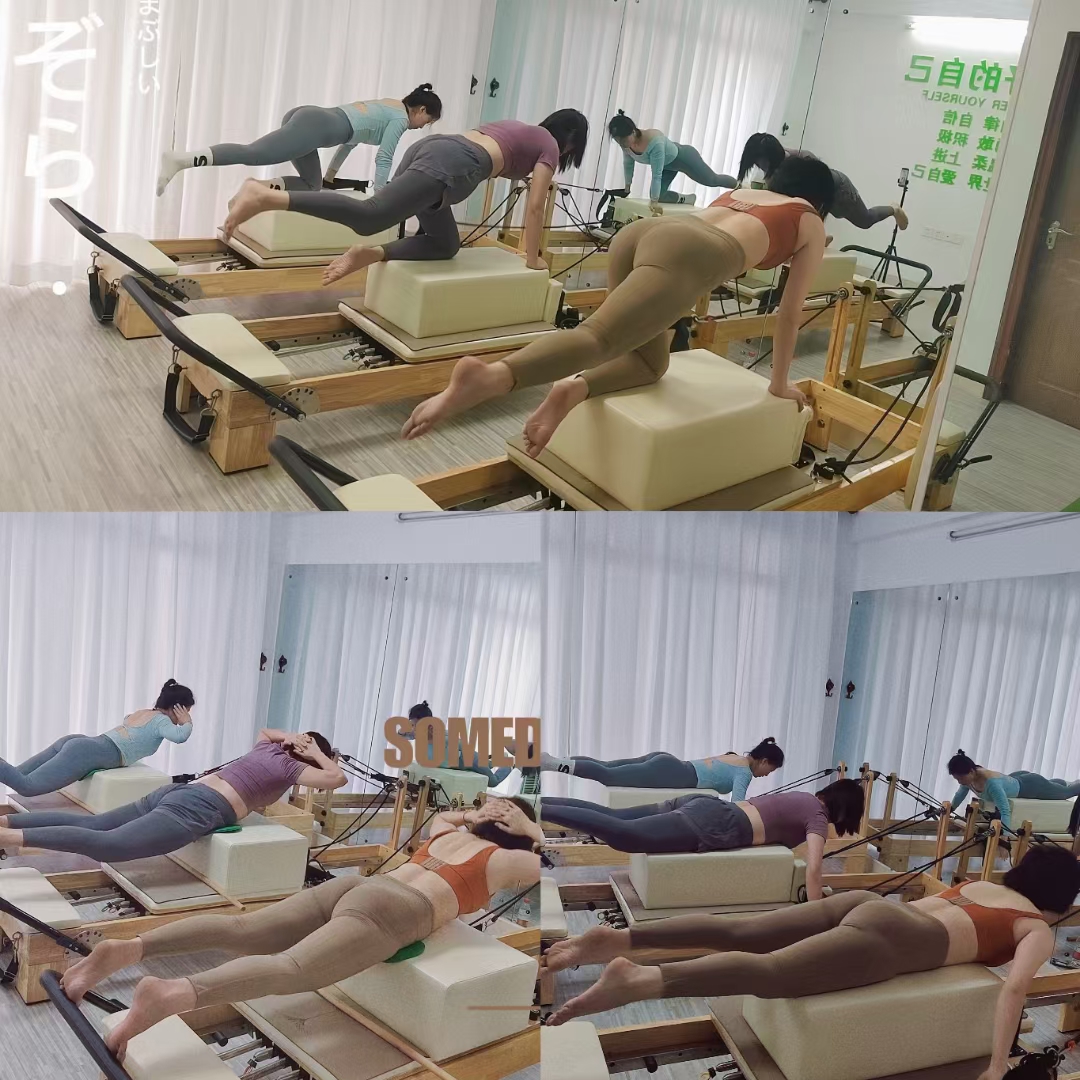
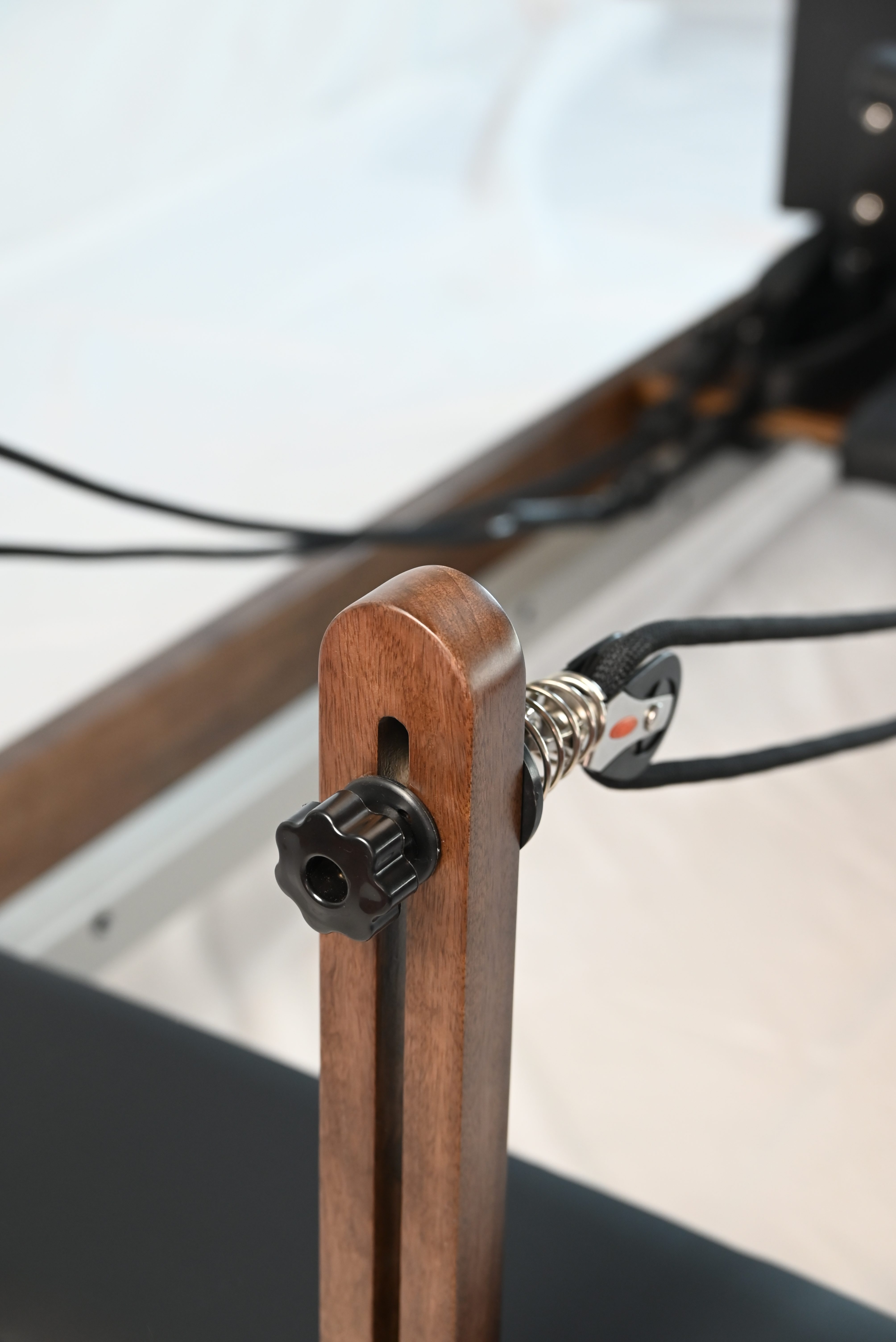
High-quality reformers and other apparatus provide smooth, predictable resistance throughout the full range of motion. Springs maintain consistent tension. Carriages glide without catching. Footbars and handles feel secure. These qualities allow clients to detect and refine their movements at a level that cheap equipment simply cannot support. The result is faster progress, deeper body awareness, and a more satisfying practice.
III. Comfort Affects Retention
Comfort is not a luxury in Pilates — it is a functional requirement. Clients spend entire sessions lying on, sitting on, or pressing against equipment surfaces. Poorly padded carriage cushions, sharp frame edges, and awkwardly positioned footbars create discomfort that distracts from the work and shortens sessions.
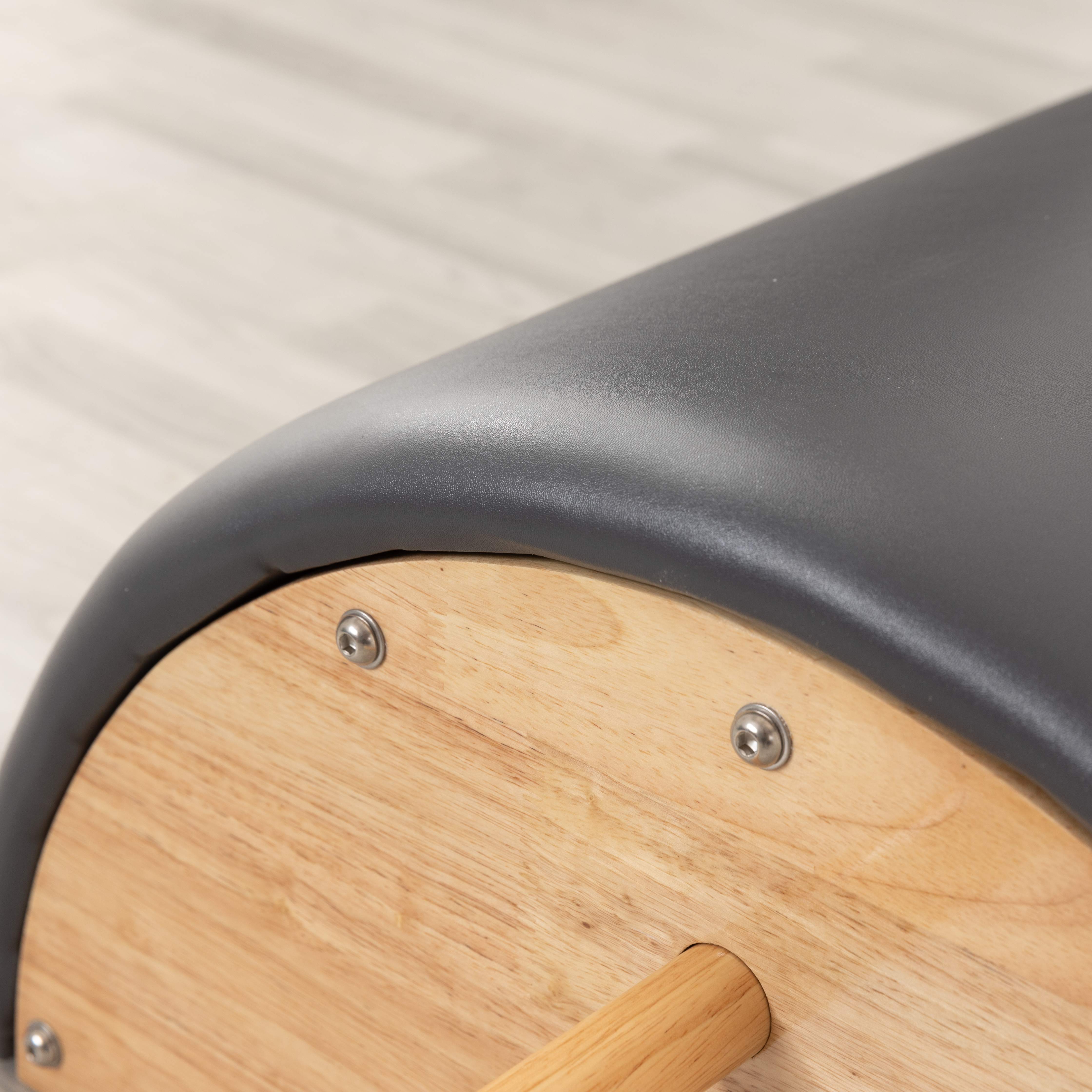
Quality equipment is designed with human bodies in mind. Cushions provide adequate support without being overly soft. Upholstery materials resist wear and remain hygienic. Adjustment points are accessible and intuitive. When clients are comfortable, they stay longer, practice more frequently, and associate your studio with positive physical sensations rather than discomfort.
IV. Durability Reduces Disruption
Nothing disrupts a client's routine more than canceled sessions due to equipment breakdowns. Cheap equipment fails frequently, requires constant repairs, and often sits idle waiting for parts. Each disruption erodes client confidence and gives them a reason to try a competitor.
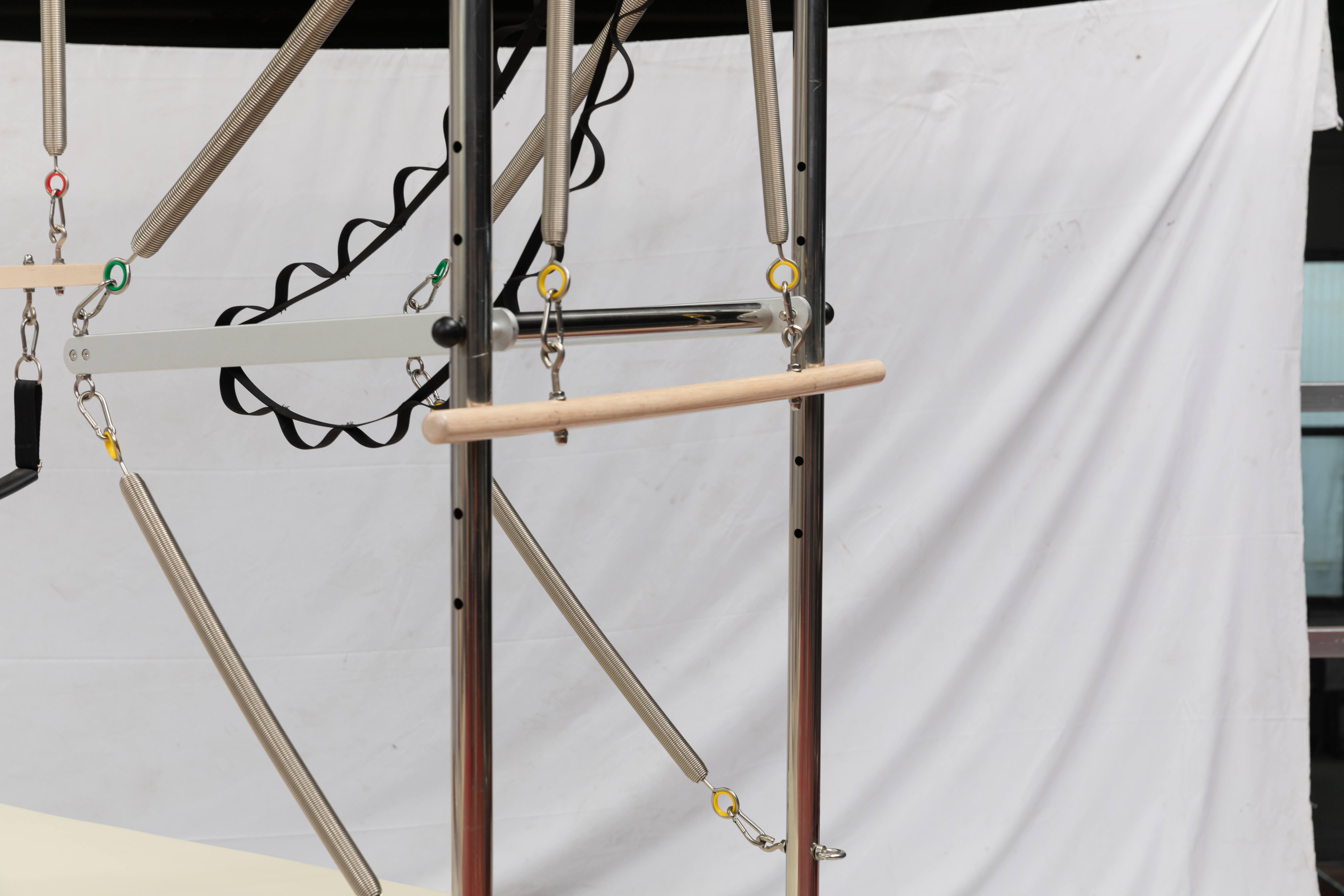
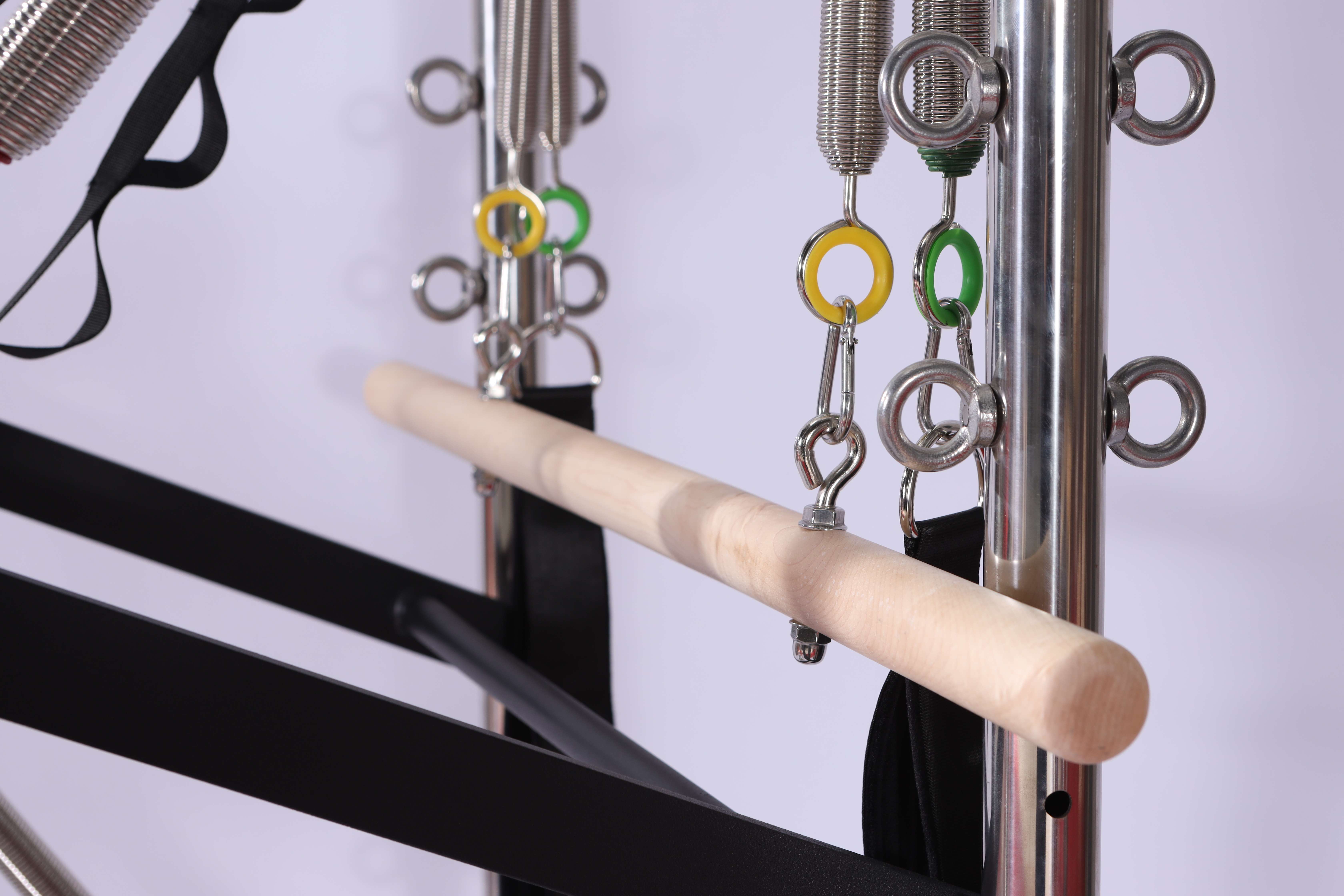
Commercial-grade Pilates equipment is built to withstand years of daily use across multiple clients. Springs maintain their tension longer. Frames hold their alignment. Moving parts require minimal maintenance. This reliability means your class schedule runs without interruption, and clients experience the consistency they need to build a sustainable practice.
V. Professional Aesthetics Reinforce Perceived Value
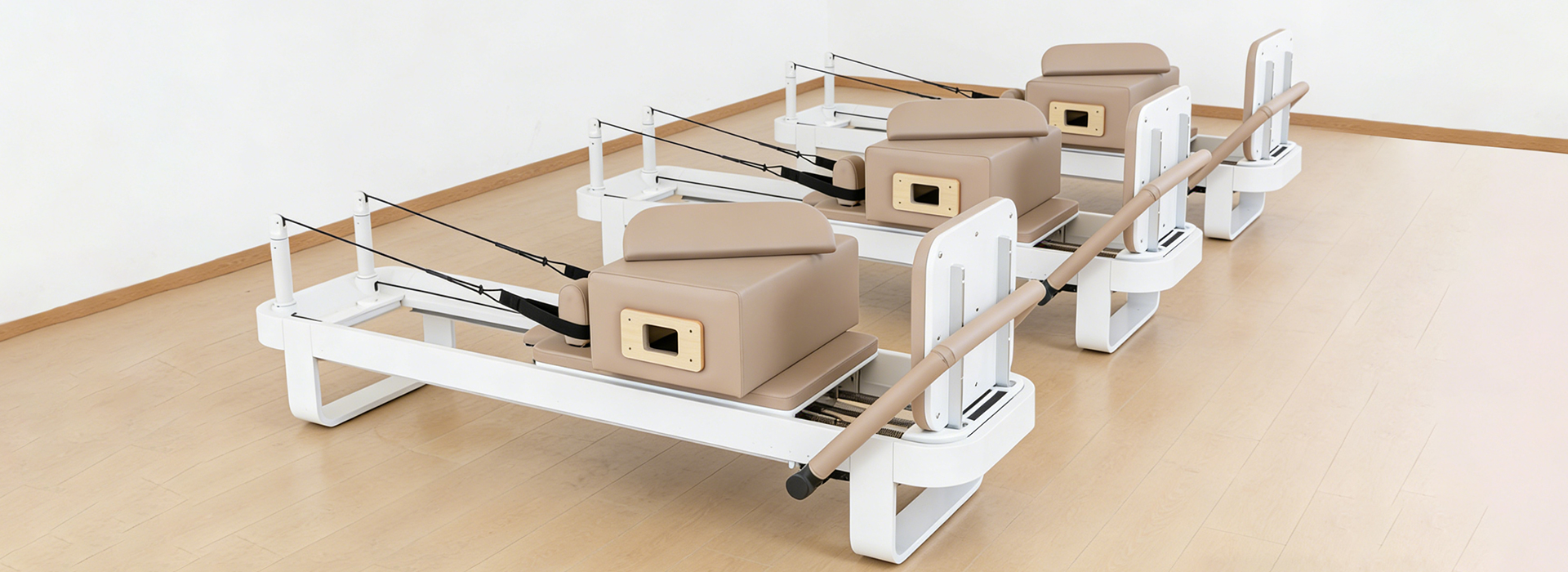
Clients judge studios by what they see and touch. Clean lines, quality upholstery, and well-maintained apparatus communicate professionalism. Conversely, scratched frames, frayed straps, and mismatched equipment suggest a studio that cuts corners.
This perception directly affects pricing power. Clients are willing to pay premium rates when the environment and equipment justify it. Quality Pilates apparatus signals that your studio takes the practice seriously, which in turn encourages clients to take their own practice seriously.
VI. Better Equipment Attracts Better Instructors
Quality equipment does not only serve clients — it also attracts and retains skilled instructors. Experienced teachers have preferences. They notice when springs are inconsistent, when carriages stick, and when adjustments are difficult. Studios equipped with professional-grade apparatus become more attractive workplaces, which helps recruit and keep talented instructors.
Better instructors deliver better sessions, and better sessions produce better client outcomes. This creates a positive cycle in which equipment quality, instructor quality, and client satisfaction reinforce one another.
VII. Versatility Supports Diverse Client Needs
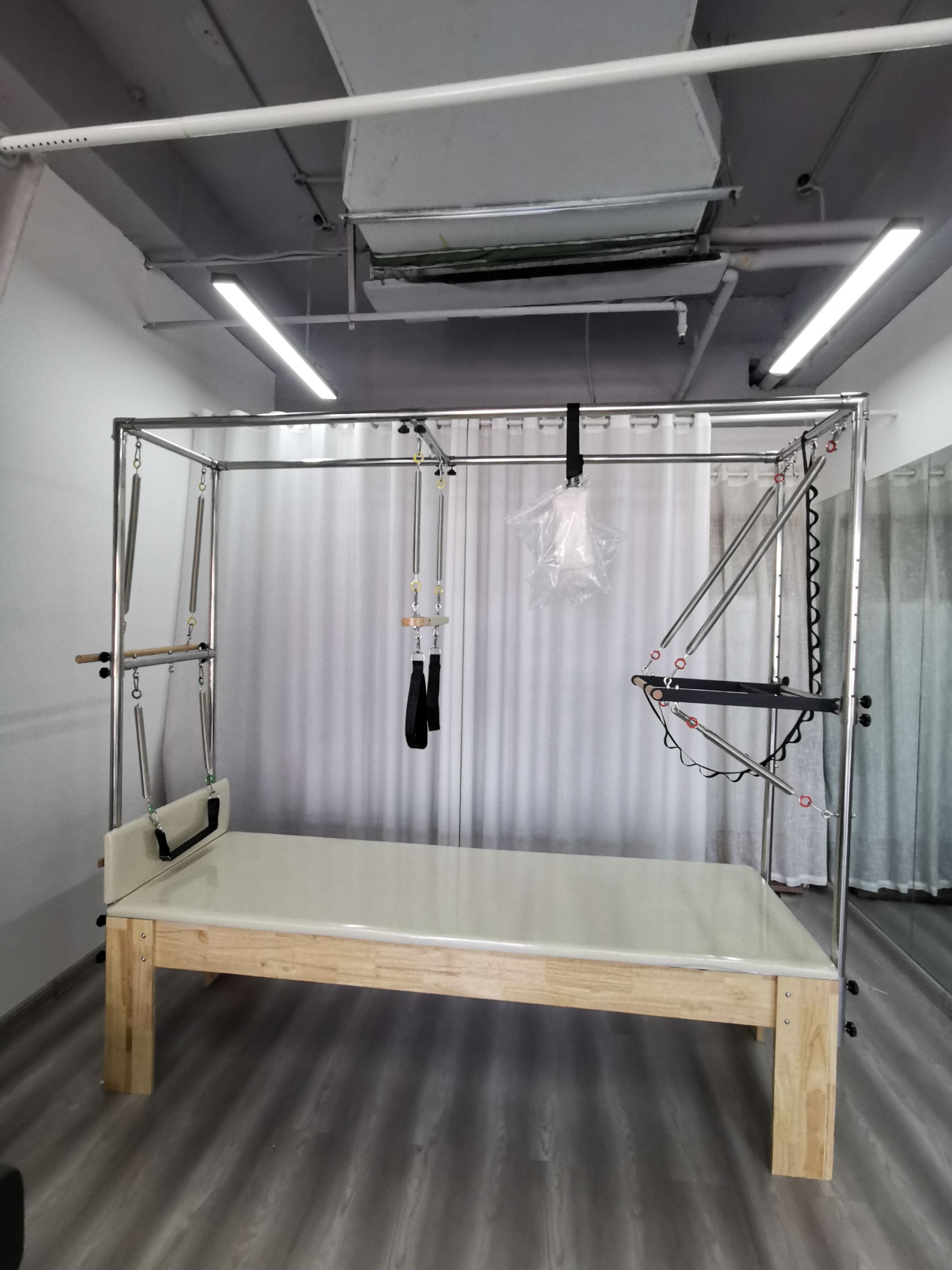
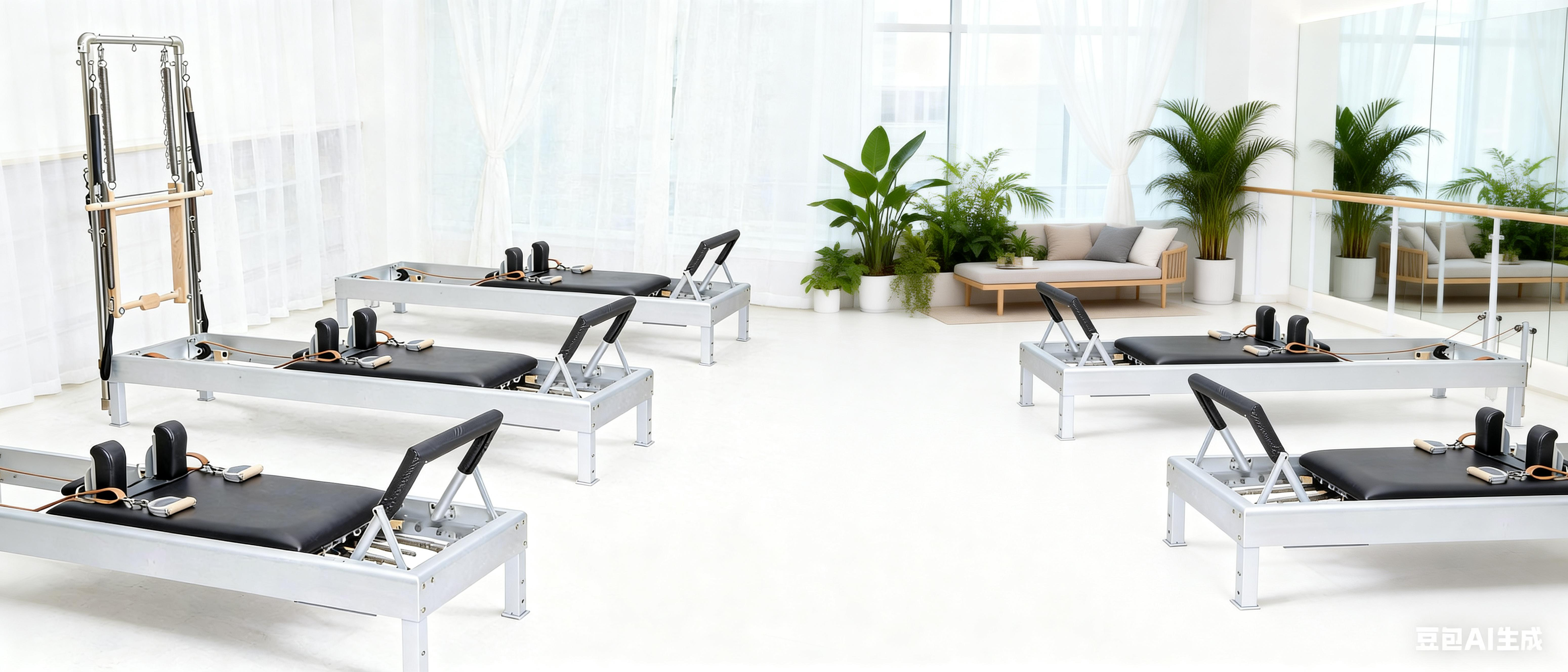
A well-equipped studio can serve a wider range of clients. Quality reformers with adjustable spring configurations accommodate beginners and advanced practitioners alike. Cadillacs and barrels enable rehabilitation-focused work. Chairs support specific strength and stability training. This versatility means clients with different goals, body types, and limitations can all find appropriate challenges.
When clients feel that the studio can meet them where they are and grow with them, they are far less likely to leave.
VIII. Long-Term Cost Effectiveness
Quality equipment carries a higher upfront price, but the total cost of ownership tells a different story. Cheap equipment must be replaced every few years, generates ongoing repair expenses, causes scheduling disruptions, and damages client perceptions. Commercial-grade apparatus lasts a decade or longer with proper maintenance, retains resale value, and requires minimal downtime.
For studio owners thinking beyond the first year, quality equipment is not an expense — it is an investment that pays returns through retention, reputation, and referrals.
Conclusion
Client experience in a Pilates studio is shaped by countless small details, and equipment sits at the center of them all. Safety, smooth movement, comfort, reliability, aesthetics, instructor satisfaction, and versatility all flow from the quality of the apparatus on your floor.
Studio owners who prioritize equipment quality are not simply buying machines. They are investing in the daily experience of every client who walks through the door. That experience, repeated consistently over months and years, is what builds a successful studio.