How to Pick the Right Pilates Equipment for Small Home Spaces
I. Why Trust Matters in Pilates Equipment
Pilates is a discipline built on precision, control, and consistency. The equipment a studio or home user chooses directly affects how safely and effectively those principles can be practiced. A reformer with uneven spring tension or a wobbly carriage does not just feel inferior—it can cause injury and undermine a client's progress.
Trust, in this context, is not a marketing slogan. It is the accumulated result of verifiable materials, documented testing, and honest communication about what a product can and cannot do. When a buyer chooses premium Pilates gear, they are trusting that the manufacturer has not cut corners in ways that will only become apparent after months of daily use.
II. Materials and Craftsmanship as the Foundation
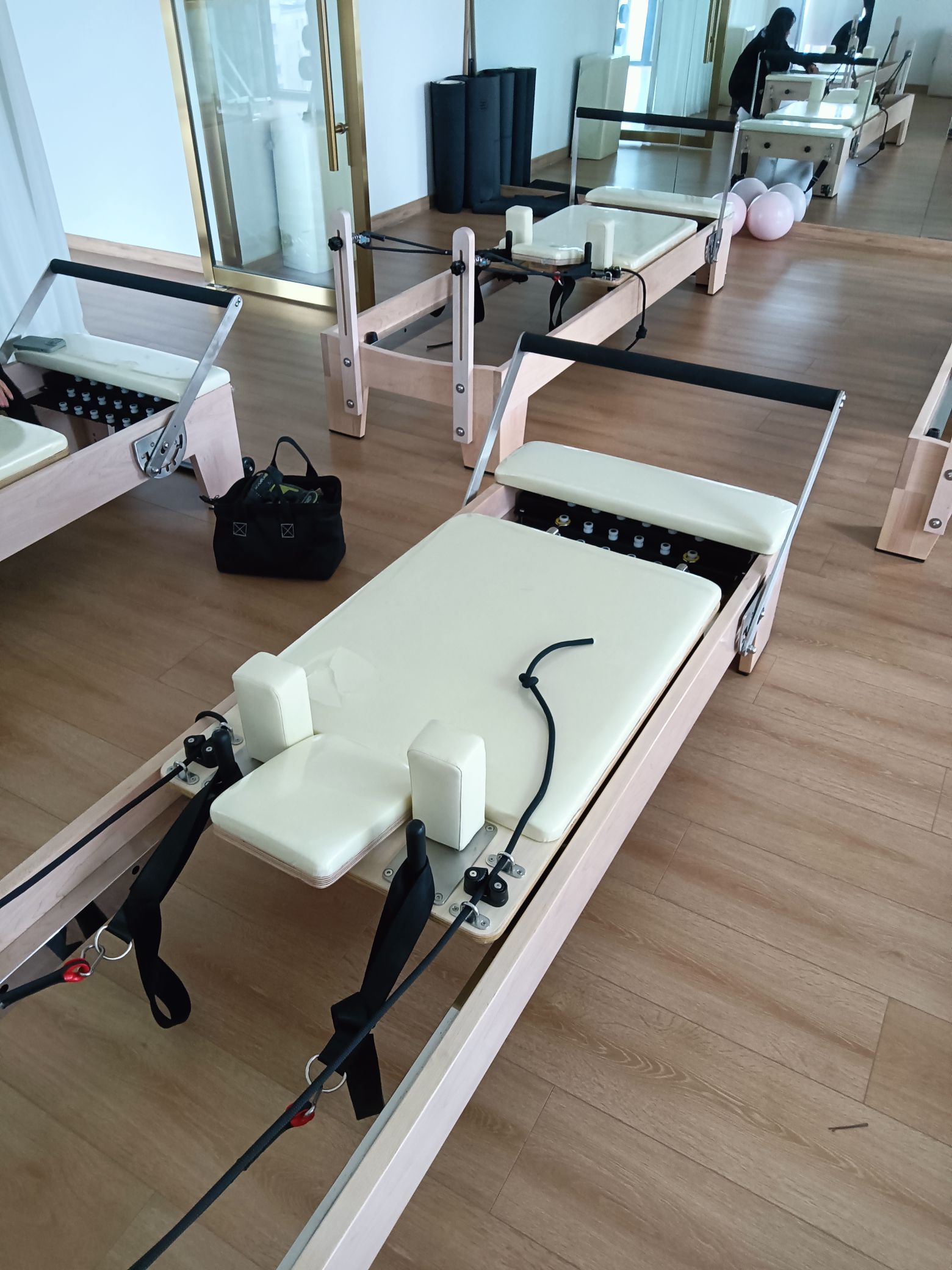
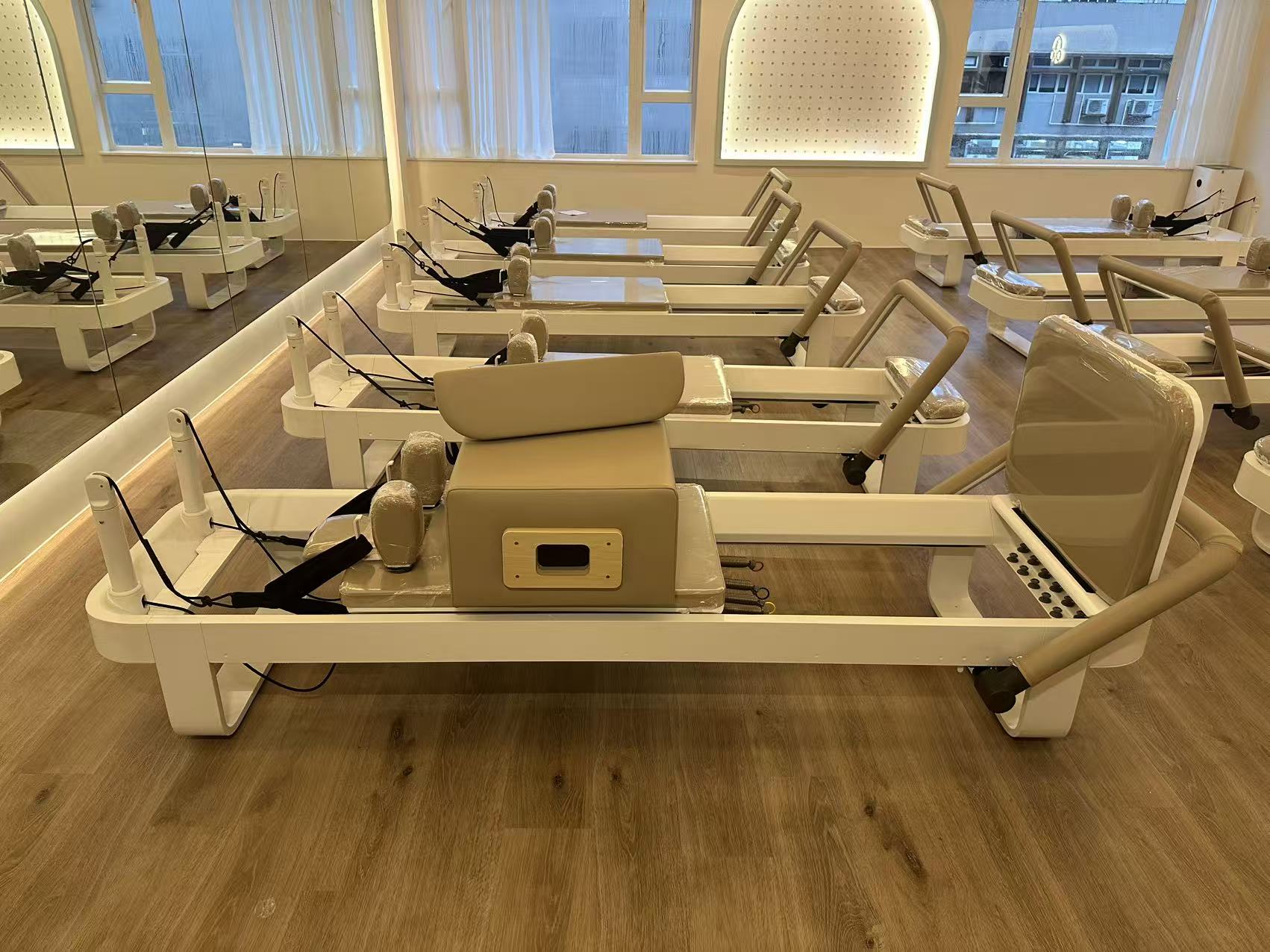
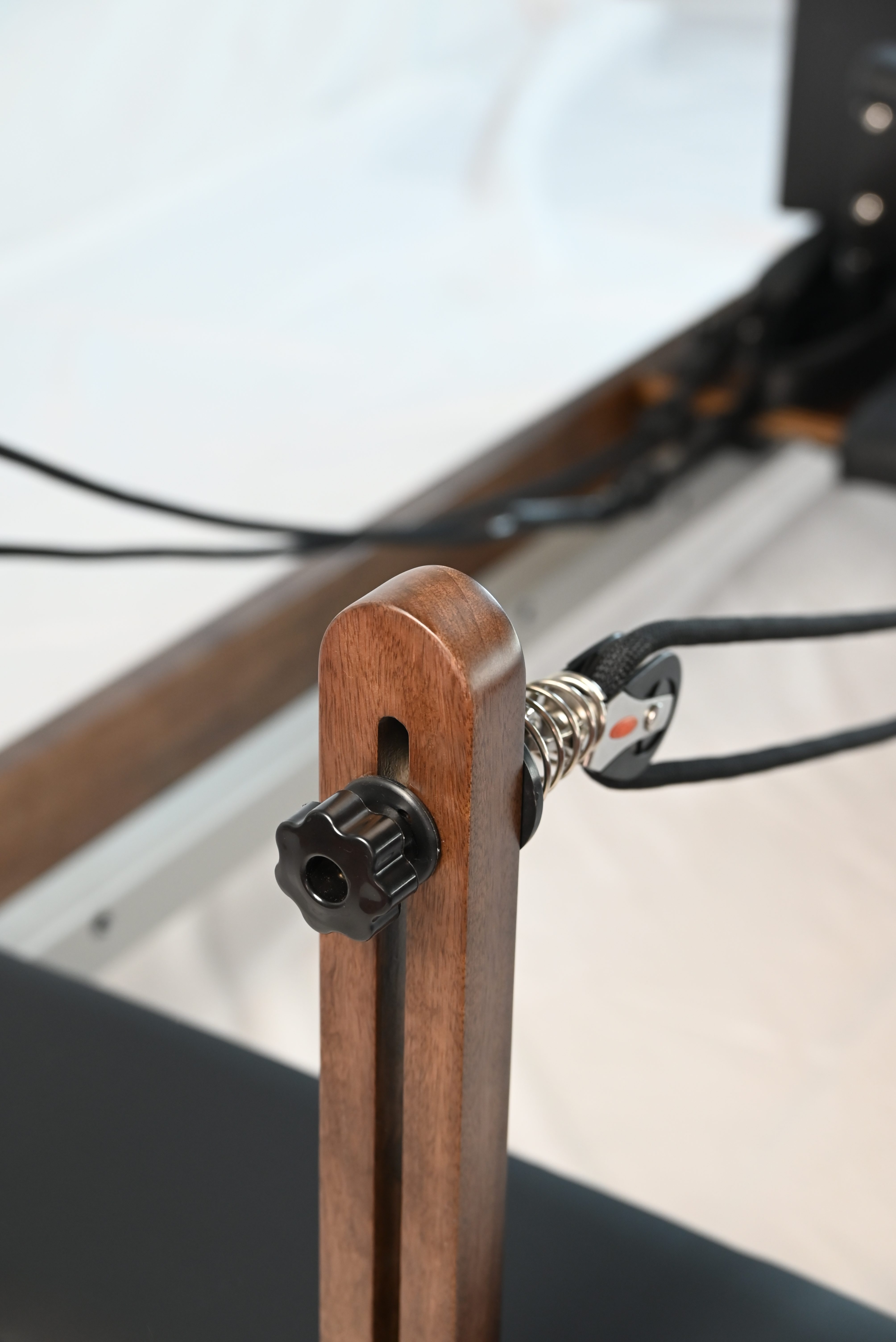
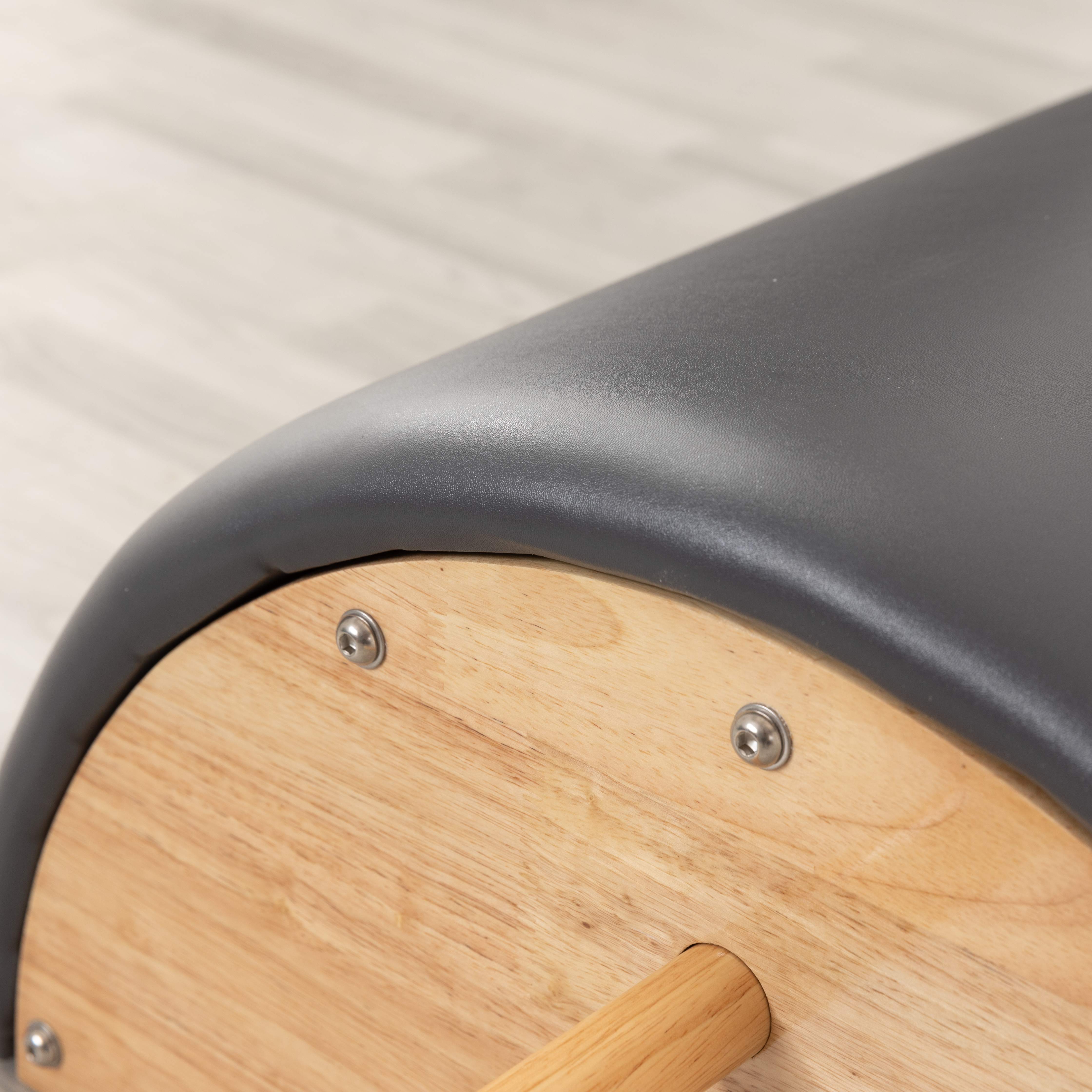
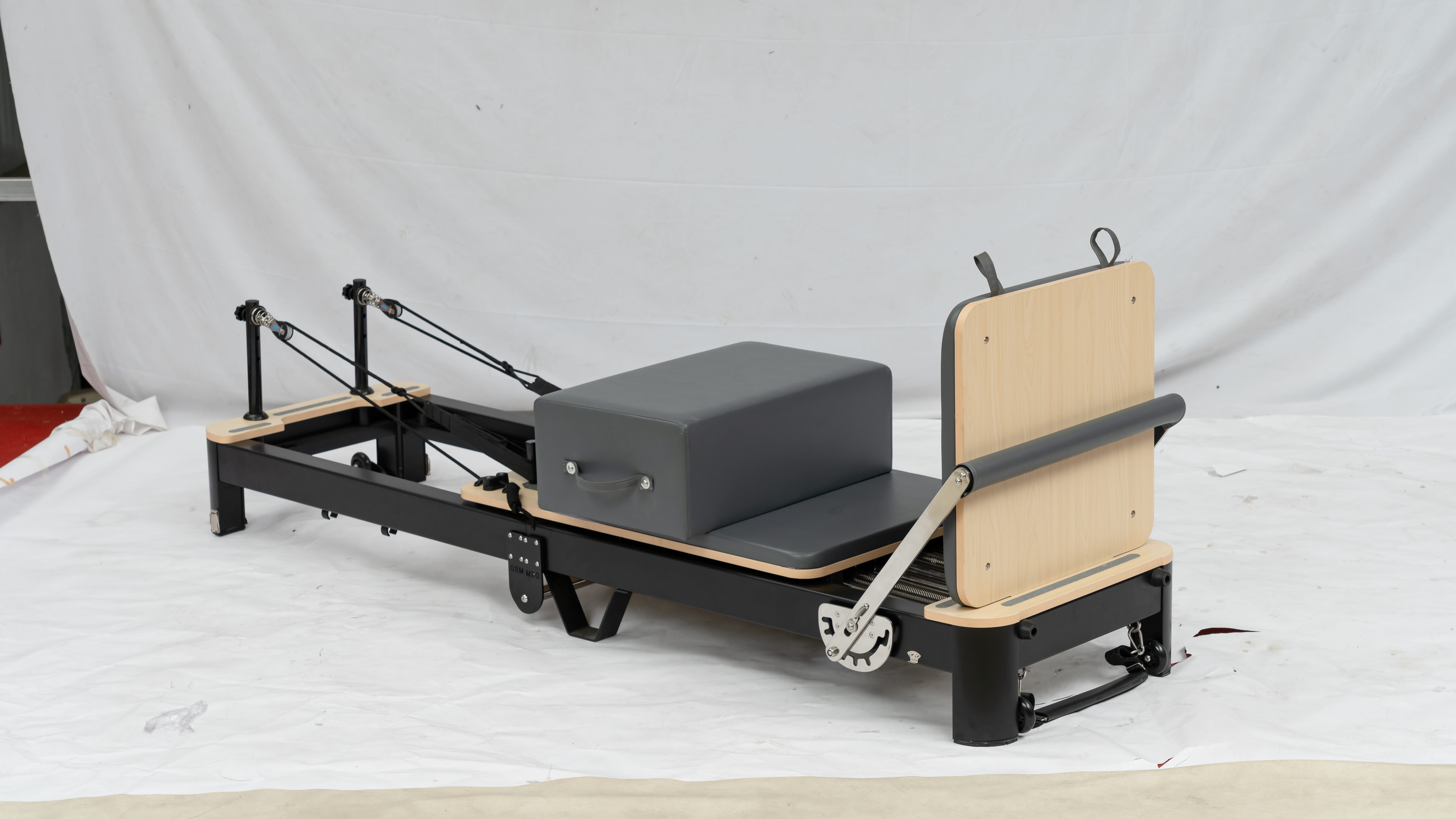
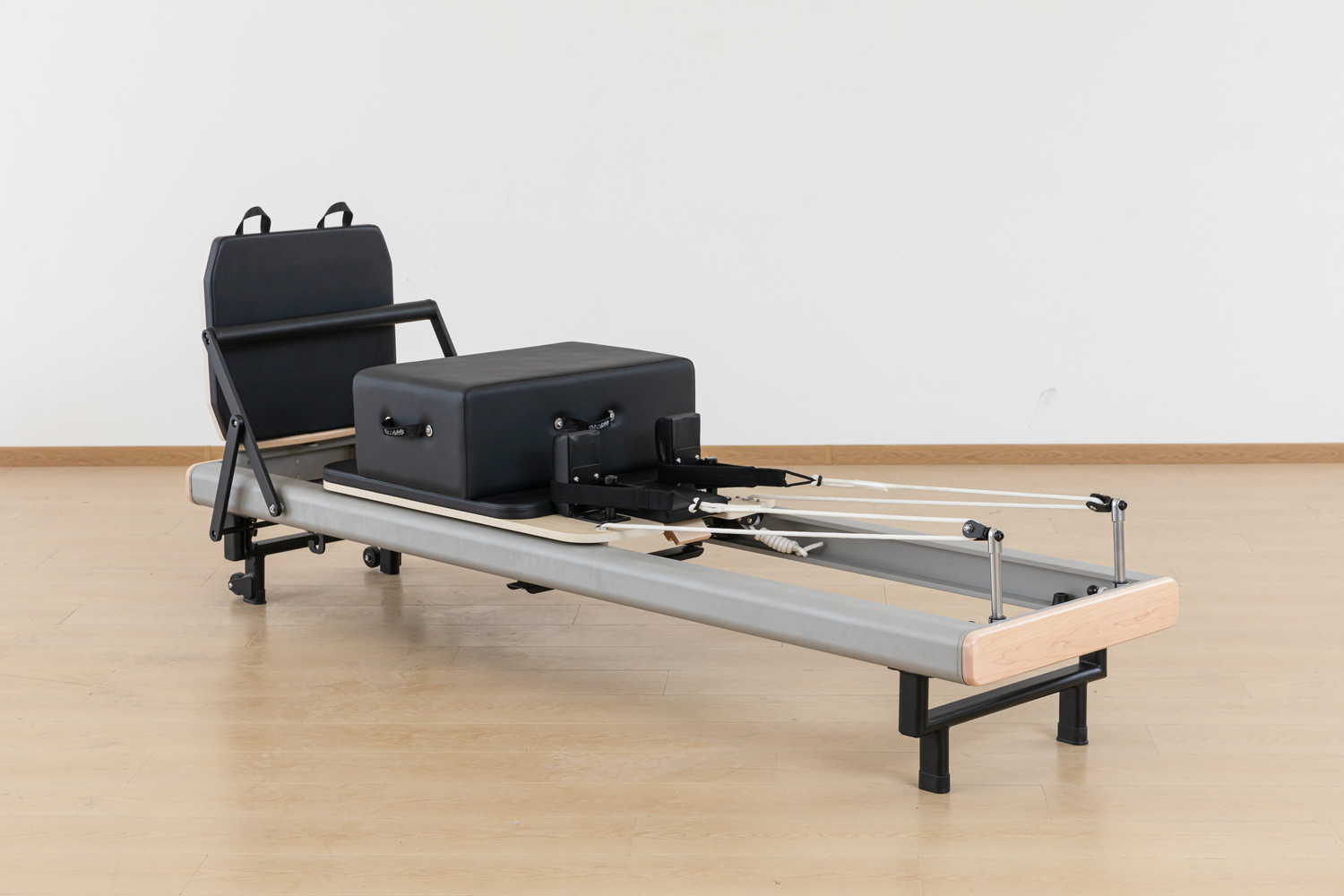
Premium Pilates equipment begins with the frame. Aircraft-grade aluminum and reinforced steel are the standard for professional-grade reformers because they resist flex under repeated load. Maple and beech are preferred for wooden frames due to their density and dimensional stability. Substituting lower-grade materials may reduce weight and cost, but it also shortens service life and introduces safety risks.
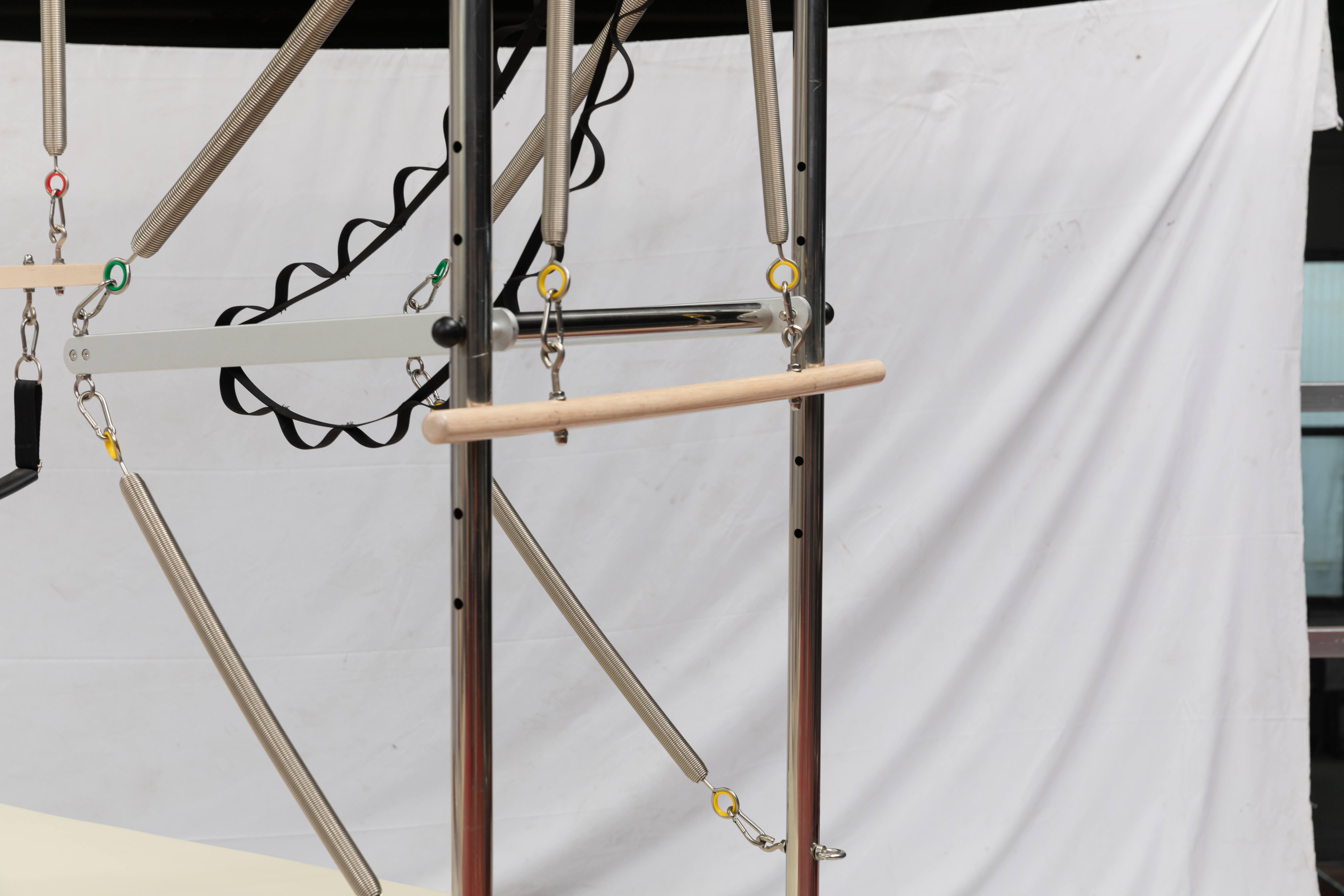
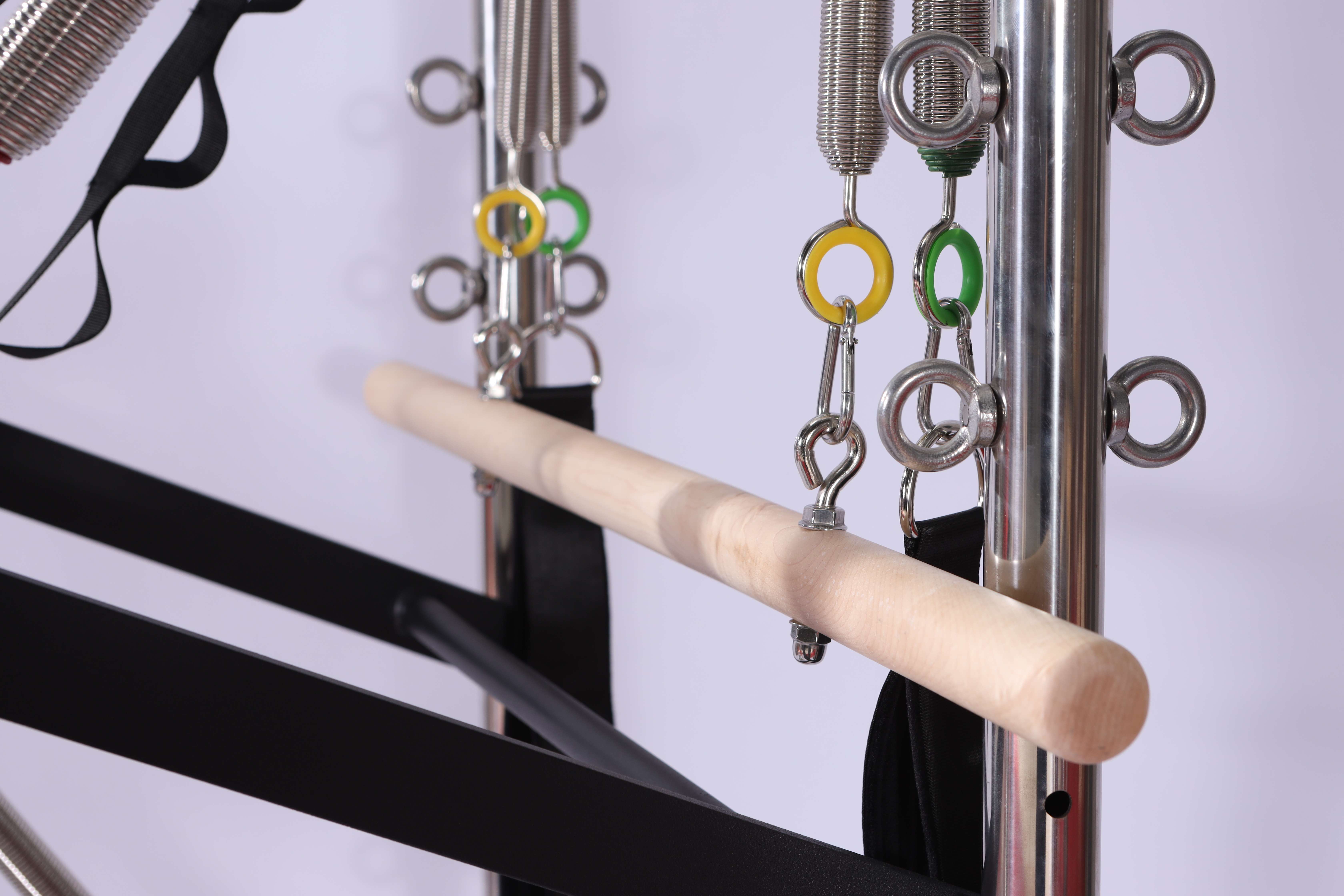
Springs deserve particular attention. High-carbon steel springs with consistent tension ratings are essential for the smooth, progressive resistance that defines Pilates training. Inferior springs lose tension unevenly, forcing users to compensate with poor form. Upholstery should be high-density foam covered in durable, easy-to-clean materials that resist compression over time. Every weld, joint, and moving part should be inspected against measurable tolerances rather than visual impression alone.
III. Testing, Certification, and Transparency
Claims about quality are meaningless without evidence. A trustworthy manufacturer publishes load capacity ratings, provides spring tension test data, and submits equipment to recognized testing standards such as ISO 9001 quality management certification, EN 957 for stationary training equipment, and relevant ASTM standards for structural integrity.
Beyond certifications, transparency means being willing to share factory inspection reports, production timelines, and the specific tolerances used in manufacturing. Buyers should be able to ask where a frame is welded, what grade of steel is used, and how spring consistency is verified—and receive specific answers rather than general assurances. A manufacturer confident in its product does not hesitate to document it.
IV. After-Sales Commitment and Long-Term Partnership
Trust extends well past the point of sale. Springs wear out. Rollers need replacement. Upholstery eventually shows wear. A premium manufacturer plans for this lifecycle by maintaining spare parts inventory, offering clear replacement schedules, and providing responsive technical support.
This commitment also means being honest about limitations. If a particular reformer is not suited for high-volume commercial use, a trustworthy supplier says so rather than overselling. If a product requires professional installation, that should be stated upfront. Long-term partnerships are built on accurate expectations, not on promises that quietly expire once payment clears.
V. Our Pledge
We built our approach around a simple principle: equipment that earns trust through what it does, not just what it claims. That means sourcing materials that meet documented specifications, testing every production batch against measurable standards, and standing behind our products with real support long after delivery.
For studios, trainers, and home users who depend on their equipment every day, that commitment is not an extra feature. It is the baseline. Premium Pilates gear should be judged by how it performs after a year, not how it looks on arrival—and we hold ourselves to that standard.