Home Pilates Equipment: Elevate Your Daily Low‑Impact Workout
I. Why Low-Impact Training Deserves Better Equipment
Low-impact does not mean low-intensity. Pilates works through controlled movement, breath coordination, and precise muscle engagement, which means the demands placed on equipment are actually quite specific. A mat that slides on hardwood, a resistance band that snaps after two weeks, or a reformer with inconsistent spring tension will all quietly sabotage a daily routine.
The appeal of home Pilates is consistency. You can train before work, after dinner, or in the ten minutes between meetings. But that consistency depends on equipment that is ready when you are—set up, stable, and safe to use without a spotter. Choosing gear that fits your space, your body, and your schedule is what turns an occasional workout into a daily habit.
II. The Core Equipment Worth Investing In
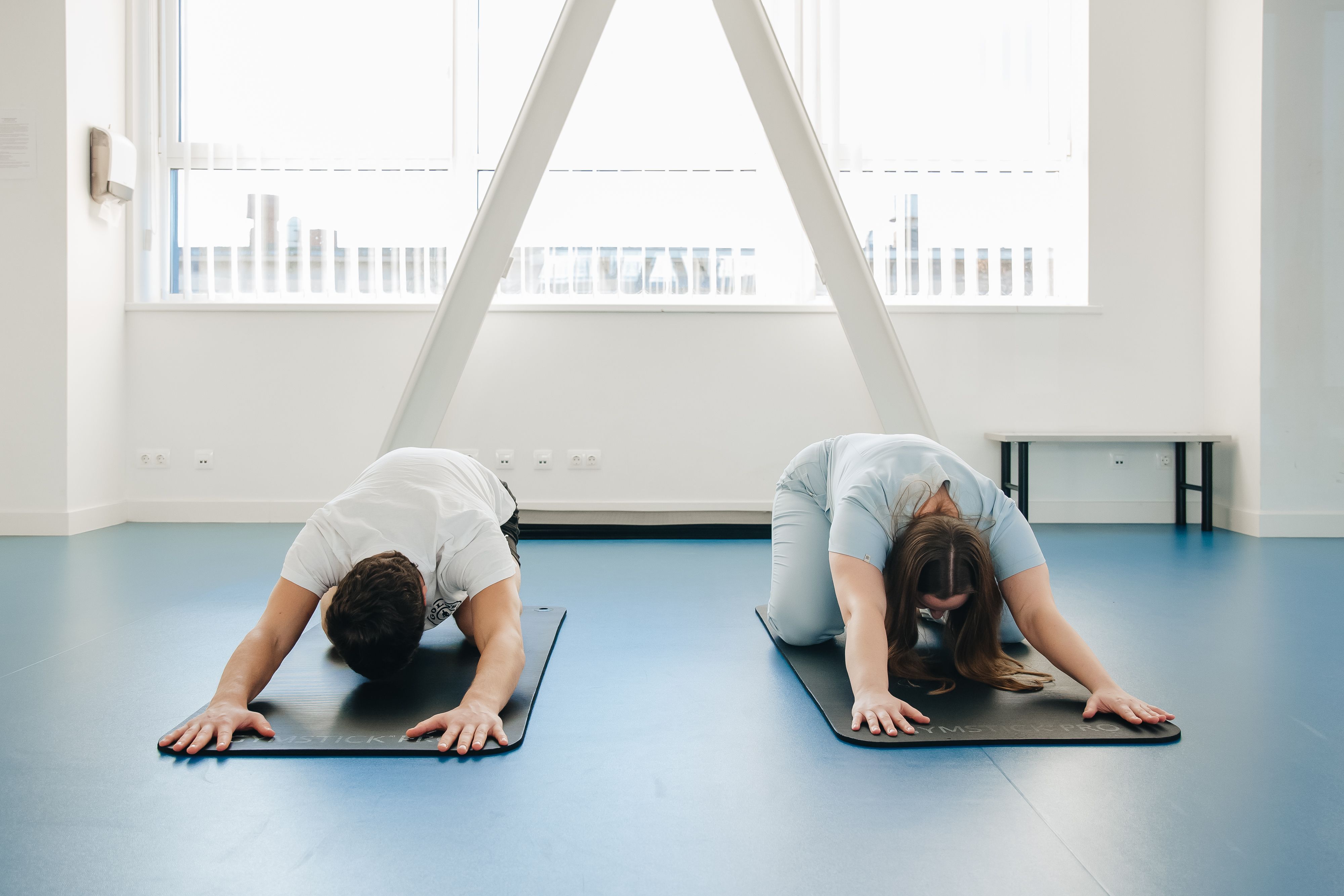
A quality mat is the starting point. Look for 6mm to 8mm thickness with a non-slip natural rubber base, since PVC mats tend to compress permanently and lose grip over time. For anyone practicing more than twice a week, a thicker mat with alignment markings helps maintain spinal positioning during rolling exercises.
Resistance bands and Pilates rings extend the range of mat work considerably. Fabric-covered bands are gentler on skin than latex and hold up better to repeated stretching. A magic circle with padded handles allows you to target inner thighs, arms, and core without any floor space commitment.
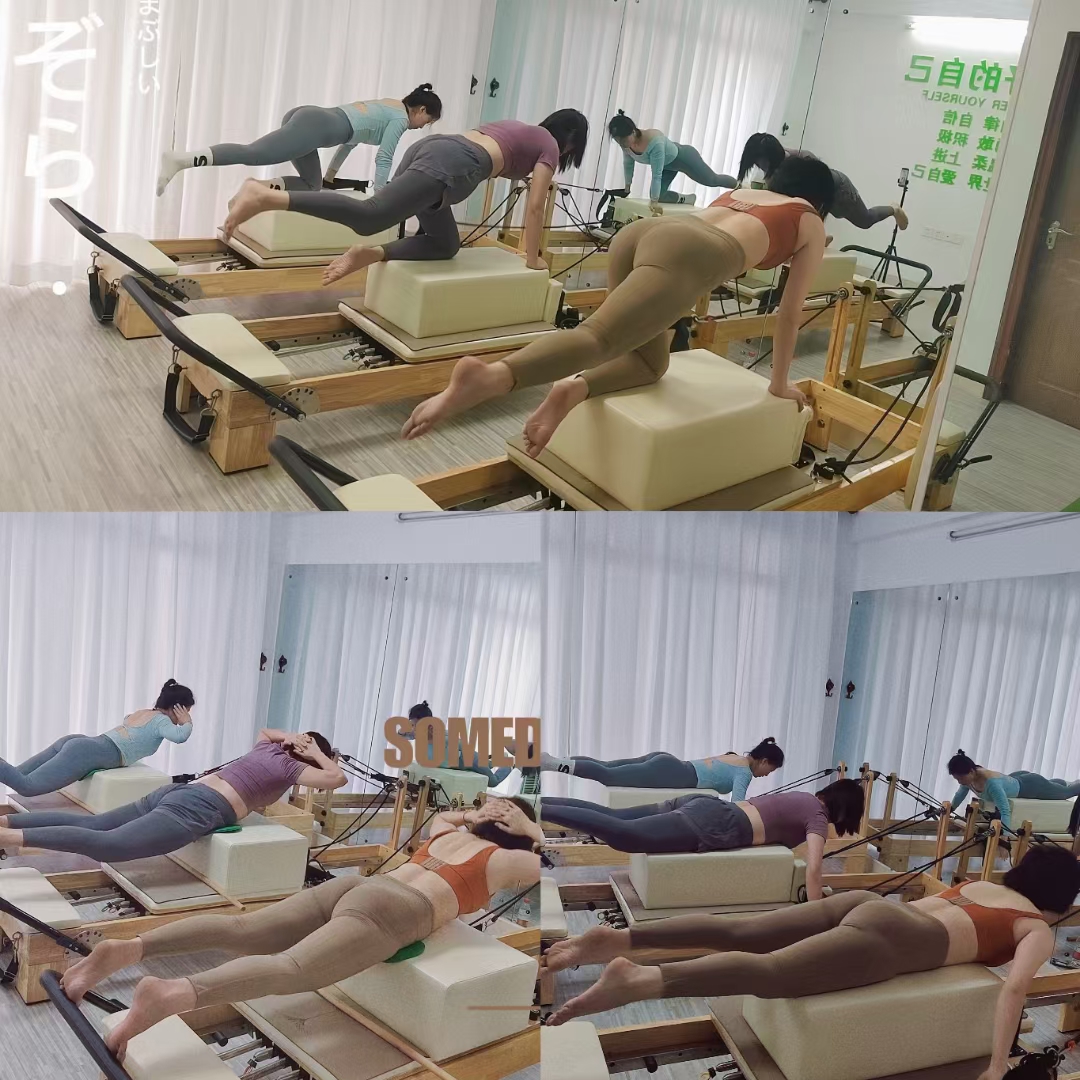
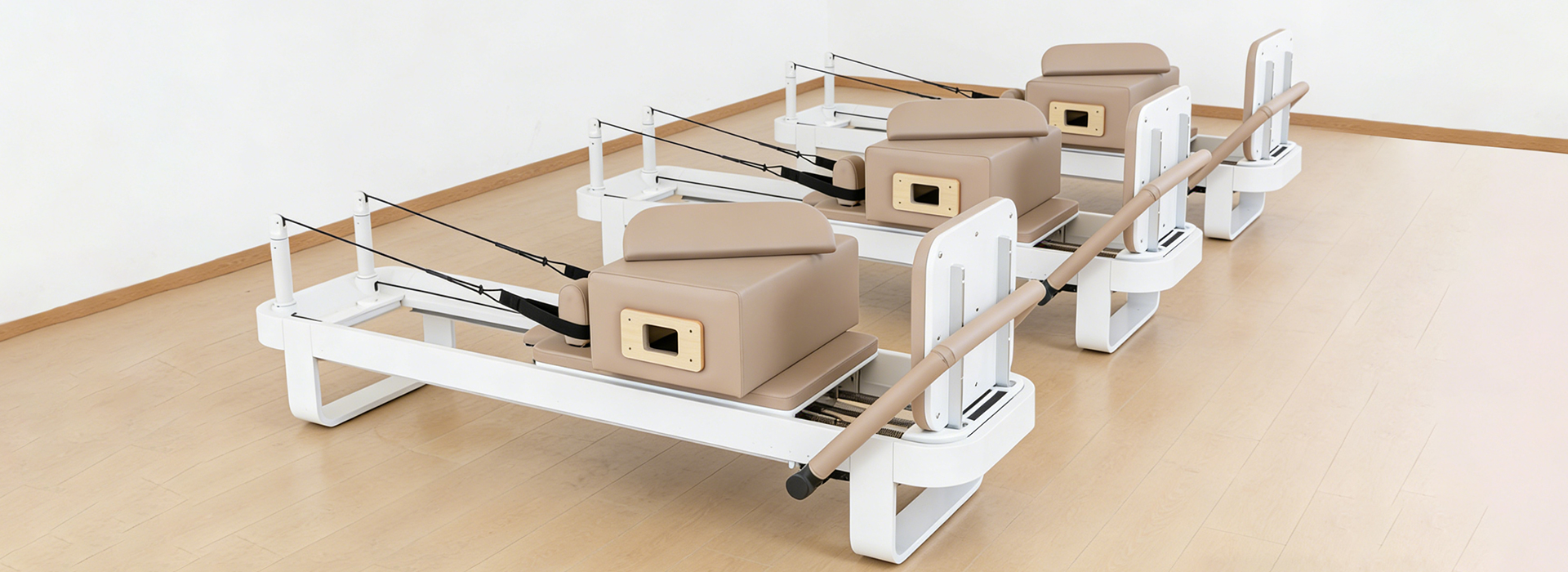
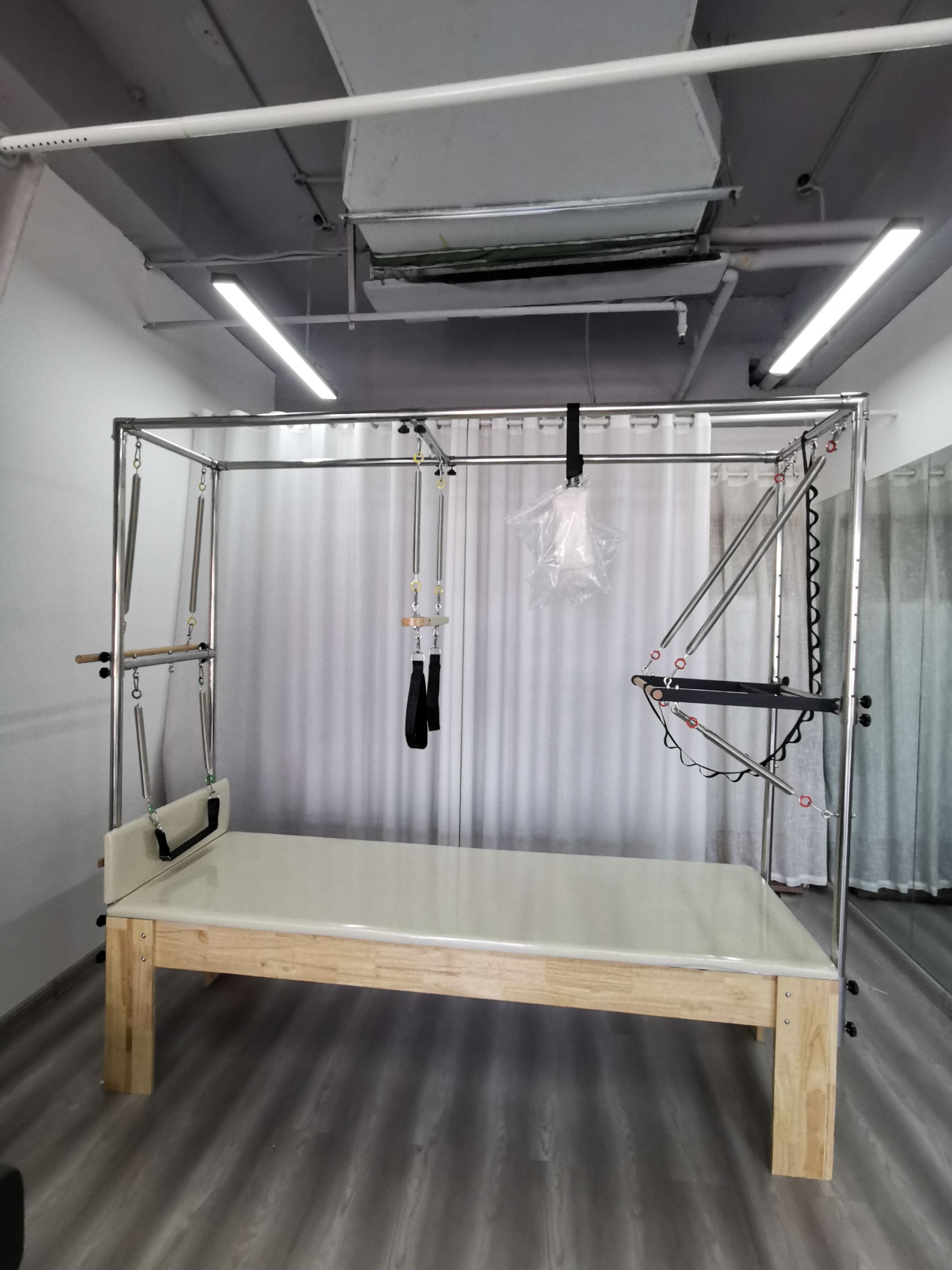
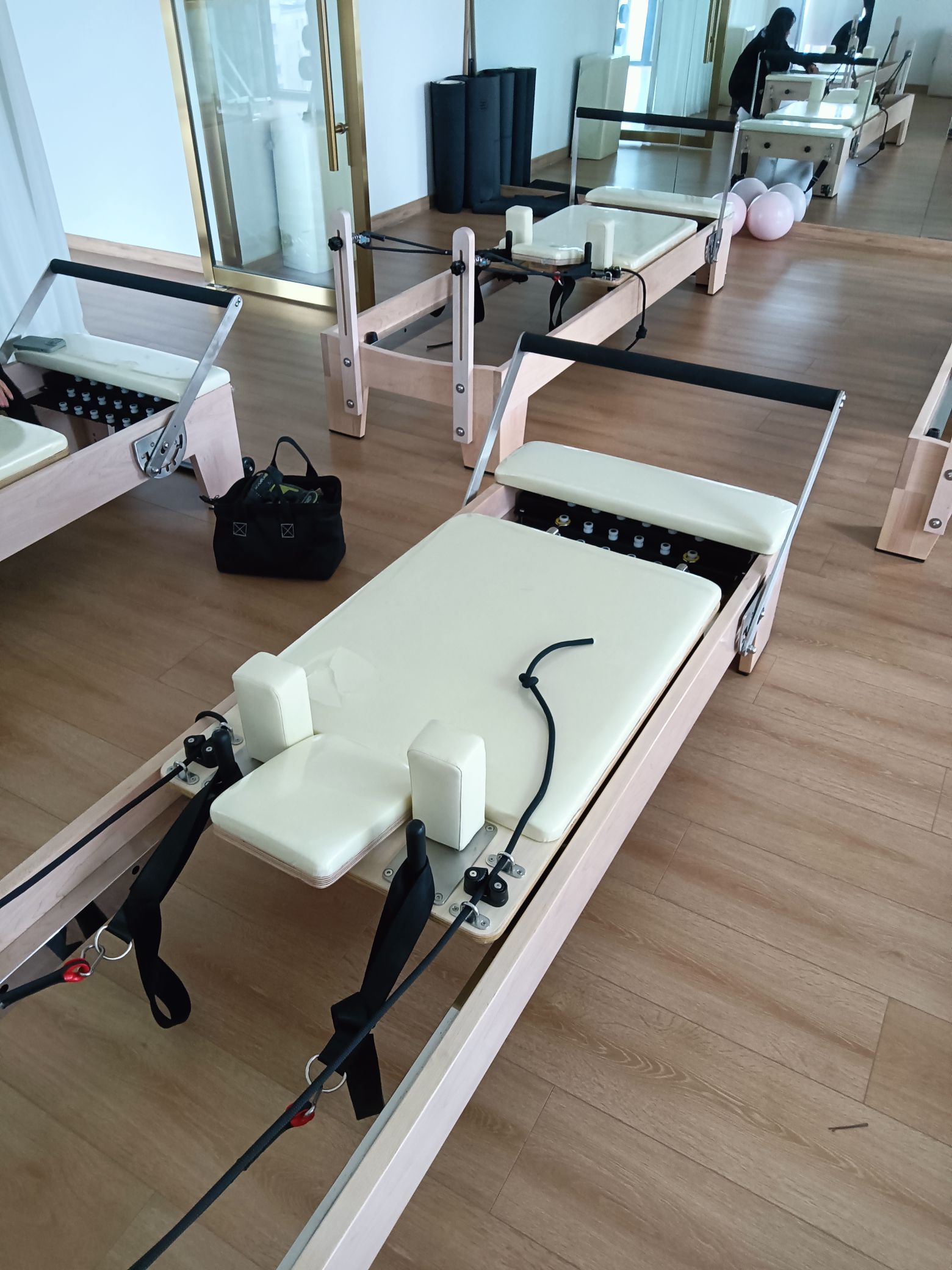
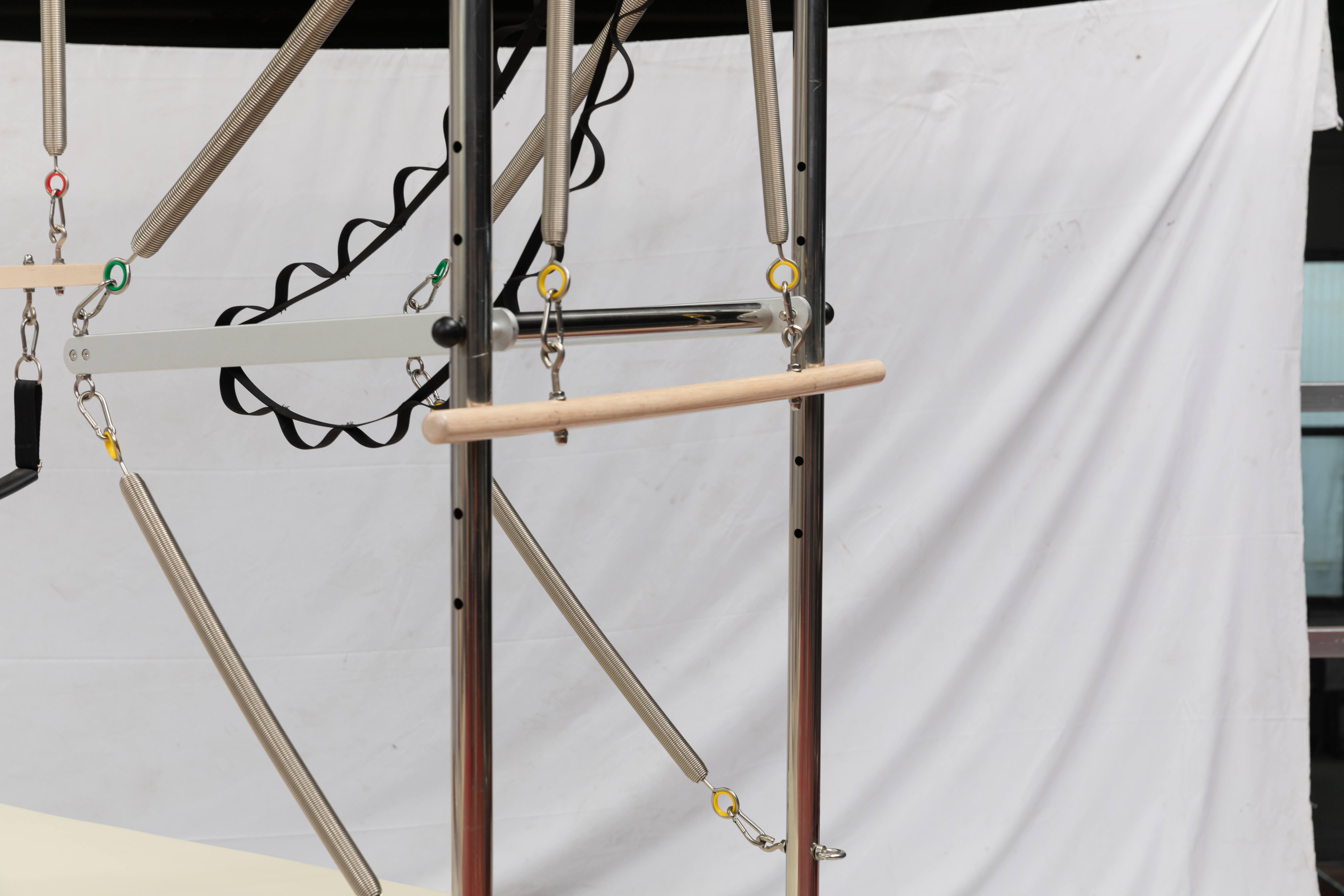
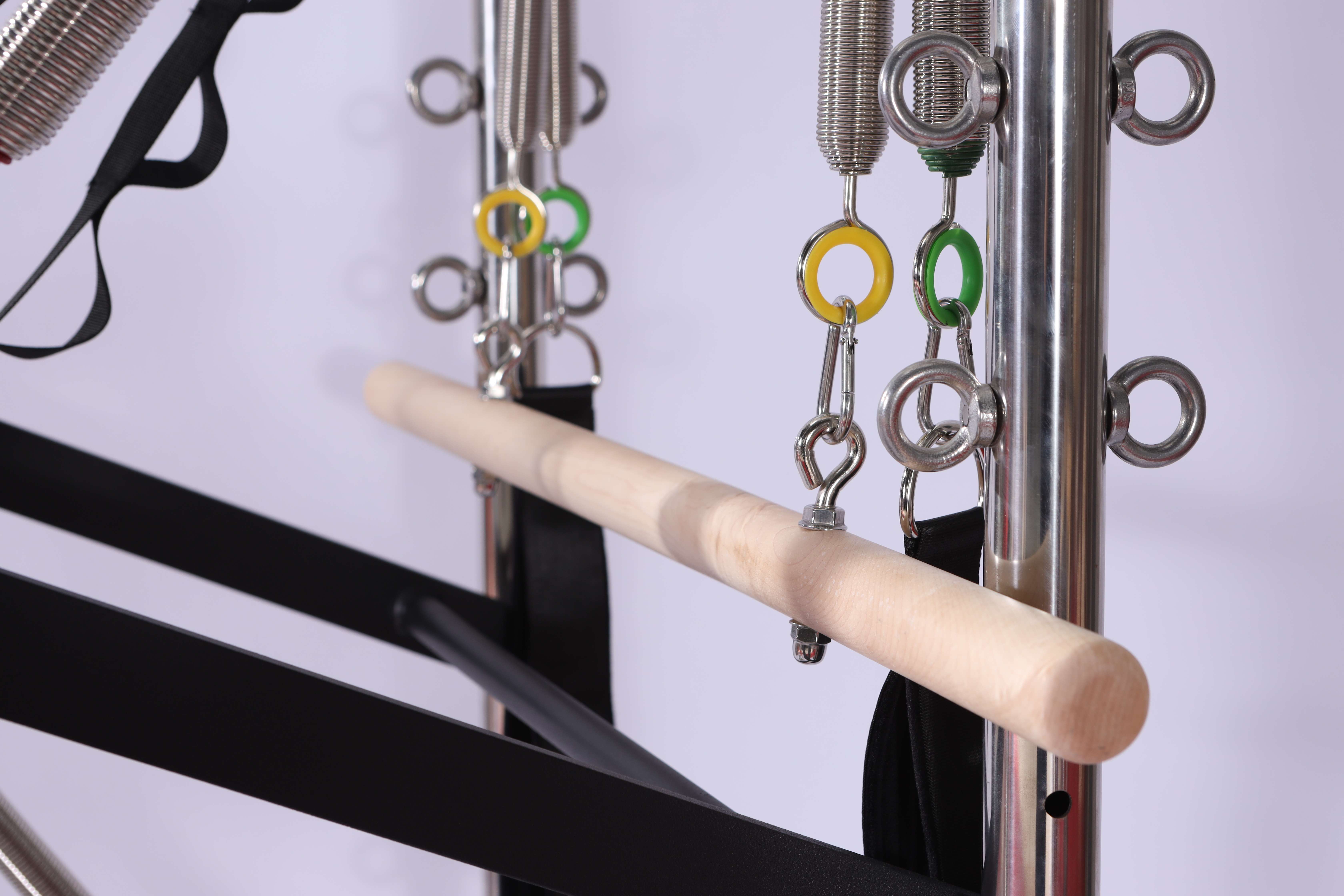
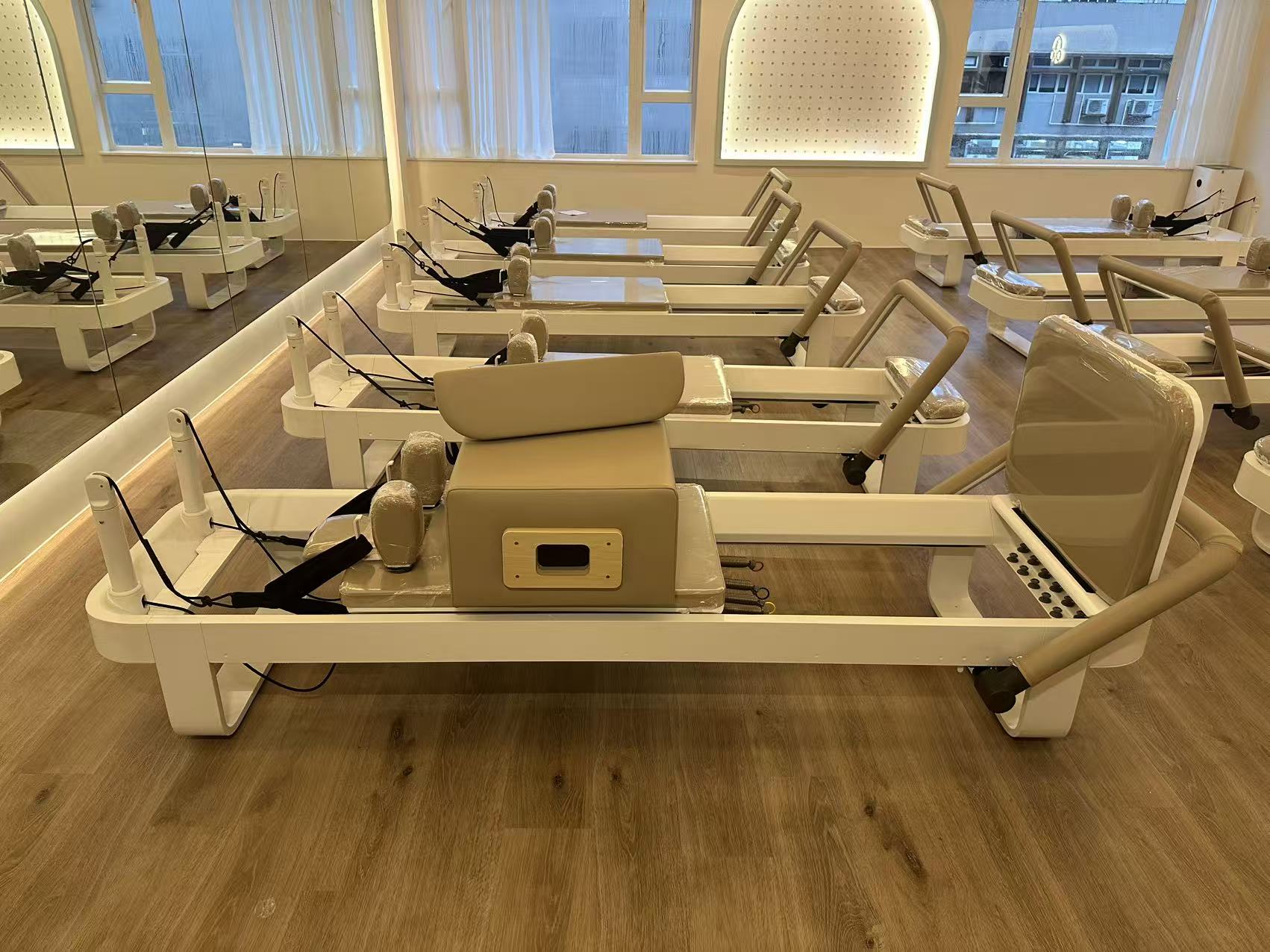
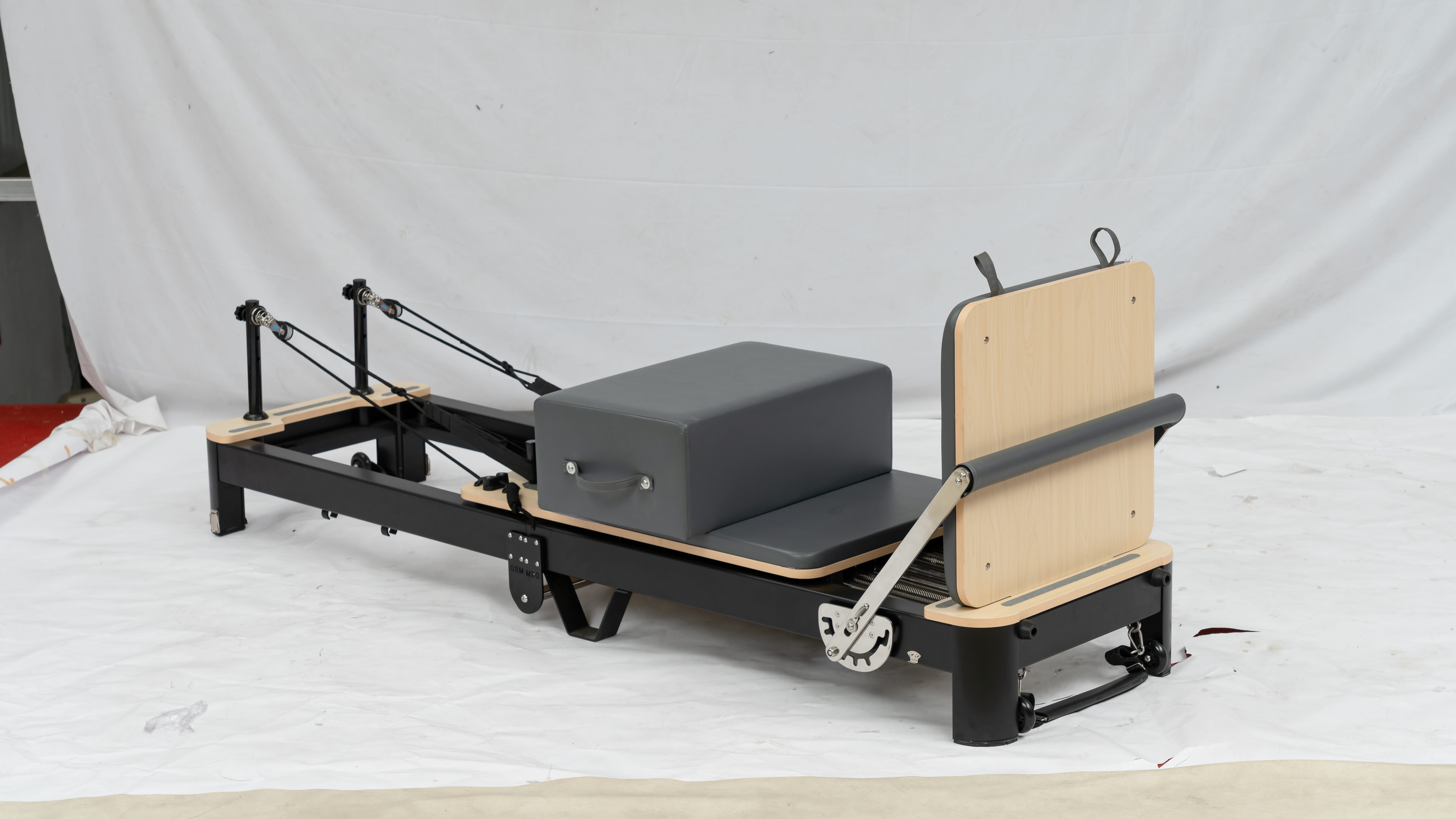
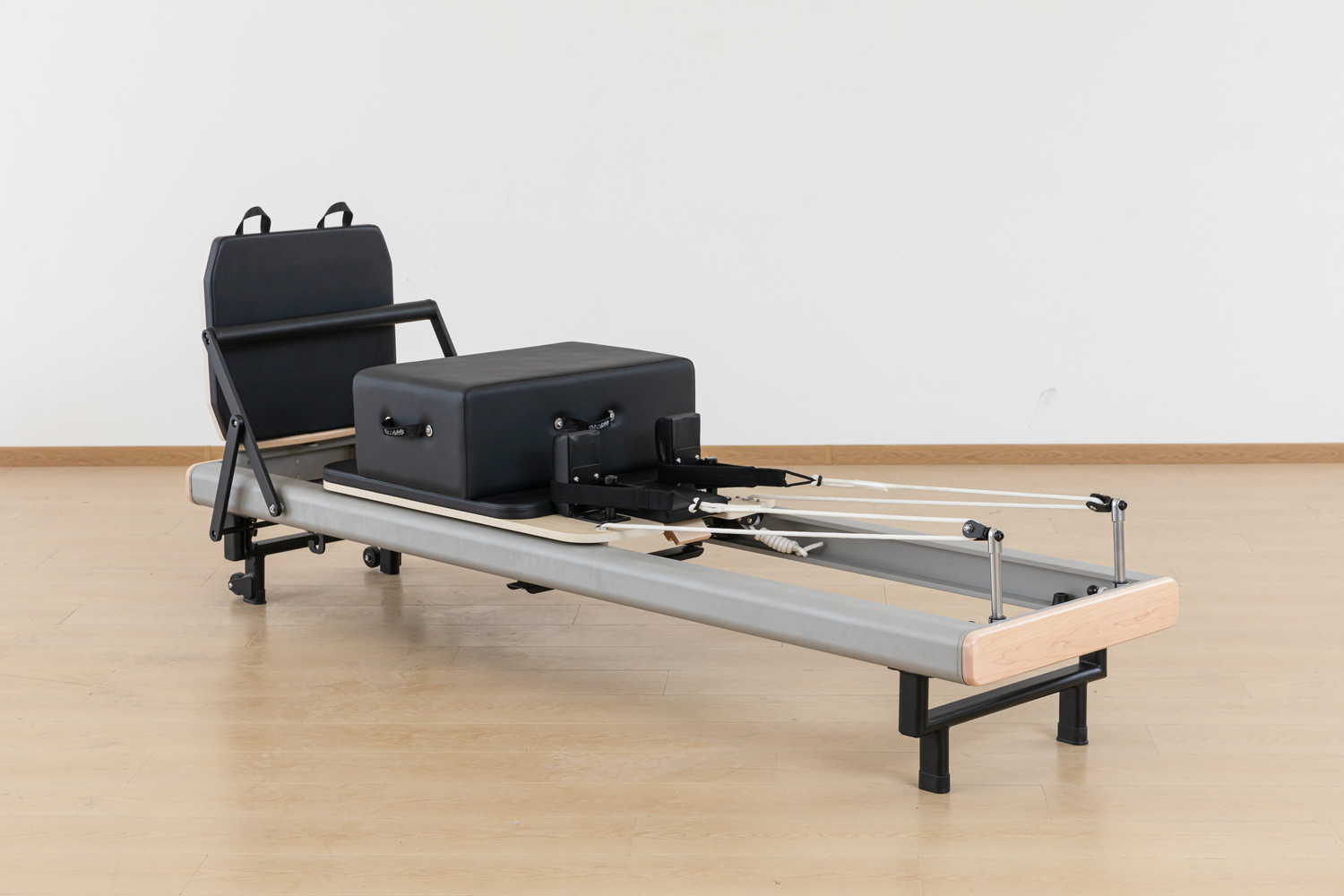
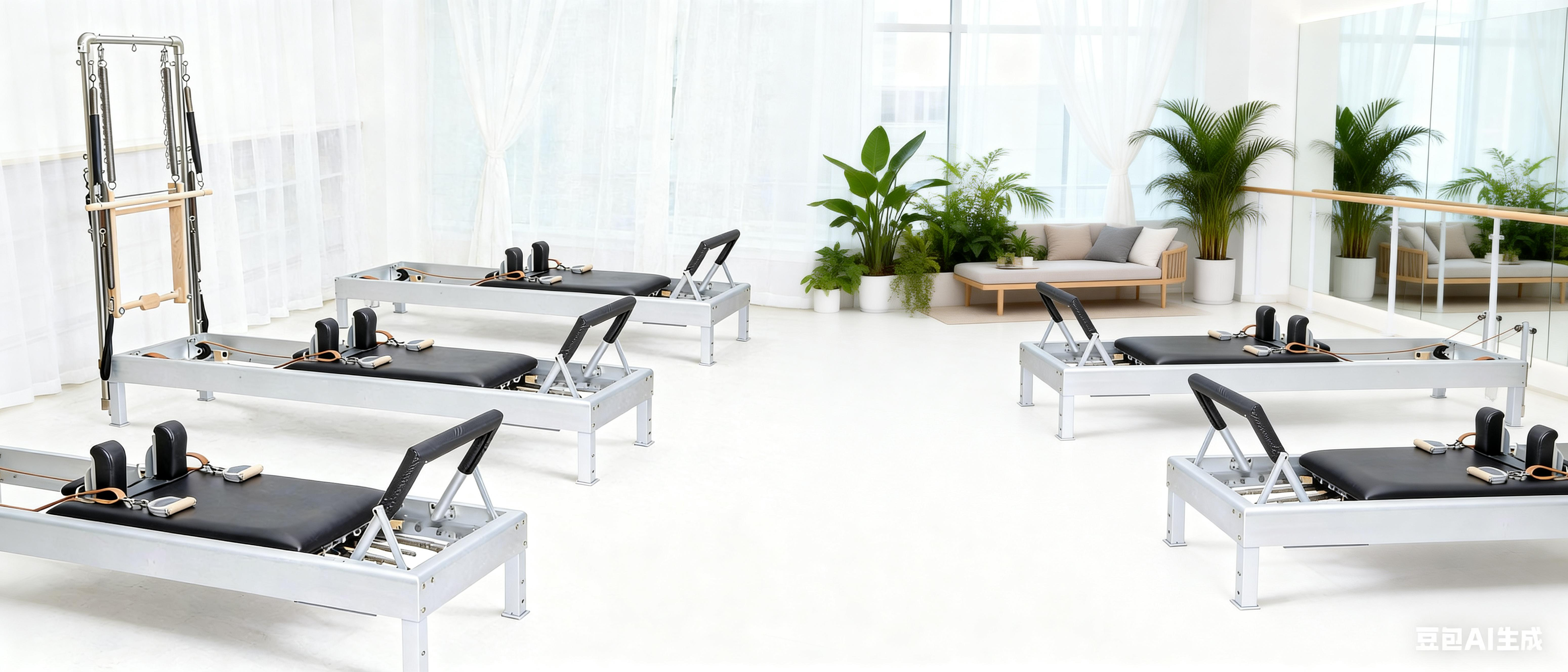
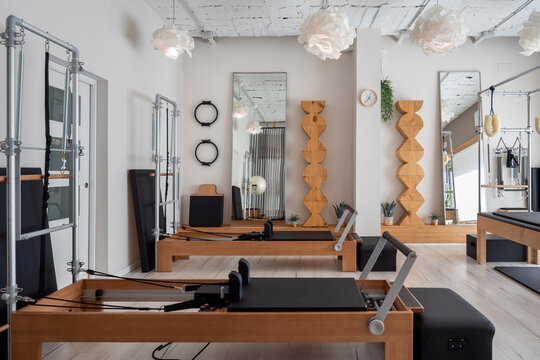
For those ready to move beyond the mat, a folding reformer or a Pilates chair opens up a wider vocabulary of exercises. These take up meaningful floor space, so measure your room carefully—including ceiling height if the model has a vertical tower. A wall-mounted Pilates tower is a strong compromise for smaller apartments, since it stores flat and costs considerably less than a full reformer.
Small accessories are easy to overlook but genuinely useful: a small Pilates ball for balance work, a foam roller for recovery, and a set of light hand weights for arm series. These add variety without adding much storage burden.
III. Matching Equipment to Your Space and Body
Home training spaces are rarely ideal. A living room with low ceilings, a bedroom with carpet, and a balcony with tile all create different constraints. Carpet requires a mat with firmer backing to prevent sinking; tile requires superior grip to prevent sliding. Low ceilings rule out equipment with upright frames or overhead bars.
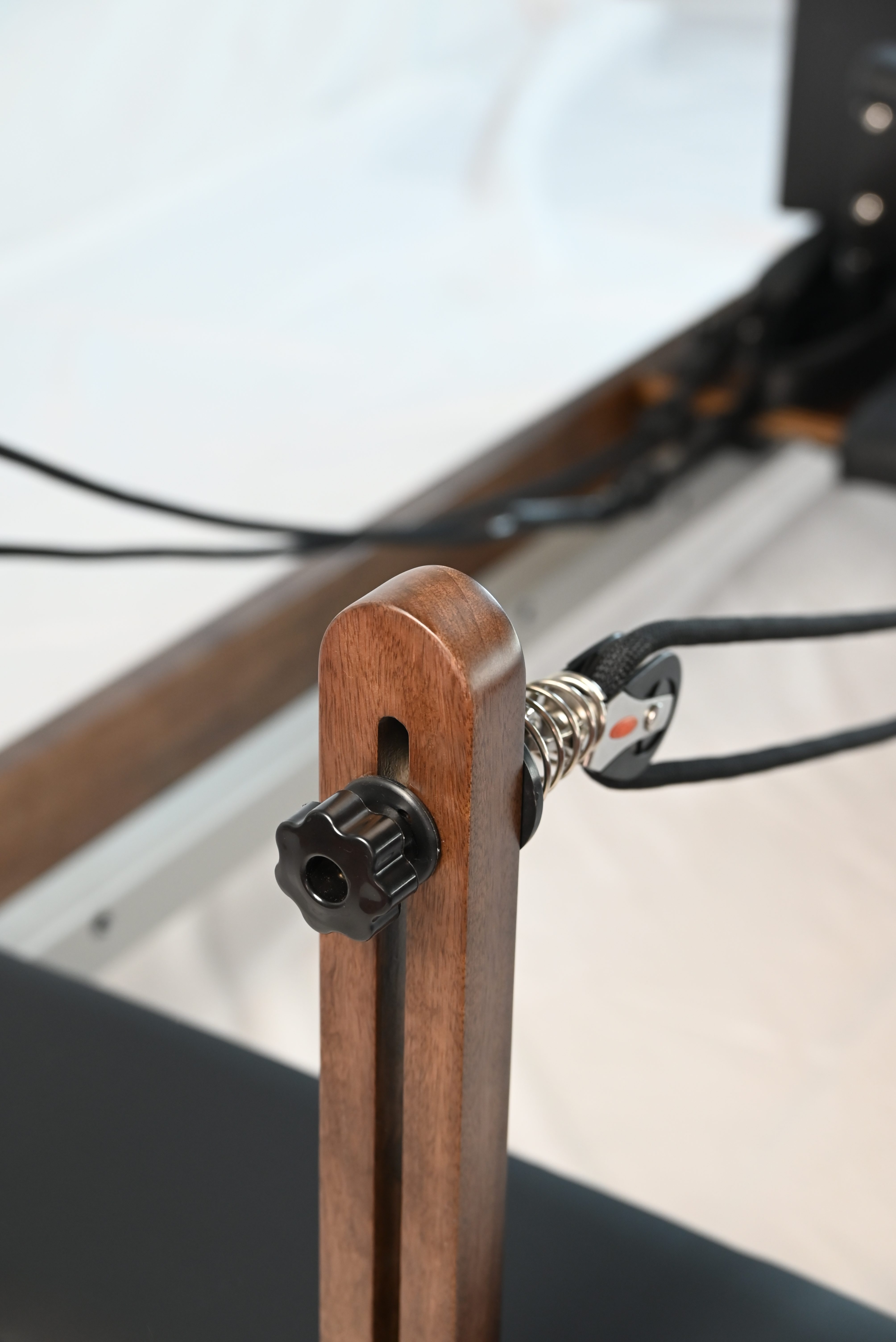
Body proportions matter too. Spring resistance on a reformer should be adjustable across a range wide enough to accommodate different strength levels, and foot bars should adjust to leg length. For taller users, mat length and reformer carriage length become real limitations rather than minor details.
Budget allocation deserves honest consideration. A mid-range mat plus a high-quality ring and bands will serve most home practitioners better than a cheap reformer that wobbles and loses tension. It is generally wiser to invest in the equipment you will use daily, and add larger apparatus only when your practice clearly demands it.
IV. Building a Sustainable Daily Routine
Equipment only elevates a workout if it actually gets used. The most common reasons home Pilates routines collapse are setup friction and lack of progression. If setting up takes ten minutes, you will skip it on busy days. If the routine never changes, you will get bored.
Keep a dedicated corner where your mat stays unrolled and your bands hang within reach. Ten to fifteen minutes daily beats an ambitious hour once a week, both for skill development and for habit formation. Rotate through three or four short sequences rather than trying to master a full class at home.
Track something simple—sessions completed, or a specific exercise you are improving. Progress is what sustains motivation when the initial enthusiasm fades. If you eventually add a reformer or chair, it should expand what you can already do, not replace the foundation you have built.
Final Thoughts
Home Pilates equipment should be judged by whether it makes daily practice easier, safer, and more enjoyable. That means prioritizing grip, stability, and durability over aesthetics, and being realistic about how much space and setup time you can genuinely commit to.
Start with a mat you trust and accessories you will actually use. Add larger equipment only when your practice has outgrown what you have. Done this way, a home setup becomes something you rely on rather than something you feel guilty about not using.