Why A Premium Pilates Reformer Is Worth Investing For Home Use
I. The Real Cost of a Cheap Reformer
A low-priced reformer looks like a bargain until you calculate what it actually costs over time. Inexpensive frames flex under load, which compromises the alignment and control that define Pilates practice. Springs lose tension unevenly within months, turning smooth resistance into unpredictable jerking. Carriage wheels develop flat spots and rattle along the rails.
Then come the replacement cycles. A budget reformer used several times a week may need new springs, new rollers, and eventually a new frame within two to three years. Add up those purchases and the total often exceeds what a single premium unit would have cost upfront. Worse, the buyer spends those years training on equipment that never quite feels right, which quietly erodes both motivation and results.
II. What Premium Actually Delivers
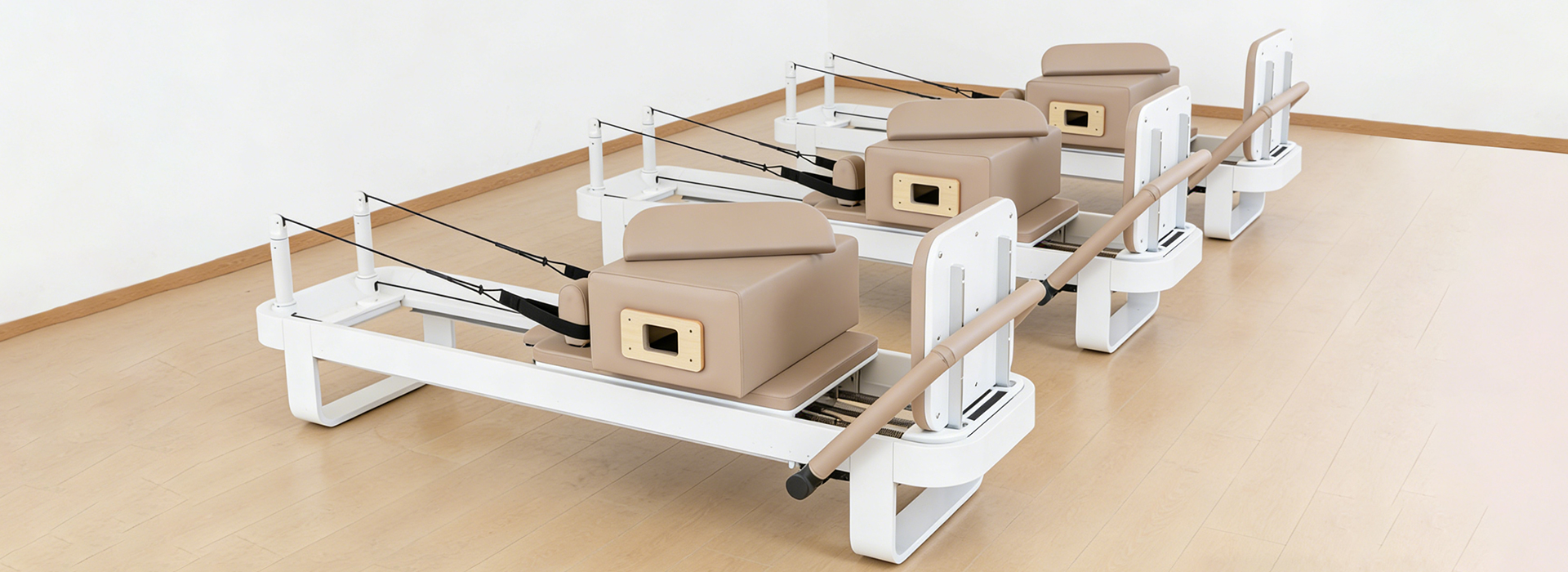
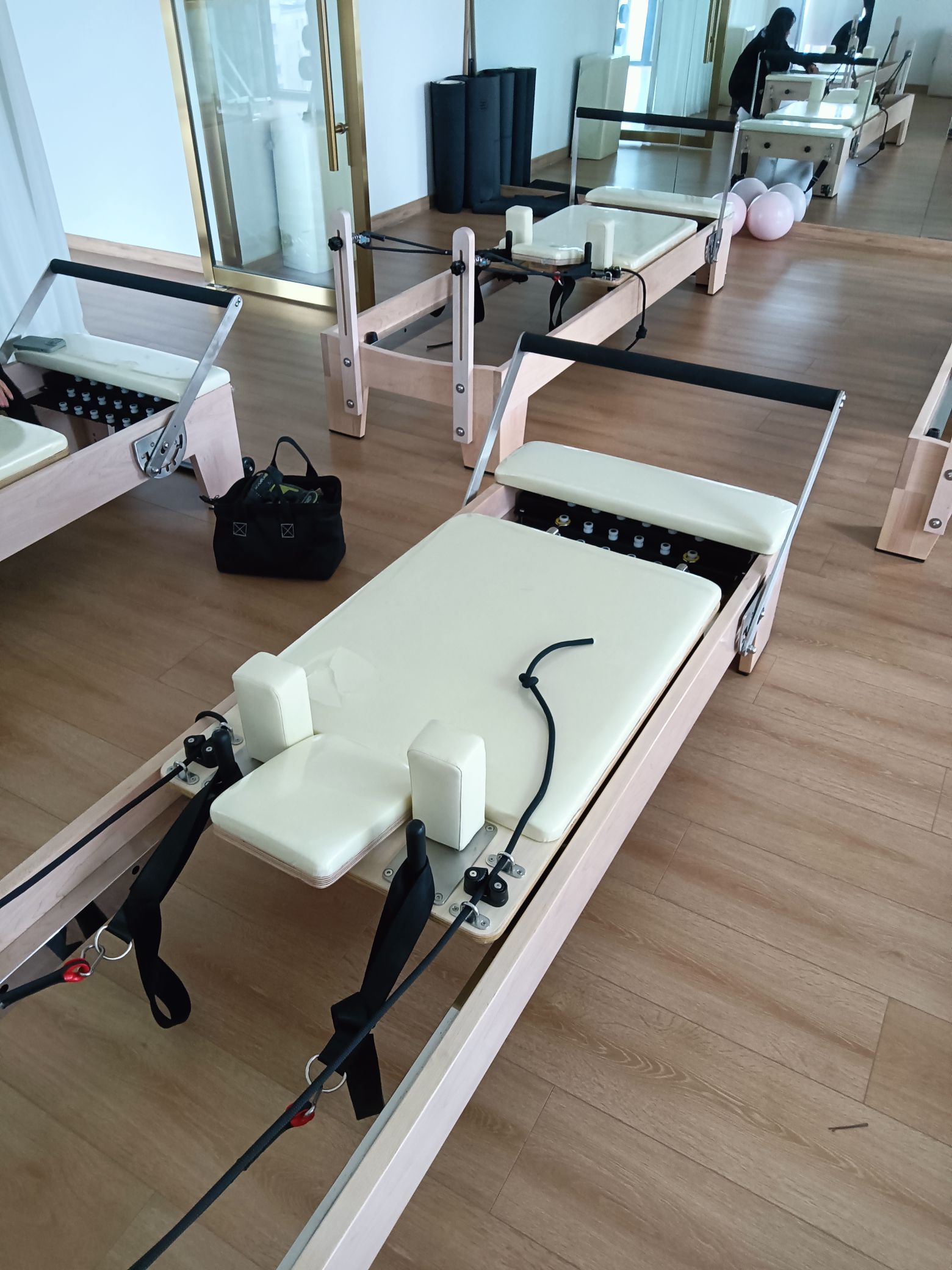
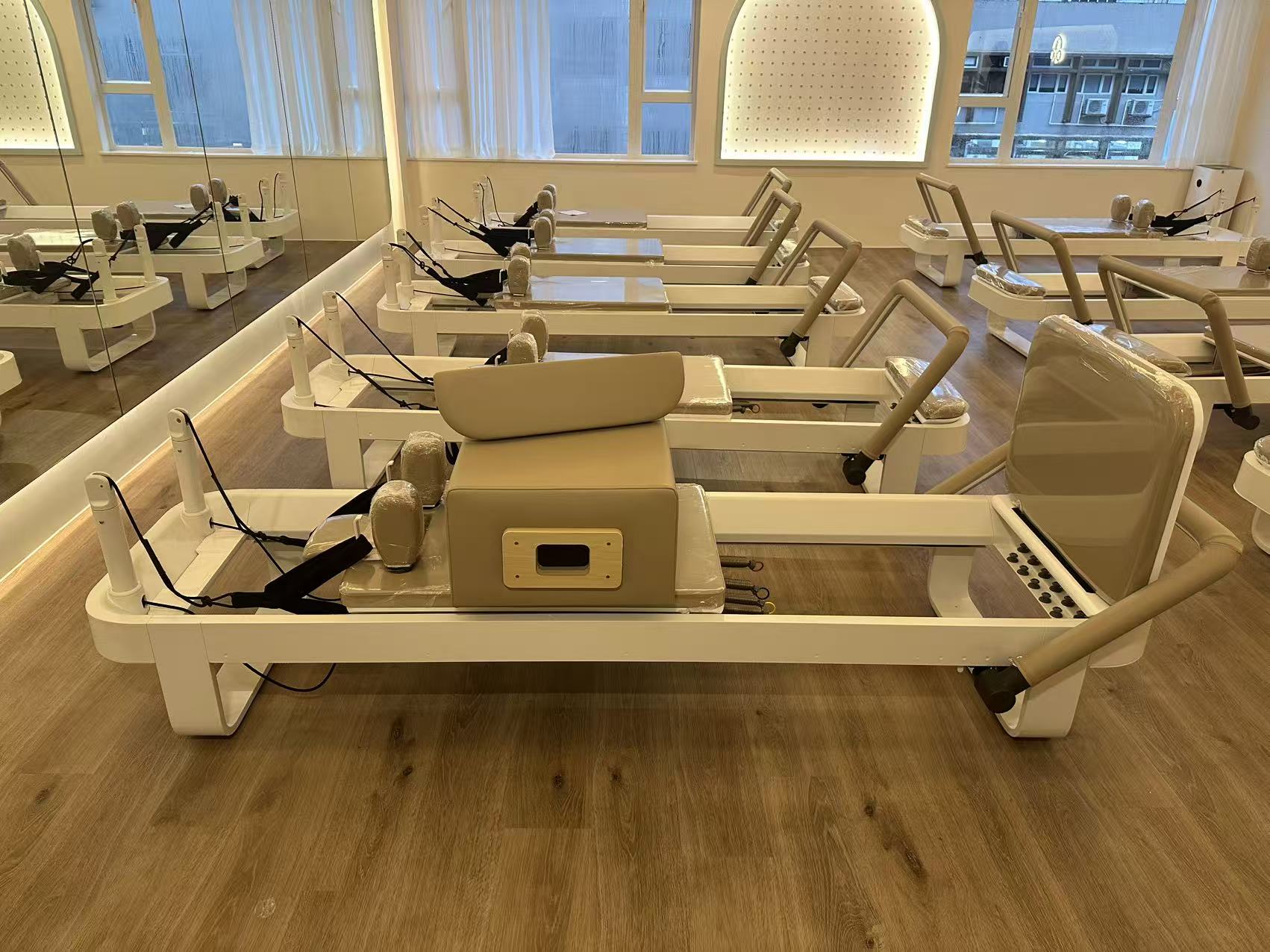
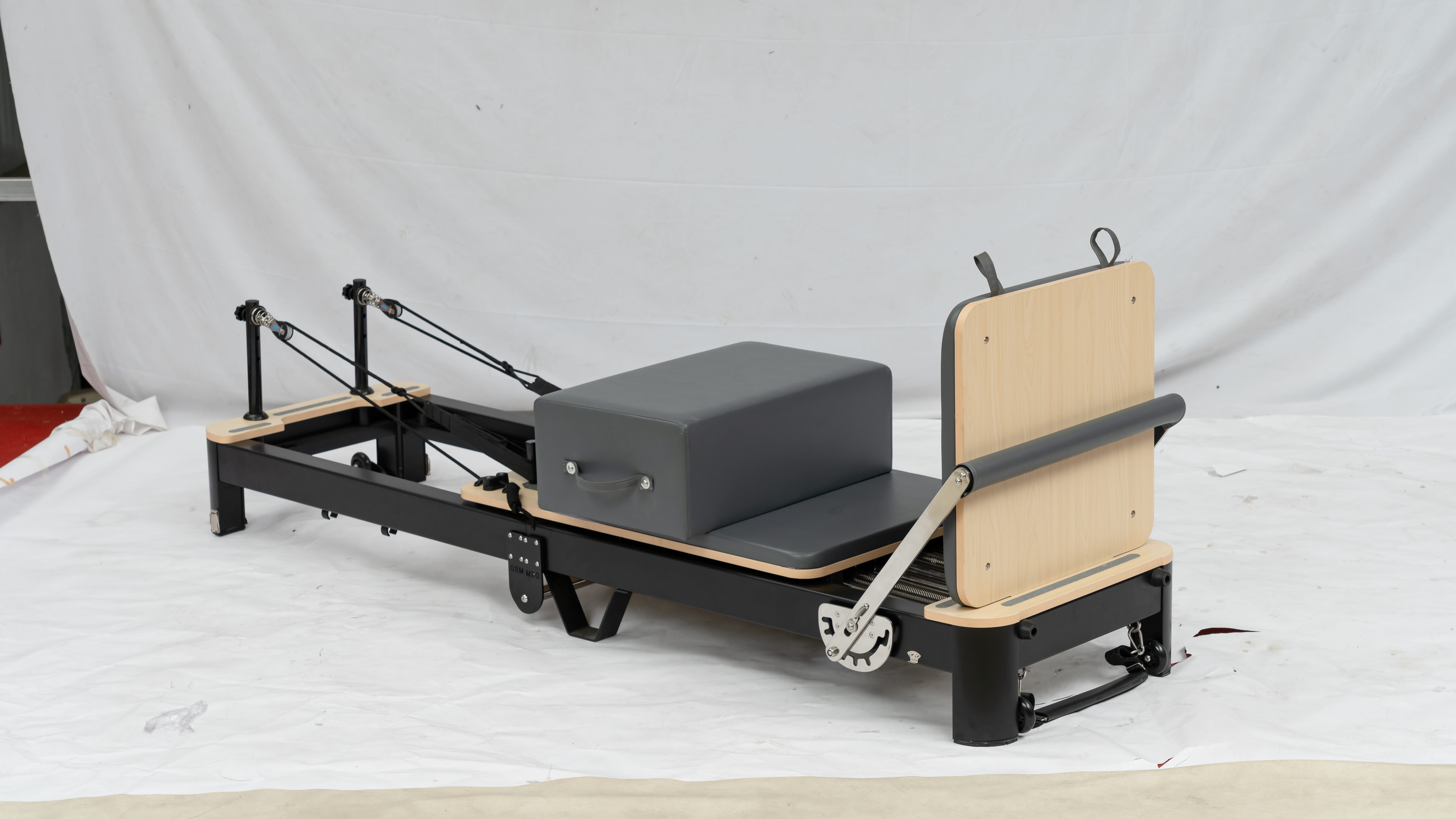
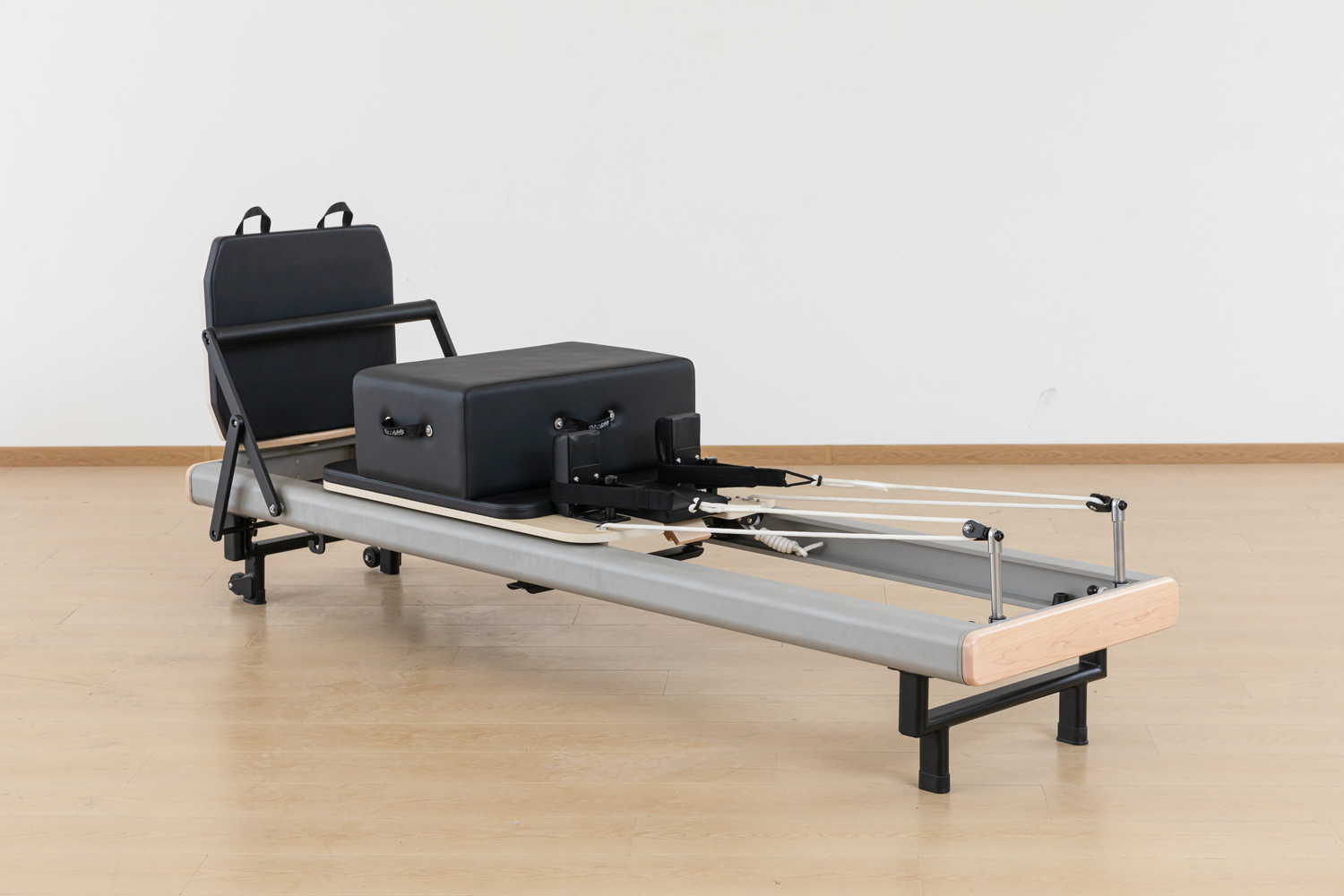
Premium reformers earn their price through measurable differences. Frames are built from aircraft-grade aluminum or reinforced steel with welded joints tested to specific load tolerances, typically rated well above 1,000 pounds. This rigidity means the carriage tracks smoothly and the user's movement is transmitted accurately rather than absorbed by a flexing frame.
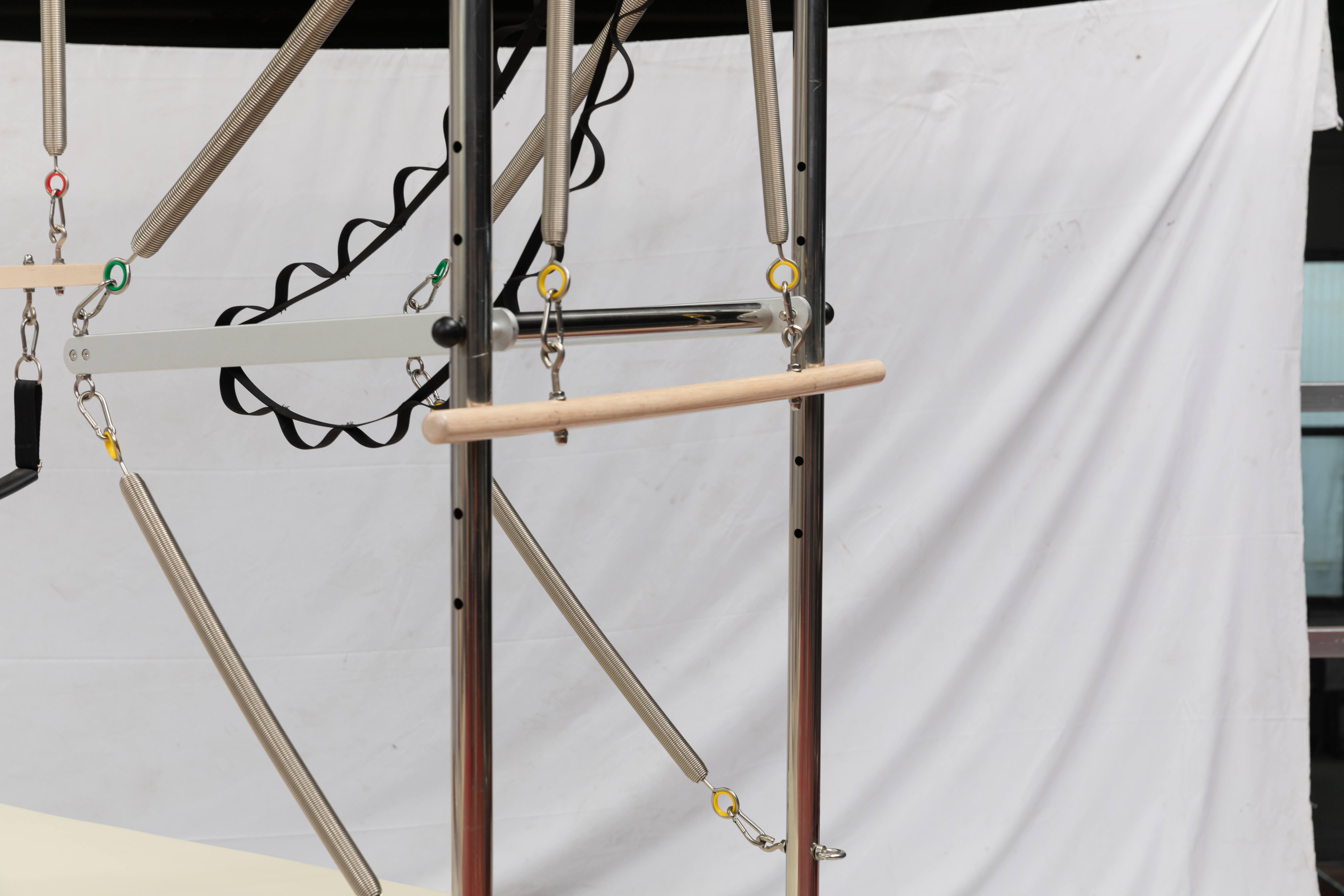
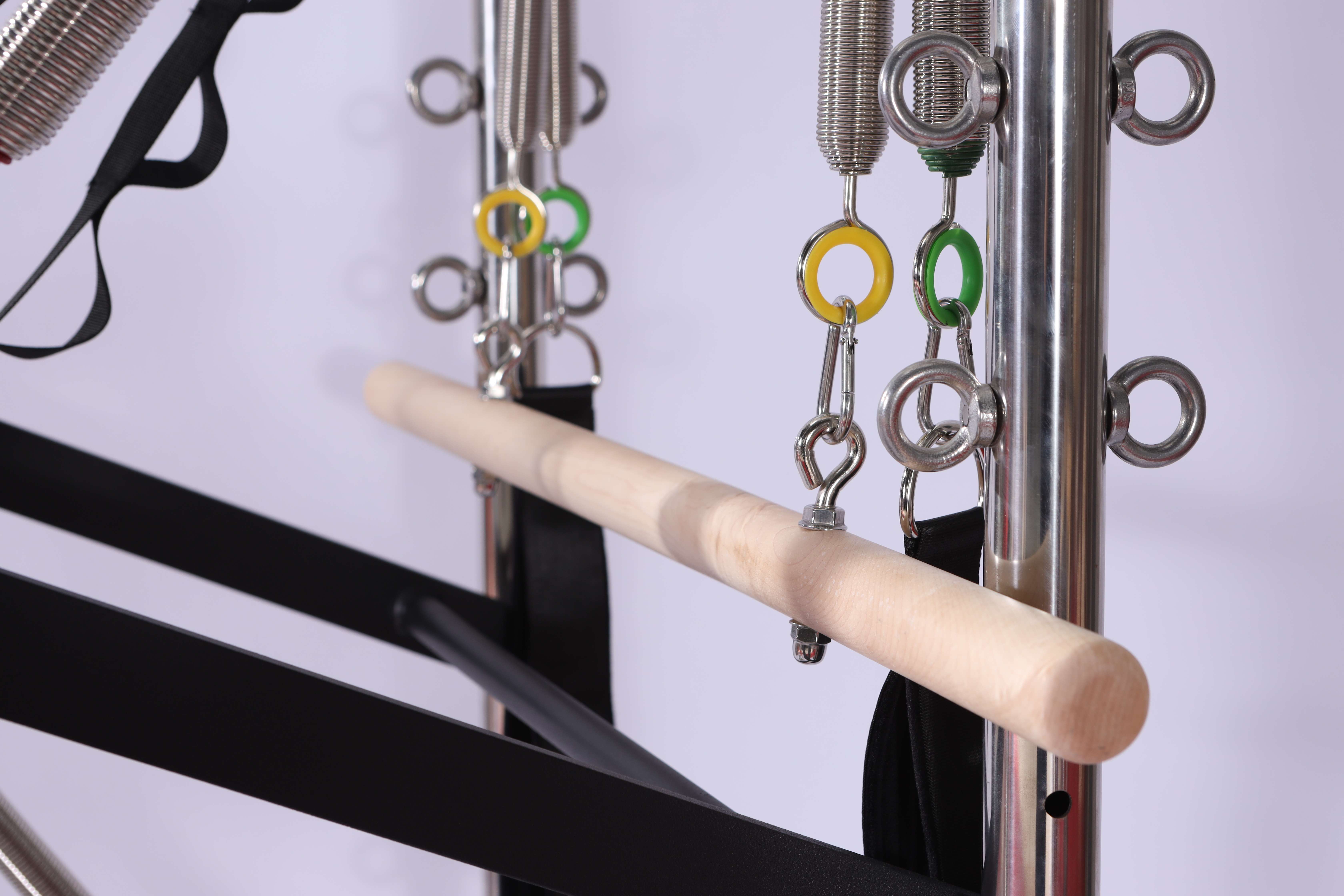
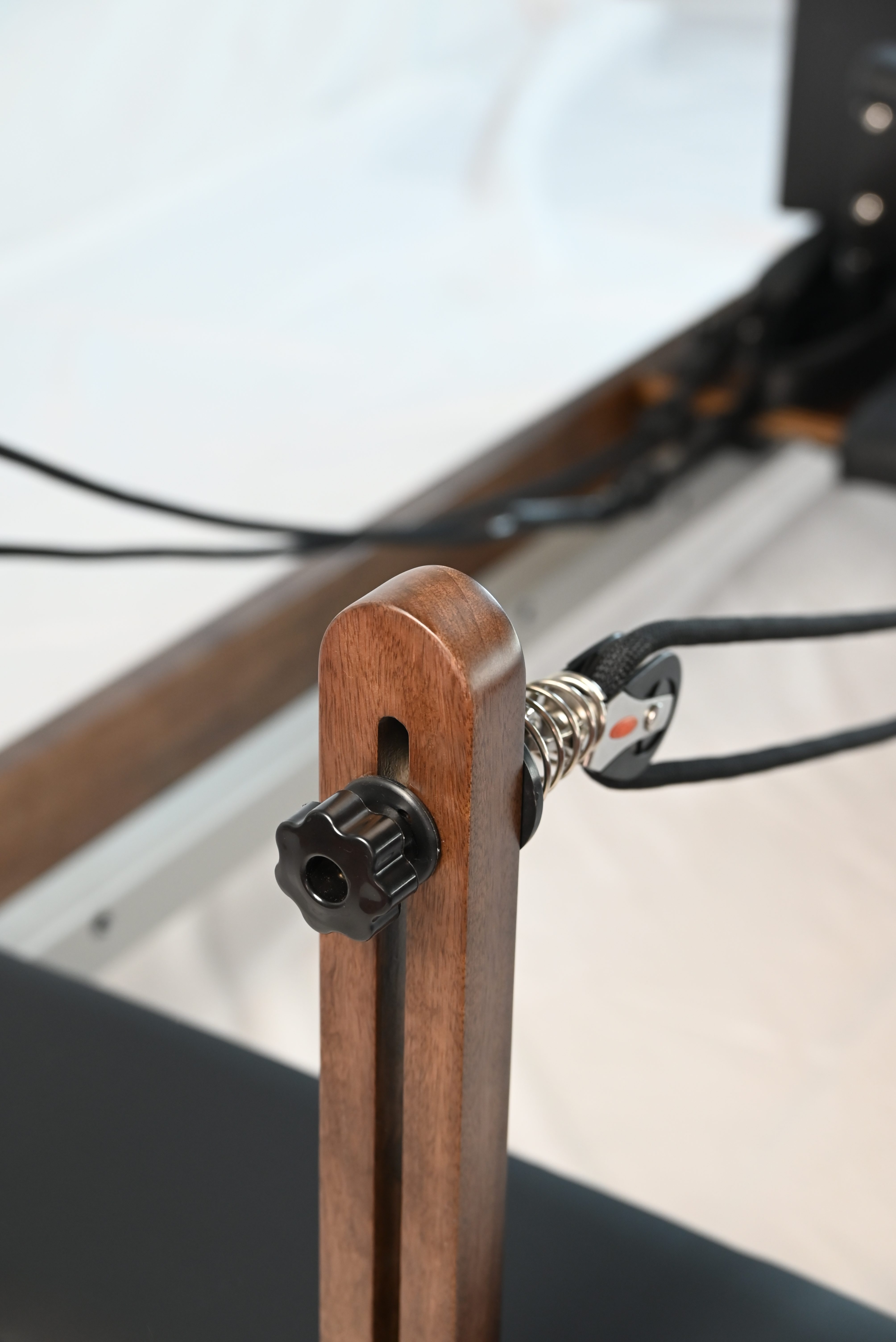
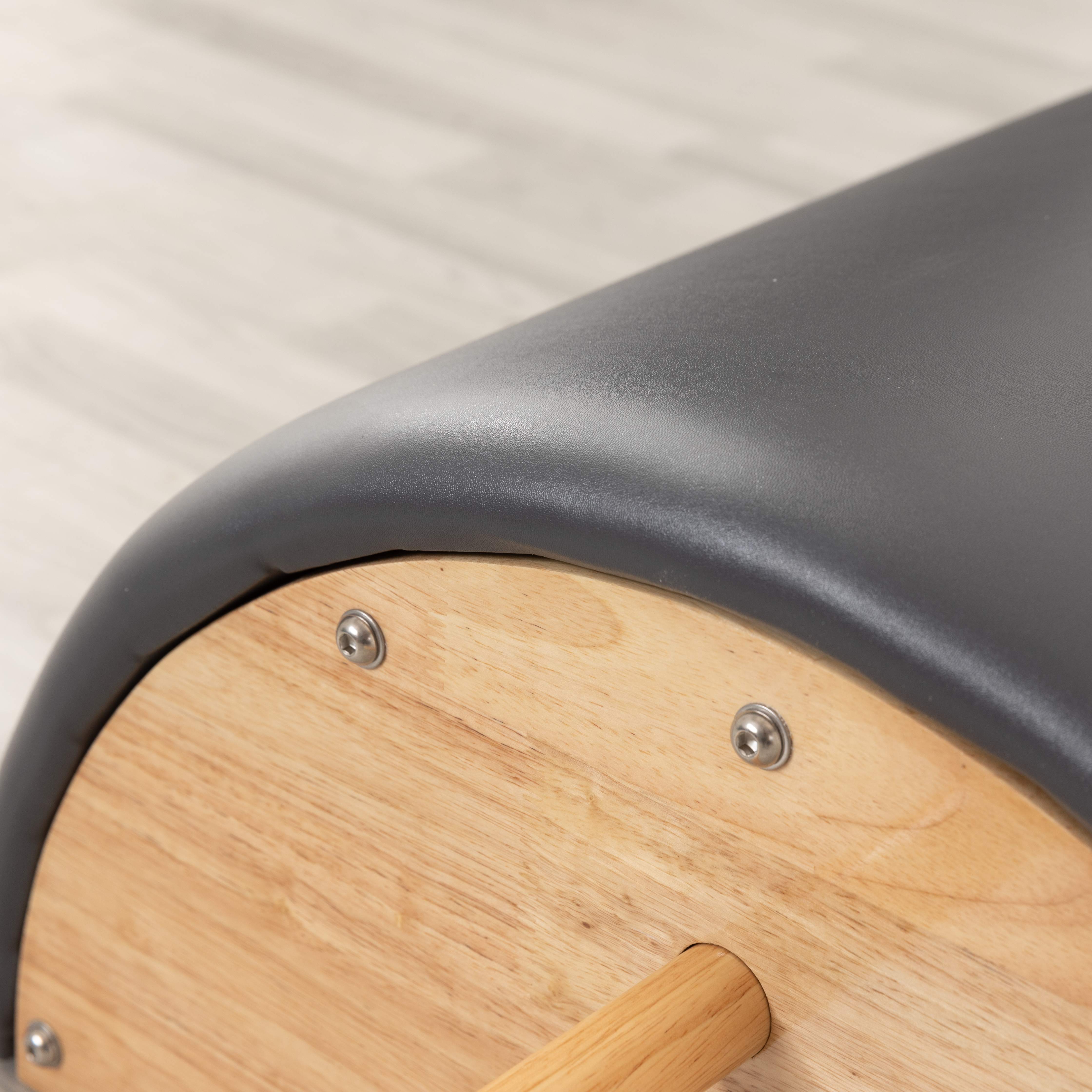
Springs are where the gap becomes most obvious. High-carbon steel springs with matched tension ratings provide the progressive, even resistance that makes Pilates exercises effective. Premium manufacturers test springs in batches and publish tension specifications rather than treating them as interchangeable parts. Upholstery uses high-density foam that resists compression, so the carriage feels the same in year five as it did in month one. Adjustments move precisely and lock securely, which matters every time you change resistance or reposition the footbar.
III. Safety and Injury Prevention at Home
At home, there is no instructor standing beside you to catch a wobble or correct a collapsing frame. That makes equipment integrity a safety issue rather than a comfort issue. A stable reformer allows you to focus on form; an unstable one demands constant compensation and increases the risk of strain, particularly during movements that load the spine or require balance.
Premium equipment also holds its settings. A footbar that slips mid-exercise or a spring that disengages unexpectedly can cause a sudden loss of resistance, which is exactly the kind of jolt that leads to injury. Reliable locking mechanisms and consistent spring engagement are not luxury features—they are the minimum conditions for safe solo practice.
IV. Long-Term Value and Resale
A premium reformer is a durable asset rather than a consumable. With proper care and periodic spring replacement, a well-built unit can serve a household for a decade or more. That works out to a fraction of the annual cost of studio classes, and it removes the scheduling constraints that cause many home practitioners to fall out of routine.
Resale value reinforces the case. Established premium brands hold value in the secondary market because buyers know the equipment is serviceable and parts remain available. Budget reformers, by contrast, often have no resale market at all. When you eventually upgrade or move, the premium unit returns part of your investment while the cheap one becomes something you have to pay to dispose of.
V. Making the Decision
A premium reformer is worth the investment if you intend to practice consistently, have the space to accommodate a full-size unit, and value equipment that does not require constant troubleshooting. It is the right choice for anyone treating Pilates as a long-term practice rather than a passing experiment.
The decision becomes clearer when you stop comparing sticker prices and start comparing cost per year of reliable use. A machine that performs consistently for ten years costs far less annually than one that must be replaced every two. For home users serious about their practice, the premium option is not an indulgence—it is the more economical path.