How to Verify CE Certification Documents for Commercial Pilates Reformers Imported to EU
Importing commercial Pilates reformers into the European Union requires strict product compliance verification. CE certification is a mandatory legal passport for fitness equipment circulating in the EU market. For Pilates distributors and studio buyers, invalid, expired, or mismatched CE documents will lead to customs detention, cargo rejection, heavy administrative fines, and forced product recalls. Many suppliers provide generic or counterfeit CE certificates that cannot pass official EU border inspections. To ensure smooth customs clearance and compliant sales, importers must master standardized methods to verify CE certification documents for commercial Pilates reformers. This article shares a complete, actionable CE verification checklist tailored for EU Pilates equipment imports.
Understand Which CE Standards Apply to Commercial Pilates Reformers
Before verifying documents, buyers need to confirm the correct EU harmonized standards for commercial Pilates machines. Many unqualified suppliers issue certificates under irrelevant standards, resulting in invalid compliance credentials. Commercial Pilates reformers belong to professional fitness equipment and must comply with the latest EU fitness machinery safety regulations.
The core applicable standards include EN 957-1 and EN 957-2 (General safety requirements and specific test standards for stationary training equipment). Meanwhile, the products must comply with EU Machinery Directive 2006/42/EC, EMC electromagnetic compatibility, and LVD low-voltage safety requirements for electronic adjustable models. Any CE document that does not clearly mark these standard codes cannot pass EU official inspection.
Distinguish Valid CE Documents vs Fake or Generic Certificates
Most import compliance risks come from three types of invalid documents: expired certificates, universal template certificates not corresponding to actual products, and self-claimed CE files without official testing records. Professional verification starts with distinguishing formal third-party certified documents from invalid self-declaration files for mechanical fitness equipment.
Commercial Pilates reformers are classified as high-risk mechanical fitness products, which do not qualify for simple manufacturer self-declaration. Valid CE documents must be issued, reviewed, and filed by an EU authorized notified body. The certificate must carry a unique 4-digit notified body number, official institution logo, and traceable certificate serial number. Generic CE templates covering yoga mats, resistance bands, or home fitness gadgets are completely invalid for commercial Pilates machinery.
Step-by-Step CE Document Verification Checklist for Pilates Reformers
- Verify Complete Document Set Integrity
A valid CE compliance package for Pilates reformers is not a single certificate, but a complete document portfolio. Importers must collect and check all files to avoid incomplete documentation risks. The full set includes official CE test certificate, EU Declaration of Conformity (DoC), detailed technical file, product test report, user manual in EU official languages, and product labeling records. Missing any core file will cause customs clearance failure.
- Cross-Check Exact Product Model and Spec Scope
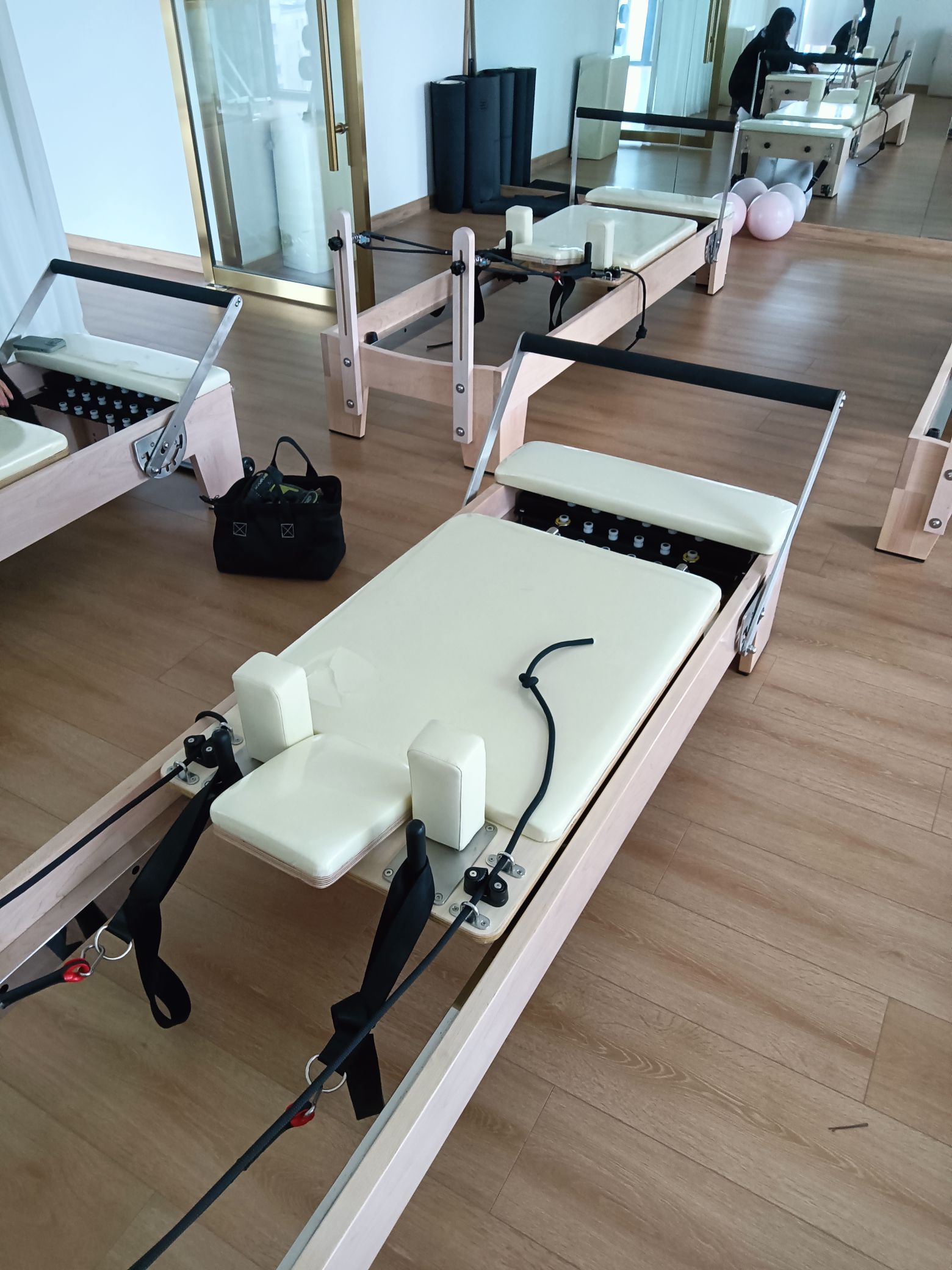
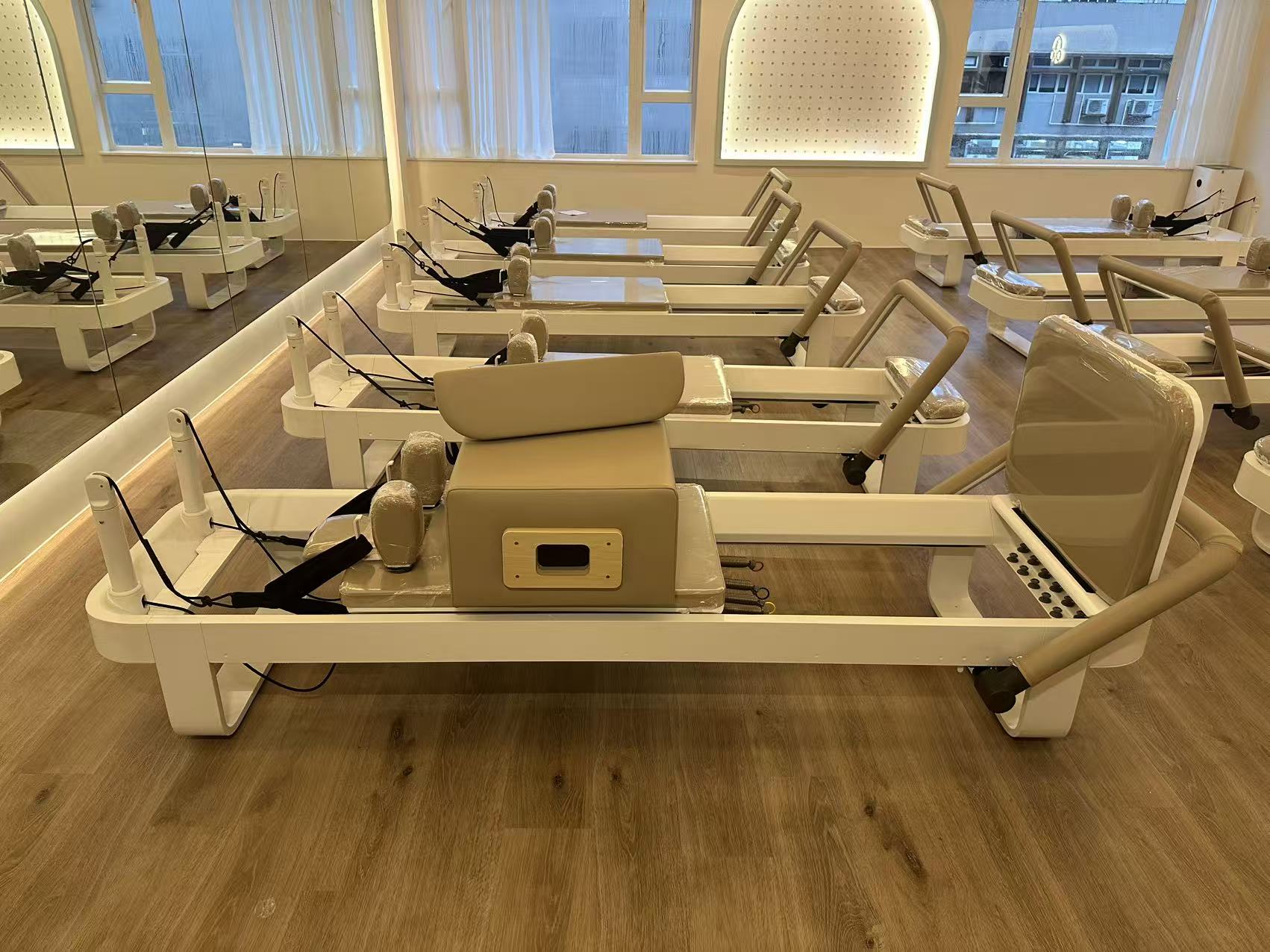
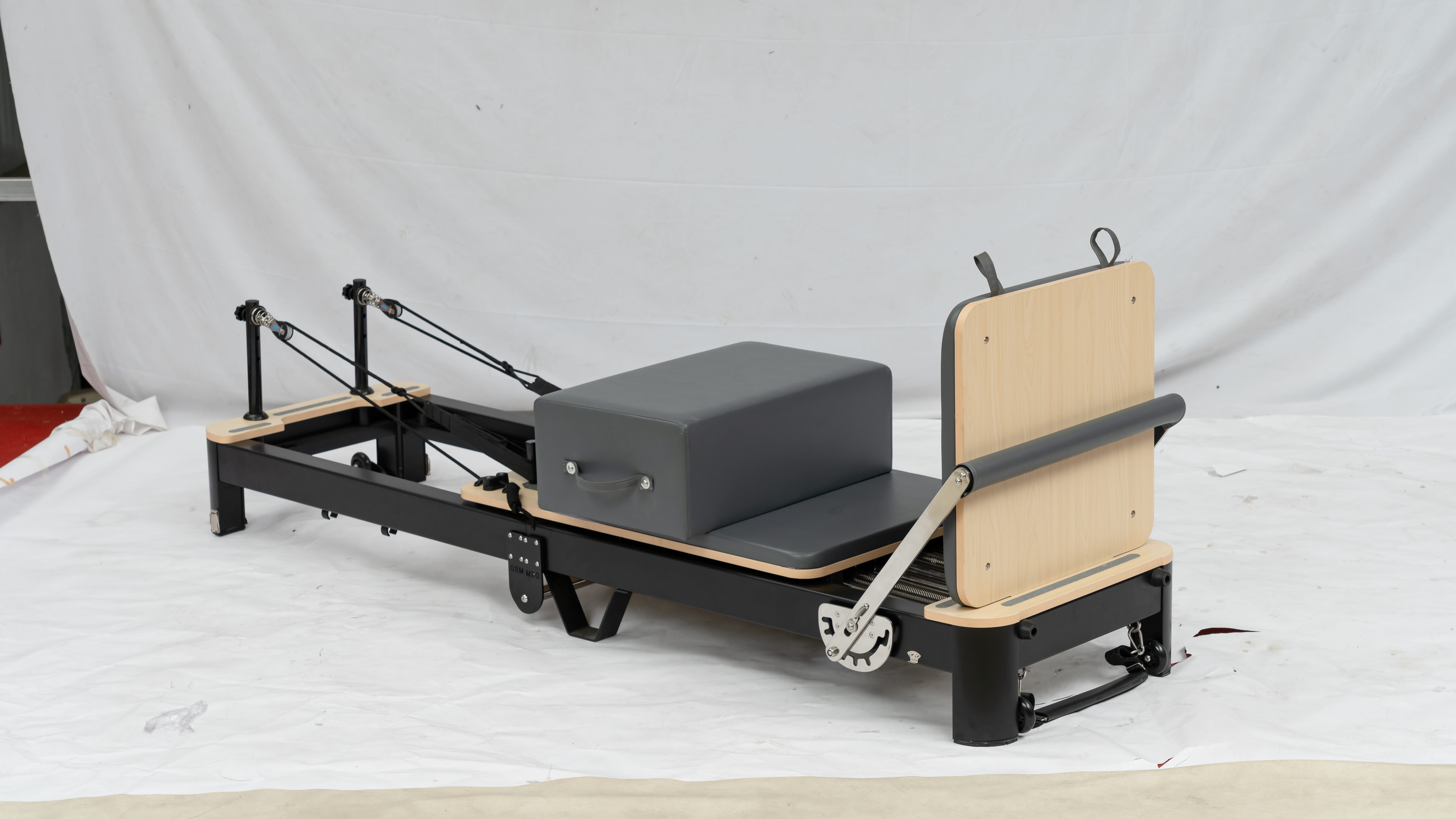
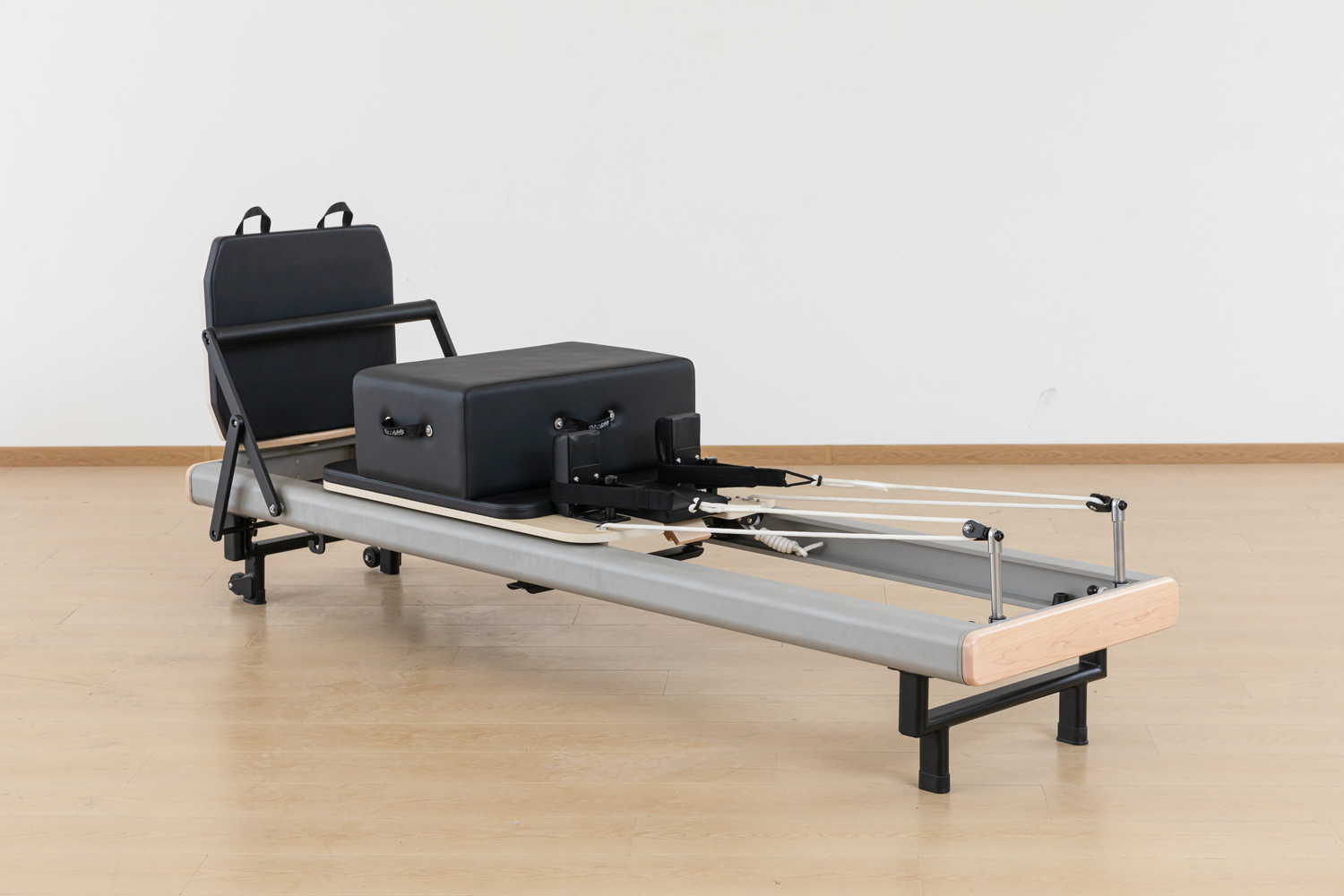
This is the most critical verification step that most buyers ignore. Many suppliers provide CE certificates for basic wooden reformers or household models, while shipping upgraded commercial thickened aluminum rail reformers. Buyers must confirm that the certificate product description, model code, structural parameters, and material configuration fully match the bulk shipment products.
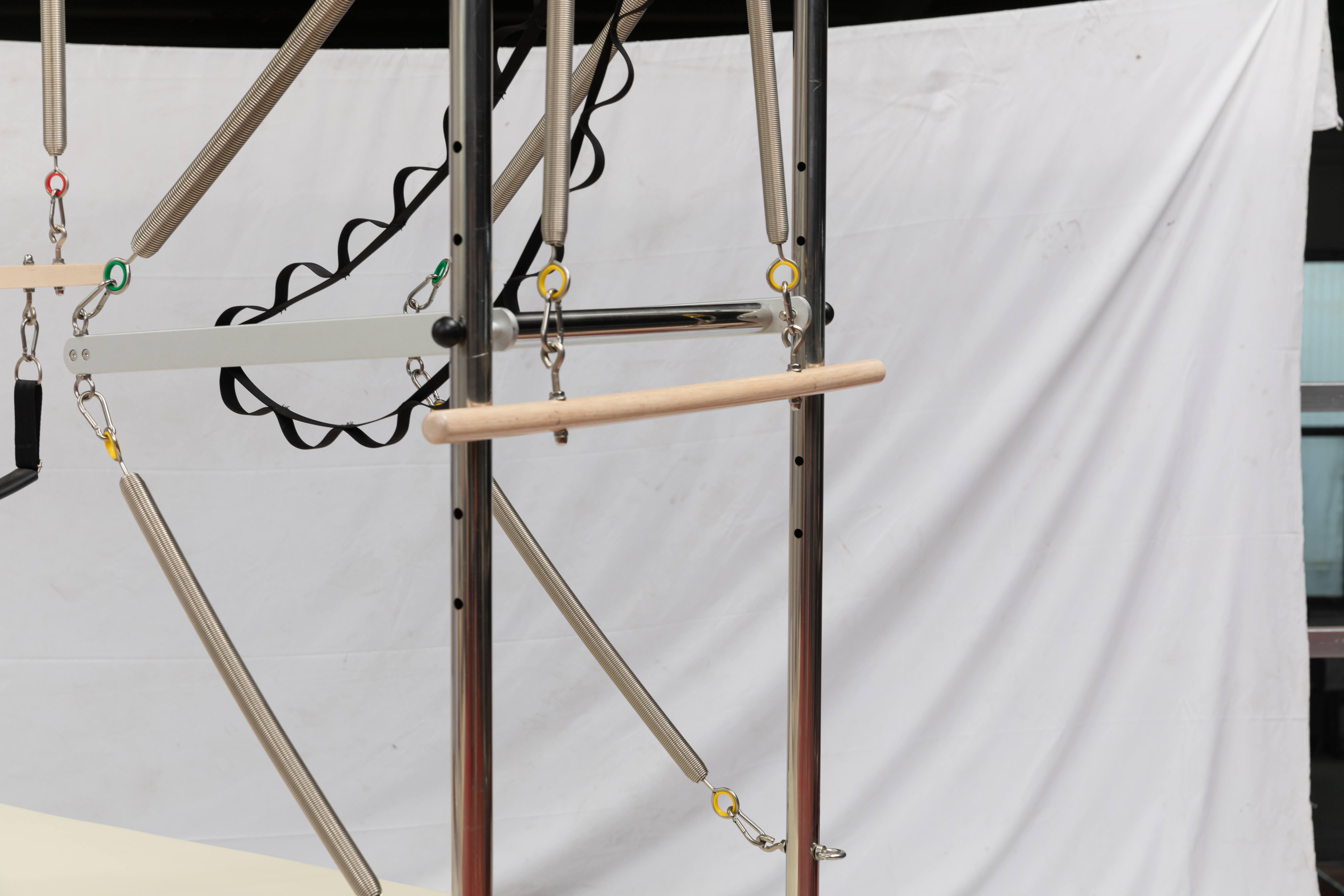
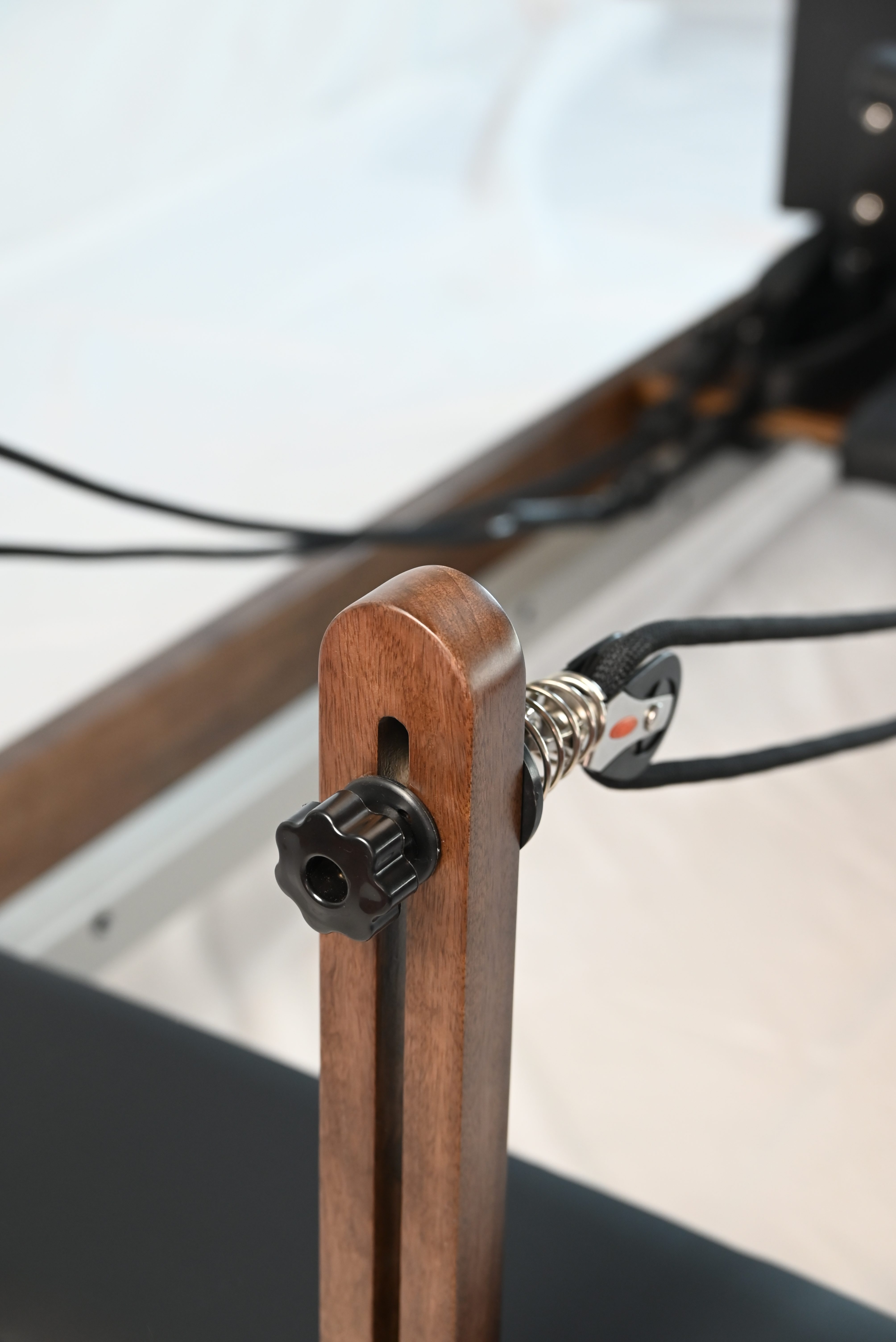
If the certificate covers only standard models but your goods include customized upholstery, upgraded rails, or modified pulley systems, the certification scope is invalid. Custom OEM products require updated testing and supplementary certification rather than using old generic documents.
- Validate Notified Body Information and Serial Number
Genuine CE certificates for fitness machinery display clear notified body information, including official institution name, authorized 4-digit identification number, certificate serial number, and issuing date. Buyers can verify the authenticity of the issuing institution through the official EU notified body database.
Fake certificates often have blank institution numbers, unrecognizable organization names, or expired authorization qualifications. In addition, check the certificate validity period — formal CE fitness certification has a valid term, and expired documents cannot be used for new import declarations.
- Confirm Standard Version and Directive Compliance
EU fitness equipment safety standards are updated periodically. Outdated standard versions cannot adapt to current customs inspection requirements. Buyers need to check whether the certificate is based on the latest EN 957 series standards and valid Machinery Directive versions. Old certificates referencing obsolete standards will be directly rejected by EU customs authorities.
- Check EU Declaration of Conformity (DoC) Authenticity
The EU DoC is a legally binding document for imports, bearing the manufacturer’s full legal responsibility. A valid DoC must include detailed manufacturer name, registered factory address, product batch information, applicable standards, and authorized signature. Blank or unsigned DoC templates are invalid in EU commercial imports.
Verify On-Site Product Marking Consistency
Documents alone cannot guarantee compliance. Importers must cross-verify the physical marking of Pilates reformers. Qualified commercial machines must be permanently printed with clear CE marks, manufacturer information, production batch, and safety warning labels. The marking specifications, font size, and position must comply with EU labeling regulations.
If the certificate is complete but the product has no CE mark, blurred printing, or inconsistent factory information, the entire batch will be judged non-compliant and detained by customs.
Common CE Verification Mistakes for Pilates Equipment Importers
- Accepting self-declaration CE for commercial machinery
Many suppliers mislead buyers by providing self-declaration CE files. Only low-risk soft fitness products allow self-declaration. Commercial Pilates reformers with mechanical moving structures require third-party notified body certification.
- Using one certificate for multiple different models
A single CE certificate only covers specific models and structural configurations. Mixing aluminum reformers, wooden reformers, and tower machines under one certificate scope leads to compliance loopholes.
- Ignoring technical file completeness
Customs may randomly inspect technical files including product risk assessment reports, structural design documents, and test data records. Incomplete technical files will result in clearance suspension even with valid certificates.
Why Strict CE Verification Protects Your EU Business
For Pilates equipment distributors and studio operators, rigorous CE document verification is not a trivial inspection step but a core risk control measure. Valid CE certification ensures smooth customs clearance, avoids huge economic losses caused by cargo detention and return, and guarantees legal sales in all EU member states. Meanwhile, certified commercial equipment reduces product safety accident risks, protects brand reputation, and supports long-term stable local market operation and secondary sales.
Final Conclusion
Verifying CE certification documents for commercial Pilates reformers requires systematic inspection ofapplicable EU standards, certificate scope, notified body authenticity, document integrity, and on-site product marking consistency. Importers should never trust supplier verbal guarantees or generic certificate templates. Adopting standardized pre-shipment CE verification procedures can effectively eliminate EU import compliance risks, ensure 100% smooth customs clearance, and lay a solid foundation for sustainable Pilates equipment distribution business in the European market.