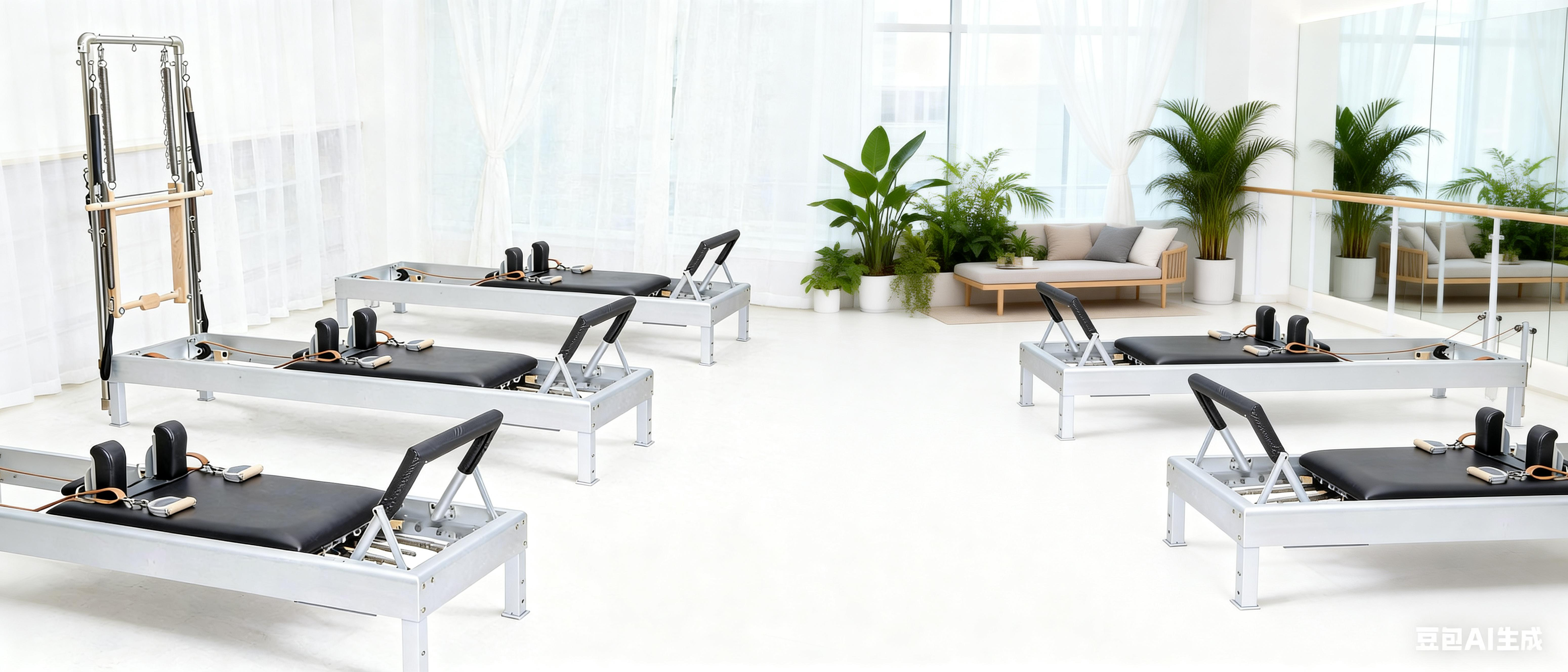
Silent Spring System Selection Guide for High-Usage Group Pilates Studio Reformers
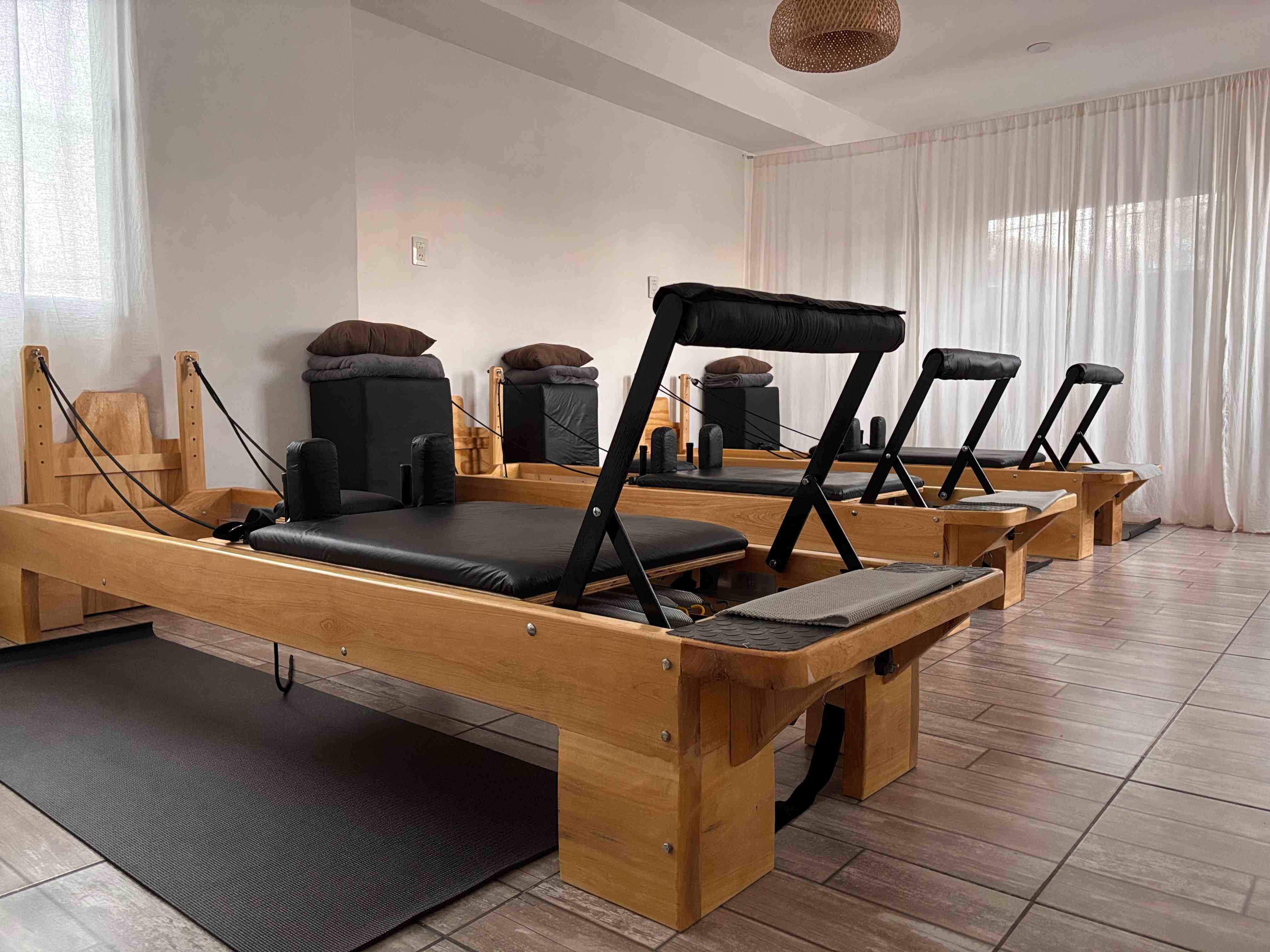
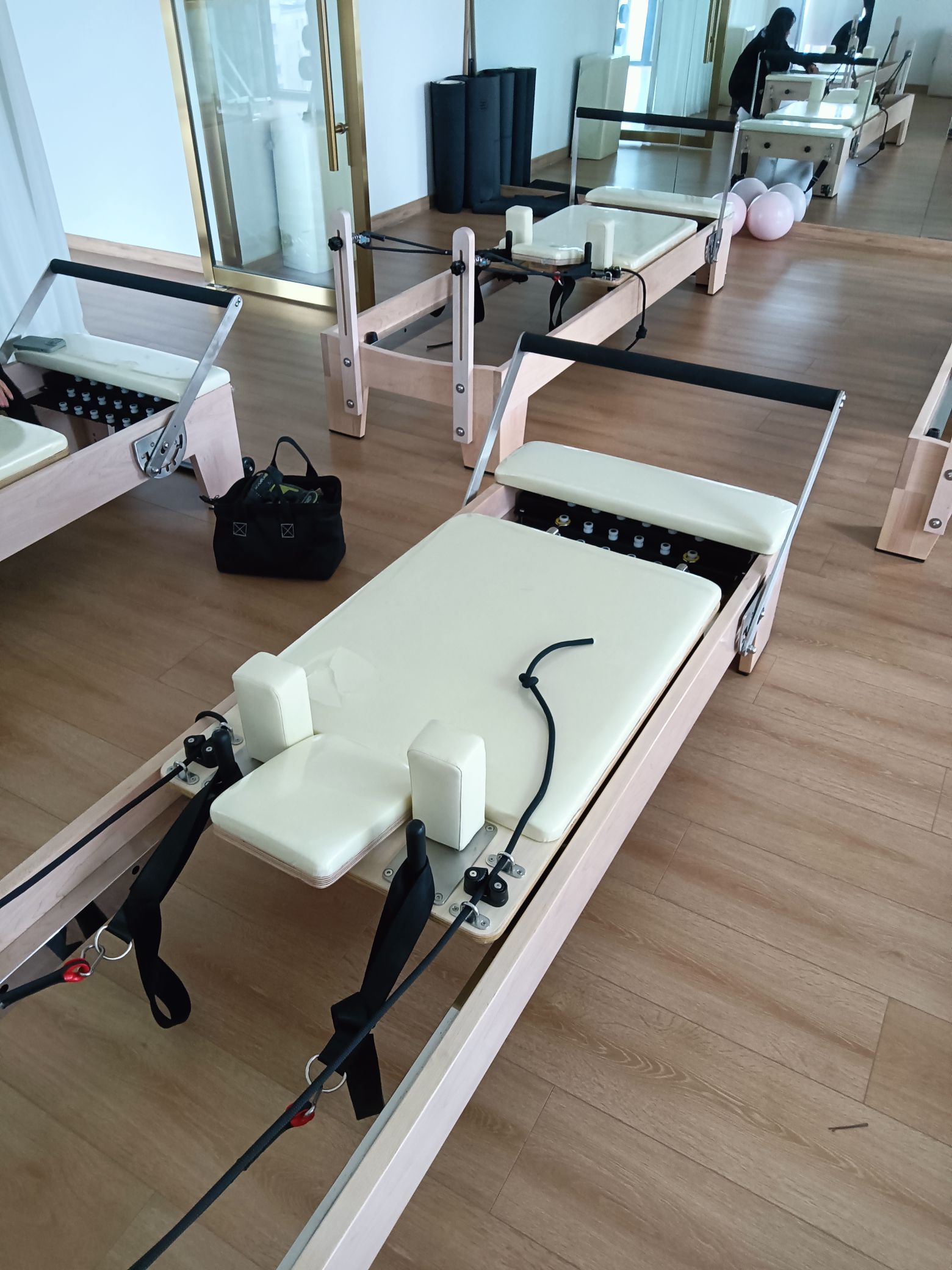
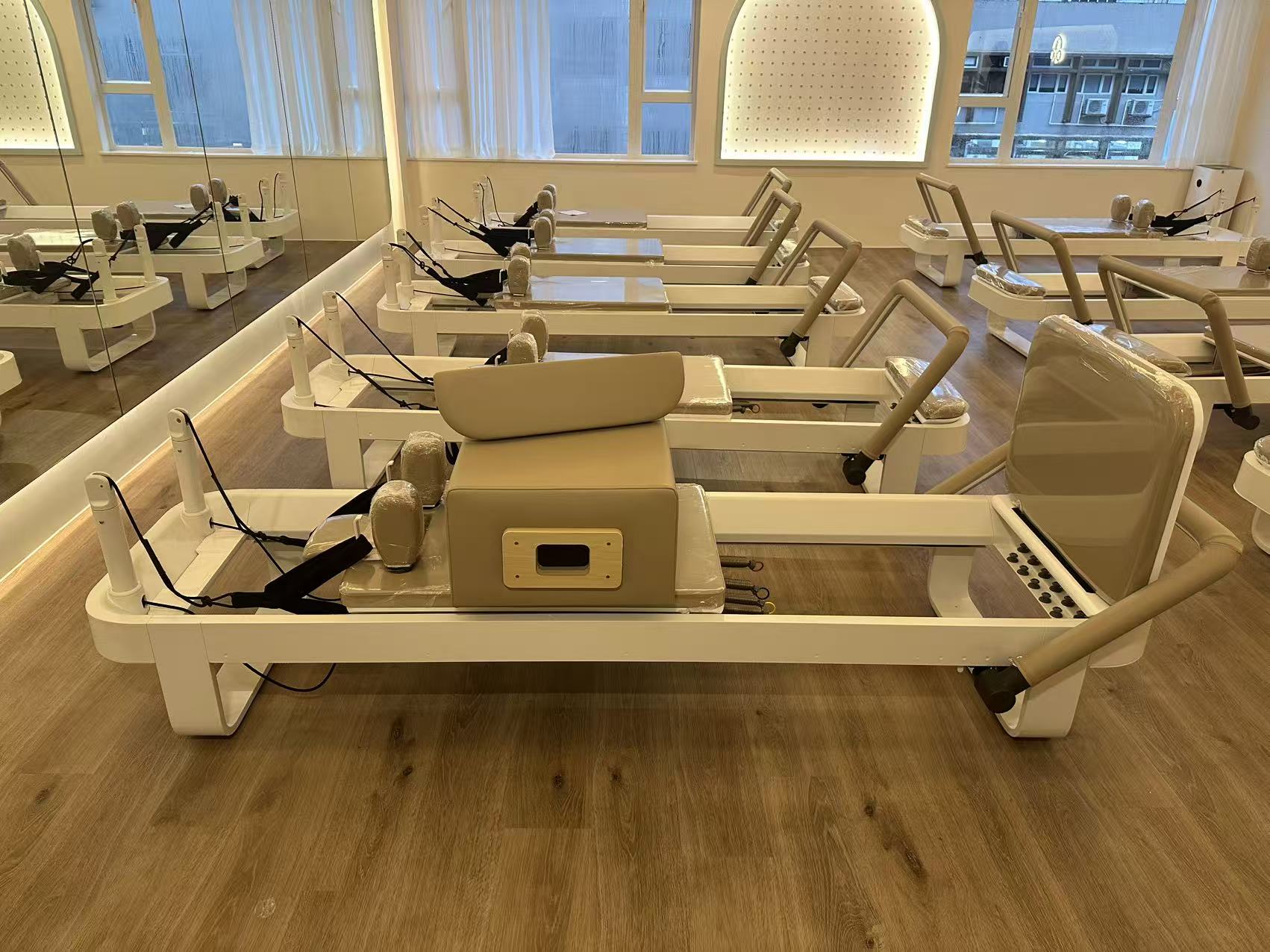
For commercial Pilates studios running back-to-back group classes, equipment noise is one of the most overlooked factors that impact client experience and studio reputation. Standard generic spring systems often produce squeaking, rattling, metal friction sounds, and bouncing vibrations during high-frequency daily use. Continuous equipment noise disturbs breathing focus, breaks training immersion, and even leads to negative reviews and low renewal rates. A professional silent spring system is essential for high-usage group studios, as it ensures ultra-smooth, noise-free movements during long-hour commercial operation. This complete selection guide explains how studio owners and bulk importers choose qualified silent spring systems for group-class reformers, covering core structure differences, commercial-grade standards, matching rules, and long-term durability evaluation.
Why Group Studios Must Prioritize Silent Spring Systems
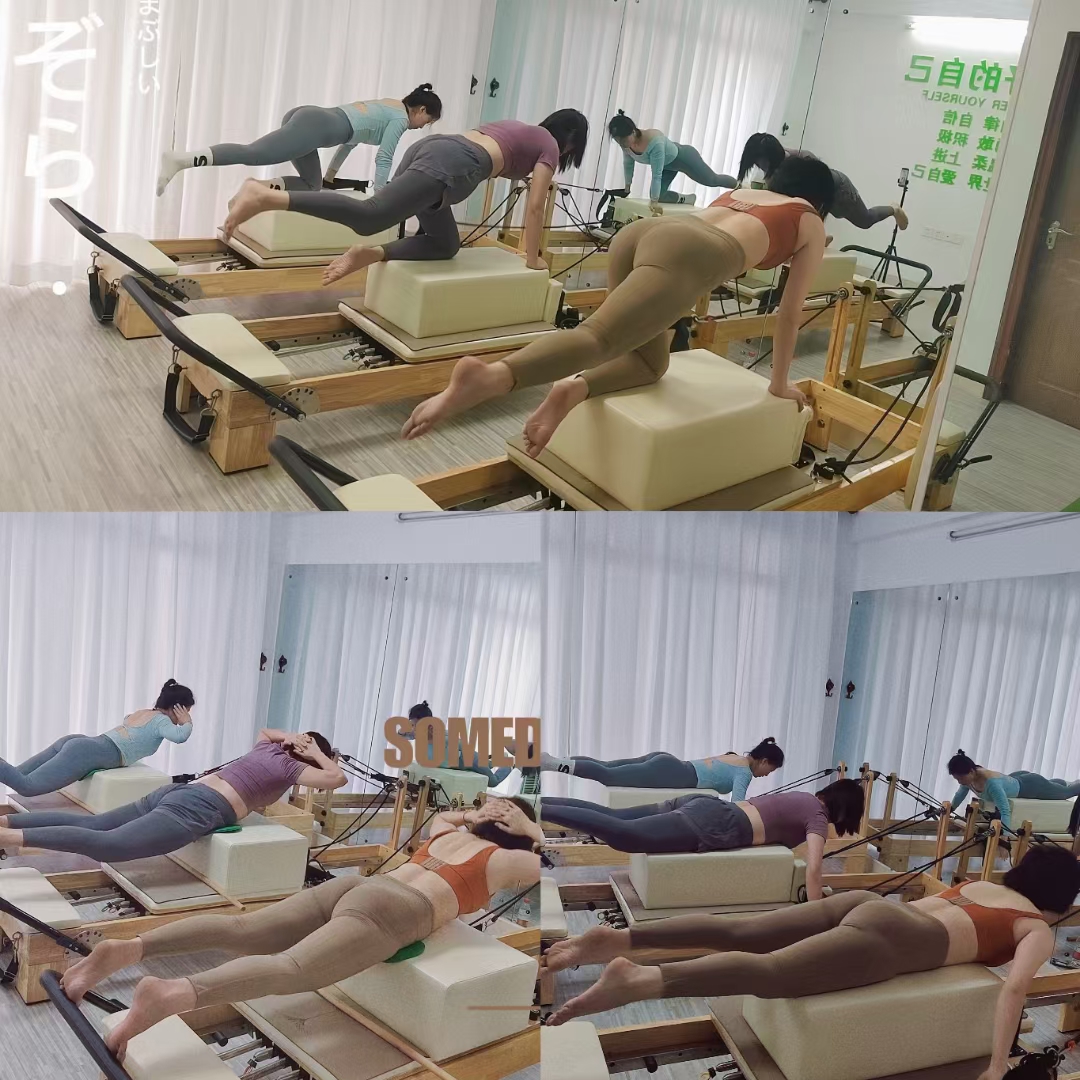
Home-use Pilates reformers have low usage frequency and loose tolerance for minor noise. However, commercial group studios usually operate 8–12 classes daily with non-stop machine stretching, spring contraction, and carriage sliding. Ordinary spring assemblies with simple metal-to-metal structures inevitably generate abnormal noise after one to two months of high-intensity use.
In quiet group Pilates sessions focusing on mindfulness, breathing control, and core stability training, even subtle spring squeaks and pulley friction noise can disrupt the entire classroom atmosphere. In addition, unstable spring structures cause jittery movement trajectories, affecting instructors’ standard teaching effects and reducing client training comfort. Upgrading to a dedicated commercial silent spring system solves noise pollution, stabilizes movement fluency, and improves overall studio professionalism and customer satisfaction.
Core Components of a Commercial Silent Spring System
A true silent spring system is not just a single high-quality spring, but a complete matched silent assembly including springs, anti-friction accessories, buffer structures, and mute connection parts. Many low-cost suppliers claim “silent design” but only use ordinary painted springs, which cannot eliminate metal friction noise in high-frequency use. Standard commercial silent spring systems contain four core mute configurations.
- High-Precision Heat-Treated Music Wire Springs
Commercial silent springs adopt imported music steel wire and secondary high-temperature heat treatment technology. This manufacturing process ensures uniform tension density, smooth surface finish, and stable stretching resilience. Compared with ordinary cold-rolled steel springs with rough surfaces and uneven stress, high-grade music wire springs avoid metal friction squeaks during telescopic movement and effectively prevent fatigue deformation after long-term repeated pulling. For high-usage group studios, this core material determines long-term mute performance and service life.
- Silent Silicone Buffer Loops and Anti-Collision Gaskets
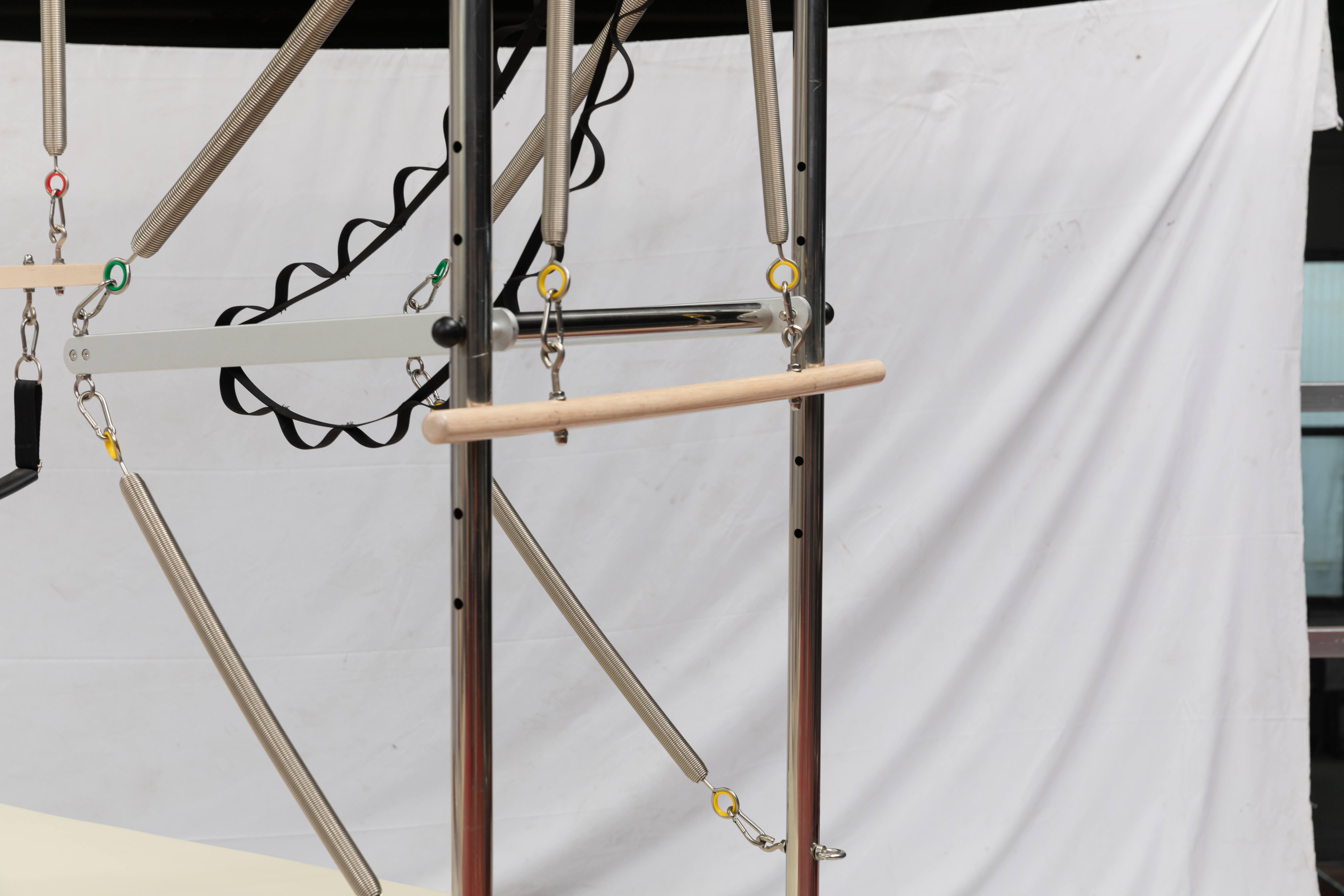
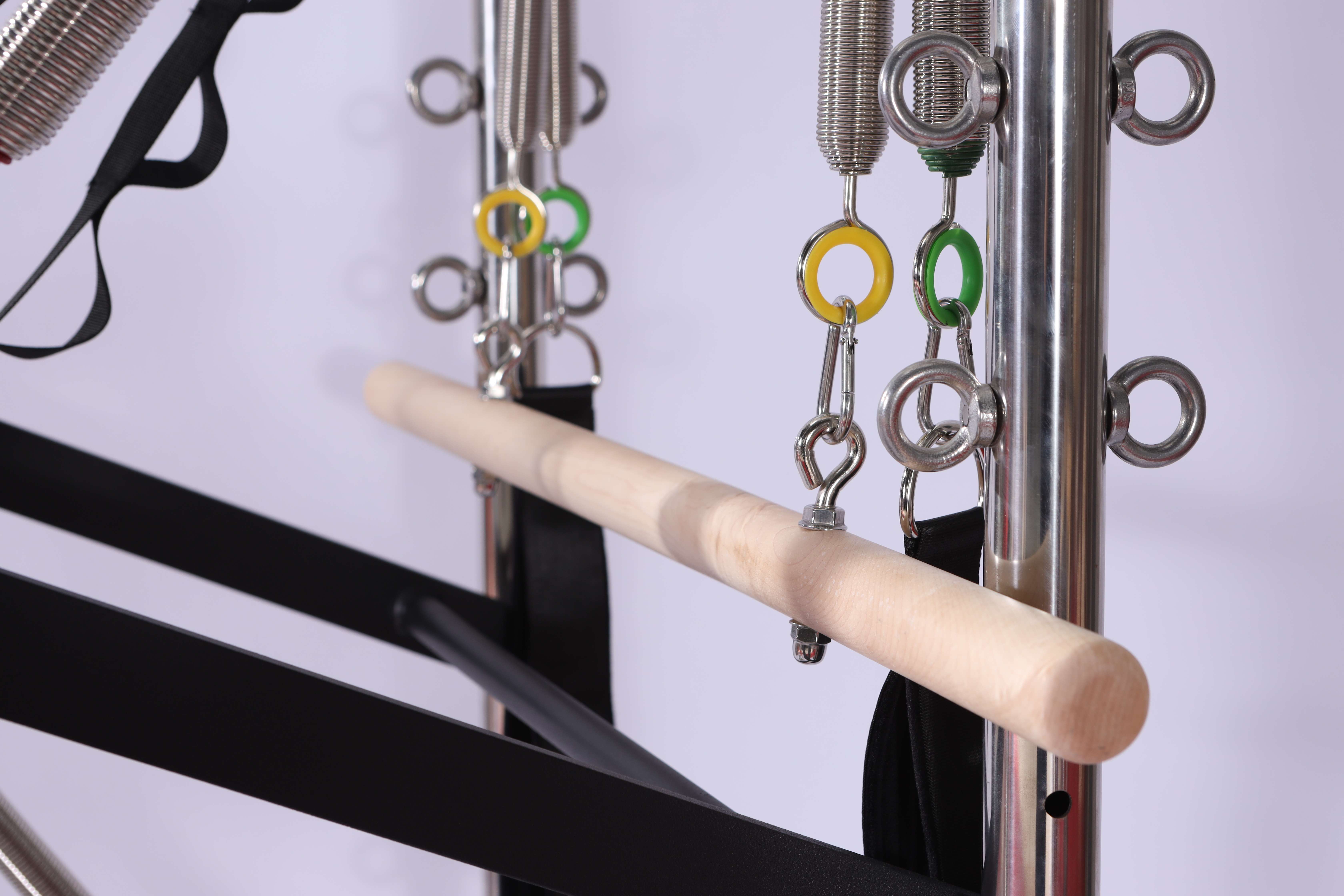
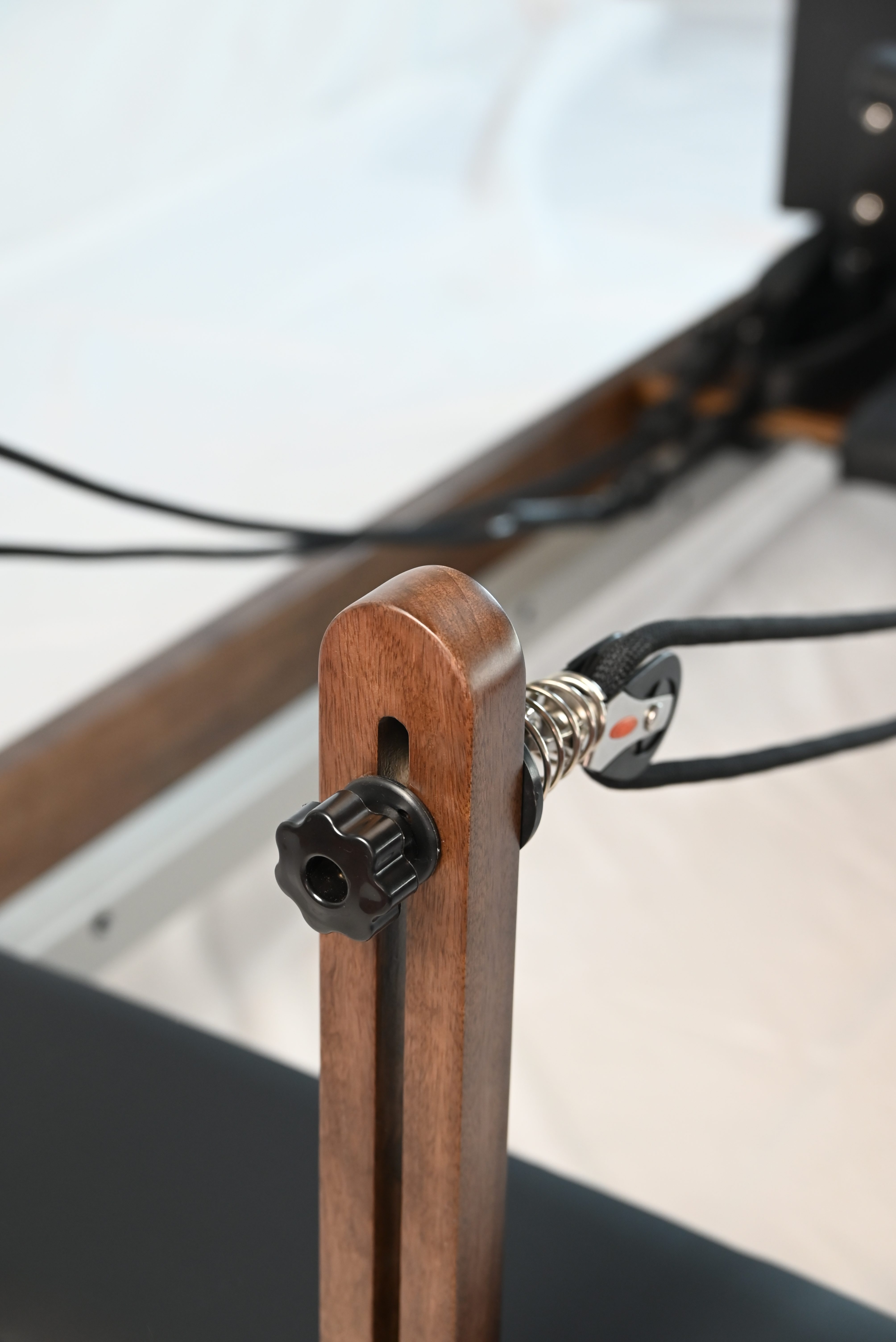
Most reformer noise comes from spring head metal collision and hard contact between hooks and hanging points. Professional silent spring systems are equipped with customized high-elastic silicone buffer loops and wear-resistant gaskets at every connection node. These soft accessories eliminate rigid metal collision sound, reduce vibration transmission during spring resetting, and avoid resonant noise generated by high-frequency stretching. It is the most cost-effective mute configuration for group-class equipment.
- Reinforced Smooth Hook and Polished Hanging Points
Ordinary spring hooks have burrs and unpolished edges, which continuously rub against hanging holes during movement and produce harsh squeaking noise. Commercial silent spring systems adopt fully polished mirror hooks and precision CNC hanging points, ensuring zero friction dead angles. The precise fitting gap makes the spring retraction and extension process smooth and quiet without jamming or scratching noise.
- Vibration-Damping Structural Matching
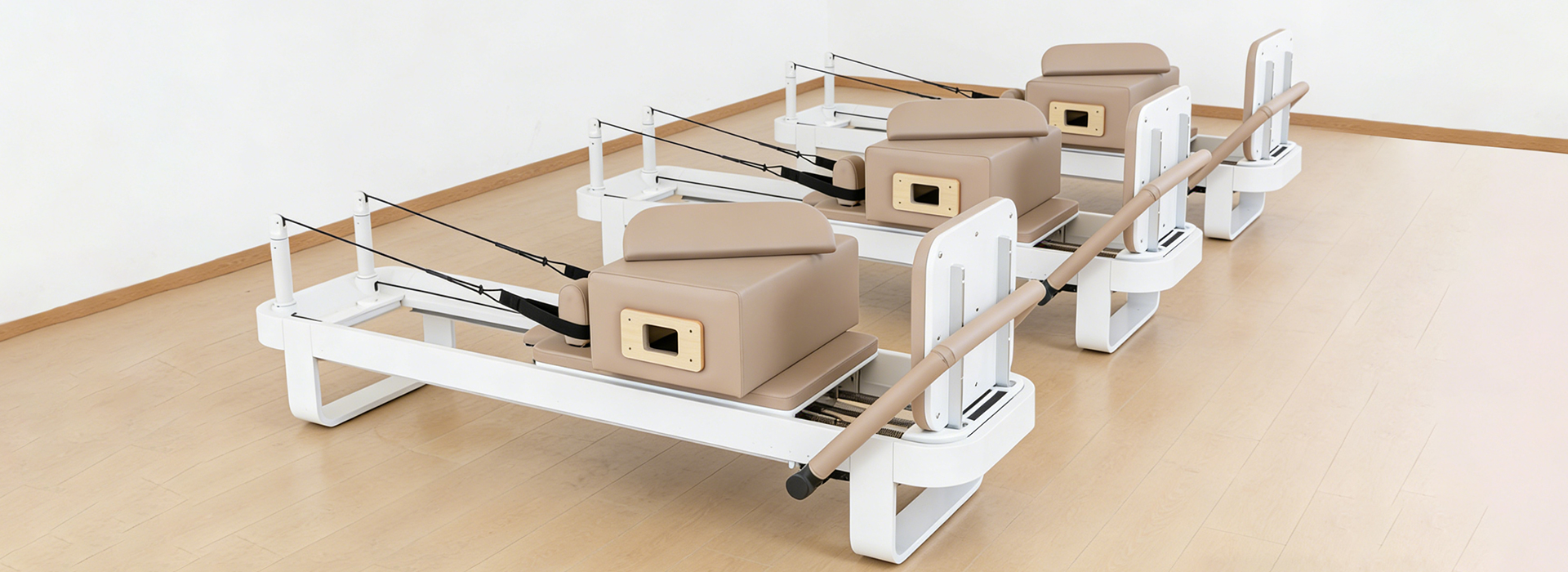
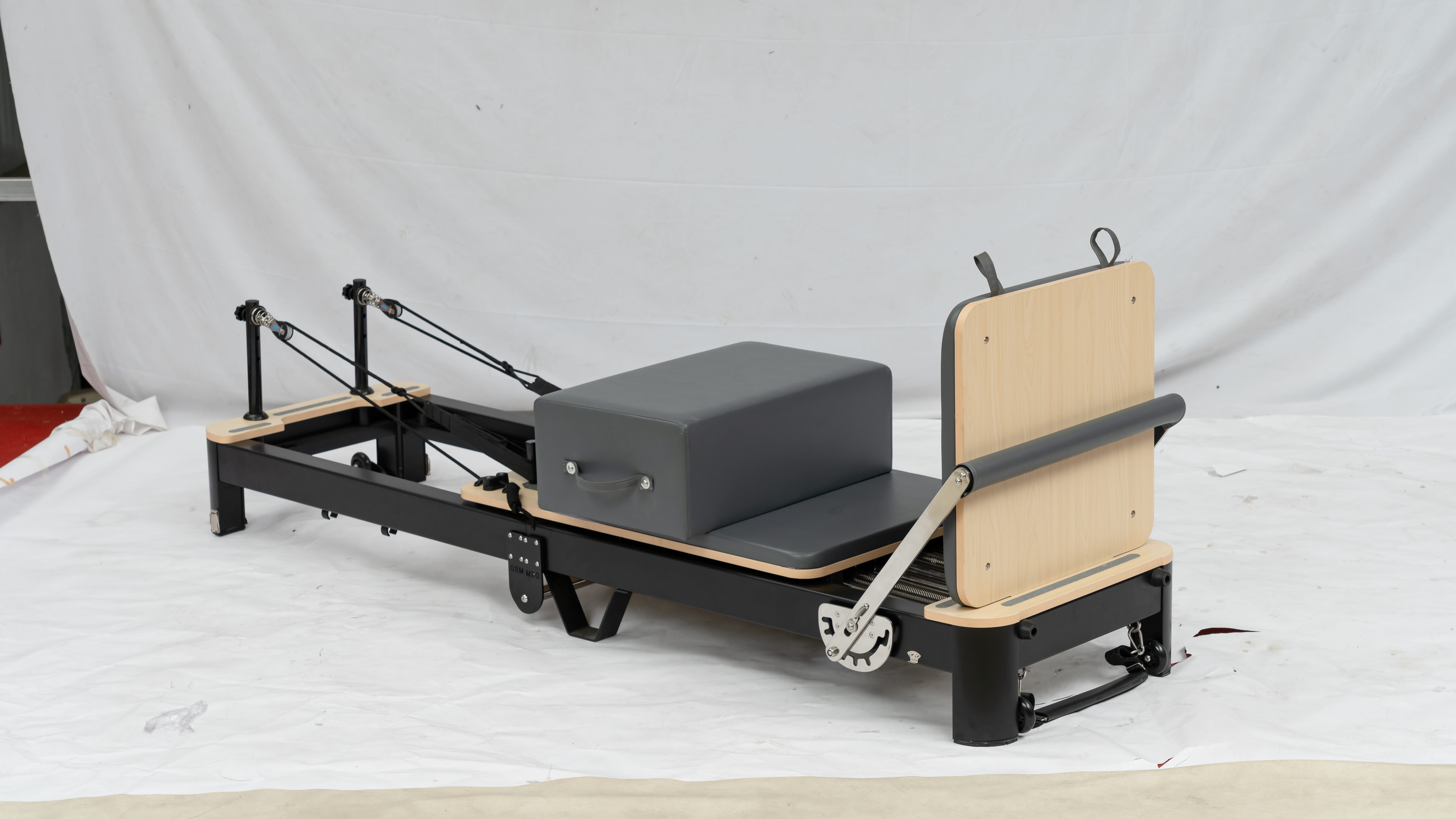
High-quality silent spring sets are strictly matched with commercial thickened aluminum rail frames and mute pulley systems. The overall vibration-damping structure offsets micro-vibrations generated during spring movement, preventing resonant noise between the spring and the machine frame. Independent mute structural design ensures stable mute effect even under continuous high-load operation.
Key Selection Standards for High-Usage Studio Silent Springs
- Consistent Tension Grading System
Group class teaching requires unified movement difficulty and resistance standards. Reliable silent spring systems have clear tension classification: light yellow, medium blue, heavy red, and extra-heavy green grades. Each grade has fixed tension data with error controlled within ±5%. Uniform tension ensures consistent teaching effects in multi-machine group classes, avoiding different resistance feelings that affect students’ movement standardization.
- Long-Lasting Mute and Anti-Fatigue Performance
Qualified commercial silent springs can maintain zero-noise performance after 50,000+ stretching tests, suitable for long-term high-frequency studio use. Inferior mute springs will gradually produce noise and tension attenuation after 1–3 months of group-class use. When selecting, importers and studio owners must confirm factory fatigue test reports to ensure long-term stable mute effect.
- Anti-Rust and Wear-Resistant Surface Treatment
Studio environments have high sweat humidity, which easily causes spring surface oxidation and rust. Rusty springs not only produce friction noise but also affect tension balance and service life. Professional silent spring systems adopt multi-layer electroplating and anti-oxidation coating treatment, with excellent sweat resistance and corrosion resistance, adapting to long-term humid commercial studio environments.
- Full Set Universal Compatibility
Group studio equipment needs unified accessory specifications for convenient later replacement and maintenance. The selected silent spring system should be fully compatible with standard commercial reformer models, with unified hook size, spring length, and installation spacing, realizing universal replacement of all studio equipment accessories.
Common Silent Spring System Mistakes to Avoid
- Confusing Home Silent Springs with Commercial Grade
Many suppliers sell household silent spring sets at low prices, which only adapt to low-frequency personal use. After being put into high-intensity group class operation, they quickly deform, generate noise, and lose tension stability. Group studios must insist on selecting commercial-grade high-usage silent spring systems.
- Only Focusing on Noise Reduction While Ignoring Tension Stability
Some overly soft mute springs reduce noise by sacrificing tension support, resulting in floating carriage and insufficient core training resistance. Excellent commercial silent systems balance mute performance and stable tension output, ensuring quiet movement without compromising training effects.
- Disordered Mixed-Grade Spring Matching
Irregular spring collocation will cause unbalanced stress and abnormal vibration noise. Group studios need unified standard spring combination schemes for different courses to ensure consistent mute effect and teaching quality of all equipment.
Commercial Silent Spring System Maintenance Tips for Long-Term Mute Effect
Even high-grade silent spring systems require regular maintenance to maintain permanent mute performance. For high-usage group studios, it is recommended to check silicone buffer loops and hook wear every month, clean spring surface dust and sweat stains regularly, and replace aging accessories in time. Conduct tension calibration every six months to ensure all equipment maintains consistent mute and stable working condition.
Compared with replacing noisy equipment in the later stage, regular maintenance greatly reduces studio operating costs and avoids customer experience degradation caused by equipment noise.
Conclusion
A professional silent spring system is the core standard for distinguishing ordinary household reformers from high-end commercial group studio equipment. When selecting reformers for high-frequency group classes, studio owners and bulk importers should focus on heat-treated music wire material, full set of mute buffer structures, commercial anti-fatigue performance, and standardized tension grading. Choosing qualified silent spring systems can effectively eliminate classroom noise pollution, stabilize teaching quality, improve client satisfaction, and create a quiet, professional, and high-end brand atmosphere for Pilates studios.