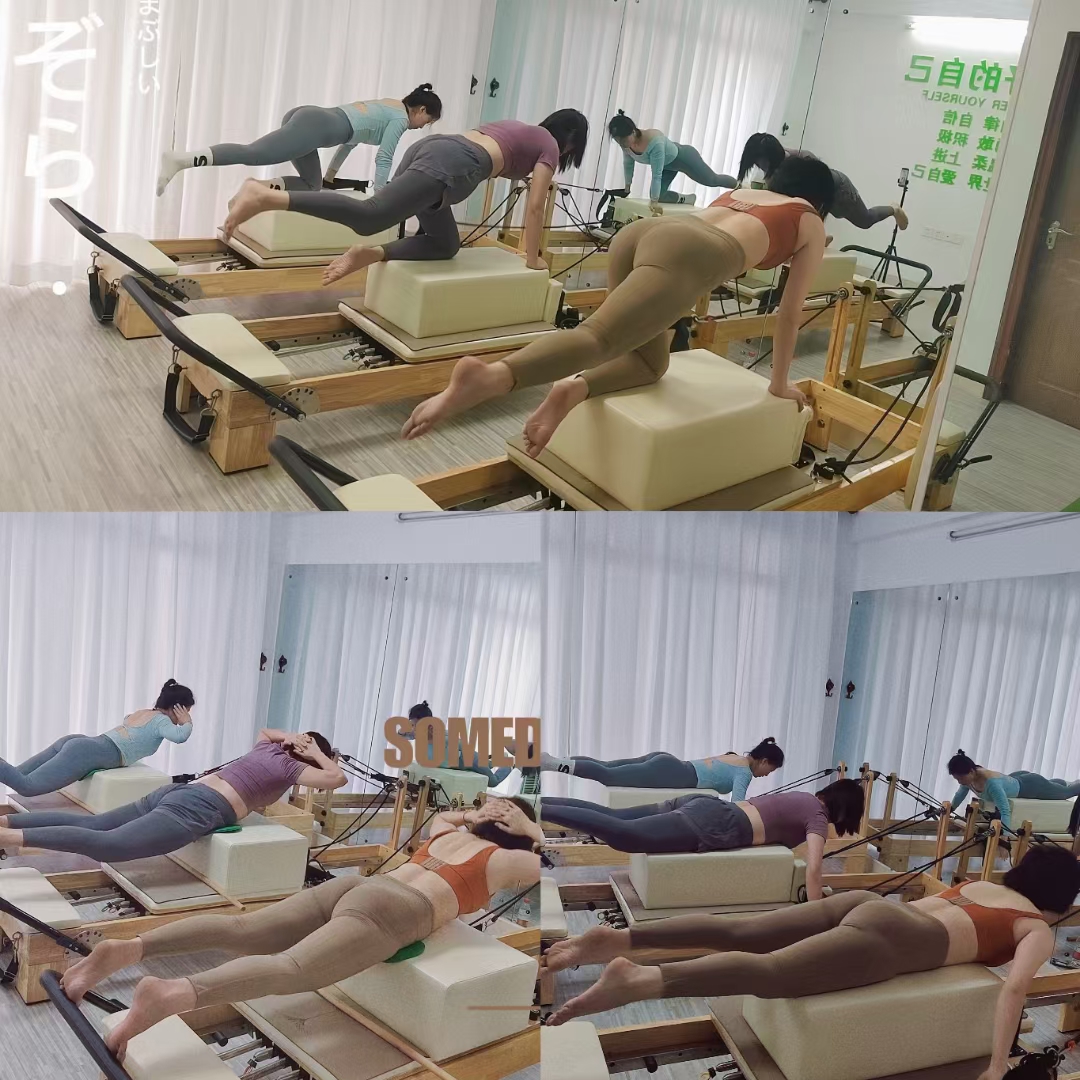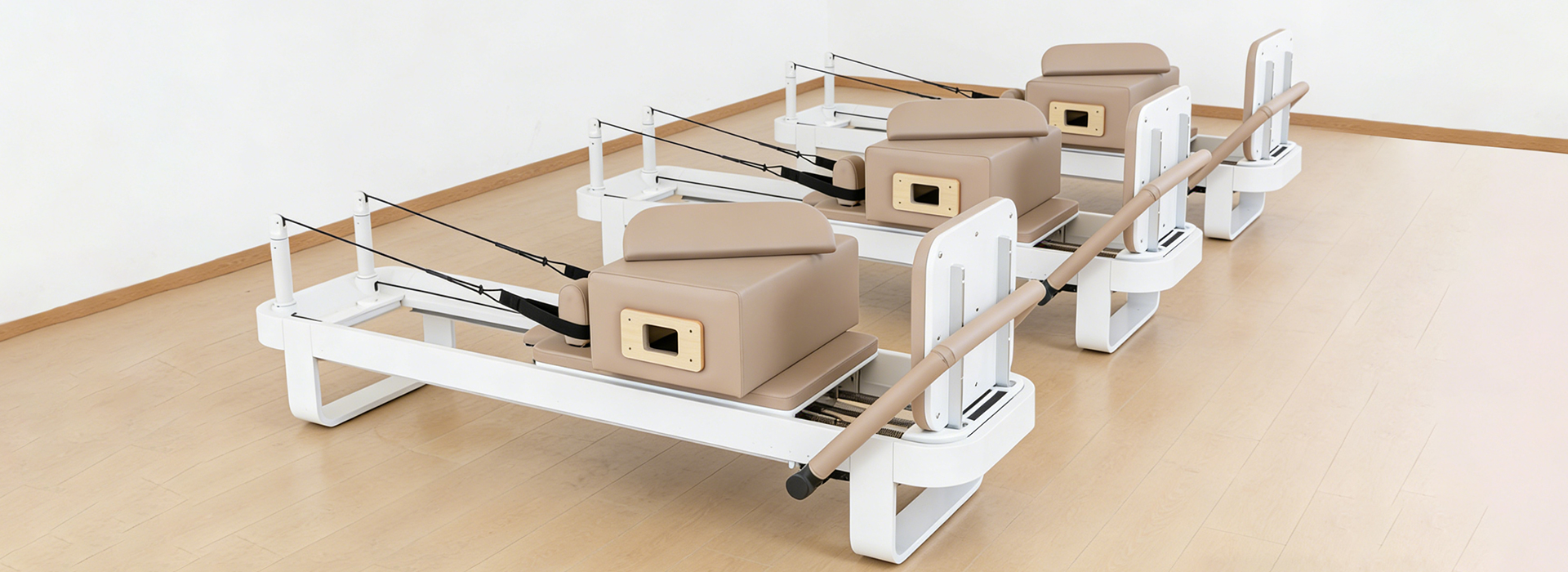
Commercial‑Grade Pilates Equipment for Modern Fitness Studios
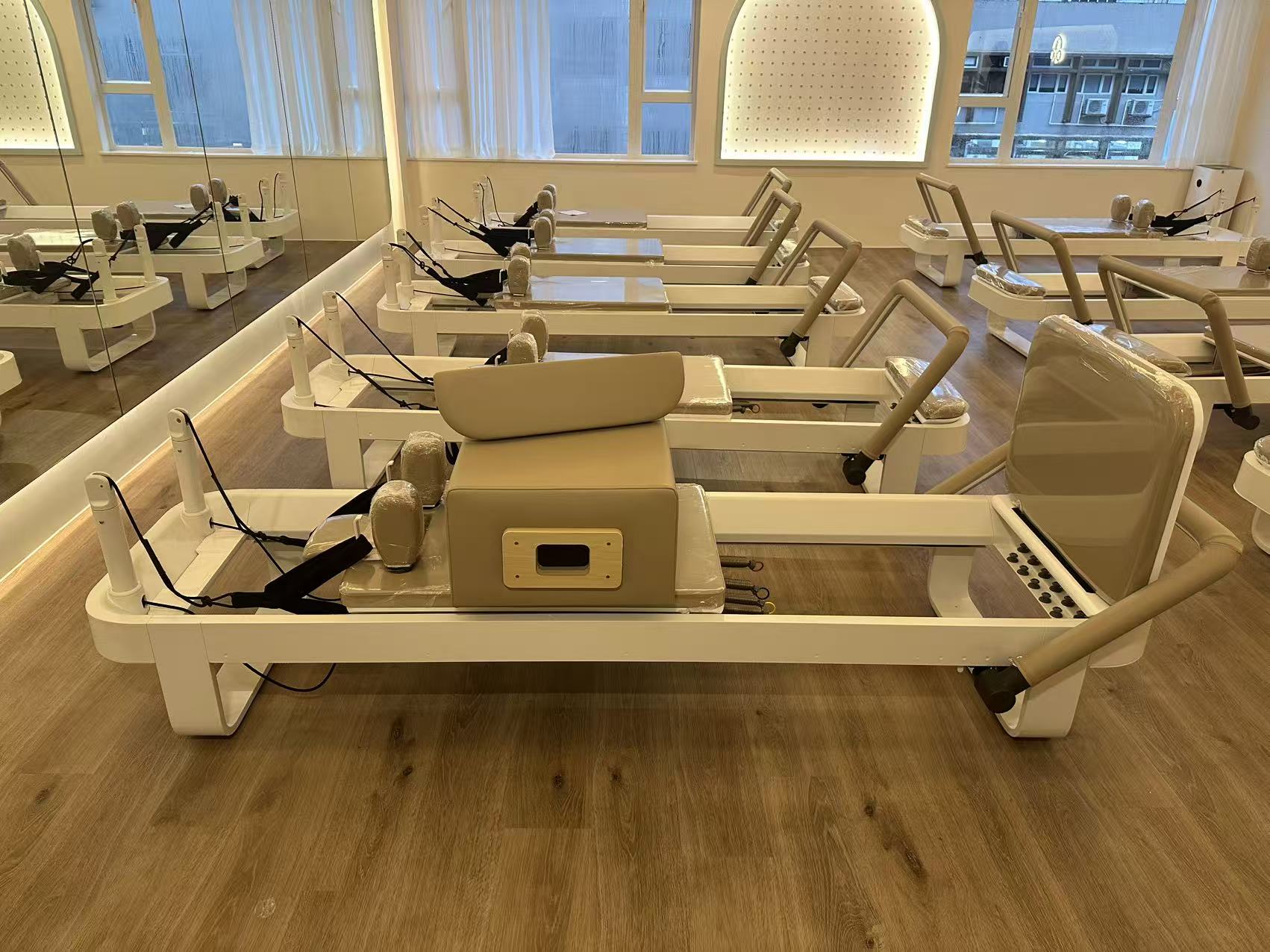
Modern fitness studios are undergoing a profound transformation — from "equipment stacking" to "experience design," from "single-course offerings" to "multi-dimensional ecosystems." In this transformation, commercial-grade Pilates equipment plays a central role: it's not just a tool for class delivery, but the physical carrier of a studio's brand positioning, client experience, and operational efficiency.
This article examines the selection logic, configuration strategies, and long-term value of commercial-grade Pilates equipment, starting from the changing needs of modern studios.
I. How Modern Studio Needs Are Changing
Course diversification. Traditional gyms focused on strength training and cardio machines. Modern studios emphasize "functional training" and "mind-body integration." Pilates — with its low-impact, high-efficiency, core-focused characteristics — has become a core category in modern studio programming.
Client experience first. Modern clients aren't satisfied with "equipment available" — they want "equipment that feels great, a comfortable environment, and professional guidance." Glide smoothness, quietness, adjustment convenience, and visual quality directly impact first impressions and renewal decisions.
Maximizing space efficiency. Urban commercial rents continue to rise, and studios must achieve higher revenue per square foot within limited areas. This requires equipment that is not only functionally comprehensive but also flexible in dimensions, layout, and storage.
Operational sustainability. Equipment downtime means lost revenue. Commercial-grade durability and after-sales response speed directly affect a studio's operational continuity and long-term profitability.
II. Four Core Standards of Commercial-Grade Equipment
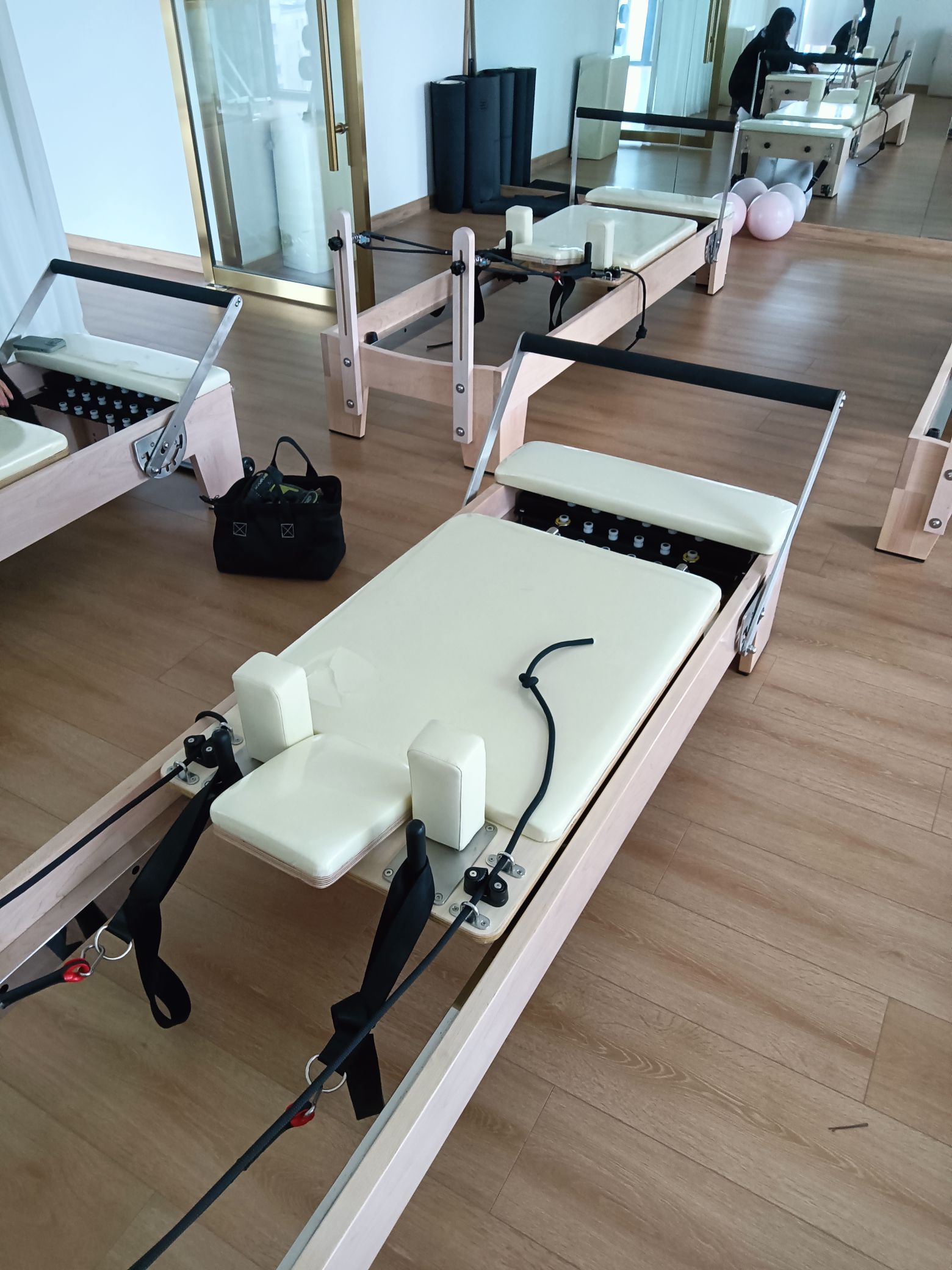
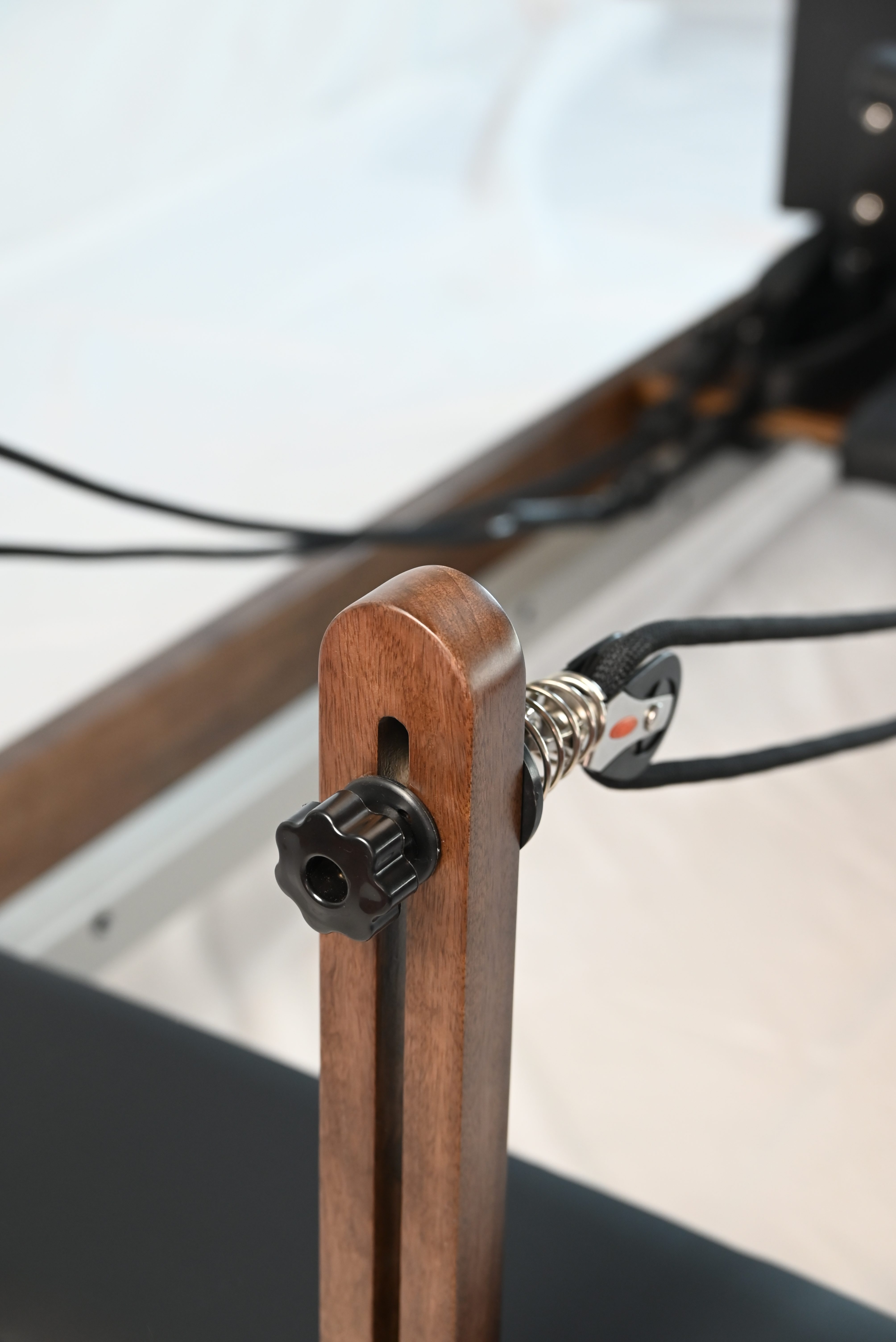
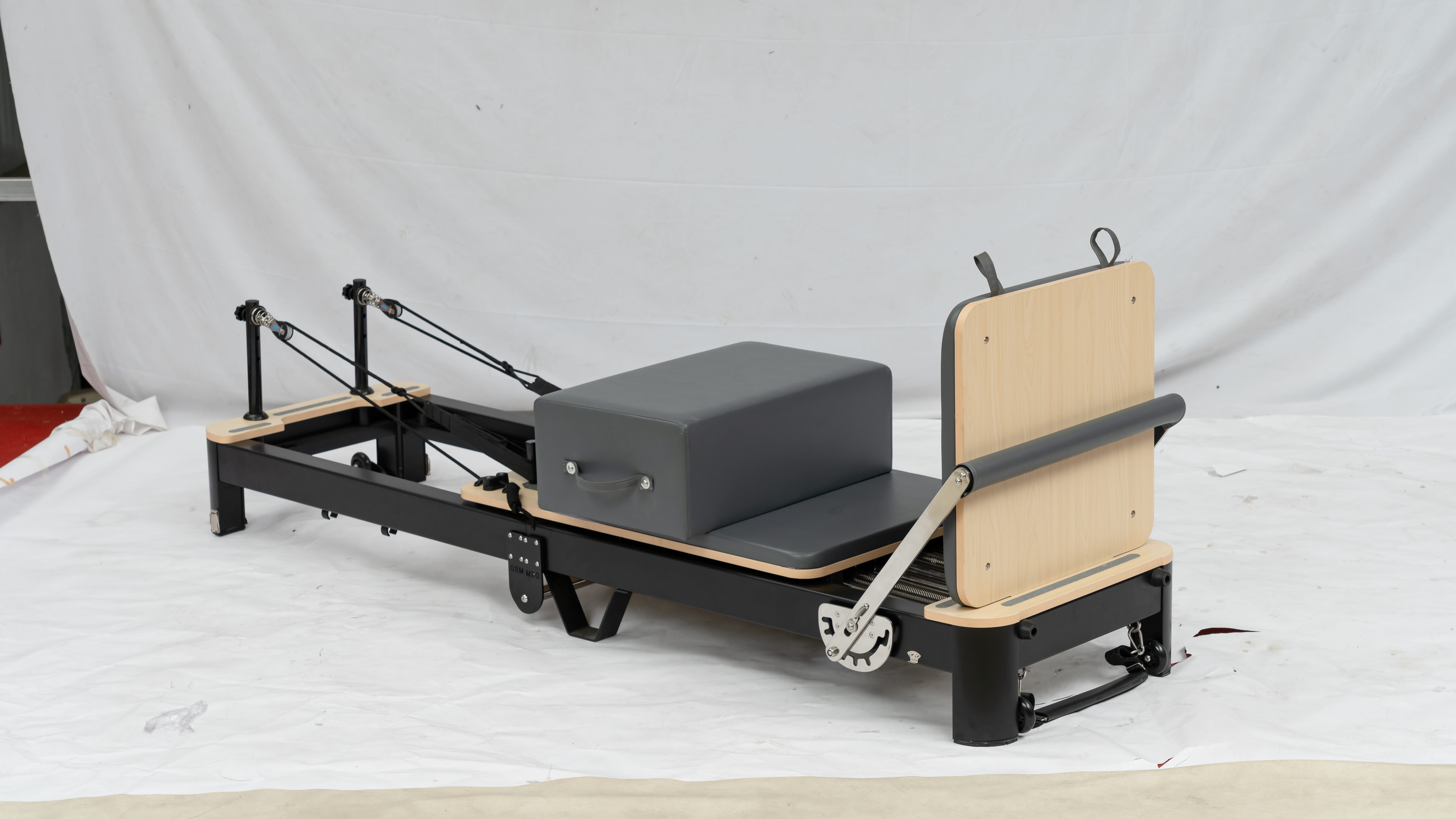
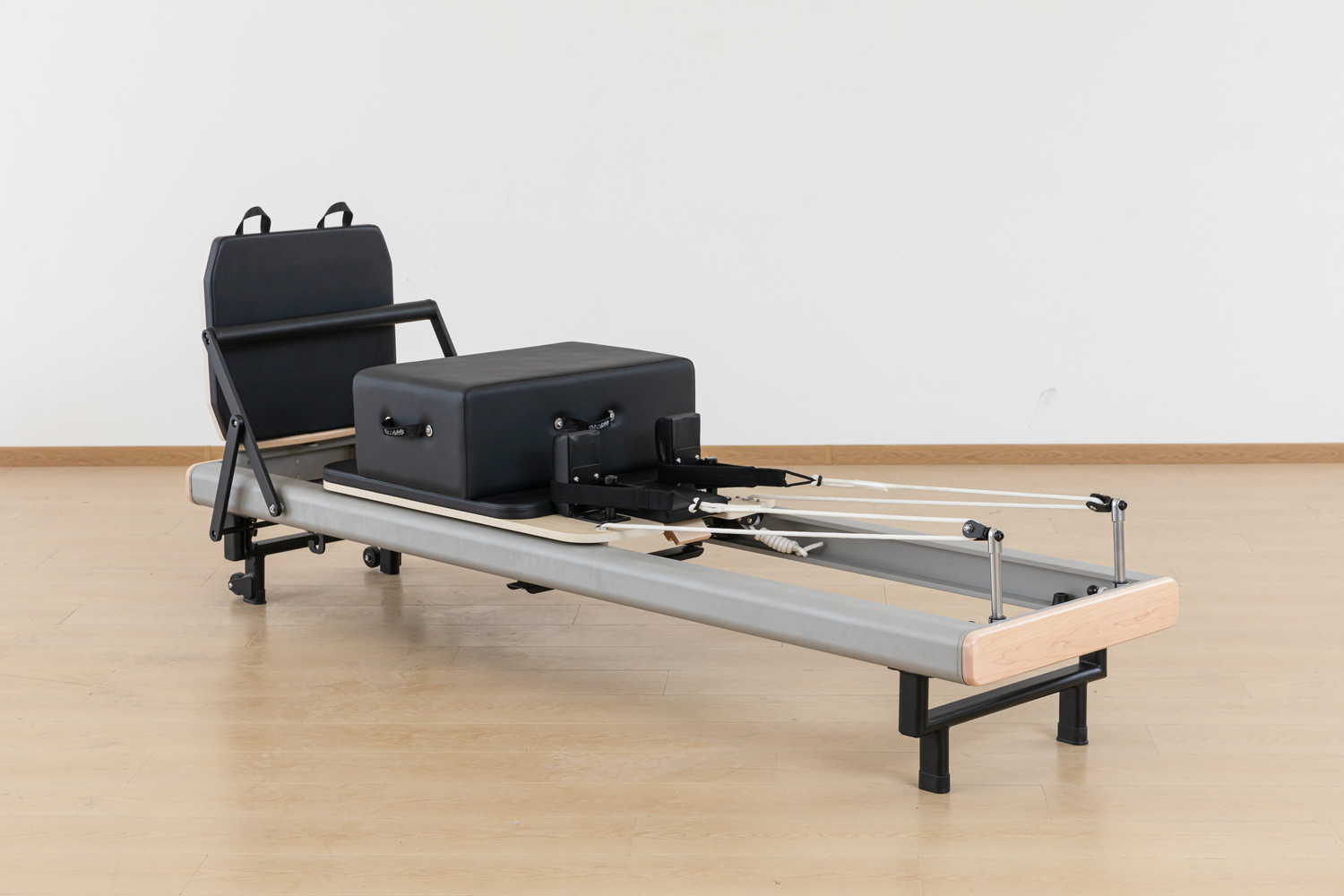
Structural strength and load capacity. Commercial-grade Reformer frames use thickened steel or aviation-grade aluminum with load capacities typically exceeding 150 kg, capable of withstanding 8-12 hours of daily use. Frames remain stable under lateral force without elastic deformation.
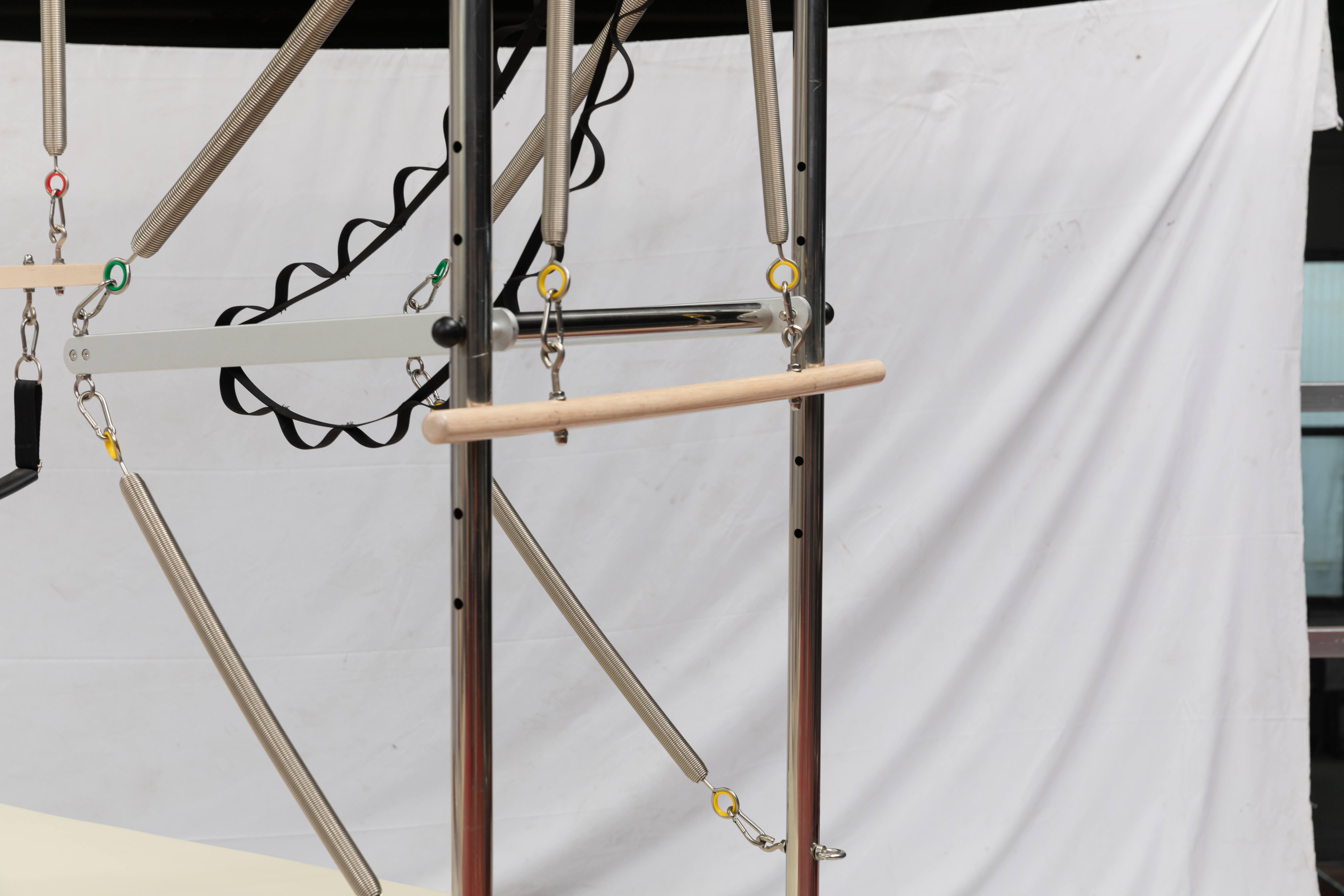
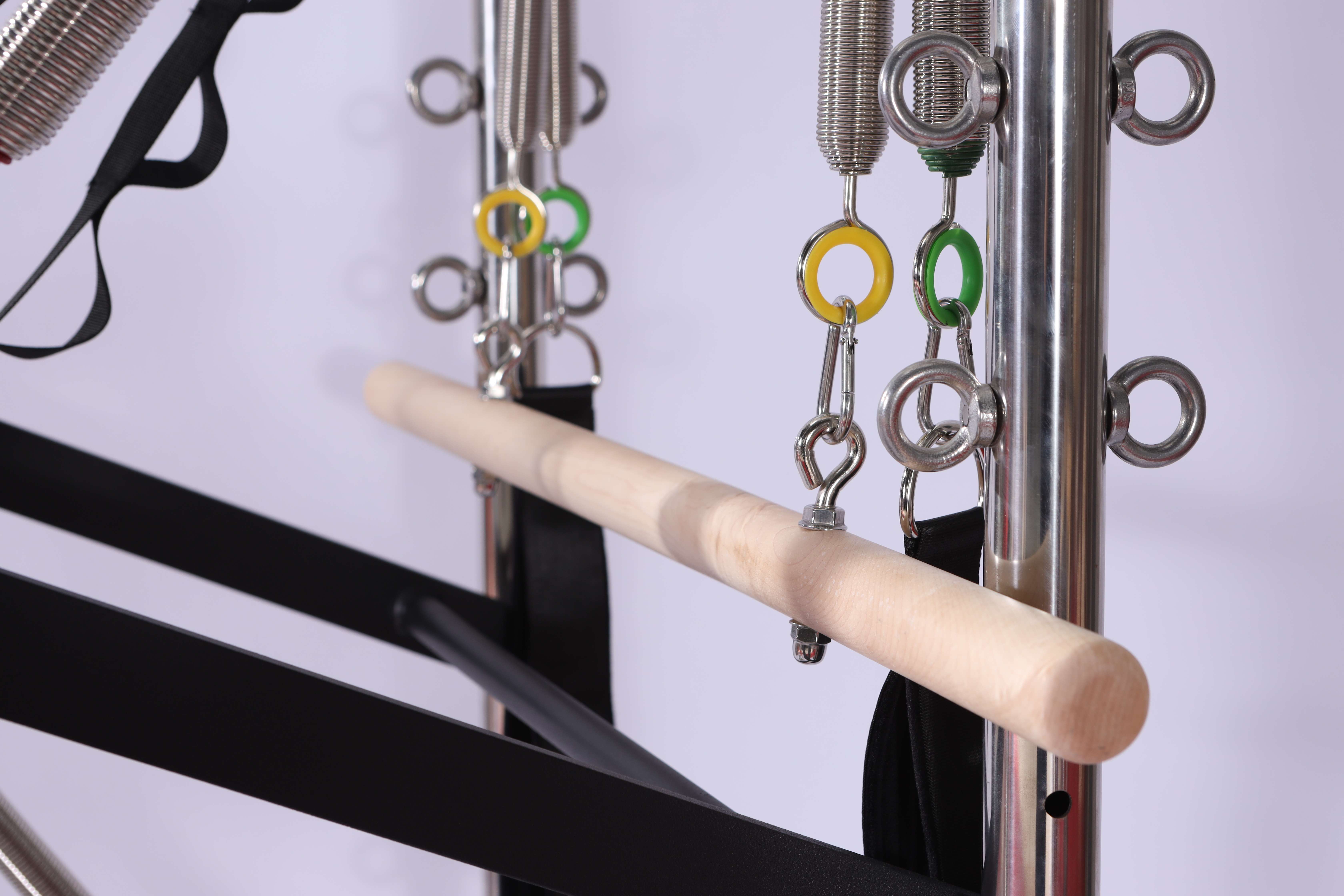
Spring system durability. Commercial-grade springs are rated for 50,000+ cycles, with excellent force consistency and minimal variation between positions. Premium models use imported piano wire springs with rigorous heat treatment, force tolerances within ±5%.
Carriage smoothness and quietness. Commercial equipment typically features 8-wheel carriage systems with precision bearings and self-lubricating rails, ensuring quiet, smooth operation under full load. Glide noise below 50 dB — comparable to a quiet library.
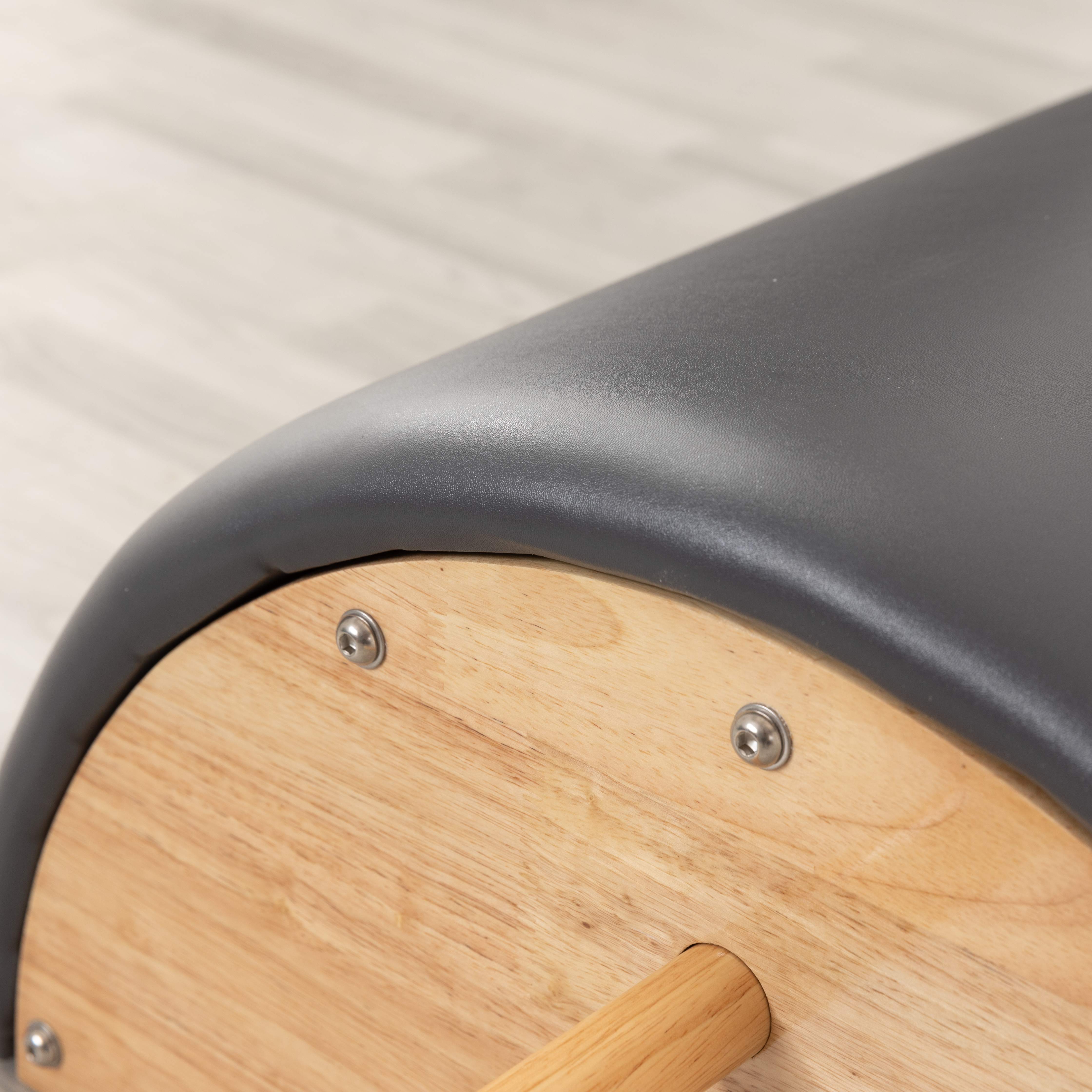
Upholstery durability and hygiene. Commercial-grade leather or vinyl is antimicrobial, sweat-resistant, and easy to clean, withstanding multiple daily wipe-downs. Foam density is no less than 45kg/m³, maintaining good rebound after years of use.
III. Equipment Configuration Strategies for Modern Studios
Boutique Private Studio (80-100㎡)
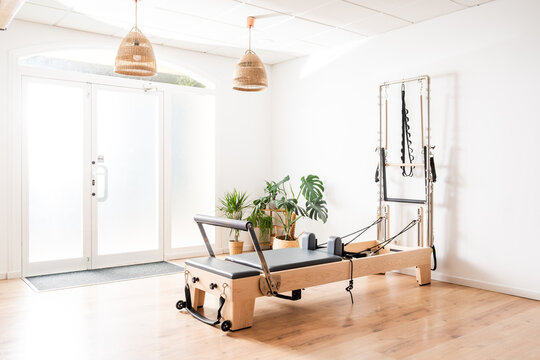
Core configuration: 3-4 Reformers + 1 Wunda Chair + 2 Spine Correctors + full prop set.
Logic: Focused on private sessions and 2-4 person small groups; equipment quality takes priority over quantity. Choose commercial-grade Reformers for stable performance in high-frequency private sessions.
Mid-Size Comprehensive Studio (150-200㎡)
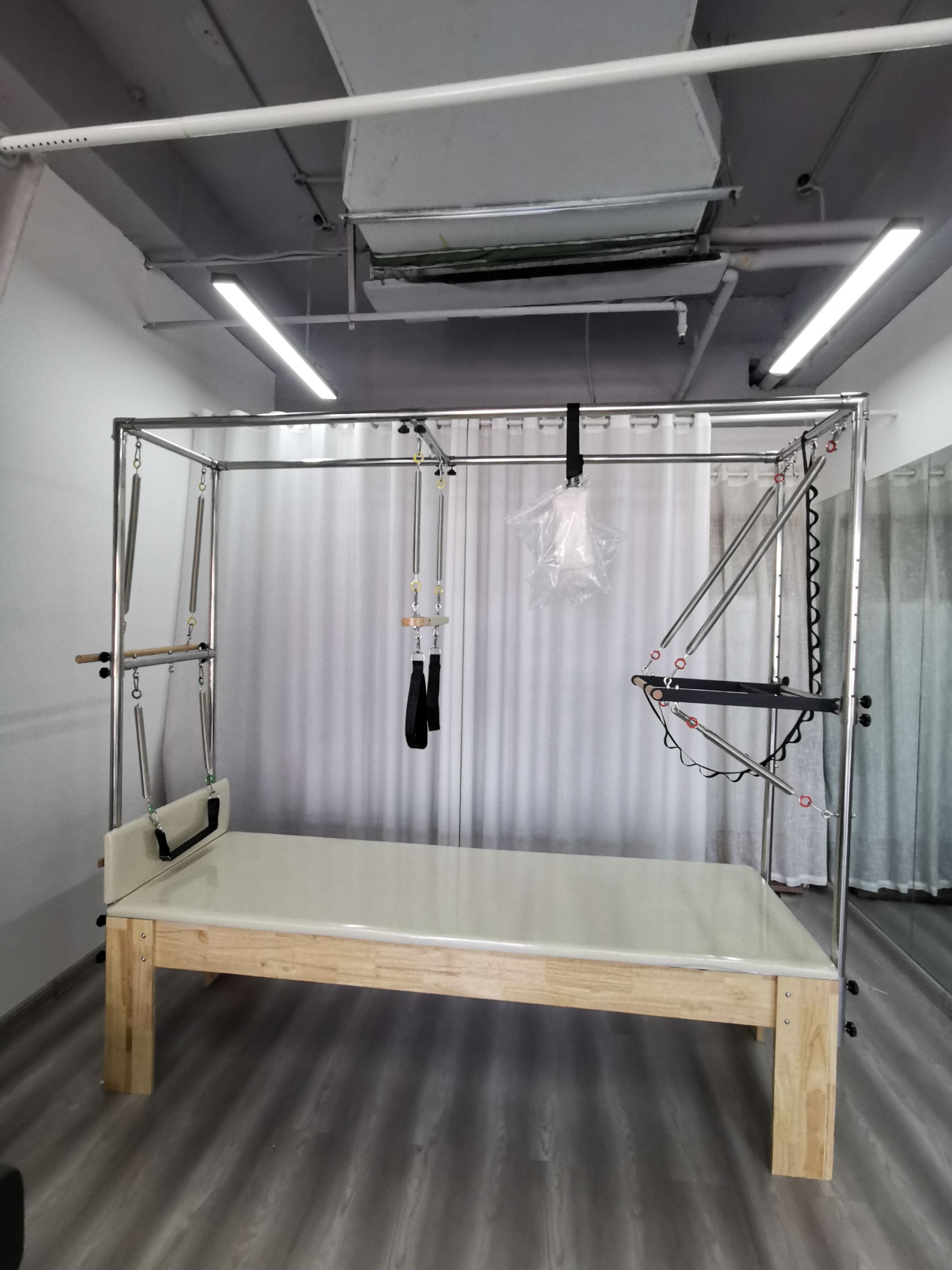
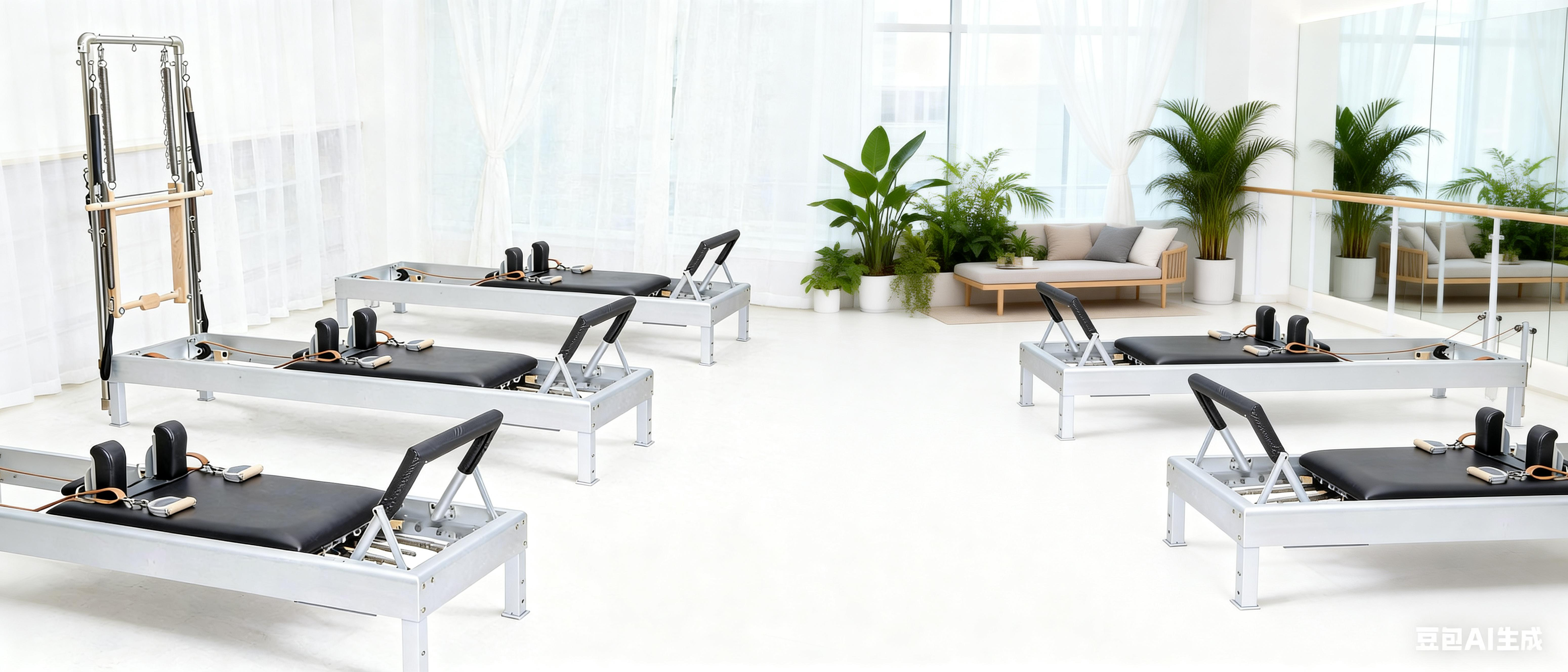
Core configuration: 5-6 Reformers + 1 Cadillac + 2 Wunda Chairs + 2 Ladder Barrels.
Logic: Balancing private sessions, small-group classes, and group classes. Cadillac for rehabilitation and private sessions, Wunda Chairs and Ladder Barrels for specialty programs and postural correction.
Large Group Studio / Franchise Brand
Core configuration: 8-12 Reformers + 2 Cadillacs + 4 Wunda Chairs + 4 Ladder Barrels + Jumpboards and accessories.
Logic: High-frequency multi-user environment; durability and maintainability are primary considerations. Prioritize equipment designs with replaceable springs and refurbishable upholstery.
IV. Key Evaluation Dimensions for Selection
Manufacturing capacity. Evaluate factory floor space, production line count, annual capacity, and current order backlog. Factories with export experience and ISO 9001 certification are generally more reliable.
Quality control transparency. A trustworthy factory should clearly demonstrate its IQC, IPQC, and OQC processes. Clearer inspection standards and more traceable records ensure better consistency.
Customization capability. Modern studios increasingly value brand differentiation — custom LOGOs, exclusive colors, and packaging design on equipment reinforce brand identity. Factories with ODM capabilities can collaborate deeply from the product design stage.
After-sales and warranty commitments. Warranty periods (typically 5-10 years on frames, 2 years on moving parts), parts availability, and response mechanisms should be clearly specified in contracts. Choose suppliers with fast after-sales response and adequate parts inventory.
Delivery track record. Request past delivery records or check industry reputation for on-time delivery rates. 97%+ on-time delivery is an industry benchmark.
V. Long-Term Value of Commercial-Grade Equipment
Reduced downtime losses. One reformer with 3-6 days of annual downtime can lose approximately $1,000-$2,000 per downtime incident at typical rates of $35-$60 per session with three classes daily. Commercial-grade durability and after-sales responsiveness significantly reduce downtime risk.
Improved client retention. Equipment feel and stability directly affect client experience. Clients feel the difference — "this bed glides so smoothly" is often a reason they renew.
Protected resale value. Commercial-grade equipment from recognized brands holds stable second-hand market value. Reselling after a few years typically recovers a significant portion of the purchase price.
Support for brand positioning. Equipment is the physical carrier of a studio's brand image. Premium commercial equipment communicates professionalism and reliability, supporting higher class pricing and client expectations.
Summary: The competitiveness of modern fitness studios increasingly depends on "experience design" rather than "equipment quantity." The value of commercial-grade Pilates equipment lies not only in its durability and performance but also in the client experience improvement, operational efficiency optimization, and brand value accumulation it brings to studios. When selecting, start from four core standards — structural strength, spring durability, carriage precision, and upholstery quality — and combine them with your studio's positioning, space, and budget to create a scientific configuration plan. Choose the right equipment, and your studio's long-term operations have a reliable hardware foundation.