Upgrade Your Studio: Top Features Of Reliable Pilates Apparatus
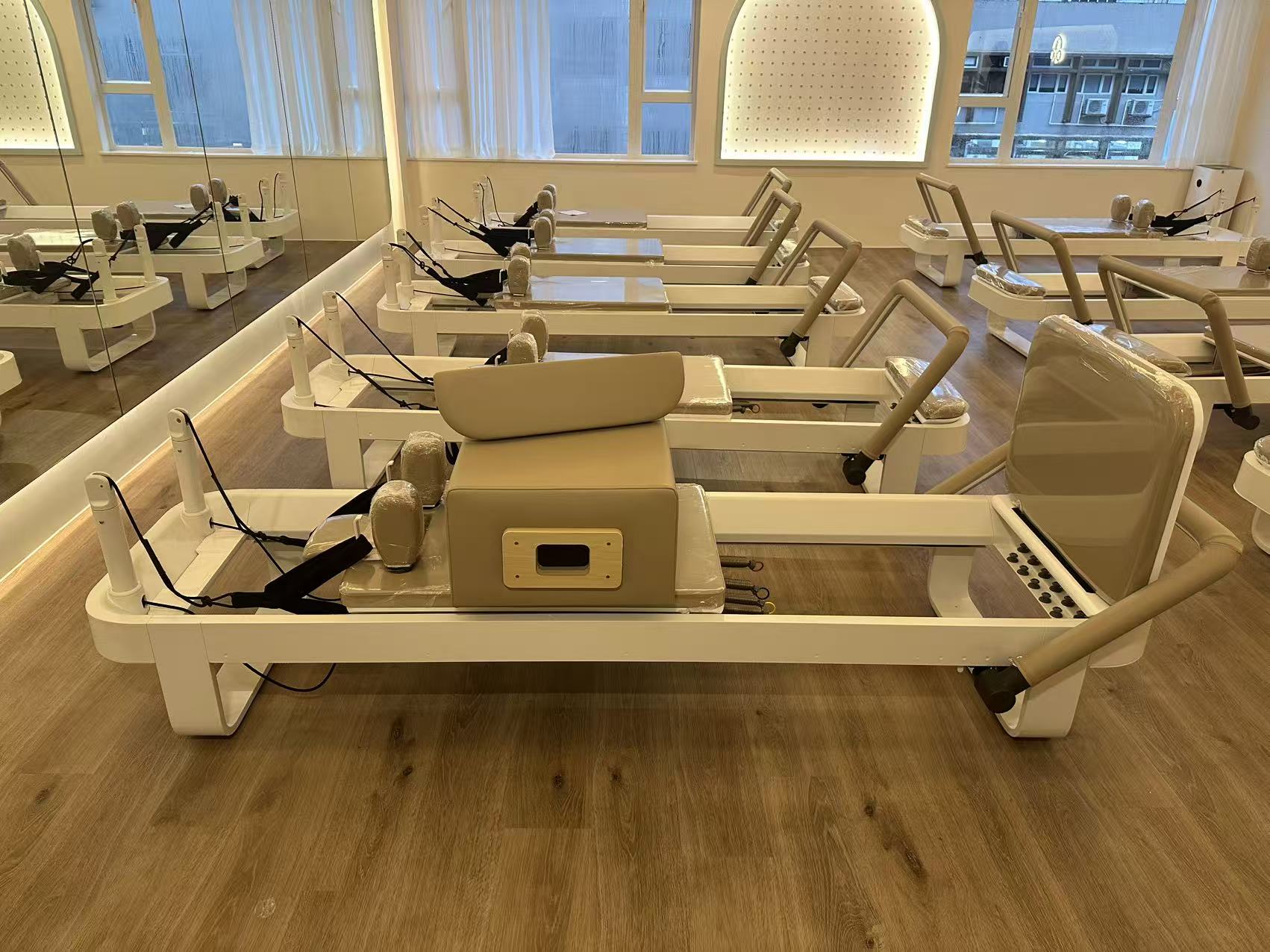
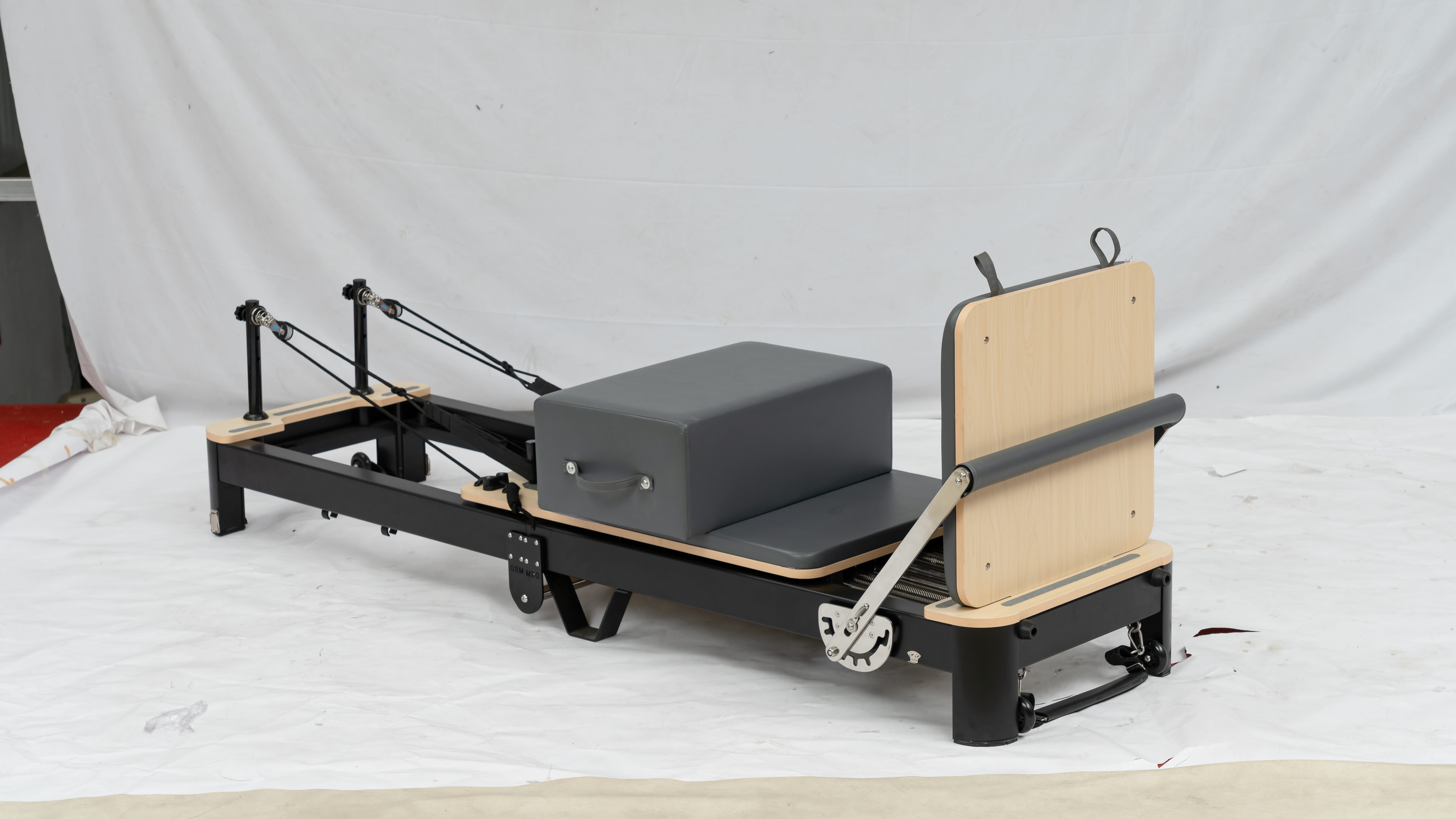
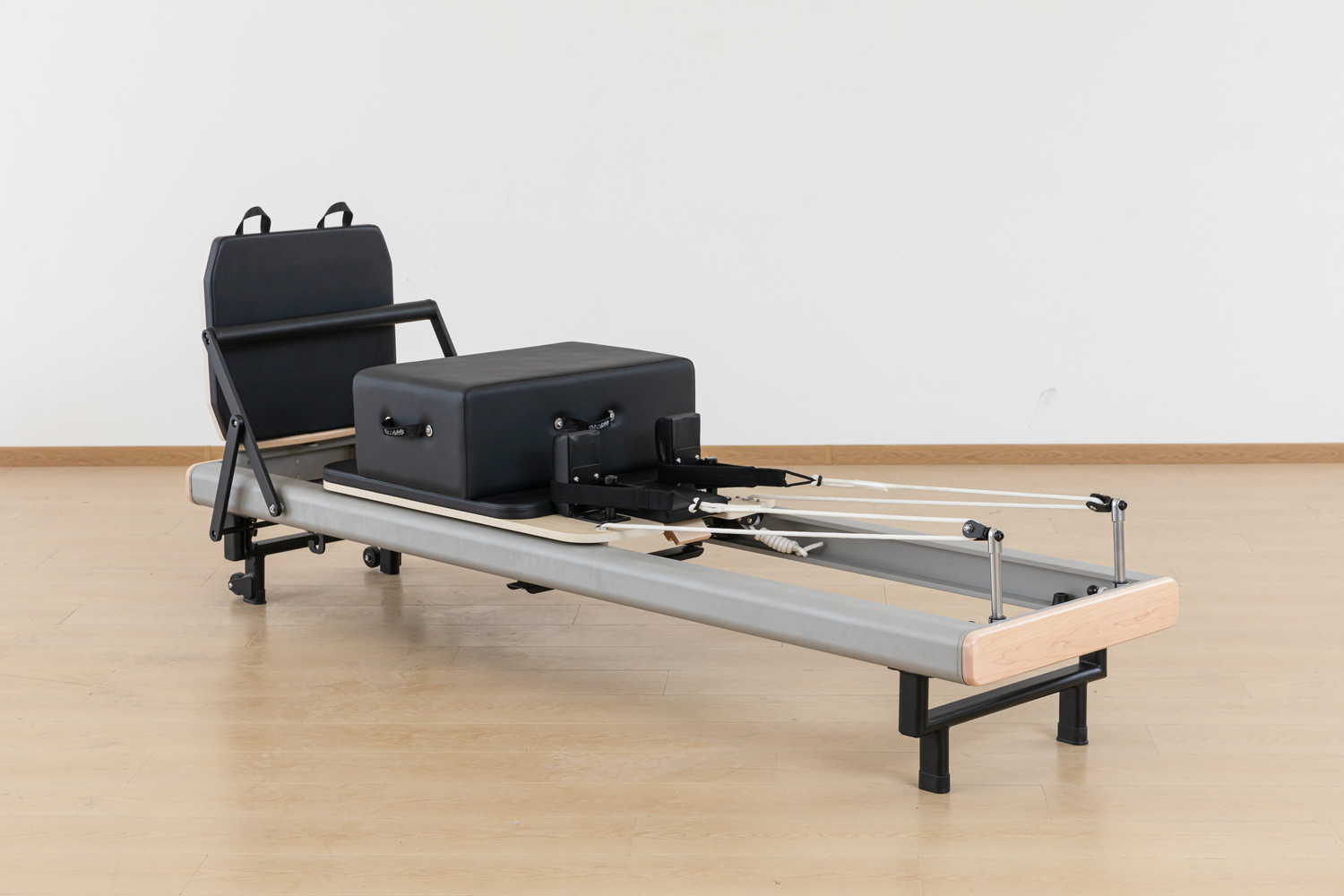
As a Pilates studio matures from startup to established operation, equipment upgrades often become the next critical decision. But "upgrading" doesn't mean "buying more expensive" — what's truly worth investing in are machines that remain reliable through daily high-frequency use and stay stable over years of operation. A reliable Pilates apparatus should pass inspection on five dimensions simultaneously: structure, springs, glide, adjustment, and after-sales support.
This article outlines the core features of reliable Pilates apparatus from a studio operator's perspective, helping you make rational decisions when upgrading.
I. Structural Reliability: The Frame Sets the Floor
Frame material and thickness is the first threshold of reliability. Commercial-grade equipment uses thickened carbon steel (2mm+), aviation-grade aluminum (6061-T6), or FSC-certified hardwood. These materials maintain structural stability under daily multi-user conditions, without elastic deformation or structural loosening.
Welding and joining processes are equally critical. Reliable equipment features uniform, smooth welds with continuous fish-scale patterns, free from porosity, cracks, or cold shuts. Frame joints are tight — shake the machine and it remains rock-solid. Inferior equipment may wobble noticeably under load, even producing metal scraping sounds.
Load capacity is the quantified indicator of structural reliability. Commercial-grade reformers typically achieve static load capacity exceeding 150kg, passing the 1.5× maximum rated load test for 5 minutes. For studios serving clients of all body types, adequate load margin is a fundamental safety guarantee.
II. Spring System: Dual Assurance of Feel and Lifespan
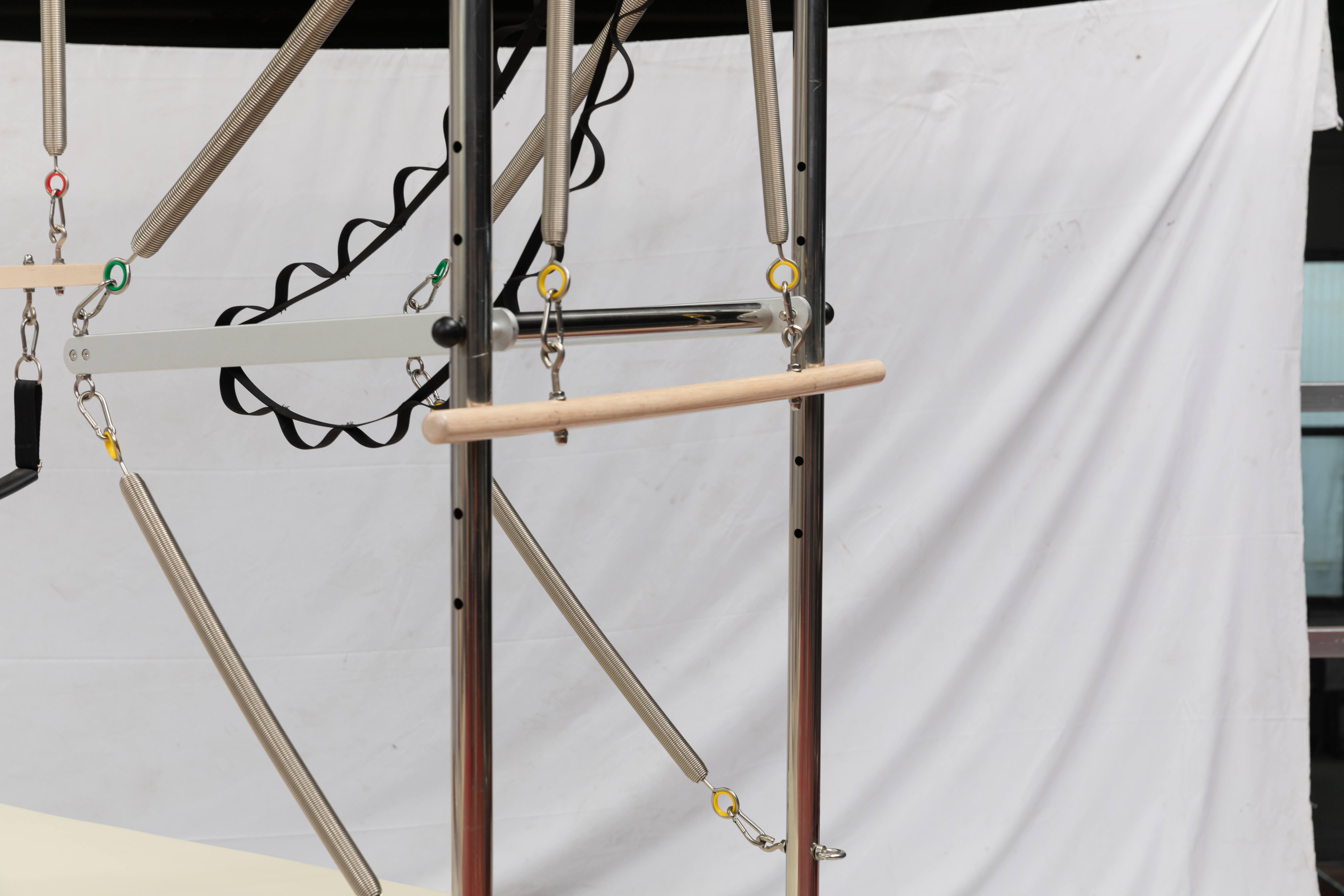
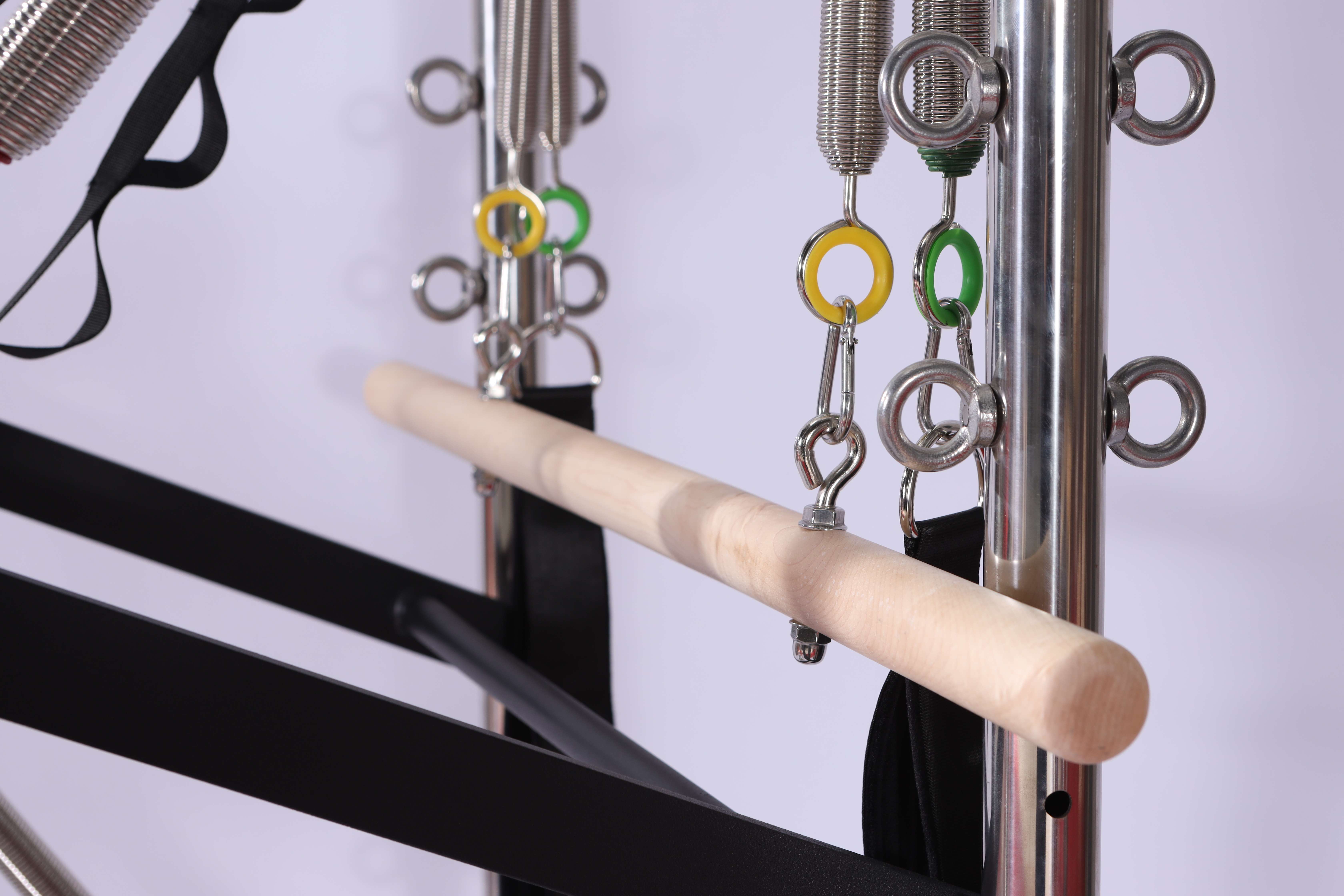
Spring material determines the ceiling of feel. Reliable equipment uses German or Japanese imported piano wire (high-carbon steel, 0.7-1.0% carbon), offering high tensile strength and consistent elastic modulus. Springs undergo rigorous heat treatment to eliminate residual stress, with reinforced hooks to prevent stress concentration fractures.
Force consistency is the core metric of commercial equipment. Same-spec springs on the same machine should feel virtually identical — force tolerance typically controlled within ±5% to ±8%. This consistency means clients receive predictable resistance feedback across different positions and machines, ensuring stable training outcomes.
Spring lifespan directly relates to operating costs. Commercial-grade springs are rated for 500,000+ stretch cycles, with premium brands reaching 600,000. By comparison, home-grade springs may need replacement after 5,000 to 10,000 cycles.
III. Glide System: Dual Standards of Smoothness and Silence
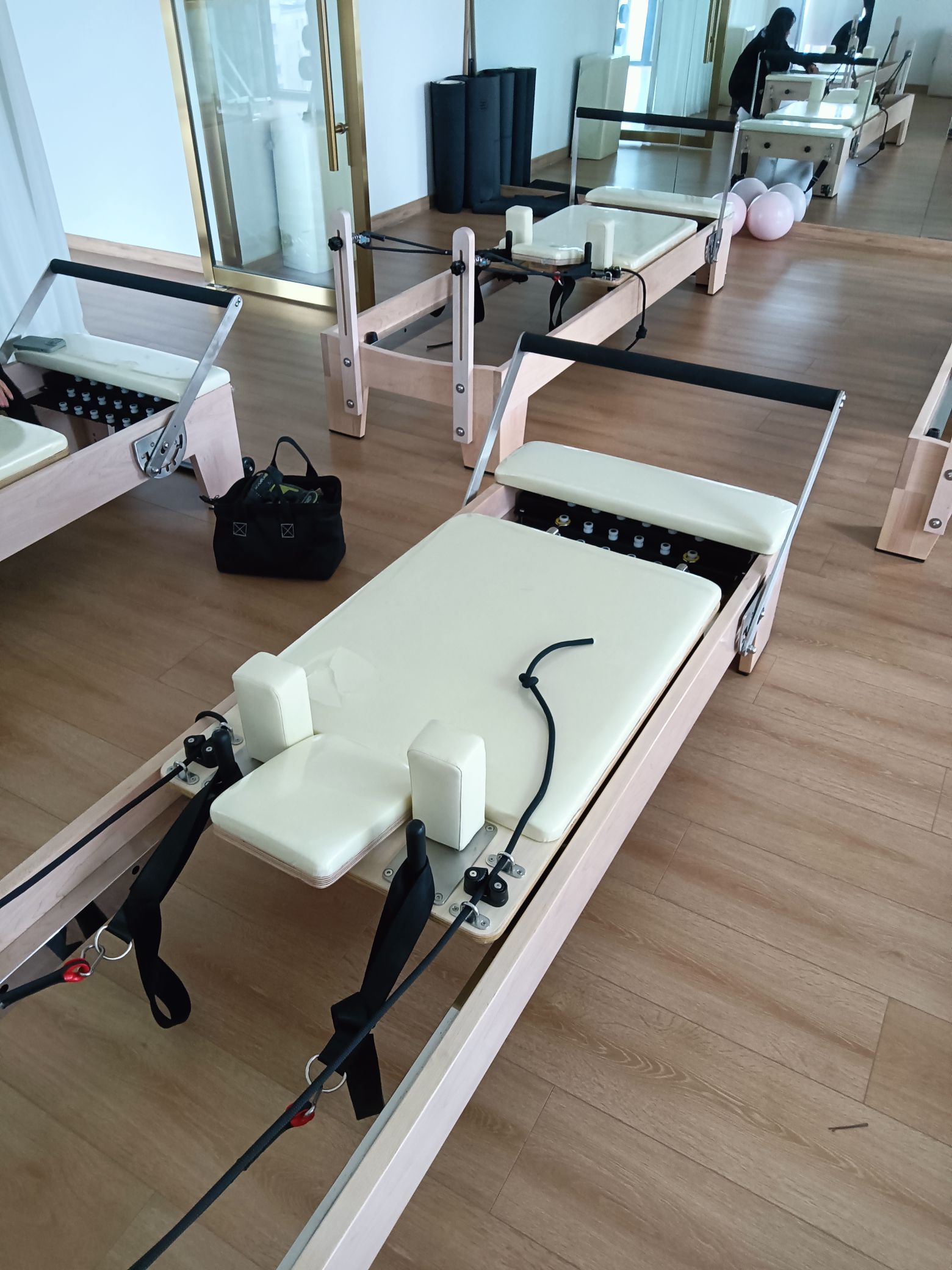
Carriage travel affects movement completeness. Reliable commercial equipment offers carriage travel of at least 90 to 100 cm, ensuring tall clients aren't restricted during full-body extensions. Insufficient travel causes movements to be "cut short," compromising training effectiveness.
Rail precision determines glide smoothness. Precision-machined anodized aluminum rails control straightness and parallelism within extremely tight tolerances. Paired with sealed-bearing silent wheels, the carriage runs almost silently under full load.
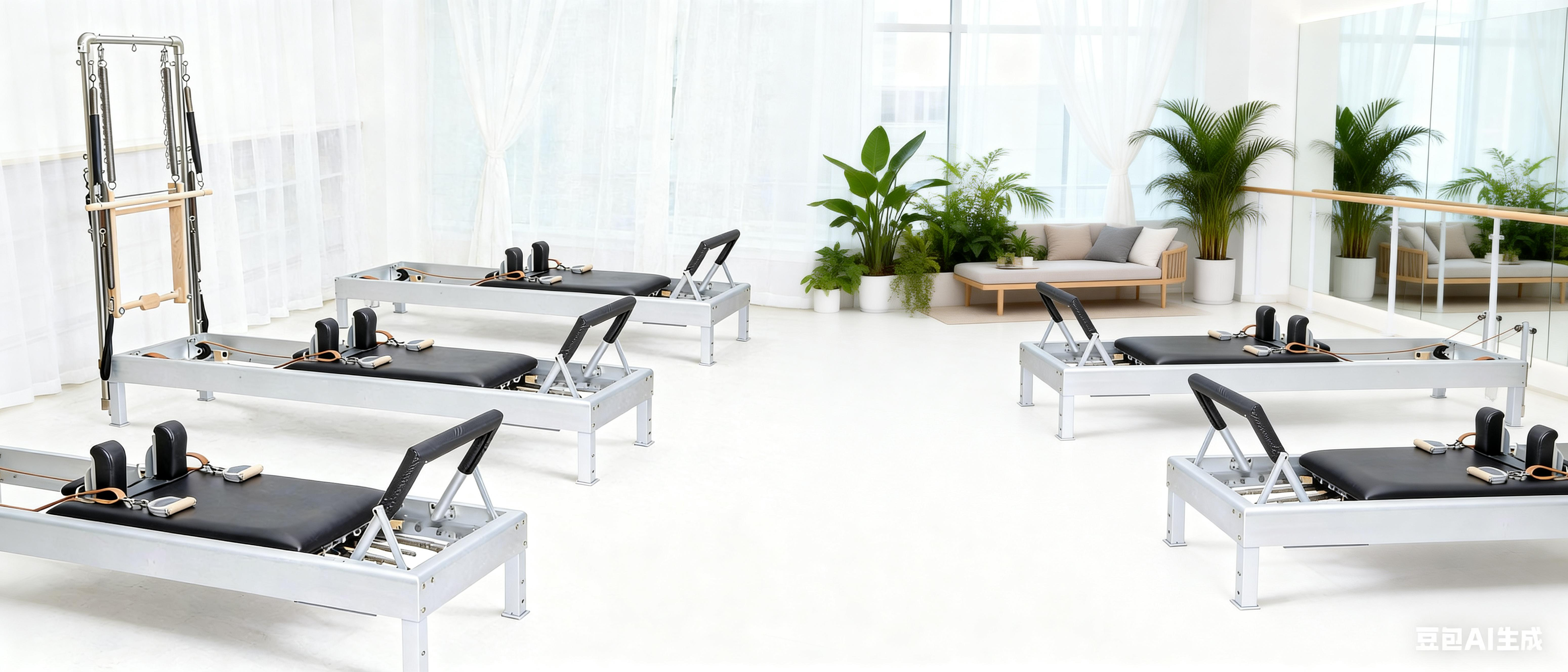
Noise performance is especially important in studio environments with multiple simultaneous users. In a classroom with 8 to 12 reformers running at once, any abnormal noise is amplified. Reliable equipment should produce glide noise below 50 decibels under full load — comparable to a quiet library environment.
Wheel material also deserves attention. POM (engineering plastic) or sealed-bearing silent wheels are more wear-resistant, quieter, and longer-lasting than standard nylon wheels.
IV. Adjustment System: Balancing Efficiency and Safety
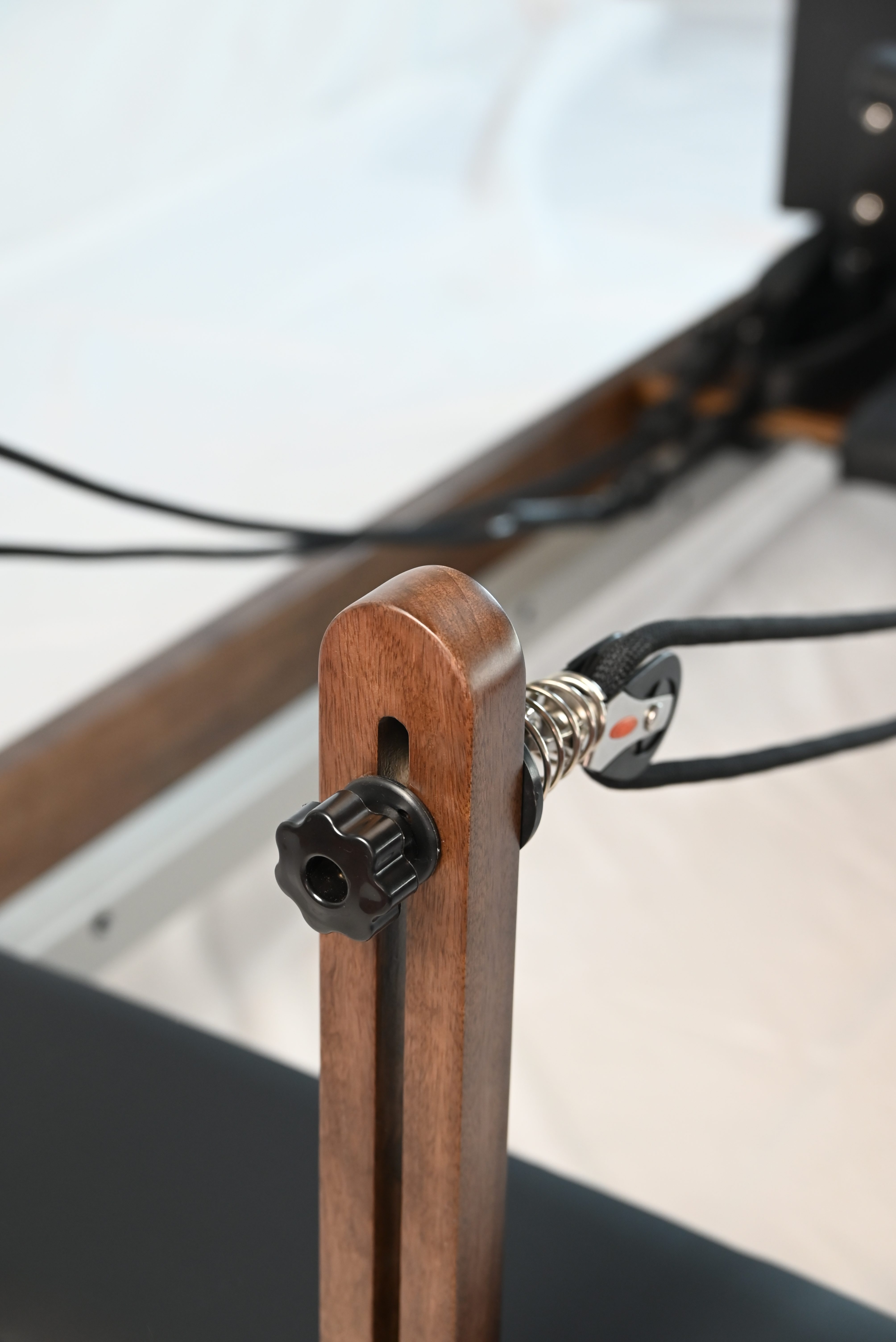
Multi-position footbar adjustment is the efficiency key in high-frequency use scenarios. In group classes with clients of varying sizes, quick adjustments significantly improve class pacing. Reliable equipment supports multi-position quick footbar adjustment, with each position locking securely.
Headrest and shoulder rest adjustability affects client comfort and cervical protection. Reliable equipment offers multi-angle headrest settings, with shoulder rests that adjust quickly and lock firmly.
Locking mechanism reliability directly relates to safety. All adjustable components should withstand normal training forces when locked, without shifting or loosening during exercise.
V. Upholstery and Leather: Balancing Durability and Comfort
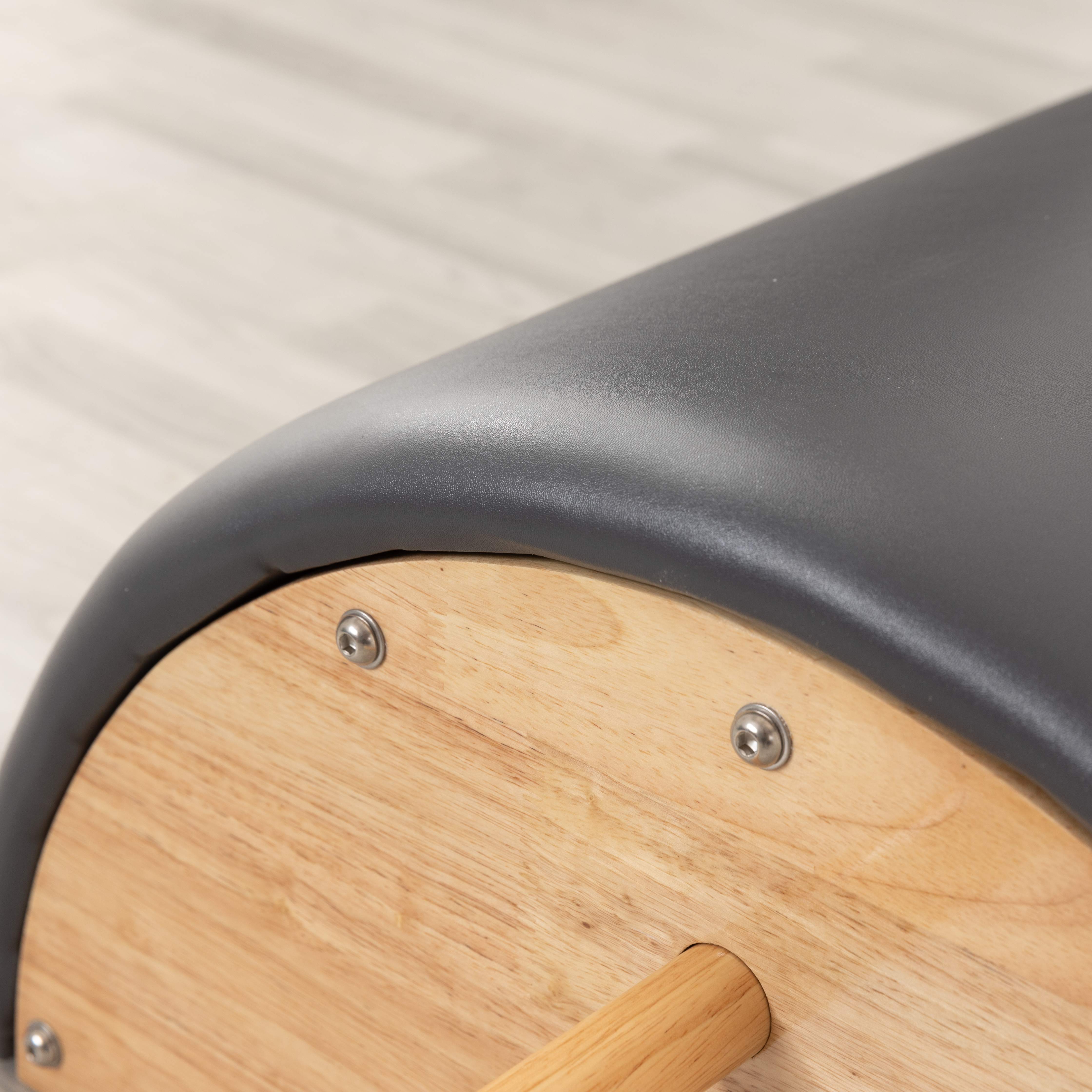
Leather abrasion rating is a core metric for commercial equipment. Reliable equipment uses high-wear PU leather with Martindale abrasion exceeding 50,000 cycles — antimicrobial, sweat-resistant, and easy to clean, capable of withstanding multiple daily wipe-downs and disinfections.
Foam density directly affects comfort and service life. Commercial-grade requires at least 45kg/m³. Press the upholstery surface — quality foam rebounds quickly, maintaining good support after years of use without collapsing.
Stitching quality reflects attention to detail. Critical stress seams should be double-stitched with even, uniform stitching. Single or crooked stitching tears within months of use.
VI. After-Sales and Warranty: The Long-Term Commitment to Reliability
Warranty terms reflect a brand's confidence in its own products. Reliable commercial equipment typically offers 5 to 10-year frame warranties and approximately 2-year coverage on moving parts. Short warranty periods or vague coverage often indicate lack of confidence.
Parts availability stability directly affects equipment usability. Equipment downtime losses far exceed the equipment price itself — one reformer with 3 to 6 days of annual downtime can lose approximately $1,000 to $2,000 per downtime incident at $35-$60 per session with three classes daily.
After-sales response speed is equally critical. Choosing suppliers with fast response and adequate parts inventory minimizes downtime and ensures consistent class scheduling.
VII. A Decision Framework for Upgrading
Assess your current equipment's shortcomings. Is spring tension noticeably degraded? Is glide noise affecting experience? Is adjustment efficiency keeping up with group class pacing? Identify the gaps to target your upgrade direction.
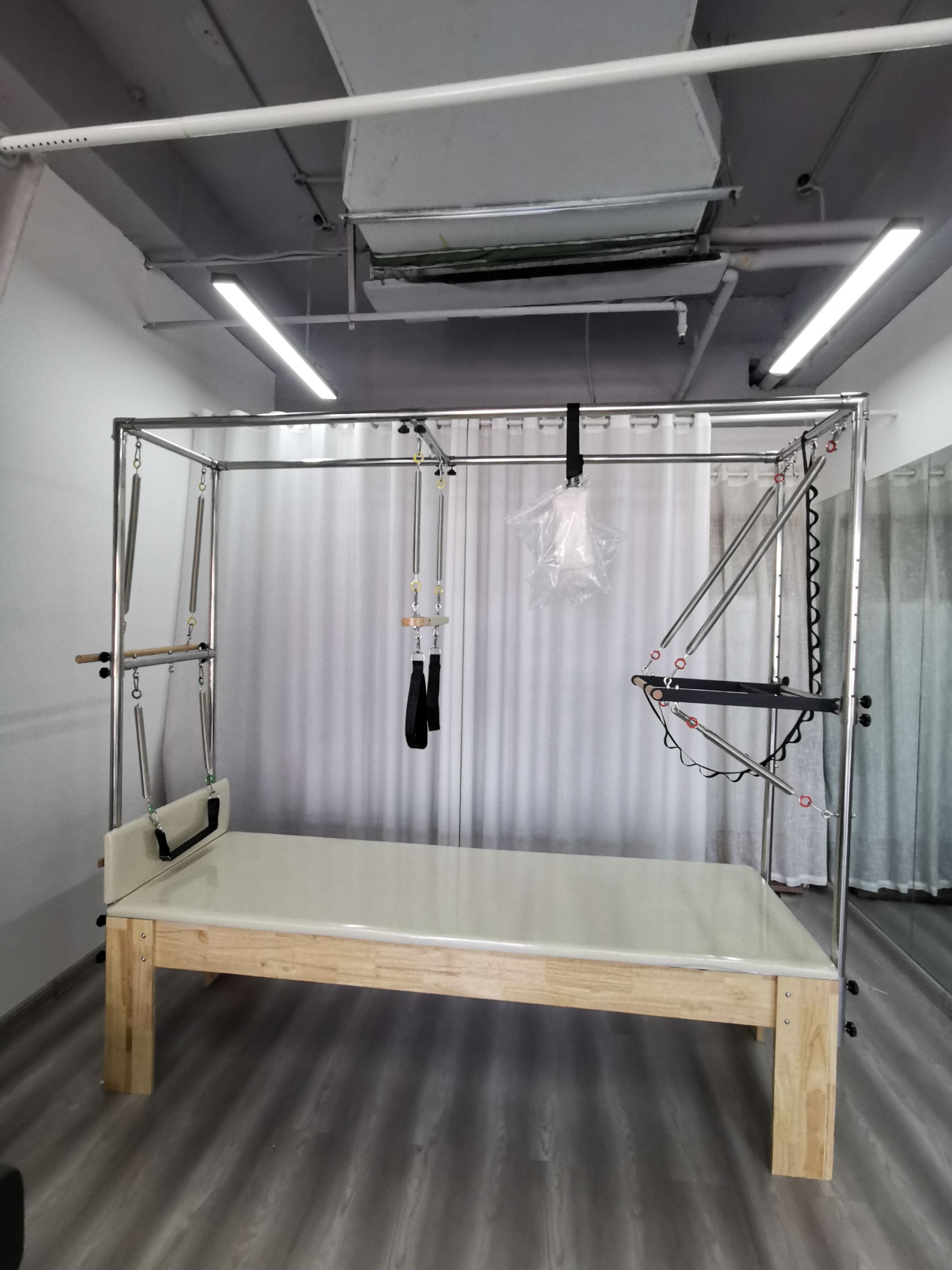
Match functions to your curriculum. If your studio focuses on rehabilitation private sessions, Cadillacs and stability chairs take priority; if group classes dominate, reformer quantity and durability are the primary considerations.
Consider long-term operating costs. Upgrading isn't just about purchase price — consider total lifecycle cost: repair frequency, parts costs, downtime losses, and resale value.
Summary: Upgrading studio equipment is essentially voting for "stable operations over the next several years." A reliable Pilates apparatus should pass inspection on five dimensions simultaneously: structure, springs, glide, adjustment, and after-sales. When shopping, don't just look at sample appearance and feel — understanding frame material and thickness, spring specifications and lifespan, rail precision and noise performance, warranty terms and parts availability is the key to judging whether equipment is "worth a long-term commitment."