What Details to Compare When Quoting Aluminum vs Wooden Pilates Reformers for Wholesale
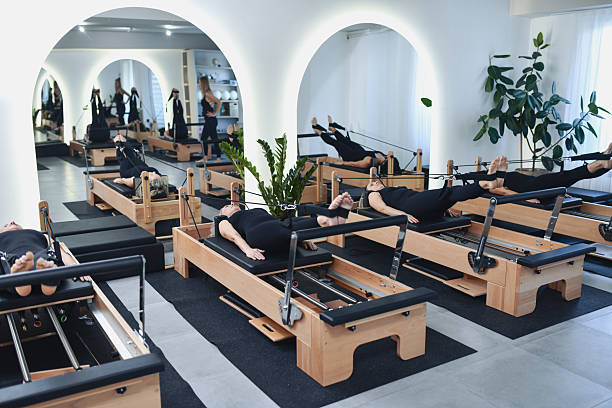
When sourcing Pilates reformers for wholesale distribution or bulk studio orders, buyers frequently choose between two mainstream frame types: aluminum alloy and solid wood. On the surface, both machines deliver standard Pilates training functions, but their structural durability, studio applicability, pricing structure, shipping cost, after-sales loss rate, and end-customer positioning differ greatly. Many new distributors only compare unit prices during quotation evaluation, ignoring hidden cost differences and market adaptability gaps, which eventually compress profit margins or lead to customer complaints. To make accurate wholesale purchasing decisions and provide targeted solutions for different studio clients, you must compare these core details between aluminum and wooden Pilates reformers during the quoting stage.
1. Frame Material Grade, Durability and Commercial Usage Lifespan
The frame material determines the core quality and service life of Pilates reformers, directly affecting after-sales maintenance rates and long-term wholesale profitability.
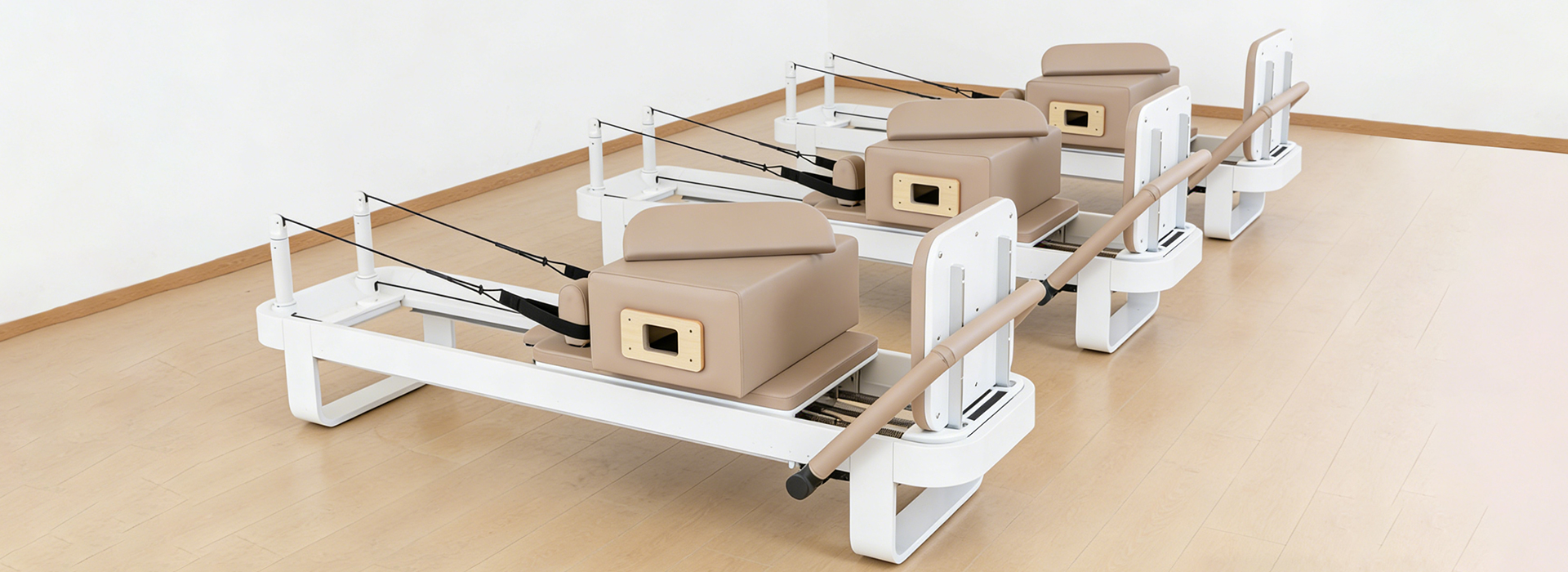
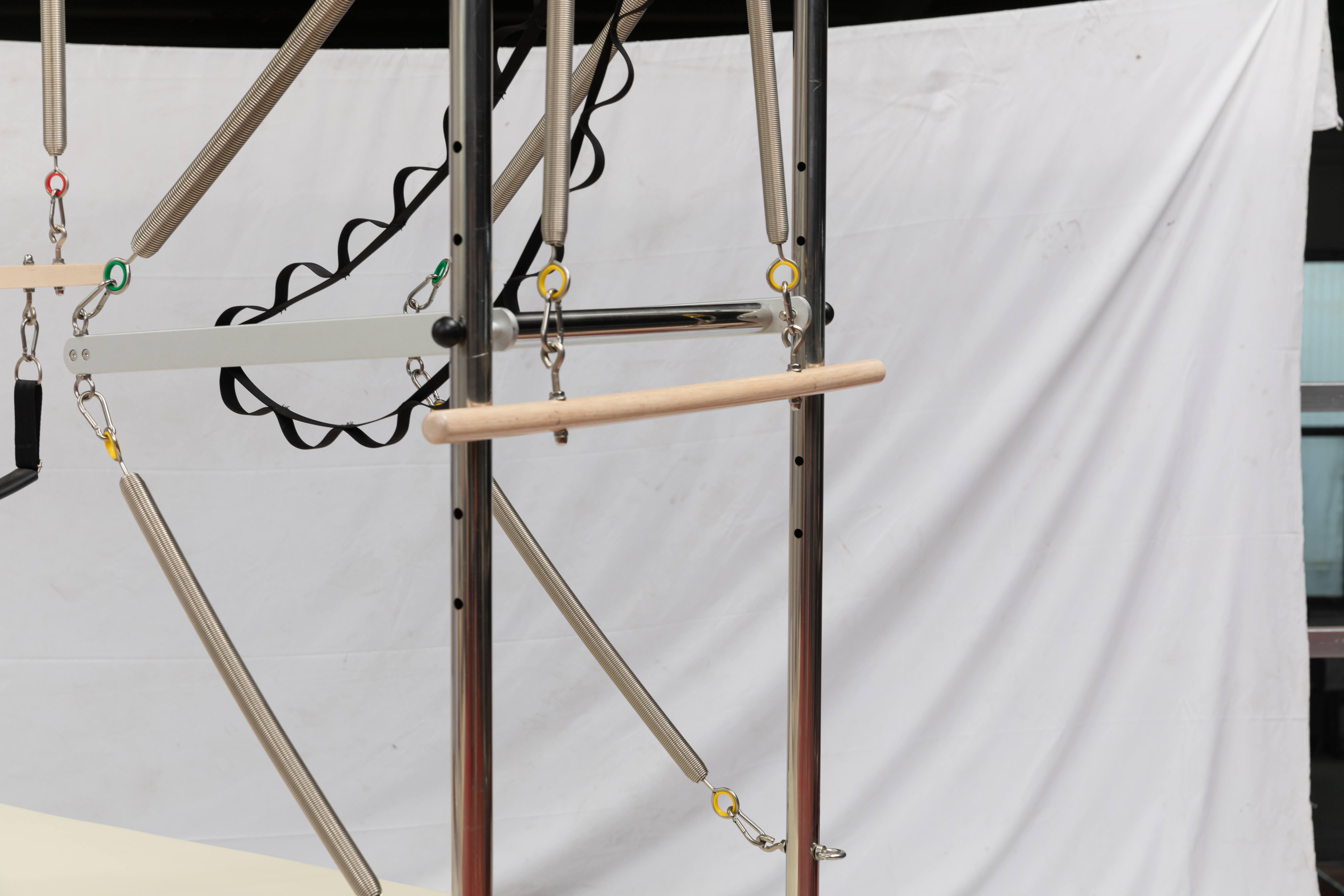
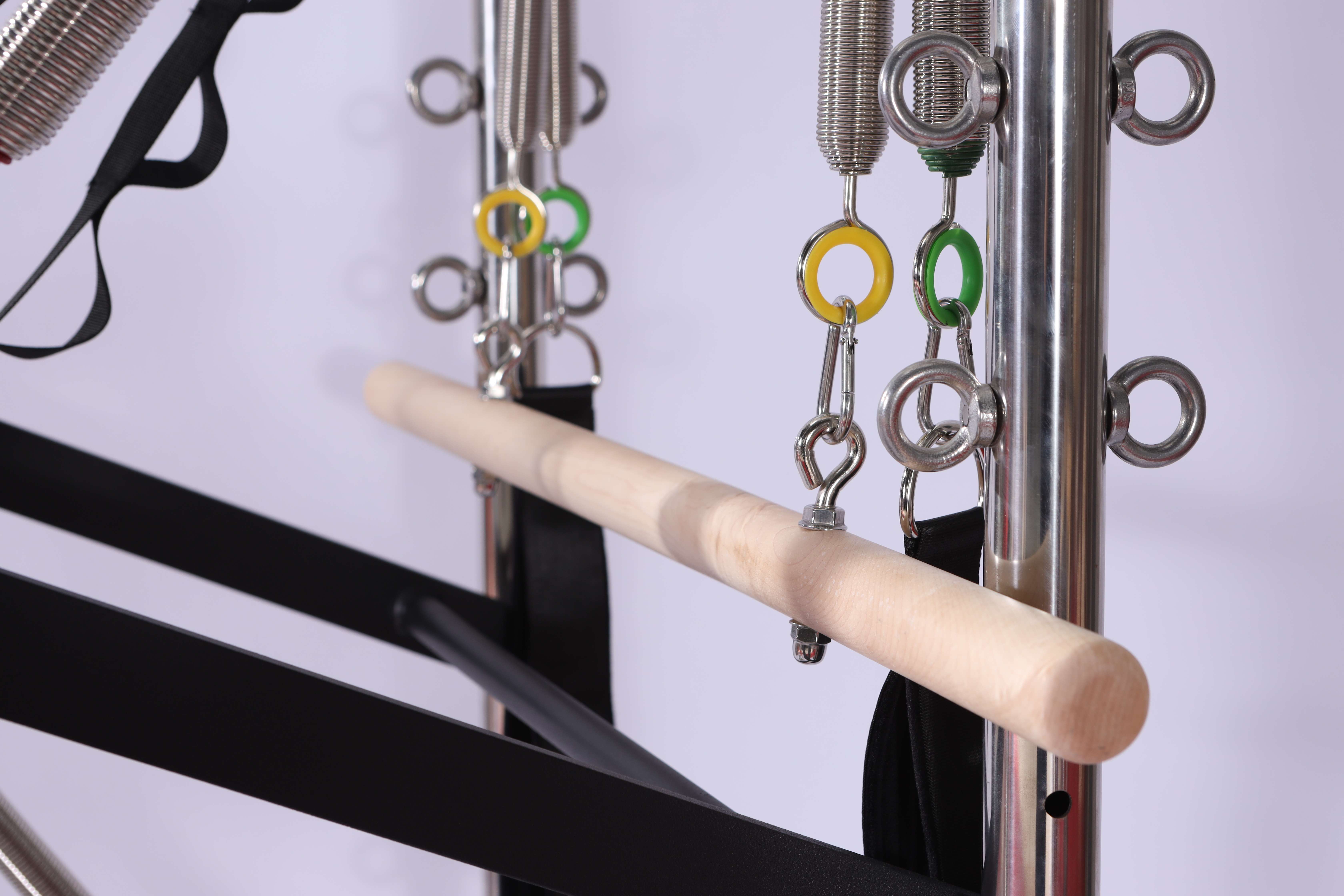
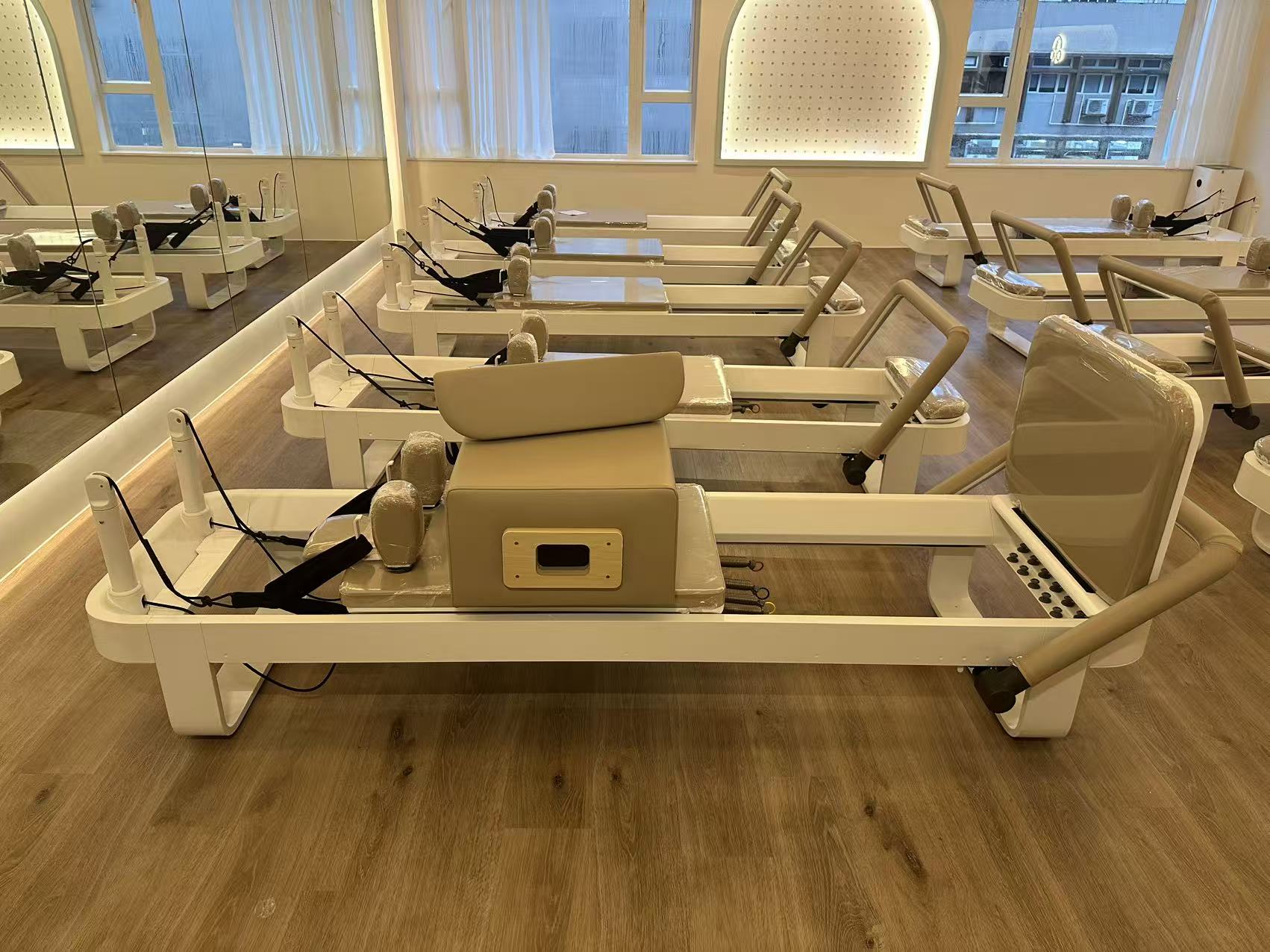
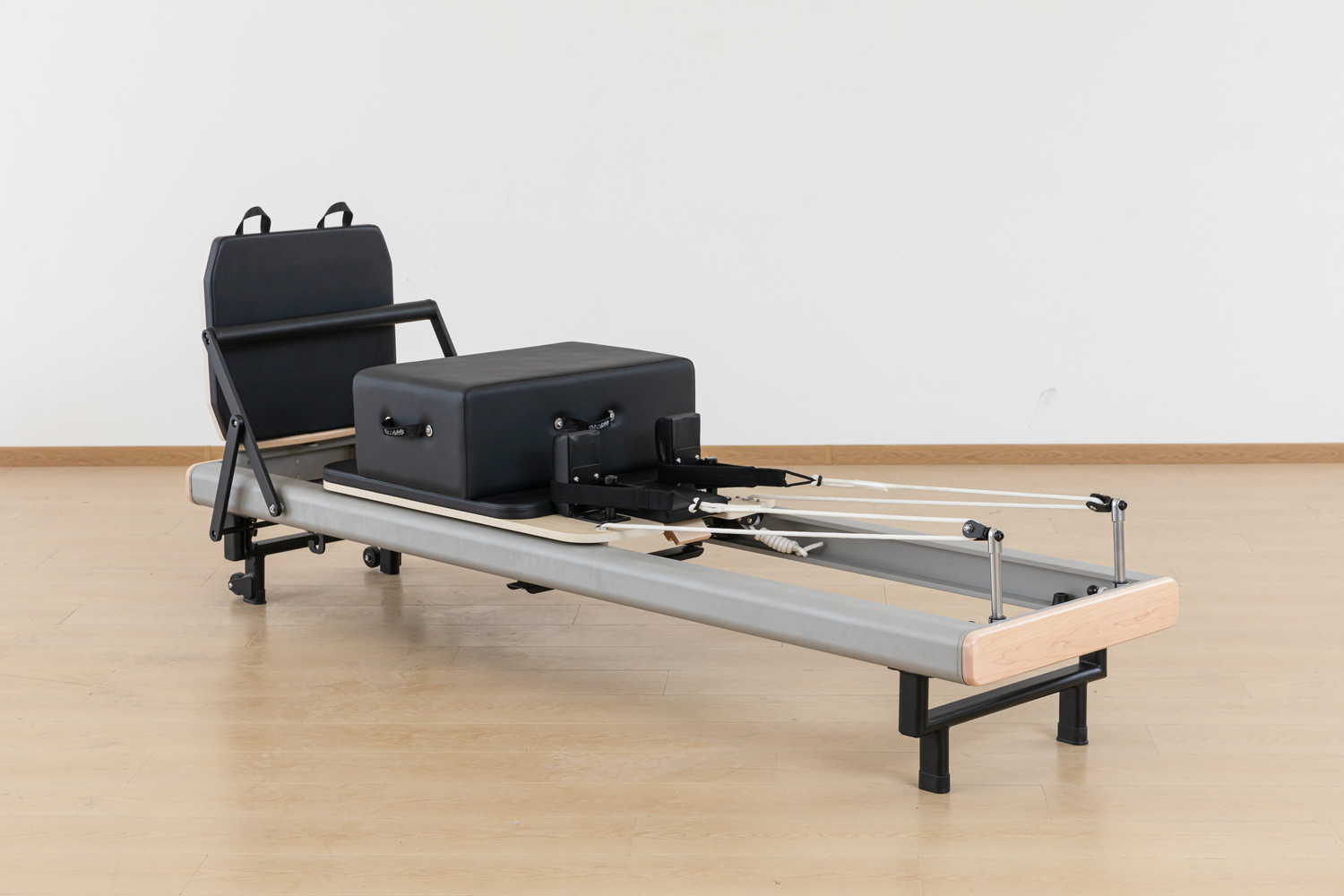
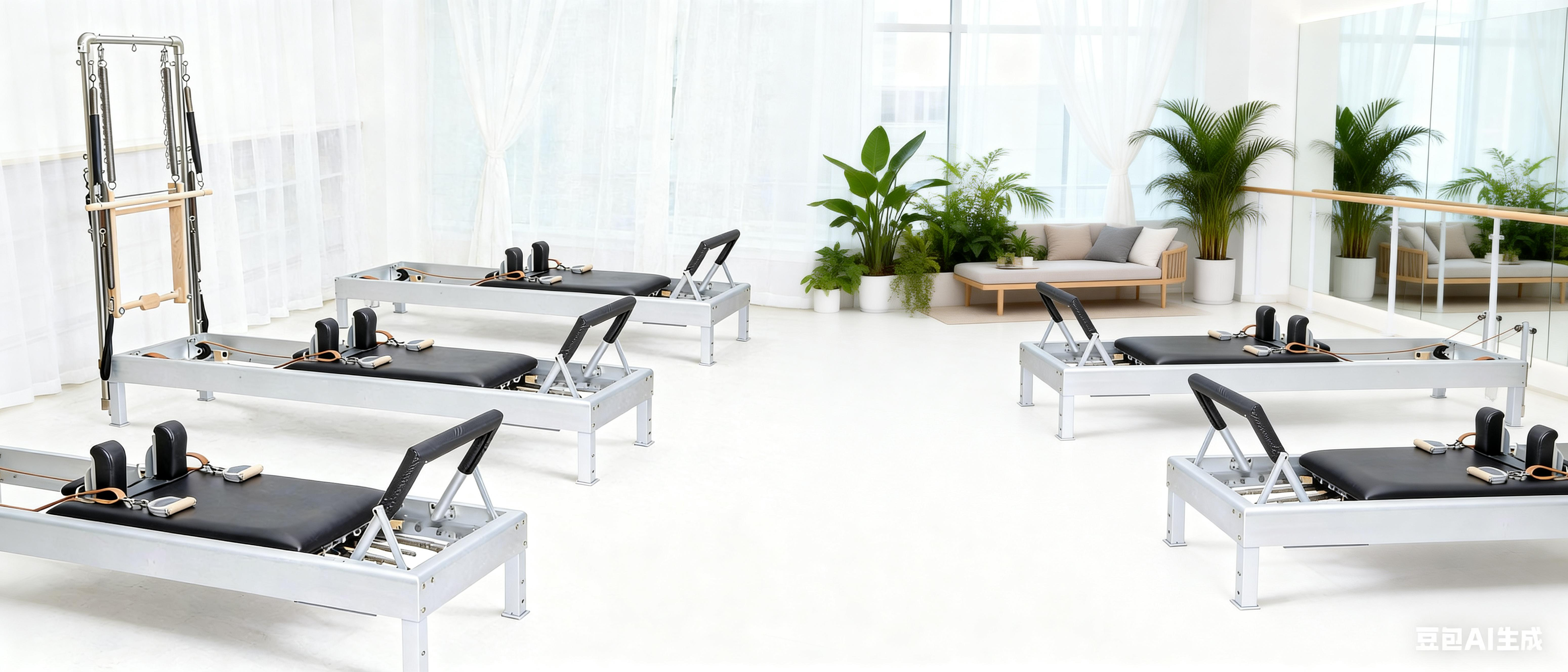
Aluminum Alloy Reformers adopt high-strength thickened aviation-grade aluminum profiles, featuring integrated molding, high structural rigidity, and strong pressure resistance. The overall frame is not easy to deform or shake during long-term high-frequency group class use. Aluminum material comes with natural anti-rust, anti-corrosion, and moisture-proof properties, adapting to humid studio environments, coastal cities, and high-sweat training scenarios. With a commercial service life of 8–12 years and extremely low failure rate, it is fully suitable for high-traffic professional studios and long-term rental equipment fleets.
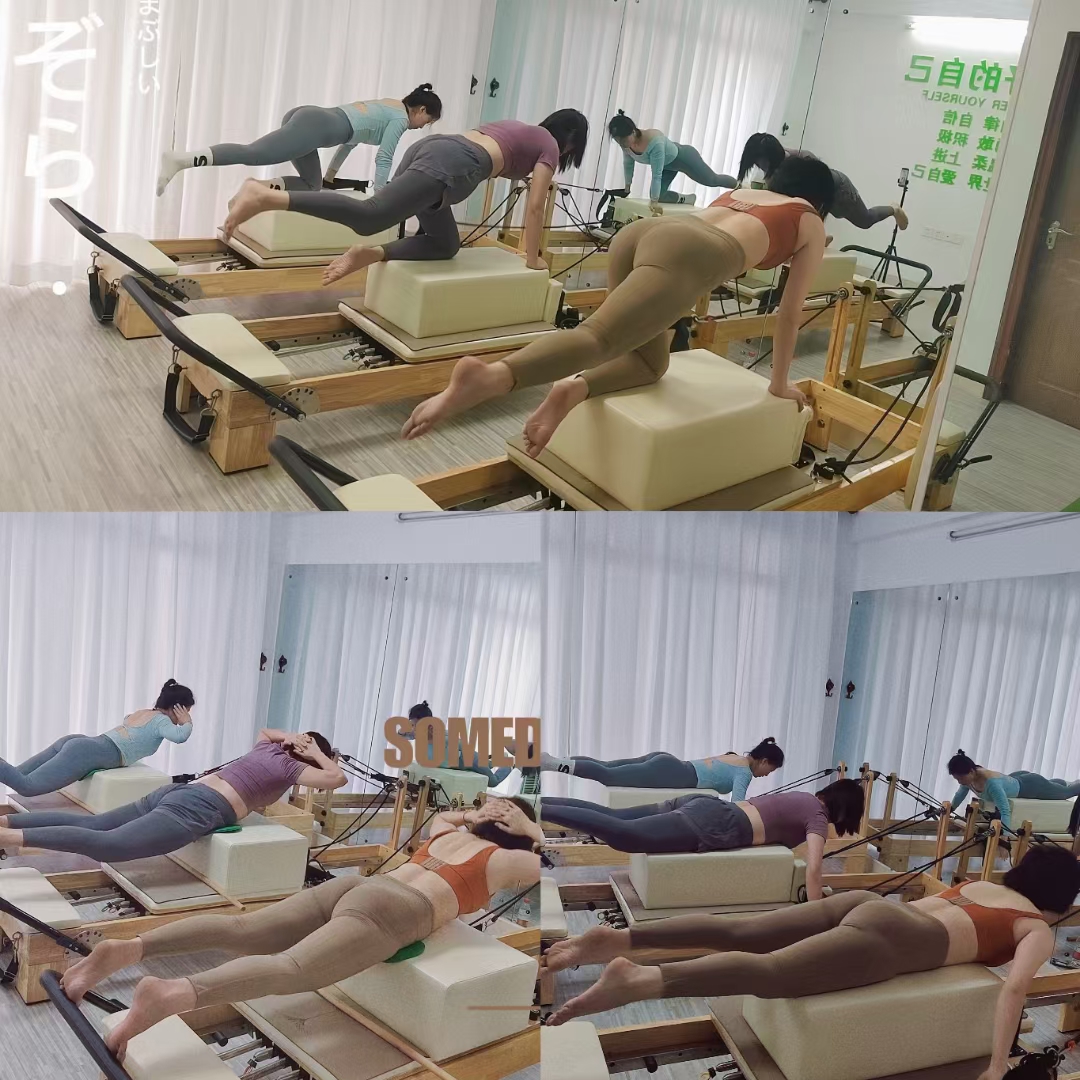
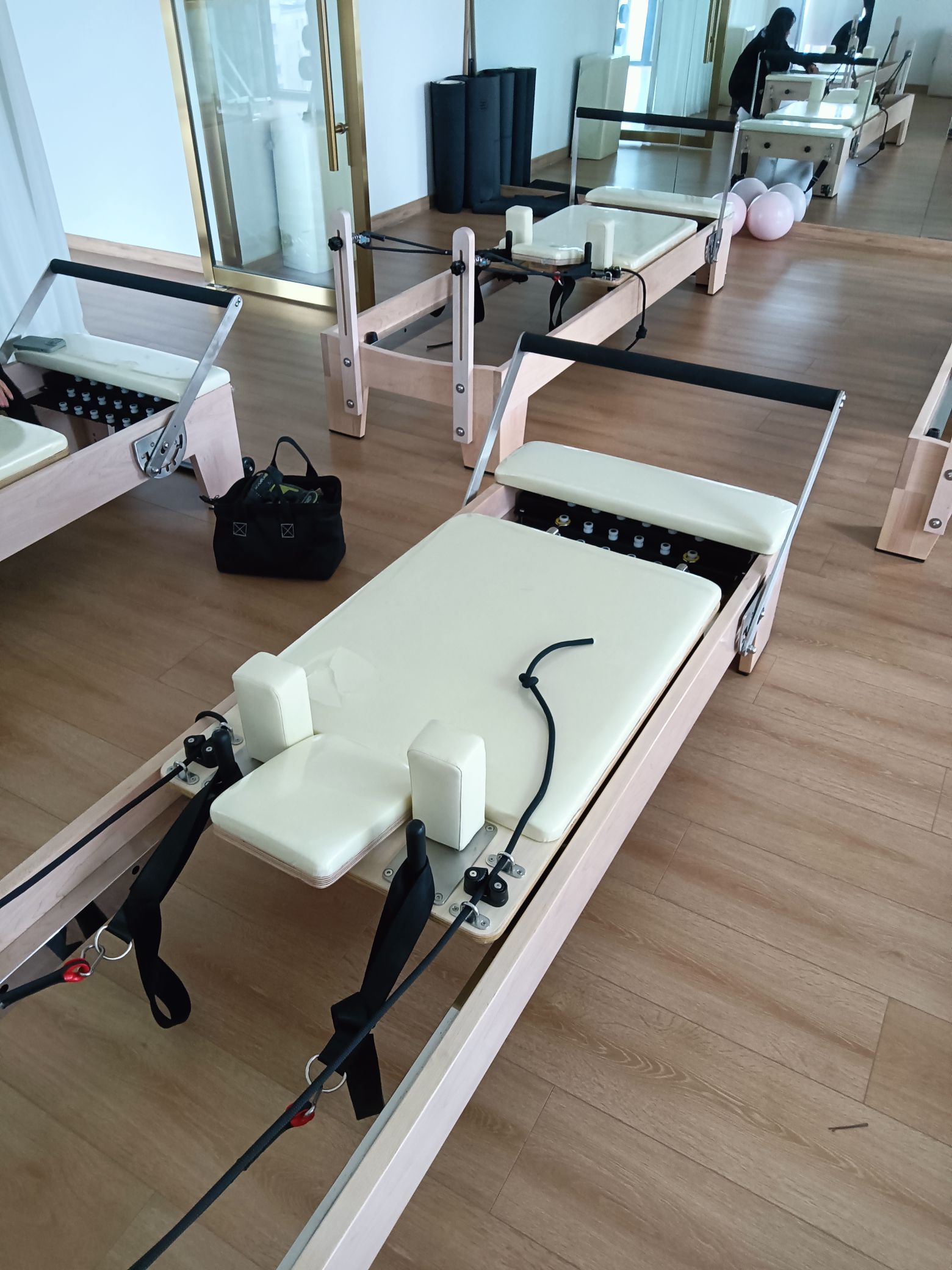
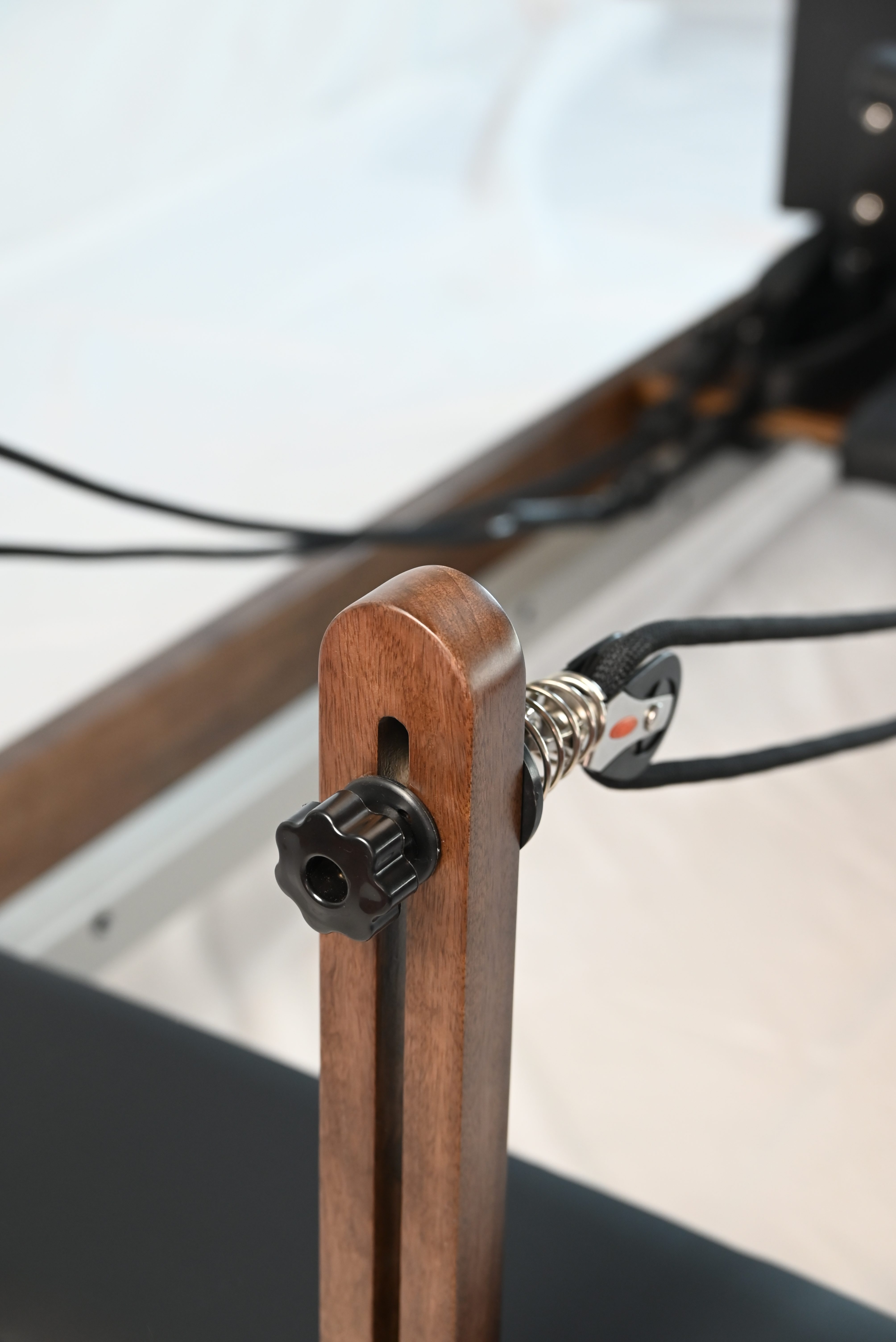
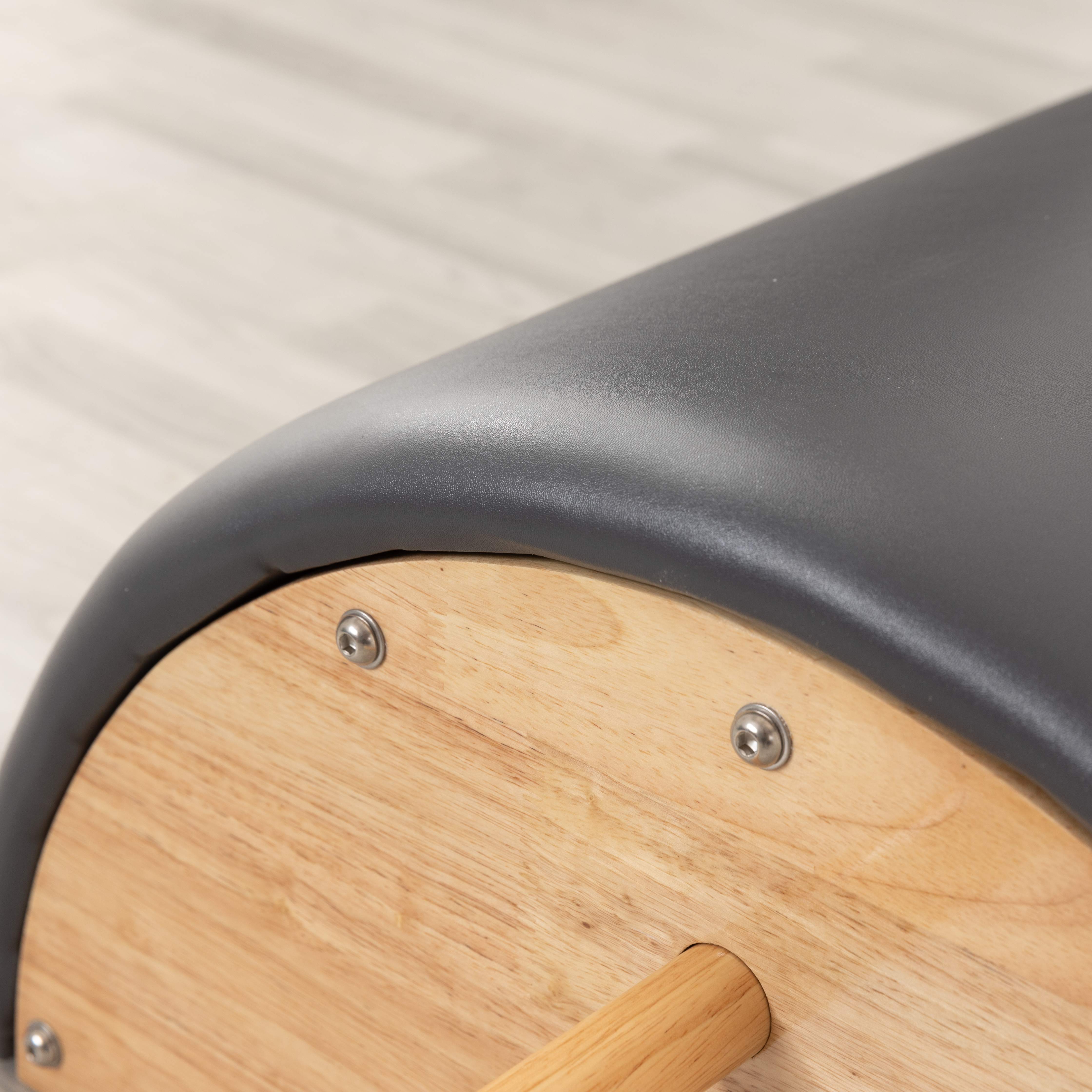
Wooden Reformers generally use solid oak, beech, or multilayer composite wood. They feature high overall hardness and stable stress balance, providing a natural and high-end visual texture. However, wooden frames have obvious environmental adaptability limitations. Long-term exposure to humidity, temperature changes, and air conditioning wind will cause wood shrinkage, expansion, deformation, or even cracking. The service life of wooden reformers is about 4–6 years in commercial scenarios, requiring stricter daily maintenance and regular inspections. Wooden models are more suitable for dry indoor environments and low-to-medium frequency private training studios.
2. Weight, Portability and On-Site Installation Cost
Equipment weight and installation difficulty are easily overlooked quotation details that affect wholesale logistics costs and studio labor expenses.
Aluminum reformers are lightweight yet structurally stable. The overall frame is easy to disassemble and assemble, requiring only one or two workers to complete studio layout and movement adjustment. Their light weight greatly reduces on-site installation labor costs and facilitates later studio space adjustment, equipment relocation, and secondary layout. For distributors providing door-to-door installation services, aluminum models significantly lower delivery and labor overhead.
Wooden reformers are heavy and bulky with integrated solid structures. They require professional construction teams for handling and installation, consuming more time and labor costs. Once installed, wooden machines are not easy to move; frequent relocation easily causes frame loosening and structural damage. For bulk studio renovation projects and multi-batch equipment layout, wooden reformers bring higher comprehensive installation and layout costs.
3. Shipping Volume, Container Loading Quantity and Logistics Cost
Logistics cost is a key factor affecting wholesale gross profit, and the frame structure difference directly determines container utilization.
Aluminum reformers adopt optimized hollow profile design with compact packaging size and standardized disassembly structure. Each 40HQ container can load more units, effectively reducing single-unit sea freight and local trucking costs. Their lightweight characteristics also lower port handling fees and container weight surcharges, which is very friendly for large-volume bulk wholesale orders.
Wooden reformers have large overall packaging volume and heavy dead weight. Under the same container volume, the loading quantity is lower than aluminum models, resulting in higher average logistics cost per unit. In addition, solid wood packaging requires reinforced protection to prevent collision damage during transit, further increasing packaging costs and space occupation. For distributors pursuing low landed cost and high container utilization, aluminum reformers have obvious logistics advantages.
4. Surface Process, Aesthetics and Customization Flexibility
Studio buyers pay high attention to equipment appearance and brand matching degree, which directly affects end-selling premium capability.
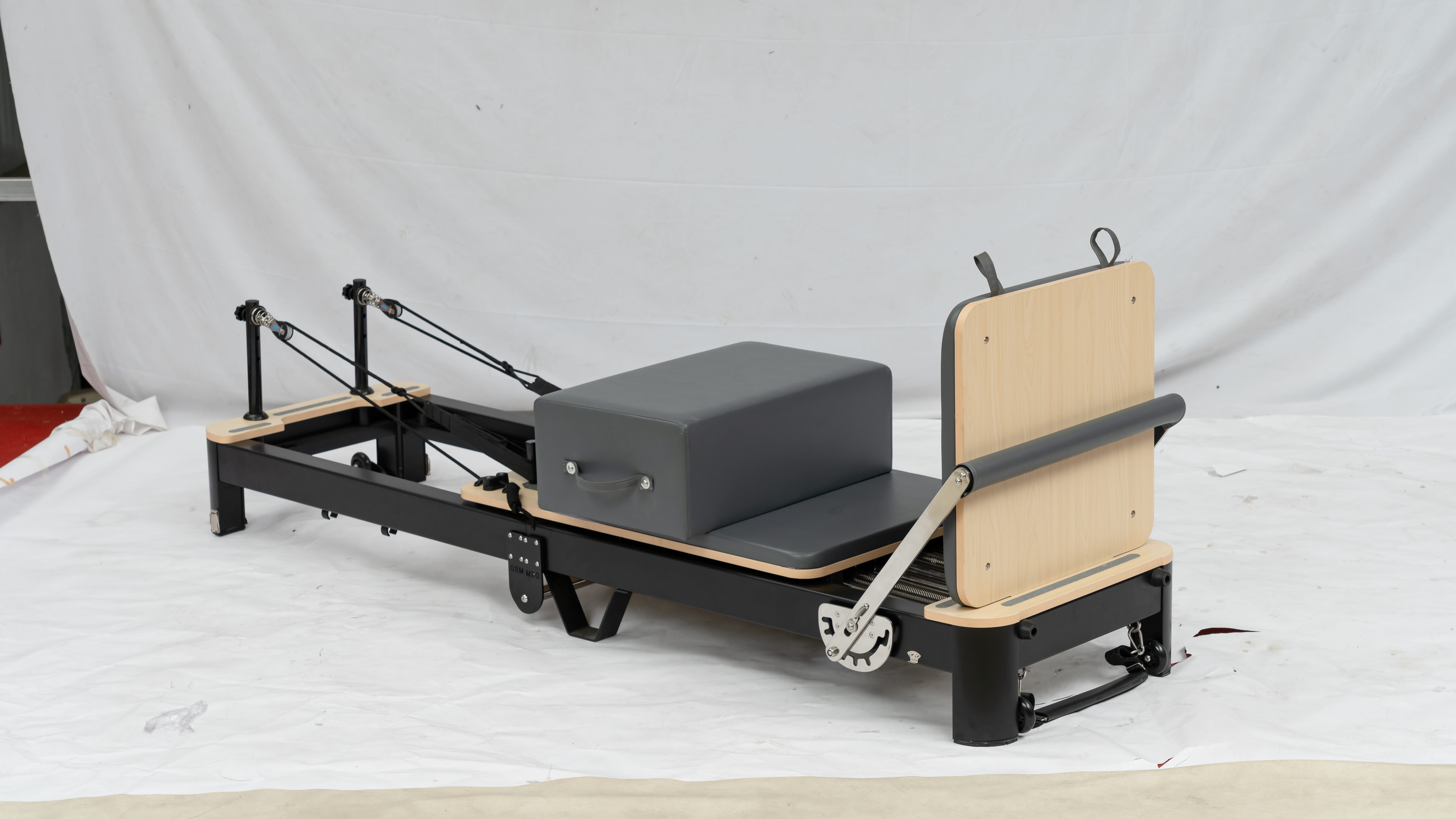
Aluminum reformers support diverse high-end customization. The frame can be treated with matte spraying, frosted oxidation, and color baking, matching various trendy studio color systems. Upholstery colors, LOGO laser engraving, and accessory combinations are highly flexible, perfectly adapting to boutique studio brand positioning, chain store unified VI design, and personalized opening customization needs. The modern minimalist metal texture is more in line with contemporary high-end studio aesthetic trends.
Wooden reformers rely on natural wood grain and varnish technology, presenting a classic, warm, and natural style. Their appearance is more traditional, with relatively single adjustable colors. Custom modification space is limited, and secondary spraying and color changing are prone to affecting wood texture and causing surface defects. Wooden models are more suitable for retro-style studios, high-end private training rooms, and rehabilitation institutions pursuing natural texture.
5. Structural Stability, Sliding Smoothness and Training Experience
Training fluency and stability are core indicators for studio buyers to evaluate equipment quality, determining customer experience and repurchase rates.
High-precision aluminum reformers adopt precisely calibrated sliding rail structures with uniform stress balance. The carriage slides smoothly without jitter or noise, matching silent spring systems to achieve zero-noise high-frequency training. The frame has strong anti-vibration performance, maintaining stable operation even during high-intensity repeated stretching, fully meeting the continuous class demand of commercial group studios.
High-quality wooden reformers also deliver excellent stability and smooth sliding feel, with natural damping texture that many senior instructors prefer. However, affected by environmental humidity and temperature, wooden rails are prone to slight deformation after long-term use, leading to unsmooth sliding, increased noise, and inconsistent training feel. The later stability attenuation is more obvious than aluminum frames.
6. Unit Quotation, MOQ and Long-Term Profit Margin
From the perspective of wholesale pricing strategy, wooden reformers have lower factory unit prices and lower entry thresholds, suitable for low-budget studio opening orders and small-batch trial purchases. However, their high later maintenance rate, short replacement cycle, and high logistics cost lead to higher long-term comprehensive operating costs.
Aluminum reformers have a slightly higher ex-factory unit price, but they feature low damage rate, long service life, low maintenance cost, and high customer satisfaction. For long-term distributor cooperation and stable bulk orders, aluminum models have higher comprehensive profit margins and lower after-sales risk. In addition, high-end aluminum customized reformers support higher market pricing, helping distributors differentiate mid-to-high-end markets and avoid low-price homogenization competition.
7. Compliance, Certification and Market Adaptability
For European and American import wholesale, product compliance and certification validity are critical quotation assessment indicators. Both aluminum and wooden reformers can pass EN 957-14 and ISO 20957 commercial fitness equipment safety tests and obtain formal CE certification. However, wooden products need additional formaldehyde emission testing and wood environmental certification, with more complex compliance procedures.
Aluminum reformers have simpler material compliance verification, lower customs inspection risk, and fewer restricted import conditions, making them more suitable for cross-border bulk wholesale and multi-country market distribution. Wooden reformers may face stricter environmental inspection and quarantine checks in some regions, increasing clearance uncertainty.
How to Choose the Right Model for Your Wholesale Business
Choose Wooden Reformers If: Your customers are small boutique private studios with low daily class volume, dry indoor environments, and budget-sensitive opening projects. Wooden models are ideal for low-budget, short-cycle studio equipment matching.
Choose Aluminum Reformers If: You serve high-traffic commercial group class studios, chain studio brands, equipment rental companies, and long-term bulk importers. Aluminum reformers’ durability, low maintenance, high customization, and low comprehensive landed cost maximize long-term wholesale profits.
Final Conclusion
When quoting aluminum vs wooden Pilates reformers for wholesale, distributors should never judge quality and value solely by unit price. It is necessary to comprehensively compare material durability, logistics cost, installation difficulty, customization capability, training stability, after-sales risk, and market compliance. Wooden reformers suit low-budget and low-frequency usage scenarios, while commercial aluminum reformers are the optimal choice for long-term stable wholesale business and high-end studio markets. Accurate comparative quotation matching can help distributors provide professional targeted solutions, improve customer stickiness, and expand market competitiveness.