Pilates Reformer Spring Lifespan and Replacement Schedule for High-Frequency Studio Classes
For busy Pilates studios running back-to-back reformer classes every day, springs are the most critical consumable component on your reformer. Unlike the steel frame, carriage rails or upholstery, reformer springs are designed to flex thousands of times under load, and metal fatigue will slowly reduce their tension, stability and safety. Many studio owners overlook scheduled spring swaps until a spring snaps mid-class or clients complain that resistance feels unpredictable. This article covers realistic spring lifespans, inspection routines, recommended replacement timelines, maintenance habits and safety rules tailored for high-frequency commercial Pilates spaces.
What Determines How Long Reformer Springs Last
Spring service life is not fixed by calendar date alone. Four major factors accelerate wear in a busy studio environment.
First is usage volume. A reformer used for 8–12 group or private sessions daily undergoes far more stretch cycles than a machine used only a few times per week. Industry benchmarks commonly reference 3,000 operating hours as a key threshold for commercial-grade springs, which roughly equals 18–24 months of heavy daily studio use.
Second is spring material and coating. High-quality zinc or chrome-plated steel springs resist sweat corrosion and rust, while cheaper uncoated springs develop pitting quickly in humid studios or coastal locations, shortening safe service life dramatically.
Third is class style. Dynamic jump-board classes, athletic reformer sessions and heavy-resistance rehab work push springs to longer stretch ranges and create faster fatigue than gentle mat-adjacent reformer flow.
Fourth is handling habits. Allowing springs to snap back violently, over-stretching beyond the manufacturer’s rated limit, or leaving springs loaded for hours between classes speeds up permanent loss of tension.
Expected Lifespan Breakdown by Usage Tier
- High-frequency commercial studio (8–12 classes per reformer daily): 12–18 months, or 3,000 hours, whichever comes first. This is the baseline schedule for busy boutique reformer studios with fully booked timetables.
- Moderate studio use (4–6 classes daily): 24 months / 3,000 hours.
- Light studio or home use: 3–5 years.
Important note: These are preventive replacement schedules. A spring can fail early from corrosion, nicks or hook damage, even if it is only a few months old. Visual and tactile checks must run alongside the calendar schedule.
Clear Warning Signs: Replace Before Failure
Studio instructors and maintenance staff should know these red flags that require immediate spring replacement, regardless of age:
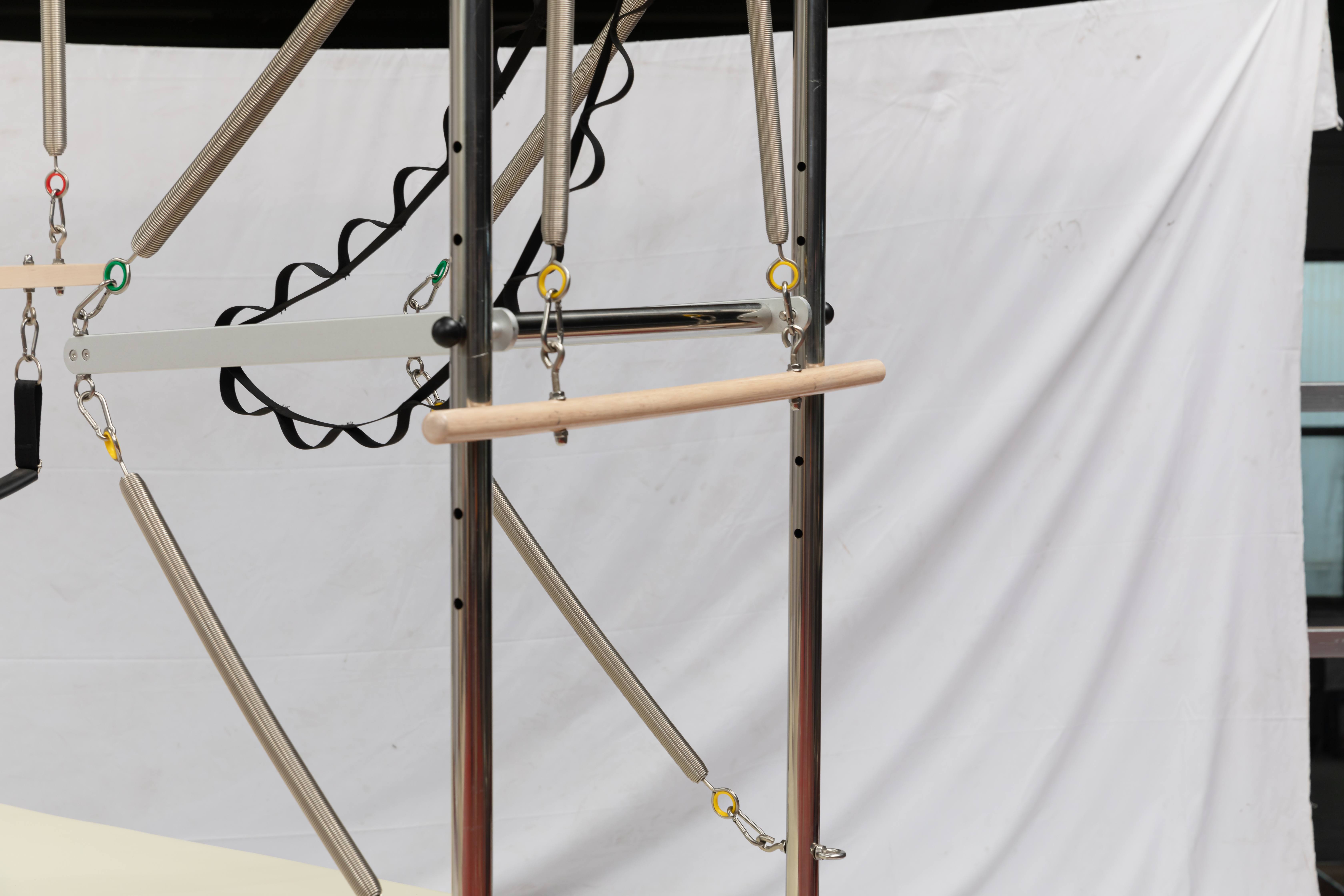
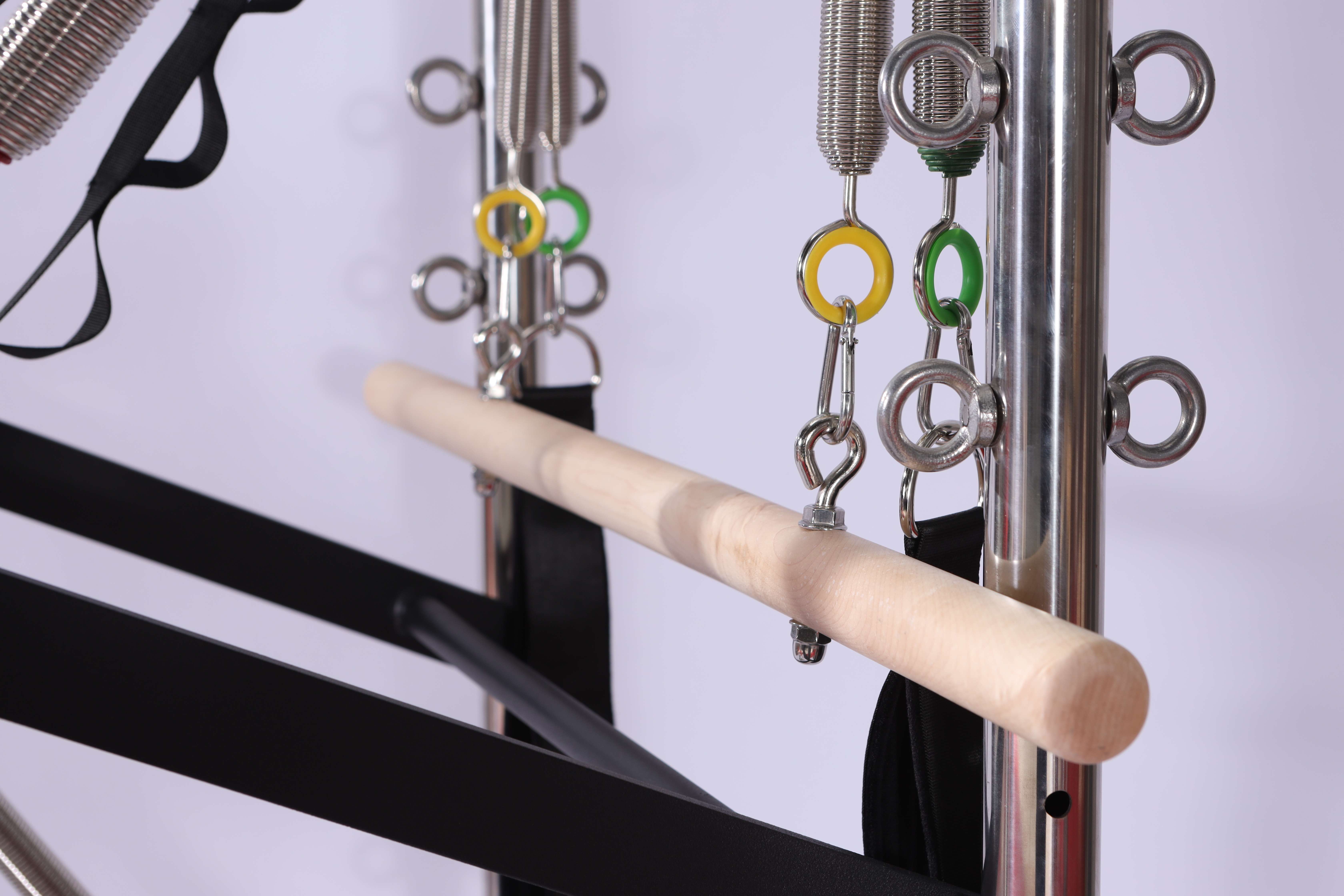
- Uneven tension: Same-color springs no longer match resistance; one feels softer or lighter during movement. This is the most common early sign of fatigue, and it ruins consistent cueing for instructorsMegacore.
- Visible coil gaps, kinks or deformed hooks: Separated coils are a critical failure risk. Do not keep using the reformer even for one more class.
- Rust, pitting or flaking coating: Sweat and humidity eat away the protective plating; rough dark spots mean structural damage has started. Coastal studios need extra frequent checks here.
- Strange noise: Persistent squeaking, popping or grinding from the spring connection points that does not disappear after cleaning and lubrication.
- Permanent lengthening: When a spring no longer returns fully to its original resting length after unloading.
Best practice: Always replace springs in matched sets for one reformer, not single worn springs. Mixing new and fatigued springs on the same machine creates inconsistent resistance and safety imbalance for clientsMegacore.
Recommended Inspection & Replacement Schedule Template for Studios
Build this simple routine into your studio operations checklist:
- Weekly quick check (instructors): Before first class each day, visually scan springs for rust, cracks and deformed hooks; listen for odd sounds. Log issues on a dedicated reformer maintenance sheet.
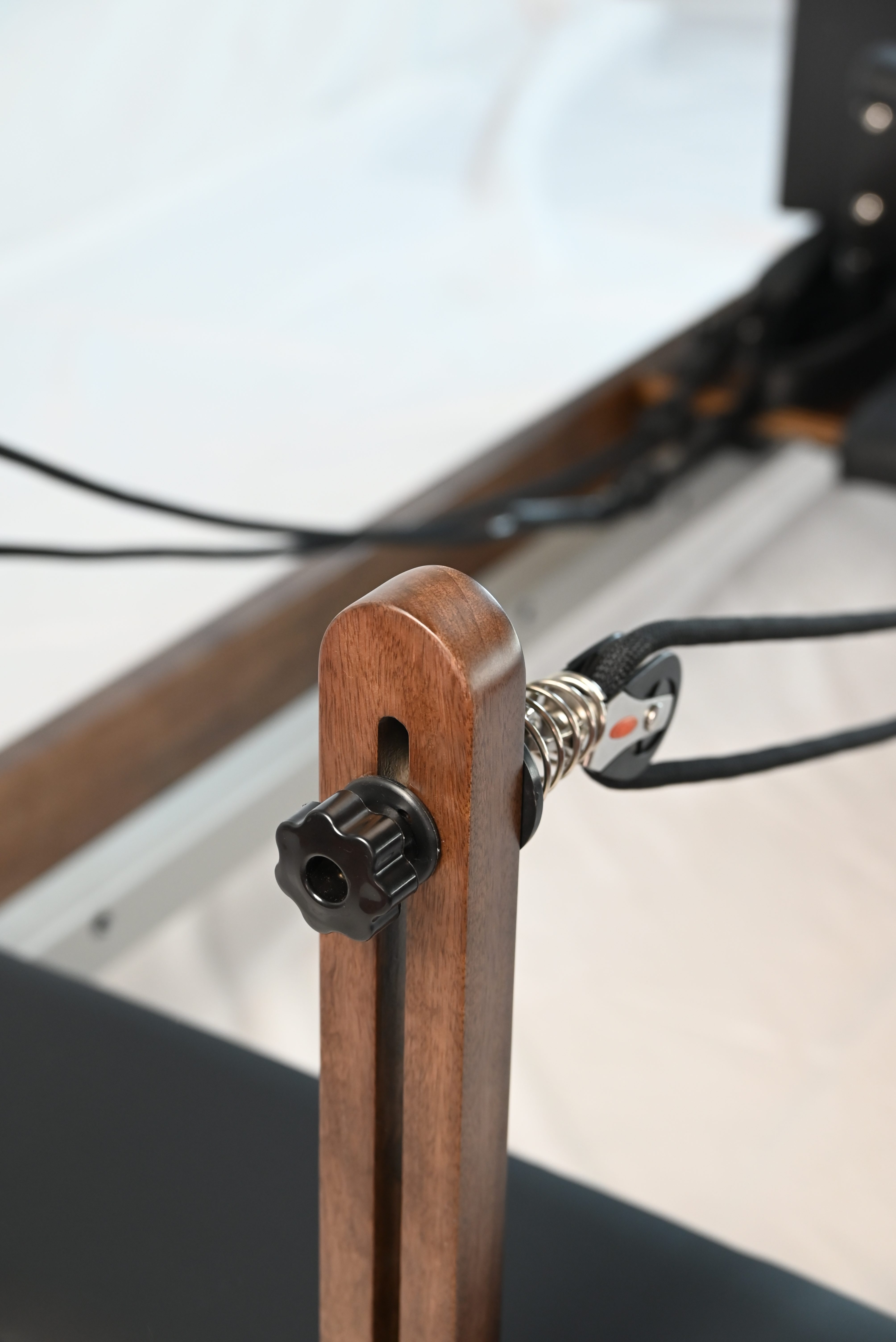
- Quarterly formal inspection: A manager or qualified technician tests tension consistency, measures resting spring length, and rotates matched springs to distribute wear evenly across attachment points where possible. Inspect spring clips and carabiners at the same time; these smaller fasteners often wear faster than springs and are frequently overlooked. Many manufacturers advise spring clip replacement every 12 months.
- Scheduled full replacement: For high-frequency rooms, budget and schedule full spring set replacement every 18 months maximum, or hit the 3,000-hour mark first. Mark each reformer with a sticker showing spring install date and next replacement date.
- Annual service: Combine spring inspection with carriage wheel, strap, rope and footbar bolt tightening during yearly equipment service.
Maintenance Habits That Extend Spring Life
You cannot stop metal fatigue forever, but good habits can stretch predictable service life and reduce premature failure:
- Wipe springs regularly after classes to remove sweat residue. Sweat is acidic and accelerates corrosion faster than ambient moisture. Use a soft dry cloth; avoid harsh chemical cleaners that strip protective plating.
- Avoid leaving springs under tension overnight between classes. Return the carriage to the neutral resting position when the studio closes.
- Train instructors not to release the carriage abruptly, which causes springs to recoil sharply. Controlled return reduces shock loading on coils and end hooks.
- Order replacement spring sets from your original equipment manufacturer. Generic off-brand springs may have different tension curves, wire diameter and fatigue ratings, and they may not match the colour-coded resistance system your team relies on.
- Keep spare spring sets in stock. Waiting weeks for shipping after a spring breaks forces you to cancel classes or run unsafe sessions.
Studio Business & Risk Considerations
Skipping scheduled spring replacement creates two costly problems: safety liability and inconsistent client experience. If springs lose tension gradually, regular clients and instructors may not notice the drift until a sudden break occurs. In rehab-focused sessions, unreliable resistance can compromise corrective programming and increase injury risk.
Budget for spring replacement as a fixed recurring operating cost, not an unexpected repair expense. Spread the workload by rotating replacement across your reformer fleet instead of swapping all springs in one month. For example, replace two reformers’ springs every quarter so capital outlay stays predictable and downtime is minimised.
Final Takeaway
Pilates reformer springs are not “fit and forget” hardware. In high-turnover studios with back-to-back classes, their safe working window is far shorter than many owners assume. Combine a time/hour-based replacement schedule with weekly visual checks, quarterly tension testing and consistent cleaning habits. Replacing springs proactively keeps your class programming predictable, protects your clients and instructors, and prevents disruptive, revenue-losing equipment breakdowns during peak hours.