How Pilates Builds Stronger, Healthier Spinal Discs
Sedentary spinal compression and disc degeneration risks
Long-term sitting and inactive lifestyles create constant spinal compression, squeezing spinal discs and limiting nutrient circulation within disc tissue. Over time, poor spinal loading leads to disc dehydration, reduced cushioning, and increased risk of bulging or herniated discs. Traditional high-impact workouts worsen spinal compression, while passive rest fails to restore disc health and spinal mobility effectively.
Spinal decompression pilates movements for disc hydration and health
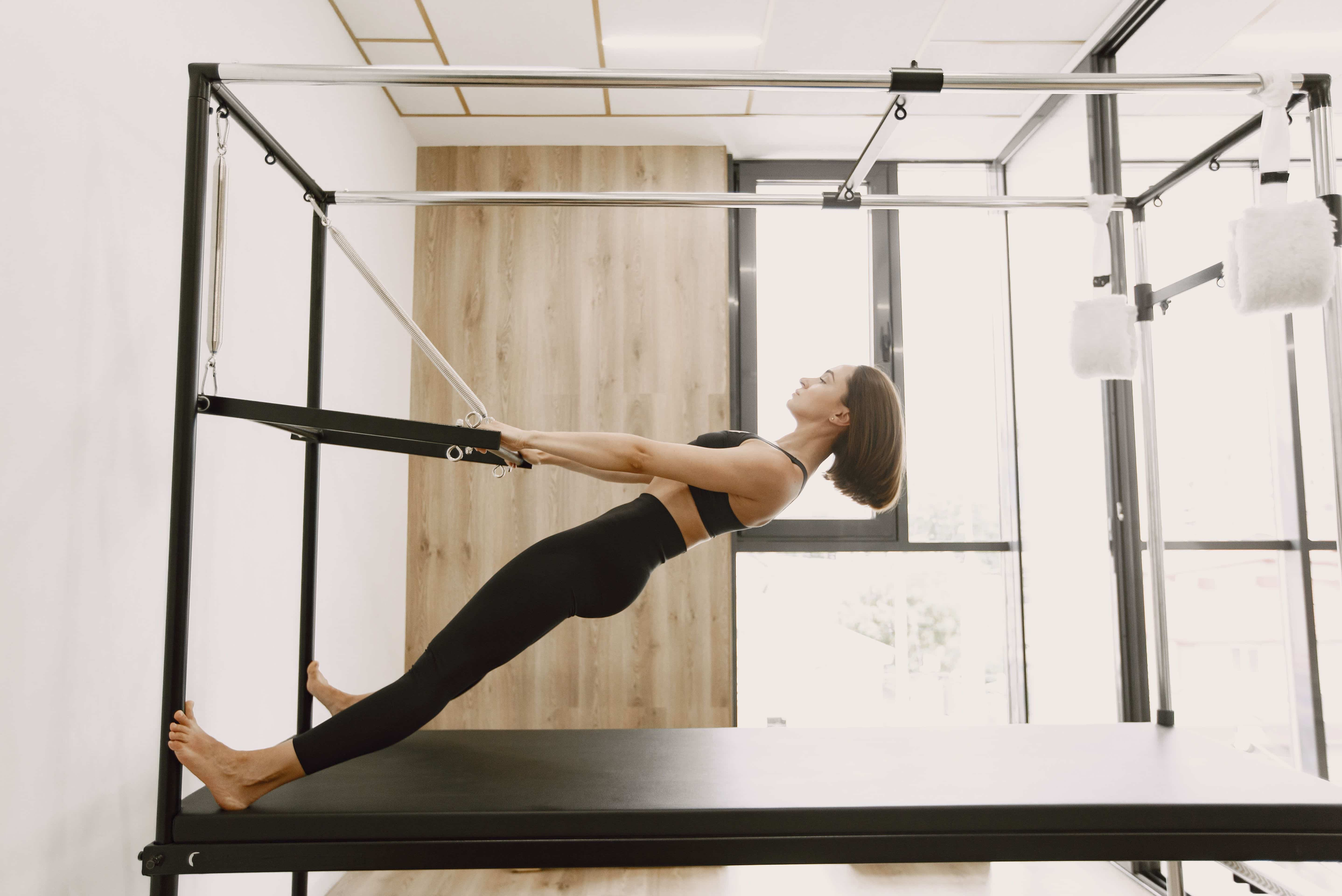
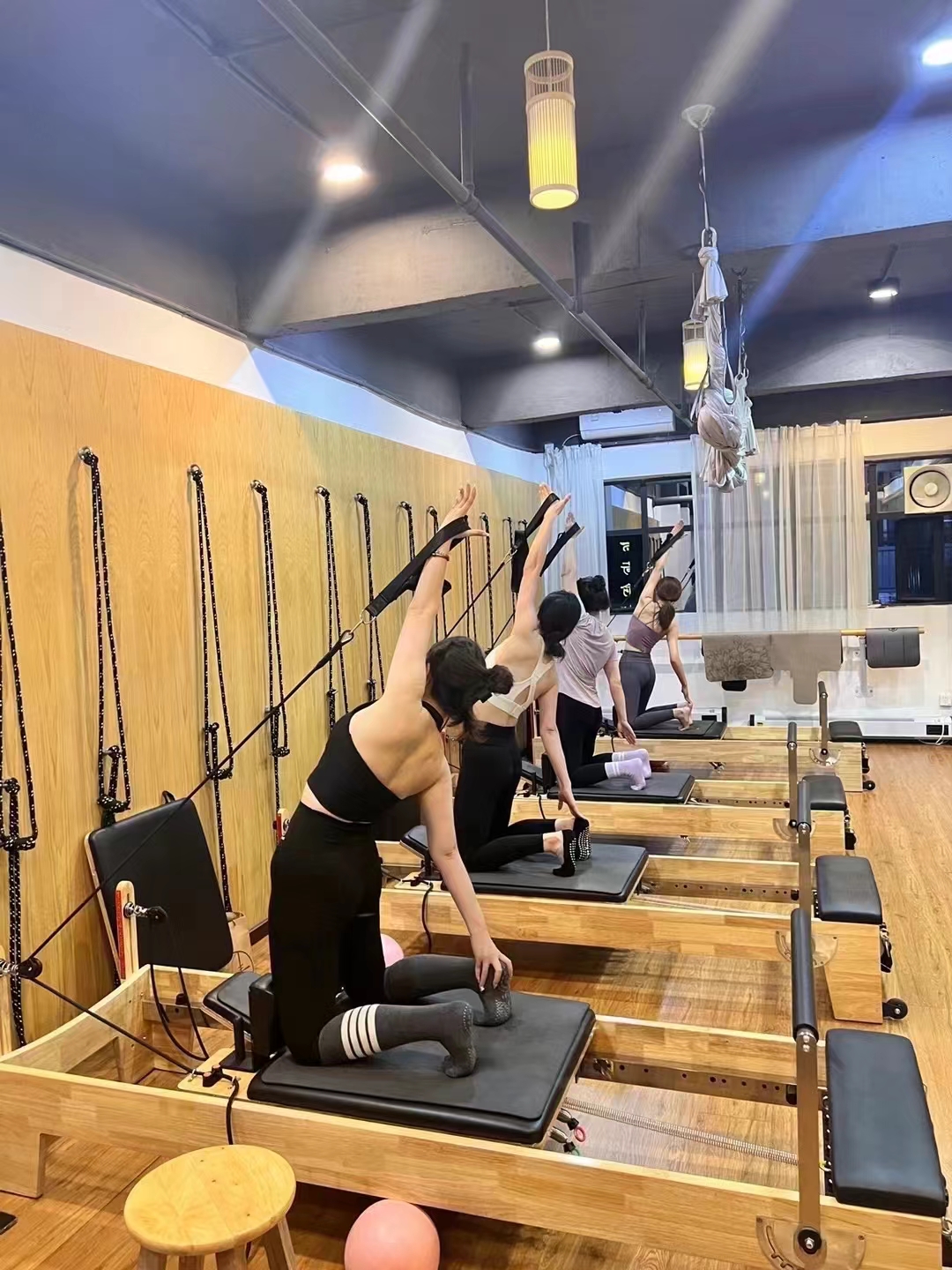
Pilates controlled spinal articulation, elongation, and gentle rotational movements decompress the spine, allowing spinal discs to rehydrate and receive essential nutrients. Every stretching and lengthening pilates motion creates space between vertebrae, relieving chronic spinal pressure and improving disc tissue health. Consistent practice maintains spinal disc elasticity, prevents premature degeneration, and preserves long-term spinal health and mobility for all age groups.