Warehouse Storage Tips for Bulk Pilates Equipment to Prevent Frame and Upholstery Damage
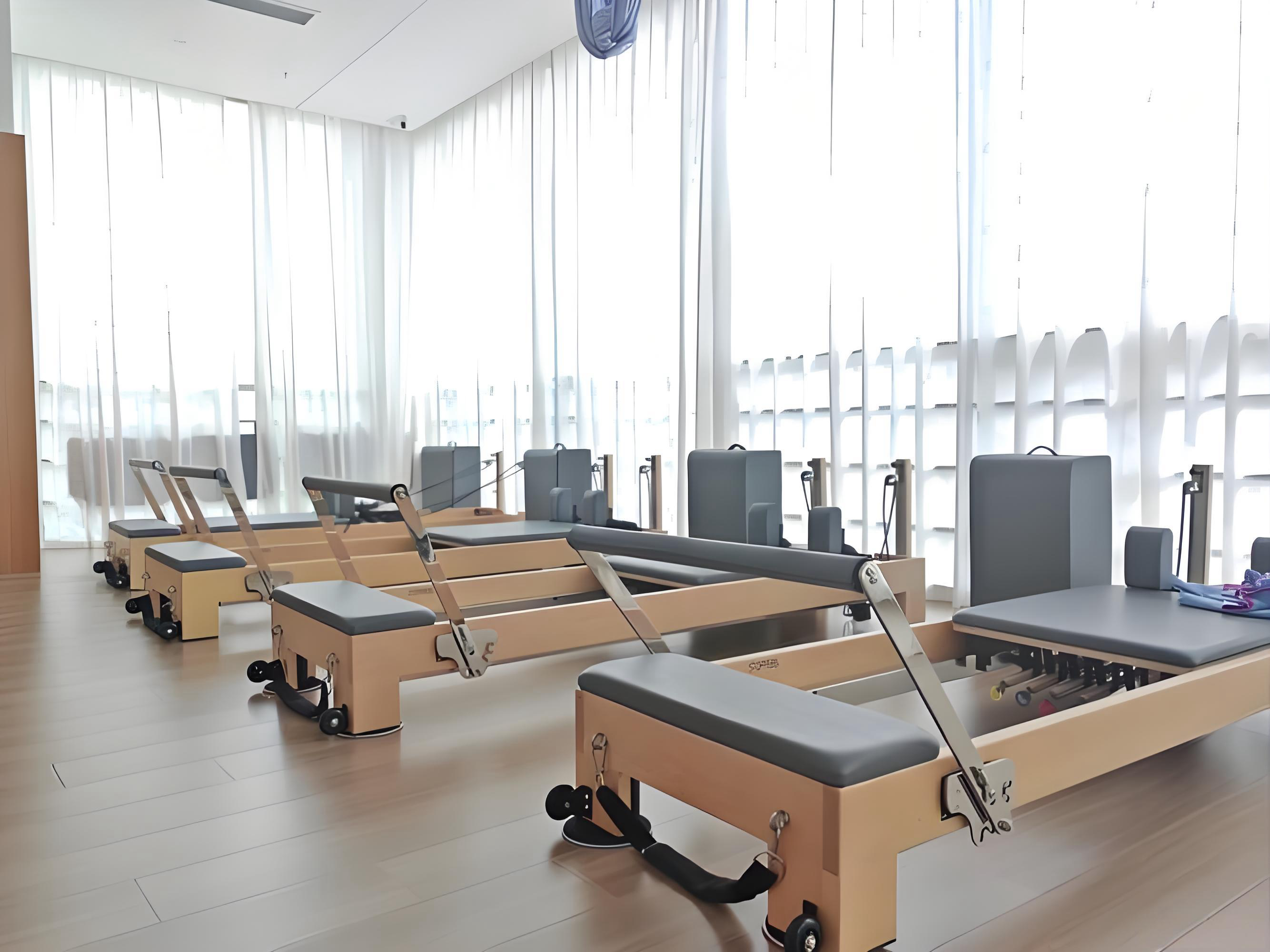
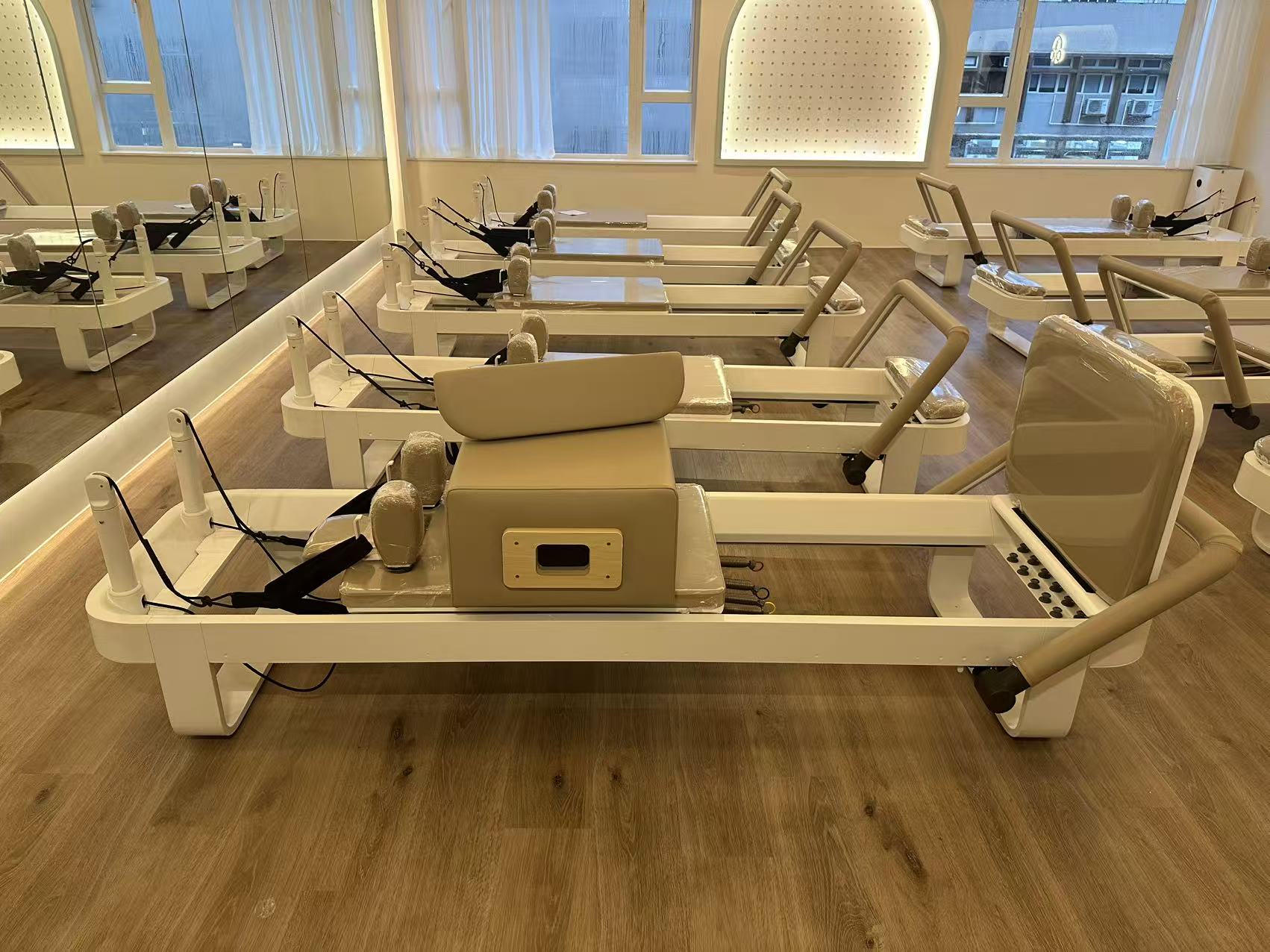
When importing or stocking bulk Pilates apparatus, proper warehouse storage is an often-overlooked link between factory quality and happy studio buyers. Commercial reformers, Cadillacs, Wunda chairs, barrels and related accessories represent a significant inventory investment. Even well-manufactured units can suffer permanent damage before they reach the customer if stacked incorrectly, exposed to poor humidity, or handled carelessly while sitting in storage. Scuffed alloy frames, dented timber, stained upholstery, mould, torn padding and rusted hardware lead to rejected shipments, warranty claims, extra rework and lost distributor trust. This guide shares practical warehouse storage rules tailored for bulk Pilates equipment, with a focus on protecting frames and upholstery long-term.
Understand the Two Highest-Risk Components: Frames and Upholstery
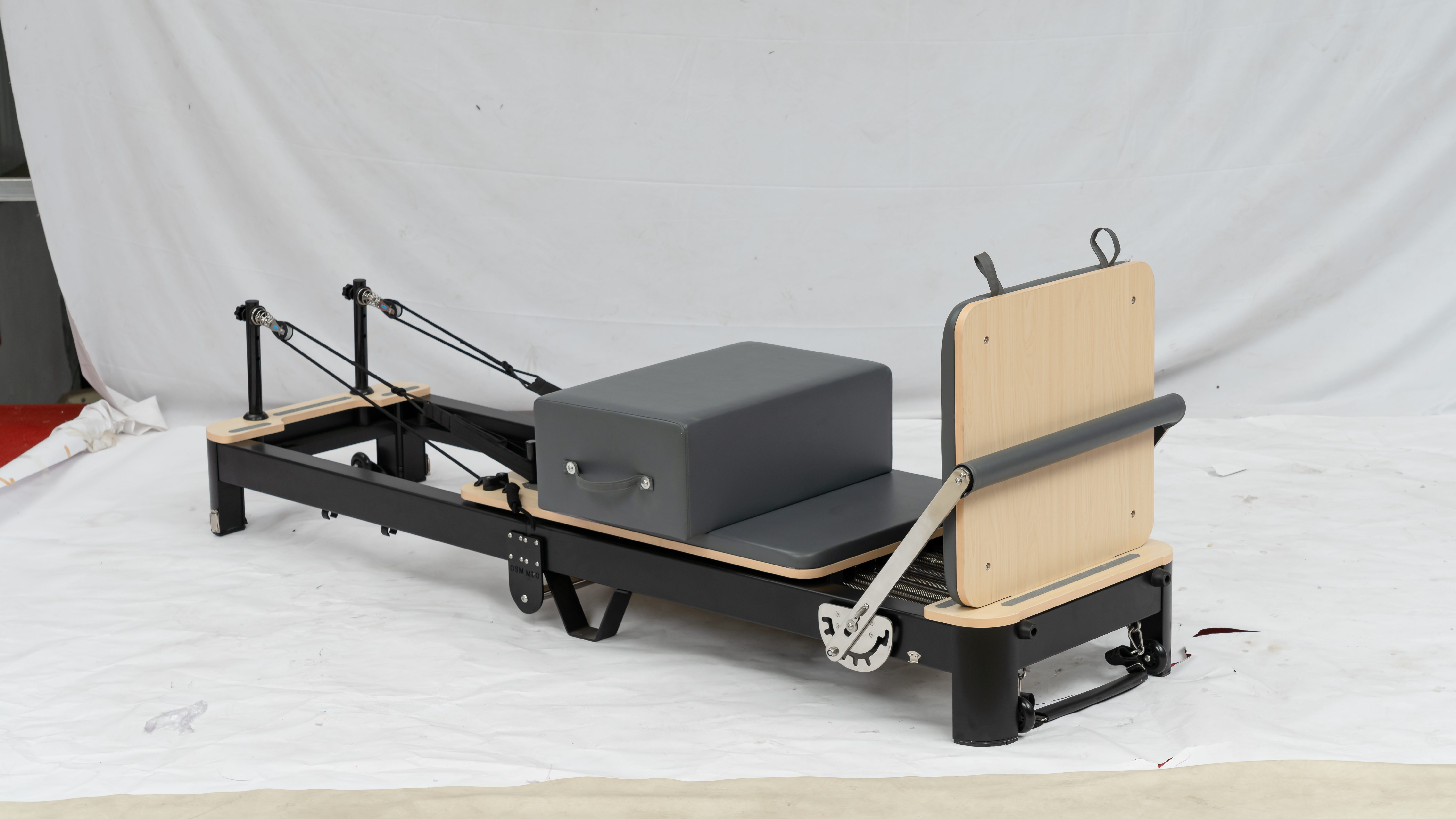
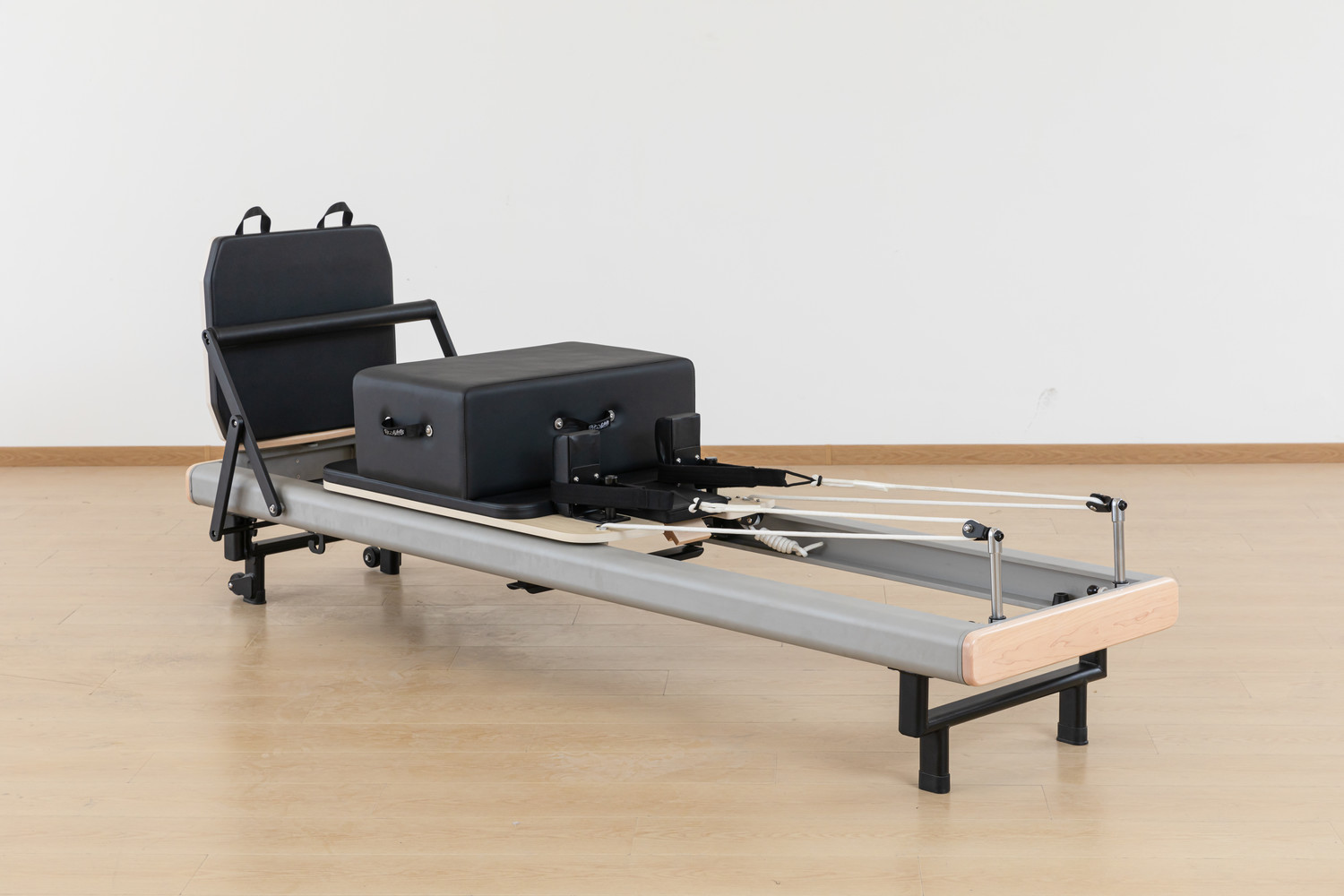
Pilates equipment frames fall into two common categories: solid timber and aluminium alloy.
Solid timber frames are vulnerable to rapid changes in temperature and humidity. Too much moisture causes warping, swelling, mould and dark stains; overly dry air leads to cracking and splitting at joints. Aluminium frames are more stable against moisture but scratch, dent and oxidise easily when scraped against hard surfaces or other metal parts. Sharp edges from loose brackets, springs and pulleys are frequent culprits of frame damage during storage.
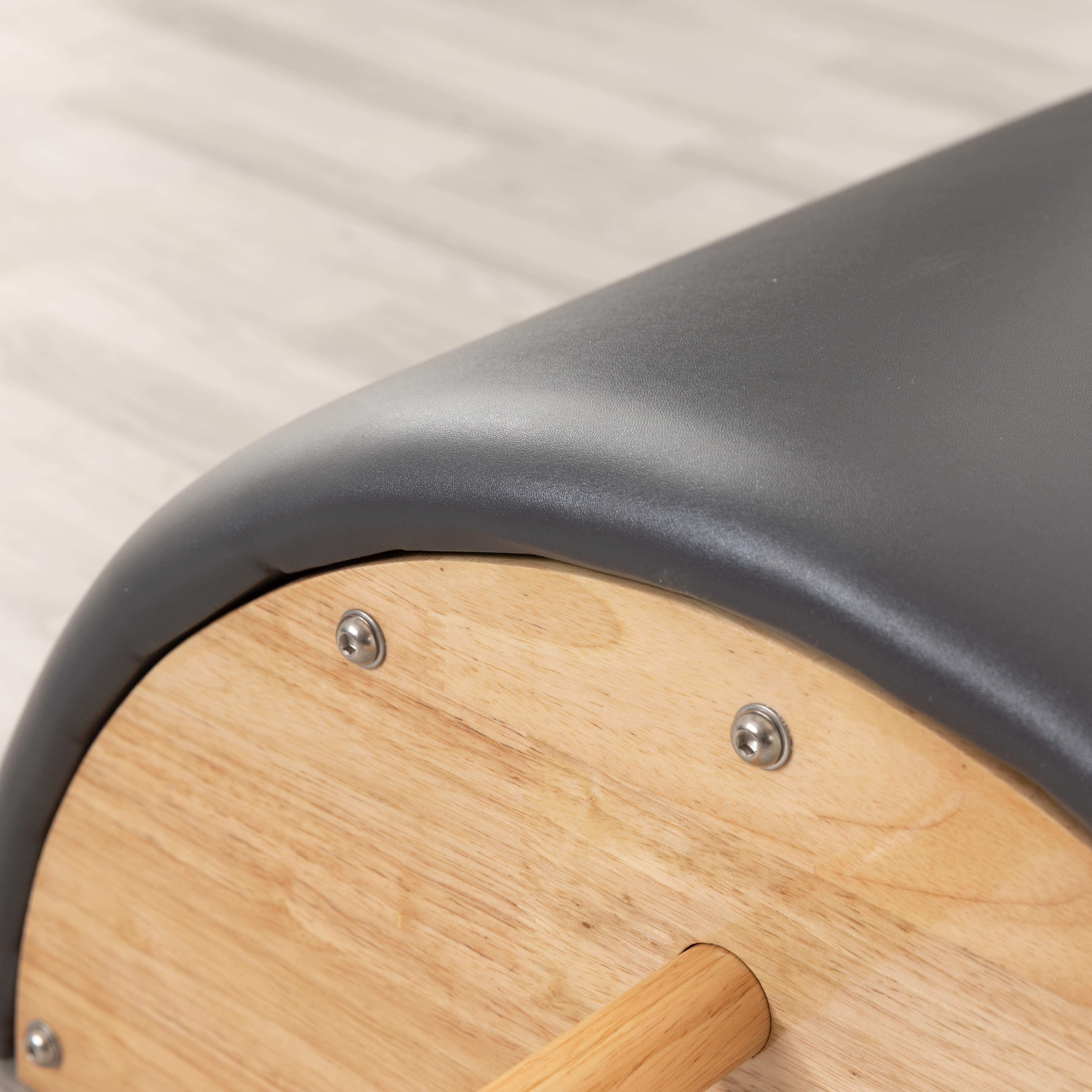
Upholstered padding is even more sensitive. The vinyl or PU foam used on reformer carriages, headrests, barrels and chair pads absorbs moisture, holds dust and attracts mould. Direct sunlight fades upholstery colour quickly, and prolonged pressure creates permanent indentations in foam. Stains from dirt, condensation or chemical residue are nearly impossible to remove from finished upholstery without ruining the surface finish. Once upholstery is marked or compressed, resale value drops sharply, and many studio buyers will refuse delivery.
Warehouse Environment Control: The Foundation of Safe Storage
Before organising racks and pallets, stabilise your storage environment. This is especially critical for long sea freight transit follow-up and slow-moving bulk inventory.
- Humidity target: 40% – 60% relative humidity. Use dehumidifiers in damp coastal warehouses and humid seasons. Avoid storing Pilates gear near loading dock doors, leaking roofs, drainage pipes or exterior walls where condensation forms.
- Avoid direct sunlight. UV rays fade upholstery and degrade foam elasticity. Keep inventory away from windows and overhead sun exposure. Cover open storage areas with opaque protective sheeting if sunlight cannot be blocked.
- Maintain steady temperature. Wild swings between hot days and cold nights create condensation inside cartons and wrapped units. Do not store equipment directly next to heaters or refrigeration units.
- Keep the floor clean and dry. Water, mud, oil and chemical spills transfer easily onto packaging and upholstery. Use sealed concrete floors or pallet liners. Never place unwrapped upholstered parts directly on the ground.
Packaging Rules for Stored Bulk Units
Original export packing is designed for ocean transit, but it may not be ideal for months of stationary warehouse storage.
- Retain factory protective wrapping. Keep foam corner protectors on frame corners, plastic dust covers over upholstery, and stretch film intact. Avoid wrapping upholstery tightly with non-breathable plastic for extended periods — trapped moisture causes mould growth. For long-term storage, use breathable PE dust covers instead of airtight wrapping.
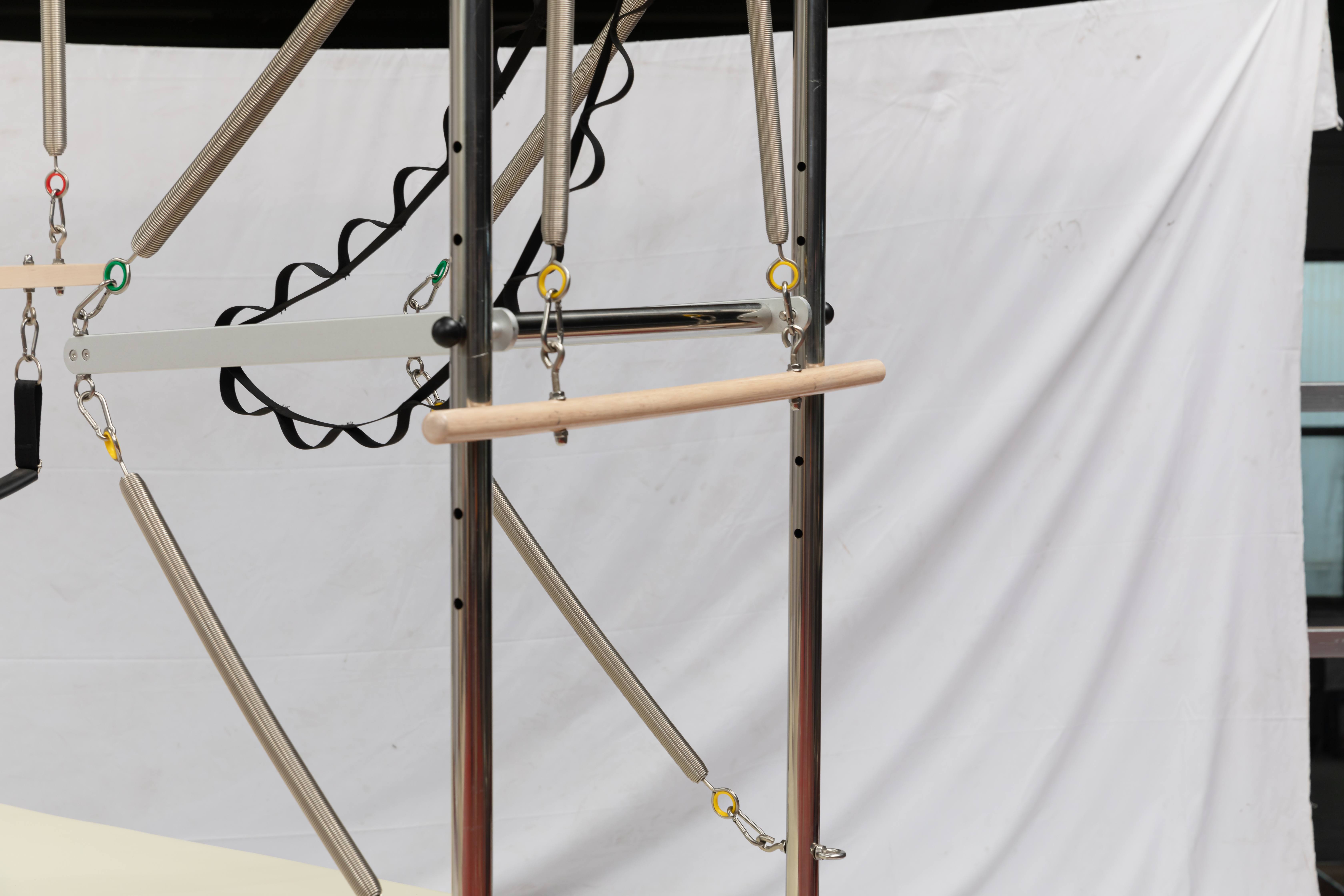
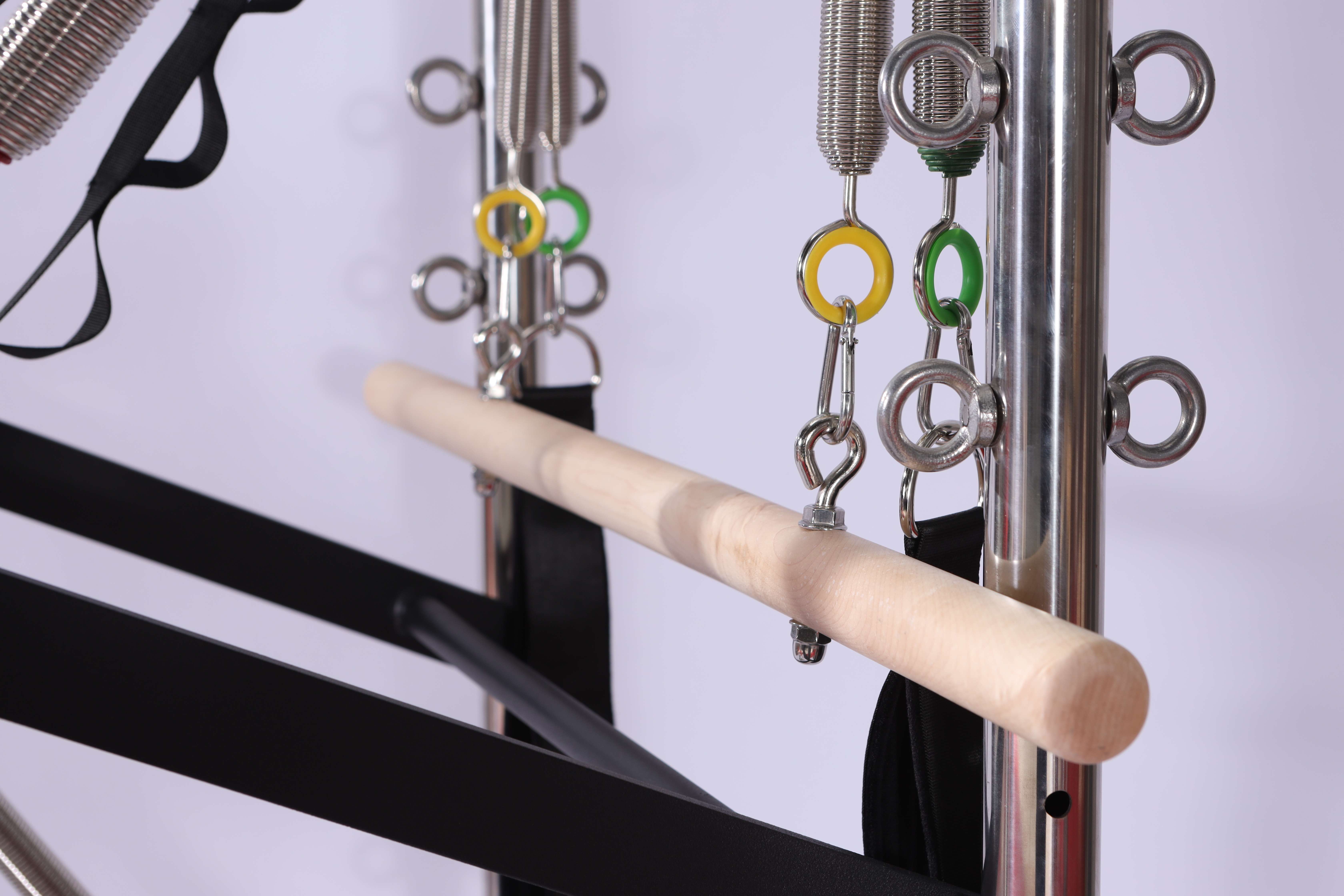
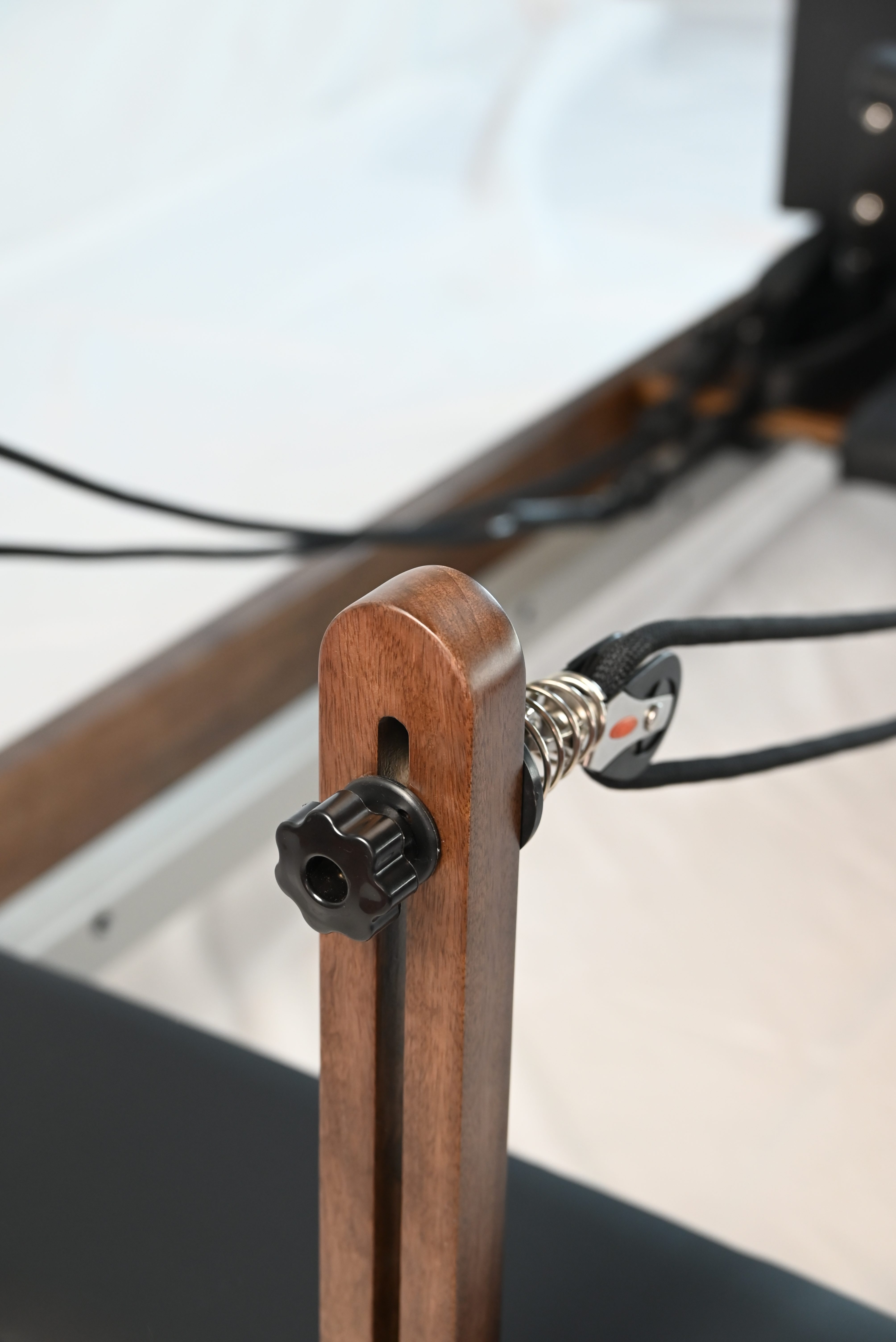
- Separate loose hardware. Springs, straps, carabiners and metal brackets should be packed in labelled individual poly bags. Loose metal parts rolling around inside the carton will scratch frames and tear upholstery covers.
- Label every pallet clearly. Mark equipment type, upholstery colour, frame material, arrival date and FIFO (first-in, first-out) rotation tag. Older stock must ship first to minimise storage ageing.
- Do not remove protective wrapping early. Only unwrap sample units for inspection. Keep sale inventory sealed until order picking.
Stacking and Palletisation Best Practices
Improper stacking is the number one cause of bent frames and crushed upholstery in bulk storage.
- Follow the manufacturer’s stacking limit. Most Pilates reformer cartons are rated for only 1 or 2 cartons stacked on top. Never stack heavy items such as barrels or weight sets on top of upholstered carriage boxes.
- Use sturdy wooden or plastic pallets with ISPM 15 certification if you will re-export later. Pallets must be flat, without protruding nails or splinters that can pierce packaging.
- Place heavier, rigid frame boxes at the bottom of the stack. Lighter upholstery accessory boxes go on top.
- Leave vertical clearance. Do not stack cartons tight against ceiling beams or overhead sprinklers. Leave air gaps between stacks for airflow to reduce mould risk.
- Separate timber and aluminium stock where possible. Rough timber edges can scratch polished aluminium frames when cartons shift.
- Avoid leaning units against walls or each other. Leaning creates uneven pressure that warps frames and compresses foam padding permanently.
Dedicated Storage Zones for Different Product Types
Group your inventory logically to reduce handling damage:
- Large reformer and Cadillac zone: Low racking, limited stacking, wide aisle space for forklift or manual handling. These are your highest-value units and need the most care.
- Barrel and padded accessory zone: Low-height storage, no heavy stacking. Arc barrels and spine correctors have curved foam surfaces that dent easily.
- Hardware and spare parts zone: Closed shelving, sorted by part number. Springs, straps and clips stay dry and contained.
- Sample inspection zone: A separate area for unwrapped display units, away from bulk stock. This prevents dust and handling wear on sellable goods.
Handling and Picking Procedures
Damage often happens during picking, repacking and moving, not just while sitting on the shelf.
- Train warehouse staff to lift by the solid frame sections, never pull or carry equipment by upholstered pads, straps or spring assemblies.
- Use soft edge guards on forklift forks and hand trucks. Bare metal forks tear packaging and gouge frames.
- Minimise repeated moving. Frequent transfers between racks increase scratch risk. Group orders to reduce handling cycles.
- Inspect every unit at receiving and again at picking. Log scratches, stains, dents or mould marks immediately and set aside damaged stock for rework rather than shipping it to customers.
Regular Warehouse Inspection Checklist
Schedule a weekly walkthrough for your Pilates equipment inventory:
✅ Check for signs of condensation, water stains or mould on cartons
✅ Verify humidity levels in the storage area
✅ Look for crushed boxes, shifted stacks or overloaded pallets
✅ Confirm upholstery covers are intact and not trapped under heavy pressure
✅ Check timber frames for warping or discolouration
✅ Clear dust build-up on wrapped units; dust holds moisture against upholstery
✅ Rotate stock following FIFO
Common Mistakes to Avoid
- Using cheap bubble wrap with sharp recycled edges that abrade upholstery and painted frames
- Storing wet packing material together with finished equipment
- Stacking upholstered pads directly under heavy metal frames
- Mixing chemical cleaners, paint or other hazardous goods in the same storage bay
- Leaving upholstered parts uncovered in dusty warehouse air for weeks
- Ignoring small scratches until they turn into customer complaints
Final Thoughts
Bulk Pilates equipment represents a sizable capital investment for distributors. Smart warehouse storage is not just about tidiness; it protects your margin and reputation. Stable humidity, careful pallet stacking, breathable protective packaging, FIFO rotation and controlled handling keep aluminium frames scratch-free, timber straight and upholstery clean and undamaged. With these simple systems in place, you can reduce defect rates, cut re-upholstery and refinishing costs, and deliver studio-ready equipment that matches the quality promise on your product listings.