Pilates Equipment Import Customs Document Differences Between UK, EU and Southeast Asia Markets
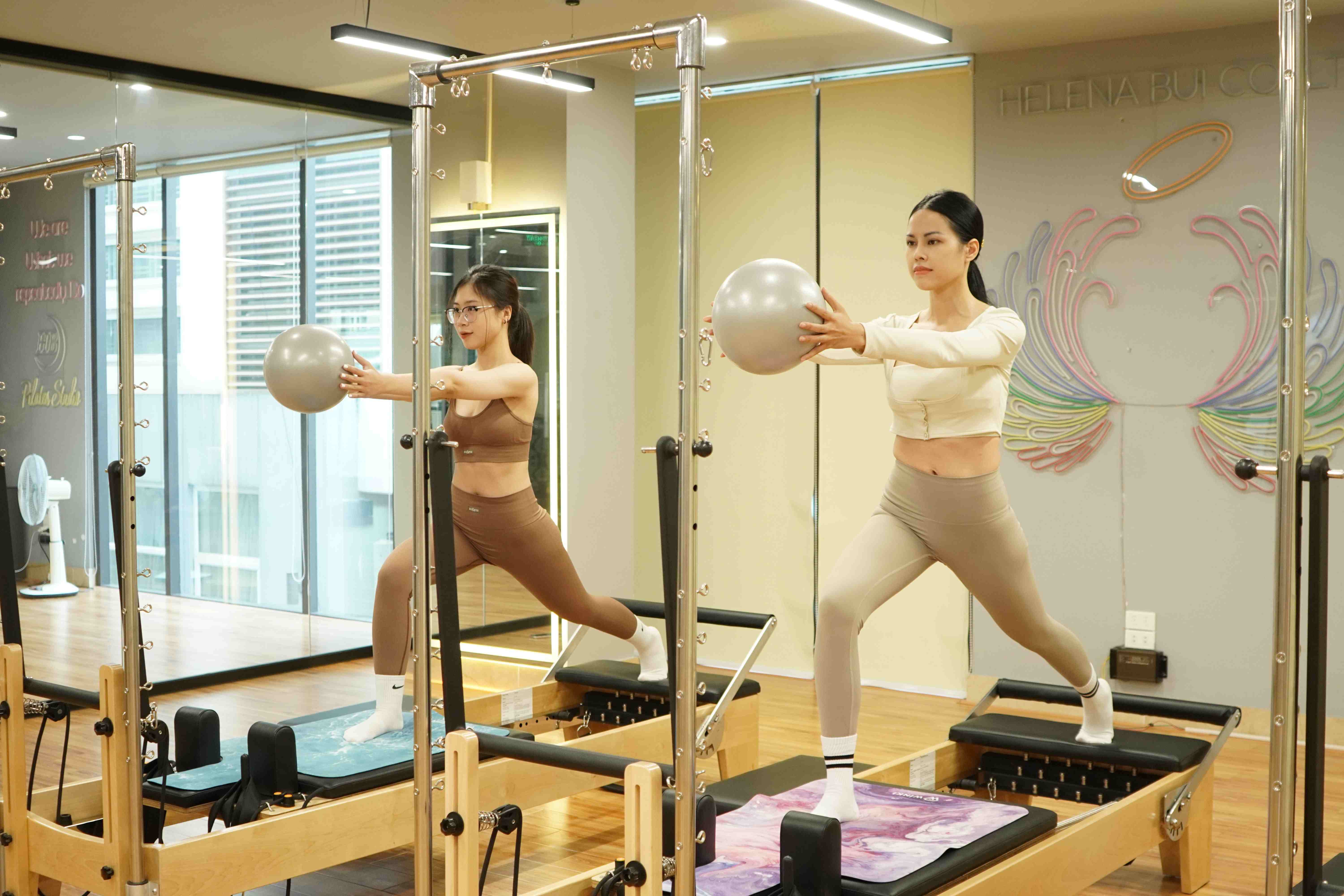
If you are a Pilates studio buyer, local distributor or manufacturer exporting commercial Pilates Reformers, Cadillacs, Wunda Chairs and Arc Barrels, one costly mistake is preparing the same customs document package for every destination. The United Kingdom, European Union and Southeast Asia follow separate border rules, certification frameworks and clearance paperwork. Missing a single mandatory document can trigger container holds, inspection delays, extra storage fees or even cargo rejection. This article breaks down the core document differences, mandatory compliance files and common pitfalls for each market.
Shared baseline documents for all three markets
Before comparing differences, several core shipping documents are universally required for sea freight Pilates machinery shipments: commercial invoice, detailed packing list, full bill of lading, ISPM 15 fumigation / heat treatment certificate for wooden crates, and certificate of origin. Even these standard documents carry small regional rules, such as origin declaration wording, commodity code accuracy and consignee EORI details. All Pilates apparatus falls under sports and exercise equipment tariff codes, so the HS code printed on invoices and declarations must match local customs classification.
EU market: CE, DoC, EN 957 and harmonized customs declaration
The EU operates under the Union Customs Code, with the Single Administrative Document (SAD) as the standard import declaration form across all member statesEuropean C.... The most critical compliance document for commercial Pilates equipment is the Declaration of Conformity (DoC) paired with CE marking, based on the Machinery Directive and EN 957 fitness safety standards. Every bulk shipment of Reformers, Cadillacs and Pilates chairs must carry the manufacturer-issued DoC, technical construction file, risk assessment reports and test records proving compliance with EN 957.
An EU importer must hold a valid EORI number. Preferential tariff treatment relies on the correct certificate of origin. While the EU shares unified product safety rules, individual member states may carry out random physical inspections. The key point: CE and DoC are not optional border paperwork; they are market access requirements before the goods can be placed on sale to studios.
UK market: UKCA, separate customs regime and CDS declarations
Post-Brexit, the UK runs an independent customs system, separate from EU procedures. Importers bringing Pilates equipment into Great Britain need a GB-prefixed EORI number; shipments to Northern Ireland follow different cross-border rulesGOV.UK. Customs declarations are submitted via the UK Customs Declaration Service (CDS), not the EU SAD formGOV.UK.
For product compliance, the UKCA marking framework applies to fitness machinery. While CE-marked goods may still be accepted under current transition arrangements, serious distributors prepare UKCA technical files and UK-specific DoC to avoid future hold-ups. Pilates equipment shipments to the UK still need ISPM 15 marks for wooden packing, commodity codes on the import declaration and a full commercial invoice with clear unit pricing. The biggest difference from the EU: there is no automatic mutual recognition of EU customs declarations, and every sea consignment is treated as a third-country import.
Southeast Asia market: country-by-country certification, ASEAN origin rules and variable import permits
Southeast Asia is not a unified customs zone for Pilates equipment. ASEAN has common preferential origin rules, but certification, import permits and inspection rules change sharply from one nation to another.
For tariff savings, the China-ASEAN Free Trade Area Form E certificate of origin is widely used to claim reduced duty rates, subject to the 40% regional value content rule. Unlike the EU’s single CE standard, there is no region-wide mandatory fitness equipment mark. Indonesia requires SNI certification for selected sports goods; Vietnam applies CR marks and QCVN technical regulations; Singapore and Malaysia enforce separate electrical safety approvals for any Pilates apparatus with electric components.
Many Southeast Asian customs authorities conduct physical container checks for imported gym and Pilates equipment. Some destinations require an import permit or pre-import registration before cargo arrival. A CE DoC alone will not automatically clear customs, even if the product passes EN 957 testing. Distributors must check the exact local conformity document for the receiving country, not assume ASEAN harmonization.
Quick comparison of high-risk document gaps
- EU: Risk point = missing DoC, incomplete EN 957 technical file, invalid CE marking.
- UK: Risk point = wrong EORI prefix, outdated commodity code, no UKCA readiness.
- Southeast Asia: Risk point = relying only on CE documents, missing Form E, missing local national certification.
ISPM 15 wooden packing rules apply to all three regions, but inspectors in each market interpret marking and treatment records differently. Failing ISPM 15 can lead to mandatory re-fumigation or crate destruction at the buyer’s cost.
Practical workflow tips for distributors and studio buyers
When sourcing bulk Pilates apparatus for resale or studio rollout, separate your document checklist by destination at the quotation stage. Ask your manufacturer to prepare two compliance packages for Europe: one EU CE/DoC file, one UKCA file for UK orders. For Southeast Asia, confirm the destination country first, then request Form E plus any local CoC or permit support.
Always cross-check that the model numbers, serial ranges and descriptions on the invoice, packing list, B/L, test certificates and conformity documents are identical. Mismatched descriptions are the most frequent trigger for customs inspection and delay across all three markets.
Final takeaway
UK, EU and Southeast Asia all accept the same core shipping paperwork, but their mandatory safety certification, declaration systems and origin benefits are not interchangeable. The EU has centralized CE and DoC rules; the UK has a standalone post-Brexit customs and UKCA system; Southeast Asia is fragmented, with country-specific conformity marks and import licensing. Matching your document package to the destination market protects your margin, keeps studio opening schedules on track and avoids expensive customs penalties.