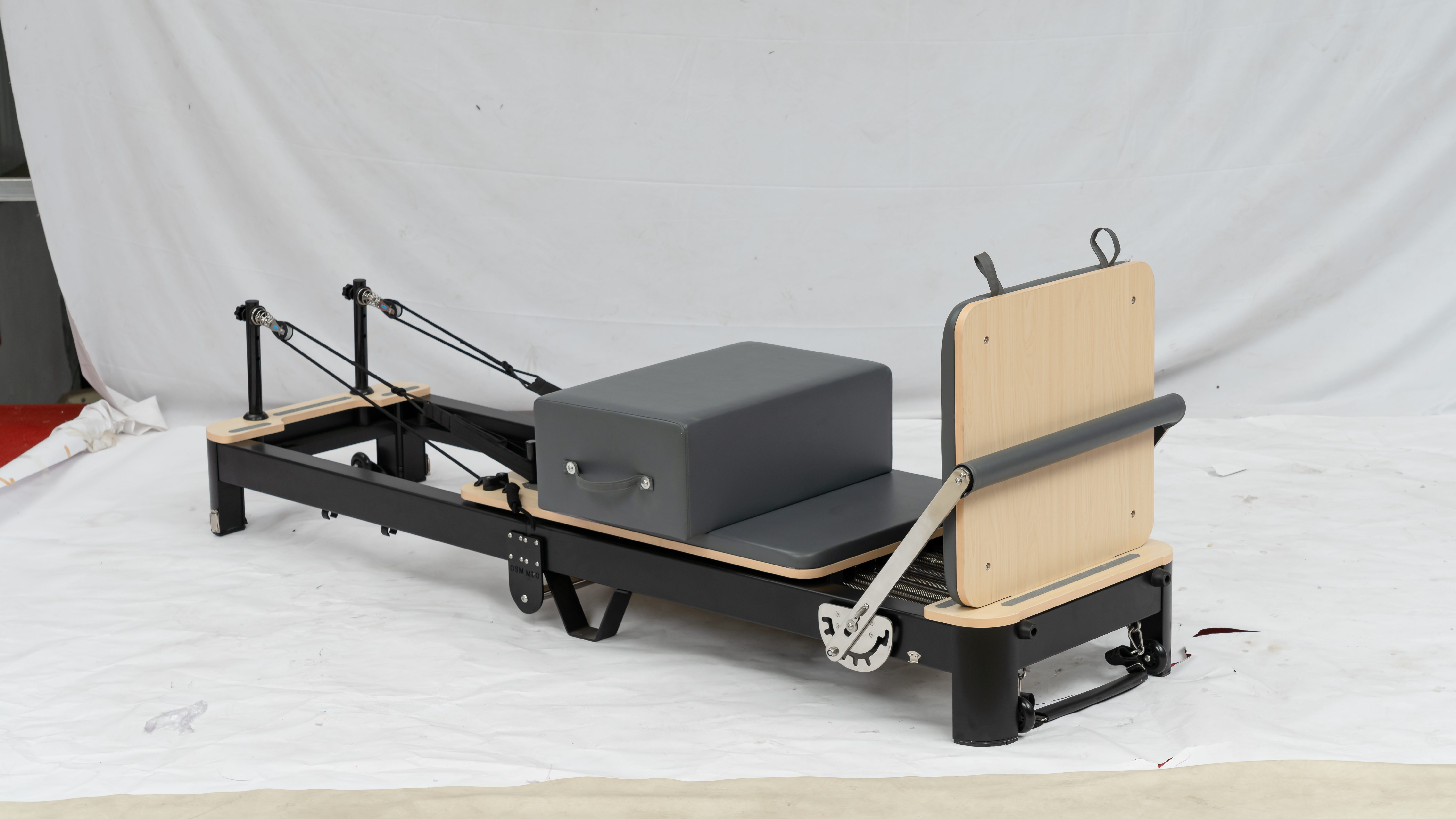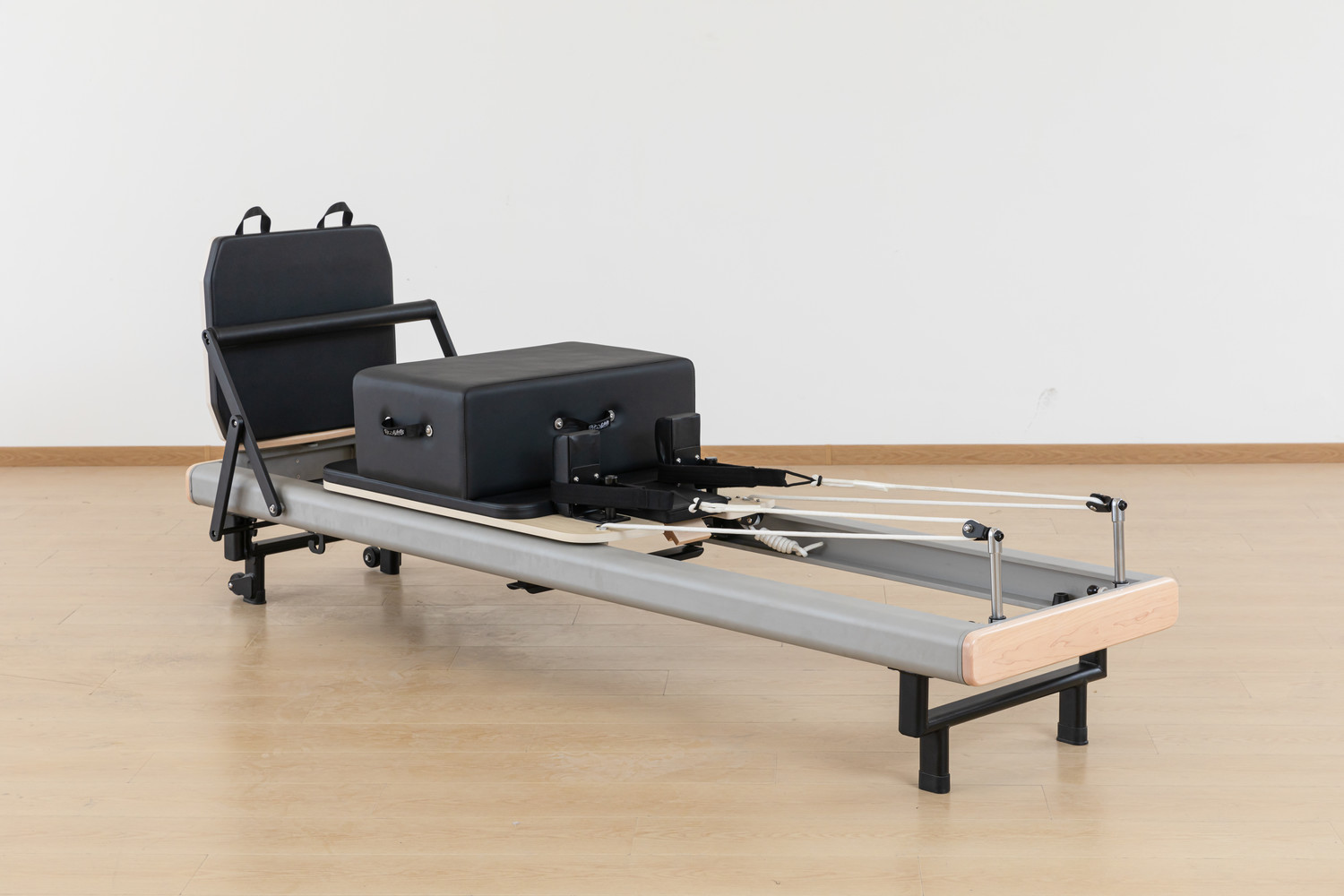
Commercial Pilates Reformer PU Upholstery Options: Wear Resistance and Cleaning Guide for Studios
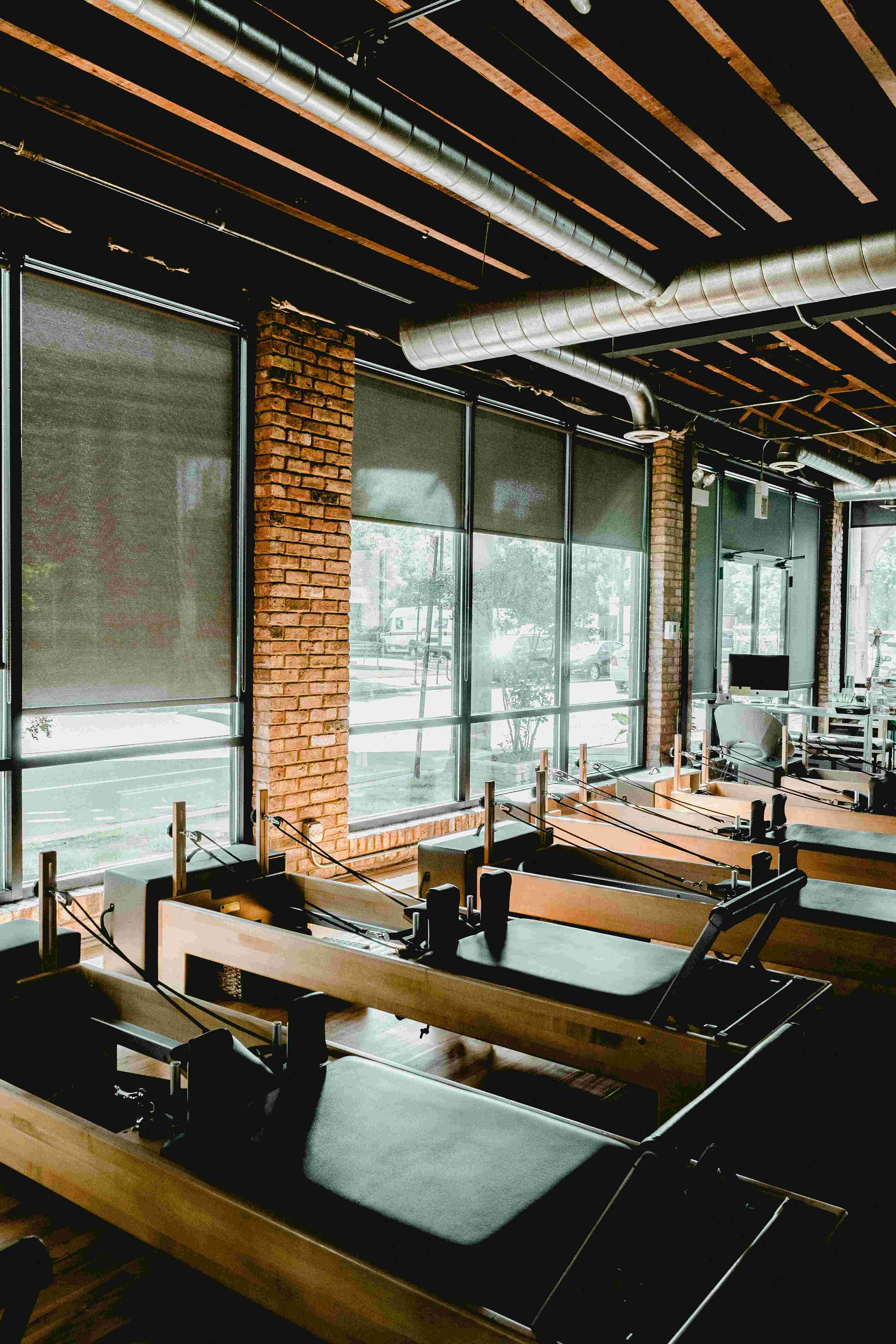
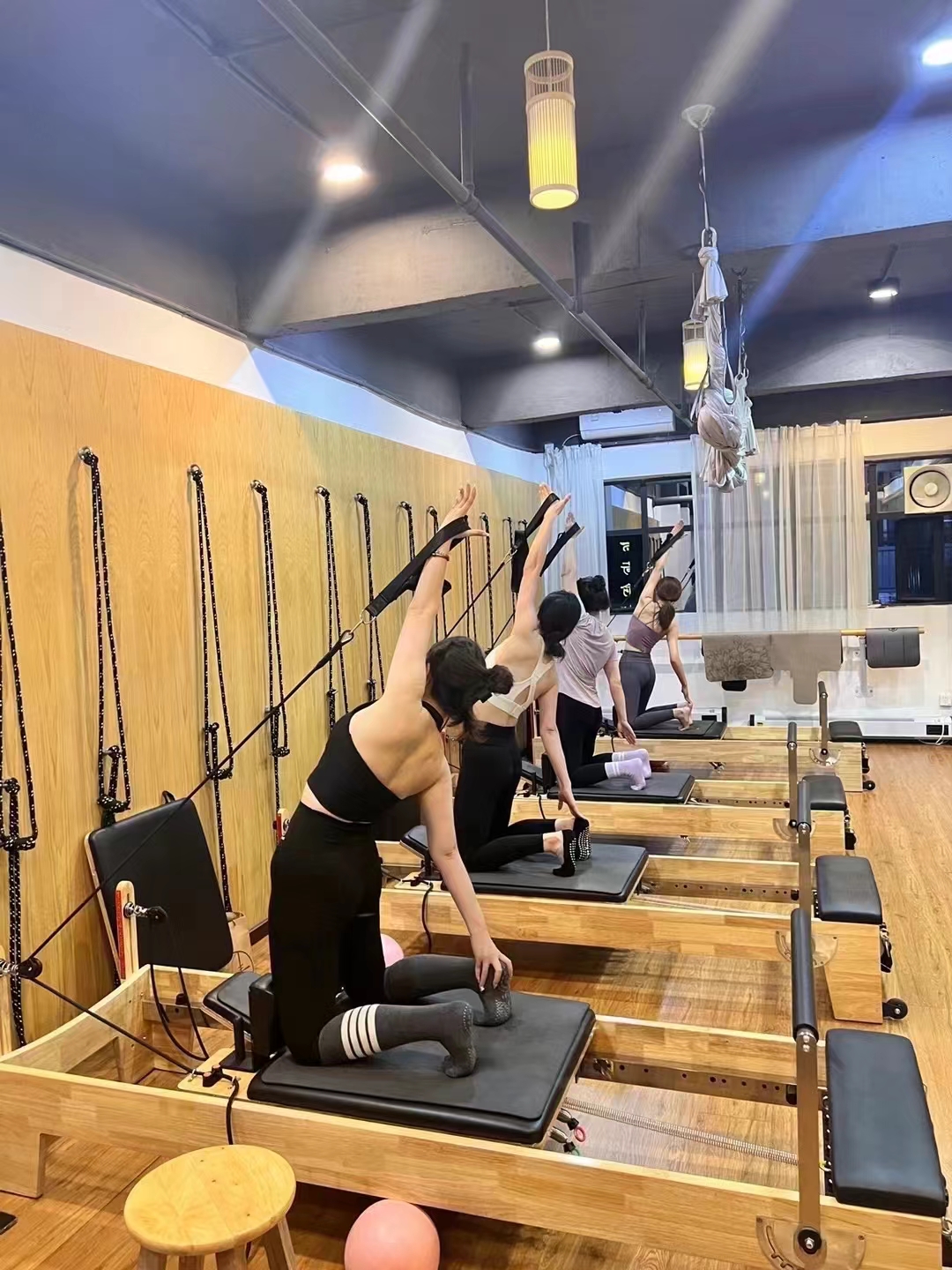
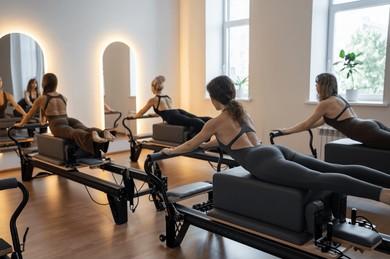
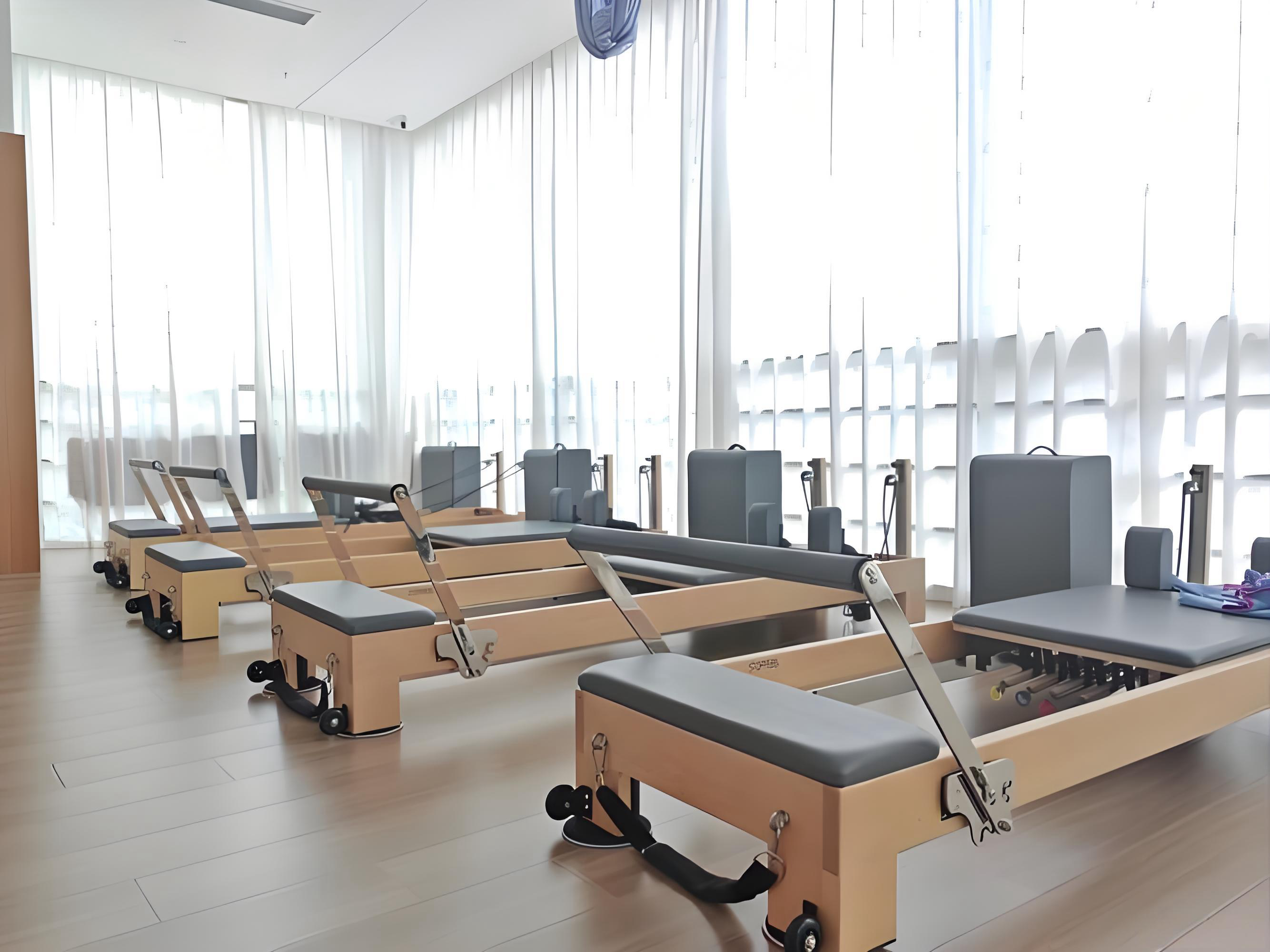
For busy commercial Pilates studios, the upholstery on Reformers takes constant abuse: repeated body contact, sweat, skin oils, friction from sliding, and daily cleaning routines. Many studio owners and distributors choose PU (polyurethane) upholstery for its soft touch, wide colour selection, and competitive pricing. But not all PU is built for high-frequency studio use. Choosing the wrong grade leads to peeling, cracking, discolouration and premature replacement, hurting your studio’s hygiene, appearance and long-term budget. This article breaks down PU upholstery grades, wear performance, selection criteria, and a step-by-step cleaning routine tailored for commercial Pilates Reformers.
Main PU upholstery grades for Pilates Reformers
PU upholstery is not a single standard material. Manufacturers offer several tiers, and the difference directly impacts service life in a busy studio.
Standard general PU
This entry-level PU is common on budget Reformers. It has a thin surface coating and moderate abrasion resistance. It works for low-use home machines or small studios with only a few classes per day. Under heavy commercial use, the top layer wears thin quickly, starts to peel, and may show creases after 6–12 months. It is sensitive to harsh cleaners and high humidity, and hydrolysis can happen faster in tropical or coastal regions. This grade is not recommended for high-traffic studios running back-to-back reformer sessions.
Commercial-grade hydrolysis-resistant PU
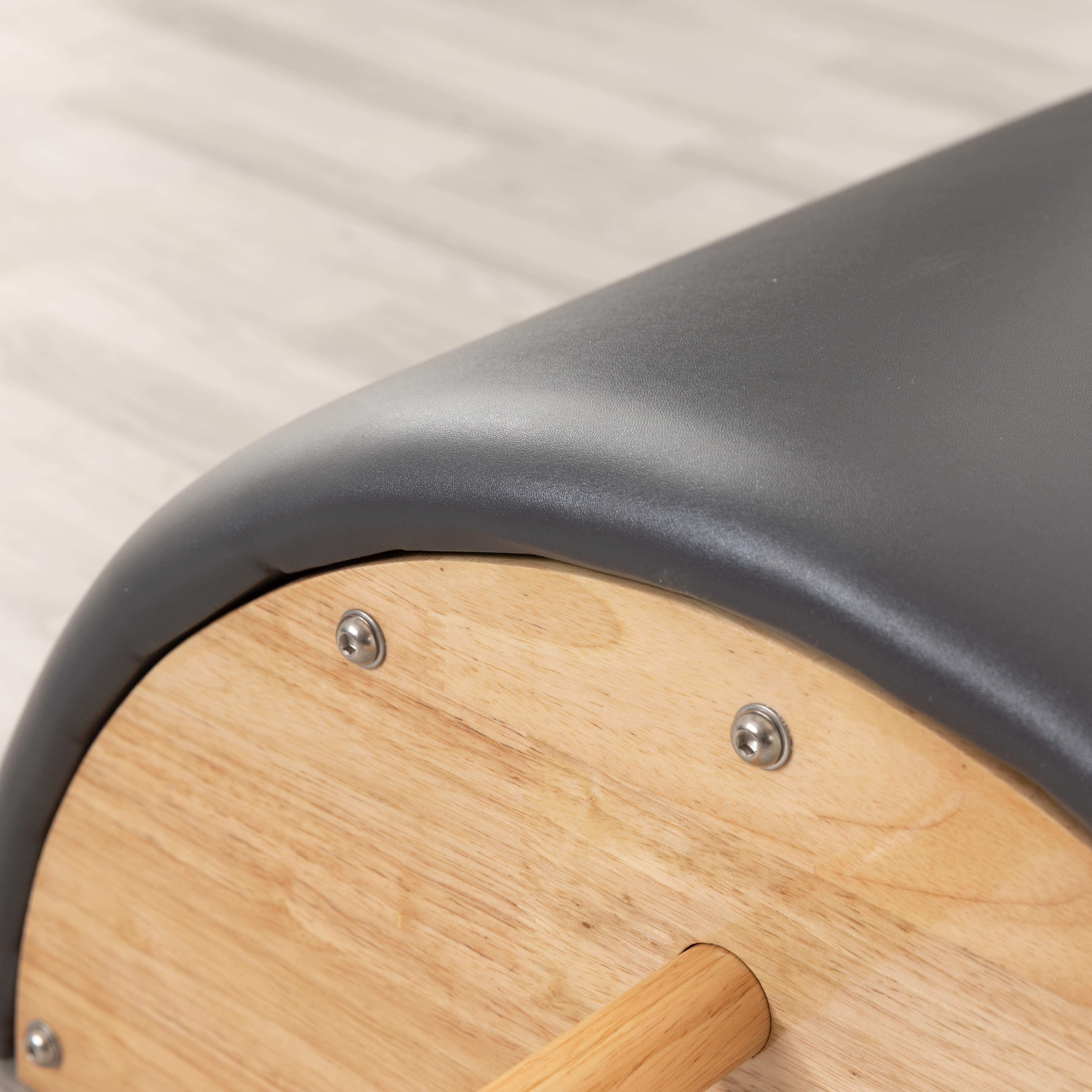
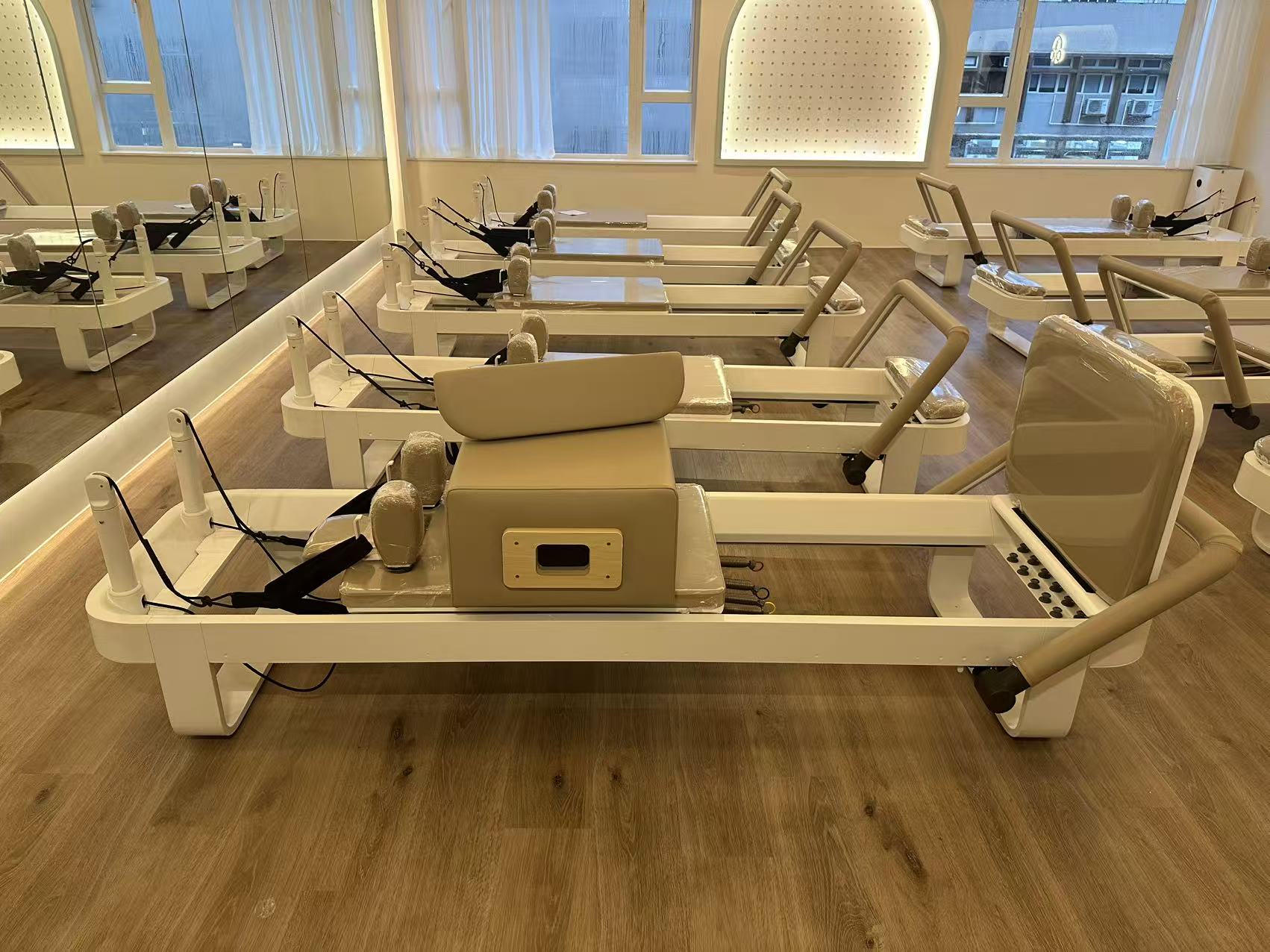
This is the most popular option for professional Pilates studios and bulk distributor orders. It features a thicker PU topcoat, reinforced base fabric, anti-hydrolysis treatment, and sometimes antimicrobial additives. It resists sweat, humidity, and repeated friction on carriage surfaces, headrests, shoulder blocks and jump board padding. Good commercial PU can hold stable performance for 2–4 years with proper care. It balances durability, softness and cleanability, and supports custom colour matching for studio branding.
Premium performance PU
Top-tier PU upholstery adds UV stabilisation, stain-resistant top coating and higher Martindale abrasion ratings. It is designed for premium rehab studios, luxury fitness spaces, and export orders to sunny or humid markets. It resists fading from natural light, repels oil-based stains, and withstands frequent sanitising cycles. The upfront cost is higher, but it extends replacement cycles and maintains a consistent, premium look longer.
Wear resistance: what studio buyers need to check
When comparing PU upholstery samples, do not judge durability only by feel or colour. Focus on these technical markers:
- Martindale abrasion value: Commercial Reformer PU should have a minimum Martindale rating suitable for heavy contract use. Lower ratings indicate faster surface wear and pilling on high-contact zones.
- Hydrolysis resistance: This is critical for shipments to Southeast Asia and other hot, humid climates. Without anti-hydrolysis treatment, PU absorbs moisture from sweat and air, separating the surface layer from the base fabric.
- Surface coating integrity: Cheap PU often has a thin spray coating that scratches easily from rings, jewellery, zippers and metal accessories. A quality commercial PU has a compact, scratch-resistant finish.
- Elasticity and crack resistance: When the padding compresses under body weight, the PU stretches slightly. Poor-quality PU will develop permanent creases and micro-cracks, which trap bacteria and sweat and speed up failure.
A common misconception: soft PU does not always equal low durability. Premium commercial PU can remain supple while maintaining strong wear resistance, while some stiff, low-cost PU becomes brittle after months of cleaning.
PU vs PVC vinyl for studio reference
Many buyers confuse PU and PVC vinyl for Reformer padding. PVC vinyl is usually cheaper and highly water-resistant, but it relies on plasticisers that slowly evaporate over time, turning the material hard and prone to cracking. PU has a softer, more leather-like feel and better breathability, which reduces the sticky sensation during long sessions. For rehab-focused Pilates studios, PU is often preferred for client comfort. The trade-off is that PU requires more careful cleaning than thick vinyl, especially the budget grades.
Studio cleaning protocol for PU upholstery
The biggest cause of early PU failure is not heavy use — it is incorrect cleaning chemicals and over-saturation. Follow this routine for commercial studios:
Daily cleaning (after every class)
- Wipe loose sweat, hair and dust with a dry or slightly damp microfiber cloth first.
- Use a water-based, alcohol-free, bleach-free, non-abrasive cleaner formulated for PU or fitness upholstery.
- Apply the cleaner to the cloth, not directly spray onto the upholstery. Excess liquid soaks through PU to the foam padding and causes delamination, mould and odour.
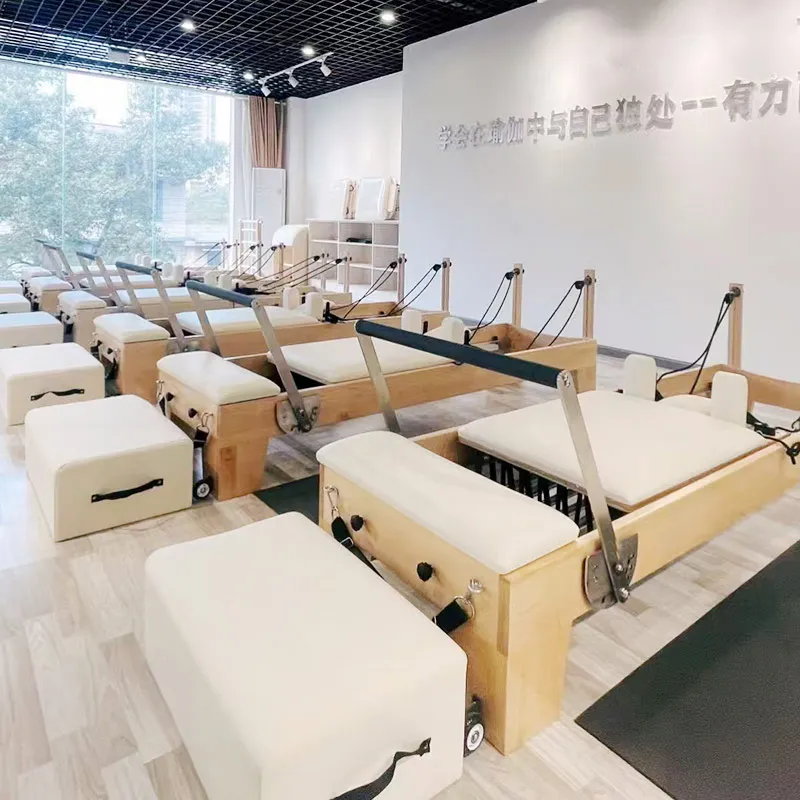
- Wipe the high-contact areas: carriage top, headrest, shoulder rest and edge padding.
- Finish with a clean damp cloth to remove cleaner residue, then air-dry fully before the next client.
Weekly deep maintenance
Do a full inspection of all padded surfaces. Check for tiny cracks, peeling edges, dark oil stains or sticky patches. For stubborn stains, use diluted mild neutral soap and a soft cloth, never scrub aggressively. You can apply a PU-safe conditioner periodically to preserve flexibility, especially in dry indoor environments.
Strictly avoid these products
- Bleach, chlorine disinfectants
- High-concentration alcohol, acetone and solvent sprays
- Abrasive scouring pads
- Oily lotions, massage oils left on the upholstery surface
These chemicals break down the PU protective layer, leading to discolouration, brittleness and warranty voidance.
Warning signs: when to replace PU upholstery
Replace the padding immediately once you spot any of these issues:
- Fine cracks or peeling on the surface
- Bubbling or delamination between PU and foam
- Persistent odour that cannot be cleaned away
- Sticky, tacky surface that attracts dirt easily
- Deep scratches that expose the base fabric
Cracked PU becomes a hygiene risk, as sweat and bacteria get trapped under the coating and cannot be fully sanitised.
Final buying tips for studio owners and distributors
If you are sourcing Reformers for a new studio or bulk resale, confirm the upholstery specification with your manufacturer before placing orders. Ask whether the PU is hydrolysis-resistant, check the abrasion test report, and request physical samples in your target colours. For studios located in hot, humid regions, prioritise hydrolysis-resistant commercial PU over standard PU.
A good PU upholstery choice balances comfort, hygiene, wear life and branding. Pairing the right grade with a consistent, gentle cleaning schedule keeps your Reformers looking fresh, protects client health, and lowers your long-term equipment replacement cost.