Solid‑Built Pilates Equipment: Wood vs Metal Construction Guide
When choosing a Pilates Reformer or other large apparatus, frame material is the first decision you encounter. Wood and metal (aluminium or steel) each have genuine advantages, and the right choice usually depends less on which is “better” and more on which suits your circumstances. Understanding how the two materials differ in physical behaviour, maintenance needs, and long-term performance is more useful than comparing surface specifications.
Wood Frames: Tradition, Quietness, and Spatial Warmth
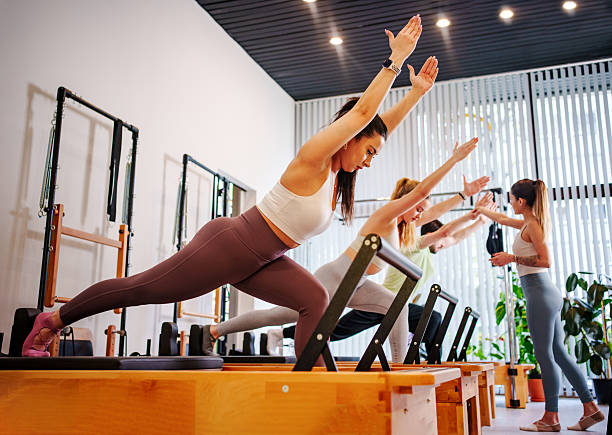
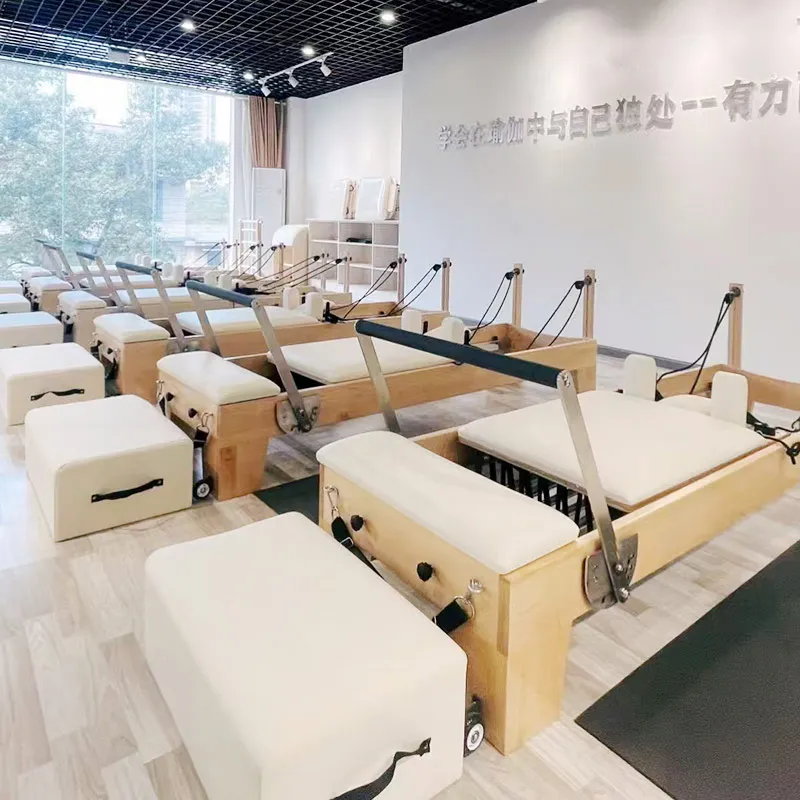
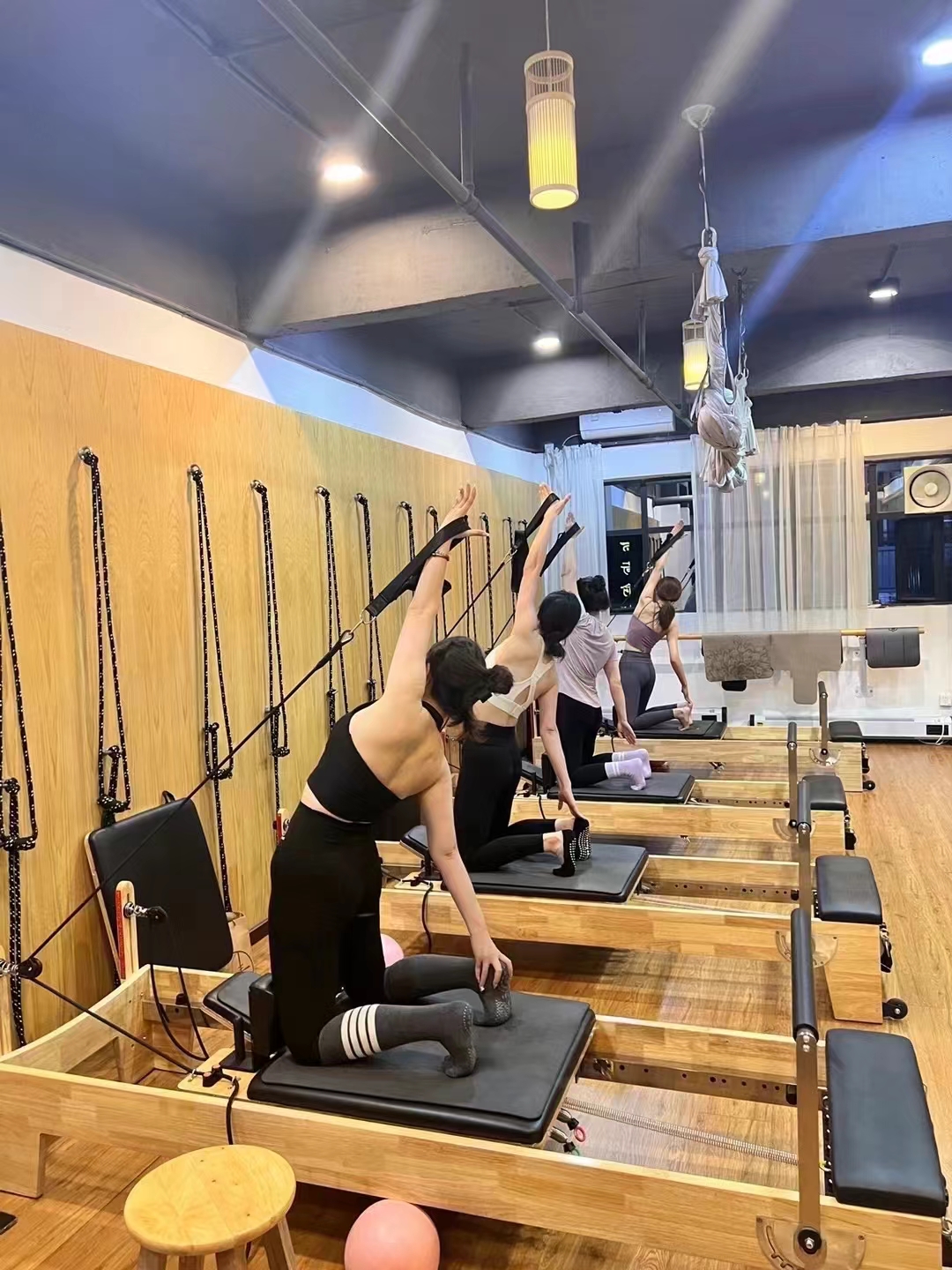
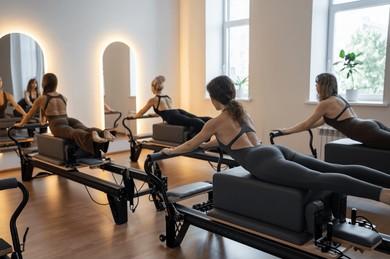
Hardwood frames—typically maple or beech—are the signature material of classical Pilates apparatus. Their core advantage comes from density. Hardwood has high internal damping, absorbing vibration when the carriage meets the spring stop. With identical bearings, a timber machine typically sounds deeper and quieter than an aluminium one. This quietness is not mysterious; it is the product of mass and damping working together.
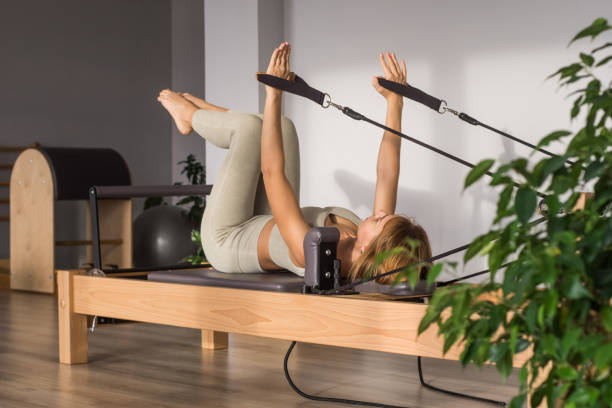
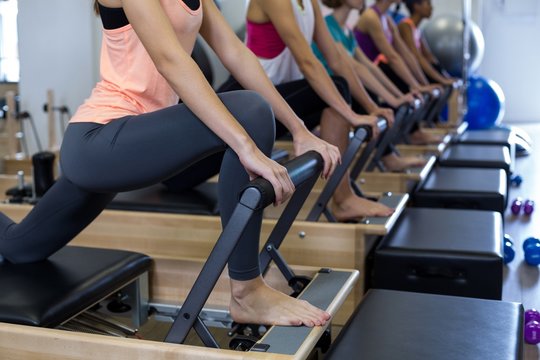
A second advantage often overlooked is tactile. Wooden footbars do not feel cold against bare feet the way metal does, a detail that directly affects experience in cooler seasons or air-conditioned rooms. Visually, the natural grain and warm tone of quality hardwood make the apparatus read more like furniture than gym equipment. For home users who need a Reformer in a living room or dedicated practice room, a wood frame integrates far more naturally into the space.
But wood is not without cost. Hardwood responds to humidity. In very dry or very damp rooms, joinery can move slightly over years, and in extreme cases the frame may gradually rack. This means wooden apparatus belongs in rooms with reasonably stable temperature and humidity. Hardwood frames also typically weigh 100–140 lb, requiring at least two people to move.
It is worth noting that a well-designed “wood” Reformer rarely has wooden rails. Timber swells and shrinks with humidity—fractions of a millimetre per year, perhaps, but unacceptable for a track that must glide thousands of times. Responsible manufacturers pair hardwood frames with aluminium rails, combining the warmth of wood with the dimensional stability of metal.
Metal Frames: Lightness, Stability, and High-Frequency Durability
Metal frames are typically aluminium or steel. Aluminium’s advantages are practical: it is light, usually 70–95 lb, far below hardwood; it is dimensionally unaffected by humidity and will not warp or crack with environmental change; and anodised surfaces resist sweat and cleaning products with minimal maintenance. For home users who need to move the apparatus, instructors who teach on location, or spaces where equipment must be folded and stored, aluminium is often the only sensible choice.
In high-traffic commercial studios, metal also has its place. Smooth metal surfaces wipe down easily between clients, and steel or aluminium structures built to standard can withstand multiple users per day. In settings dominated by sweaty, high-intensity classes, metal’s corrosion resistance and ease of cleaning are tangible benefits.
Metal’s shortcomings are equally clear. Aluminium transmits vibration more readily than wood, so with average bearings, running noise is more pronounced. Metal footbars feel cold under bare feet. And in spatial terms, the industrial look of a metal frame can feel out of place in a living space.
What Actually Determines Quality Is Not the Material Itself
One frequently overlooked fact: the quality gap between wood and metal is often smaller than the gap within each material between different levels of manufacturing. A well-jointed, straight-railed aluminium Reformer with smooth bearings will outperform a cheap wooden one with loose seams and rough tracks—and the reverse is equally true.
What deserves attention is joinery. On a wood frame, how do the rails meet the uprights—mechanical fastening or merely glue and screws? On metal, are corners welded or bolted, and is the extrusion wall thick enough? These details predict how a machine will behave in five or ten years far better than the binary choice of wood versus metal. With either material, what typically ends a machine’s life is not the frame but the springs, ropes, and upholstery—all replaceable on both.
The Decision Path
If the apparatus will sit in one room for years, in a reasonably stable climate, and you value quiet operation and visual warmth, hardwood is a pleasure. If it will be moved, folded, carried between rooms, or kept in a space with fluctuating humidity, aluminium removes most of the risk and nearly half the weight. The question is not which material is “superior,” but whether the way you use the equipment matches the character of the material.