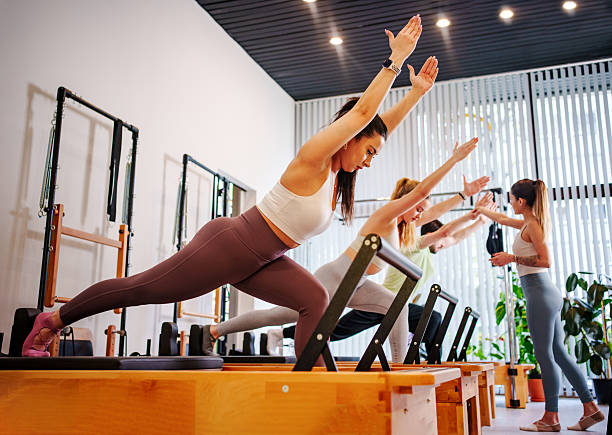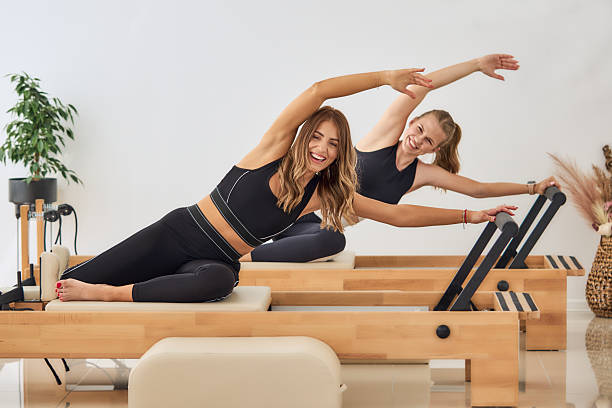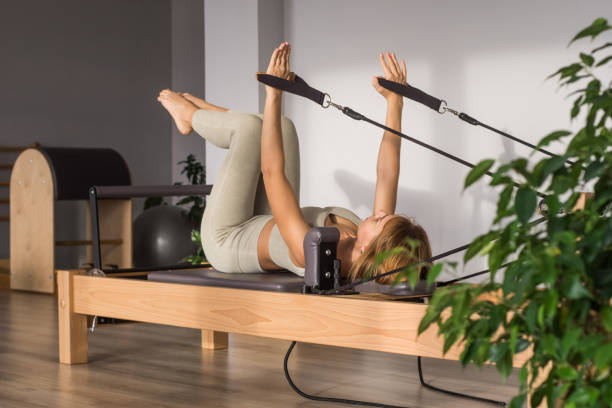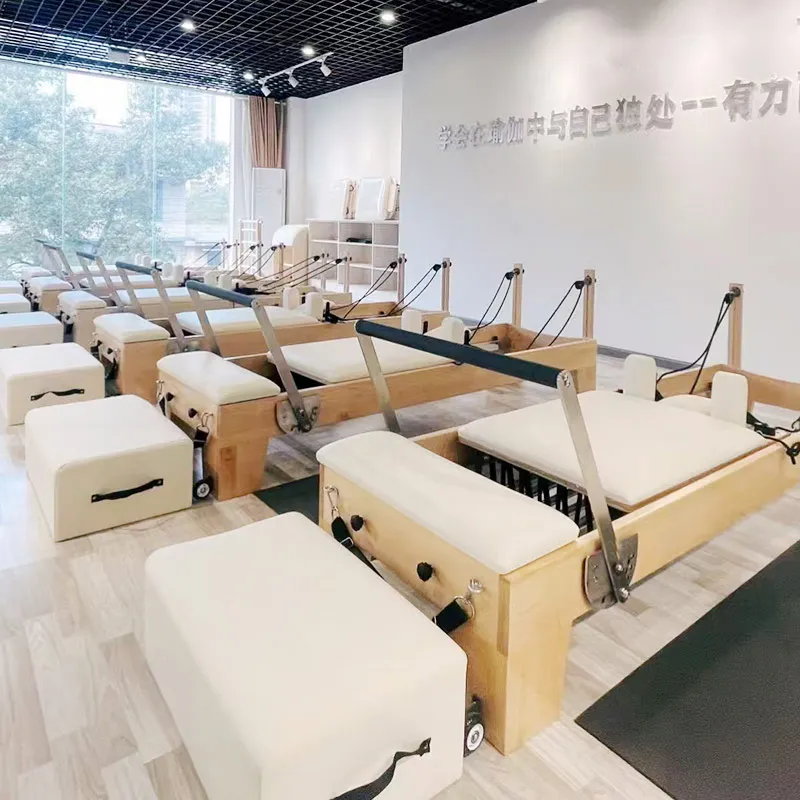
What Makes A High-End Pilates Reformer Different From Budget Models
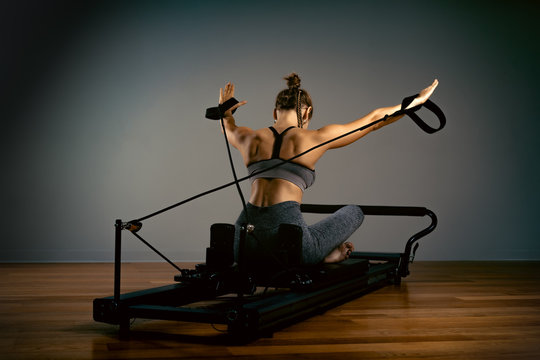
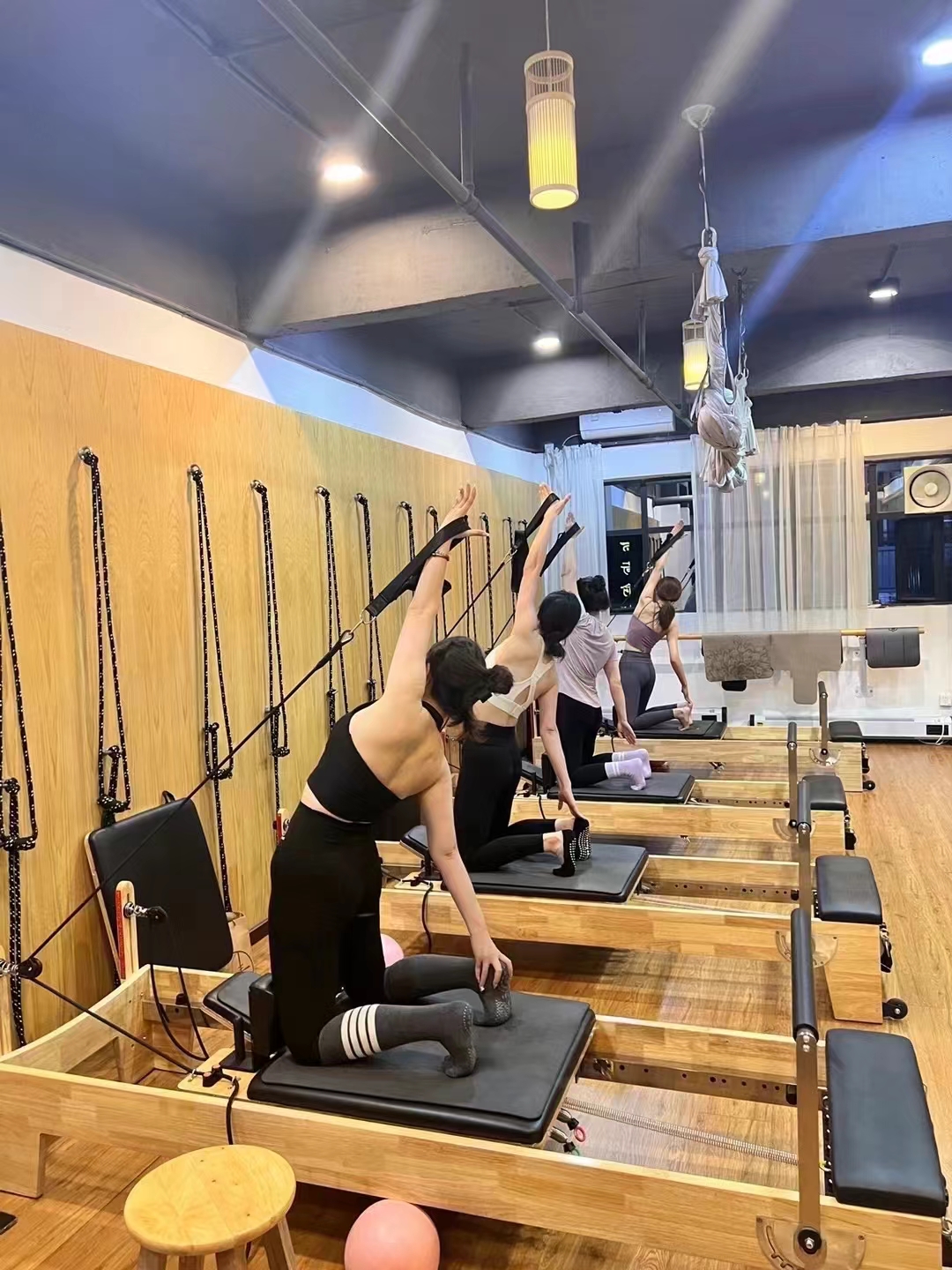
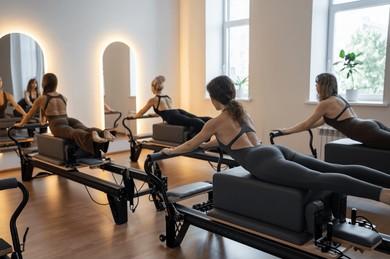
A Pilates reformer looks deceptively simple: a sliding carriage, a frame, some springs, and straps. At a glance, a $800 budget model and a $6,000 studio-grade machine appear to serve the same purpose. But anyone who has spent time on both knows the difference is immediate and physical. The carriage either glides or it grinds. The springs either deliver smooth, predictable resistance or they feel jerky and inconsistent. The frame either stays planted under load or it flexes in ways that compromise alignment.
The gap between high-end and budget reformers is not about brand prestige. It comes down to materials, engineering tolerances, and the invisible costs of durability and precision. Understanding these differences matters whether you are equipping a studio or investing in a home machine you intend to use for years.
The Frame: Stability Under Load
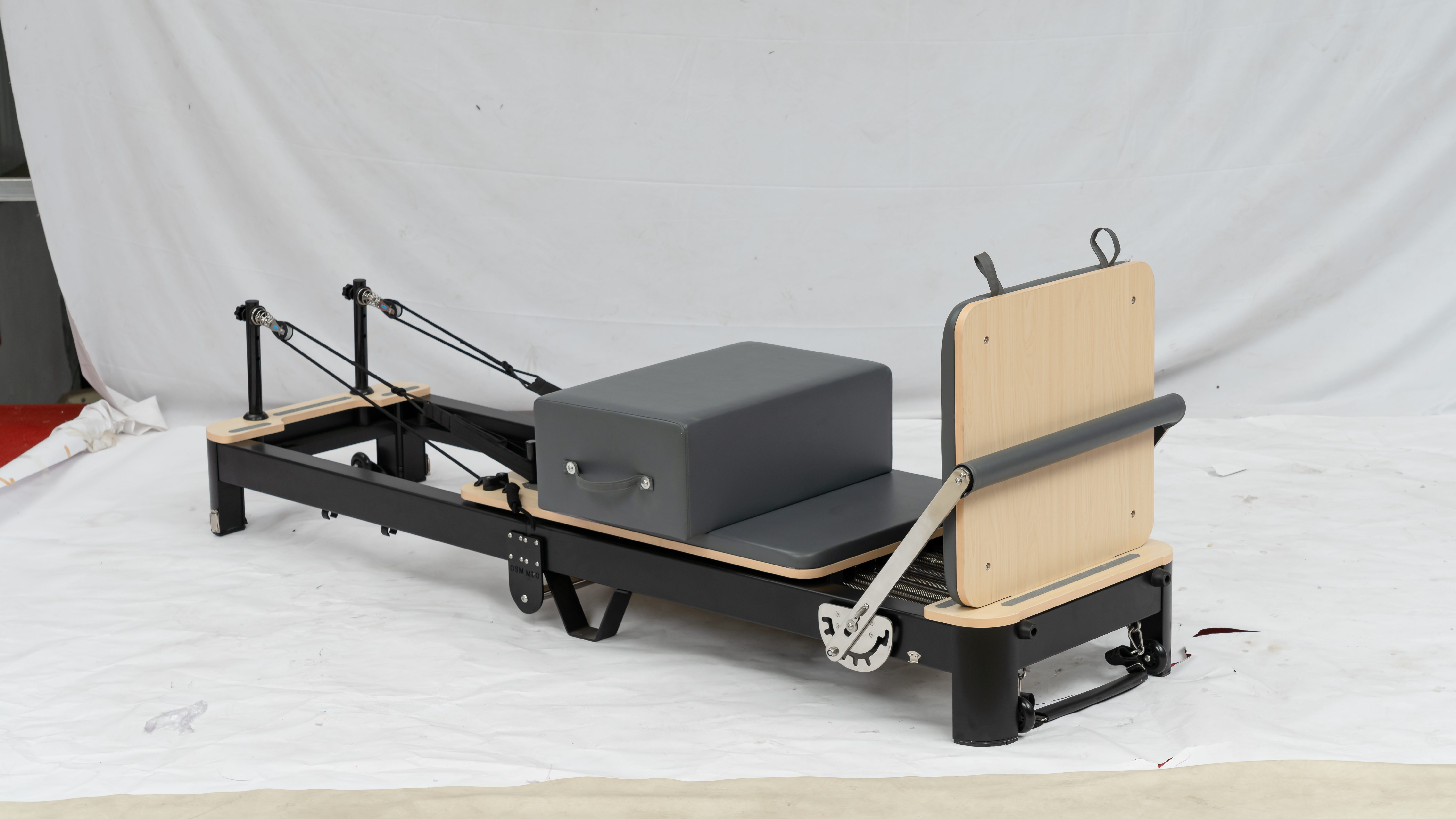
The frame is the foundation of every movement you perform on a reformer. Budget models frequently use MDF, lightweight aluminum, or thin-walled steel to keep costs and shipping weight down. The problem is that these materials flex under dynamic load. When you press out against heavy spring resistance, a flexing frame subtly shifts your alignment, forcing your stabilizing muscles to compensate for the machine rather than focus on the exercise itself.
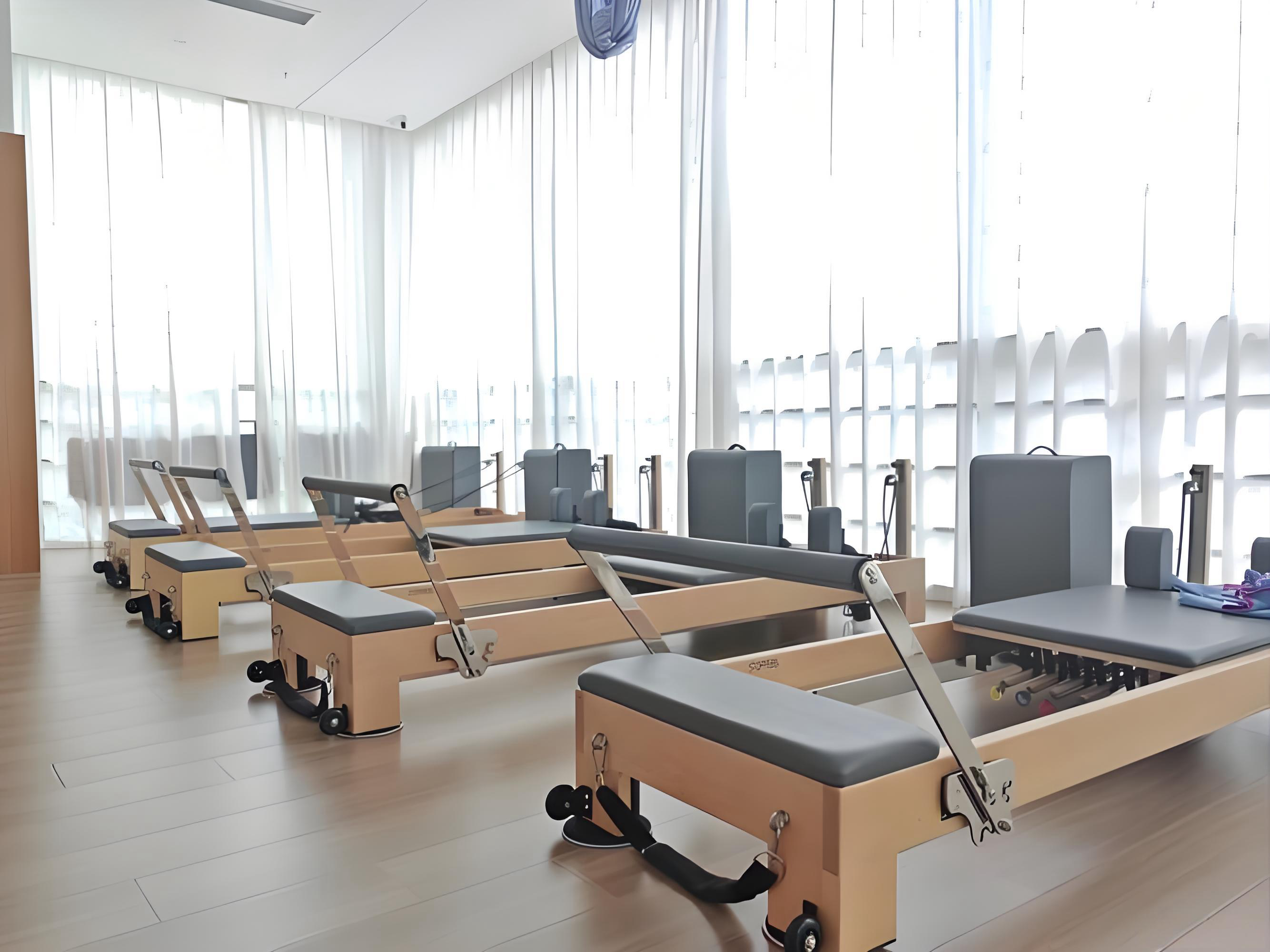
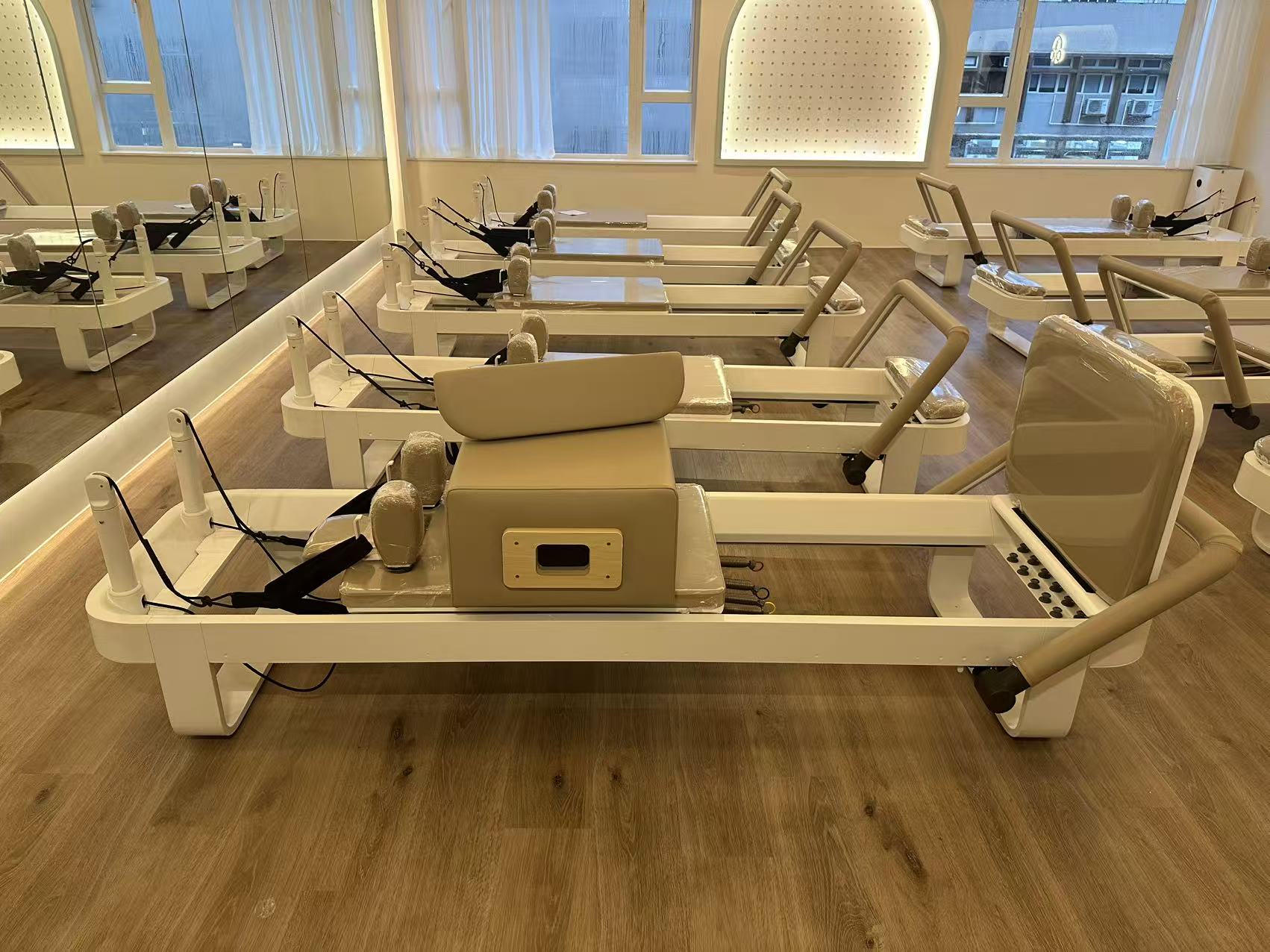
High-end reformers typically use solid hardwood (maple or oak), aircraft-grade aluminum, or reinforced steel. These materials resist torsion and vibration, keeping the carriage track true even after years of daily use. A studio-grade frame is engineered to handle four to ten hours of daily use without losing its structural integrity or its “feel”. For a home user training two to four times a week, that same build quality translates to decades of reliable service rather than a few years of gradual decline.
The Carriage and Rails: The Difference You Feel Immediately
The carriage is where your body meets the machine. On a budget reformer, the carriage often rides on plastic wheels or thin metal rails that develop play over time. The result is a ride that feels rattly, noisy, or subtly uneven. You might not notice it in the first month, but as the components wear, the carriage develops lateral wobble and the glide becomes inconsistent—a distraction that pulls focus away from breath and tempo.
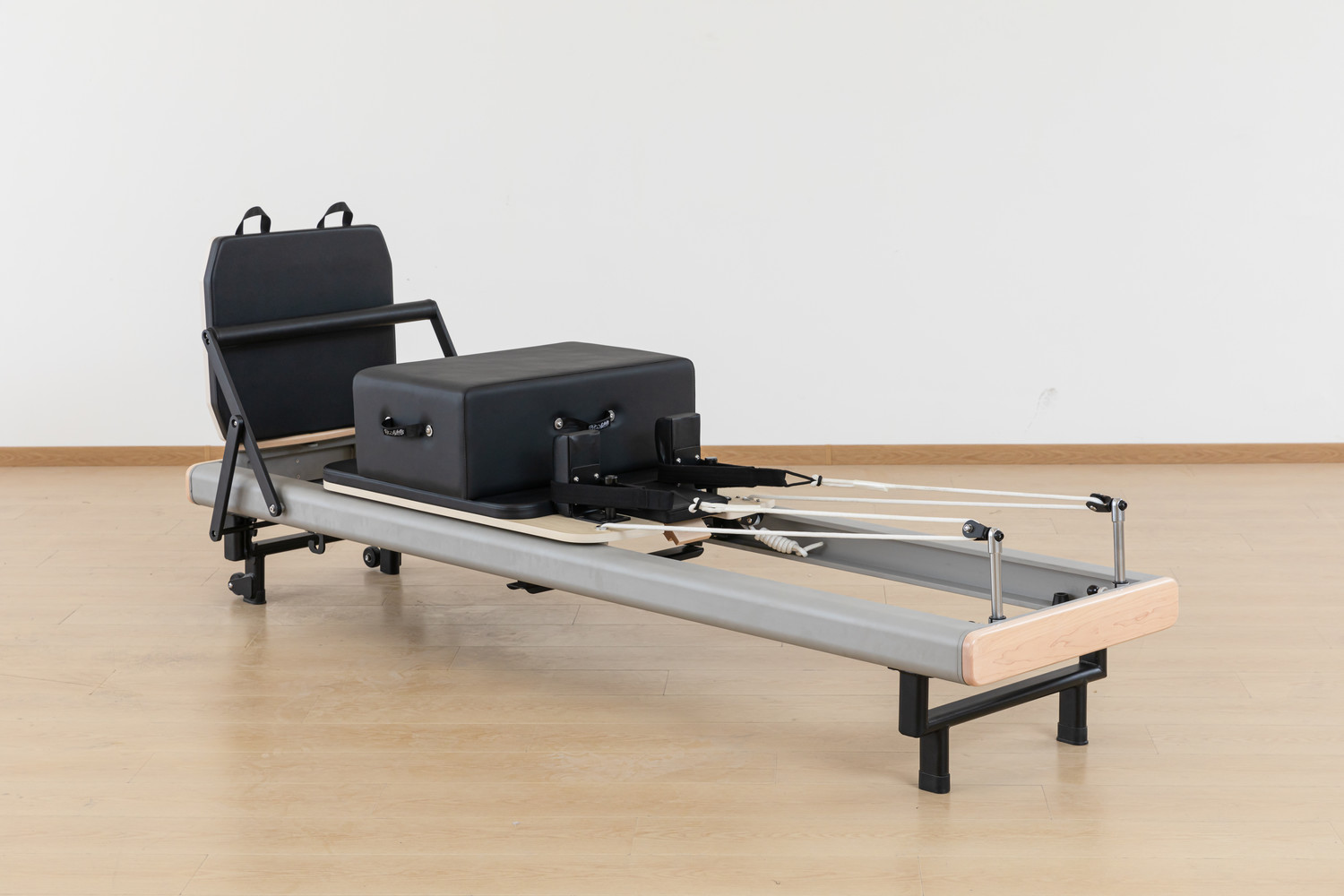
High-end reformers use precision-machined rails (anodized aluminum or stainless steel) paired with high-quality bearings or wheels. The carriage moves with what professionals describe as a “whisper-quiet” glide: no vibration, no catching, no lateral play. This smoothness is not a luxury. In Pilates, the quality of your movement depends on your ability to control the carriage’s acceleration and deceleration with fine motor precision. A carriage that sticks or wobbles forces you to use larger, coarser muscle contractions, undermining the entire purpose of the method.
The Spring System: Resistance You Can Trust
Springs are the soul of the reformer. They determine not just how heavy the resistance feels, but how smooth and predictable that resistance is throughout the entire range of motion.
Budget reformers often use springs with inconsistent tension curves. One spring might be noticeably stiffer than another of the same color. Over time, cheap springs lose tension, develop rust, or snap. The result is a machine that feels different every time you use it—and not in a good way.
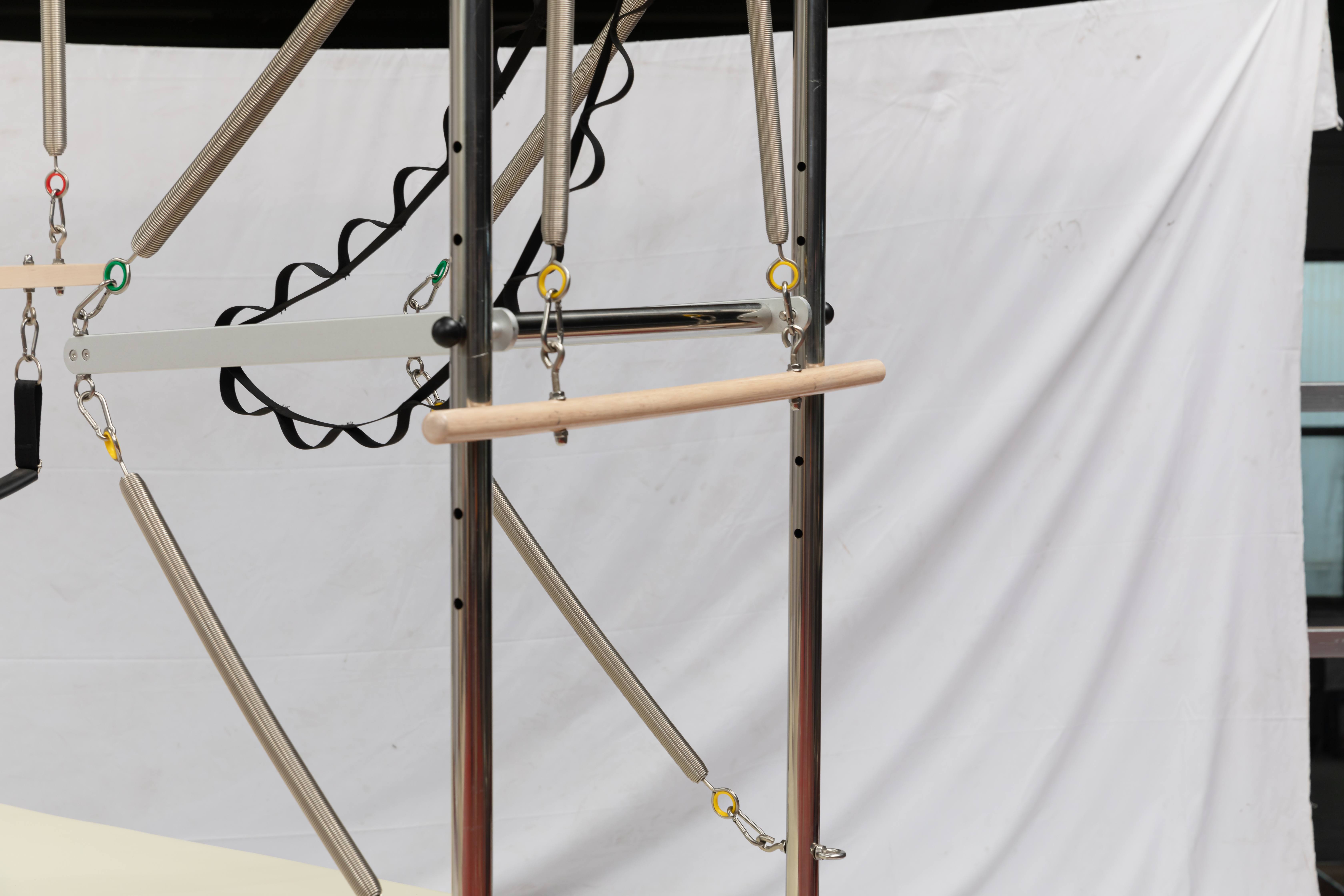
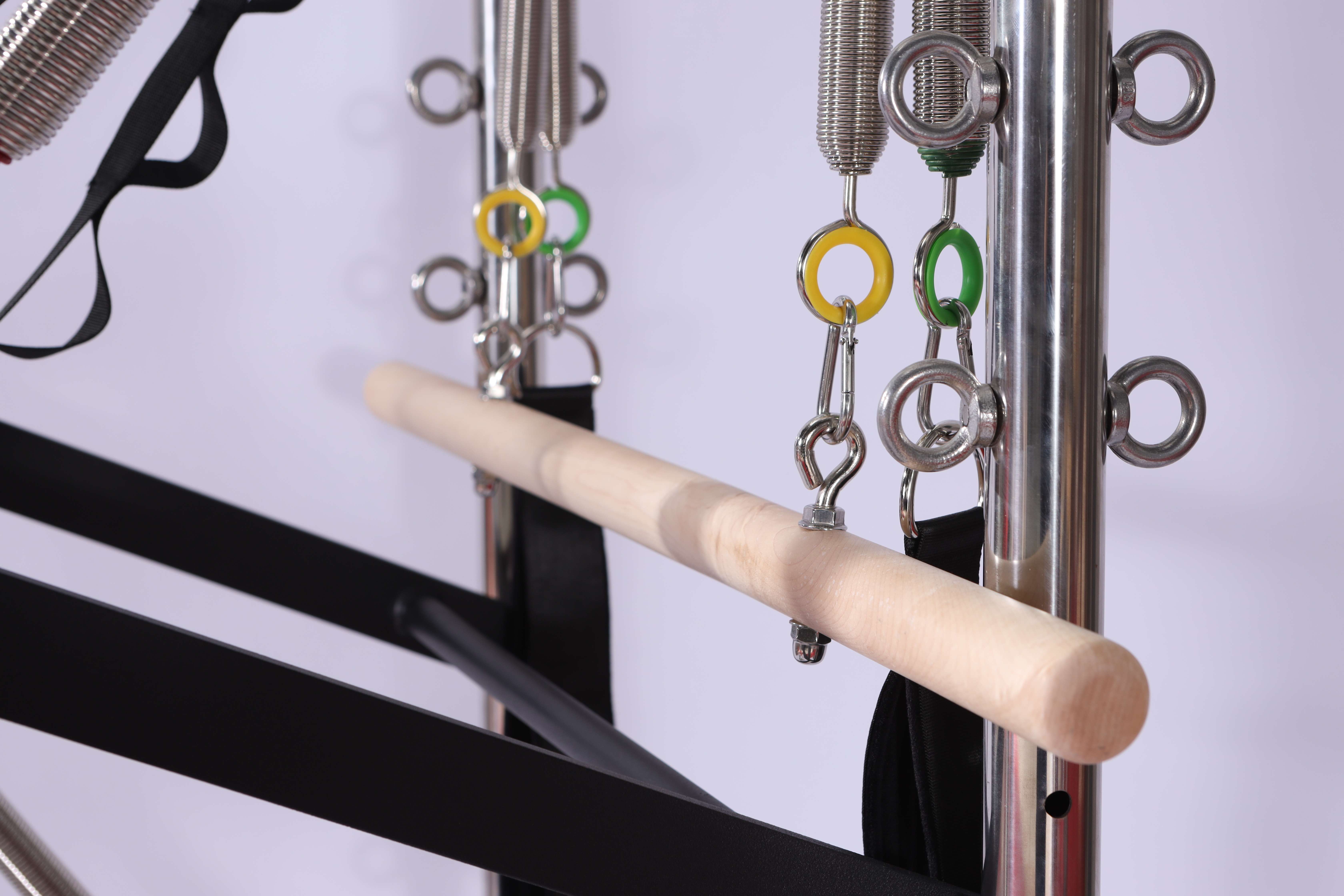
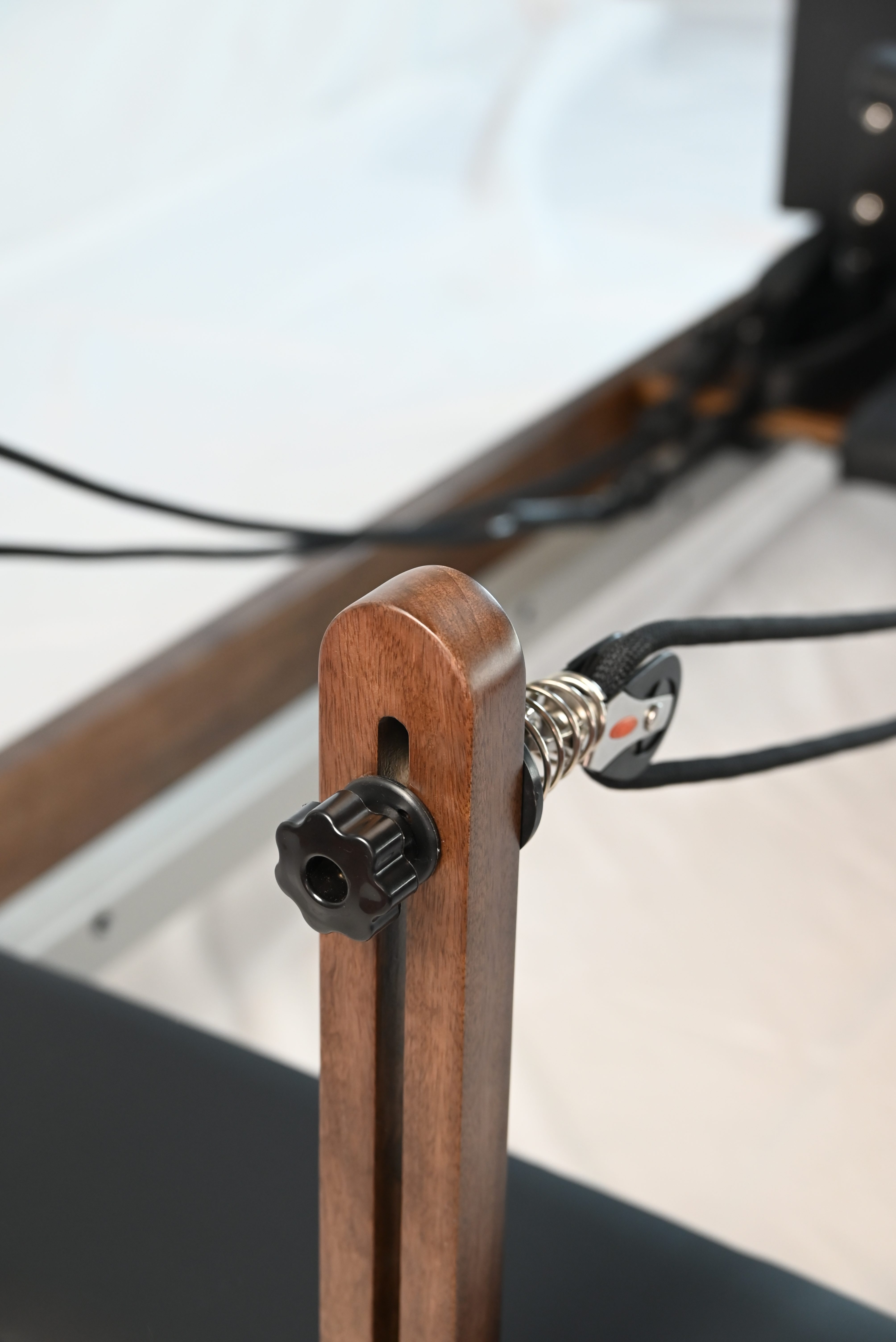
High-end reformers use calibrated spring systems, often with color-coded tensions tested to exacting tolerances. Premium models may employ proprietary enclosed spring systems or push-button resistance adjustments that allow you to change intensity without breaking your flow. The resistance curve is smooth and progressive: as you extend further, the resistance increases gradually rather than spiking abruptly. This matters especially for beginners and rehabilitation users, whose joints and connective tissues benefit from a predictable load curve rather than a jerky one.
Upholstery and Padding: Comfort That Lasts
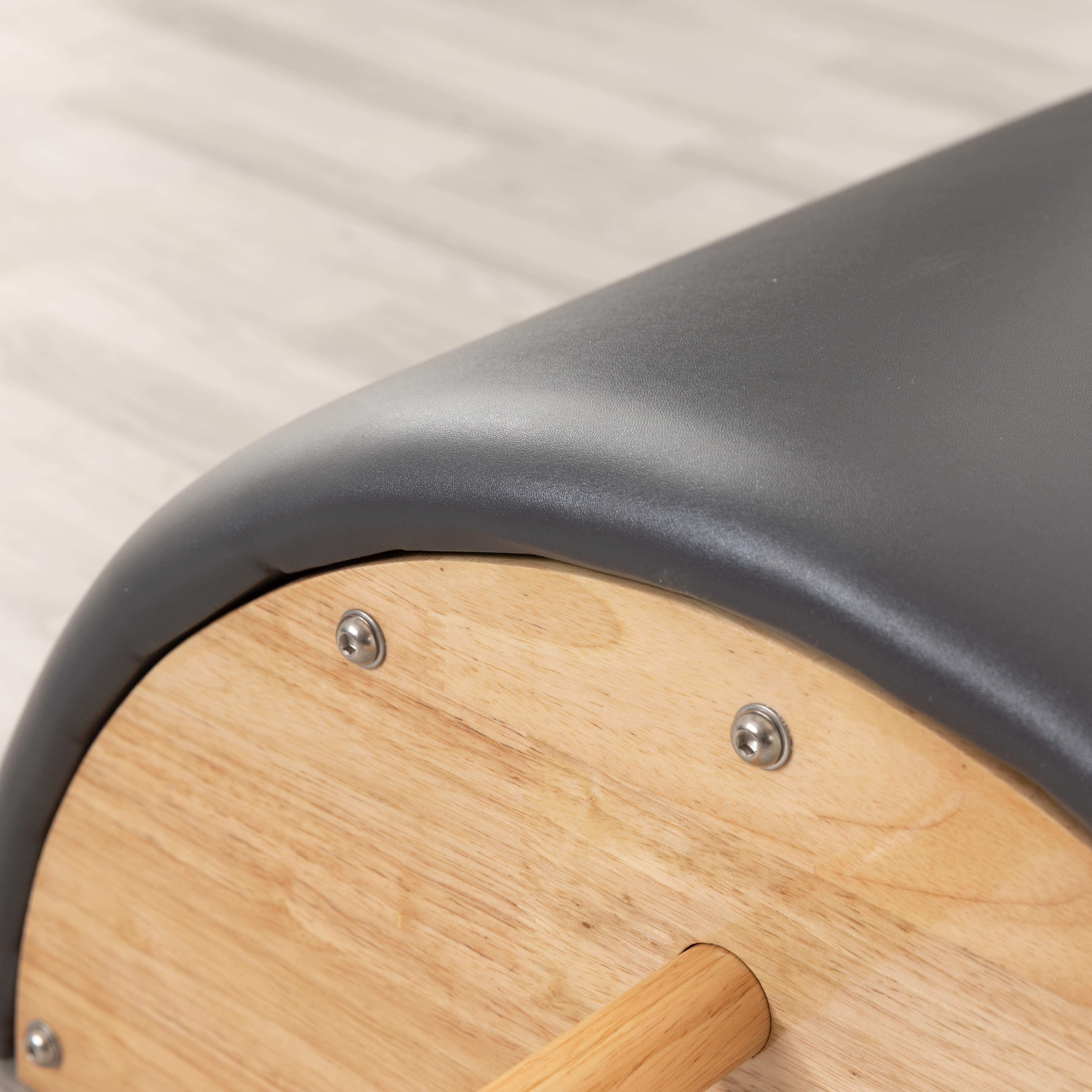
Budget reformers often use low-density foam and thin PU leather. Within a year of regular use, the padding compresses, the upholstery cracks, and the machine begins to look and feel tired. Replacing upholstery is expensive and inconvenient—often more trouble than the original savings justified.
High-end models use high-density foam that retains its resilience over years of use, covered in durable, easy-to-clean upholstery (often a high-grade PU or performance fabric). The difference is not just aesthetic. Proper padding supports your spine and joints during lying and seated exercises, and inadequate padding can make longer sessions uncomfortable or even counterproductive.
The Invisible Costs: What Budget Models Don’t Tell You
Beyond the hardware, there are costs that budget reformers externalize. A cheap machine may arrive with vague or poorly translated assembly instructions. The spring system may need calibration that the manual does not explain. Replacement parts may be unavailable after a year or two, turning a minor wear issue into a reason to replace the entire machine.
High-end manufacturers typically back their equipment with multi-year warranties and accessible customer support. They stock replacement parts and provide technical guidance. For studio owners, this reliability is non-negotiable: a broken reformer means cancelled sessions and lost revenue. For home users, it means the difference between a long-term investment and a disposable purchase.
The Bottom Line
A high-end reformer costs more because it is engineered to do something budget models cannot: deliver consistent, precise, silent movement over thousands of sessions without degradation. The frame does not flex. The carriage does not rattle. The springs do not lose their calibration. The upholstery does not collapse.
For someone training casually once a week, a budget model might suffice—though even then, the experience will be compromised. For anyone who practices seriously, whether at home or in a studio, the difference is not about luxury. It is about having a machine that allows you to focus entirely on your body, your breath, and your control, rather than on the machine beneath you.