Tiered Wholesale Pricing Structure: How Distributors Negotiate Volume Discounts With Pilates Factories
Pilates equipment distributors operate on thin margins, and the biggest lever to improve profitability is negotiating a clear tiered wholesale pricing structure with your manufacturing partner. Unlike simple one-off discounts, tiered pricing sets graduated unit prices that drop as order volumes rise. It benefits both sides: factories stabilize production scheduling and reduce setup costs for larger runs, while distributors lock in better landed costs, compete more effectively against local rivals, and serve growing studio clients.
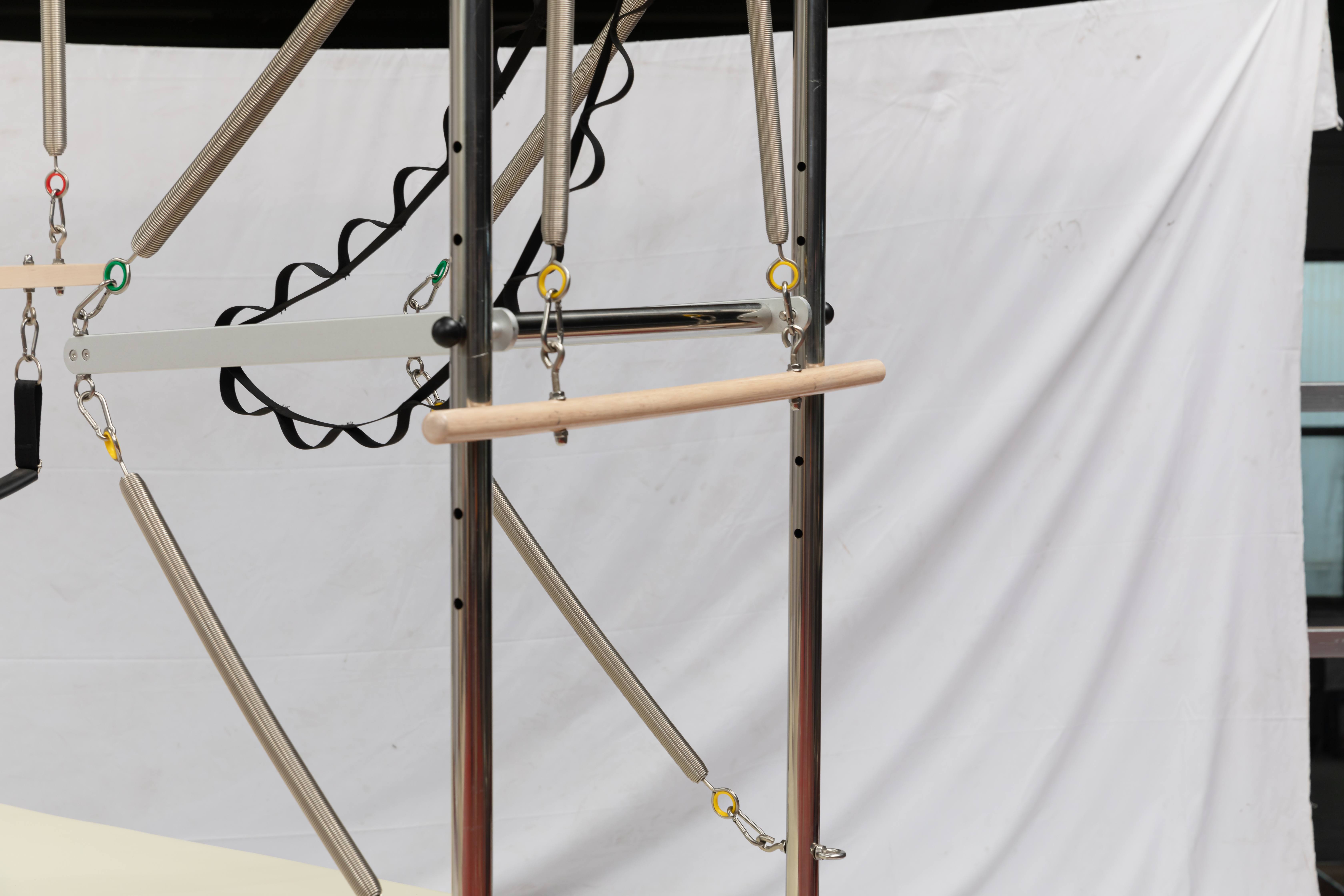
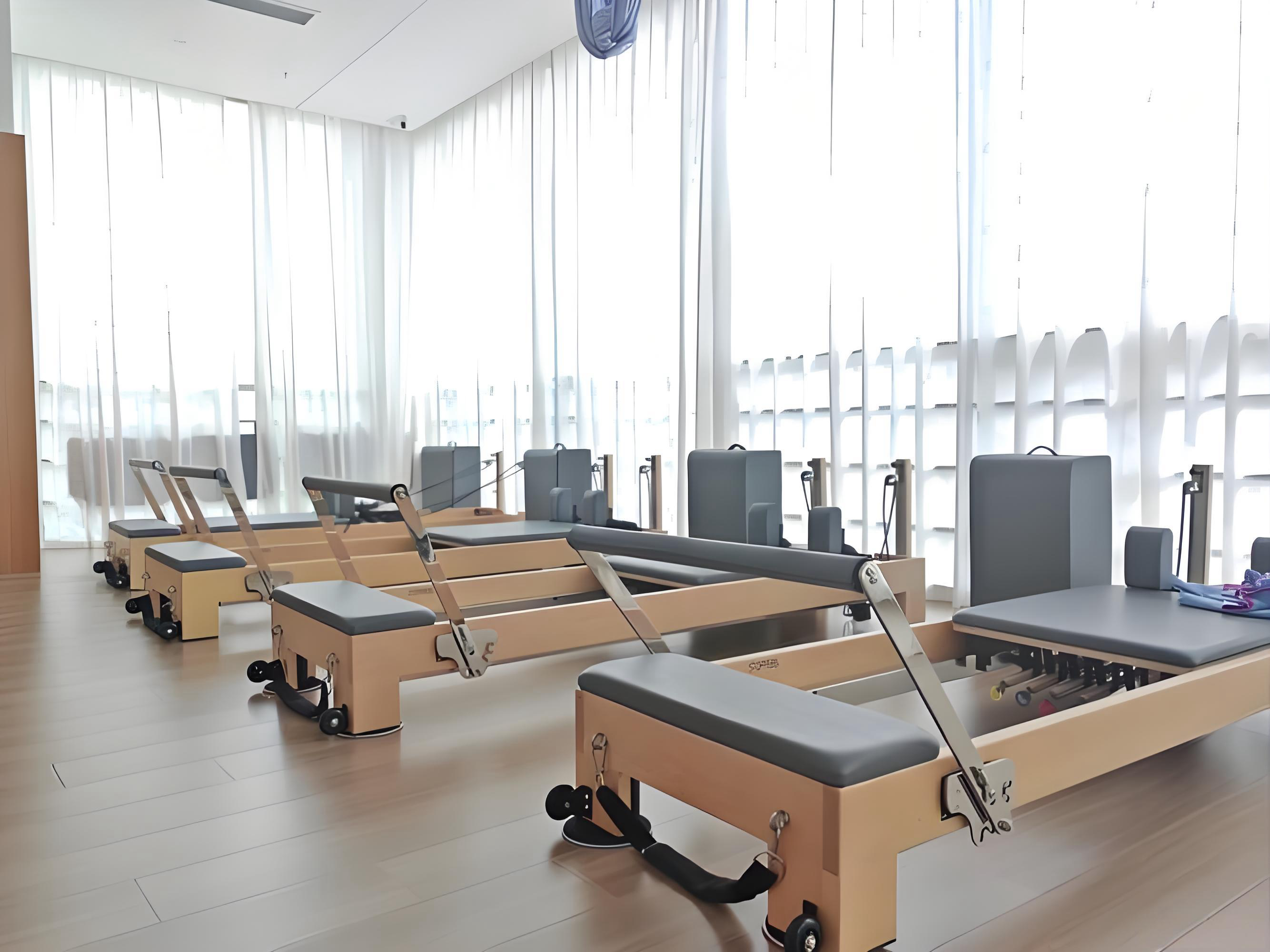
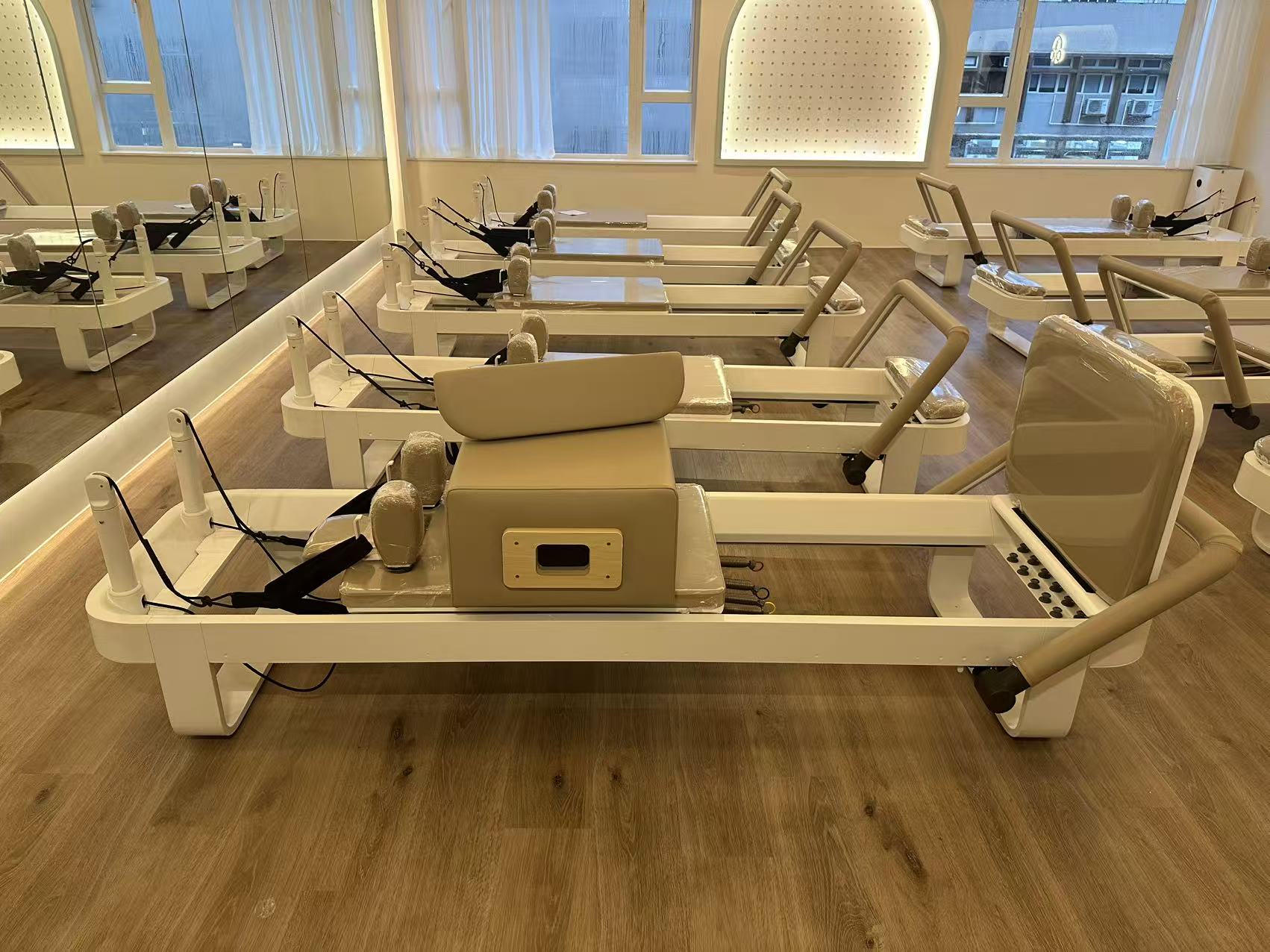
For commercial Pilates apparatus including Reformers, Cadillacs, Wunda Chairs and barrels, pricing tiers are rarely universal. Many new distributors make the mistake of asking for a single low price without understanding how factory cost structures work, or failing to formalize tier rules in writing. This guide explains how tiered pricing works for Pilates machinery, what standard tiers look like, where negotiation leverage comes from, and how to avoid costly pricing misunderstandings.
What tiered wholesale pricing means for Pilates equipment
Two common tier models appear in Pilates factory quotations: all-units pricing and incremental tiered pricing.
- All-units pricing: Once you hit a quantity break, every unit in the whole order qualifies for the lower unit price. This is the most common format for Pilates bulk orders. For example, a Reformer quote may shift to a new rate once you order 50 units, and all 50 receive the tier price.
- Incremental tiered pricing: Only the units above the threshold get the discounted price. The first 30 units are at standard wholesale, and units 31–100 receive the reduced price. This structure is less common for large fitness equipment but important to confirm before you sign.
Factories build tier breaks around fixed production overheads: machine setup, foam cutting, upholstery colour changeovers, quality inspection labour, packaging and container loading. Small mixed orders carry high changeover costs. When you commit to a larger, consistent run of the same Reformer model, same upholstery colour and same spring configuration, the factory can spread fixed costs across more units, which creates room for discounting.
Typical tier framework for commercial Pilates Reformers
While every factory sets its own thresholds, most Pilates manufacturers follow a similar tier pattern for B2B distributors:
- Trial / small wholesale tier (5–15 units)
This tier suits new distributors testing the local market, or small studio rollouts. Unit pricing is the highest, MOQ is flexible, and customisation options may be limited. Discounts are minimal, usually only 3–8% off the standard dealer price. Factories often restrict deep private-label options here, as custom logos and custom upholstery add separate setup charges.
- Standard distributor tier (16–49 units)
This is the baseline for active resellers. The factory can schedule dedicated production batches, and you unlock standard wholesale terms, including standard colour choices, included basic accessories, and formal dealer paperwork. Discounts commonly fall between 10% and 18%.
- Volume bulk tier (50–99 units)
This is where meaningful margin gains start. At this level, distributors can negotiate not only lower unit pricing but also better payment terms, shared container loading, and free standard spare parts kits. Many factories reserve CE, UKCA technical file support and stable lead-time guarantees for this tier.
- Key account / annual commitment tier (100+ units)
This top tier applies to established distributors with proven local sales pipelines. The steepest per-unit discounts are available here, alongside custom upholstery programmes, exclusive colour rights, priority production slots, and annual rebate agreements. Instead of only negotiating per-order pricing, strong distributors lock in annual volume commitments for protected pricing for 12 months.
A critical point: tiers are usually model-specific. A folding aluminum Reformer and solid wood Cadillac will not share the same quantity breakpoints. Mixing multiple models in one container may not push you into the next discount tier unless you negotiate mixed-bundle tier rules upfront.
What factories look for before offering deeper volume discounts
Pilates manufacturers will not automatically offer the best tier pricing just because you name a large number. They assess risk and reliability before agreeing to favourable terms:
- Consistent order forecast: Factories prefer distributors with a predictable quarterly buying plan over one-time speculative large orders.
- Payment track record: Buyers who stick to agreed deposit and balance schedules gain far more negotiation power than customers who delay payments.
- Low customisation complexity: Orders with fewer upholstery colours, fewer spring variations and standard packaging are cheaper for the factory to produce, which makes them more willing to discount.
- Market exclusivity potential: If a distributor can develop a regional market and drive repeat orders, factories may offer improved tiers to protect the partnership.
- Compliance readiness: Distributors that understand local certification requirements, such as CE DoC for the EU or UKCA for the UK, reduce the factory’s compliance administrative burden.
Practical negotiation strategies for distributors
1. Separate one-time costs from unit pricing
Tooling charges, custom logo moulds, special upholstery sample fees and third-party test reports are one-time expenses. Do not confuse these with recurring unit cost. You can negotiate to waive or amortise one-time setup fees once you reach a higher volume tier, rather than only pushing for a lower per-unit price.
2. Negotiate annual rebates alongside order tiers
This is a powerful structure for growing distributors. You agree on a target annual purchase volume. If you hit the target by year-end, the factory issues a rebate percentage back to you. Rebates keep base unit pricing stable while rewarding consistent buying, and they protect both sides from short-term raw material price swings.
3. Lock in price validity windows
Steel, aluminum, foam and PU upholstery prices fluctuate. When you negotiate tier pricing, ask for a fixed validity period, such as 90 or 180 days, and a clear clause for raw material surcharge adjustments. This prevents the factory from revising your agreed tier price mid-forecast cycle.
4. Clarify what is included in each tier
Discounts can look attractive on the surface but cut into your margin when extras are added. Confirm whether the tier price includes: standard springs, shoulder blocks, jump boards, packing, ISPM 15 wooden crating, product test certificates, and spare parts. A lower unit price without accessories or proper export packaging may not be the better deal.
5. Use forecast stacking, not just single-container orders
If you cannot place a 100-unit order today, you can propose a phased rollout: 30 units now, 35 units in quarter two, 35 units in quarter three. Ask the factory to apply the 100-unit tier price across the whole annual forecast, with scheduled shipment releases. Many Pilates manufacturers accept scheduled call-off orders to secure predictable production.
Common pitfalls to avoid
- Assuming tier pricing transfers automatically to custom OEM items: Private label, custom frame finishes and special upholstery often carry separate surcharges, even at high volume tiers.
- Comparing tier quotes without identical specifications: A cheaper Reformer quote may use thinner PU upholstery, lower-grade springs or lighter timber. Always lock the BOM (bill of materials) before comparing pricing tiers.
- Verbal tier agreements: Always capture tier thresholds, discount rates, included items, lead times and rebate rules in a formal proforma or dealer agreement. Handshake deals create disputes when raw material costs rise.
- Overcommitting to hit a tier: Do not sign an annual volume commitment that exceeds your real studio sales pipeline. Excess inventory creates warehousing costs, cash flow pressure and upholstery ageing risk.
Final takeaway
Tiered wholesale pricing is not just about asking for a lower price on more Reformers. It is a structured commercial agreement that aligns the distributor’s sales forecast with the factory’s production efficiency. Successful Pilates distributors treat volume discount negotiation as a long-term partnership conversation, not a one-time haggling exercise.
By defining clear quantity breaks, separating custom setup costs, securing price validity terms and using annual rebates, you can build a stable pricing structure that protects your margin, helps you win large studio fit-out projects, and creates a reliable supply chain with your Pilates manufacturer.