Must‑Have Pilates Equipment For Both Home Practitioners & Studios
Pilates is a method of controlled movement that builds strength, flexibility, and body awareness. While mat work requires nothing more than your body and a mat, the right equipment can deepen your practice, add resistance, and support specific rehabilitation or performance goals. The needs of a home practitioner differ significantly from those of a studio owner, but the core principles remain the same: invest in quality, prioritize versatility, and build your kit progressively.
For the Home Practitioner: Simplicity and Portability
Setting up a home Pilates space does not require replicating a commercial studio. In fact, experts suggest that a full apparatus like a Reformer is not a necessity for a home practice, especially for beginners . The focus should be on tools that are compact, storable, and effective for mat-based work.
The Mat: Your Foundation
A high-quality Pilates mat is the single most important purchase. It should be thicker than a standard yoga mat to provide adequate cushioning for the spine and joints during rolling and lying sequences. A thickness of around 15 to 20 millimeters offers comfort without sacrificing stability . Look for a non-slip surface and a length that accommodates your full body when lying down.
The Magic Circle (Pilates Ring)
This flexible ring with padded handles is a hallmark of Pilates equipment. It is lightweight, portable, and adds resistance to isometric holds and small movements. The Magic Circle is particularly effective for targeting the inner and outer thighs, arms, and chest, helping to refine muscle activation and body alignment . For a home user, it offers a significant challenge without taking up any meaningful space.
Resistance Bands
Resistance bands are perhaps the most versatile and affordable addition to a home kit. They come in various strengths and formats, from loop bands to long bands with handles. They can simulate the spring resistance of a Reformer for arm and leg work, assist in stretching, or add intensity to core exercises . They are ideal for travelers or those with limited storage.
Small Stability Ball and Mini Ball
A small stability ball (often around 20 to 25 centimeters in diameter) is used to create instability, forcing the deep stabilizer muscles of the core and hips to engage . It can be placed behind the back, between the knees, or under the pelvis to challenge balance and control. A mini ball is also useful for support in certain positions, such as under the head or lower back.
Foam Roller
While often associated with recovery, a foam roller is a valuable Pilates tool. It can be used for self-myofascial release to alleviate muscle tightness before or after a session . More importantly, it can be incorporated into exercises to challenge balance and replicate some of the instability of a moving carriage, particularly when placed under the feet or hips .
A Note on Home Reformers: Foldable or mini Reformers exist on the market, but they are a significant investment and may not replicate the smooth spring resistance of commercial models. Experts caution that cheaper versions can lead to incorrect muscle recruitment, defeating the purpose of the apparatus . For most home practitioners, mastering the mat repertoire with small props yields excellent results without the expense or footprint.
For the Studio: Versatility and Durability
A studio requires equipment that can withstand daily use by clients of varying body types and skill levels. The goal is to offer a breadth of programming—from private rehabilitation to dynamic group classes—while ensuring safety and a premium experience.
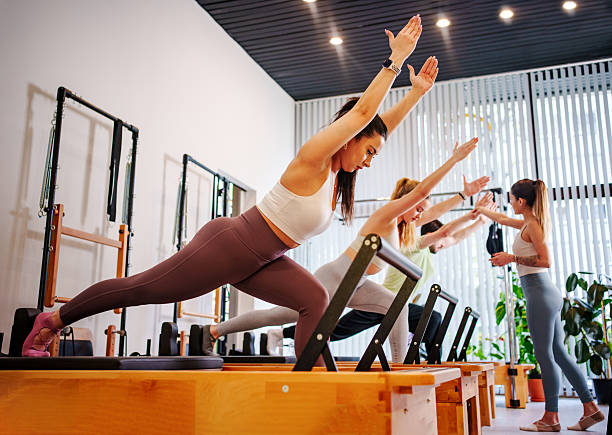
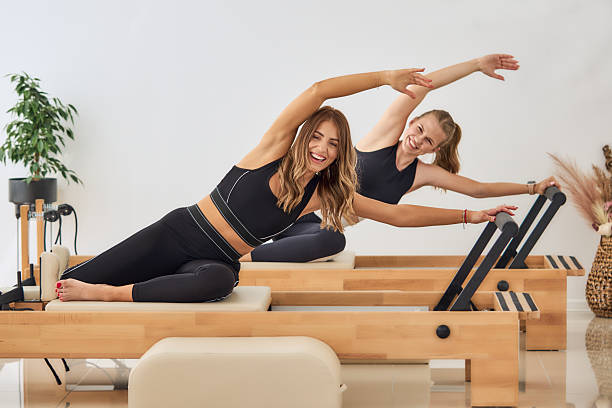
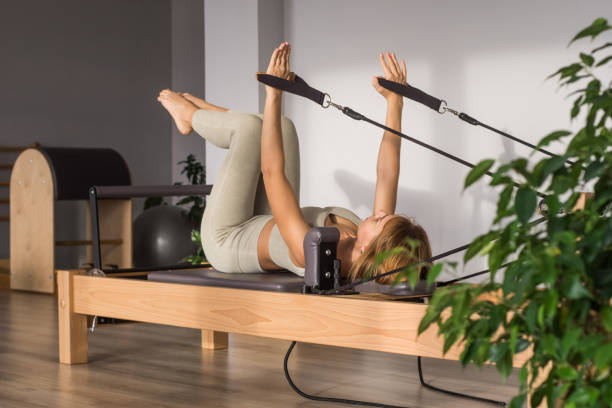
The Reformer: The Cornerstone
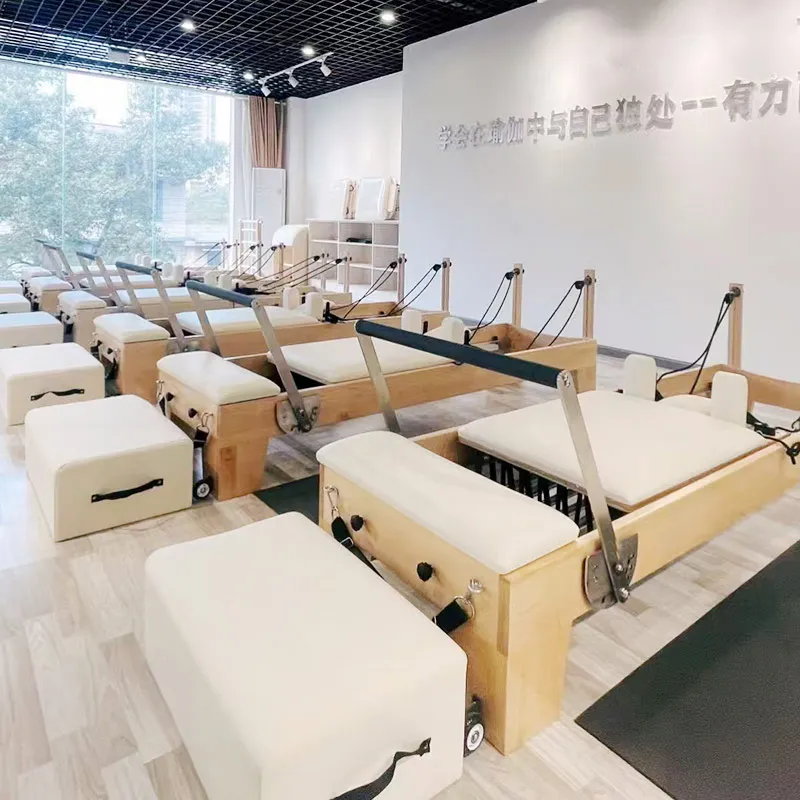
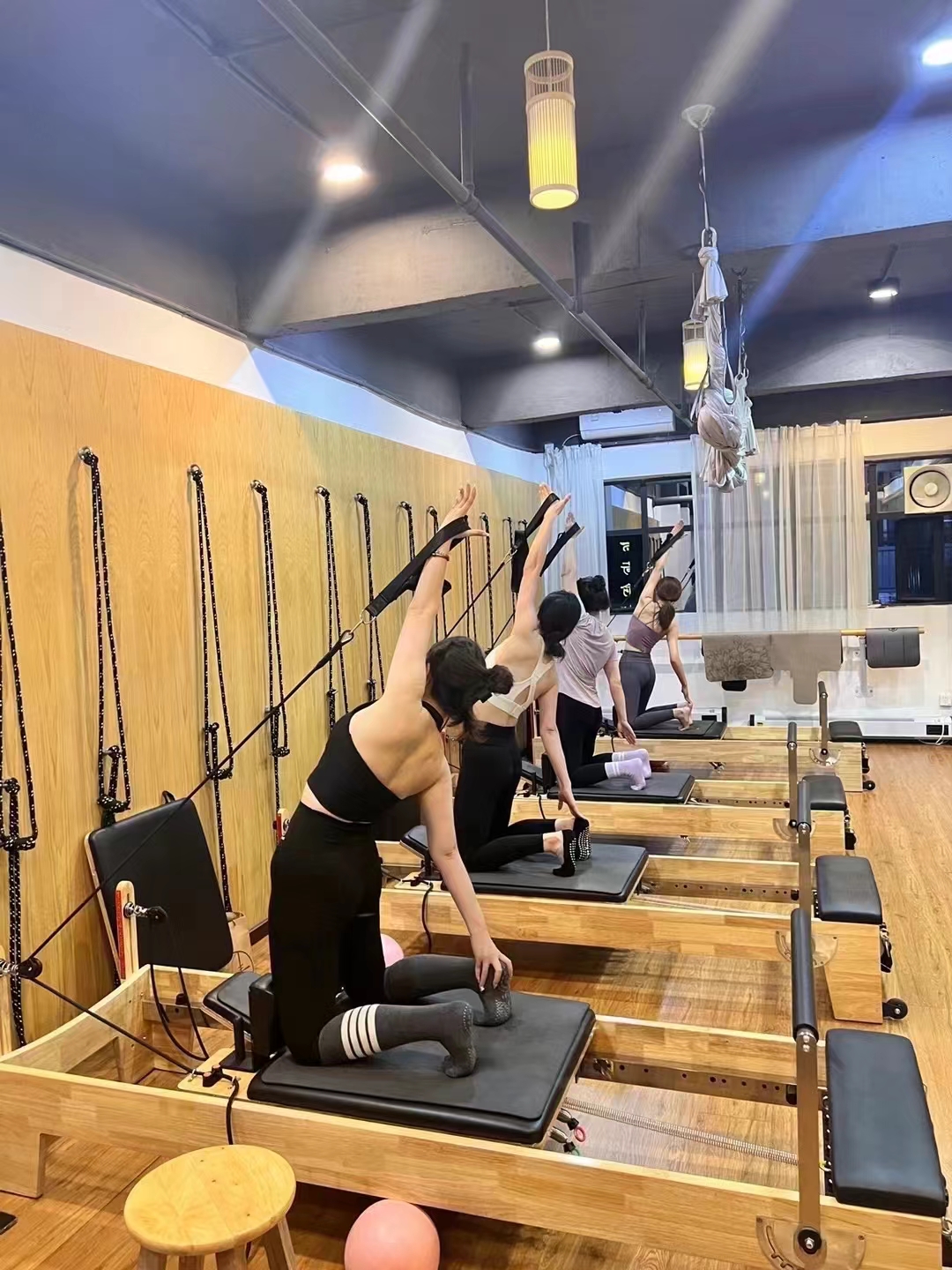
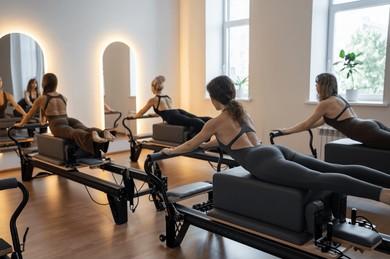
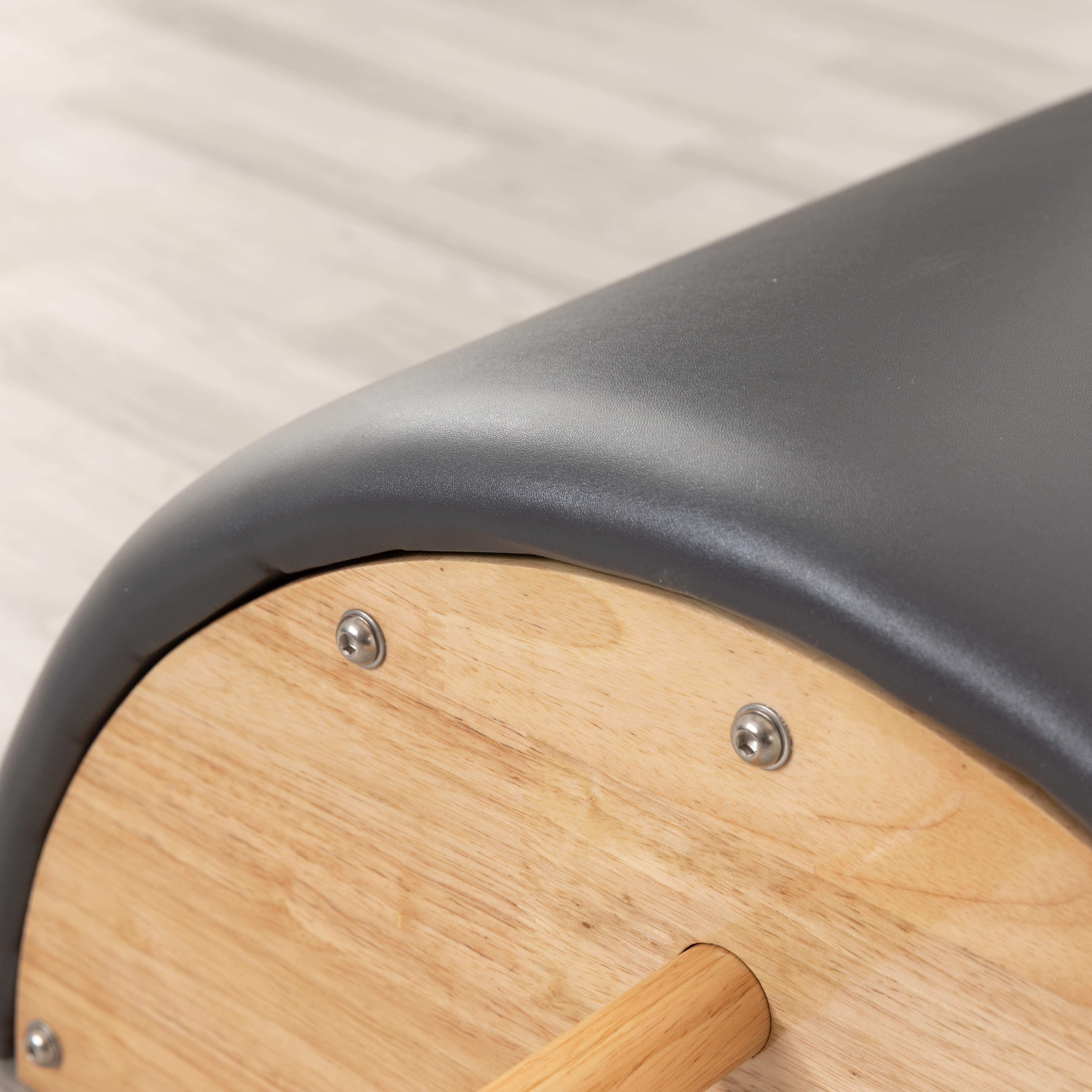
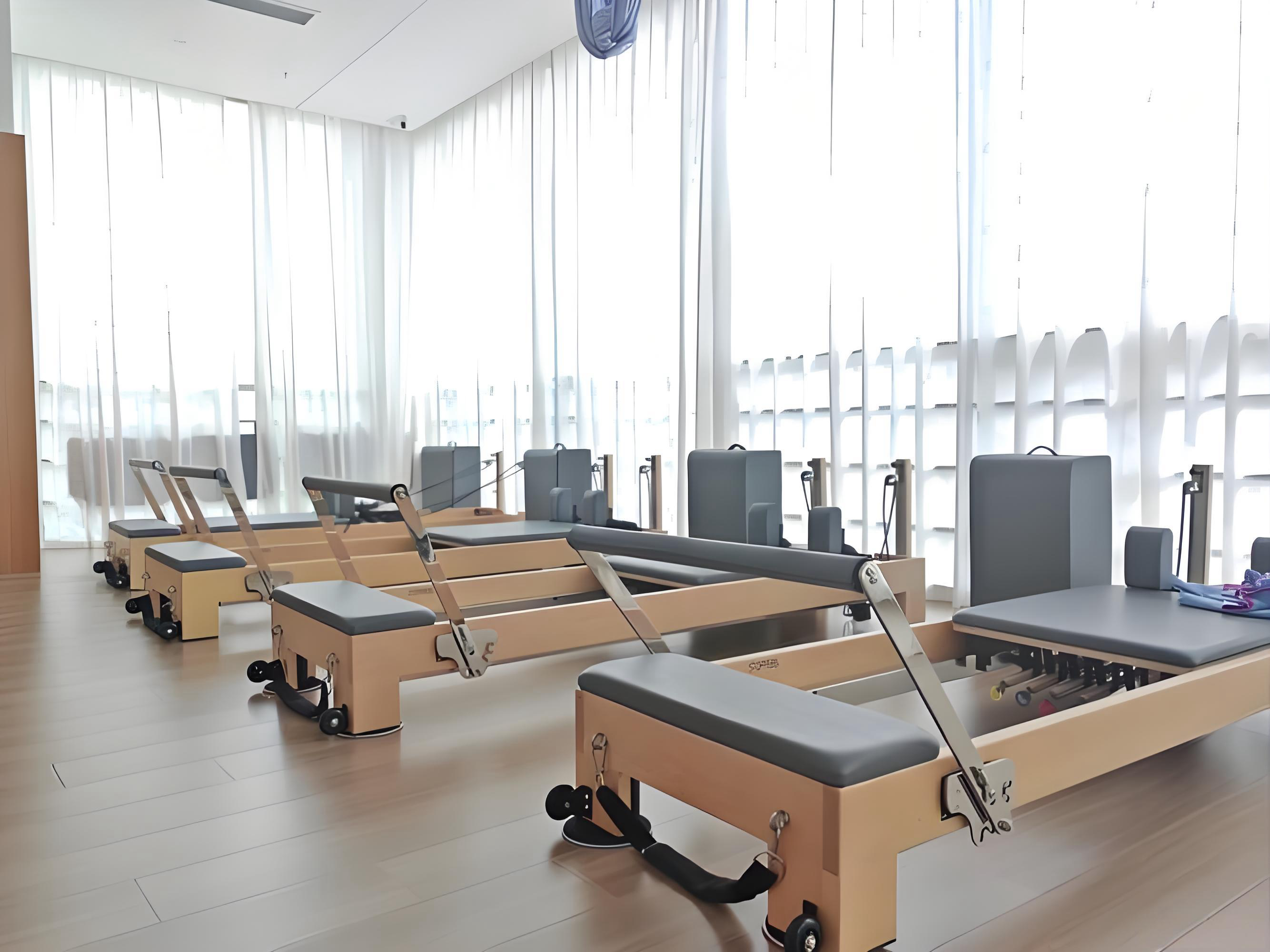
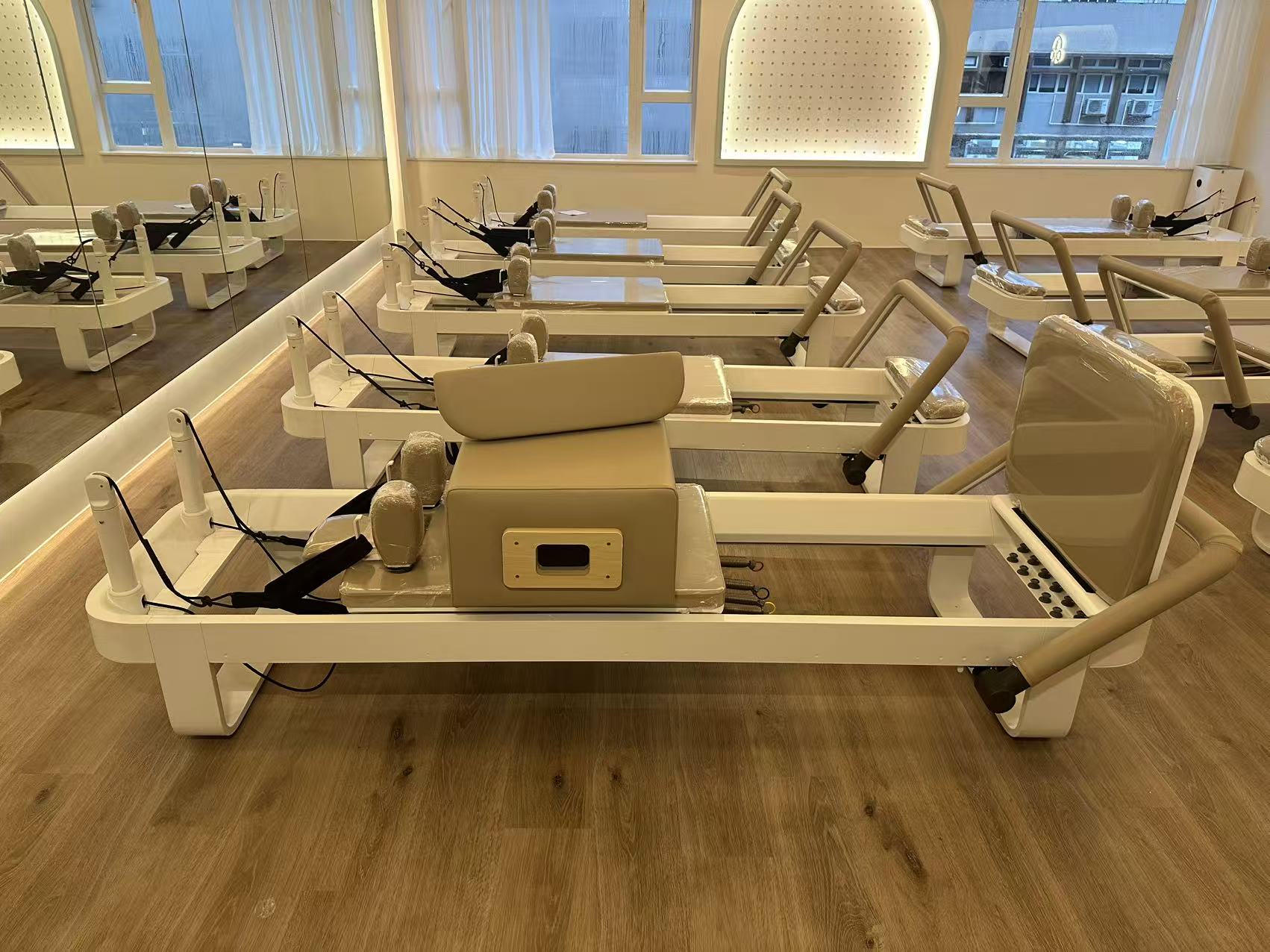
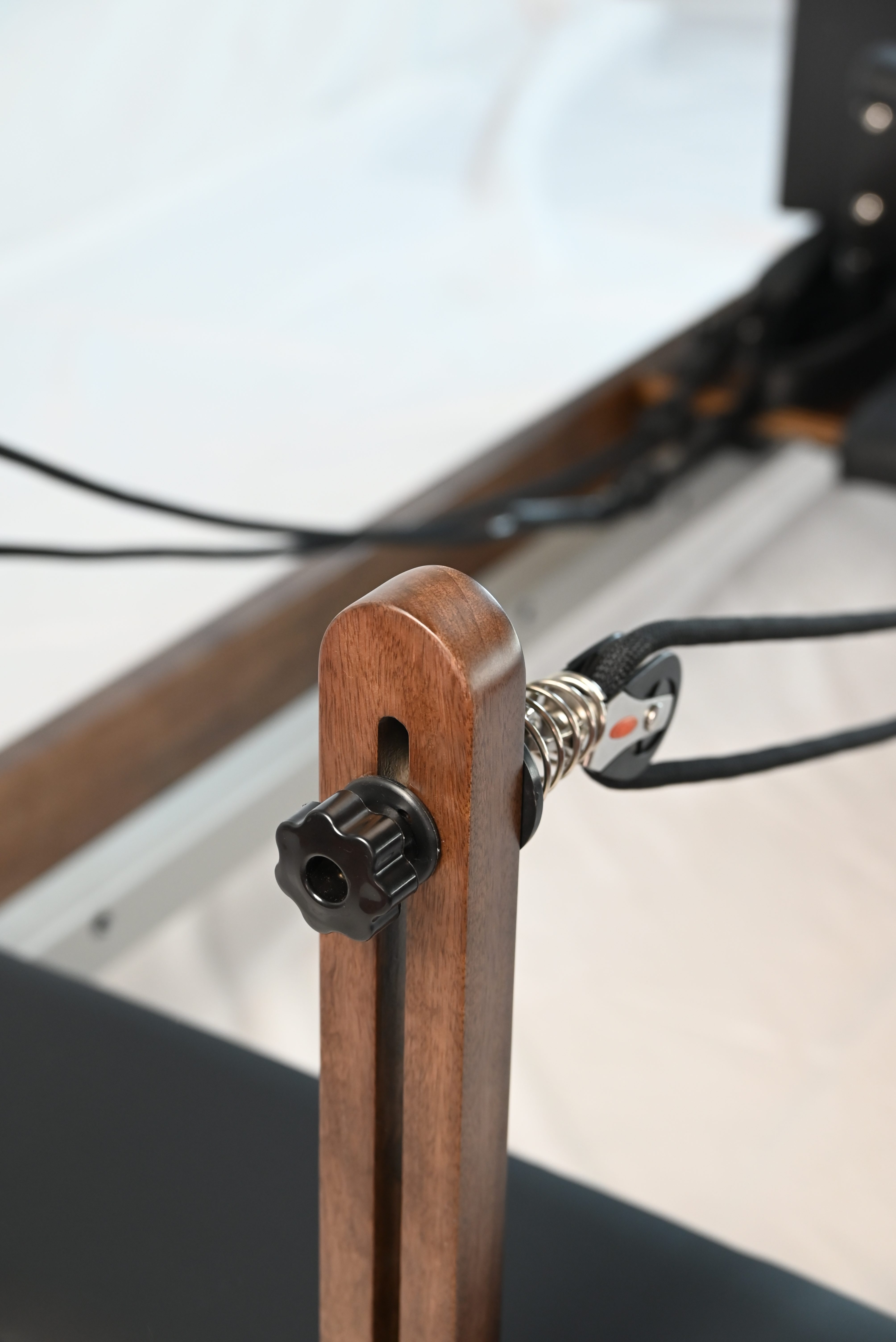
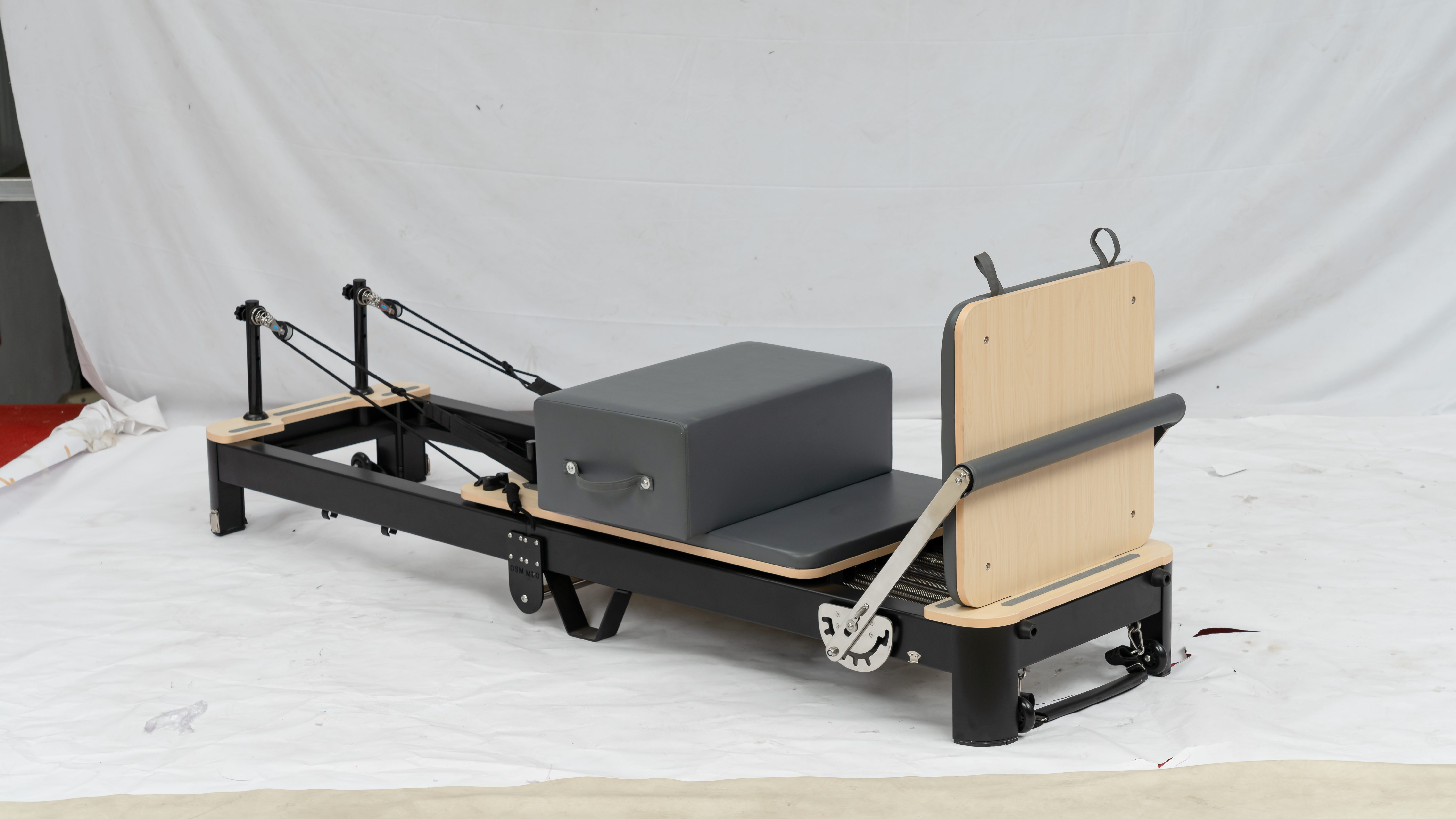
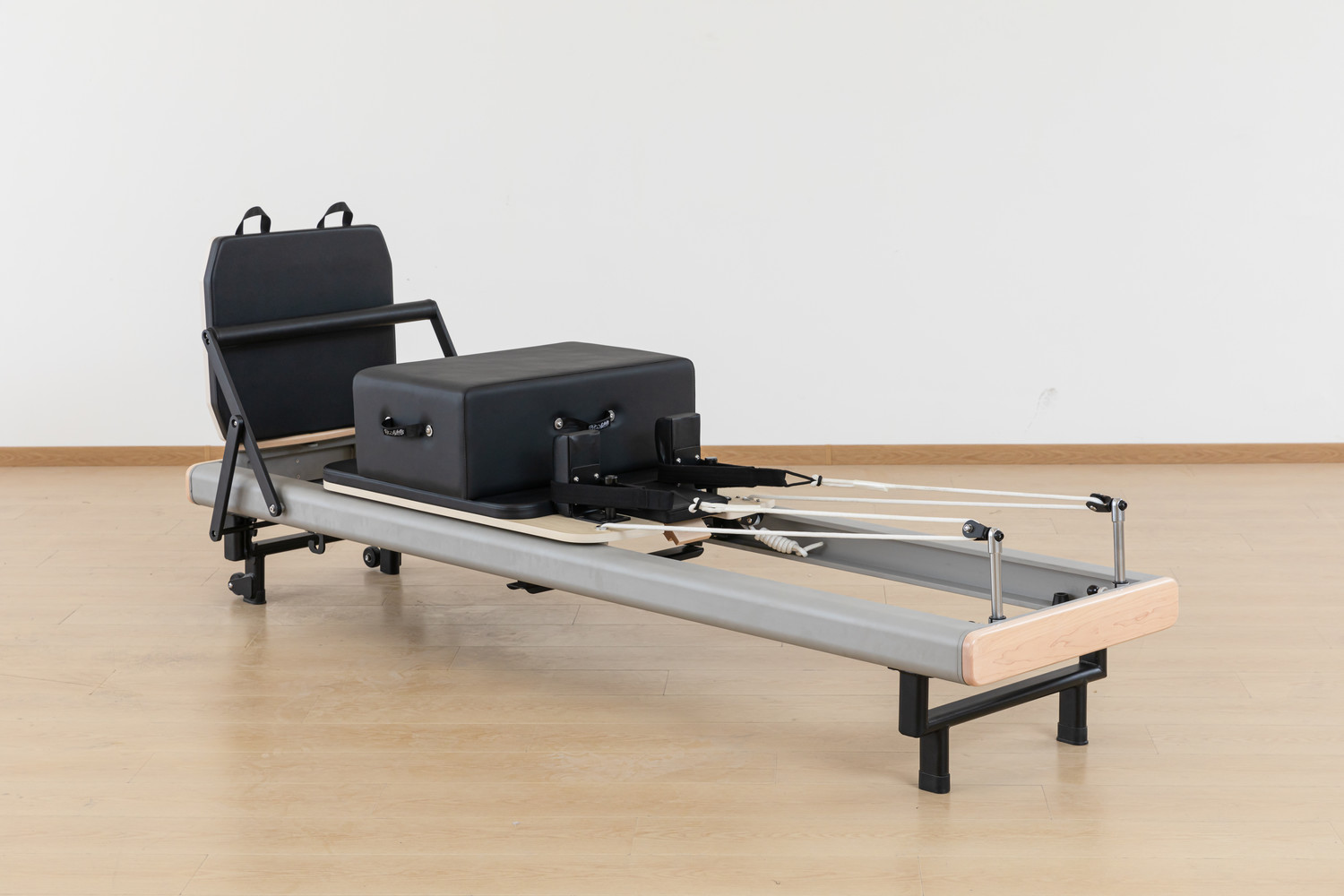
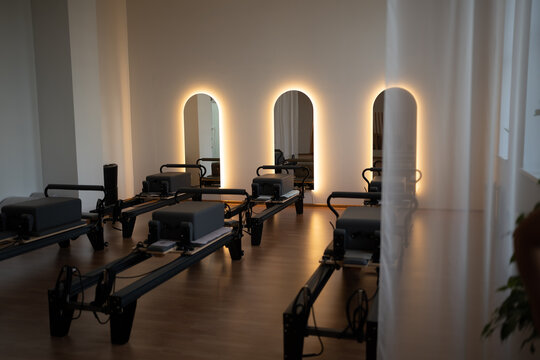
The Reformer is the most iconic and versatile piece of Pilates equipment. It consists of a sliding carriage, a spring system for resistance, and adjustable straps and bars. It allows for hundreds of exercises that target the entire body in various planes of motion . For a new studio, a set of six Reformers is a common starting point to run small group classes while maintaining personalized attention . When selecting Reformers for a studio, prioritize commercial-grade durability, consistent resistance across units, and quick adjustability for footbars and springs to facilitate smooth class transitions.
The Stability Chair (Split-Pedal Chair)
The Stability Chair, particularly models with split pedals, is a space-efficient powerhouse. It allows for seated and standing exercises that promote balance, core control, and full-body strengthening. It is exceptionally valuable for clients in rehabilitation, pre-natal, or elderly populations because the chair provides support while still challenging stability . Its small footprint makes it ideal for studios with limited space.
The Cadillac (Trapeze Table)
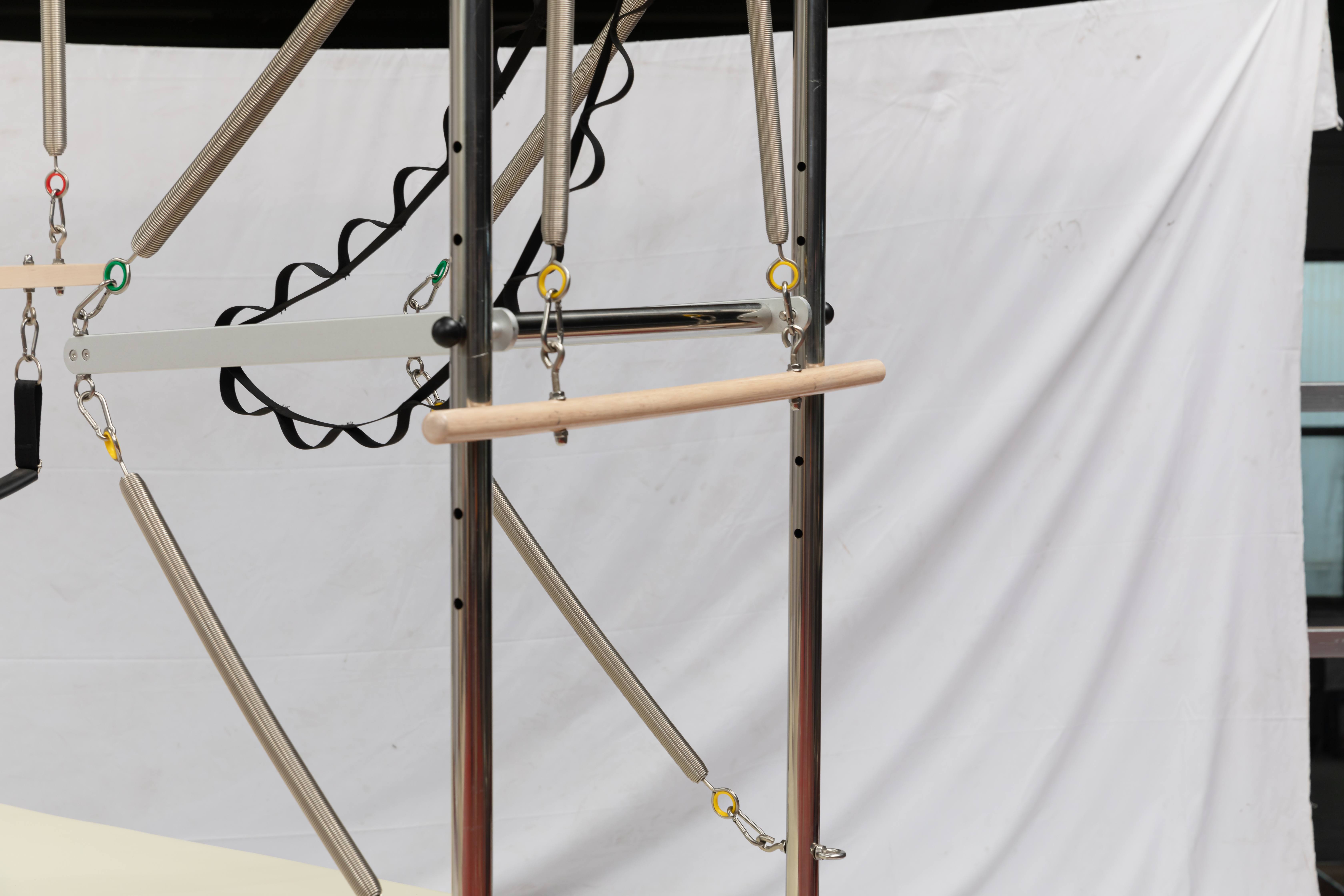
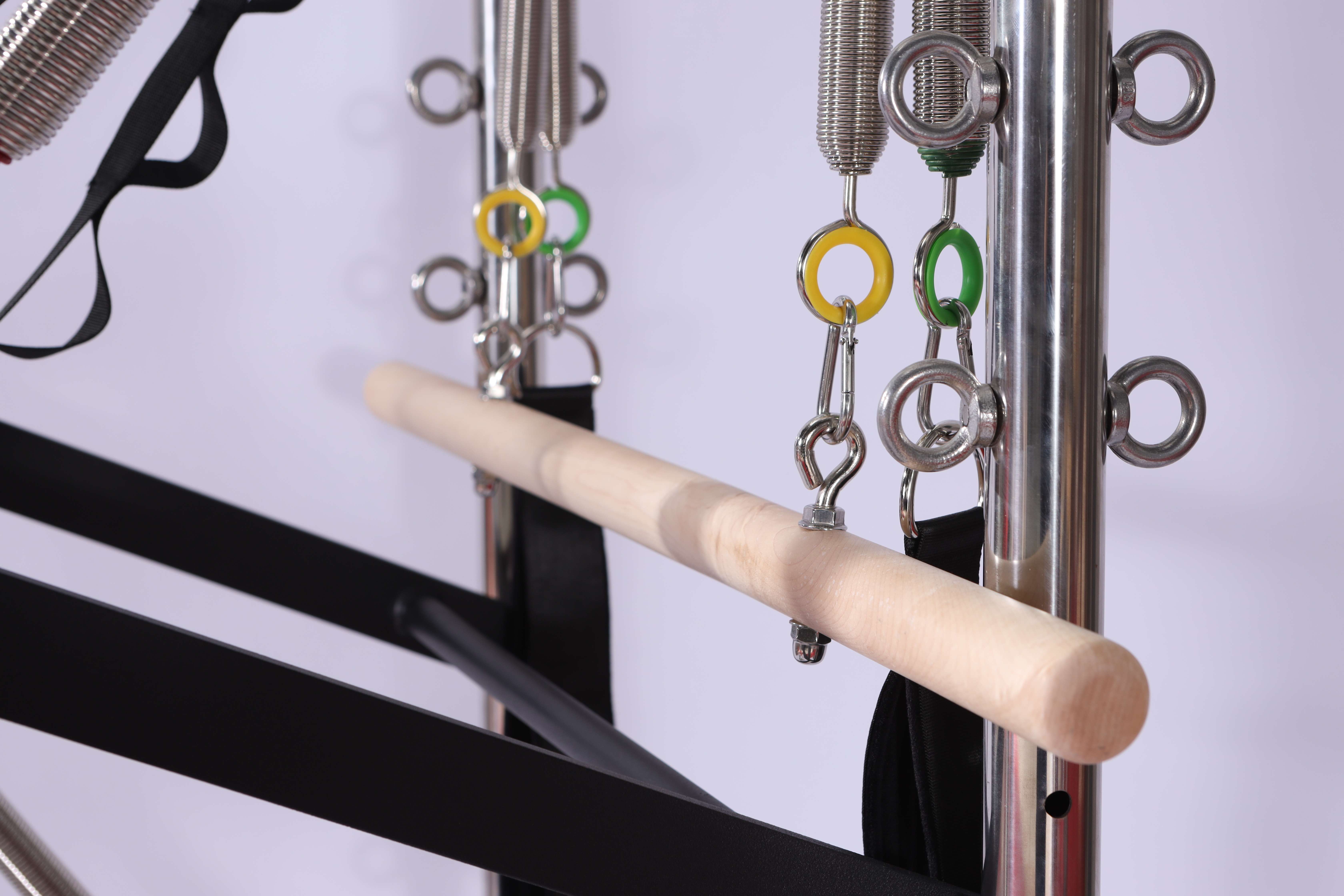
The Cadillac is the most comprehensive apparatus in the Pilates system. It consists of a raised bed with a canopy frame, springs, bars, and straps. It is unparalleled for rehabilitation, gentle stretching, and advanced mobility work. While it is a significant investment, it allows a studio to serve clients recovering from injury or those seeking targeted spinal articulation and strength work . Some studios opt for a Reformer with a Tower or a combination unit to gain Cadillac-like functionality without a second full apparatus.
Essential Small Props for Studios
A studio’s programming is only as diverse as its prop collection. For group classes and private sessions, a well-stocked supply of small tools is essential for adapting exercises to different fitness levels and keeping sessions engaging .
Fitness Circle (Magic Circle): For total-body engagement and upper-body activation.
Mini Stability Balls: To provide either support (under the spine) or a challenge (between the knees).
Toning Balls (Light Weights): To add resistance for arm and shoulder work, improving coordination and endurance.
Pilates Box: For the Reformer, a padded box is essential for seated and prone exercises like the Short Box Series, which targets deep abdominal control and back extension .
Jumpboard: This attachment for the Reformer introduces low-impact cardio and plyometric training, expanding programming to attract fitness-focused clients .
Expansion Equipment
As a studio grows, adding specialized apparatus can differentiate the offering. The Ladder Barrel and Spine Corrector are excellent for enhancing spinal mobility and flexibility, particularly for clients who sit for long periods or need targeted back care . However, these are often considered secondary investments compared to the core trio of Reformer, Chair, and small props. A studio should prioritize filling its Reformer lineup and building a robust prop collection before investing in large, specialized pieces that may see less frequent use.
Final Considerations
Whether you are equipping a corner of your living room or a commercial floor, the guiding principle is intentionality. Home practitioners should resist the urge to buy every gadget; a mat, a ring, and a set of bands can provide years of progress. Studio owners should invest in commercial-grade equipment with reliable warranties, as the safety and experience of their clients depend on it. In both cases, the most valuable equipment is the one you will use consistently and correctly.