Negotiating Flexible MOQ for Mixed Pilates Equipment Orders for Startup Distributors

Starting a pilates equipment distribution business comes with plenty of early-stage challenges, and minimum order quantity (MOQ) rules are often one of the biggest roadblocks. Established manufacturers typically set fixed MOQs for individual items such as reformers, cadillacs, pilates chairs, barrels and accessories to stabilize production schedules and control raw material costs. For startup distributors with limited cash flow, uncertain local market demand and small pre-order lists from newly signed studio clients, rigid per-item MOQs can tie up too much capital, slow down business launches and increase inventory risk. That is where negotiating flexible MOQ for mixed pilates equipment orders becomes a critical skill for new distributors.
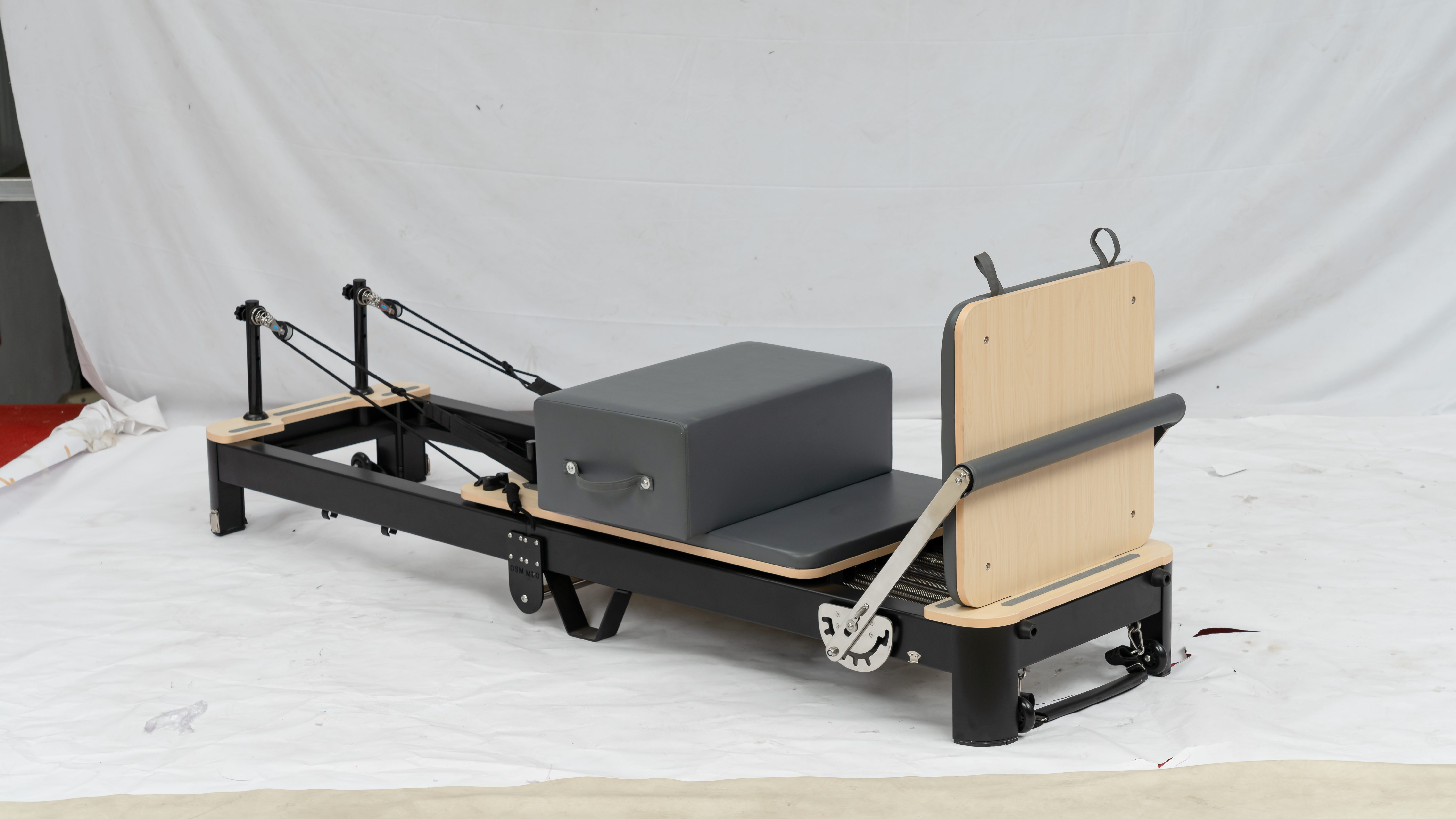
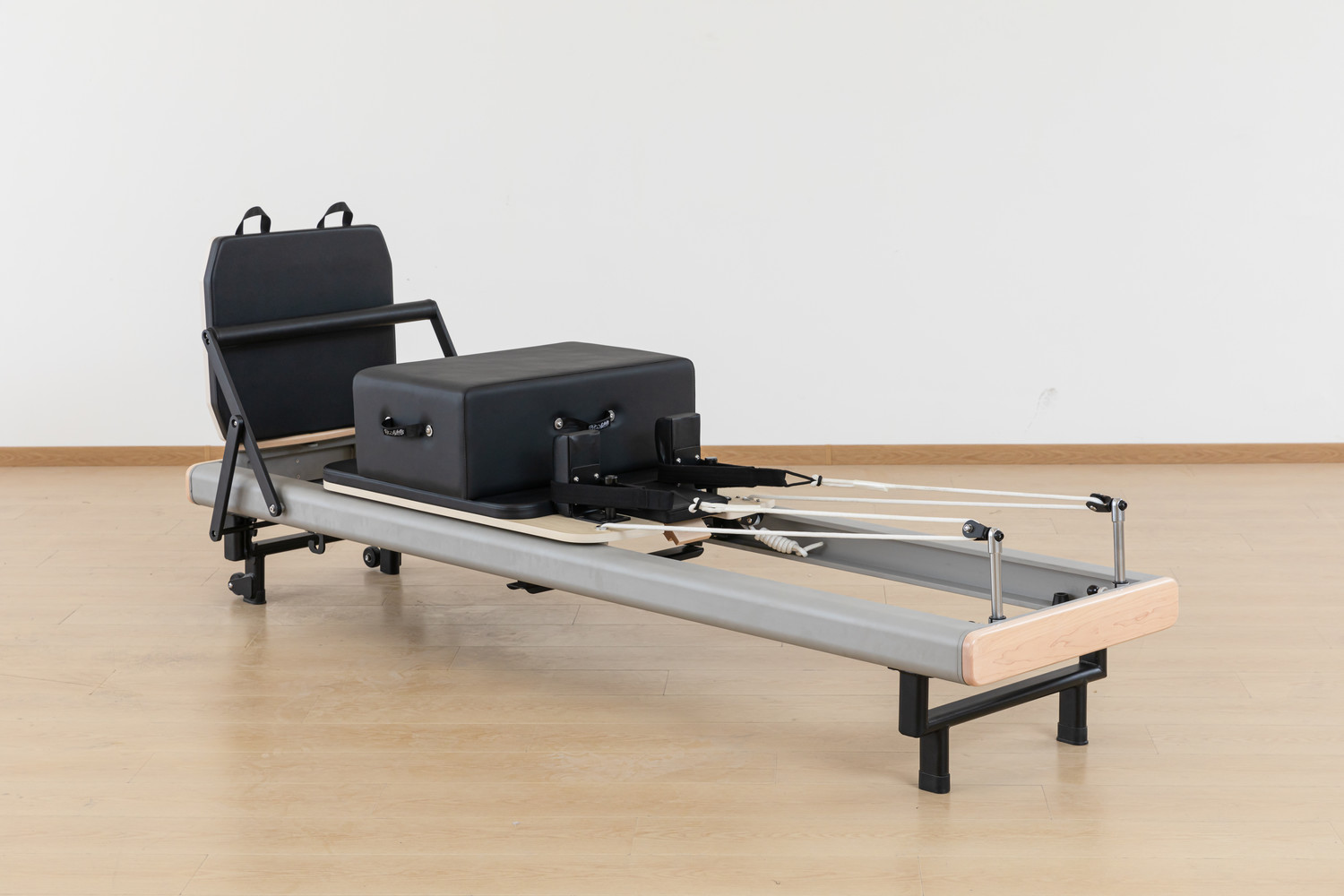
A mixed order, also known as a consolidated or assorted order, allows buyers to combine multiple pilates product models into one single shipment, rather than hitting the full separate MOQ for every SKU. Instead of ordering 30 units of one reformer variant to meet the factory’s requirement, a startup distributor may mix 8 reformers, 6 cadillacs, 10 pilates chairs and a batch of springs, foot straps and other spare parts to reach a combined total volume that satisfies the supplier. This structure aligns better with the reality of a new distributor’s customer base: local pilates studios rarely buy identical equipment in large batches, and most early sales are small, mixed packages for studio fit-outs.
Before opening MOQ negotiations with a pilates equipment manufacturer, startup distributors need to prepare clear data to strengthen their position. First, map out your target market profile. Be ready to share whether you serve small boutique pilates studios, rehabilitation clinics, home pilates buyers or a blend of customer groups, and outline your projected 6–12 month sales pipeline. Factories are far more willing to relax MOQ terms when they see you are not just placing a one-off trial order, but building a long-term regional sales channel. Second, define your mixed order scope in writing: list which SKUs you plan to combine, estimated order frequency, target lead time, packaging requirements and whether you accept shared container loading. Third, understand the factory’s cost drivers. Fixed MOQs exist mainly because each separate product line requires wood cutting, frame welding, upholstery setup, hardware kitting and quality check arrangements. Mixed orders still create extra production switching work, so startups should avoid pushing for unreasonably low combined volumes with too many different customised items at the same time.
There are several practical negotiation frameworks that work well for new pilates distributors. The most common arrangement is a combined total MOQ, where the factory sets one overall volume or value threshold for the whole mixed container, instead of separate rules for each product. For example, the supplier may require a minimum total order value rather than a per-piece count, which gives the distributor freedom to mix high-value main apparatus and low-cost accessories. A second option is tiered flexible MOQ: your first trial mixed order gets a reduced combined MOQ, and once you complete two or three repeat orders within an agreed period, you unlock even more flexible terms, faster lead times and better wholesale pricing. A third compromise is to accept standard, non-customised stock models for mixed small orders. OEM custom upholstery, engraved private logos or special timber finishes usually keep MOQs high. If you can start with standard colourways and factory stock designs for your mixed orders, manufacturers are much more open to lower combined minimums.
Even with flexible mixed MOQ agreements, startup distributors must watch for hidden terms that can erase the benefits. Some factories offer mixed MOQs but add extra production change fees for frequent model switches, or apply longer lead times because mixed batches are scheduled around larger bulk orders. You should confirm whether inspection standards stay consistent across mixed items, especially for safety-critical parts like reformer springs, carriage tracks and load-bearing frames. Clarify packing rules too: mixed cargo increases the risk of scratches to wooden frames or damage to upholstery during transit, so agree on separate foam wrapping and compartmentalised packing before production starts. It is also essential to get the flexible MOQ arrangement confirmed on your proforma invoice or sales contract, not only in casual chat messages.
Building trust is the foundation of sustainable flexible MOQ partnerships. Many startup distributors make the mistake of only focusing on pushing MOQs down, without showing commitment to the supplier. You can improve your bargaining position by sharing feedback from your local pilates market, helping the factory understand which apparatus sell best in your region, and committing to consistent order frequency instead of sporadic one-off purchases. As your distribution business grows and your order volume rises, you can revisit the agreement to expand your mixed SKU range, add private label options and negotiate better pricing alongside flexible minimums.
For new pilates distributors, flexible mixed MOQs are not just a way to reduce initial inventory risk. They are a launch strategy that lets you test multiple product lines, respond quickly to small studio fit-out jobs and prove sales traction before scaling up. By preparing clear order plans, respecting the factory’s production constraints and framing negotiations around long-term partnership rather than a single cheap trial order, startup buyers can secure balanced MOQ terms that work for both sides.