Silent Carriage Rail Specifications: Why Noise Rating Matters for Urban Pilates Studio Classes
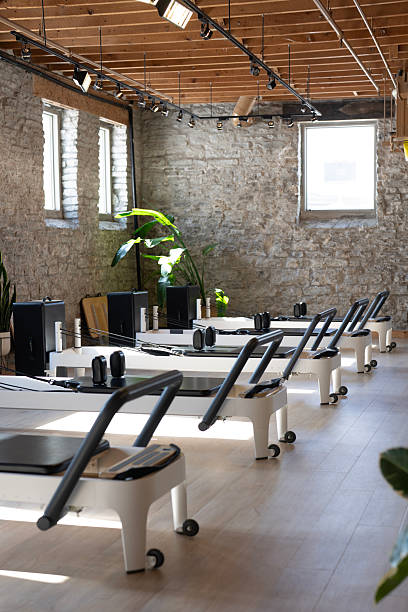
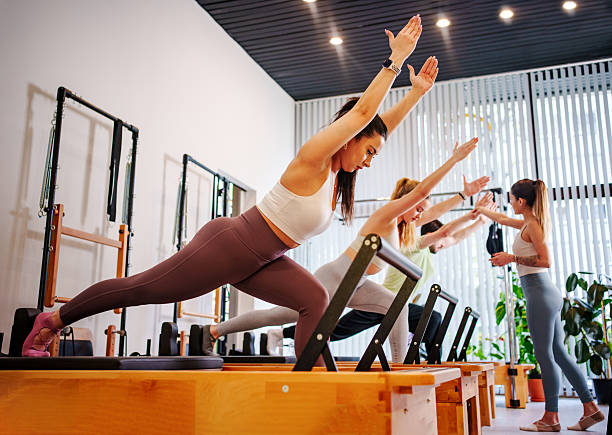
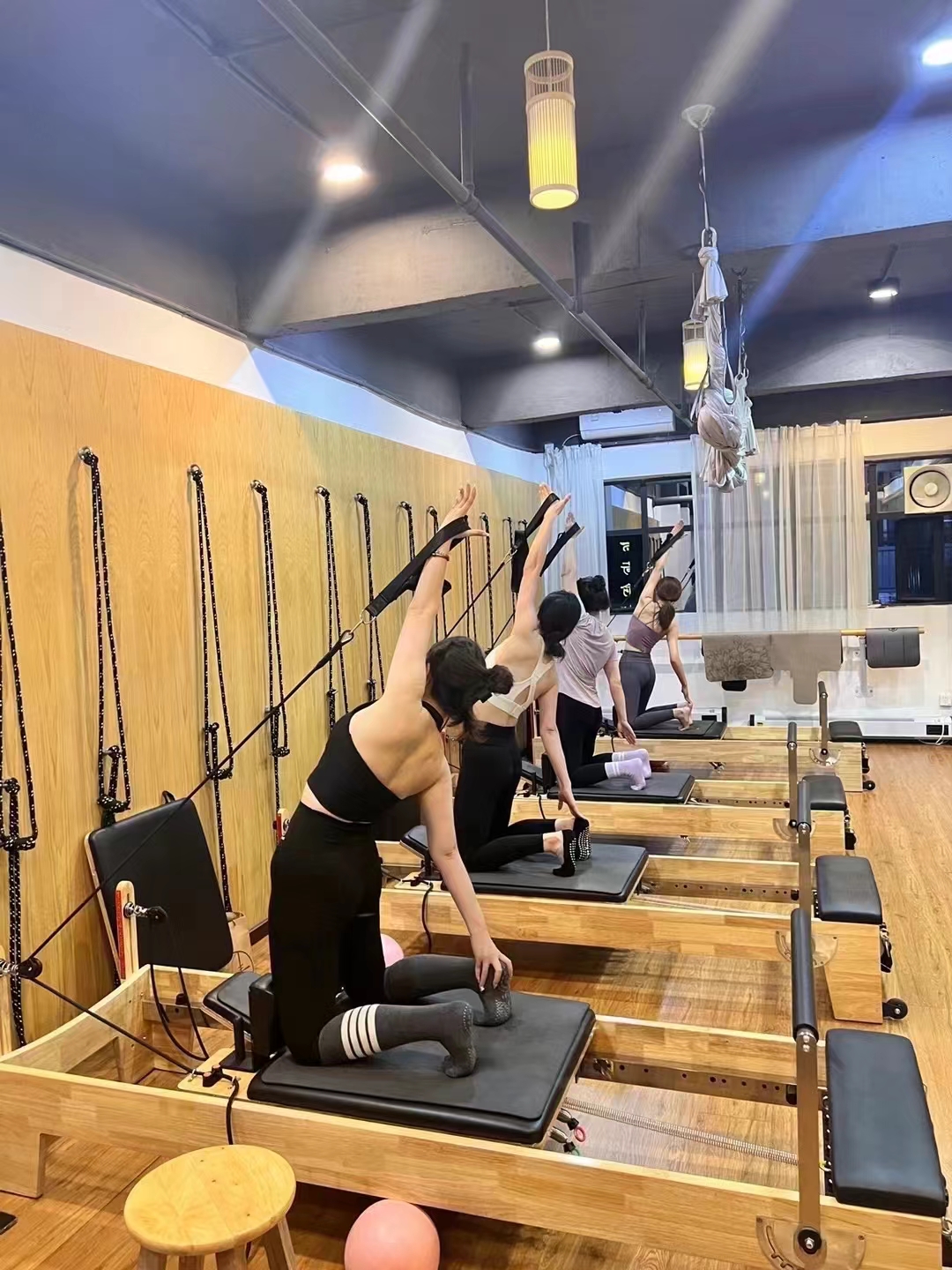
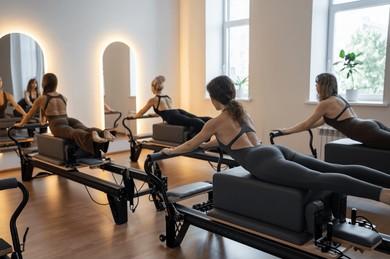
Urban boutique Pilates studios operate under unique acoustic pressure. Most occupy leased units inside apartment blocks, mixed-use commercial buildings or city-center shared spaces, where noise complaints from neighbours can lead to warnings, lease restrictions or even business closure. Inside the classroom, constant scraping, squeaking and rattling from reformer carriage rails also breaks focus, disrupts instructor cueing and dilutes the calm, mindful atmosphere clients expect. This makes the noise rating of carriage rail systems far more than a minor comfort feature — it is a core commercial specification for any studio buying reformers for daily back-to-back group classes.
A carriage rail’s noise rating measures the sound produced when the carriage glides along its track under typical class loading, usually quoted in dBA at a fixed measuring distance. Premium commercial silent rail systems consistently land between 45–55 dBA, comparable to quiet office background sound. Well-engineered top-tier units can stay below 48 dBA. Budget reformers with basic rails, open bearings and rough surface finishes often hit 60–68 dBA per machine; when six to ten reformers move simultaneously during a flow class, the combined noise spikes rapidly and becomes difficult for instructors and participants to ignore. Unlike occasional background music, carriage noise is rhythmic, high-frequency and impossible to mask reliably with soundproofing alone. Many urban studios discover too late that expensive acoustic treatment cannot fully compensate for poorly designed, inherently noisy rail hardware.
To understand what drives low noise performance, buyers need to look beyond simple “silent rail” marketing labels and review hard specifications. The rail base material and surface finish are foundational. Anodized aluminium rails are the industry benchmark for quiet commercial use: the hardened, micro-smooth anodized layer eliminates raw metal-on-metal friction, resists scratching and avoids the gritty scraping common with untreated steel or cheap powder-coated tracks. Flatness tolerance is another critical specification. Professional silent rails are CNC-machined to tight straightness tolerances, often within 0.1 mm. Even tiny warps or uneven surfaces create uneven wheel pressure, vibration and progressive squeaking after weeks of heavy daily use.
The wheel and bearing package paired with the rail defines real-world quietness. High-grade silent setups use 8-wheel carriage designs with dual-shielded, precision ABEC-rated bearings and high-density PU roller tyres. The PU layer absorbs micro-shock and dampens rolling noise, while sealed bearings keep dust, hair and studio debris out of the raceway. Cheaper 4-wheel configurations with open, unshielded bearings tend to run louder and degrade faster; once contaminants enter the bearing, squeaking becomes persistent and hard to fix with routine cleaning. Buyers should also check for lateral stabilisation features. Side play in the carriage makes the wheels rub against rail edges during rotation, generating sharp squeaks that appear only under dynamic movement, even if the machine seems quiet during a slow, empty test glide.
Noise rating also directly ties to long-term maintenance and service cycles. A silent rail system built with matched rails, sealed bearings and durable PU wheels maintains its quiet performance for thousands of class hours. A low-spec noisy rail may run quietly out of the crate but develop noise faults quickly. Studio operators then face recurring downtime: pulling machines out of class rotation, ordering replacement wheels or bearings, and scheduling technician visits between sessions. For urban studios running 8–12 classes per day, this maintenance overhead hurts revenue and creates inconsistent client experiences. Good silent rail specifications therefore reduce total ownership cost, not just sound levels.
When sourcing from manufacturers or distributors, smart buyers should request standardized noise test reports rather than relying on verbal claims. A valid test should simulate real class conditions: loaded carriage, full travel range, repeated cycles, and measurement at the typical instructor or client ear position. Clarify what is excluded from the rating: spring noise, pulley rattle and frame resonance are separate from carriage rail noise, though quality suppliers often tune these components alongside the rail system for a fully quiet machine. It is also wise to ask the supplier whether the quoted noise rating applies to new machines only, or whether it is guaranteed after 500, 1,000 or more operating cycles. Some quiet demonstrations use brand-new, freshly cleaned units that degrade quickly in studio environments.
There are common pitfalls studio buyers face when evaluating silent rails. First, confusing “smooth-feeling” with low noise. A carriage may slide easily by hand yet emit high-frequency squeaks under body weight. Second, underestimating cumulative noise. One reformer at 62 dBA is tolerable; eight running together transforms minor noise into a persistent disturbance. Third, over-reliance on studio soundproofing. Sound insulation mainly addresses airborne sound travelling to neighbours below or next door, while carriage rail vibration transmits through the floor frame structure, creating structure-borne noise that is far harder to block. Selecting a lower-noise carriage rail at the source is always the most cost-effective control strategy for urban locations.
For distributors supplying city Pilates studios, clear silent rail specifications and verified noise ratings become a strong sales differentiator. You can help your studio customers avoid lease penalties, client churn and costly retrofits by listing measurable dBA performance, rail flatness tolerance, bearing grade, wheel material and cycle life on your spec sheets.
In summary, carriage rail noise rating is a non-negotiable purchasing metric for urban Pilates studios. It protects lease compliance, preserves the mindful class experience, cuts ongoing service labour and improves client retention. Quiet performance does not happen by accident: it comes from tightly controlled machining tolerances, matched anodized rail surfaces, sealed precision bearings and shock-dampening PU wheel designs. When comparing reformer models for city locations, treat the silent carriage rail specification with the same priority you give load rating, upholstery durability and spring safety.