How to Choose the Right Pilates Reformer for Your Home Gym
A Pilates reformer is one of the most versatile and effective pieces of fitness equipment you can own, and bringing one into your home gym opens the door to consistent, low-impact, full-body training. However, with so many models on the market—ranging from compact foldable units to commercial-grade machines—choosing the right one can feel overwhelming. This guide walks you through the key factors to consider so you can make a confident, informed decision.
Start with Your Space and Storage Needs
Before looking at features, measure your room carefully. A standard reformer typically requires a footprint of roughly 2.4 meters by 0.7 meters, plus clearance around it for mounting, dismounting, and extending your limbs. If space is tight, consider a foldable or vertically storable reformer. Some compact models can be stood upright against a wall, while others fold in half. Also think about ceiling height and floor type—reformers work best on a level, non-slip surface, and a mat underneath protects both the floor and the machine.
Consider Your Experience Level and Goals
Are you a beginner, an intermediate practitioner, or an experienced enthusiast? Beginners often do well with a reformer that offers a smooth, predictable spring feel and clear resistance settings. If your goals include rehabilitation, joint-friendly movement, or gentle stretching, prioritize models with fine-grained spring adjustments and comfortable padding. If you plan to train intensively or eventually teach others, a commercial-grade machine with a longer carriage travel and robust frame may be the better fit. Be honest about how often you will use it—daily users should invest in higher durability.
Evaluate Frame Material and Build Quality
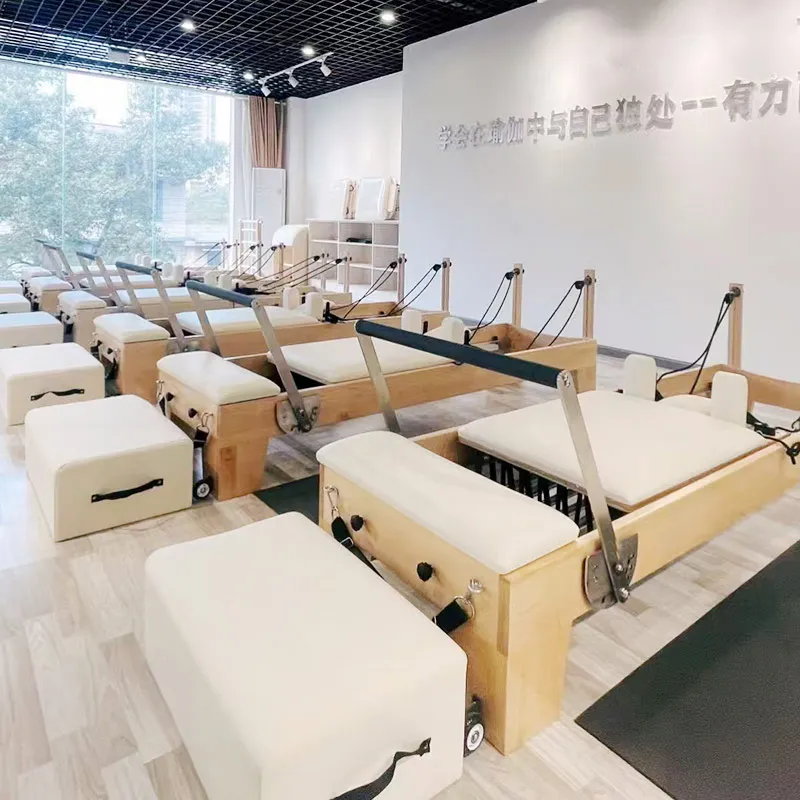
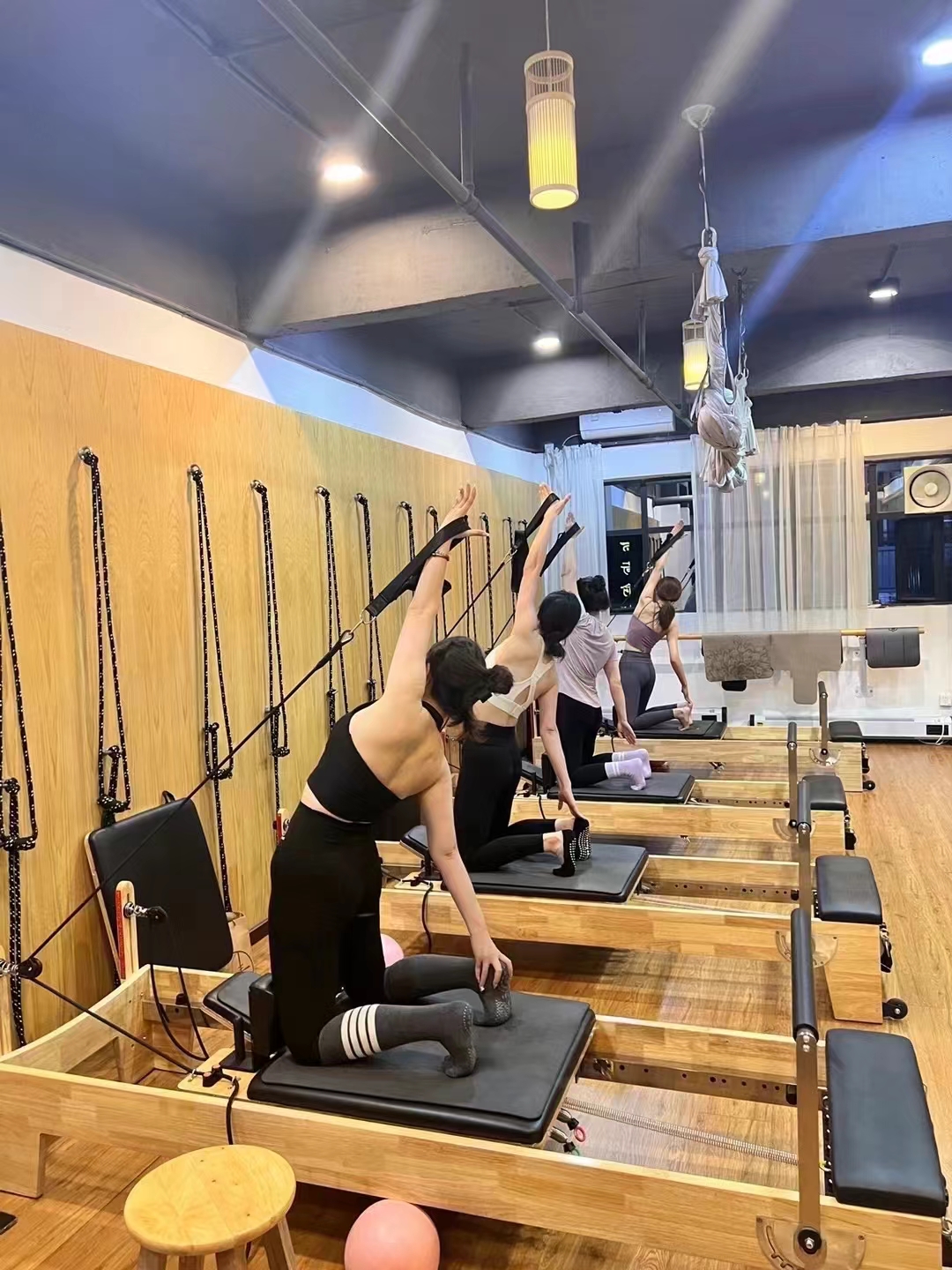
The frame is the backbone of any reformer. Common materials include solid wood, aluminum, and steel. Wooden reformers offer a warm aesthetic and natural vibration damping but require more care in humid environments. Aluminum is lightweight, rust-resistant, and easy to move, making it popular for home use. Steel is the heaviest and most durable, ideal for high-intensity or commercial settings. Check the weight capacity, joint construction, and overall stability. A well-built frame should feel solid with no creaking or flexing when you push against it.
Examine the Carriage and Glide System
The carriage is where you lie, sit, or stand, so its comfort and smoothness matter enormously. Look for high-quality bearings and rails that allow a silent, friction-free glide. Cheap rollers can develop flat spots or wobble over time, ruining the exercise experience. Padding should be dense enough to support your spine without feeling hard, and the upholstery should be easy to wipe clean. If possible, test the carriage motion in person—it should feel smooth from end to end with no catching or side-to-side play.
Assess Spring Resistance and Adjustment Options
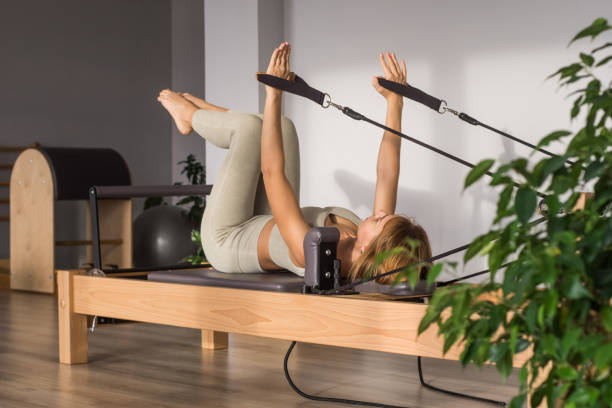
Springs are the heart of a reformer's resistance system. Premium reformers use calibrated springs that provide consistent tension and long service life. Check how many springs are included and whether the hook system allows quick, secure changes. More spring attachment points give you greater versatility for different exercises and resistance levels. For home use, a reformer with three to five springs of varying tension is usually sufficient, but ensure the springs are color-coded or clearly labeled for easy identification.
Look at Adjustability and Versatility
A good home reformer should adapt to your body and your evolving practice. Adjustable foot bars, shoulder rests, and headrests accommodate different heights and exercise variations. Some models include a jump board for cardio, a tower or cadillac conversion for expanded repertoire, or a standing platform. If you enjoy variety, these add-ons can dramatically extend the usefulness of your machine. However, avoid paying for features you will never use—focus on the adjustments that match your actual training style.
Prioritize Safety Features
Safety should never be an afterthought. Look for secure spring hooks that will not slip under load, a stable locking mechanism for the carriage, and non-slip surfaces on the foot bar and standing platforms. Check that the reformer has a reliable braking or stopping system and that all moving parts are enclosed or well-guarded. If you have children or pets, consider a model that can be locked or stored away safely.
Weigh Budget Against Long-Term Value
Reformers span a wide price range. Budget models can be a reasonable entry point, but they often compromise on spring quality, frame stability, and longevity. Mid-range reformers from reputable brands usually offer the best balance of performance and price for home users. Commercial-grade machines cost more but deliver superior durability and resale value. Rather than choosing purely on price, calculate the cost per use over several years and consider warranty coverage, replacement part availability, and customer support. A slightly higher initial investment often pays off in reliability and peace of mind.
Check Warranty, Service, and Brand Reputation
A strong warranty reflects a manufacturer's confidence in its product. Look for coverage on the frame, springs, and upholstery, and read the fine print about what is excluded. Research the brand's reputation for customer service and parts availability. Can you easily order replacement springs or upholstery? Is there a service network or responsive support team? For a long-term investment like a reformer, after-sales support matters as much as the machine itself.
Try Before You Buy When Possible
Whenever feasible, test a reformer before purchasing. Visit a local studio or showroom, or ask friends who own one. Pay attention to how the carriage feels, how smoothly the springs engage, and whether the height and dimensions suit your body. If testing in person is not possible, read detailed reviews, watch video demonstrations, and check return policies carefully.
Final Thoughts
Choosing the right Pilates reformer for your home gym is a balance of space, budget, experience level, and long-term goals. Prioritize a stable frame, a smooth carriage, quality springs, and reliable safety features, and do not overlook warranty and support. With careful consideration, you can find a reformer that fits your home, matches your practice, and serves you well for years of consistent, rewarding training.