5 Signs It's Time to Upgrade Your Pilates Apparatus
Pilates equipment is an investment, and like any worthwhile investment, it deserves to be evaluated from time to time. Many studio owners and home practitioners hold on to their apparatus far longer than they should, often out of habit or a desire to avoid the cost of replacement. But outdated or worn equipment can quietly undermine the quality of your practice, the safety of your clients, and the professional image of your studio. Recognizing the signs that it is time to upgrade is an essential skill for anyone serious about Pilates. Here are five clear indicators that your current apparatus may be holding you back.
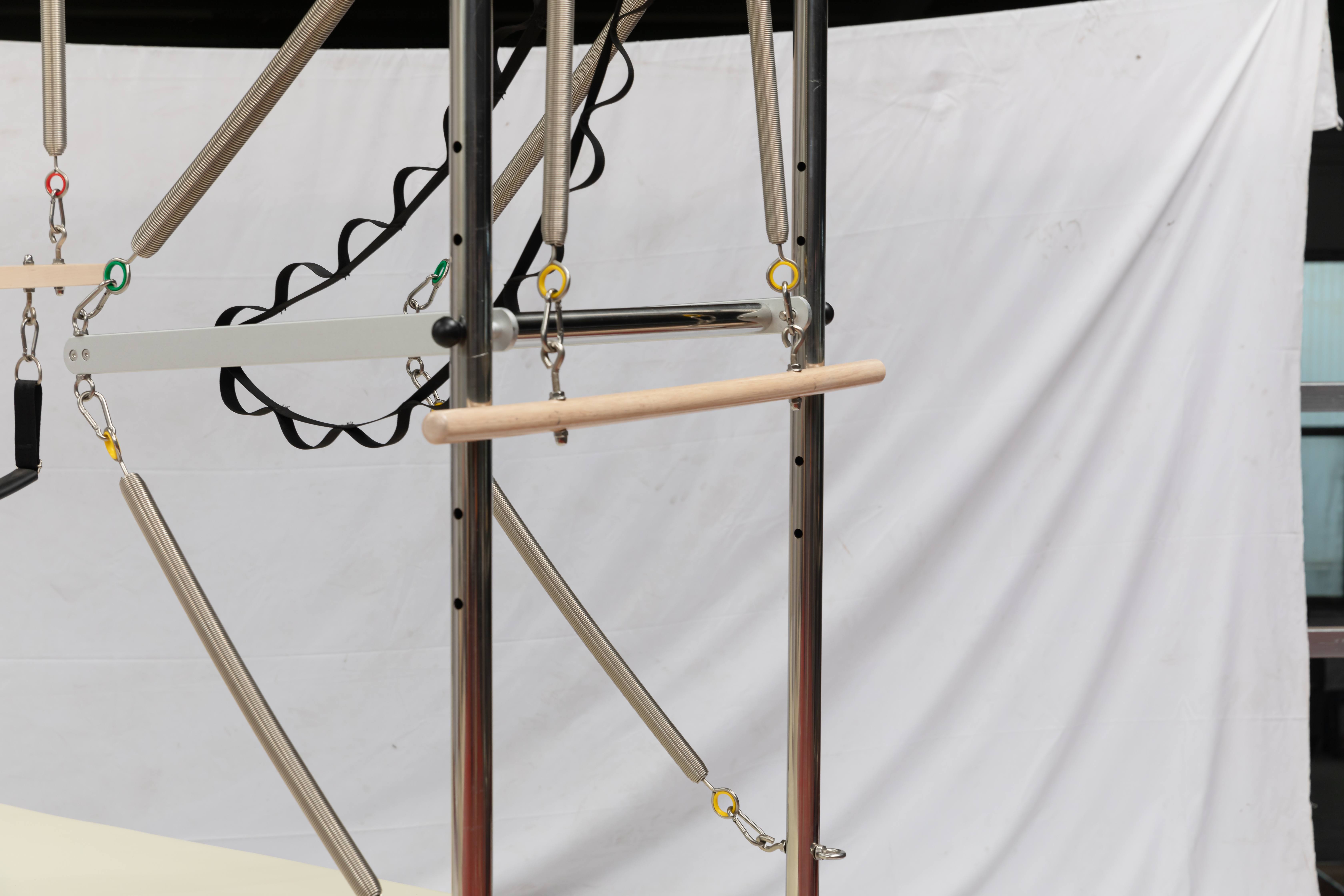
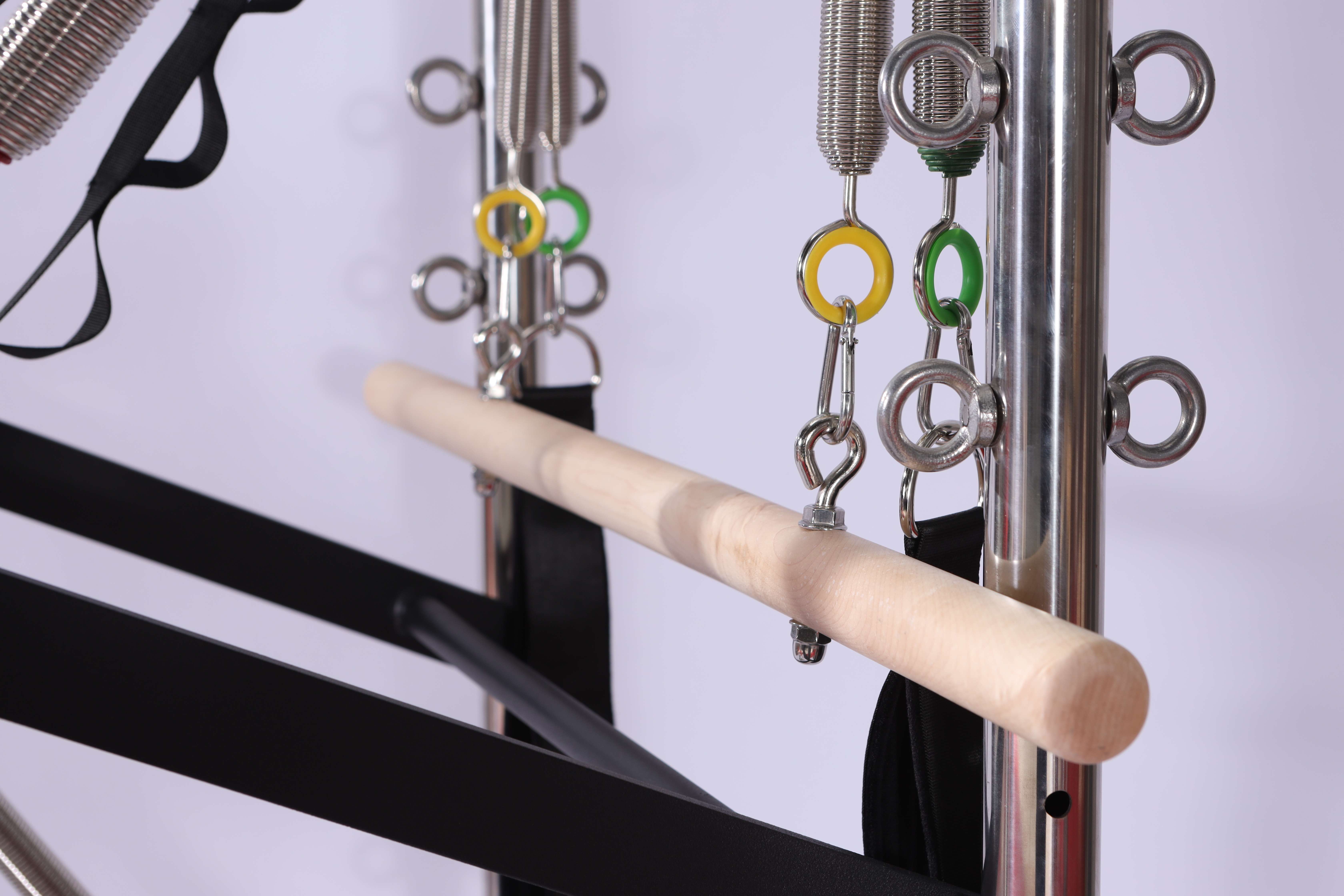
The first sign is inconsistent or degraded spring resistance. Springs are the heart of any spring-driven Pilates apparatus, and they do not last forever. Over time, repeated stretching causes springs to lose tension, creating uneven resistance across different attachment points. When a client moves from one spring setting to another and the resistance feels unpredictable, the entire biomechanical logic of the exercise breaks down. You may notice that certain springs feel noticeably softer than others, or that the same setting no longer challenges a client the way it once did. Premium springs are calibrated for consistent tension, and when they begin to fail, it is a strong signal that the apparatus needs replacing or at least a full spring overhaul.
The second sign is worn carriage tracks, wheels, or bearings. A smooth, quiet glide is one of the defining pleasures of training on high-quality Pilates equipment. If your carriage begins to wobble, squeak, or require extra effort to move, the problem is likely worn wheels, dirty or damaged tracks, or failing bearings. These issues do not just create an unpleasant sensory experience—they compromise the precision of every movement. Clients may unconsciously compensate for a sticky carriage, leading to poor form and reduced training effectiveness. When maintenance can no longer restore that smooth glide, it is time to consider an upgrade.
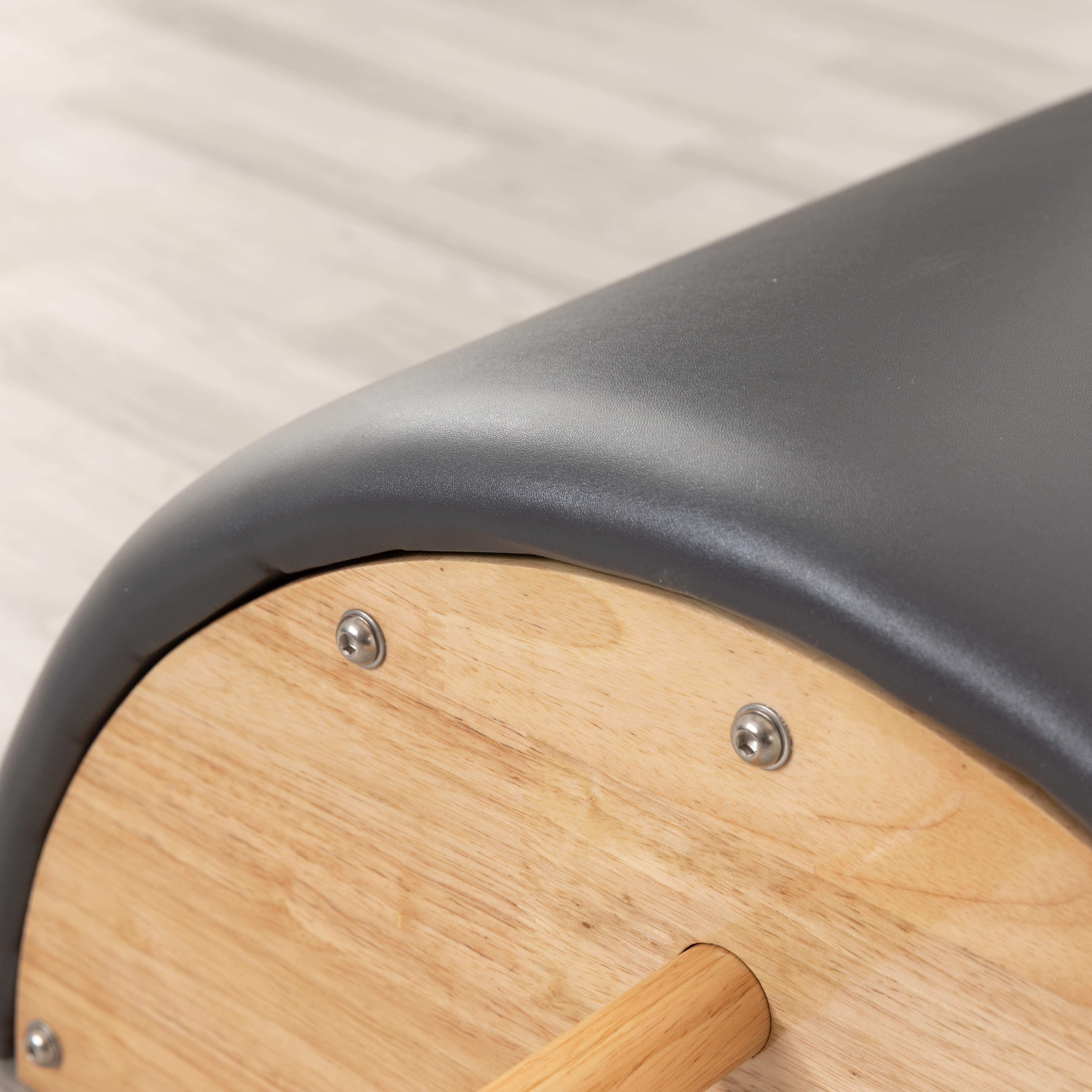
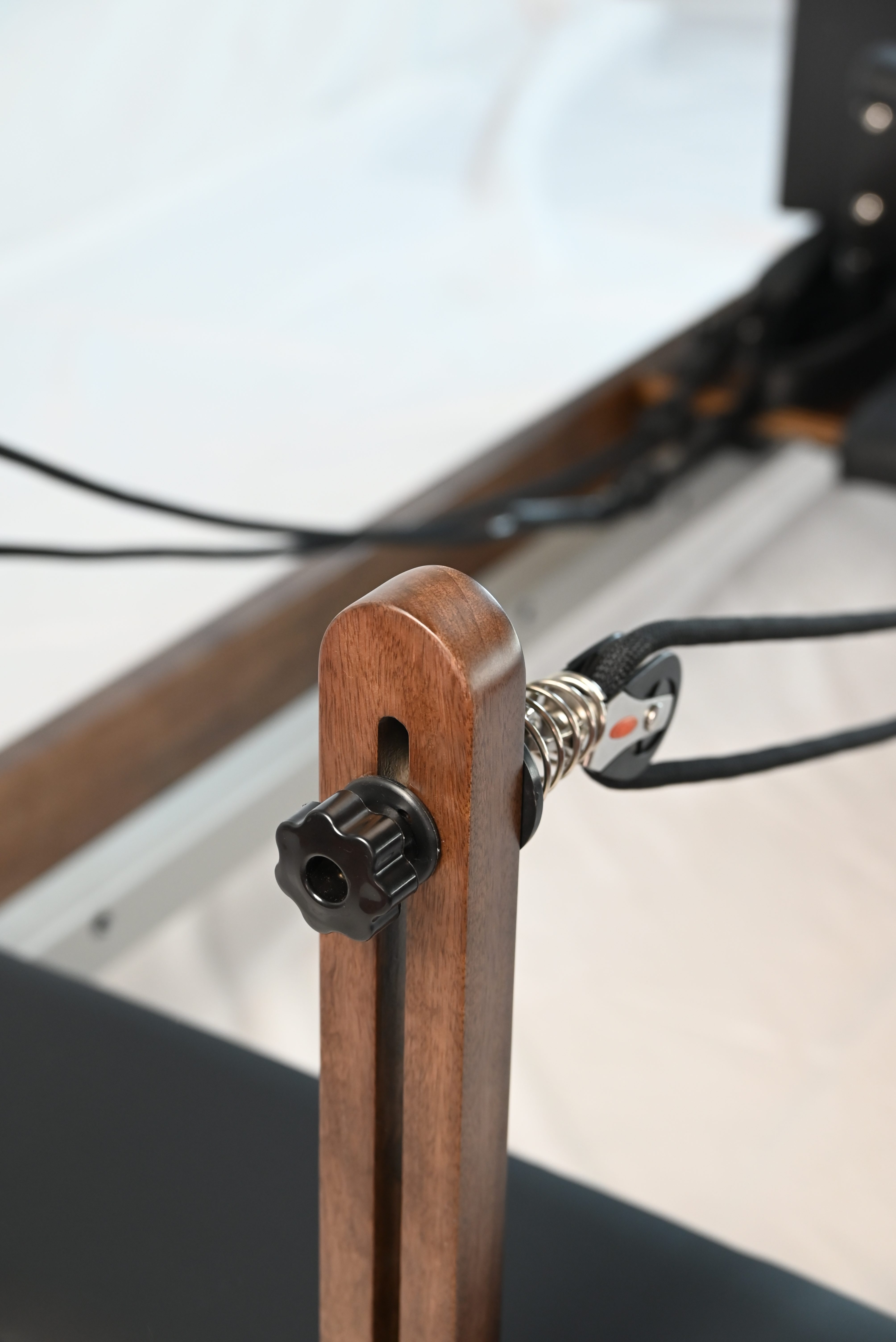
The third sign is visible structural wear or instability. Look closely at the frame, joints, and locking mechanisms of your apparatus. Cracks, loose fittings, rust, or fraying upholstery are more than cosmetic concerns. Structural wear can compromise the safety of the equipment, especially during dynamic exercises that place significant load on the frame. If you find yourself tightening bolts repeatedly or avoiding certain exercises because the apparatus feels unstable, that is a clear warning. Premium apparatus is built to last, but even the best equipment has a lifespan, and structural integrity should never be compromised.
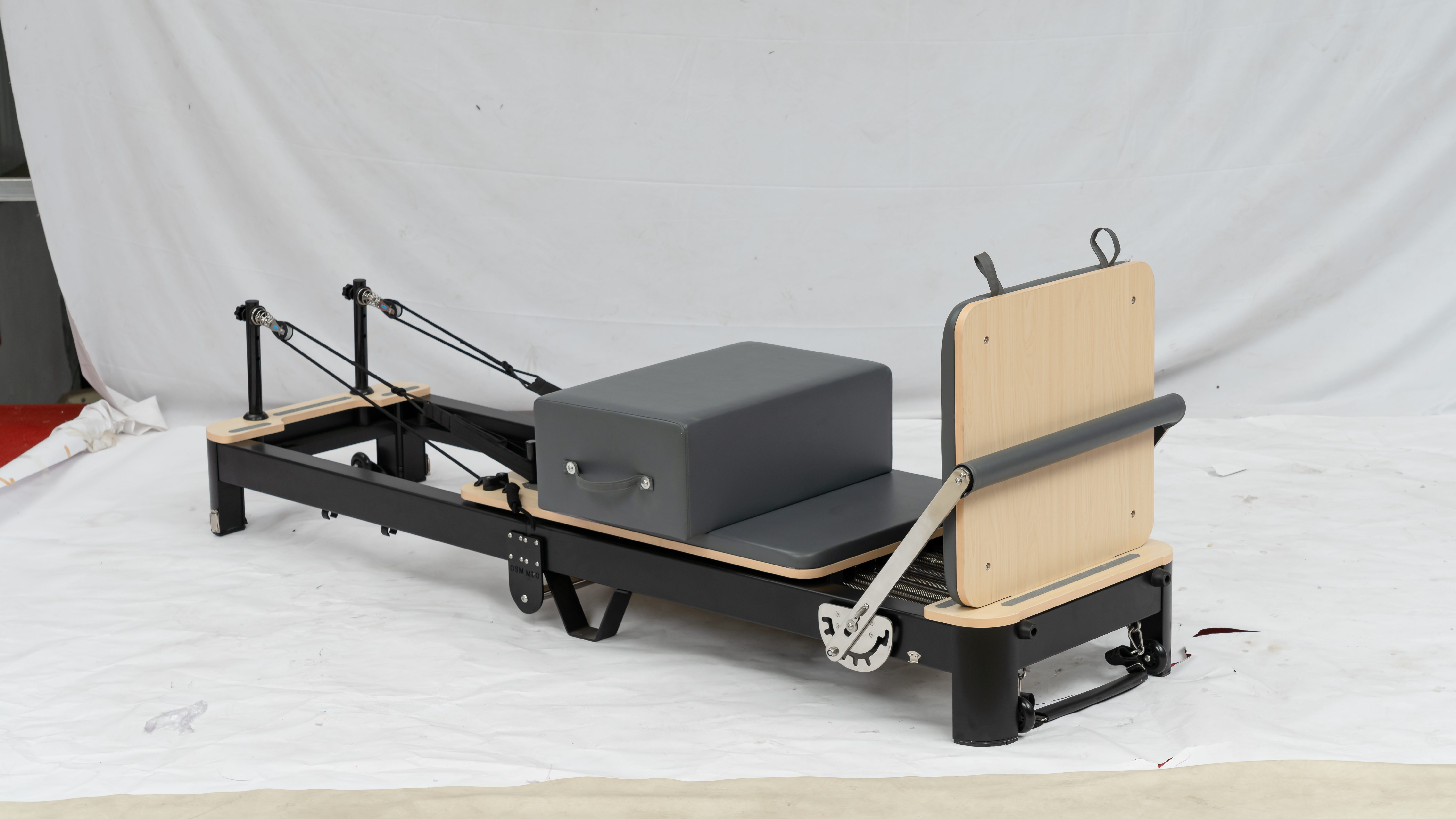
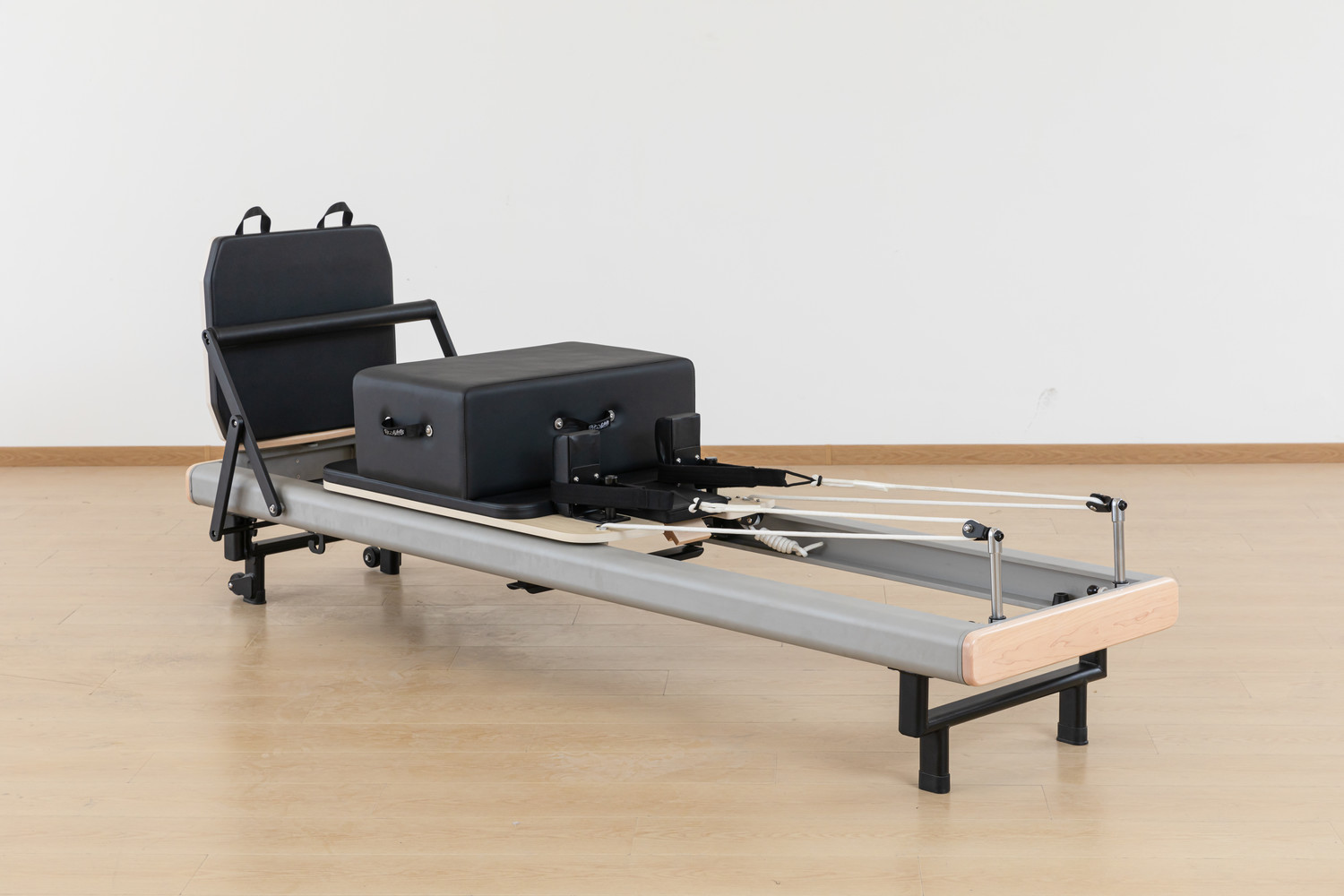
The fourth sign is limited functionality compared to modern designs. The Pilates industry has evolved significantly, and modern premium apparatus often includes modular features, adjustable components, and accessory systems that expand training possibilities. If your current equipment lacks these options, you may be limiting your clients' progress and your own programming creativity. Perhaps your reformer cannot accommodate a jump board or tower conversion, or your cadillac lacks the adjustability needed for clients of different sizes and mobility levels. When your equipment no longer supports the full range of exercises you want to teach, upgrading opens up new possibilities for both you and your clients.
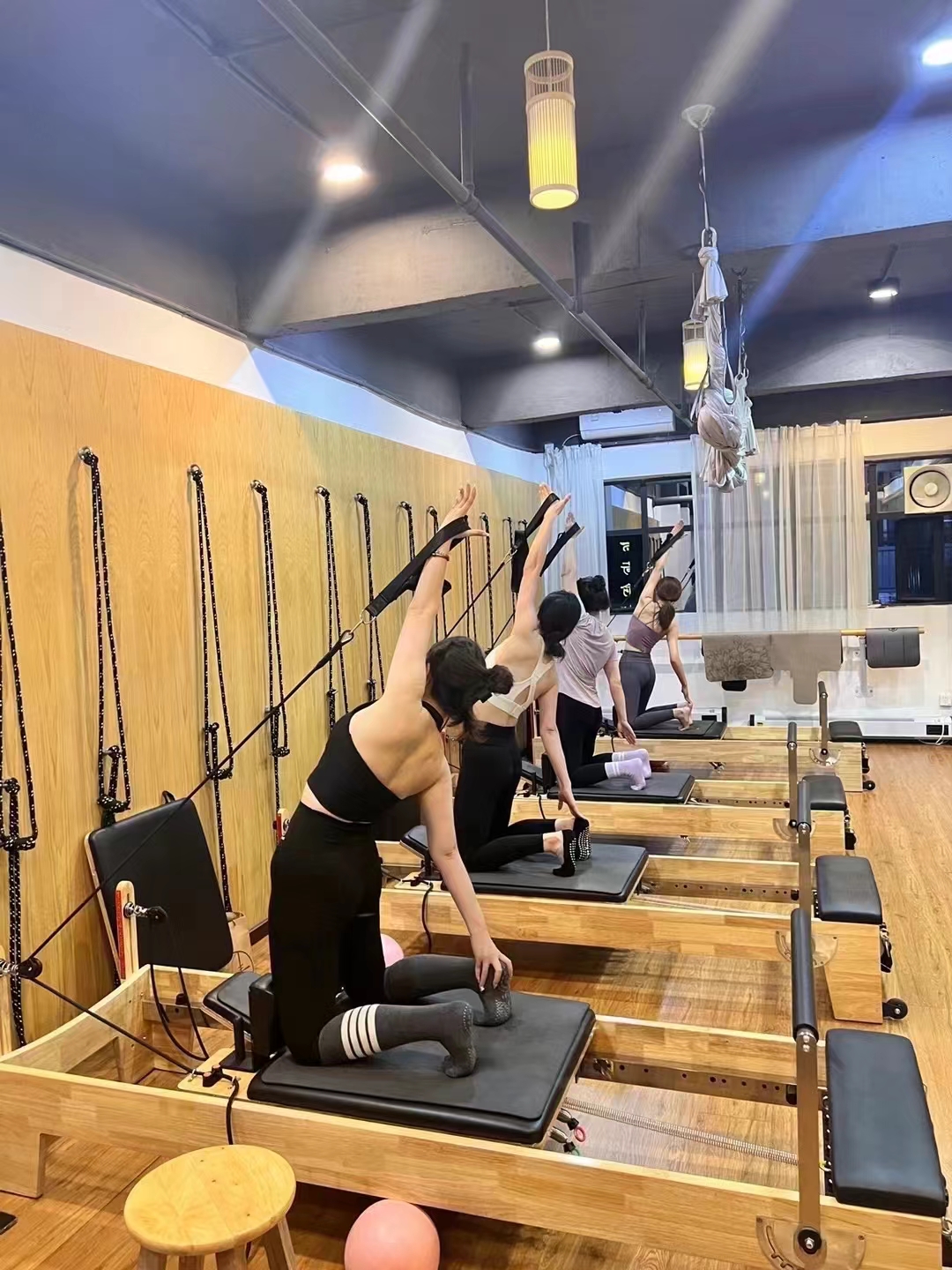
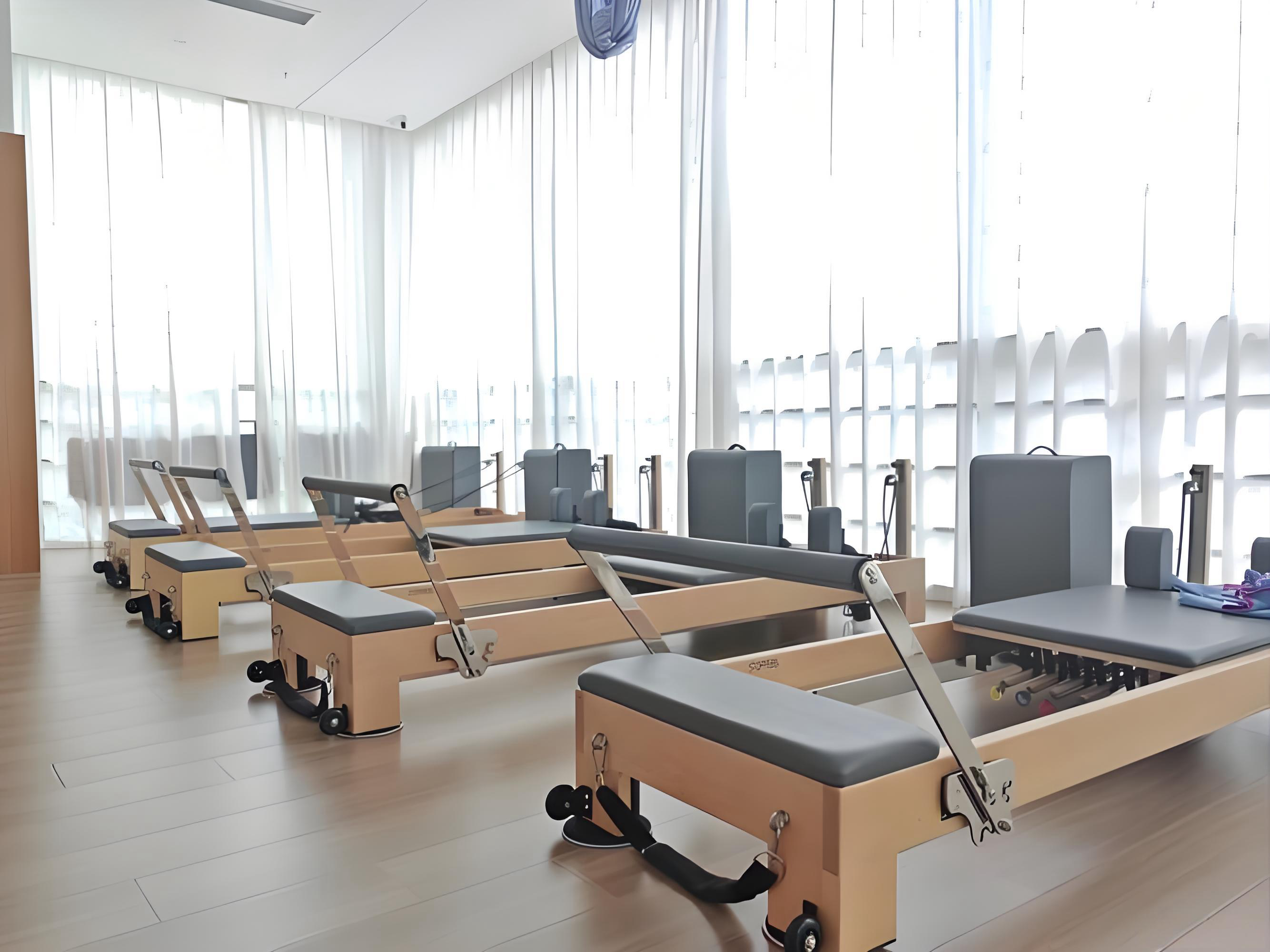
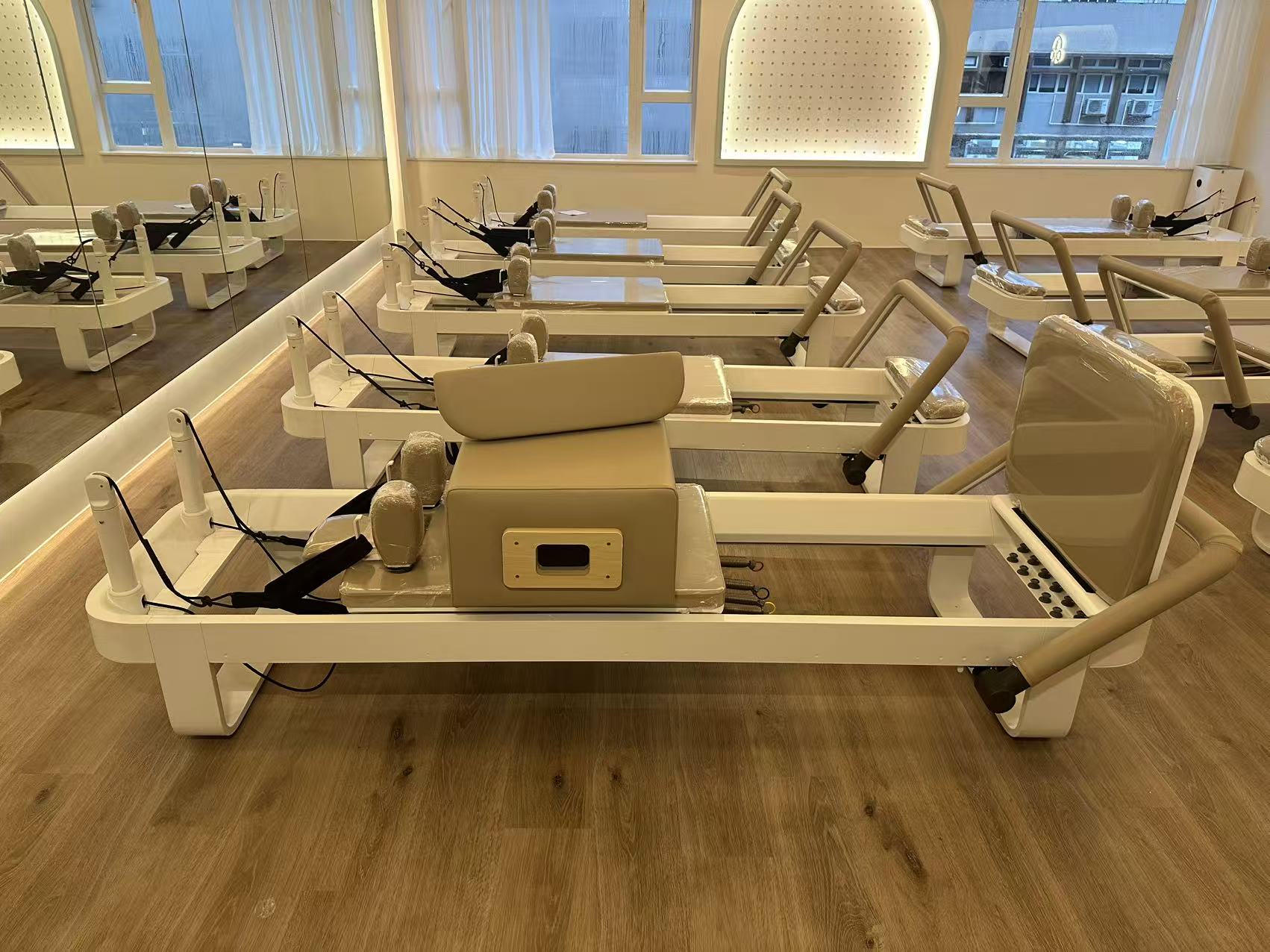
The fifth sign is your equipment no longer reflects your professional standards. For studio owners, apparatus is a visible statement of quality. Clients notice when upholstery is faded, when metal is scratched, or when the overall presentation feels dated. In a competitive market, premium equipment signals professionalism, attention to detail, and respect for the client experience. If your apparatus looks tired, it may be undermining the premium positioning you want to establish. For home practitioners, the same principle applies: training on equipment that feels inspiring and well-crafted enhances motivation and makes the practice more enjoyable.
Upgrading Pilates apparatus is not merely a matter of keeping up appearances. It is a decision that affects safety, training quality, client satisfaction, and the long-term sustainability of your practice or studio. If you recognize one or more of these five signs, it may be time to evaluate your options. The good news is that premium Pilates equipment, when chosen wisely, delivers years of reliable performance and holds its value well. Investing in an upgrade is ultimately an investment in better movement, greater safety, and a more professional and inspiring training environment.