Building a Spare Parts Aftersales Package for Pilates Distributors Serving Regional Studio Clients
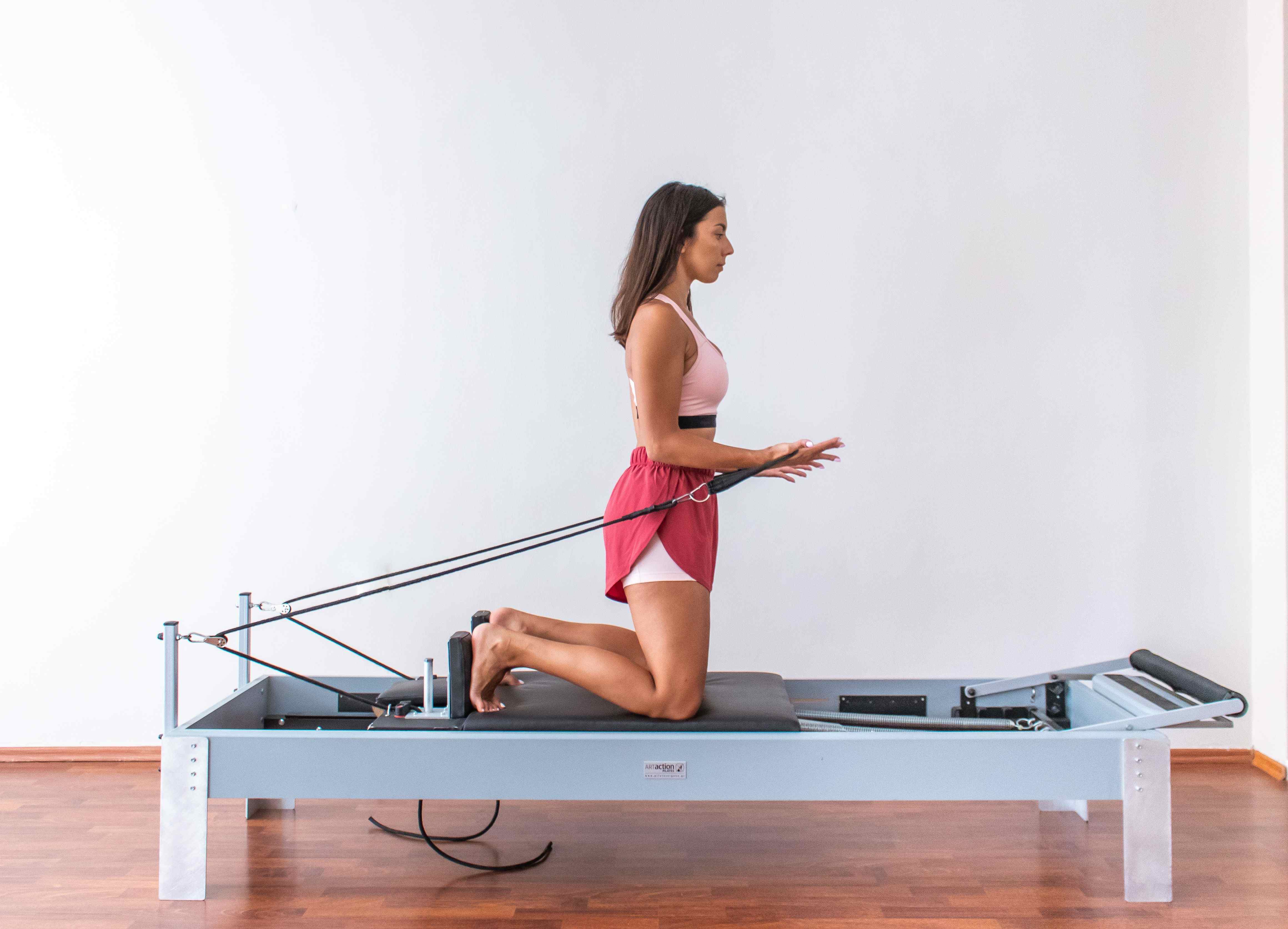
For regional Pilates distributors, winning studio orders is only half the battle. Long-term loyalty, repeat purchases, and stable profit streams largely depend on reliable aftersales support. Many studios invest heavily in commercial Pilates Reformers, Cadillacs, Chairs and Barrels, yet struggle with slow spare-part sourcing, unclear lead times, and inconsistent repair guidance once equipment starts seeing daily high-volume use. A structured spare parts aftersales package turns you from a simple equipment reseller into a trusted operational partner for local studio owners. This article breaks down how to design, price, roll out and promote a spare parts aftersales package tailored for regional studio customers.
Why a Formal Spare Parts Package Matters for Regional Distributors
Regional Pilates studios face unique pain points compared to large national chains. Most small and mid-sized studios do not have in-house maintenance technicians. When springs, carriage rollers, straps, upholstery snaps or cable fittings fail, downtime directly cuts class revenue. Waiting weeks for parts shipped overseas from the original factory can derail schedules, frustrate instructors and damage the studio’s reputation.
As a local distributor, you have a natural advantage: geographic proximity and faster response. A packaged spare parts service formalizes that advantage. Instead of handling one-off emergency part requests at random pricing, you create predictable service levels. This also helps you forecast inventory demand, reduce dead stock, and separate spare-part revenue from low-margin equipment sales. For factory partners, a distributor with a mature aftersales programme is far more attractive; manufacturers prefer working with partners who can reduce their own after-sales support workload.
Core Components to Include in Your Spare Parts Aftersales Package
A strong package should be modular, so studios can pick tiers matching their scale, class volume and budget. Below are the standard building blocks.
1. Predefined Spare Parts Kits
Group frequently replaced consumables into ready-to-order kits, rather than selling every single component individually. Common bundles include:
- Reformer maintenance kit: replacement springs, spring clips, carriage rollers, belt buckles and adjustment straps
- Upholstery & fitting kit: snap buttons, zippers, padding repair patches and hook-and-loop fasteners
- Cadillac / Trapeze Table hardware kit: carabiners, pulley wheels, cables and tension adjusters
Kits simplify ordering for busy studio managers and increase your average order value. Clearly label which kits fit specific equipment models, as hardware dimensions vary widely across OEM lines.
2. Tiered Service Level Options
Three simple tiers work well for most regional markets:
- Basic On-Demand Tier: Customers order spare parts as needed, from your local warehouse. Standard lead time applies, no annual fee. Good for low-usage studios or newly opened spaces with limited cash flow.
- Prepaid Annual Reserve Tier: The studio pays an annual retainer and gets discounted part pricing, priority order processing and a fixed stock reservation for their equipment model. This is ideal for busy studios running 15+ classes weekly.
- Premium Emergency Support Tier: Includes the annual reserve benefits plus same-day local dispatch, remote troubleshooting via video call, and optional on-site technician labour coordination. Perfect for high-end rehabilitation and premium Pilates studios that cannot afford unexpected shutdowns.
3. Clear Lead Time & Delivery Rules
Transparency prevents customer disappointment. Define two categories of stock: local warehouse stock and factory backorder stock. List turnaround times upfront, for example, 24–48 hour local dispatch for stocked parts, and 2–4 weeks for non-stocked custom hardware. State delivery zones for regional service, and note surcharges for remote areas.
4. Troubleshooting & Installation Guidance
Many spare parts do not require a professional technician, but studio staff need clear guidance. Include digital resources with every package: step-by-step installation PDFs, short video guides for spring replacement, roller adjustment and cable tensioning, plus a direct support line to ask technical questions. This cuts down unnecessary service calls and empowers studio teams to complete simple repairs independently.
5. Inspection & Preventive Reminder Service
Differentiate your package by adding proactive maintenance alerts. Track each studio’s equipment purchase date and usage profile. Send scheduled reminders: for example, spring inspection every 6 months and full hardware check once per year. You can bundle optional quarterly equipment checks as an add-on service. Preventive replacement reduces sudden breakdowns, which is one of the biggest selling points for studio operators.
Pricing Strategy for the Aftersales Package
Avoid underpricing spare parts and support. Many distributors make the mistake of treating spare parts only as a customer favour, but holding local inventory carries warehousing, capital and handling costs.
- Set discounted bundle pricing for kit purchases versus buying individual components.
- Structure annual retainer fees to cover reserved stock holding and priority support, not just the parts themselves.
- Separate three cost streams clearly: spare part material cost, shipping/delivery fee, and technical support or on-site labour fees.
- Offer multi-location discounts for studio groups with two or more branches in your region.
Make pricing easy to understand. Studio owners hate hidden fees. Publish a one-page rate sheet alongside the package description so clients can compare tiers quickly.
Inventory Planning Tips to Avoid Service Failures
Your aftersales package lives or dies by your stock plan.
First, analyse your sales history: identify the top 15–20 highest-turnover spare parts for the equipment brands you distribute. These are your must-stock items. Slow-moving, model-specific hardware should not be kept locally; mark them as factory-order only and communicate longer lead times.
Use your signed annual retainer contracts to forecast stock. If three studios sign premium packages for the same Reformer model, you can safely add extra spring and roller sets to your warehouse without overstocking. Keep a safety buffer for emergency rush orders, especially ahead of peak periods when studios run more classes.
Common Pitfalls to Avoid
The first mistake is overpromising. Do not advertise same-day emergency service across your whole region if your warehouse and courier network cannot reliably deliver it. Unmet service promises erode trust faster than having a slower, clearly stated lead time.
Second, avoid mixing incompatible spare parts. If you distribute multiple OEM brands, hardware is rarely interchangeable. Keep part codes, model lists and specifications well-organized to prevent sending incorrect components. Returns on spare parts are inconvenient for both sides.
Third, do not overlook warranty alignment. Clarify which spare parts are covered under the original manufacturer warranty and which fall under your aftersales package. Consumables like springs and straps typically wear from regular use and are excluded from factory warranty; state this clearly from the start to avoid disputes.
Selling the Package to Studio Owners
When you pitch to a studio buyer, frame the spare parts package around revenue protection, not just replacement parts. Explain: unexpected equipment failure cancels paid classes, disappoints clients and hurts long-term retention. Your local spare parts programme minimizes downtime.
You can attach the package offer at the time of new equipment sale, or reach out to existing studio customers 6–12 months after delivery, when consumables start approaching their service life. Share case studies: for example, a local studio that avoided a multi-week shutdown thanks to your stocked replacement springs.
Final Takeaway
A well-built spare parts aftersales package is more than an add-on service. It is your strongest differentiator as a regional Pilates distributor. While overseas factories can offer lower equipment pricing, they cannot match your speed of local support. By combining stocked maintenance kits, tiered service levels, preventive maintenance reminders and clear technical guidance, you create recurring revenue, strengthen customer stickiness and position your business as an indispensable partner for every Pilates studio in your territory.