What Every Pilates Studio Owner Should Know Before Buying Equipment
Opening or expanding a Pilates studio is an exciting venture, but the equipment purchasing decision is one of the most consequential choices you will make. The apparatus you select directly affects your clients' experience, your instructors' ability to teach effectively, your maintenance costs, and ultimately your studio's reputation and profitability. Before you sign a purchase order, here are the essential factors every studio owner should carefully consider.
Start with Your Business Model and Client Base
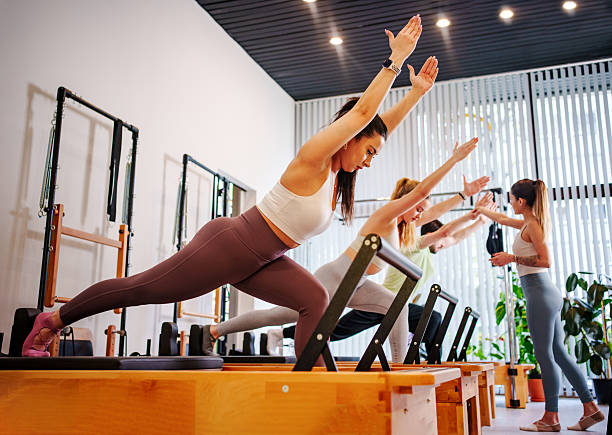
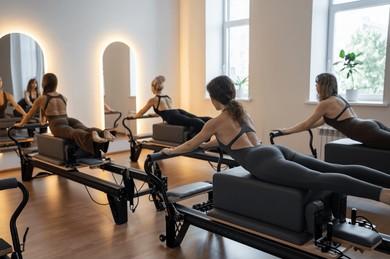
Before comparing brands or specifications, clarify what kind of studio you are building. Will you focus on private sessions, small group classes, or a hybrid model? A studio centered on one-on-one rehabilitative work may prioritize cadillac and chair equipment, while a group-class-oriented studio will likely need a larger fleet of reformers. Consider your target clientele as well: athletes, prenatal clients, seniors, and rehabilitation patients all have different needs. Your equipment mix should align with your programming strategy, not the other way around. Buying apparatus first and designing services later often leads to underutilized machines and wasted capital.
Understand the True Cost of Ownership
The sticker price is only the beginning. Studio owners must account for delivery, installation, ongoing maintenance, replacement parts, and instructor training. Premium equipment typically carries a higher upfront cost but lower long-term maintenance and stronger resale value. Budget for professional installation, especially for cadillacs and tower systems, and factor in an annual maintenance allowance of roughly five to ten percent of your equipment investment. Also consider warranty terms carefully: a generous warranty on frames and springs can save significant money over a decade of heavy studio use.
Prioritize Commercial-Grade Durability
Home equipment and commercial equipment are not interchangeable. A studio running twenty or more classes per week will subject its reformers to thousands of carriage cycles, spring extensions, and strap pulls every month. Commercial-grade apparatus uses reinforced frames, higher-tensile springs, and industrial bearings designed for continuous use. Saving money on home-grade machines may seem attractive initially, but frequent repairs, downtime, and premature replacement will erode both your budget and your client experience. Ask suppliers directly about duty ratings, cycle testing, and their track record in studio environments.
Evaluate Adjustability and Versatility
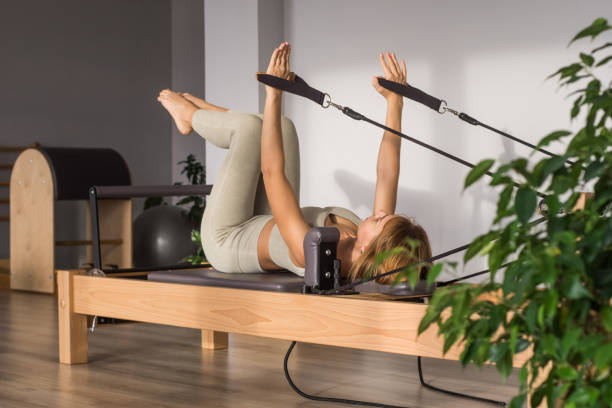
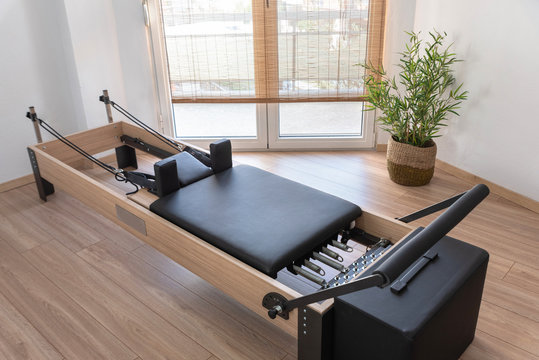
Your client base will span different heights, fitness levels, and mobility ranges. Equipment with limited adjustment options forces instructors to compromise on setup, which can compromise safety and effectiveness. Look for reformers with multiple spring attachment points, adjustable foot bars, and smooth gear systems. Versatile apparatus that converts between configurations, such as reformers with tower attachments or jump boards, allows you to offer more class types without purchasing additional machines. This flexibility is especially valuable for studios with limited floor space.
Consider Space, Layout, and Flow
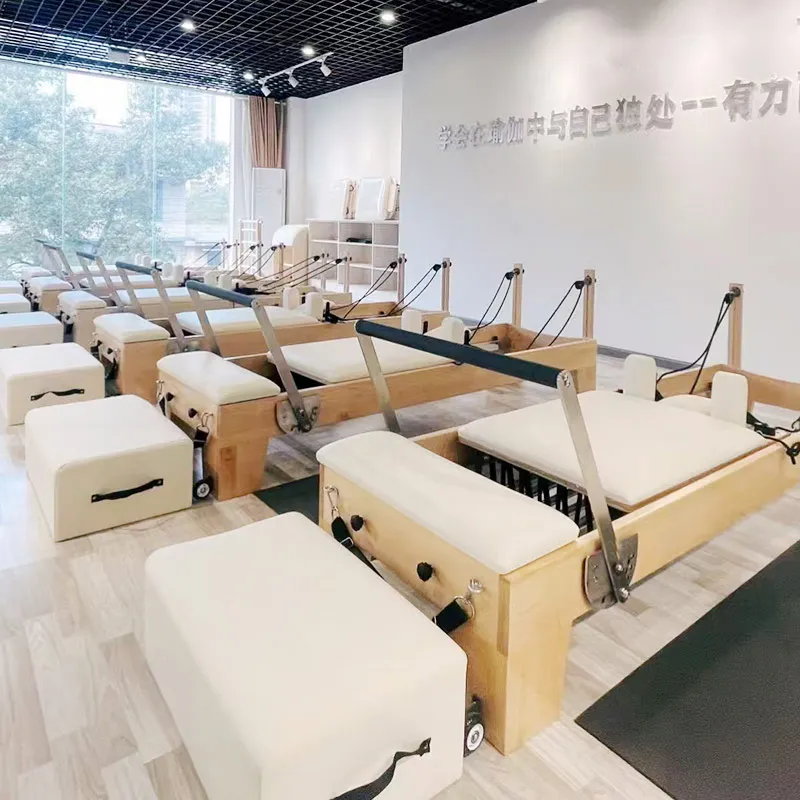
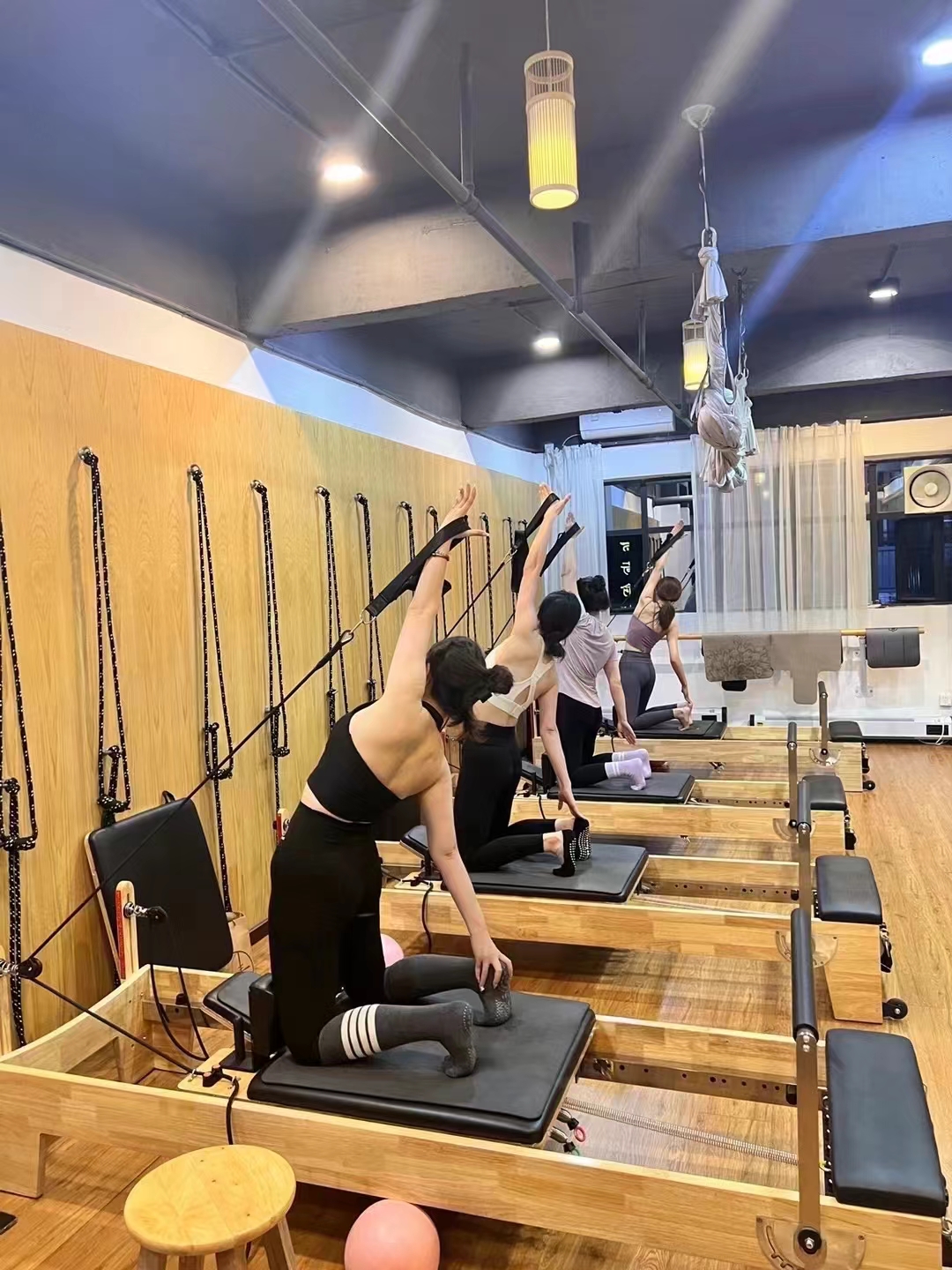
Equipment dimensions and studio layout deserve serious attention. Measure your space carefully and map out machine placement before purchasing. Allow adequate clearance for instructors to move around clients, for participants to enter and exit safely, and for storage of accessories such as boxes, rings, and bands. A crowded studio feels chaotic and limits the class formats you can offer. Also think about ceiling height, flooring, and access routes for delivery and future relocation. If you plan to expand, choose modular equipment and leave room for growth.
Do Not Underestimate Instructor Training and Support
Even the finest apparatus delivers poor results if instructors are not properly trained on it. When evaluating suppliers, ask about onboarding training, ongoing education, and technical support responsiveness. A supplier who offers hands-on installation training, clear maintenance guidance, and fast replacement-part shipping becomes a genuine partner in your studio's success. Instructors who feel confident with the equipment teach more effectively, and confident teaching translates directly into client retention.
Check Certifications, Warranties, and Service Terms
Reputable manufacturers provide clear documentation on materials, safety testing, and warranty coverage. Review the fine print: what parts are covered, for how long, and what shipping or labor costs fall on you. Ask for references from other studio owners and, if possible, visit a studio using the equipment you are considering. Seeing machines in action under real class conditions reveals far more than a showroom demonstration.
Plan for Maintenance and Longevity
Establish a maintenance schedule from day one. Springs should be inspected regularly and replaced on a manufacturer-recommended cycle. Carriages, ropes, straps, and upholstery all require periodic attention. Keep a log of servicing and part replacements. Well-maintained premium equipment can serve a studio for fifteen years or more, while neglected machines lose performance, pose safety risks, and drag down your professional image.
Think About Branding and Client Perception
Clients notice equipment quality. Clean, well-maintained, premium apparatus signals professionalism and care, and it supports higher pricing for your services. Conversely, worn or wobbly machines undermine trust. Your equipment choice is part of your brand identity, so select apparatus that reflects the standard of experience you want to deliver.
Conclusion
Buying Pilates equipment for a studio is a strategic decision, not a simple purchase. By aligning equipment with your business model, calculating true ownership costs, insisting on commercial durability, evaluating adjustability and space, securing strong training and support, and committing to maintenance, you protect your investment and build a studio that clients trust. Take the time to research thoroughly and choose suppliers who understand studio operations. The right equipment decision pays dividends in client satisfaction, instructor confidence, and long-term profitability.