A Trainer's Guide to Maintaining Pilates Equipment for Long-Term Performance
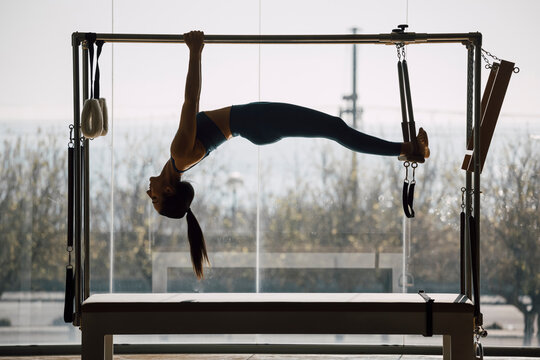
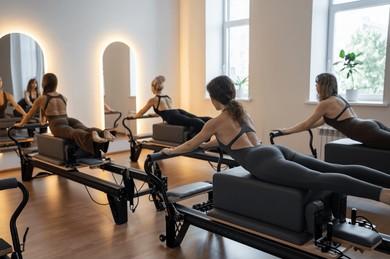
As a Pilates trainer, your equipment is more than a set of tools—it is the foundation of every session you teach. A reformer that glides smoothly, springs that resist consistently, and a cadillac that feels stable under load all contribute directly to client safety, movement quality, and the professional image of your studio. Yet equipment maintenance is often overlooked until something squeaks, sticks, or fails. This guide outlines practical, trainer-friendly maintenance habits that keep premium Pilates apparatus performing at its best for years.
Understand What You Are Maintaining
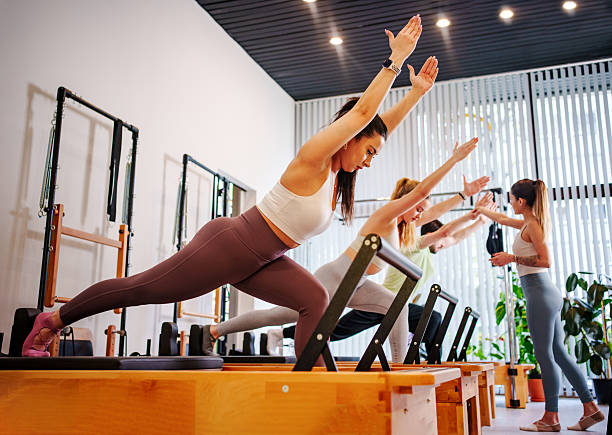
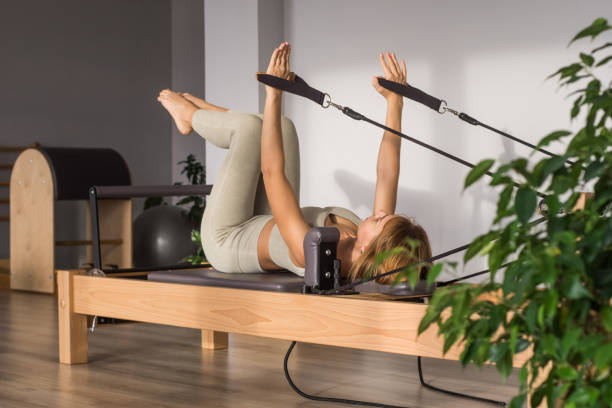
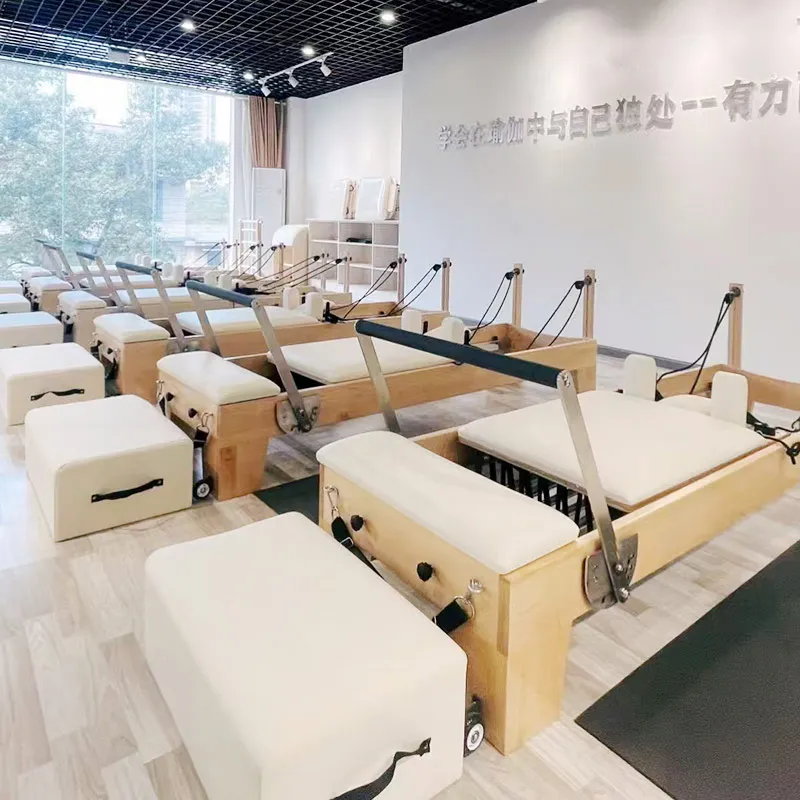
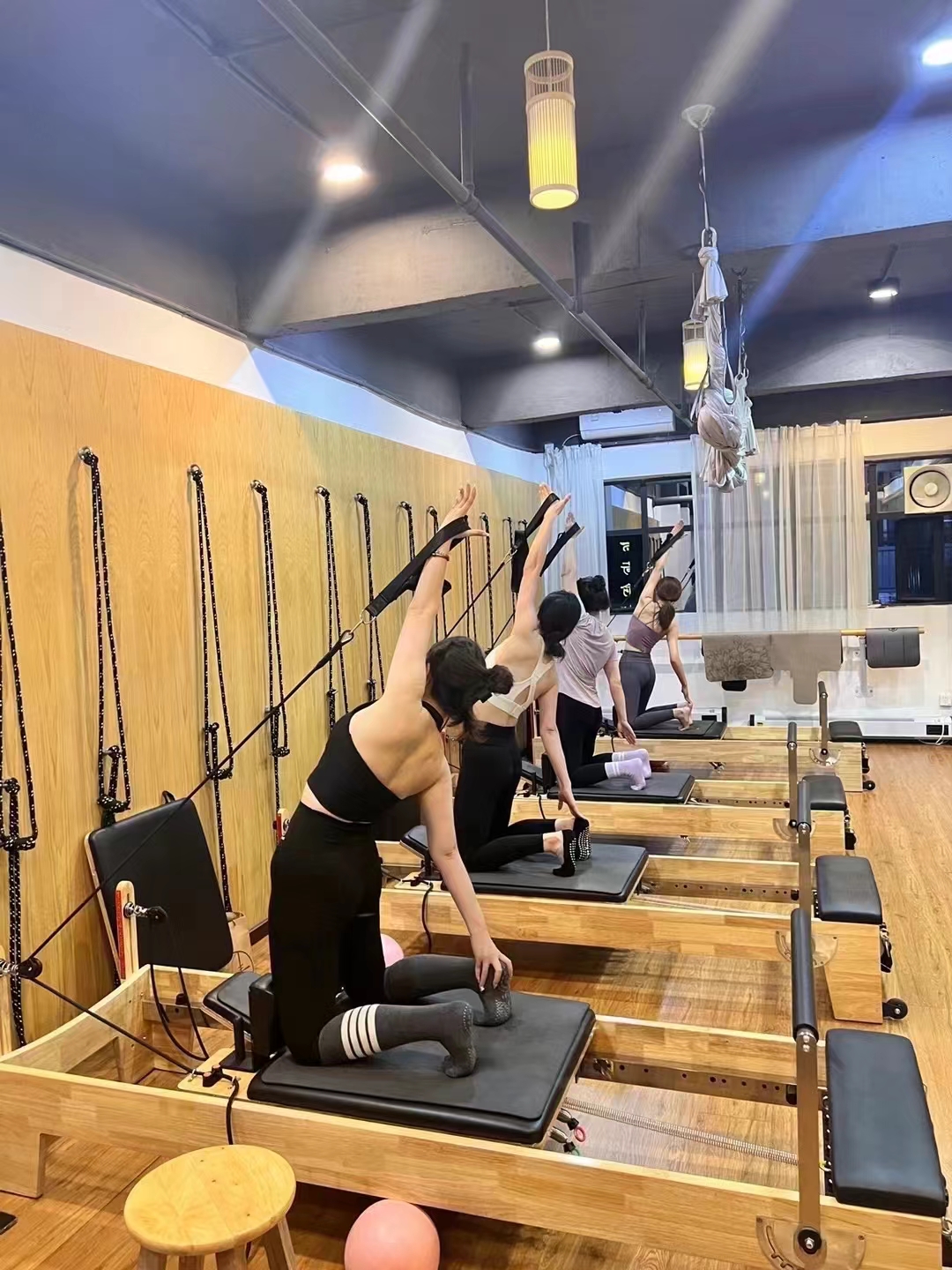
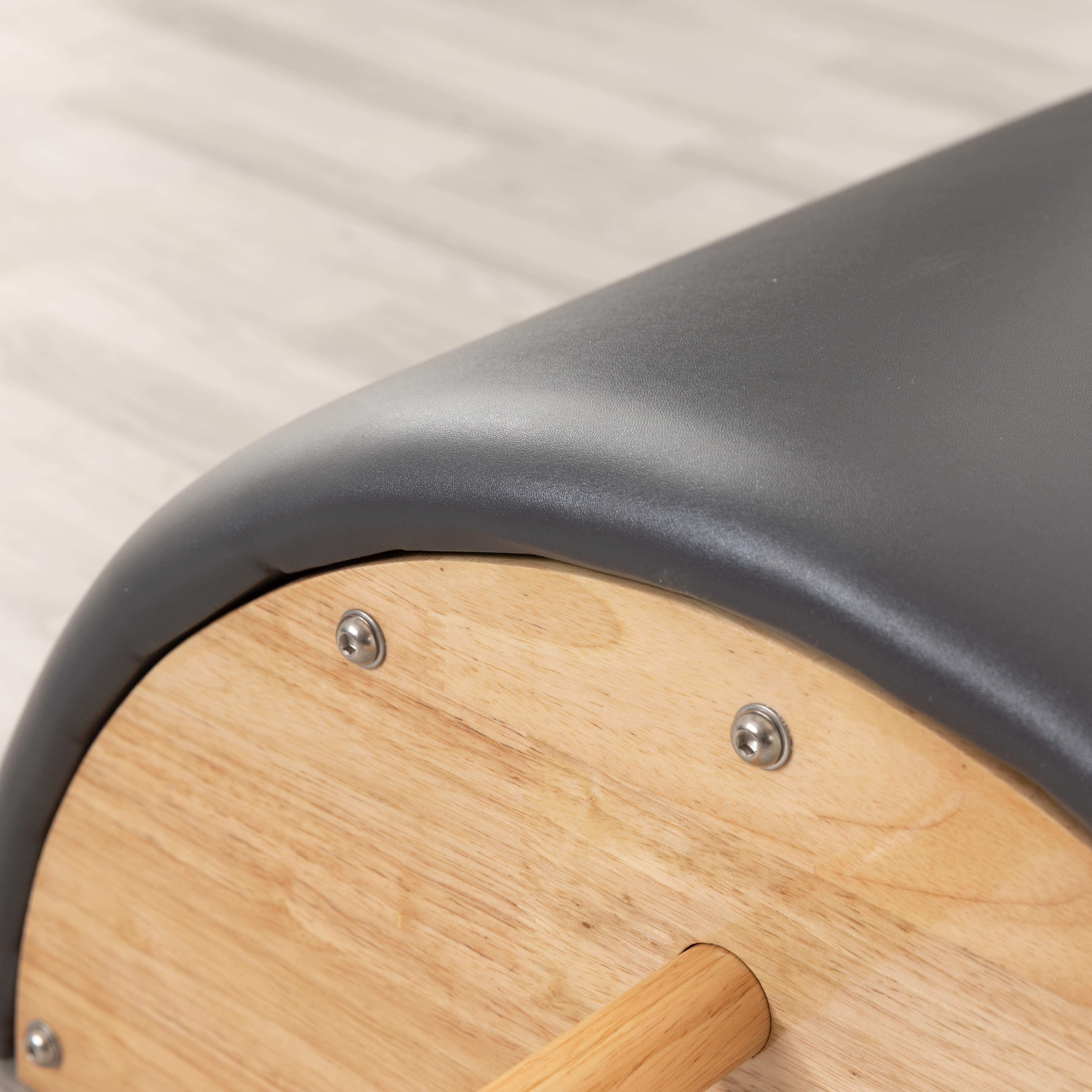
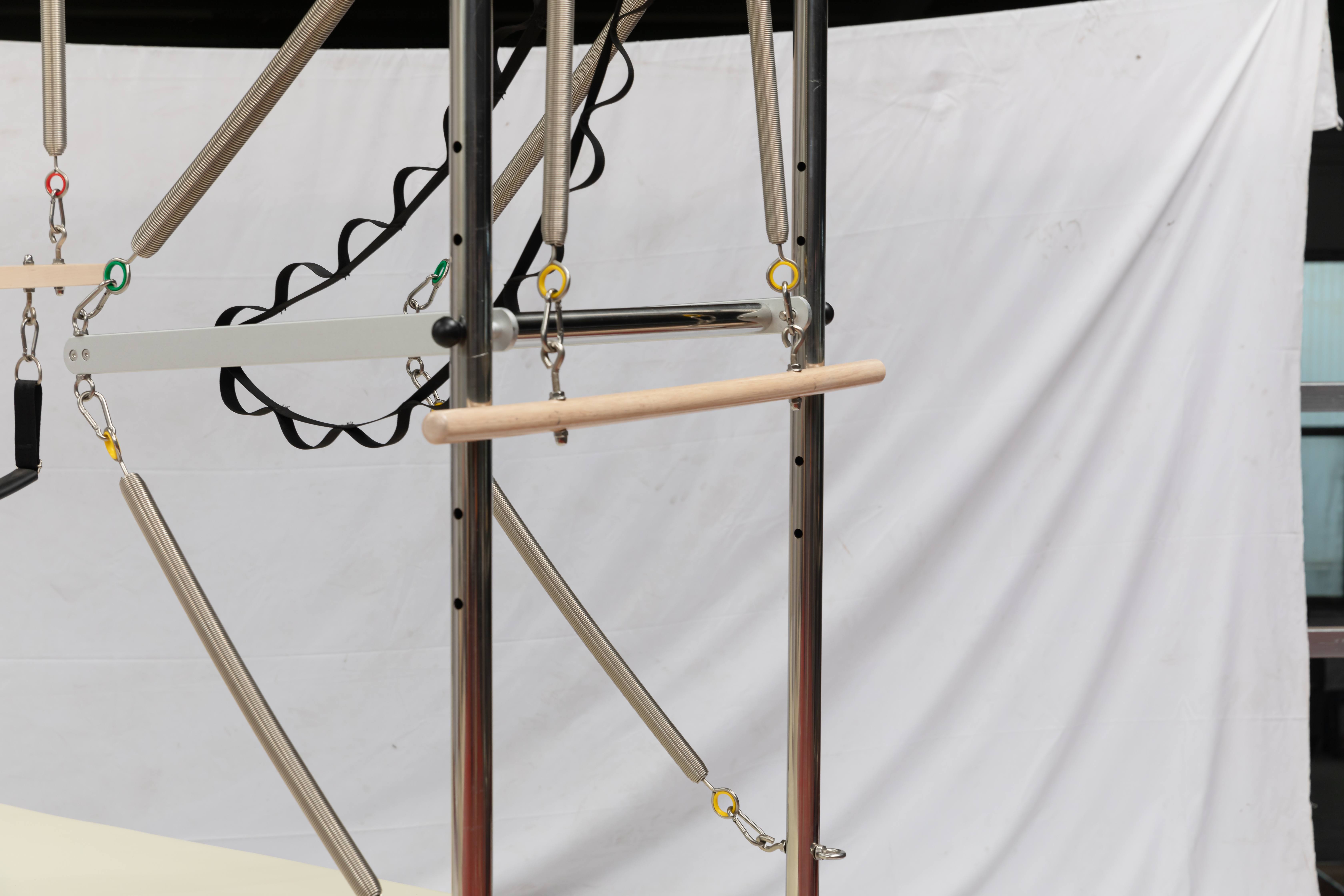
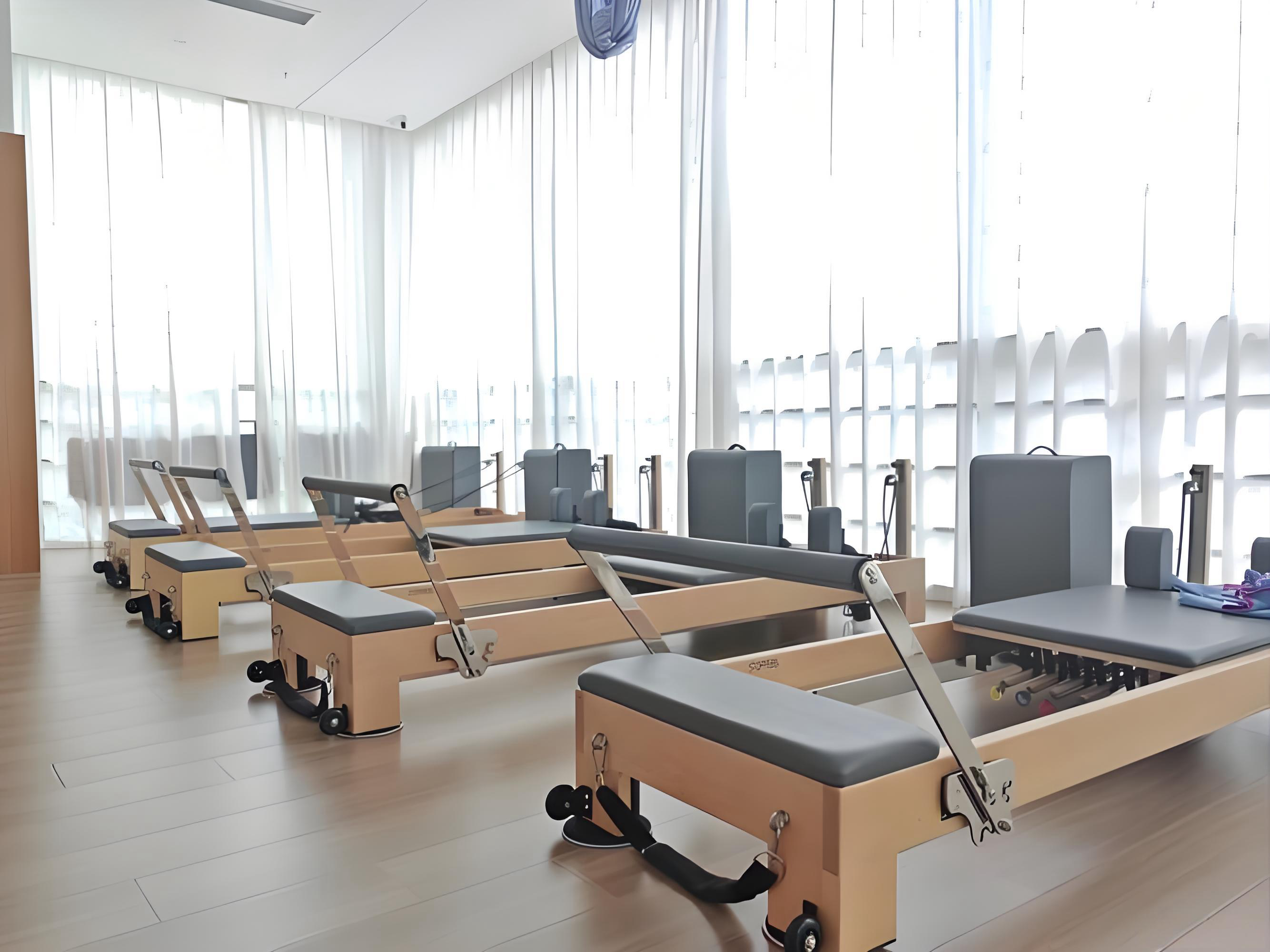
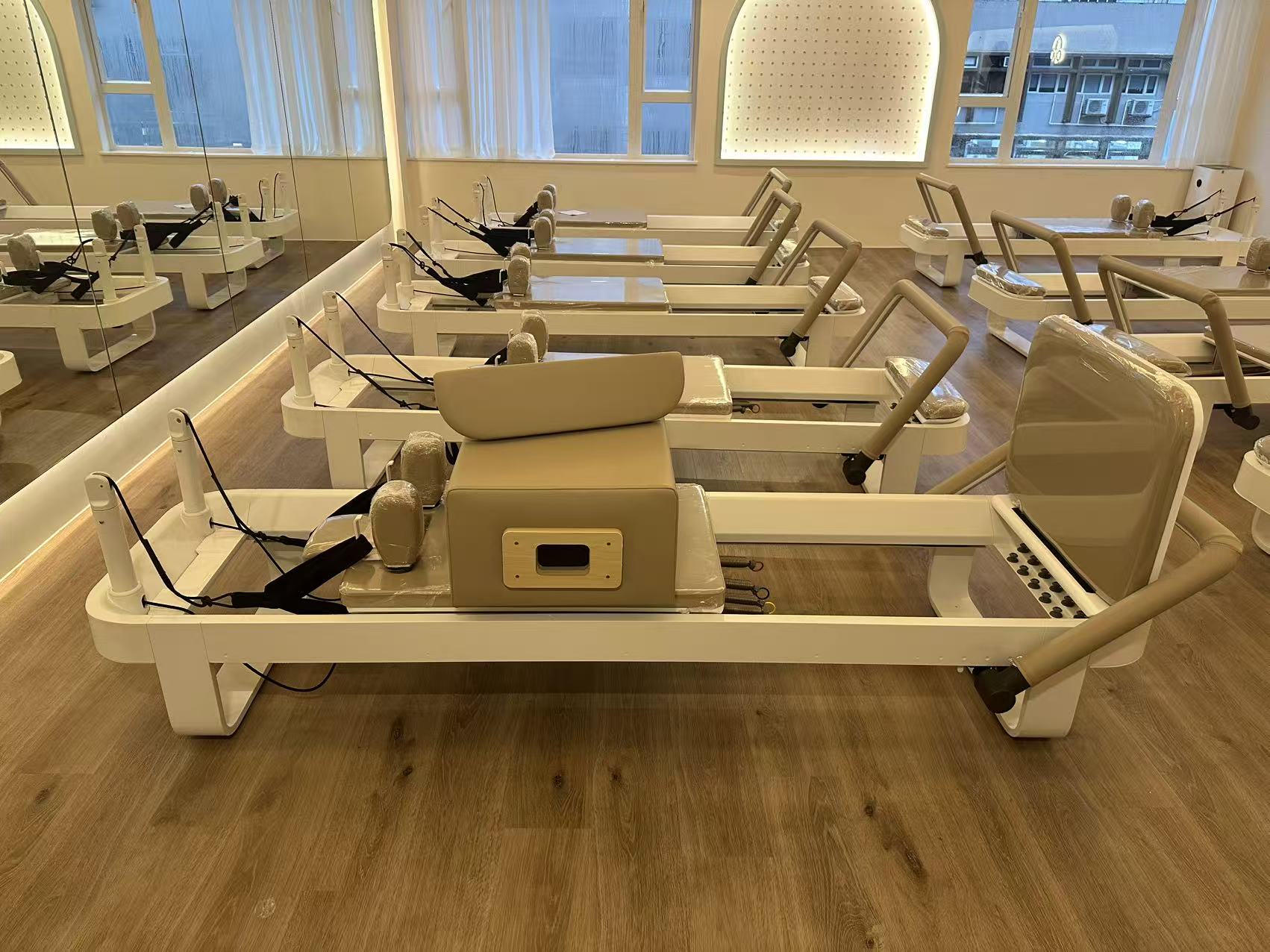
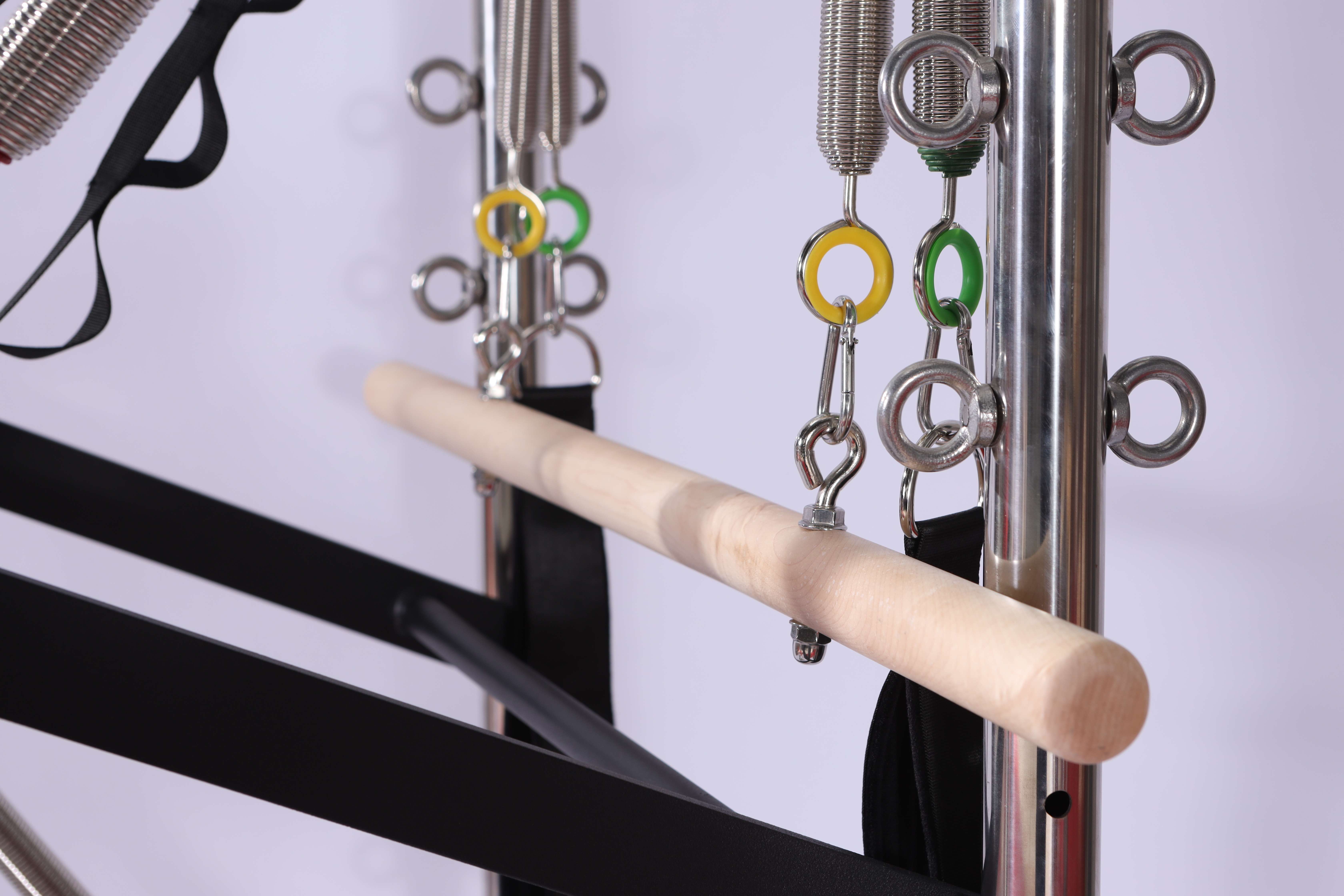
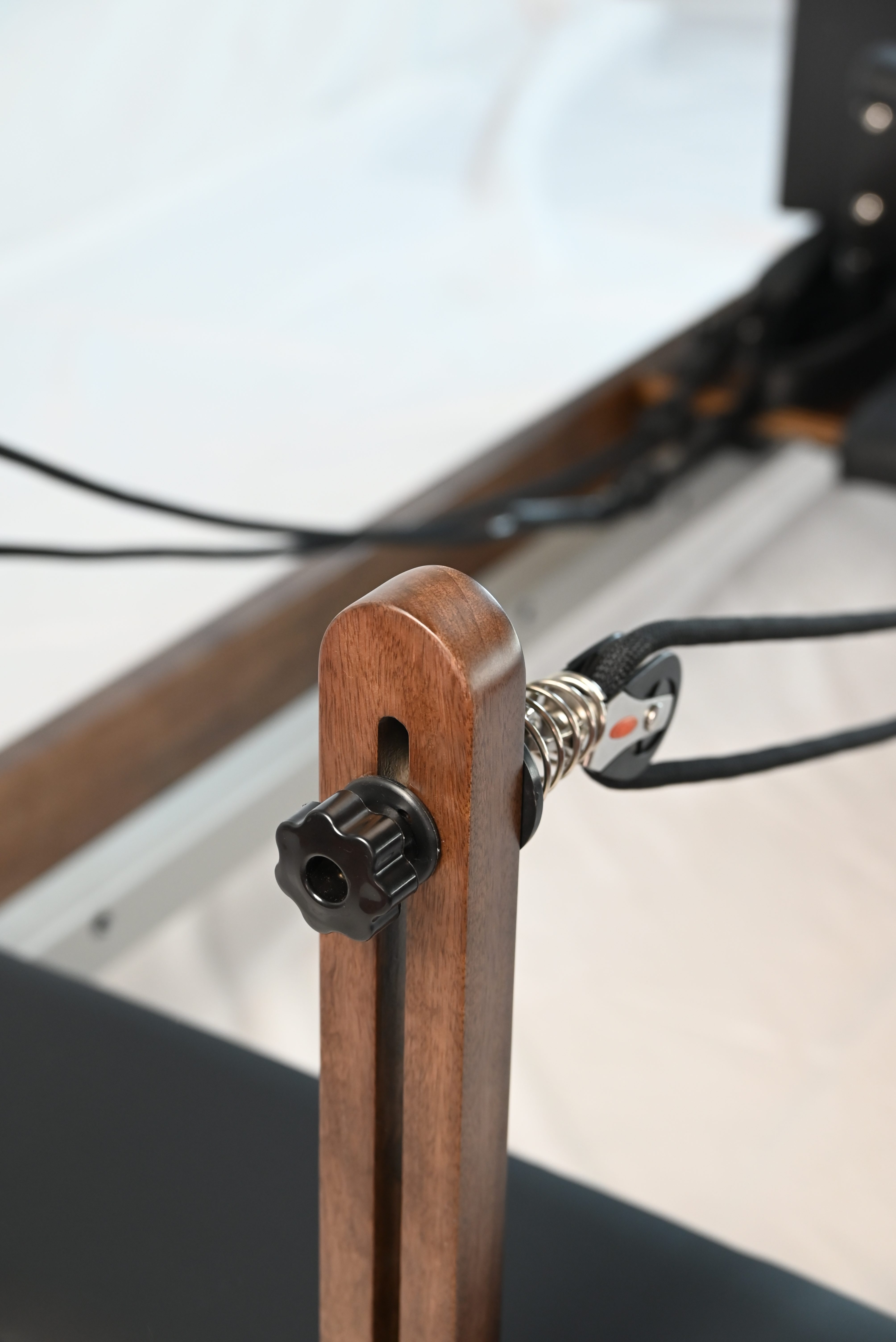
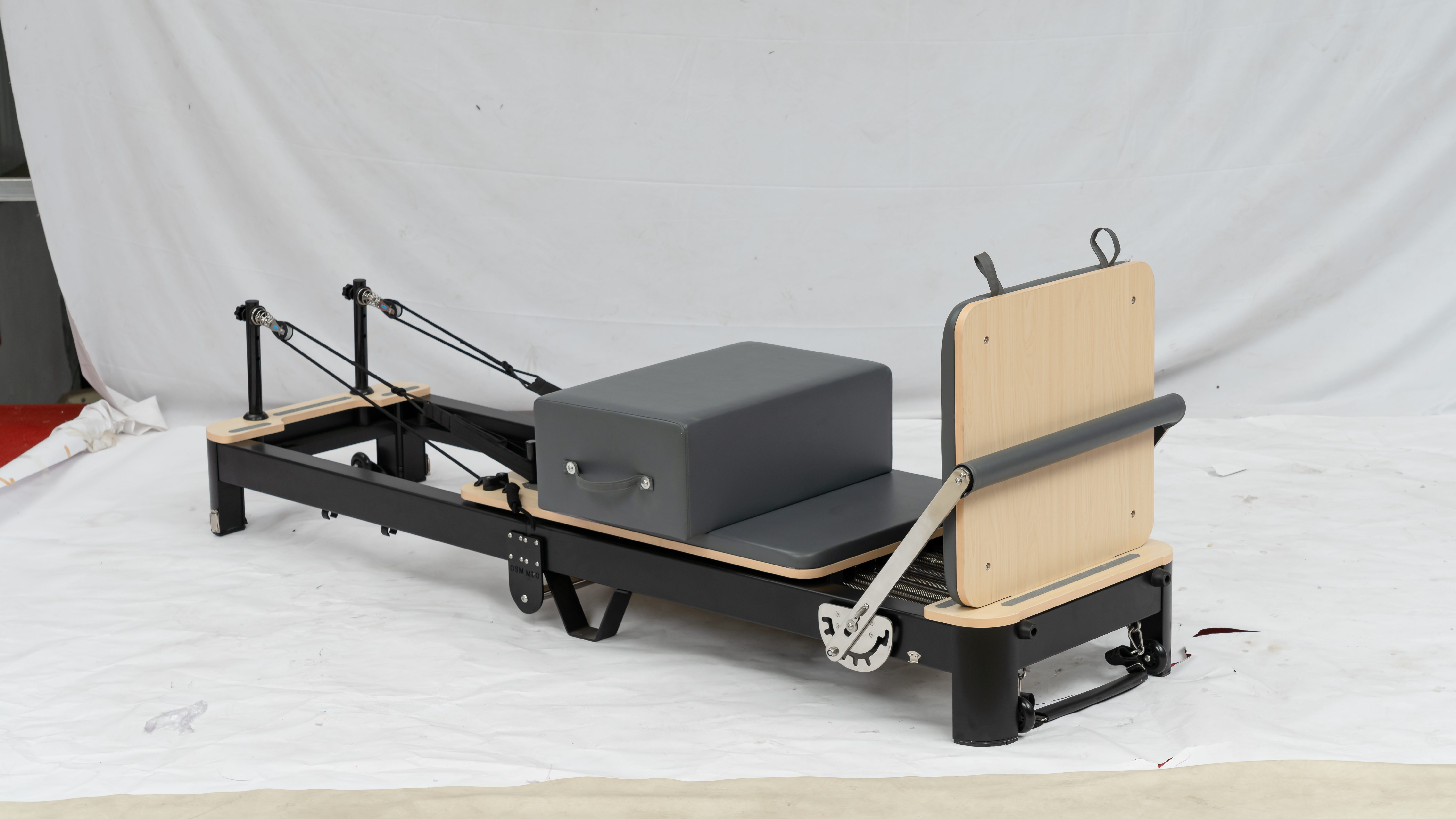
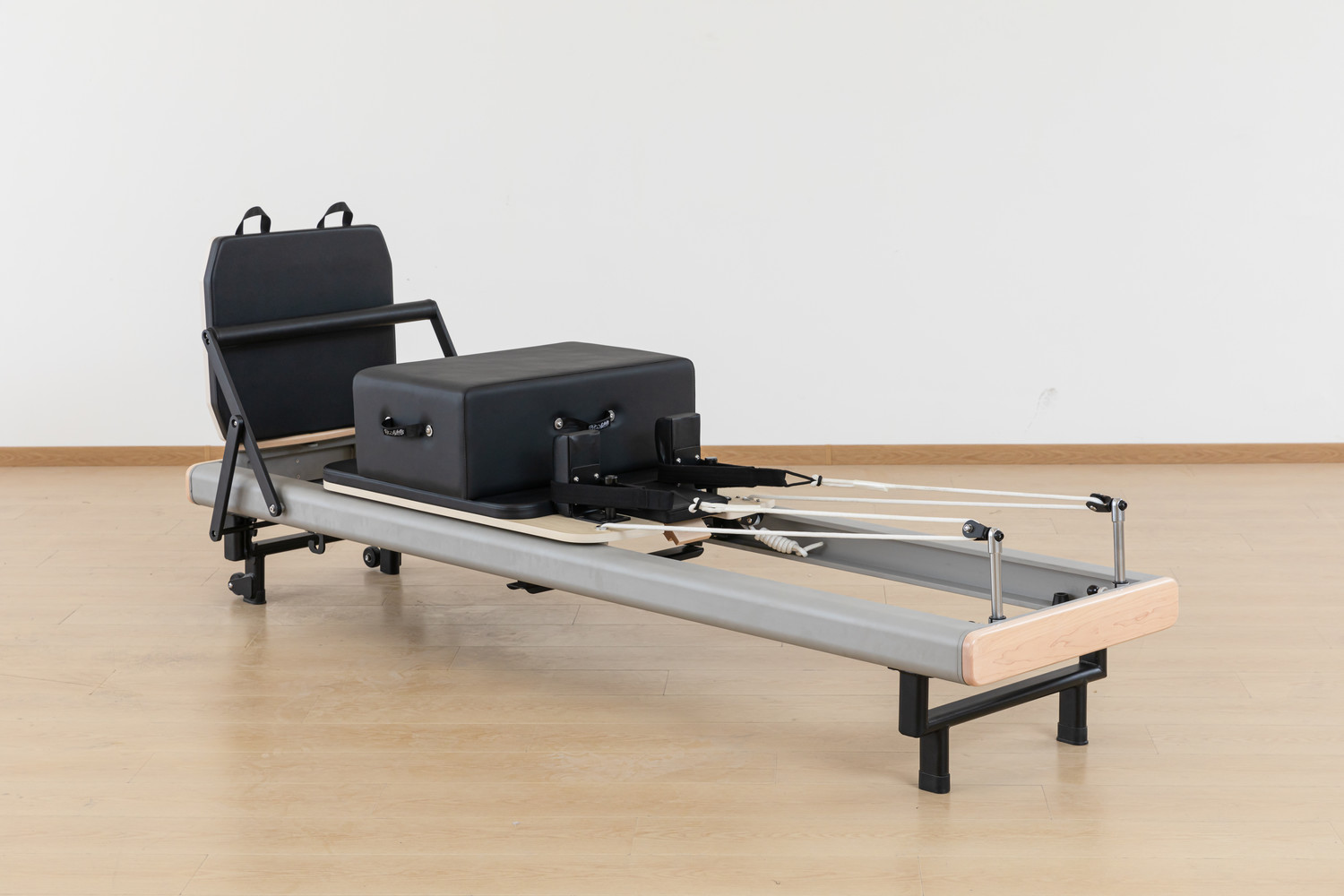
Before building a maintenance routine, trainers should understand the key components of their apparatus. Most Pilates equipment relies on a few critical systems: the spring system, the carriage and rail system, the rope and strap system, the upholstery and padding, and the frame and joints. Each system has its own wear patterns and maintenance needs. Springs lose tension over time and should be checked for fatigue. Carriage wheels and rails accumulate dust and require cleaning and occasional lubrication. Ropes and straps fray with use and must be inspected for safety. Upholstery needs cleaning to prevent sweat and oil buildup. Frames and joints should be checked for loose bolts and structural stability. Knowing these systems helps trainers spot problems early rather than waiting for a breakdown.
Daily Habits That Make a Difference
The most effective maintenance is preventative and takes only minutes. After each training session, wipe down the upholstery with a mild, non-abrasive cleaner to remove sweat and body oils. Avoid harsh chemicals that can dry out or crack the padding. Check that springs are properly attached and that clips are secure. Inspect ropes and straps for visible fraying or wear at connection points. Make sure the carriage moves smoothly and that no debris has collected on the rails. A quick visual check of the frame and joints for loose hardware takes seconds but can prevent larger issues. These daily habits, performed consistently, dramatically extend equipment life and reduce repair costs.
Weekly and Monthly Maintenance Tasks
Beyond daily care, trainers should schedule more thorough checks. Weekly, clean the rails and carriage wheels with a dry or slightly damp cloth to remove dust and grit that can cause friction and uneven movement. Check spring tension by comparing resistance across springs and noting any that feel unusually soft or stiff. Inspect all straps, loops, and handles for wear. Monthly, lubricate moving parts according to the manufacturer's recommendations—typically the carriage wheels and any metal-to-metal contact points. Tighten bolts and screws that may have loosened with vibration. Examine the upholstery for tears or thinning areas that could worsen. Review the spring system for signs of corrosion or deformation. A simple maintenance log helps trainers track when tasks were completed and when parts were last replaced.
Seasonal and Annual Deep Checks
At least once or twice a year, trainers should perform a deeper inspection. This includes checking the structural integrity of the frame, examining all connection points, and testing the full range of motion of the carriage and spring system. Springs that have lost significant tension or show signs of wear should be replaced as a set rather than individually, to maintain balanced resistance. Ropes and straps that show any sign of weakening should be retired. Upholstery that has become compressed or cracked may need professional reupholstering. This annual deep check is also a good time to review the manufacturer's service recommendations and replace any parts that have reached their expected lifespan.
Train Clients to Respect the Equipment
Maintenance is not solely the trainer's responsibility. Clients should be taught basic equipment etiquette: adjusting springs properly, avoiding excessive force on straps, not standing on upholstery, and reporting any unusual sounds or resistance immediately. When clients understand that the equipment is a shared professional asset, they tend to treat it with more care. Trainers can also demonstrate proper setup and adjustment procedures, reducing the risk of misuse that accelerates wear.
Keep Records and Build a Maintenance Culture
A simple maintenance log—whether paper or digital—helps trainers track daily wipe-downs, weekly inspections, monthly lubrication, and annual deep checks. Recording when springs were replaced or upholstery was cleaned creates a history that supports warranty claims and informs future purchasing decisions. More importantly, it builds a culture of care within the studio. When trainers and clients alike see that equipment is valued and maintained, they treat it with greater respect, and the studio's professional reputation grows.
Know When to Repair and When to Replace
Not every problem requires a new machine. Loose bolts, worn straps, and dusty rails are easy fixes. But trainers should recognize when equipment has reached the end of its service life. Springs that no longer provide consistent resistance, frames with structural cracks, or carriages that cannot be made to glide smoothly may need replacement. Premium Pilates apparatus is designed to be serviceable, and many manufacturers offer replacement parts. Keeping spare springs, straps, and wheels on hand reduces downtime and ensures that sessions are not disrupted.
Conclusion
Maintaining Pilates equipment is not a chore—it is an essential part of professional training. Daily wipe-downs, weekly inspections, monthly lubrication, and annual deep checks keep premium apparatus performing safely and smoothly. By understanding the key systems, training clients to respect the equipment, keeping records, and knowing when to repair or replace, trainers protect their investment and their clients' experience. Well-maintained equipment reflects a well-run studio, and that professionalism is felt in every session.