Setting Up a Home Pilates Studio: Equipment Essentials You Actually Need
The idea of a home Pilates studio is appealing for obvious reasons: convenience, privacy, the ability to practice on your own schedule, and long-term savings on studio fees. But when you start researching equipment, the sheer range of options can feel overwhelming. Reformers, cadillacs, chairs, barrels, towers, mats, props—where do you actually begin? The key is to separate true essentials from nice-to-have extras. This guide walks through the equipment you genuinely need to build a functional, safe, and enjoyable home Pilates practice, along with practical advice on what to prioritize and what can wait.
Start With the Mat: The True Foundation
Before considering any large apparatus, invest in a high-quality Pilates mat. The mat is the foundation of your entire home studio and the one piece of equipment you will use in every session. Look for a mat that is thick enough to protect your spine during rolling exercises—typically around 8 to 10 millimeters—but firm enough to provide stable support for standing and balancing work. A mat that is too soft can compromise stability, while one that is too thin can be uncomfortable during supine exercises. Non-slip texture is essential, especially if you plan to practice on hardwood or tile floors. A good mat is inexpensive relative to apparatus and will serve you for years, so choose carefully rather than buying the cheapest option available.
The Reformer: The Core Investment
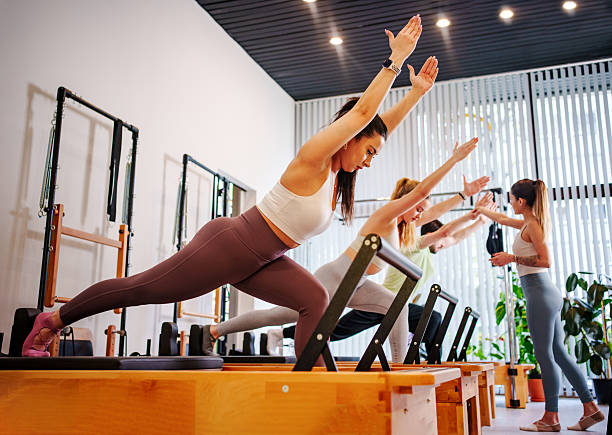
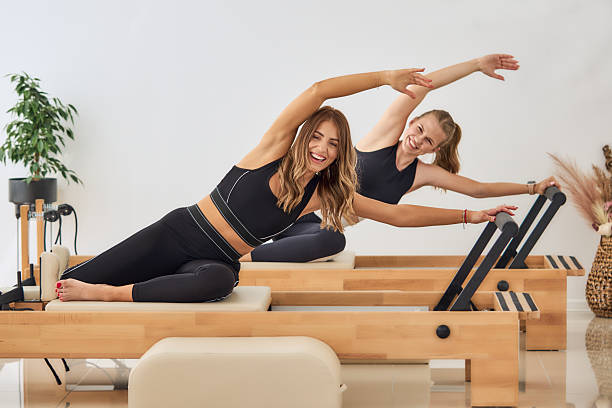
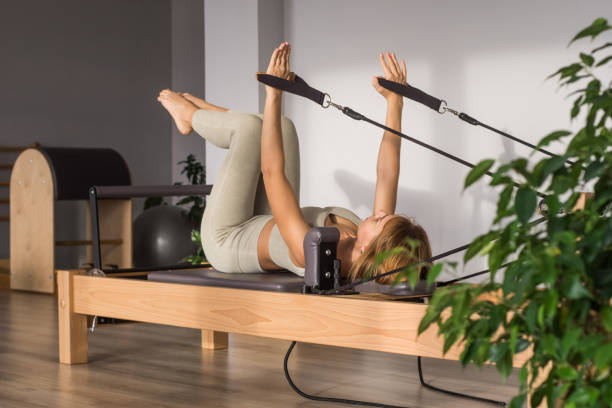
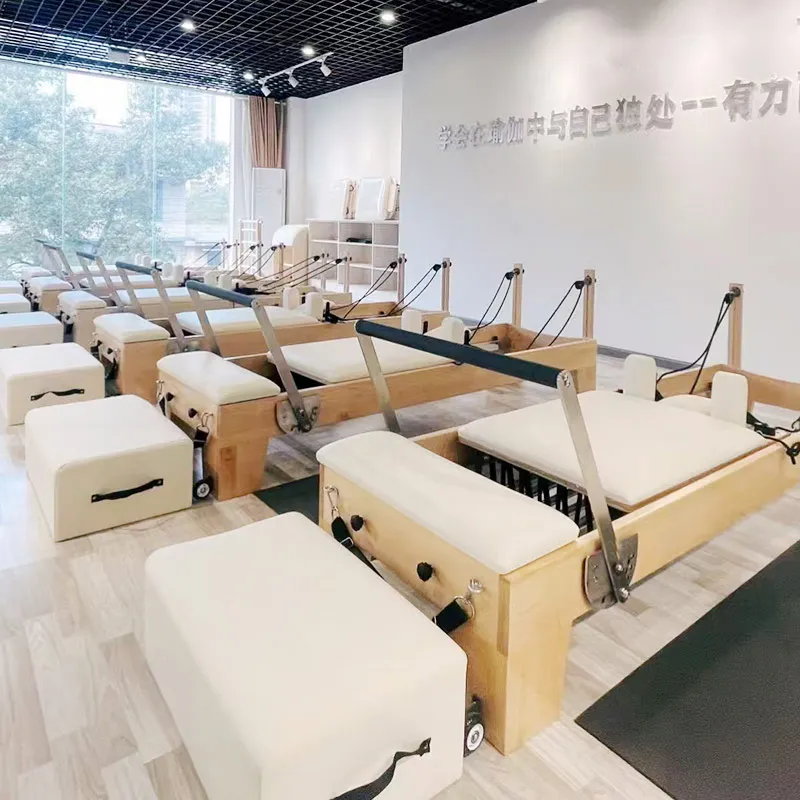
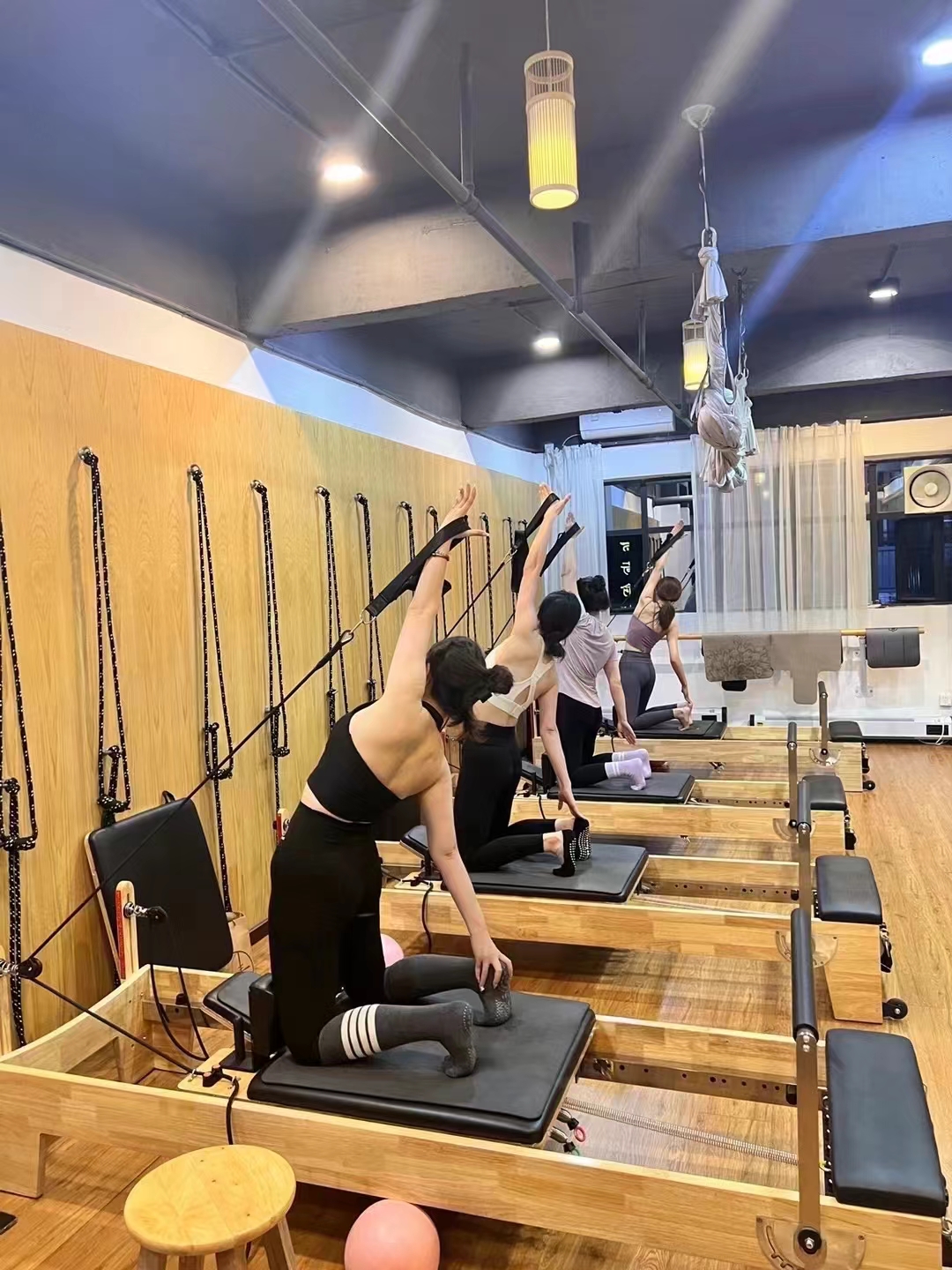
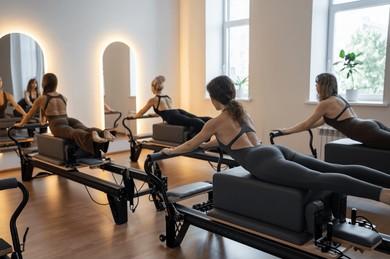
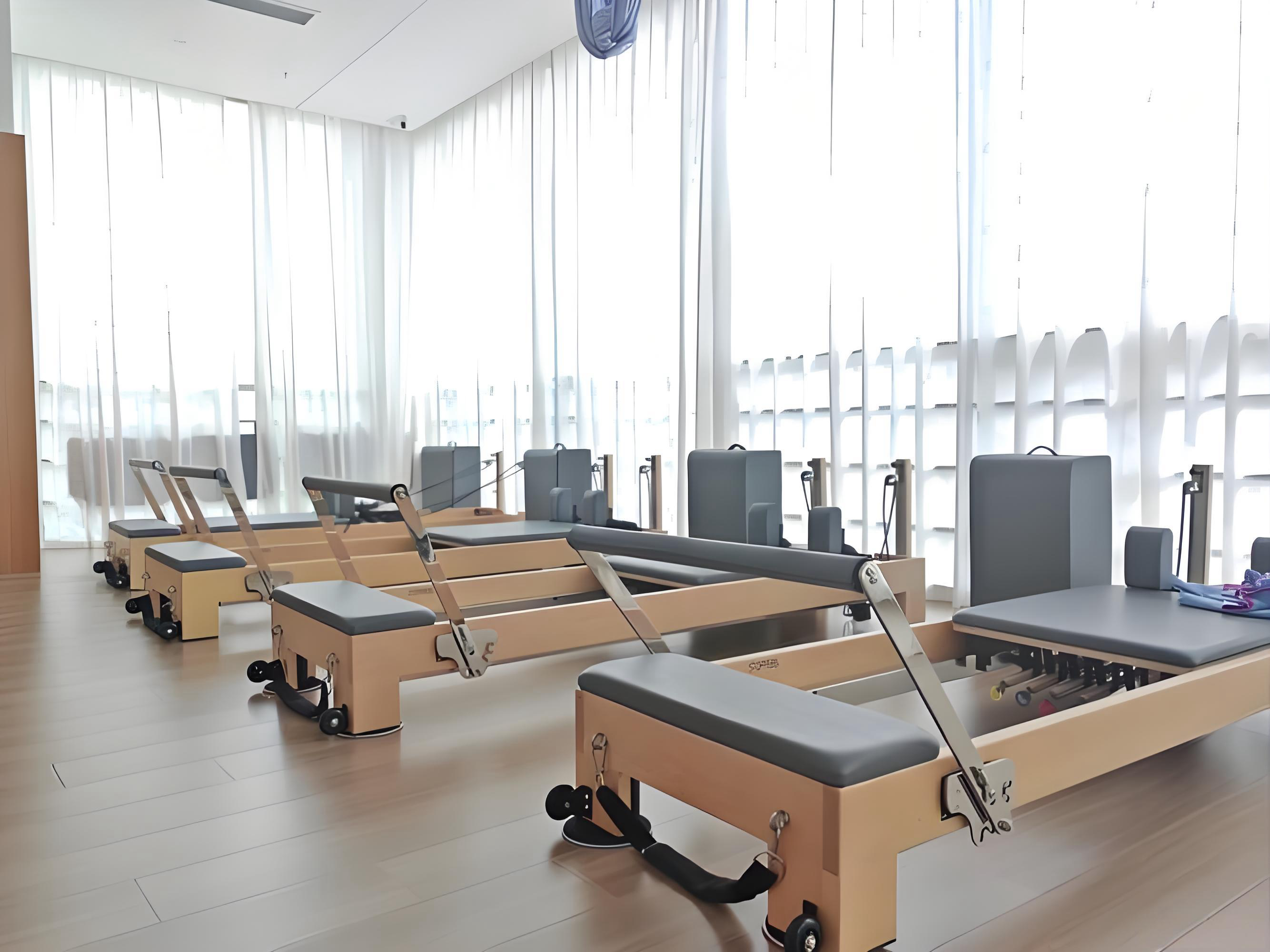
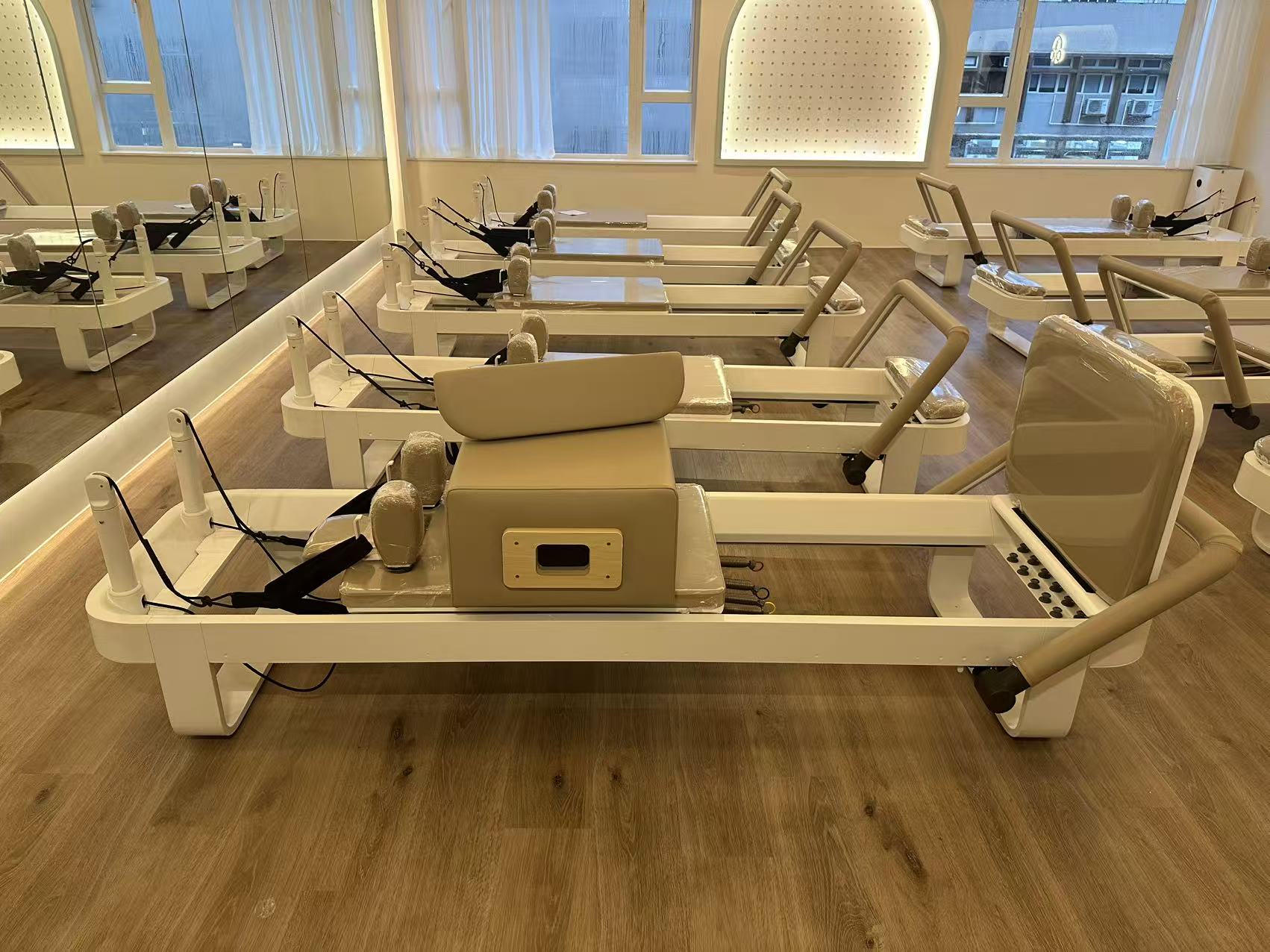
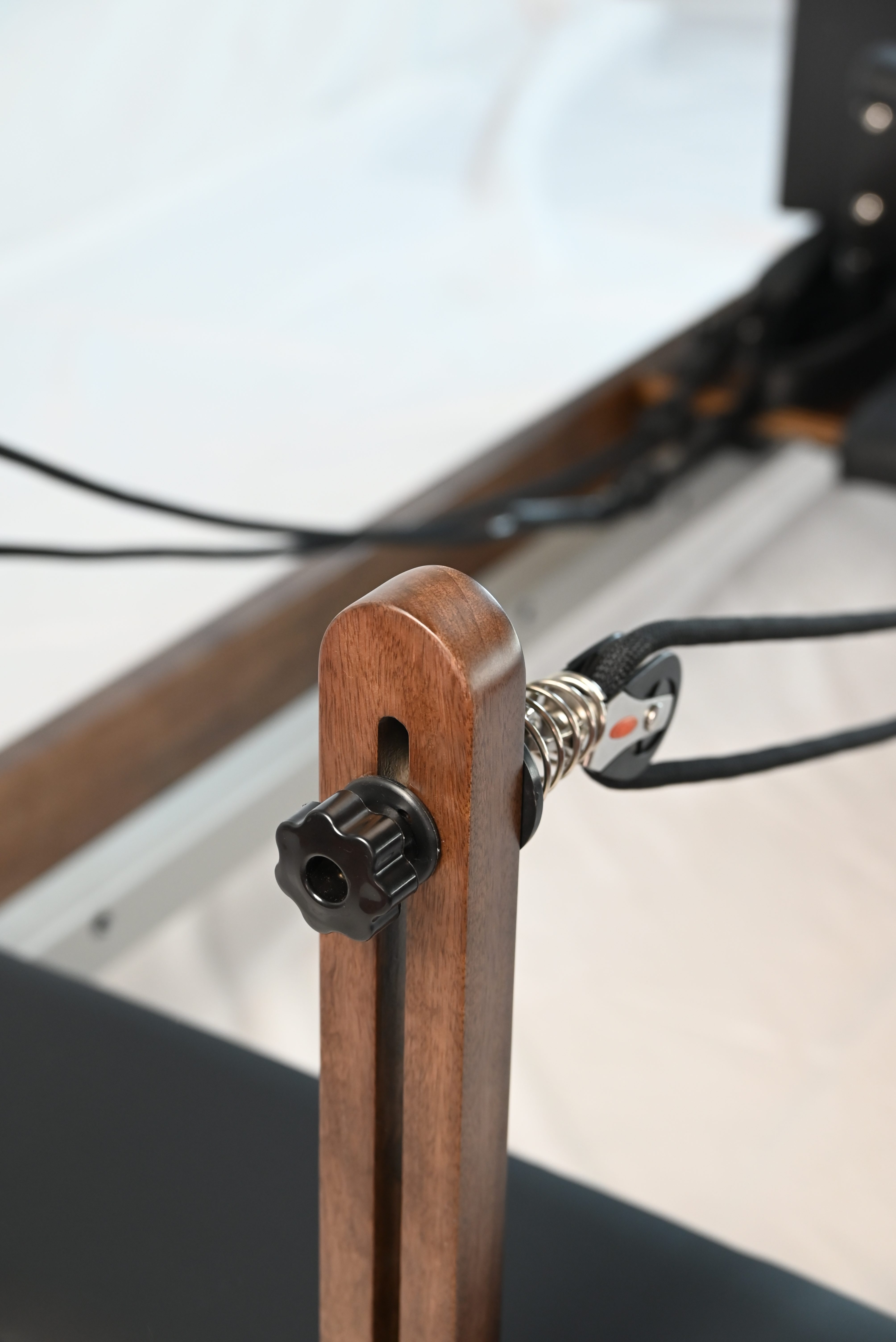
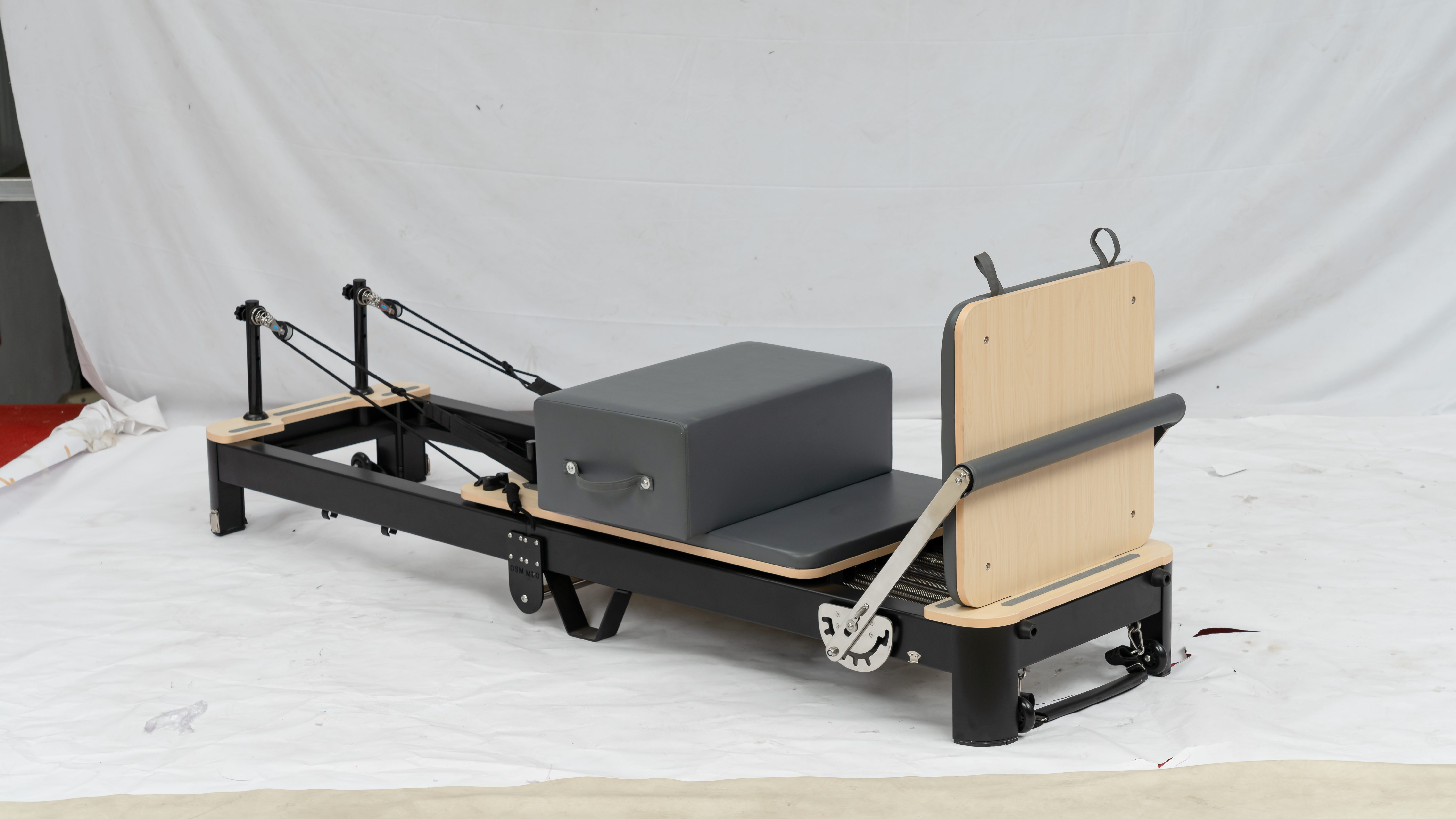
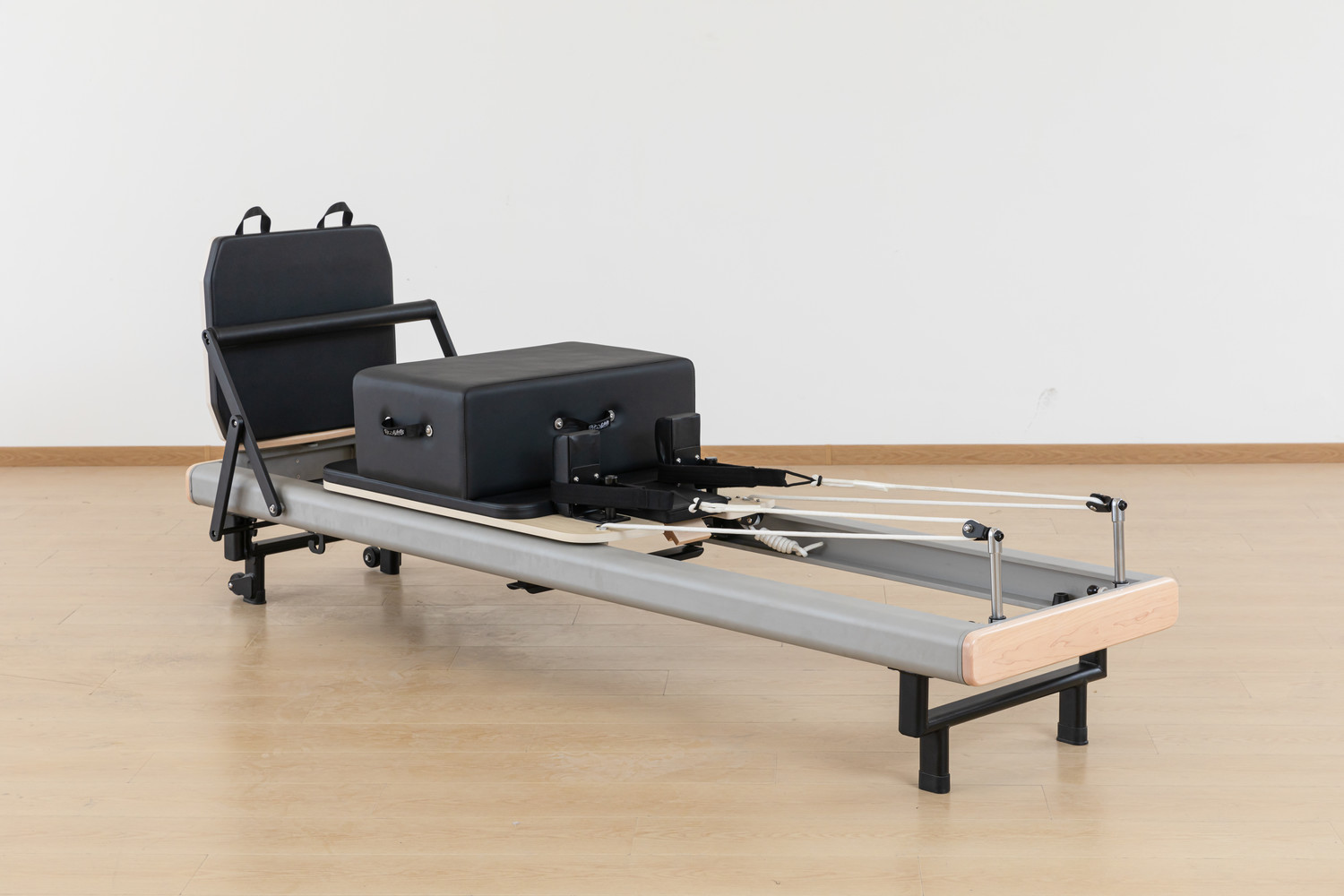
If you are serious about home Pilates, the reformer is the single most important apparatus to consider. It is the workhorse of Pilates training, offering hundreds of exercises across strength, flexibility, and control. For home use, a compact or folding reformer is often the most practical choice, as it can be stored against a wall or under a bed when not in use. When selecting a reformer, prioritize smooth carriage movement, consistent spring resistance, and stable construction. A machine with wobbly rails or uneven springs will compromise your form and safety. If budget allows, a premium reformer with aluminum or hardwood construction will outlast cheaper alternatives and hold its resale value. If space and budget are tight, a reformer with a tower conversion or a wall-mounted tower can add versatility without requiring a second machine.
The Cadillac and Tower: Optional but Valuable
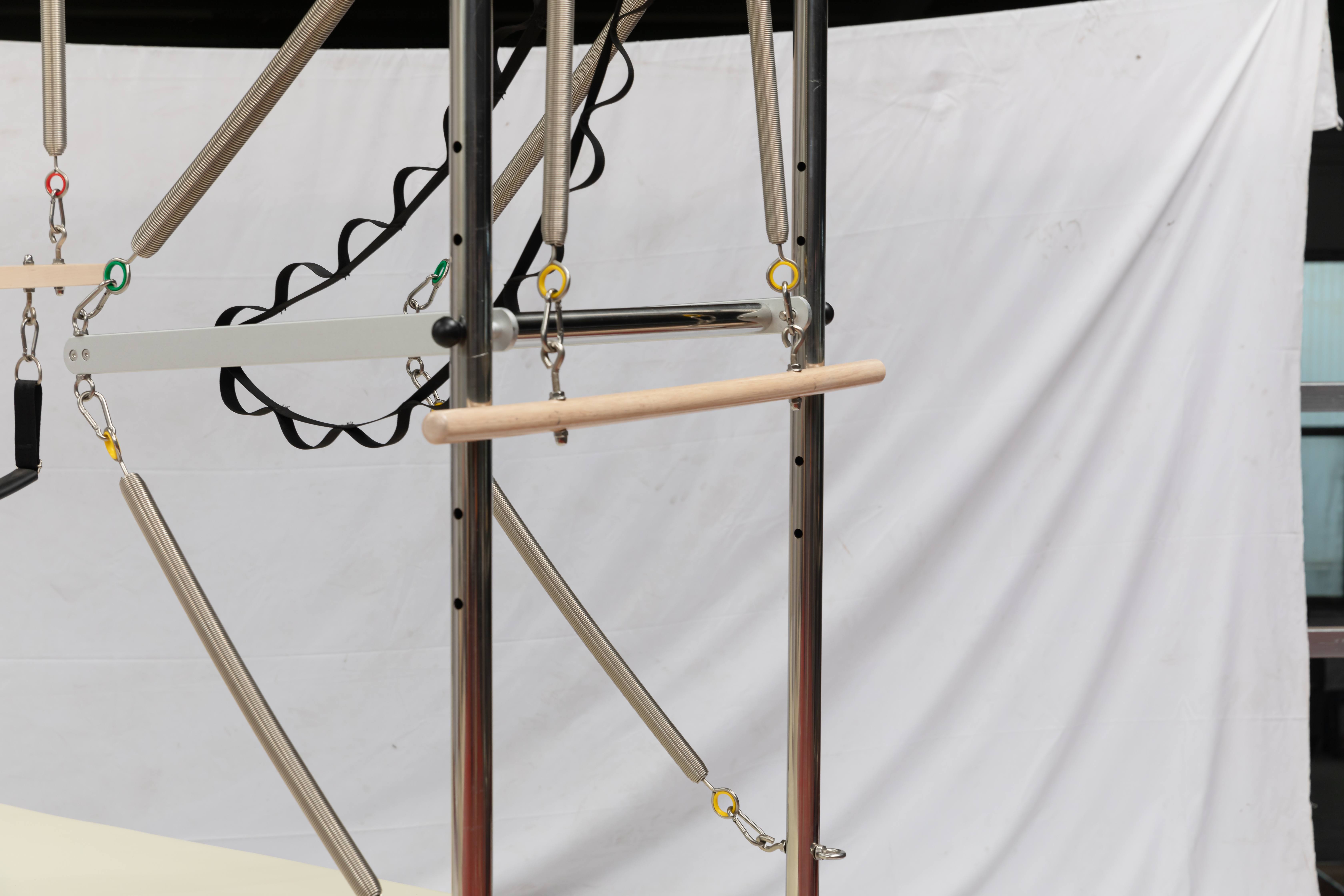
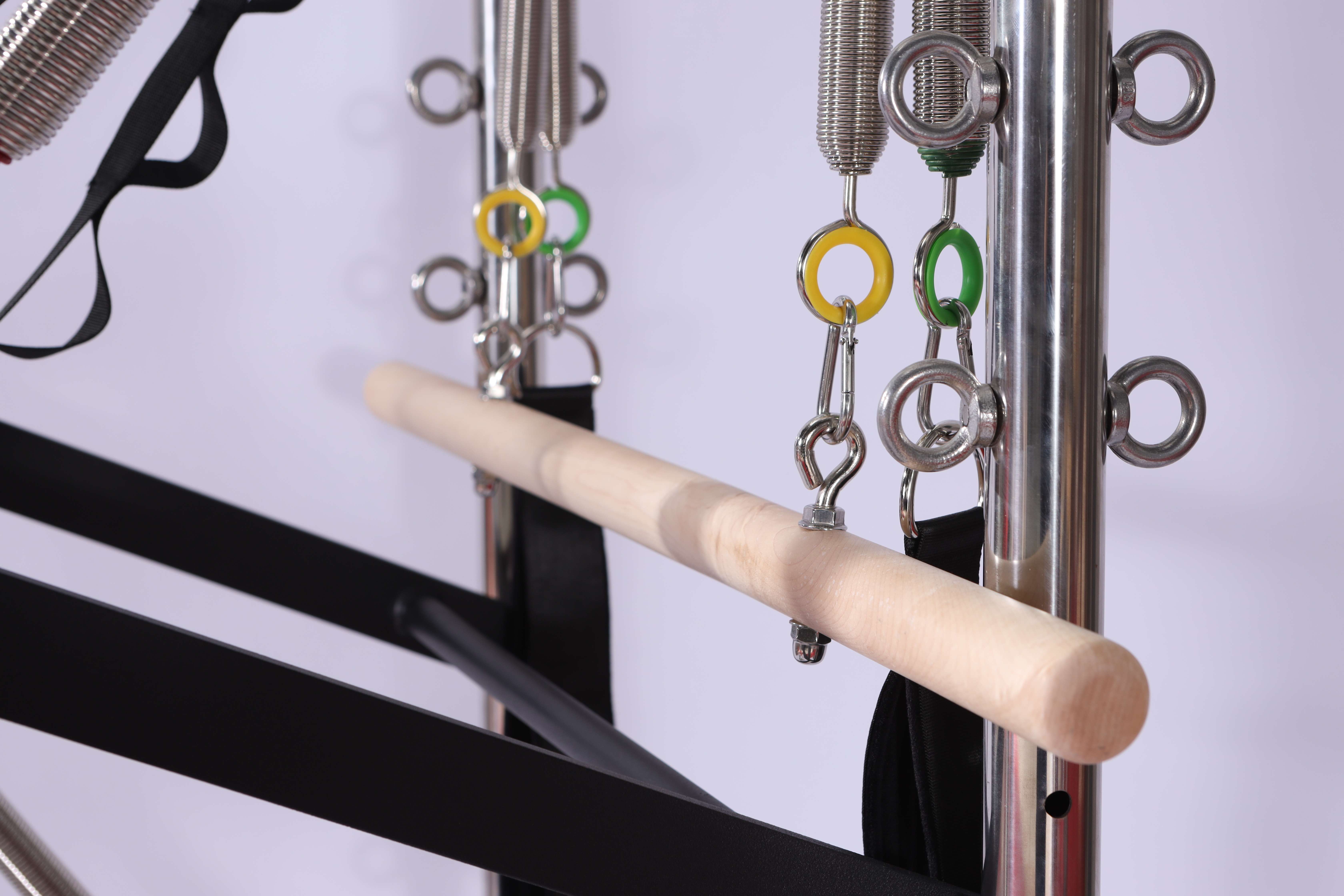
A full cadillac is a significant investment in both money and space, and it is rarely the first purchase for a home studio. However, a wall-mounted tower or a reformer with a tower attachment offers many of the same benefits—spring resistance for arms and legs, bar and roll-down exercises, and hanging work—without the footprint of a full cadillac. For practitioners who want to expand beyond reformer work, a tower is a sensible intermediate step. A full cadillac makes sense only if you have dedicated space and a strong commitment to a comprehensive practice.
Chairs and Barrels: Targeted Add-Ons
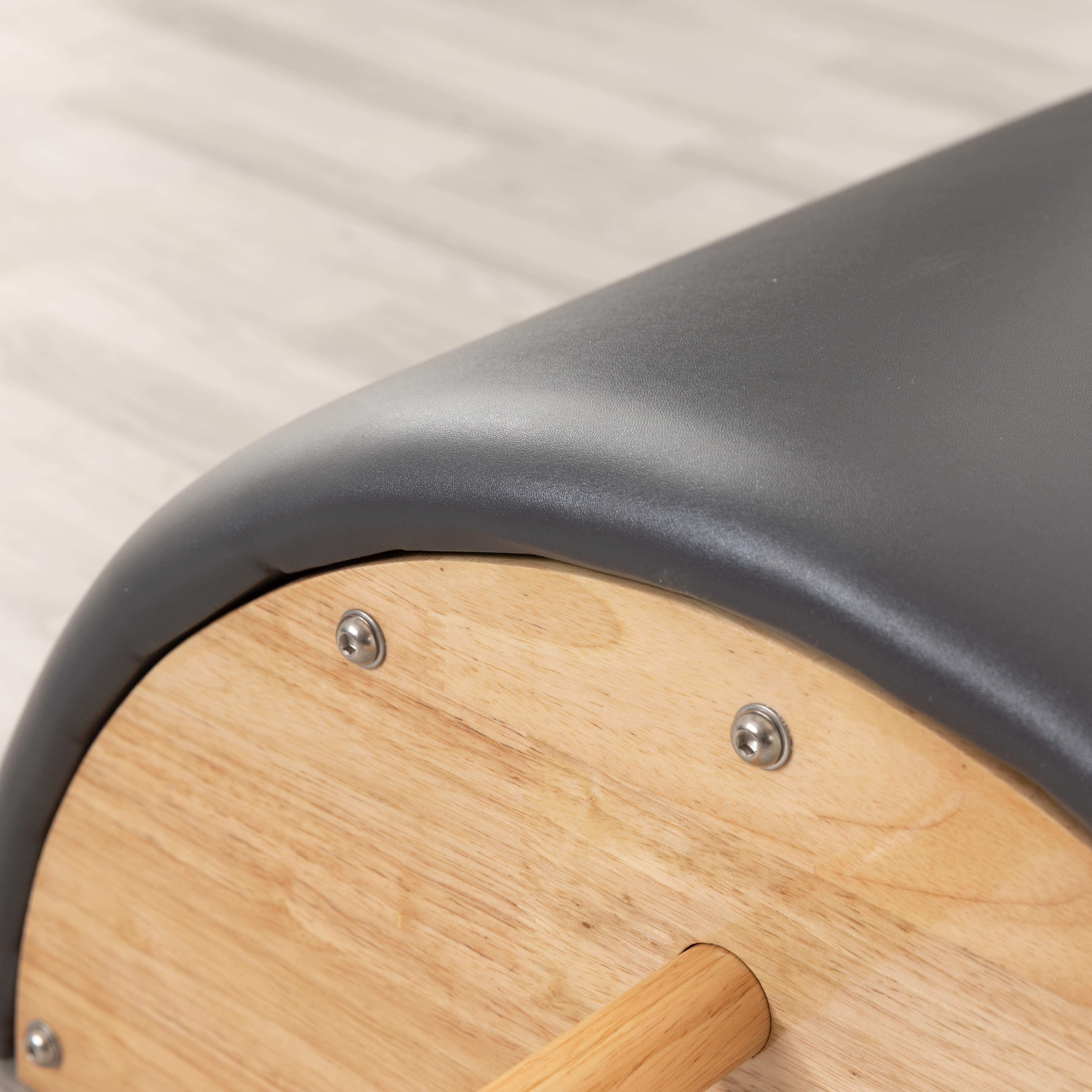
The Pilates chair and the various barrels—spine corrector, ladder barrel, and arc barrel—are excellent for targeted work on balance, spinal articulation, and core strength. They are not essential for a beginner's home studio, but they add valuable variety as your practice develops. The small arc barrel is particularly space-friendly and can be used for a range of exercises. The chair is compact but challenging, making it a good choice for practitioners who want intensity without a large footprint. Consider these as second-stage purchases once your mat and reformer practice is established.
Props: Small Tools, Big Impact
Props are often underestimated but play a crucial role in a well-rounded home studio. A set of resistance bands or Pilates circles adds variety and can help with rehabilitation and muscle activation. Small weights, a foam roller, and a magic circle are inexpensive and versatile. Blocks or a small cushion can support alignment and modify exercises. A stability ball adds a balance challenge and can be used for a range of exercises. These props take up minimal space and cost little, yet they dramatically expand what you can do at home. Start with a basic prop set and add items as your practice reveals specific needs.
Space, Storage, and Flooring Considerations
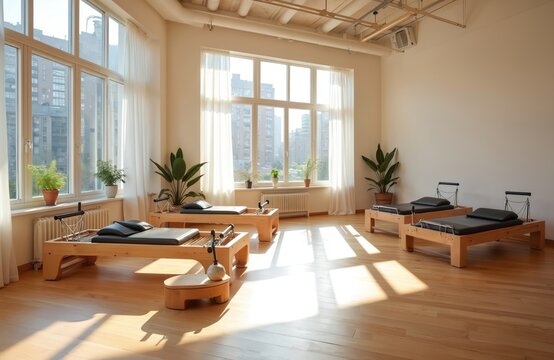
Before purchasing equipment, assess your available space honestly. A reformer requires a clear area roughly the length and width of the machine plus a little room for entry and exit. Ceiling height matters for tower and cadillac work. Flooring should be stable and non-slip; if you have hardwood or tile, a mat and perhaps an area rug will improve comfort and safety. Storage is another key factor. Folding reformers, wall-mounted towers, and stackable props make small-space studios feasible. Measure your space, plan where each piece will live, and consider how you will store or move items during sessions. A well-planned layout makes practice smoother and safer.
Safety and Installation
Some equipment—particularly wall-mounted towers and cadillacs—requires professional installation to ensure it is securely anchored. Do not underestimate the importance of proper installation; a poorly mounted tower can be dangerous. Follow manufacturer instructions carefully, and if you are unsure, hire a professional. For free-standing reformers, ensure the floor is level and the machine is stable before use. Check springs, straps, and connections regularly, just as you would in a professional studio. Safety should always come before convenience.
What You Can Wait On
Not everything needs to be purchased at once. A full cadillac, a ladder barrel, and a complete prop collection can wait until your practice has matured and you know exactly what you use most. Many practitioners find that a mat, a reformer, and a basic prop set cover the vast majority of their home practice needs. Buying incrementally also allows you to make better-informed choices based on your actual experience rather than speculation.
Conclusion
Setting up a home Pilates studio does not require buying everything at once. Start with a high-quality mat, invest in a well-built reformer that suits your space, and add a basic prop set. Expand with a tower, chair, barrels, and additional props as your practice grows and your needs become clear. Prioritize safety, measure your space carefully, and choose equipment that will last. With thoughtful planning, a home studio can deliver the same quality of practice as a professional gym—right in your own space.