Reformer vs. Cadillac: Which Pilates Apparatus Fits Your Home Practice?
For anyone building a home Pilates practice, the two most iconic pieces of equipment quickly come into focus: the reformer and the cadillac. Both are pillars of the Pilates method, both offer rich and varied training possibilities, and both represent a significant investment. Yet they serve different purposes, demand different amounts of space, and suit different types of practitioners. Choosing between them—or deciding which to prioritize first—requires a clear understanding of what each apparatus offers and how it fits into a home environment.
Understanding the Reformer
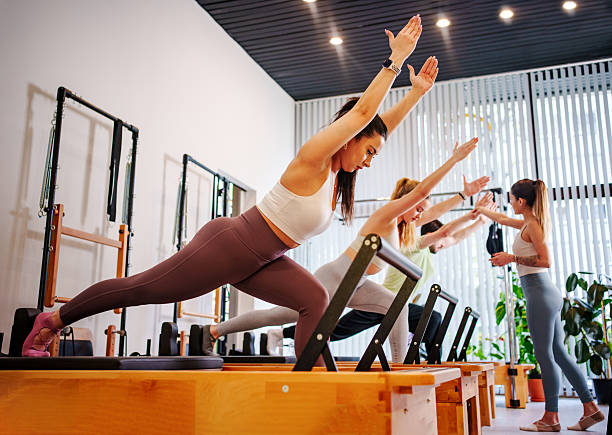
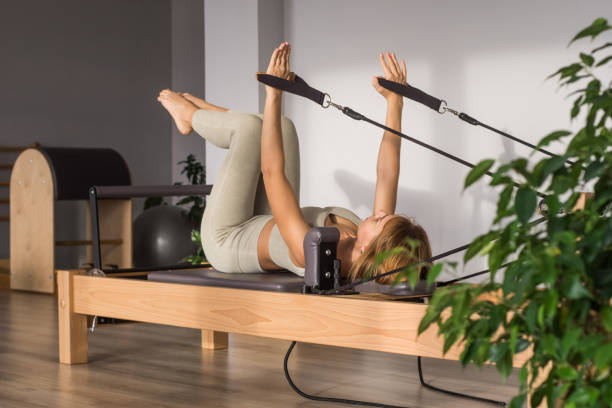
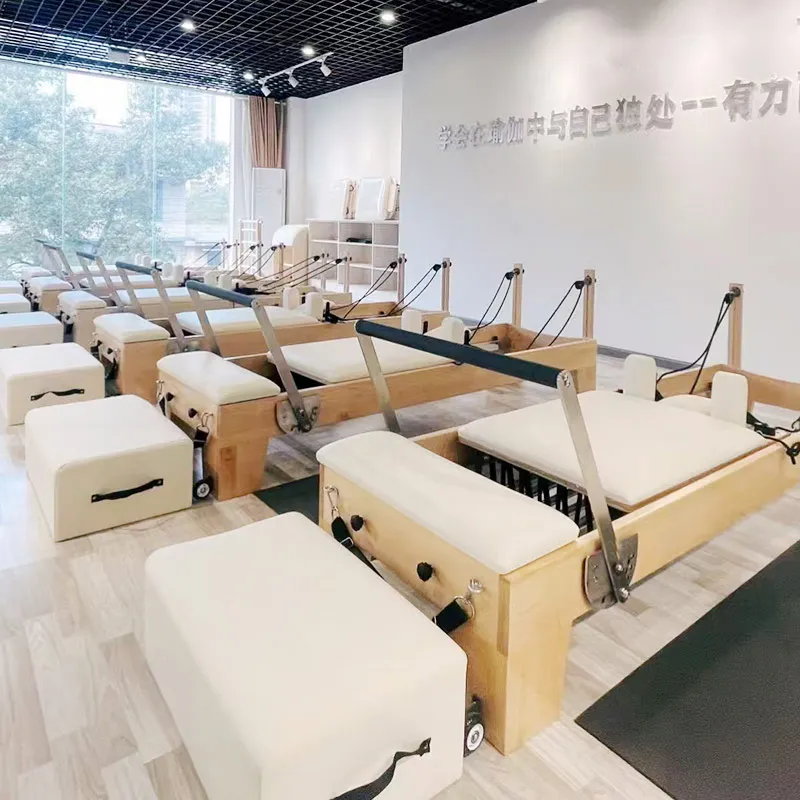
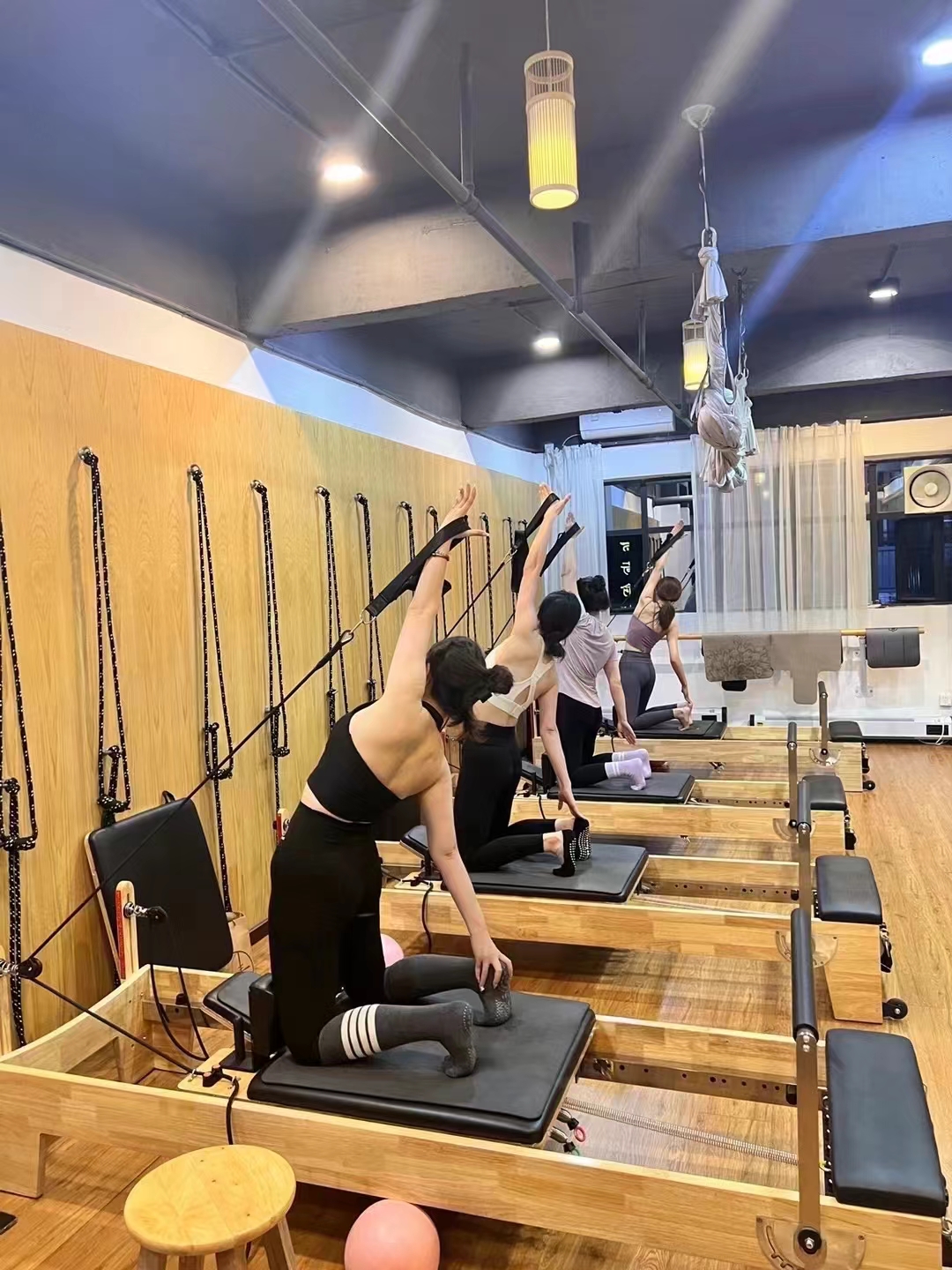
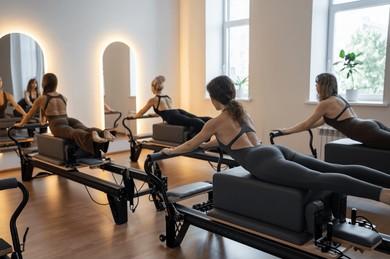
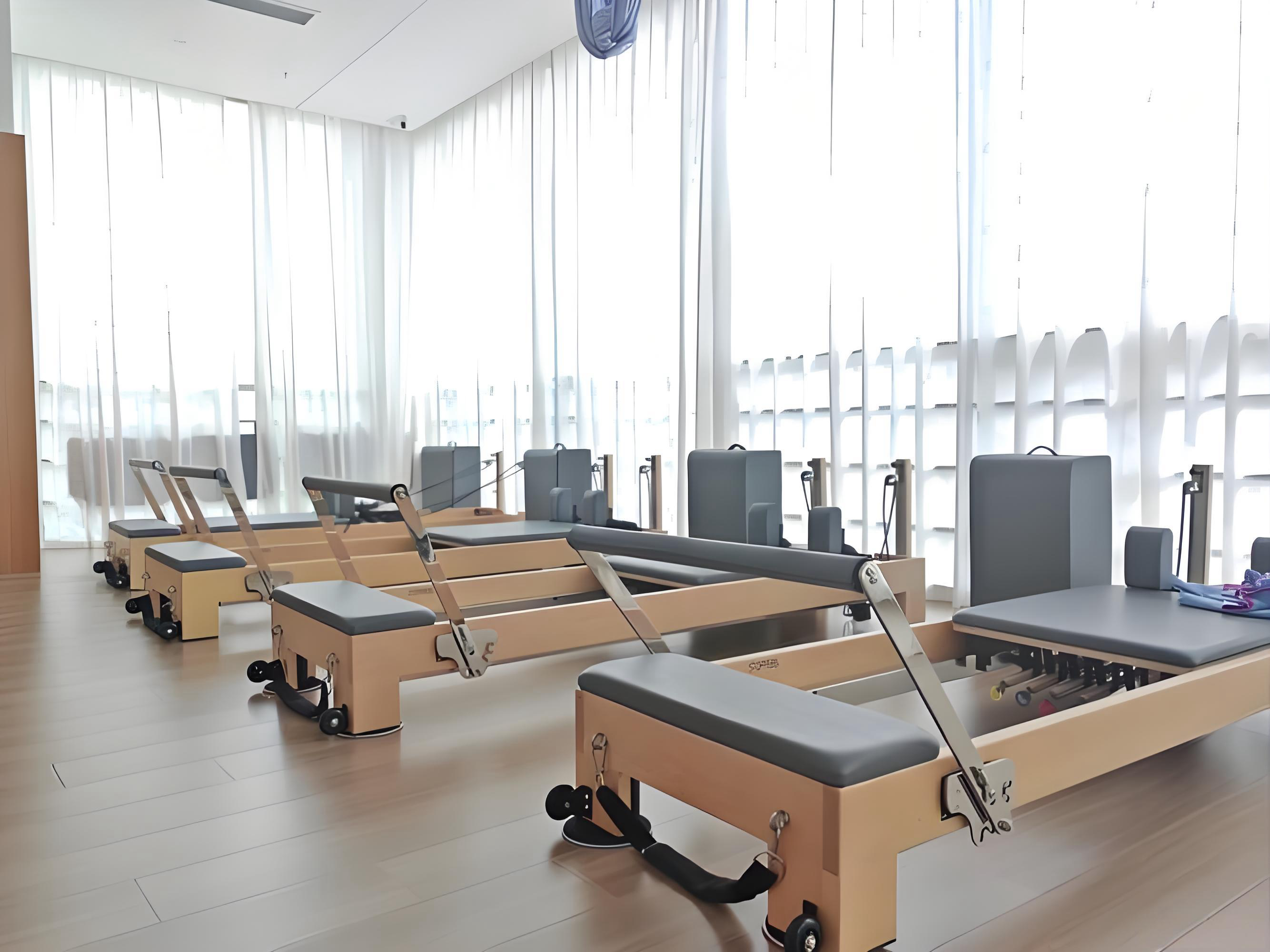
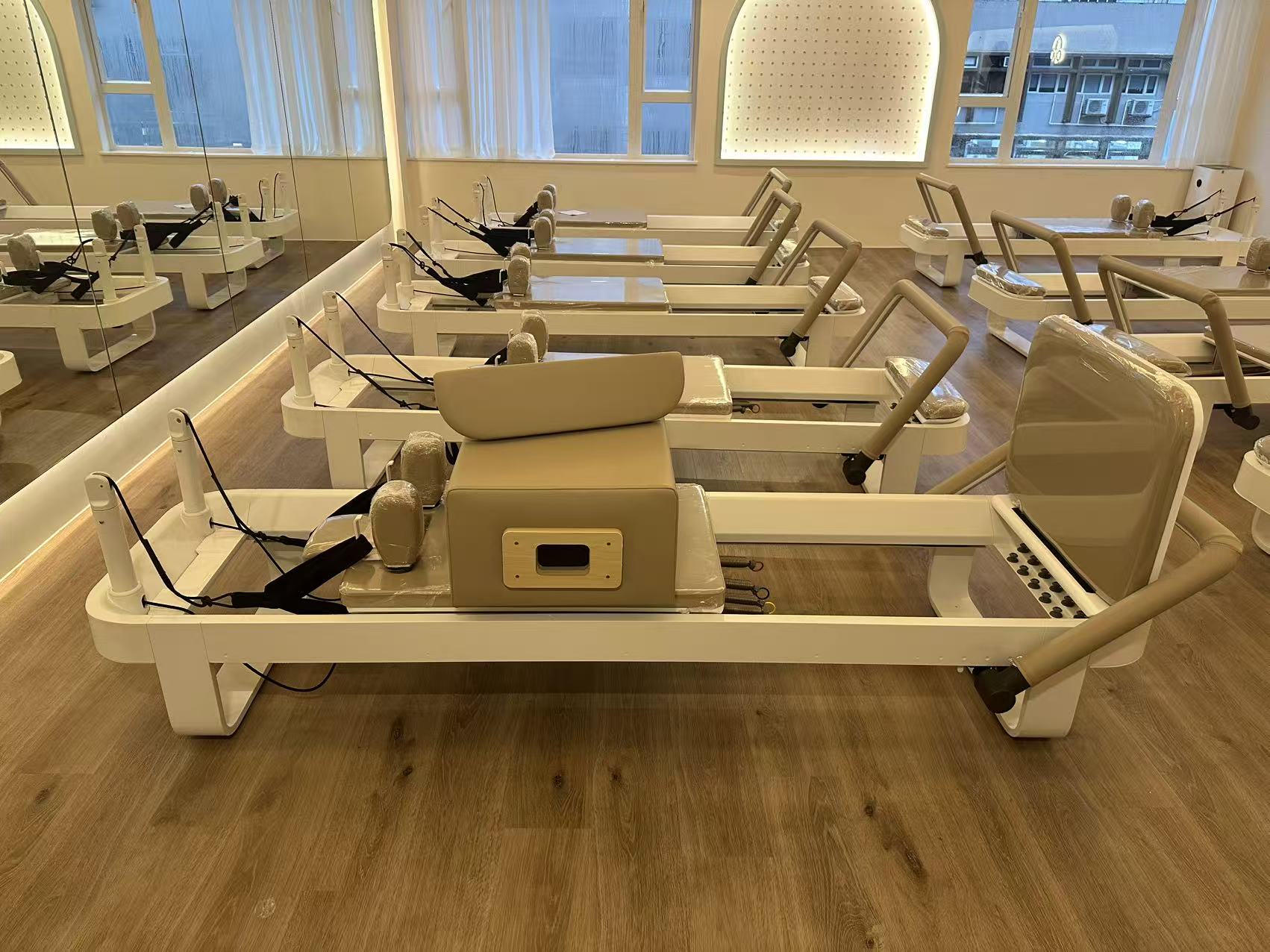
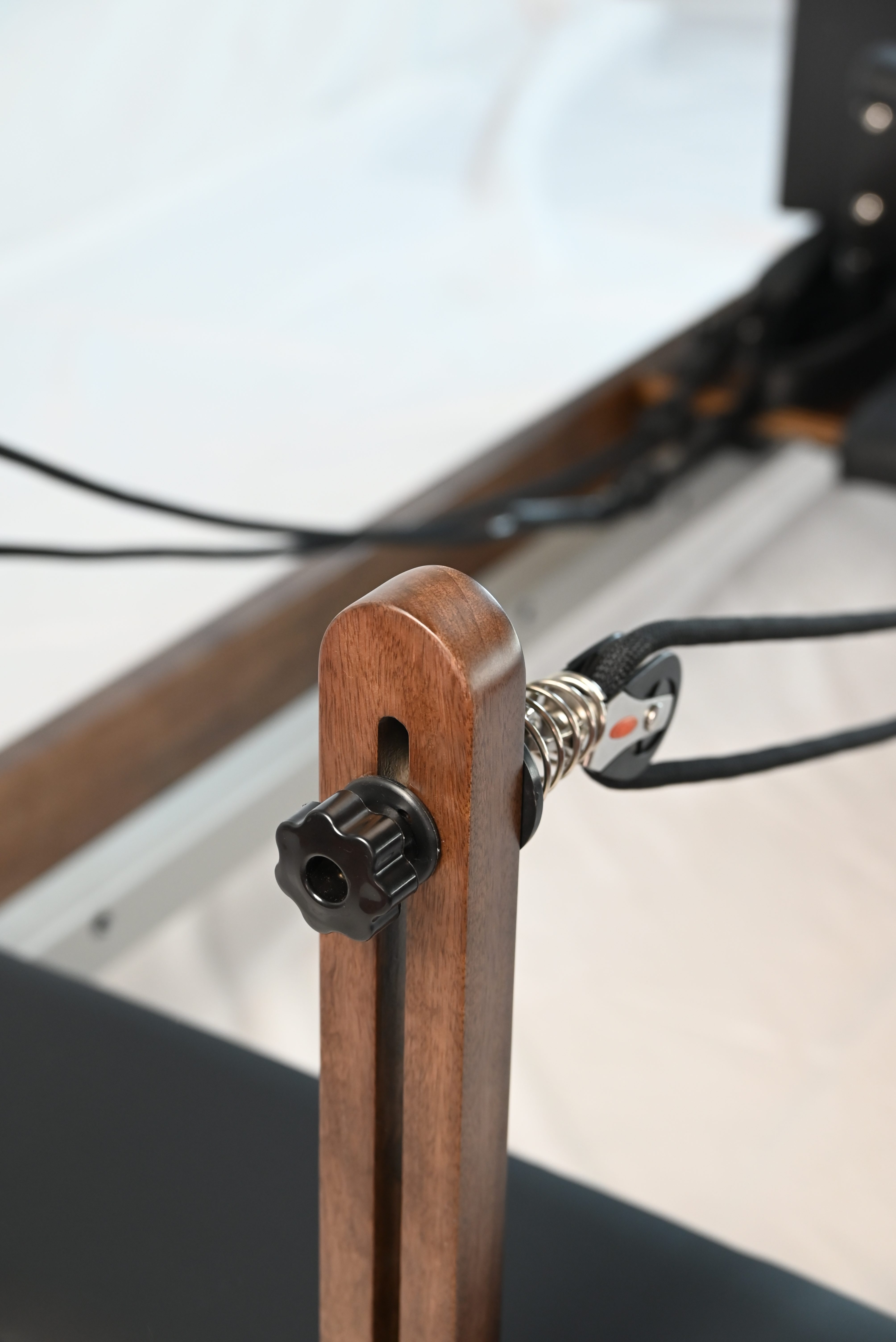
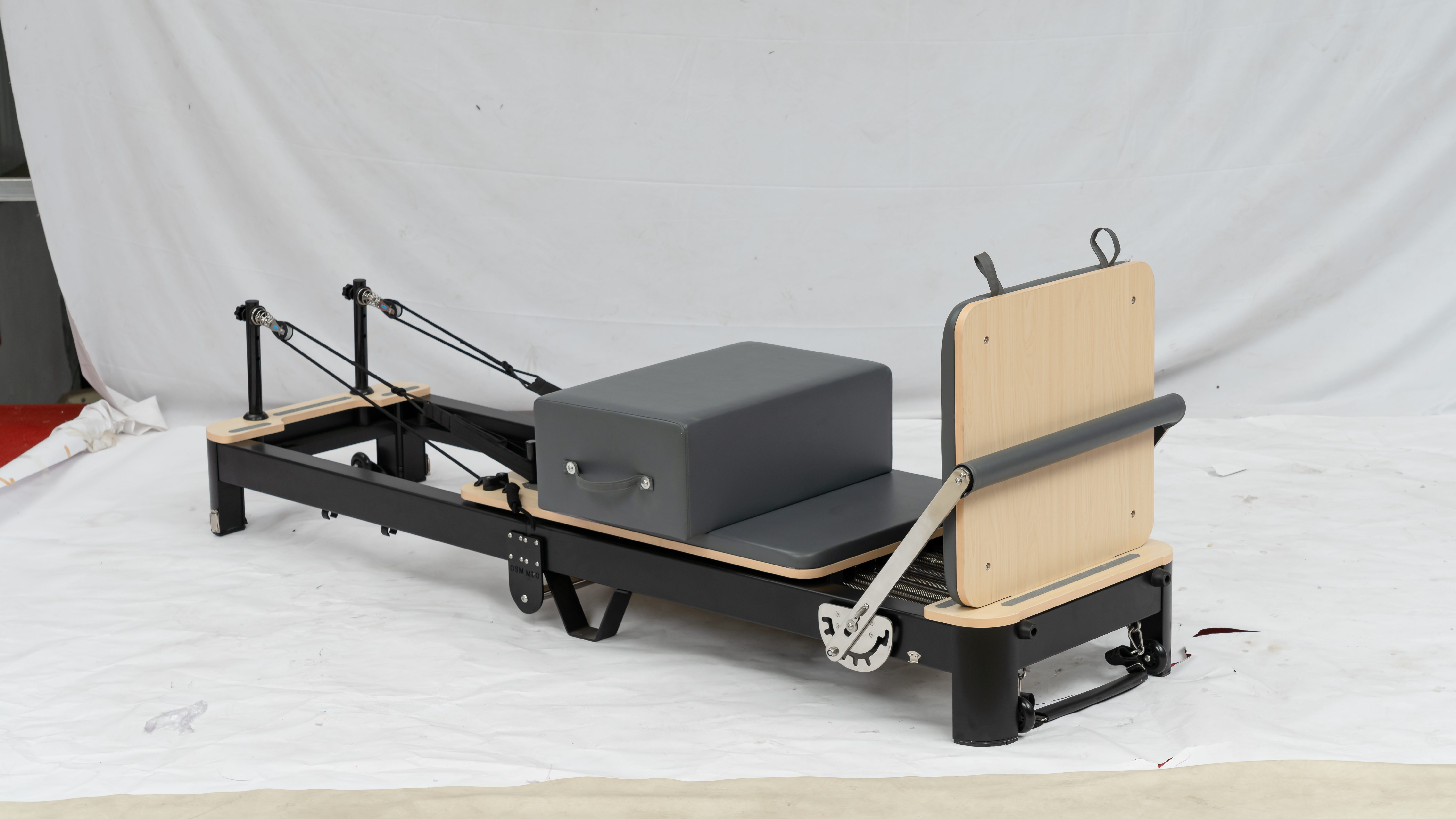
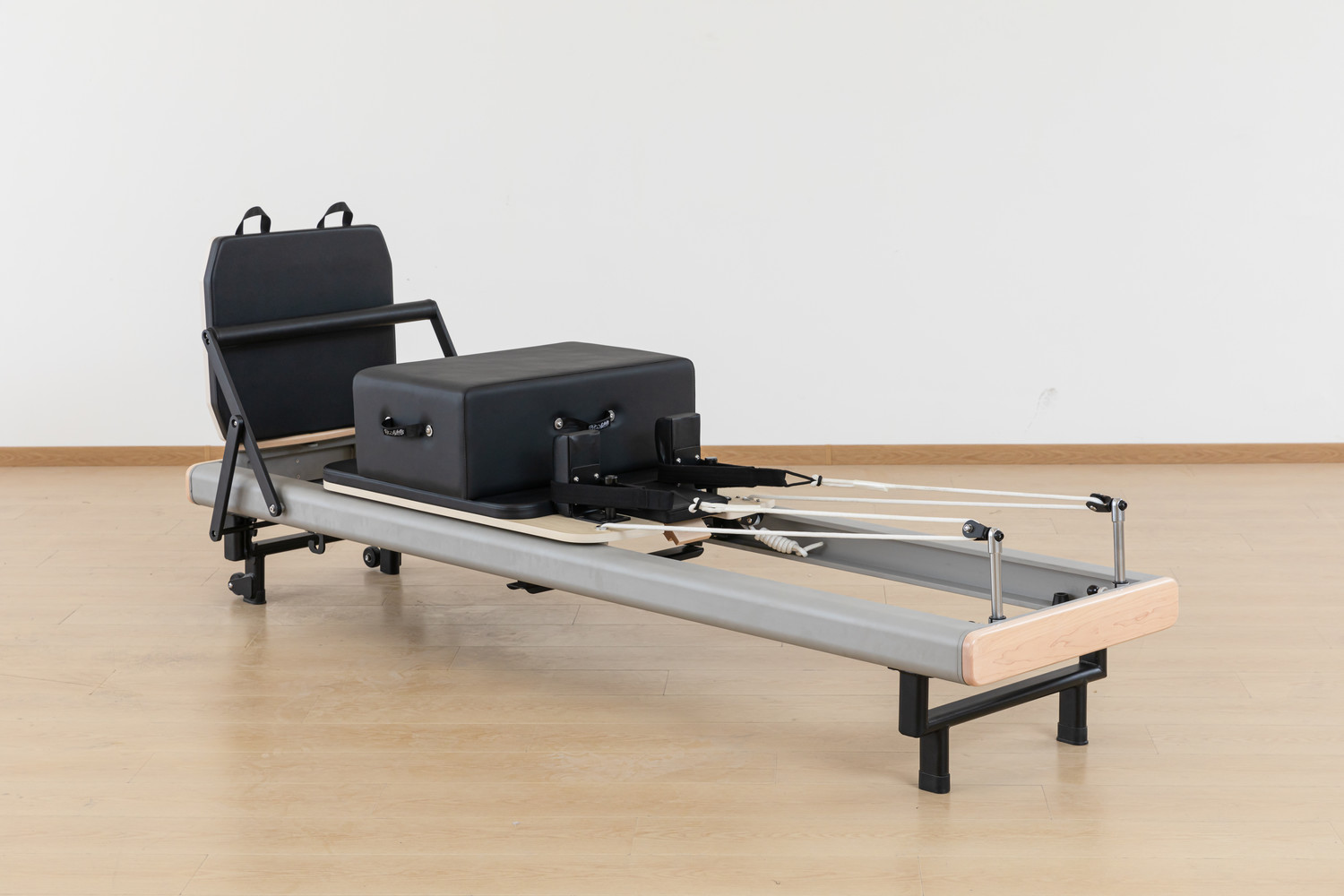
The reformer is the most recognizable piece of Pilates equipment. It consists of a sliding carriage that moves along a frame, connected to a spring system that provides resistance. Users lie, sit, kneel, or stand on the carriage and perform exercises by pushing or pulling against the springs. The reformer's genius lies in its versatility: it supports hundreds of exercises, from gentle rehabilitation movements to demanding athletic challenges. It trains the whole body, emphasizes core stability, and allows for smooth, controlled movement patterns.
For home use, the reformer is generally the more practical choice. Most home reformers are compact, foldable, or designed to stand upright for storage. They fit into a spare room, a living area, or even a garage with relative ease. The learning curve is manageable, and a wide range of online classes and instructional resources are built around the reformer. For most home practitioners, the reformer is the natural first purchase.
Understanding the Cadillac
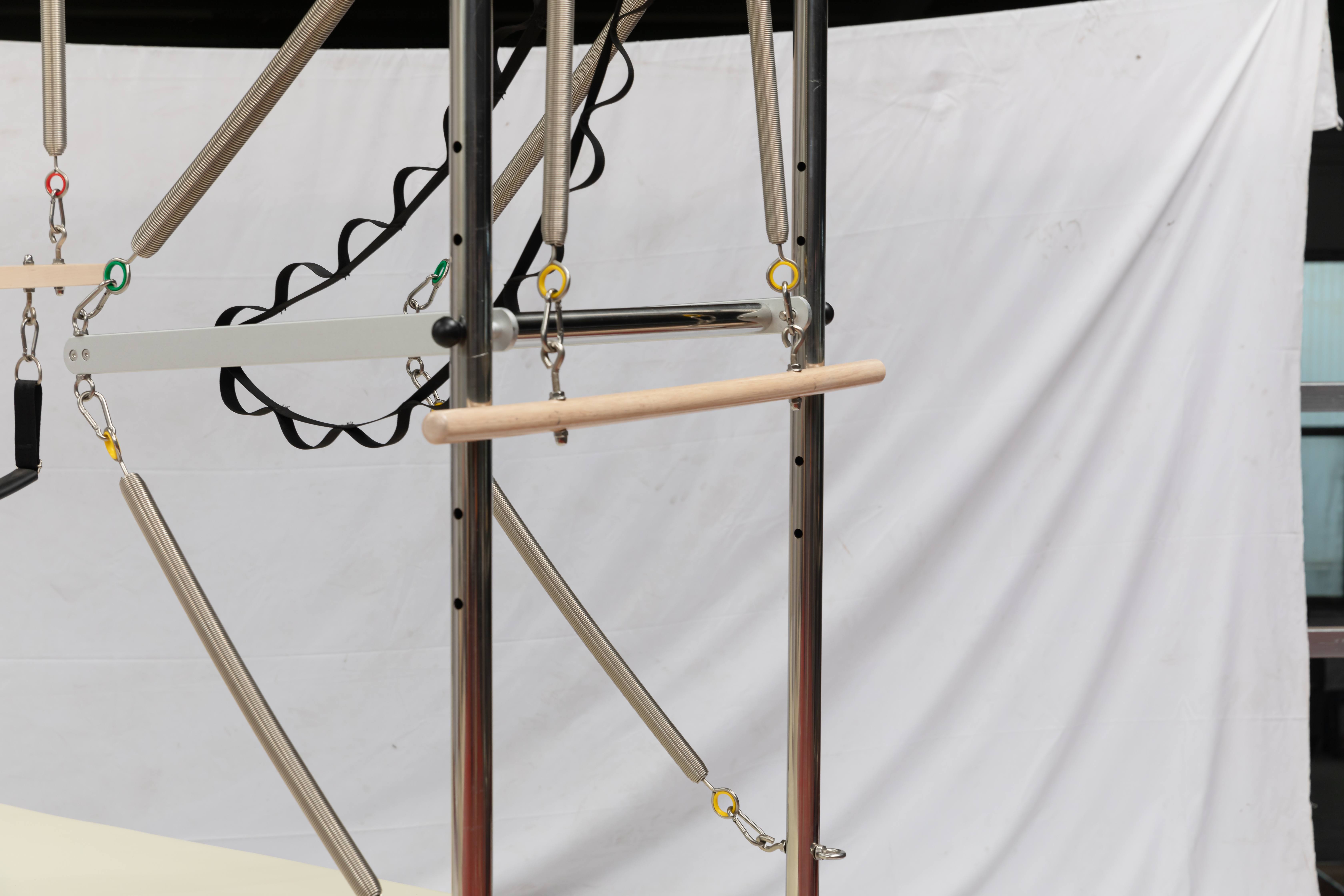
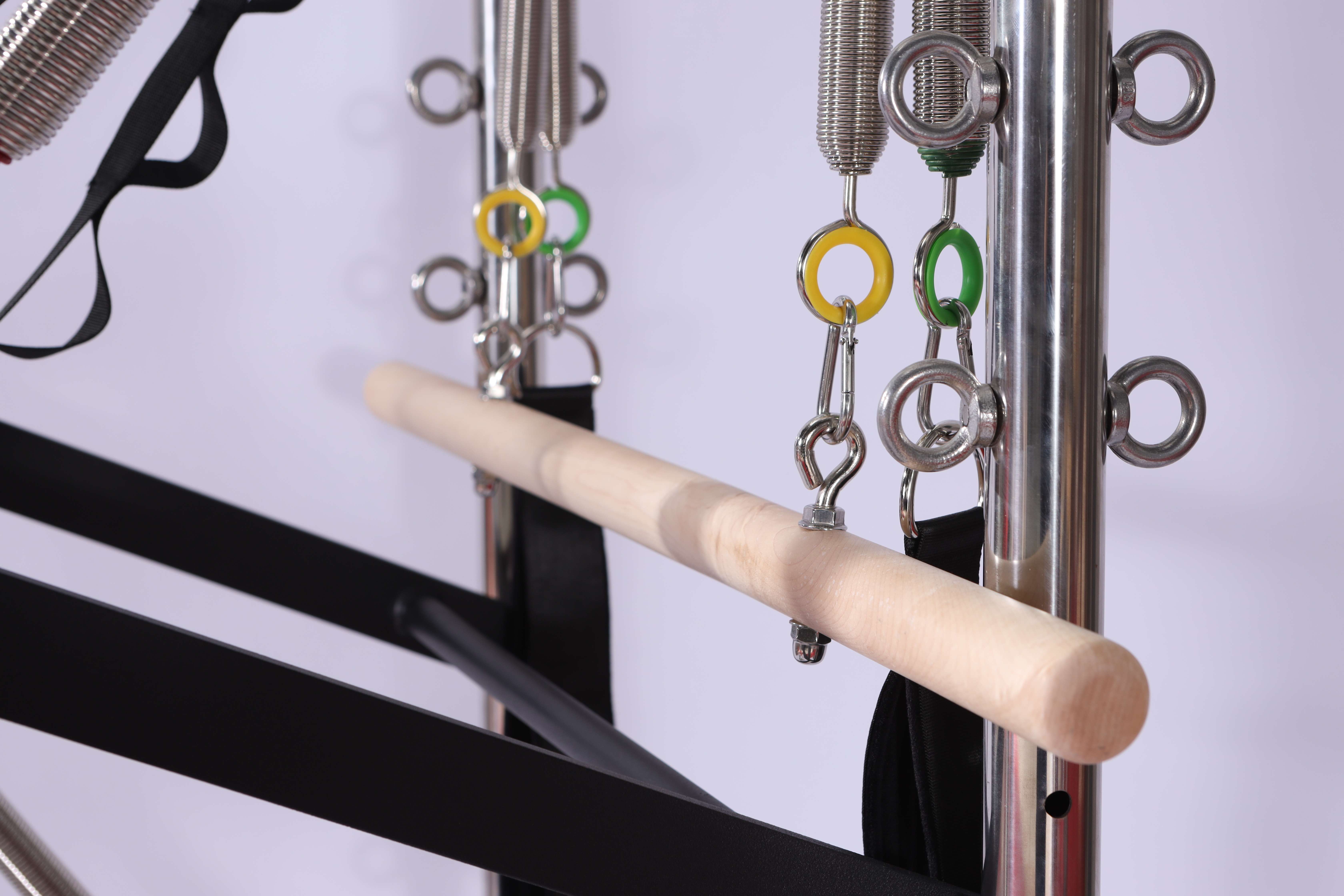
The cadillac, also known as the trapeze table, is a larger and more elaborate apparatus. It features a raised table surrounded by a metal frame from which springs, bars, straps, and other attachments hang. This structure allows for a remarkable range of exercises, including suspended movements, inverted positions, and precise isolation work. The cadillac is often used in rehabilitation and in advanced training, and it offers a level of support and feedback that many practitioners find invaluable.
However, the cadillac demands far more space. It is tall, wide, and not easily moved or stored. It typically requires a dedicated room with sufficient ceiling height. For home users, this is a significant constraint. The cadillac is also generally more expensive than a reformer, and its exercise repertoire, while rich, is less commonly taught in mainstream online classes. It tends to suit practitioners who have specific rehabilitation needs, who work with a trainer regularly, or who have a dedicated studio space at home.
Comparing Space and Practicality
Space is often the deciding factor. A reformer can be folded or stood on end and tucked against a wall. A cadillac is a permanent fixture. If your home has a spare room that can be dedicated to training, the cadillac becomes viable. If your space is shared with family life, the reformer is far more forgiving. Practitioners should measure their available floor area and ceiling height carefully before committing to either apparatus.
Comparing Exercise Variety and Learning Curve
Both apparatuses offer extensive exercise variety, but the reformer is more accessible to self-directed learners. Its movements are easier to learn from video instruction, and the feedback from the spring resistance is intuitive. The cadillac, with its hanging springs and suspended movements, often benefits from hands-on guidance from a trainer. Beginners may find the cadillac intimidating without instruction, while the reformer is more forgiving for solo practice.
Comparing Cost and Long-Term Value
The reformer is generally the more affordable entry point, though premium models represent a serious investment. The cadillac is typically more expensive due to its larger frame and more complex attachment system. However, both hold their value well when well maintained. Practitioners should consider not just the purchase price but the cost per use over years of training. A well-built reformer used daily may offer better long-term value than a cadillac that is used occasionally due to space constraints.
Which Should You Choose?
For most home practitioners, the reformer is the practical first choice. It fits into smaller spaces, is easier to learn from online resources, costs less, and offers an enormous range of exercises. It is the apparatus most closely associated with home Pilates practice for good reason.
The cadillac suits a narrower profile: practitioners with a dedicated training room, those working through specific rehabilitation protocols with professional guidance, or advanced students who want the unique suspended and supported movements the cadillac provides. For them, the cadillac is not a luxury but a functional necessity.
Some practitioners eventually own both, using the reformer for daily training and the cadillac for specific goals. But for those choosing one, the decision comes down to space, budget, learning style, and training objectives. Whichever you choose, premium quality matters. A well-built apparatus will serve you safely and smoothly for years, making your home practice a genuine pleasure.
Conclusion
The reformer and the cadillac are both extraordinary pieces of Pilates equipment, but they fit different homes and different practitioners. The reformer wins on space efficiency, accessibility, and cost, making it the ideal first apparatus for most home users. The cadillac offers unique training possibilities and superior support, but demands dedicated space and often professional guidance. By honestly assessing your space, budget, and training goals, you can choose the apparatus that will truly support your home practice for years to come.