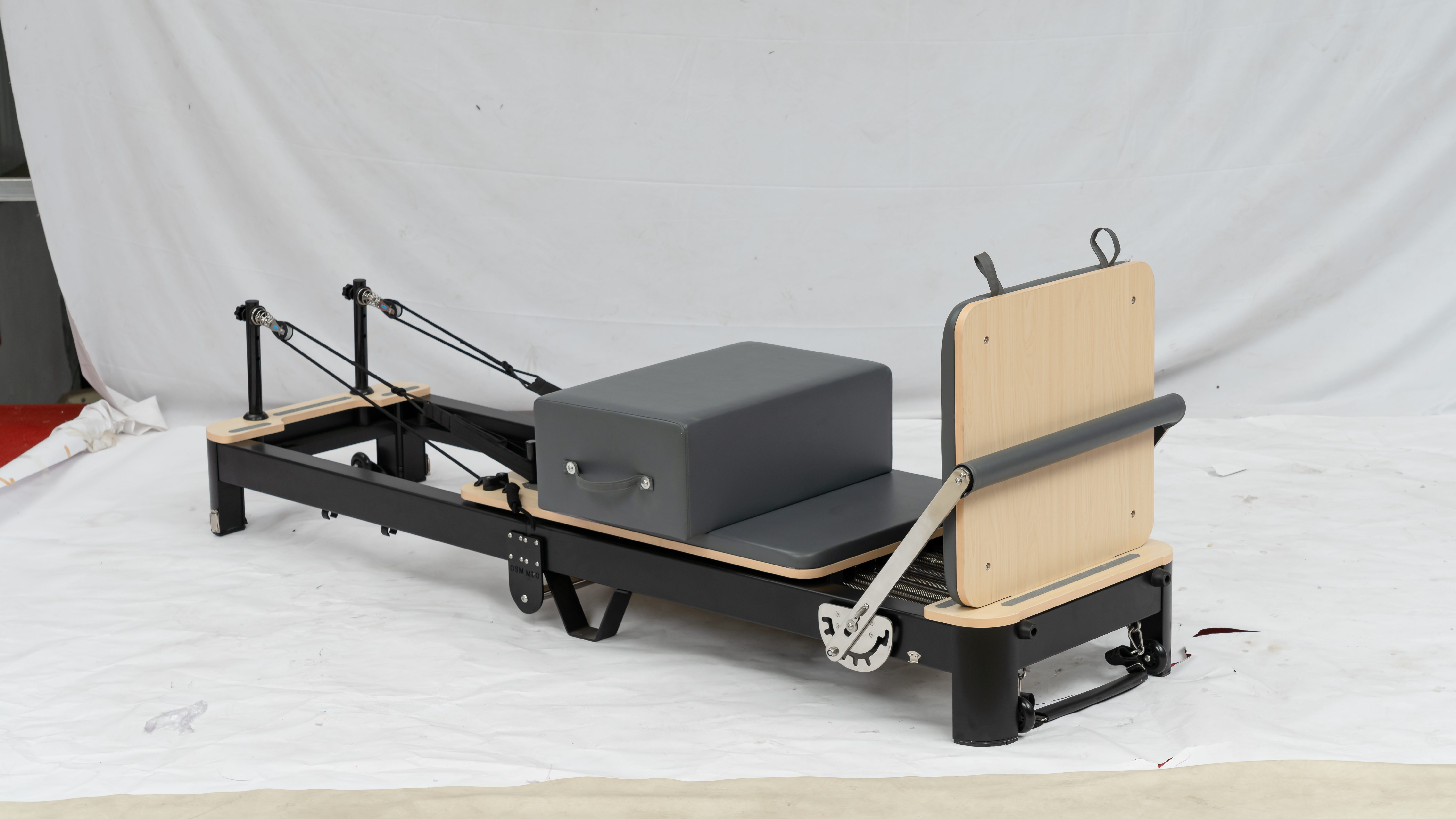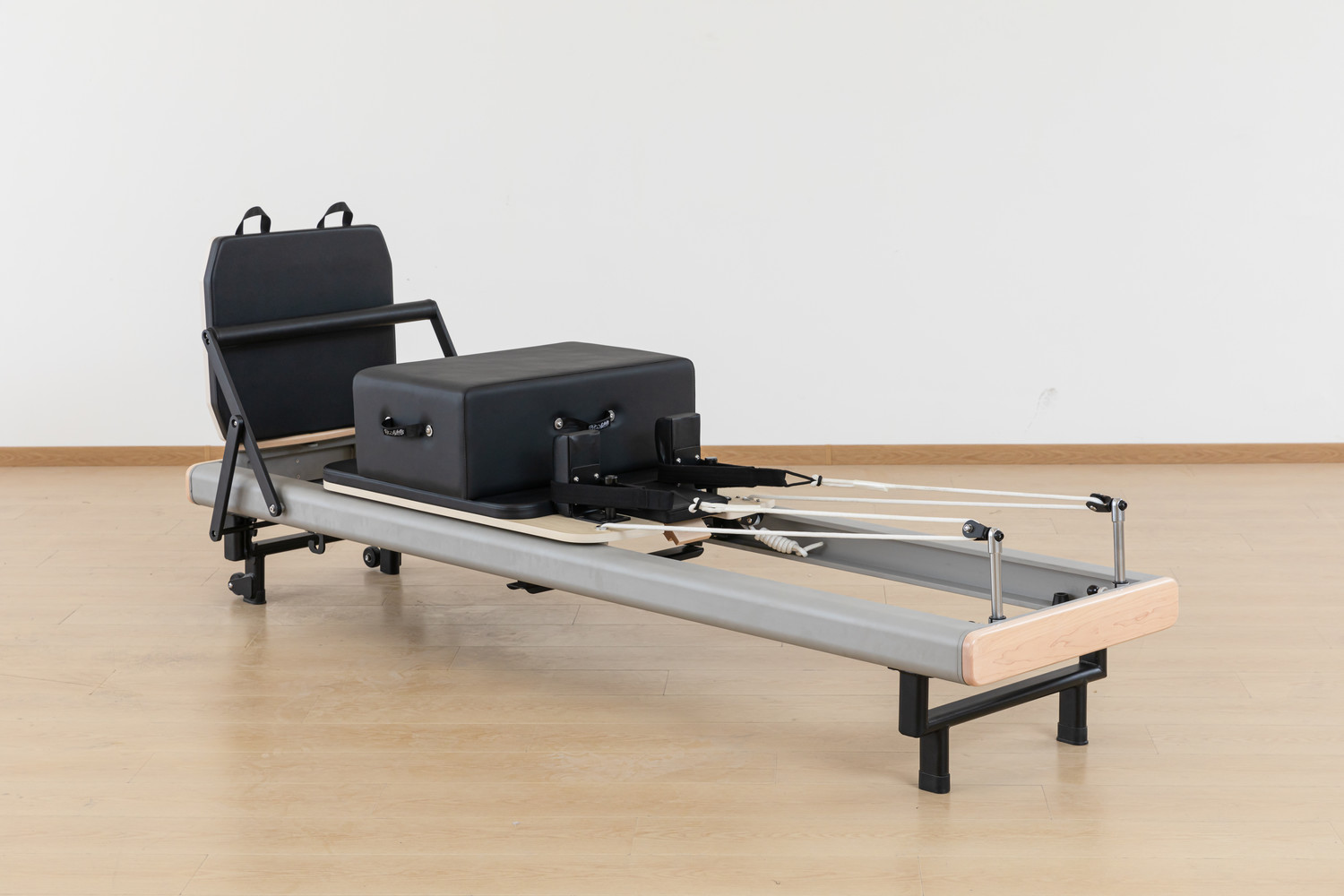
Pros and Cons of Aluminium vs Solid Wood Pilates Towers for High-Traffic Rehabilitation Studios
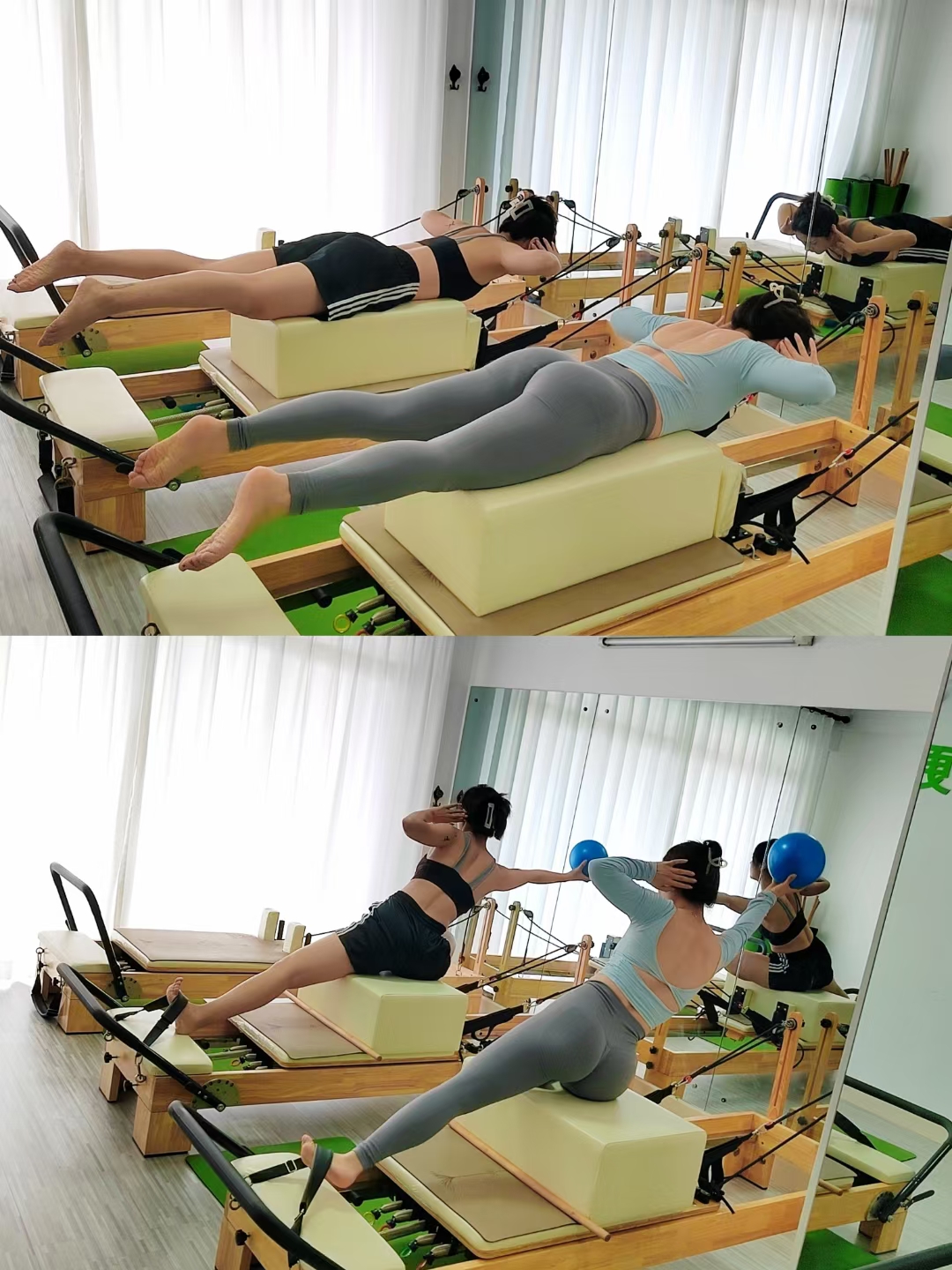
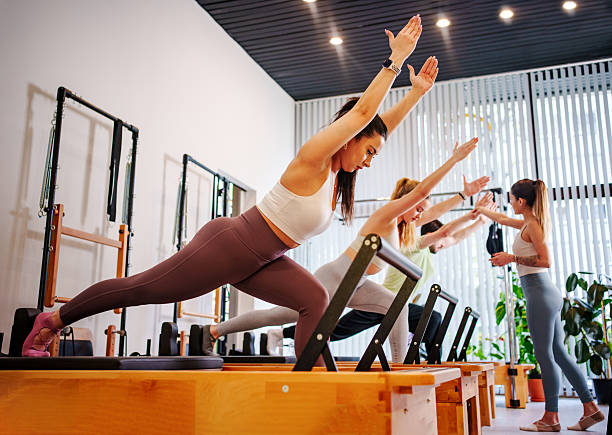
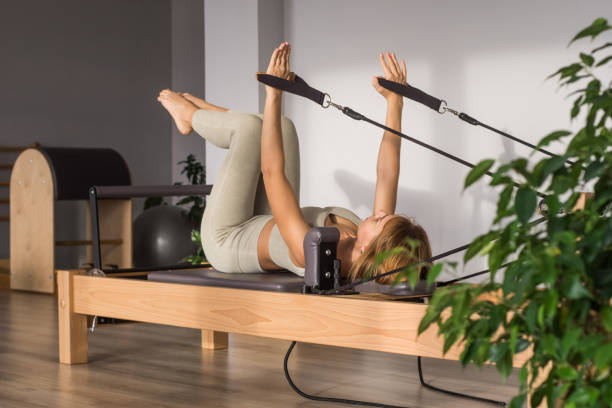
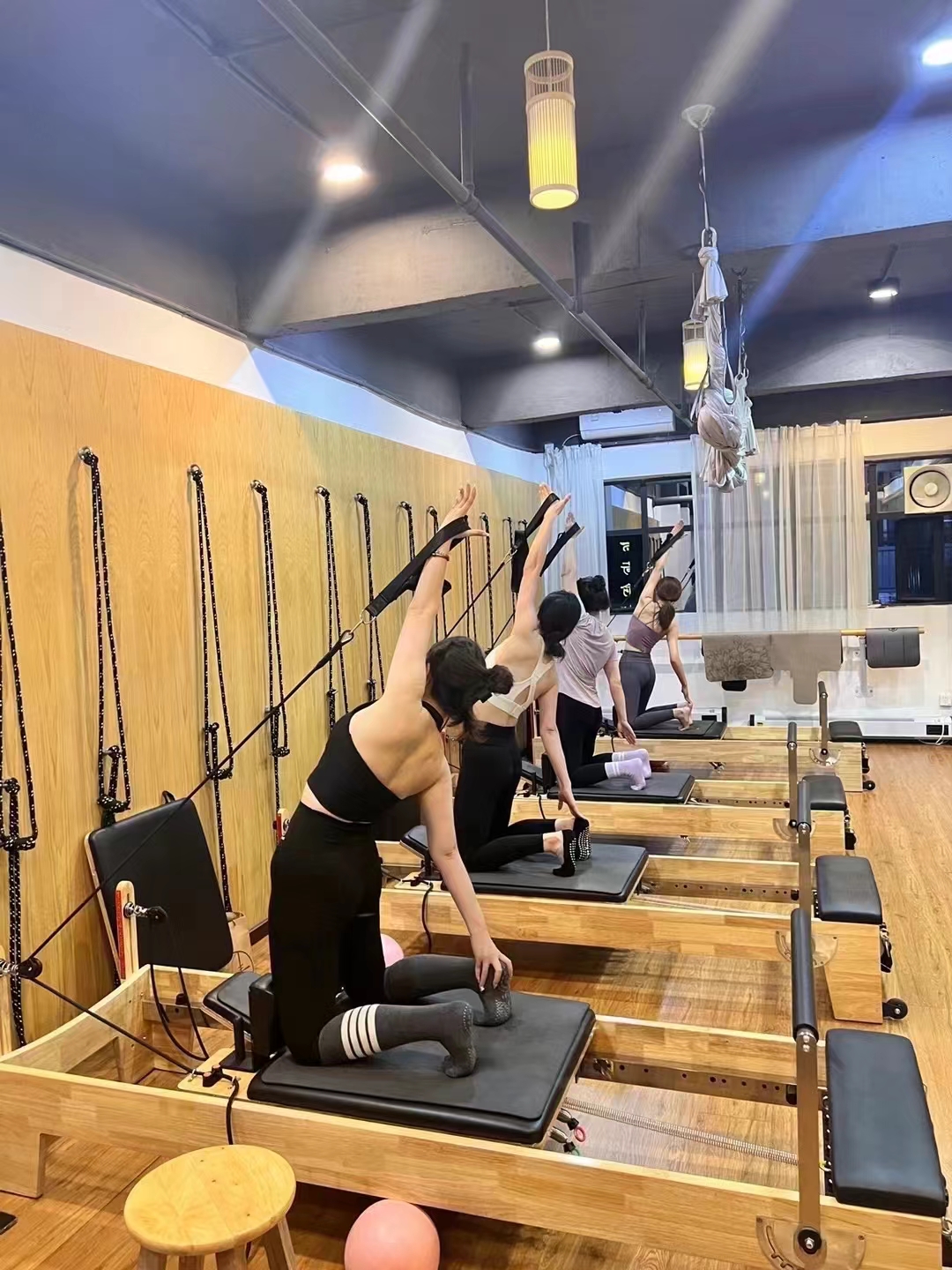
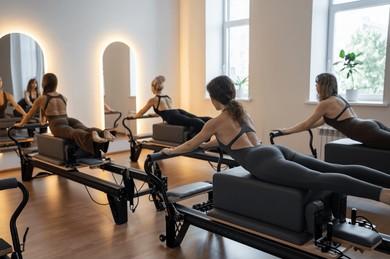
For rehabilitation-focused Pilates studios with high daily foot traffic, equipment choice directly impacts client safety, treatment consistency, long-term maintenance costs, and overall studio profitability. The Pilates tower — also widely known as the Cadillac — sits at the core of many therapeutic sessions, supporting everything from post-injury mobility work to neuromuscular re-education. When sourcing these apparatus, studio owners and wholesale distributors frequently face one foundational decision: solid wood construction or aluminium frames. Each material carries distinct advantages, limitations, and use cases that matter far more in a busy rehab setting than in a low-volume boutique fitness space. This guide breaks down the real-world tradeoffs to help you select the right tower for your client roster, budget, and operational workflow.
Solid Wood Pilates Towers: Timeless Aesthetics, Warmth, and Natural Rigidity
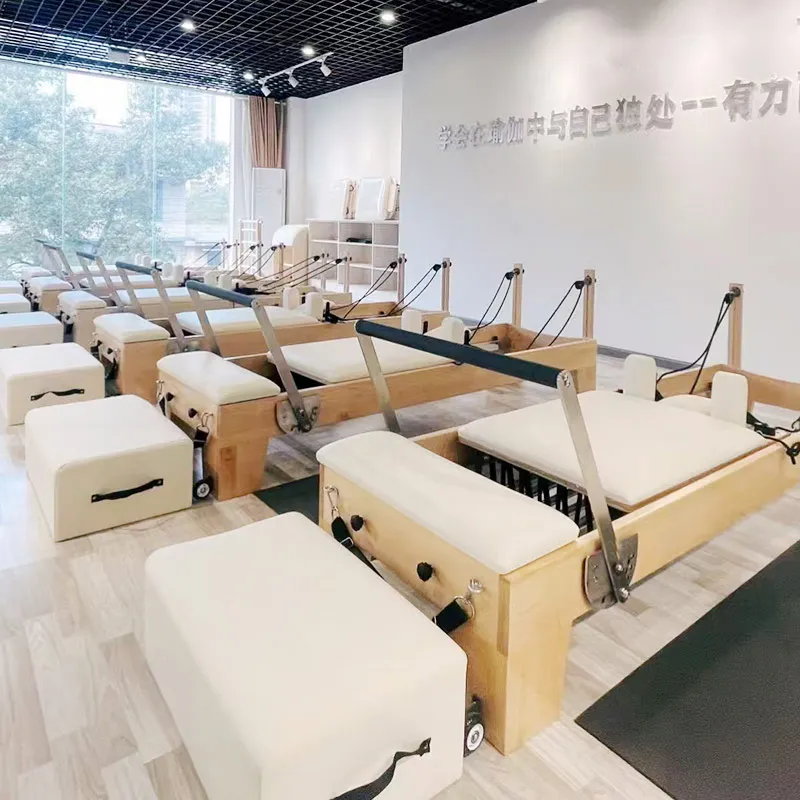
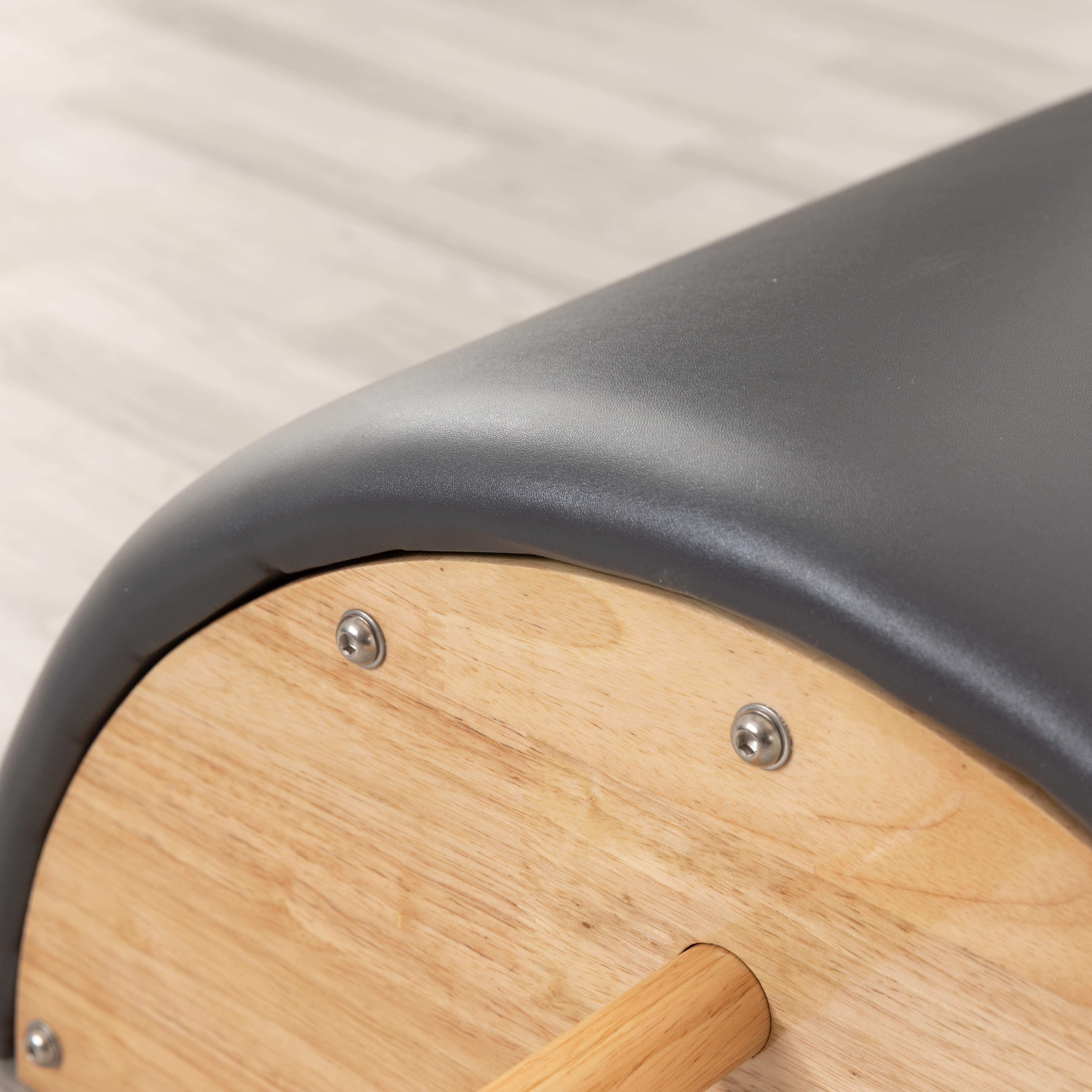
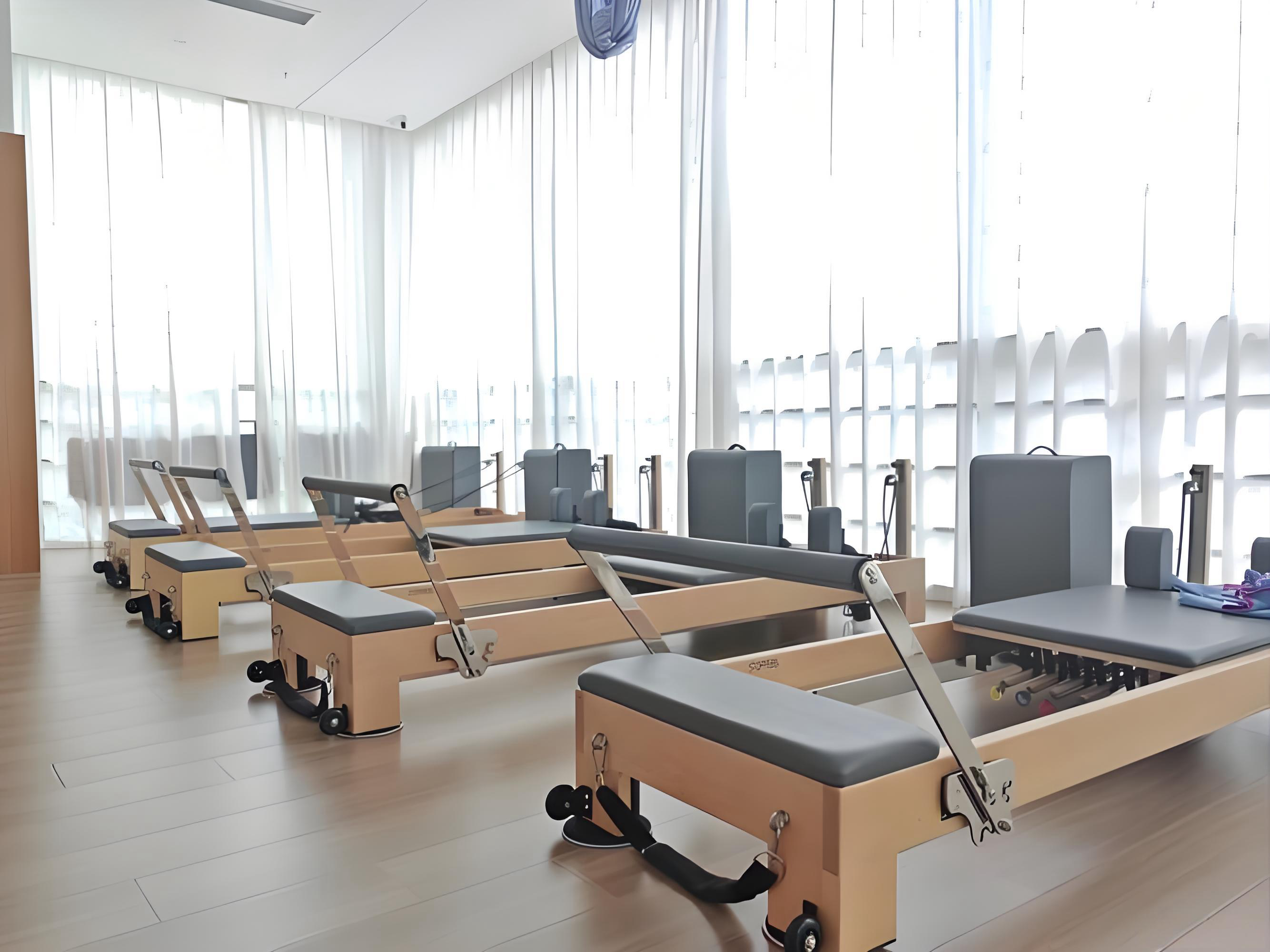
Solid hardwood, most commonly maple, oak, and birch, has been the traditional material for premium Pilates Cadillacs for decades. Many original classical Pilates apparatus designs relied on dense timber, and wood remains a top pick for studios prioritizing a premium, calming clinical atmosphere.
Advantages of Solid Wood Towers for Rehab Studios
First, solid wood delivers exceptional vibration dampening. During slow, controlled rehab movements, clients often hold subtle, sustained loading on straps, springs, and bars. Wood absorbs micro-vibrations far better than metal, creating a quieter, more stable feel for sensitive patients recovering from back, shoulder, or neurological injuries. This lack of resonant hum helps clients stay grounded and reduces sensory overload, a meaningful benefit for rehabilitation environments.
Second, wood offers unmatched aesthetic and tactile warmth. Rehab clients often experience anxiety around injury recovery, and natural timber creates a softer, less clinical environment than stark metal frames. High-end wood finishes elevate the perceived value of your studio, making it easier to justify premium therapy session pricing and attract private-pay rehabilitation clients. For distributors, solid wood towers also appeal strongly to classical Pilates purists and luxury studio operators.
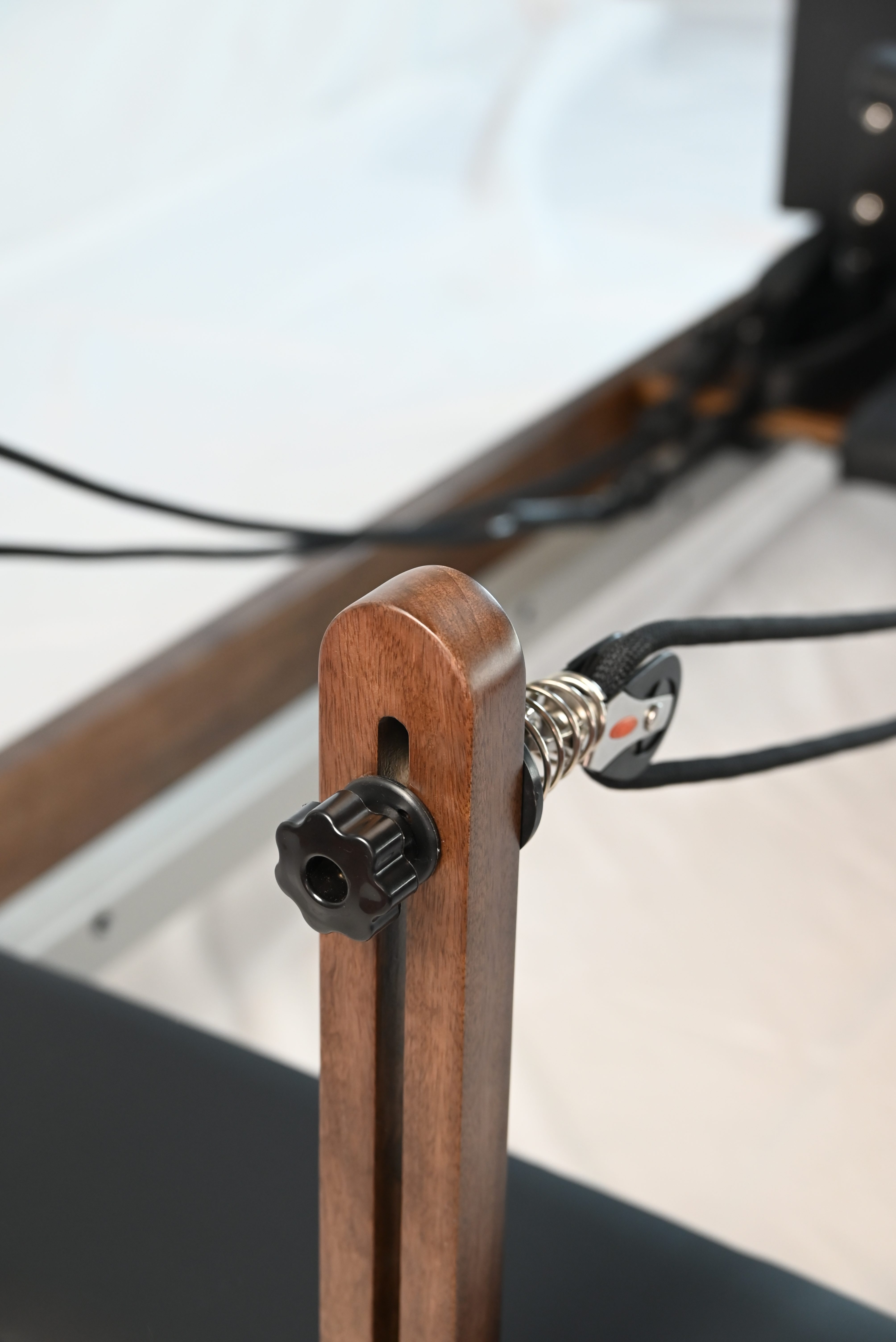
Third, dense solid wood provides consistent, predictable rigidity when properly cured and manufactured. A well-built hardwood tower resists twisting under static spring loads, and many therapists feel wood has a “softer” structural feedback that aligns with classical Pilates movement principles.
Drawbacks of Solid Wood Towers in High-Traffic Settings
The biggest downside of solid wood is its sensitivity to environmental conditions and heavy repeated use. Wood expands and contracts with humidity swings. In studios with poor climate control, frames can warp, crack, or develop loose joints over time — a critical risk when client safety depends on every anchor point staying secure.
Maintenance demands are also significantly higher. Wood requires periodic refinishing, sealing, and careful cleaning. Harsh disinfectants, standard in rehab spaces to reduce cross-contamination, will degrade varnish and leave permanent stains if used regularly. Scuffs, dents, and gouges are inevitable with daily heavy use, and repairing damaged solid wood components is labour-intensive and costly.
Weight and shipping create another practical barrier. Solid wood towers are extremely heavy, pushing up freight and installation expenses. They are difficult to reposition if you rearrange treatment bays, a common need as rehab studios adjust layouts for different client populations. Lead times and minimum order quantities can also be higher for premium solid wood apparatus, as hardwood sourcing and finishing add production complexity.
Finally, solid wood typically carries a higher upfront purchase price. While it can last for years with gentle care, the total cost of ownership climbs quickly in high-traffic rehab facilities.
Aluminium Pilates Towers: Lightweight, Sanitary, and Built for Heavy Clinical Use
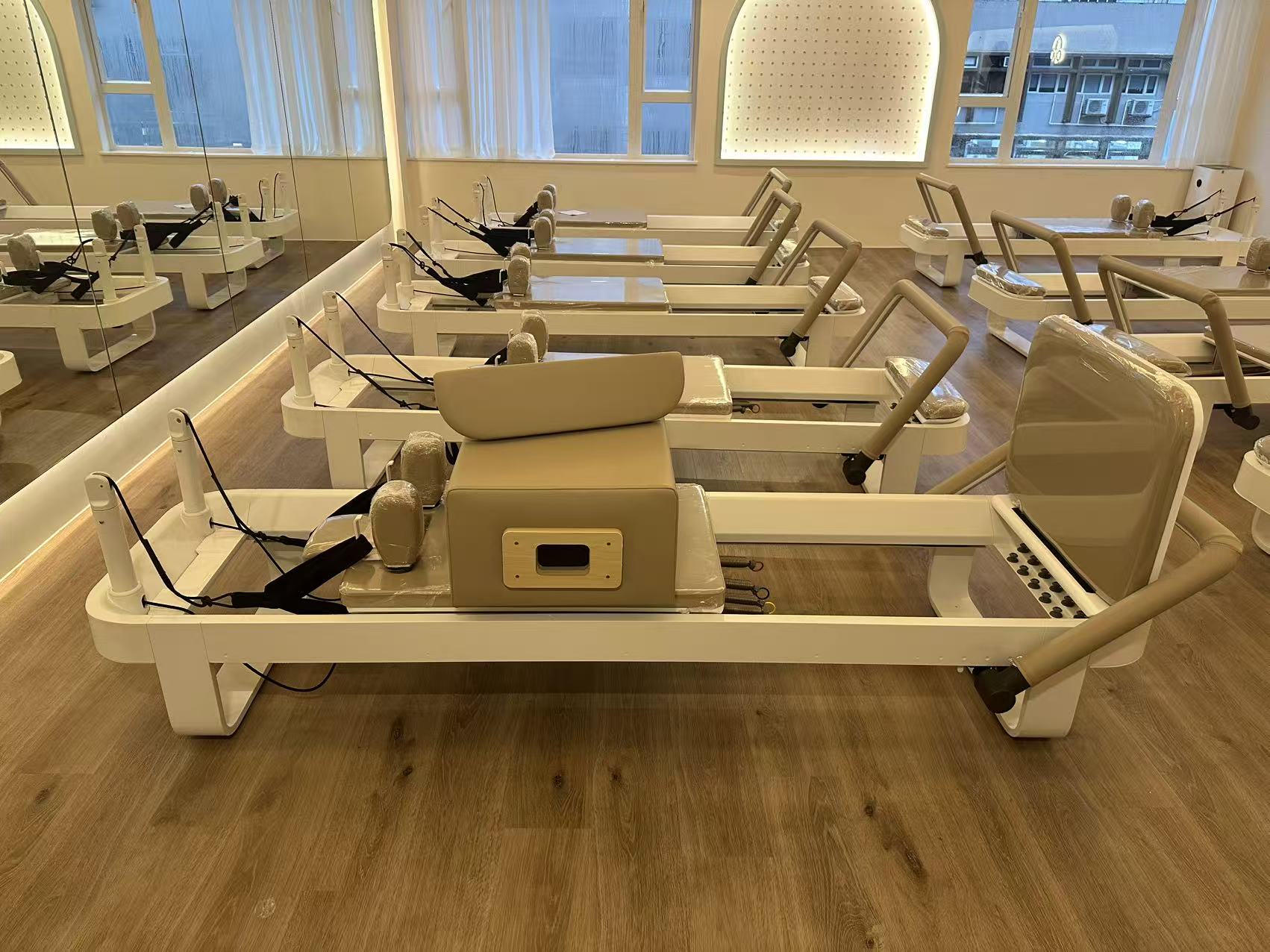
Aluminium-framed Pilates towers have grown rapidly in popularity among modern rehabilitation chains, multi-location studio rollouts, and high-volume clinic spaces. Engineered aluminium alloys balance strength-to-weight performance, making them tailored for busy clinical environments that prioritize hygiene, durability, and low maintenance.
Advantages of Aluminium Towers for High-Volume Rehab
Hygiene is the standout benefit. Aluminium is non-porous, meaning it does not absorb sweat, disinfectants, bodily fluids, or cleaning chemicals. Studio staff can wipe down the entire frame after every client using standard hospital-grade sanitizers without worrying about surface degradation. This is non-negotiable for rehab studios, where infection control is a core operational requirement.
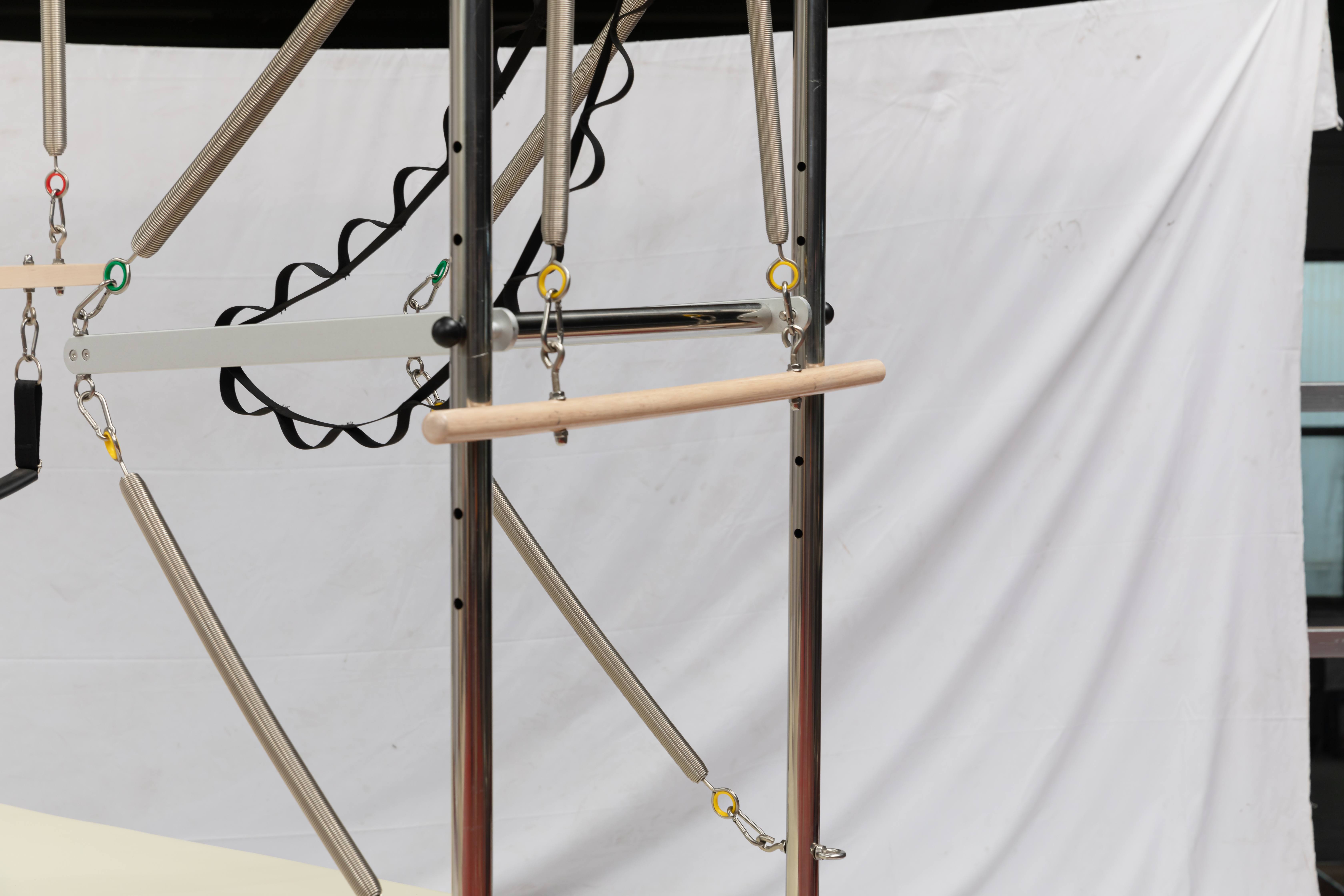
Aluminium is dimensionally stable. It will not warp, swell, or crack with fluctuations in humidity and temperature. For studios in coastal regions, humid climates, or spaces without dedicated HVAC, aluminium eliminates the risk of frame deformation that can compromise spring anchor safety. When manufactured to proper wall thickness and load ratings, quality aluminium towers maintain structural integrity through thousands of sessions per year.
Weight is another major operational win. Aluminium towers are substantially lighter than solid wood equivalents. Therapists and staff can move the apparatus to reconfigure treatment zones, accommodate wheelchair access, or shift equipment between private rehab rooms and group classes. Lighter frames also cut down on sea freight costs, container loading complexity, and on-site installation labour — a key consideration for distributors importing bulk orders.
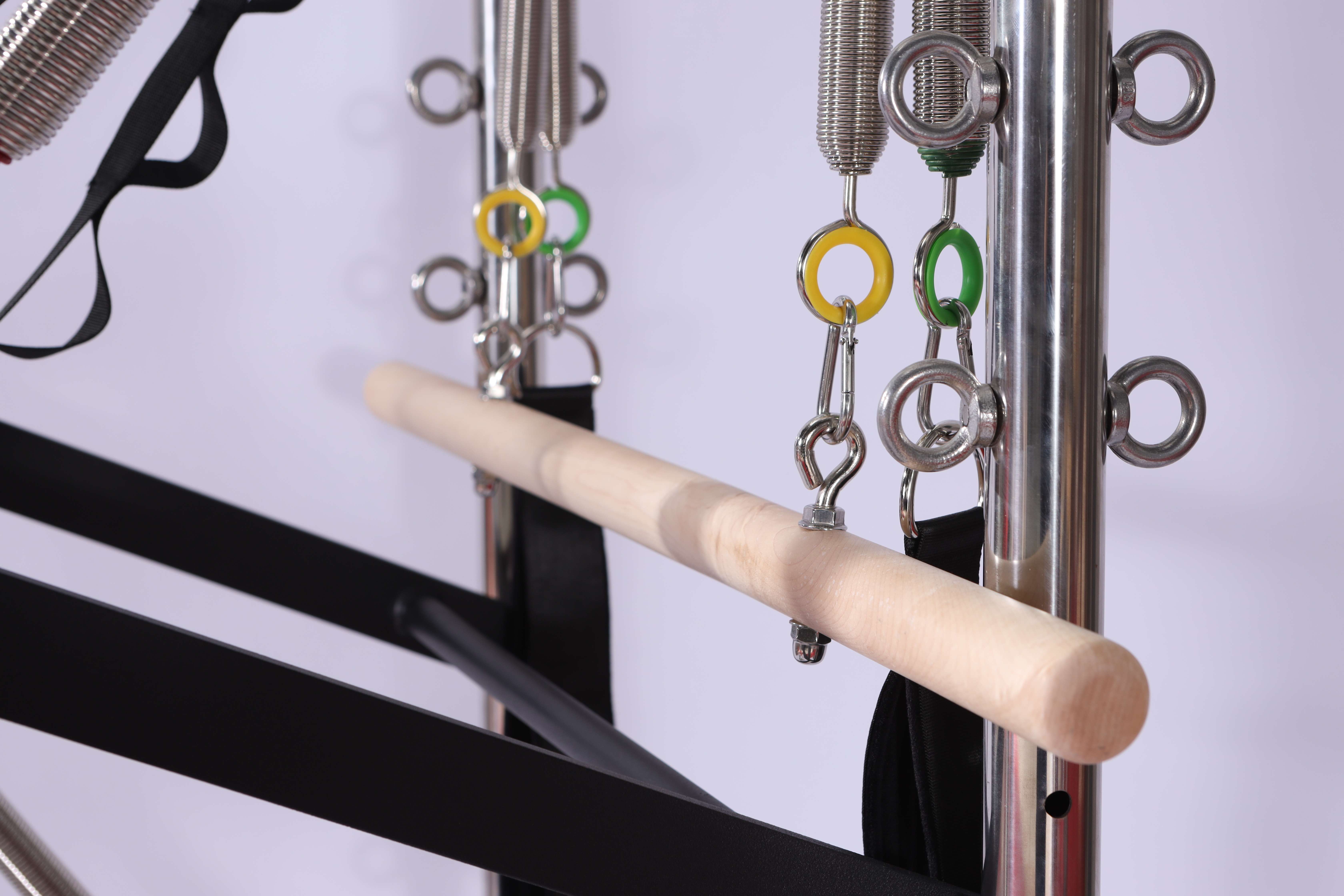
Consistent industrial production also helps keep pricing predictable. Aluminium frames lend themselves to standardized manufacturing, with tighter quality control for spring mounts, pulley brackets, and connection points. Many aluminium tower lines also support modular upgrades, so studios can add bars, straps, or rehab attachments without replacing the whole frame.
Drawbacks of Aluminium Pilates Towers
The primary complaint from therapists and classical practitioners is vibration and resonance. Metal transmits vibration and sound more readily. Rapid spring loading or forceful movements can create humming, rattling, or clinking if fittings are not precision engineered. For clients with chronic pain, vestibular disorders, or sensory sensitivity, this extra noise and sharp structural feedback can feel less grounding than wood.
While modern powder coating finishes have improved dramatically, aluminium frames can show scratches more visibly. Deep scuffs can expose bare metal, which may develop surface oxidation if the protective coating is compromised. Though this rarely impacts safety, it can make the studio look worn faster if equipment is not carefully handled.
Aesthetically, aluminium has a cooler, more industrial look. It lacks the organic warmth of hardwood, which can be a disadvantage for studios marketing luxury, classical Pilates, or a spa-like healing environment. Some clients and instructors perceive metal apparatus as less premium, which may influence branding and session positioning.
Side-by-Side Decision Framework for Rehabilitation Studios
For a high-traffic rehab studio, your material choice should align with your core priorities rather than generic preference.
Choose solid wood if:
- Your studio focuses heavily on classical Pilates methodology and premium private therapy
- You have stable climate control and dedicated staff for regular wood maintenance
- Brand atmosphere and client perception of luxury are top priorities
- Session volume is moderate, and equipment will not be moved frequently
Choose aluminium if:
- Sanitation, infection control, and heavy daily usage are your primary concerns
- Your location has fluctuating humidity or temperature
- You need flexible studio layouts and regularly reposition apparatus
- You manage multiple locations or import bulk equipment to keep maintenance overhead low
- Your client base includes sensitive groups where consistent, predictable structural safety outweighs classical aesthetics
Final Takeaway
Neither material is universally “better” for rehabilitation Pilates. Solid wood delivers unbeatable warmth, vibration dampening, and timeless appeal for premium, low-to-moderate volume studios willing to invest in ongoing upkeep. Aluminium provides superior stability, hygiene, mobility, and lower long-term maintenance for busy, high-turnover rehab clinics and multi-location studio rollouts.
For distributors serving rehabilitation buyers, offering both options creates a competitive edge. Many studio operators will select a hybrid setup: solid wood towers for private premium treatment rooms and durable aluminium towers in high-traffic rehab bays, blending clinical practicality with the calming atmosphere their clients need for successful recovery.