How Pilates Importers Can Negotiate Extended Payment Terms With Chinese Fitness Machinery Factories
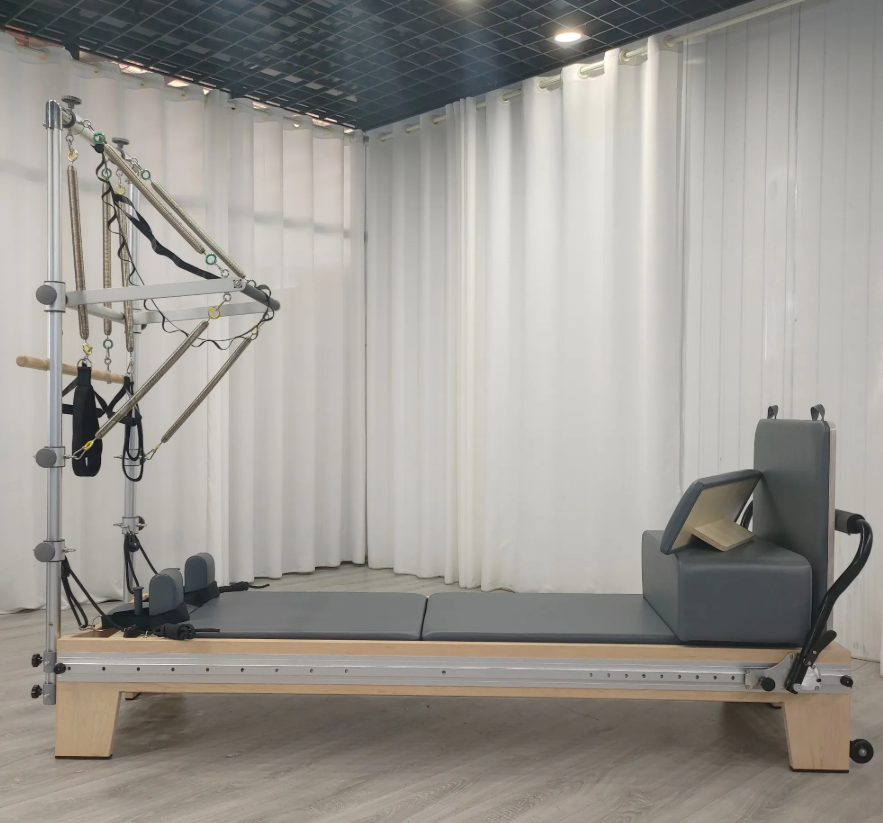
Cash flow is the biggest pain point for Pilates equipment importers and regional distributors. Unlike small consumer goods, commercial Pilates apparatus carries high per-order value, long sea freight lead times, complex pre-shipment inspection schedules, and slow turnover for large reformers, cadillacs, barrels and towers. For many overseas buyers, standard terms such as 30% deposit and 70% balance before shipment tie up working capital for months, making it harder to fund new studio rollouts, maintain local spare-parts inventory, and take on larger bulk orders. Extended payment terms can ease this pressure — but Chinese fitness machinery manufacturers rarely accept deferred payment automatically. Successful negotiation relies on structured credibility, clear risk sharing, and a proposal that protects both sides. This guide breaks down what importers need to prepare, which levers to use, common term structures, pitfalls to avoid, and how to frame conversations with Pilates equipment factories in China.
Why Chinese Pilates Factories Hesitate on Extended Credit
Most mid-sized and large Pilates equipment manufacturers operate on tight gross margins. Wood sourcing, PU upholstery, high-tensile springs, aluminium frame extrusion, CE compliance testing, custom packaging and ISPM 15 heat-treated wooden crates all lock in material costs long before goods leave the workshop. Unlike commodity suppliers, Pilates apparatus factories also face high rejection risks if shipments fail third-party inspection or customers dispute upholstery colour, frame finish or assembly tolerances.
For the factory, extended payment means carrying inventory and labour costs while waiting weeks or months to receive full payment. Many have been burned before: overseas importers delay payments after receiving goods, dispute quality after delivery, or vanish once containers clear destination customs. Smaller workshops simply lack the cash buffer to offer open accounts. This is why credit is not handed out based on verbal promises. Factories will only relax payment rules when they trust the buyer’s track record, order stability, and ability to pay.
Build Your Negotiation Foundation Before Asking for Longer Terms
Negotiation for deferred payment starts long before you send the request. Factories judge creditworthiness on tangible evidence, not sales forecasts. Prepare this portfolio to strengthen your position.
First, document your trading history with the supplier. If you have placed repeat bulk Pilates orders, paid consistently on time, and maintained positive communication over multiple shipments, this is your strongest asset. A buyer with three or more completed orders, zero late payments, and minimal quality disputes is far more likely to secure favourable terms than a first-time importer. If you are a new distributor, do not jump straight to open credit; build trust with one or two smaller orders first.
Second, share proof of your local market credibility. Pilates factories care whether you have stable downstream demand. Provide links to your website, your studio client portfolio, existing distribution contracts, social media profiles, or invoices showing recurring sales to local rehabilitation clinics and commercial Pilates studios. If you operate a physical warehouse or have long-term studio rollout contracts, highlight these: they prove you are not a one-off buyer hunting for flexible payment only for a single risky order.
Third, prepare your company financials selectively. You do not need to release full audited accounts, but recent bank statements showing consistent operating cash flow, trade references from other Chinese suppliers, or a credit report can reduce the factory’s perceived risk. For larger distributors, a formal credit application form is common.
Fourth, show order predictability. Factories are much more willing to offer extended terms if you commit to annual purchasing volumes rather than isolated large orders. A guaranteed volume floor gives the manufacturer reliable revenue to offset the capital lock-up of deferred payment.
Practical Payment Structures to Propose
Not all extended terms look the same, and you should start with a compromise instead of demanding net-60 or net-90 out of the gate. These tiered structures work best for Pilates equipment bulk orders.
1. Deposit reduction + balance before shipment (entry-level flexibility)
This is the easiest concession to win. Instead of the standard 30% deposit and 70% pre-shipment balance, negotiate a 10–15% deposit, with the remaining balance payable before loading. It does not change the final payment trigger, but it lowers the upfront capital you need to lock production. This is ideal for newer buyers or for mixed container orders combining reformers, chairs, barrels and accessories.
2. Balance payable against copy of shipping documents
This is the most widely accepted middle ground. You pay a deposit, and the outstanding balance is due once the factory sends a full set of scanned documents: bill of lading, commercial invoice, packing list, CE certificates, and inspection reports. The factory still holds control of the original B/L until payment clears, so their risk stays limited. For importers, this buys extra time because you do not need to settle the balance before production finishes. This structure is a great stepping stone toward longer open credit.
3. Net terms after shipment (Net 30 / Net 45 / Net 60)
Net terms mean the full invoice balance becomes due on a fixed timeline after the shipment date, after goods are on the sea. Net 30 is the most common starting point for trusted long-term buyers. Net 45 or Net 60 is harder to secure and usually reserved for distributors with proven annual volume and excellent payment history. Be clear on the trigger date: whether the clock starts from the date of shipment, the B/L on-board date, or the invoice date. Ambiguity here creates conflict later.
4. Staggered milestone payments
For very large studio rollout orders, split payments across milestones: small initial deposit, partial payment after sample approval, another instalment after factory inspection, and the final portion due once the container departs or arrives at your destination port. This aligns cash outflow with production progress and reduces risk on both sides.
5. Letter of credit (L/C)
If the factory is uncomfortable with open account terms, a confirmed, irrevocable letter of credit is a neutral alternative. The factory receives payment assurance from your bank once they submit compliant shipping documents, while you retain control over quality and documentation requirements. L/Cs carry bank fees and paperwork overhead, but they are useful for high-value annual framework orders.
Framing Your Negotiation Pitch
When you raise the topic, frame the conversation around mutual growth rather than asking for a favour. Emphasise that flexible payment will let you place larger, more frequent orders, expand their footprint in your local Pilates market, and reduce costly last-minute order splitting.
A strong core message follows this logic: you are a stable distributor with repeat studio clients; you aim to increase annual purchasing volume; extended payment terms will remove cash-flow bottlenecks; you are willing to accept safeguards to limit their risk.
You should also offer trade-offs. Buyers who only ask for credit while refusing concessions rarely succeed. Offer one or more of these bargaining chips: commit to fixed annual order volume, accept a slightly higher unit price for extended terms, consolidate multiple small orders into full container loads, waive minor cosmetic quality claims for non-structural issues, or sign a formal sales framework agreement. Many Pilates factories will accept net terms if the margin premium or guaranteed volume makes the capital risk worthwhile.
Safeguards Factories Will Ask For
Expect the manufacturer to put protective clauses into the agreement. Common requirements include a signed sales contract with late-payment penalty clauses, personal or corporate guarantee for smaller import businesses, credit insurance purchased by either party, or a cap on the total open credit limit at any one time.
A credit cap is especially typical. Even if they approve net 60, the factory will set a maximum outstanding balance. Once you hit that limit, new orders require deposit until old invoices are settled. This prevents you from stacking dozens of large reformer orders on open credit.
The factory may also restrict extended terms for customised goods. Private-label Pilates apparatus with custom upholstery colours, engraved logos, bespoke frame sizes or special spring configurations carry higher residual risk. If you default, the factory cannot easily resell custom equipment to another buyer. Be ready for them to offer looser terms only on standard, fast-moving stock models.
Common Mistakes That Kill Negotiations
Many importers sabotage their chances before the discussion even begins. Avoid these missteps.
Do not ask for extended terms on your very first order. Factories have no basis to trust you, and the request signals you may have unreliable cash flow. Build a payment track record first.
Do not overstate your sales capacity. If you promise 50 reformers per quarter and repeatedly miss volume targets, you will lose credit privileges permanently.
Do not treat extended payment as permanent. Even after you secure net terms, keep paying reliably. Late payments, even by a few days, will usually result in the factory reverting back to deposit and pre-shipment balance for all future orders.
Do not ignore currency risk. Most Pilates factories settle in RMB. If you pay in USD, exchange rate fluctuations can create unexpected gaps. Clarify the currency, exchange rate lock, and who bears currency risk in your contract.
Do not conflate payment flexibility with quality leverage. Extended credit does not give you the right to withhold payment arbitrarily over subjective disputes such as upholstery texture or minor scratches. All quality standards, inspection rules and rejection criteria should be written clearly before production starts.
Final Tips for Long-Term Credit Partnerships
Once you secure extended payment terms, treat it as a privilege rather than an entitlement. Keep communication transparent: notify the factory early if you anticipate any delay to an invoice, rather than going radio silent. Share market feedback from your Pilates studios, help them refine best-selling configurations, and consolidate shipments where possible.
Over time, reliable behaviour lets you renegotiate better conditions: longer net windows, higher credit limits, or lower price premiums for deferred payment. For Pilates importers, the best outcome is a symbiotic arrangement: the factory gains predictable bulk revenue and a committed local distributor, while you unlock the working capital needed to serve more studios, maintain spare-parts stock, and scale your distribution business without being limited by rigid upfront payment rules.
Extended payment terms are not guaranteed, but they are achievable for professional, consistent Pilates buyers. The winning strategy is simple: prove you are a low-risk customer, propose balanced risk-sharing structures, and tie credit flexibility directly to increased, sustainable order volume for your Chinese manufacturing partner.