Why Durability Matters: The Hidden Costs of Cheap Pilates Equipment
When studio owners and home users shop for Pilates equipment, the upfront price tag often dominates the decision. A cheaper reformer or cadillac can look like a smart way to save money, especially for a new studio or a budget-conscious home setup. But experienced trainers and studio managers know that the lowest purchase price rarely reflects the lowest true cost. Cheap Pilates equipment carries a series of hidden costs that emerge over time—costs that affect finances, safety, client experience, and professional reputation. Understanding these hidden costs is essential for anyone serious about Pilates.
The Illusion of the Low Price Tag
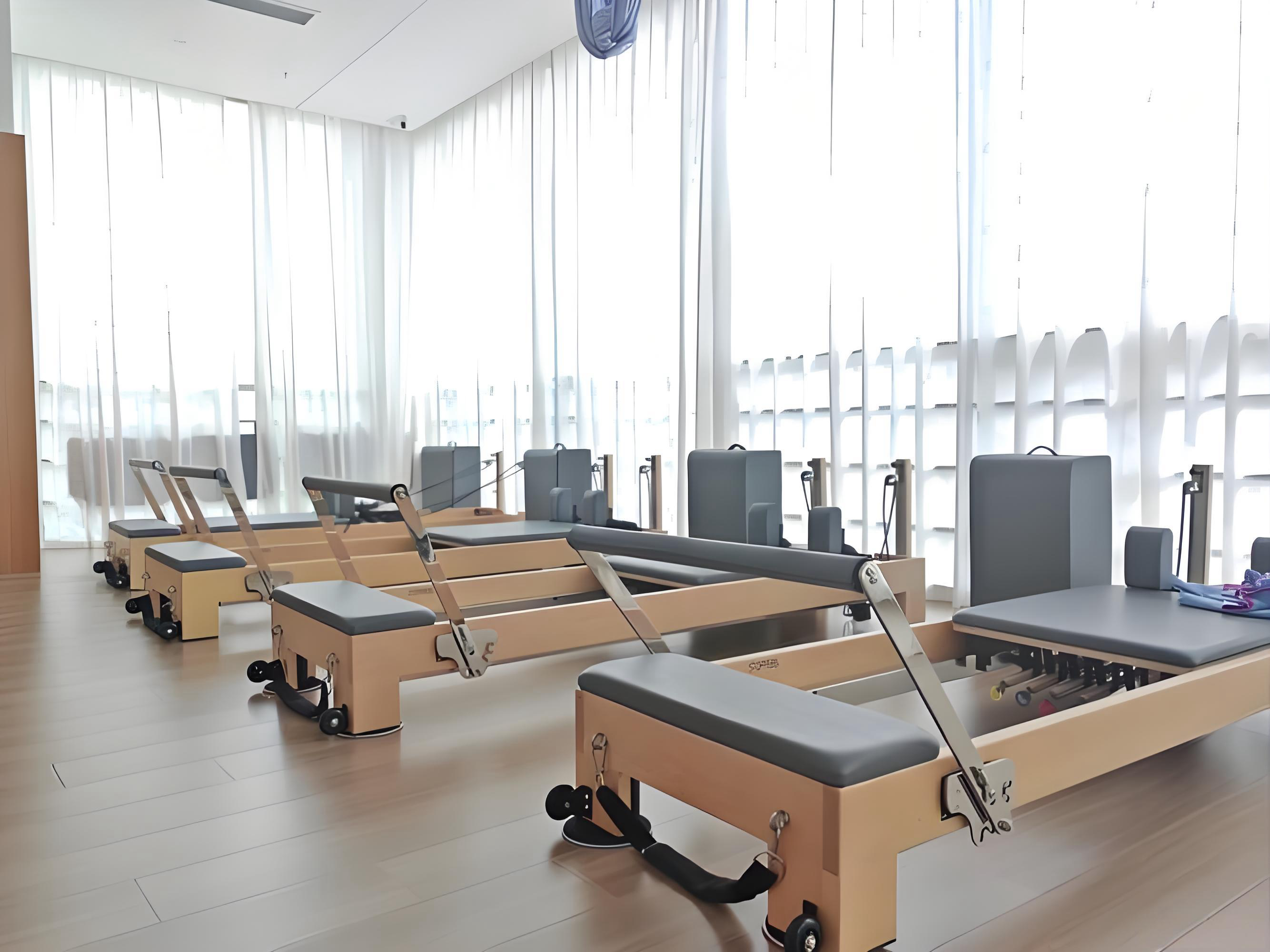
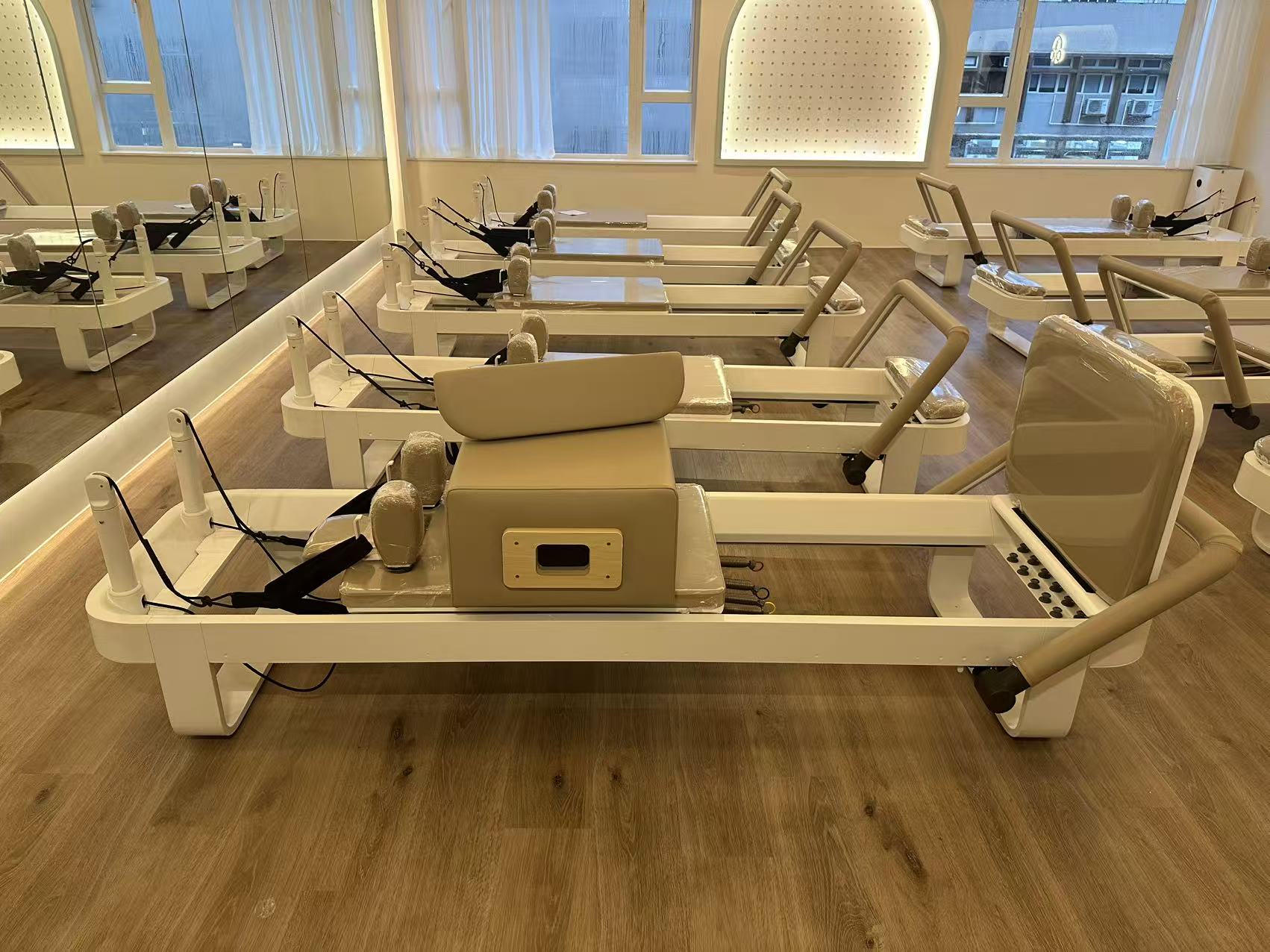
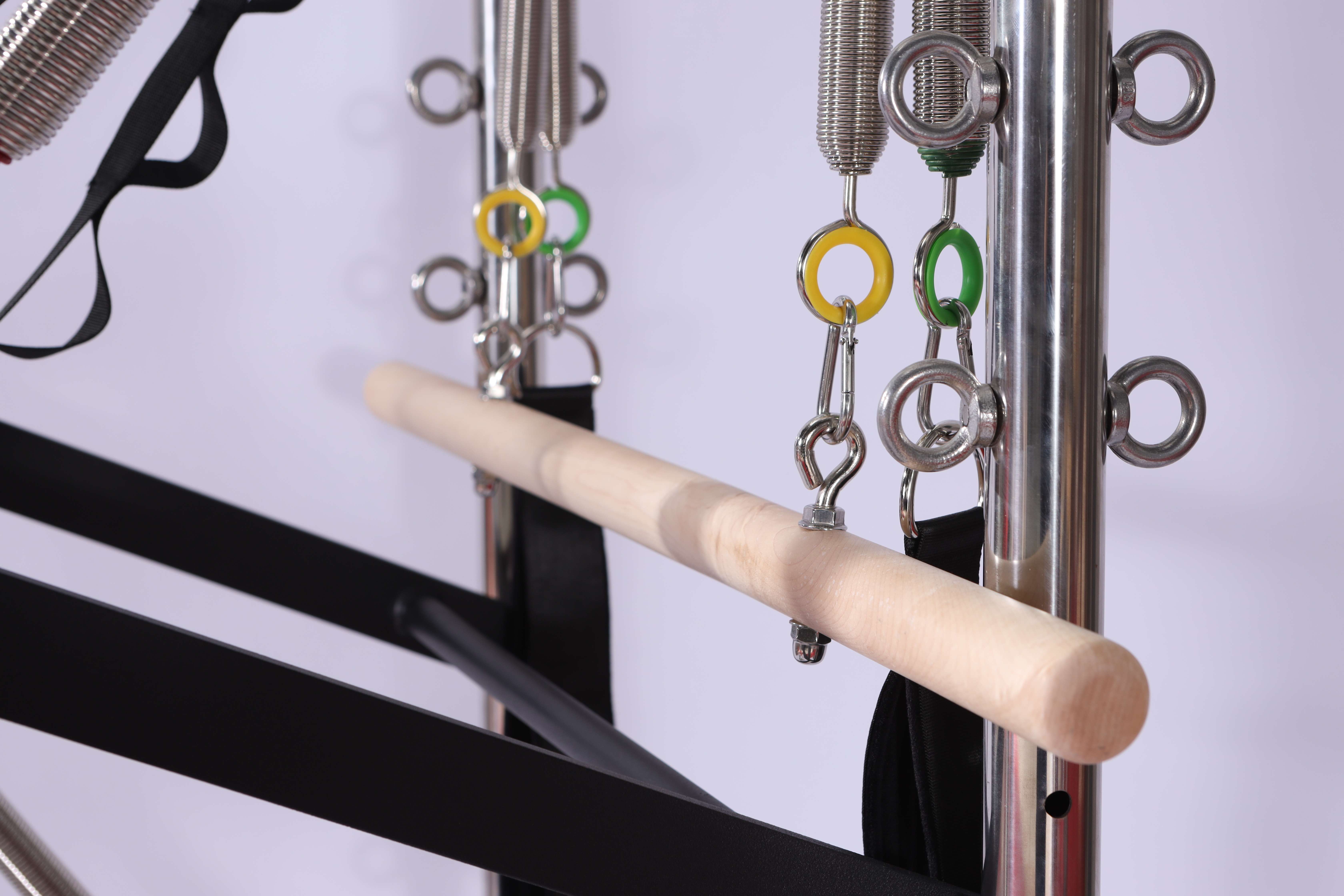
Cheap Pilates equipment is inexpensive for a reason. Manufacturers cut costs by using lower-grade materials, thinner frames, less precise bearings, and springs that lose tension quickly. Upholstery may be thin and prone to cracking. Welds may be weak. Components that should be machined to tight tolerances are instead produced quickly and loosely. On the surface, the equipment may look similar to premium apparatus. But the differences emerge under daily use. A reformer that feels acceptable in the showroom may develop wobble, noise, and uneven resistance within months. The low price tag is an illusion—it simply defers the true cost to a later date.
Hidden Cost One: Frequent Repairs and Replacement
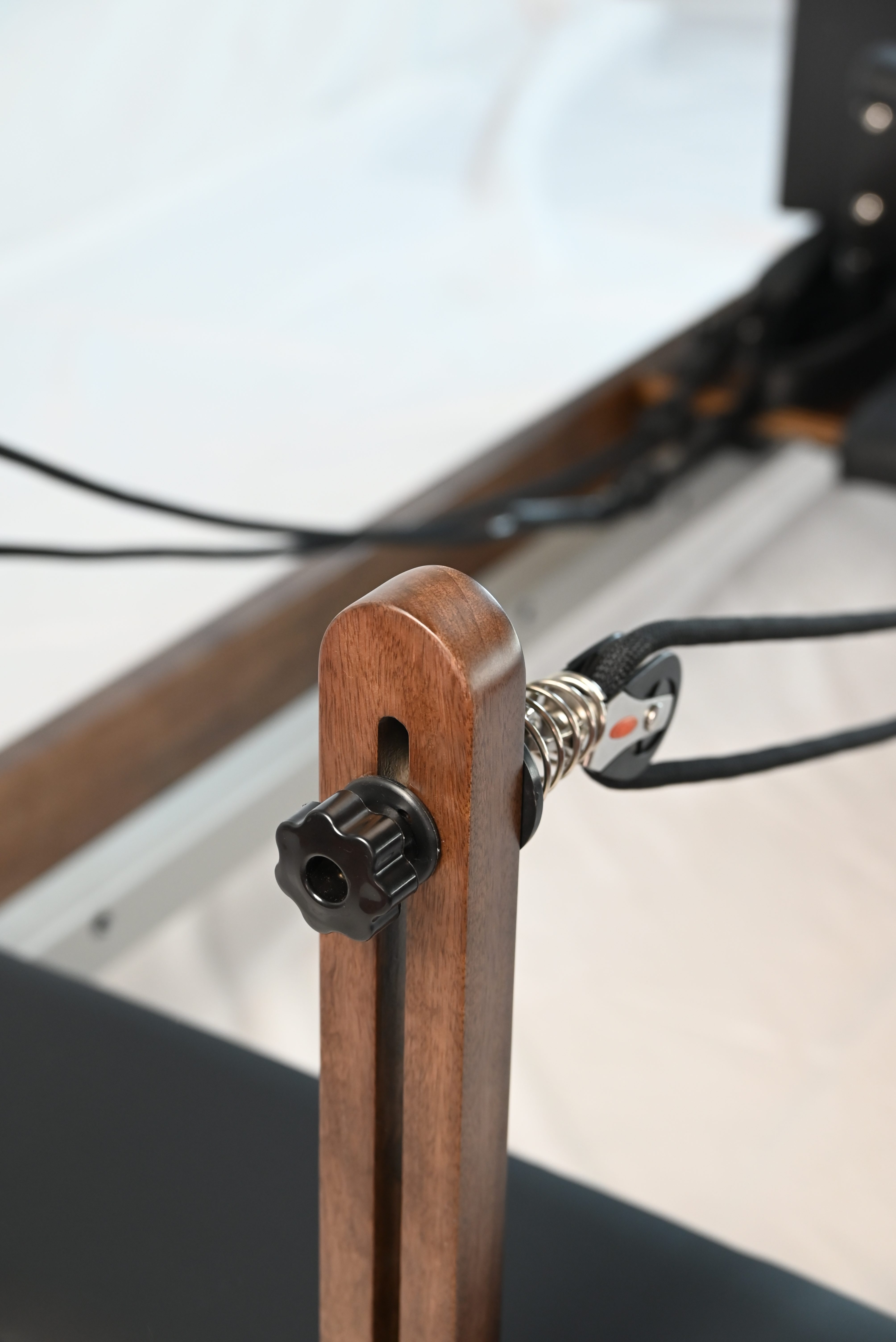
The most obvious hidden cost is repair and replacement. Cheap equipment breaks down more often. Springs lose tension and must be replaced frequently. Carriage wheels wear out and cause the carriage to stick or wobble. Straps fray quickly. Frames may develop cracks or loosen at joints. Each repair costs money and, just as importantly, time. A studio that relies on cheap equipment may find itself constantly ordering parts, scheduling repairs, and dealing with downtime. Over a few years, the accumulated cost of repairs and replacements can exceed the price difference between cheap and premium apparatus. In some cases, the cheap equipment must be replaced entirely long before premium equipment would have needed its first major service.
Hidden Cost Two: Downtime and Lost Revenue
For a professional studio, downtime is lost revenue. Every hour a reformer is out of service is an hour that cannot be booked with clients. If cheap equipment fails frequently, the studio loses billable sessions, frustrates clients, and damages its reputation for reliability. Home users face a different but related cost: interrupted training. A home practitioner whose equipment keeps breaking may lose motivation and abandon their routine. The hidden cost of downtime is often far greater than the repair bill itself, because it affects momentum, consistency, and income.
Hidden Cost Three: Safety Risks and Liability
Cheap equipment poses safety risks that premium apparatus is designed to eliminate. Weak welds can fail under load. Poor-quality springs can snap. Unstable frames can tip or shift during exercises. Slippery or worn upholstery can cause users to lose position. These risks are especially serious in a studio setting, where the owner bears responsibility for client safety. An injury caused by equipment failure can lead to medical costs, liability claims, and lasting damage to the studio's reputation. Premium Pilates apparatus is engineered with safety margins, tested under load, and built to fail safely rather than suddenly. The hidden cost of cheap equipment includes the potential for accidents that no amount of savings can justify.
Hidden Cost Four: Poor Movement Quality and Client Experience
Cheap equipment does not move well. Carriages that stick or wobble disrupt the smooth, controlled motion that Pilates depends on. Springs with inconsistent resistance make it difficult for clients to feel proper feedback. Wobbly frames undermine stability and confidence. For clients, this translates into a poorer training experience. They may struggle to perform exercises correctly, feel unsafe, or fail to progress. In a studio, dissatisfied clients cancel memberships and leave negative reviews. For home users, poor movement quality reduces the effectiveness of training and increases the risk of compensation patterns. The hidden cost here is diminished results and lost trust—both of which are difficult to rebuild.
Hidden Cost Five: Reduced Resale Value and Limited Serviceability
Premium Pilates equipment holds its resale value because it is durable, serviceable, and backed by manufacturers who supply replacement parts. Cheap equipment often lacks these advantages. Parts may be proprietary, unavailable, or discontinued. When something breaks, the entire unit may need to be discarded. Resale value is low or nonexistent. This means the total cost of ownership is much higher than the purchase price suggests. Premium apparatus, by contrast, can be maintained, repaired, and eventually resold, recovering a significant portion of the initial investment.
Hidden Cost Six: Damage to Professional Reputation
For studio owners, equipment is part of the brand. Clients notice squeaky springs, wobbling carriages, and worn upholstery. They associate these details with the quality of the studio itself. A studio that uses cheap, poorly maintained equipment may be perceived as unprofessional, even if its trainers are excellent. Word of mouth spreads quickly in the fitness community, and a reputation for unreliable equipment can be difficult to overcome. The hidden cost of cheap equipment includes the loss of credibility and the marketing advantage that comes from operating a premium, well-equipped studio.
The Long-Term Math
When studio owners and home users calculate the true cost of equipment, they should look beyond the purchase price. The total cost of ownership includes repairs, replacements, downtime, safety risks, client dissatisfaction, reduced resale value, and reputational damage. When these factors are added together, premium Pilates apparatus often proves to be the more economical choice over its service life. The higher upfront investment is offset by years of reliable performance, lower maintenance costs, and stronger client retention.
Conclusion
Durability is not a luxury—it is a practical necessity. Cheap Pilates equipment carries hidden costs that accumulate quietly and then surface at the worst possible moment. From frequent repairs and lost revenue to safety risks and reputational damage, the true price of cheap equipment is far higher than the sticker suggests. For studio owners and serious home practitioners alike, investing in premium, durable Pilates apparatus is not an expense to be minimized but a decision that protects finances, clients, and professional standing for years to come.