The Long-Term Value of Investing in Commercial-Grade Pilates Machines
When fitness professionals and studio owners consider purchasing Pilates equipment, the upfront price often dominates the conversation. Budget-friendly machines can seem attractive, especially for new studios or home users watching costs. Yet a growing number of trainers, studio operators, and serious enthusiasts are discovering that commercial-grade Pilates machines deliver far greater value over time. The long-term advantages—in durability, safety, performance consistency, client satisfaction, and resale potential—make commercial-grade equipment a sound investment rather than a mere expense.
Durability That Withstands Daily Professional Use
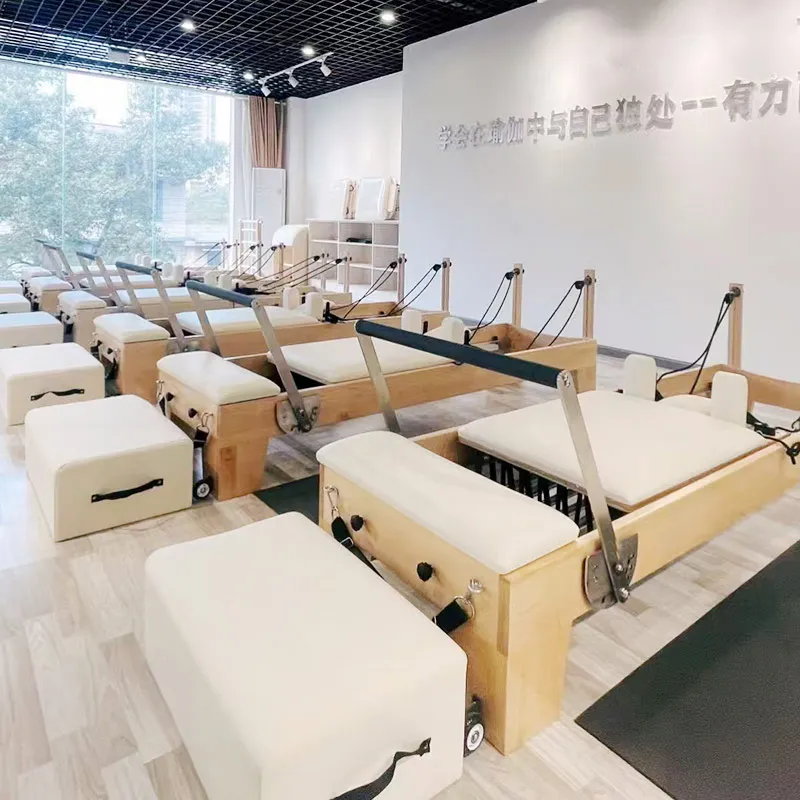
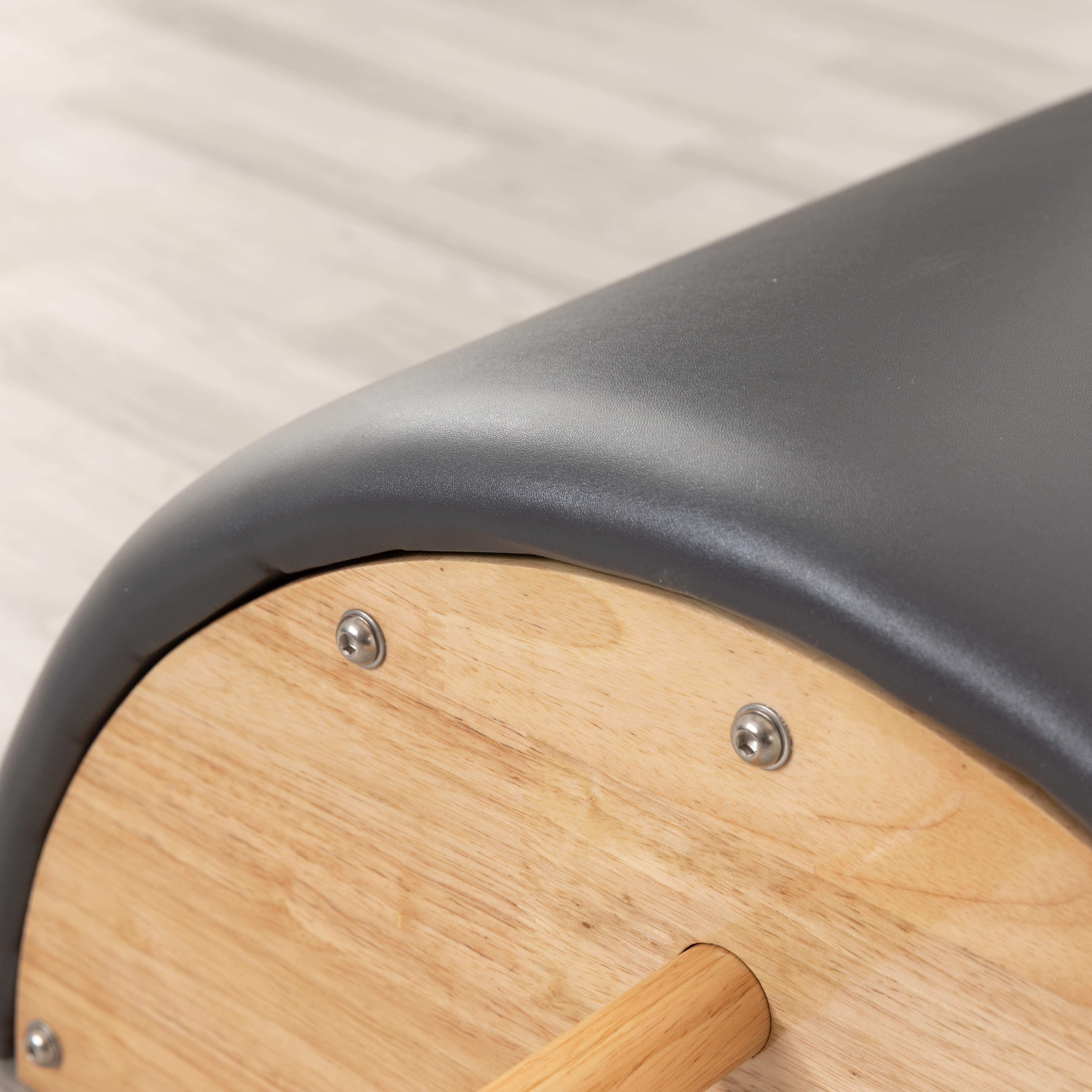
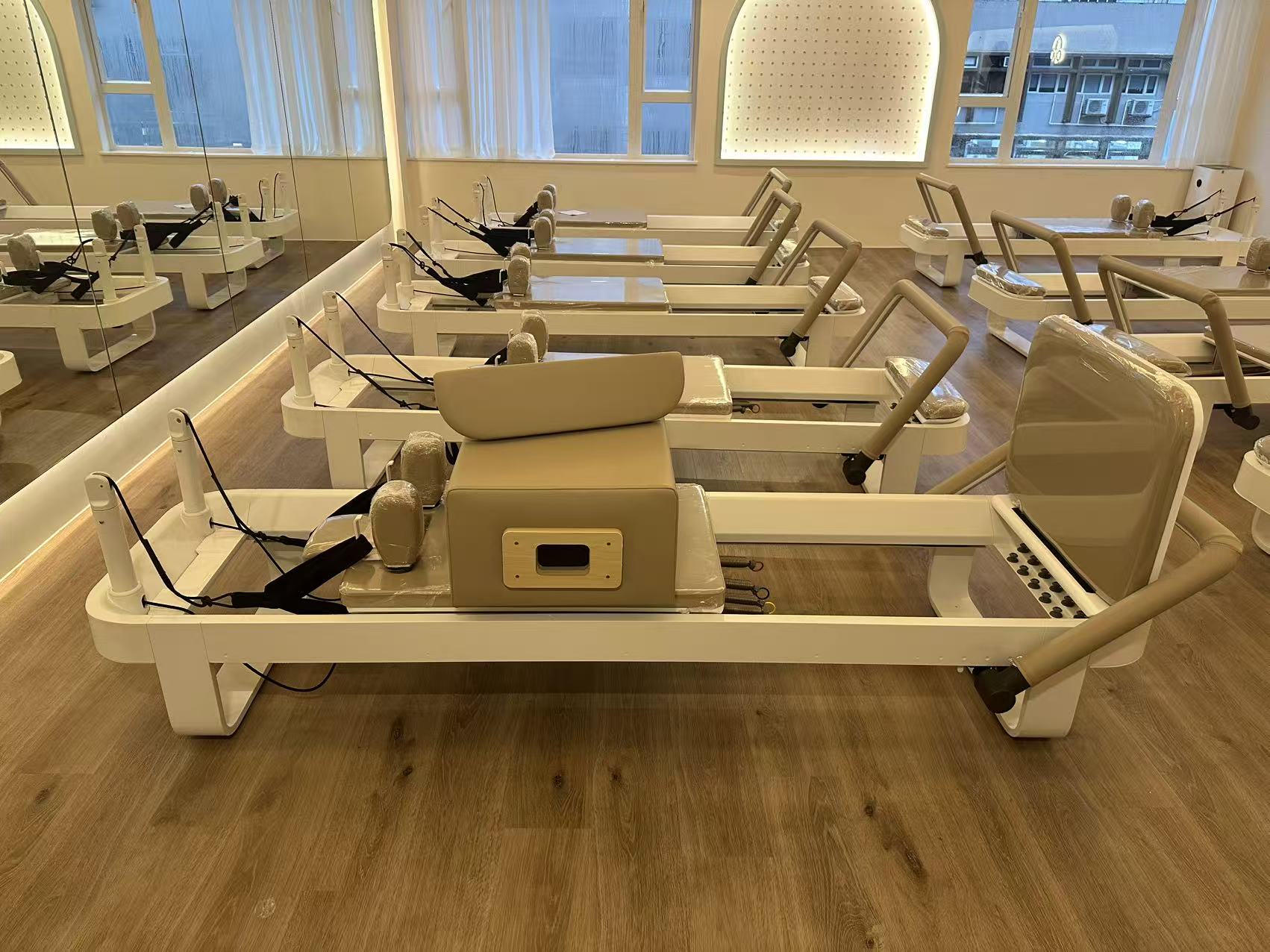
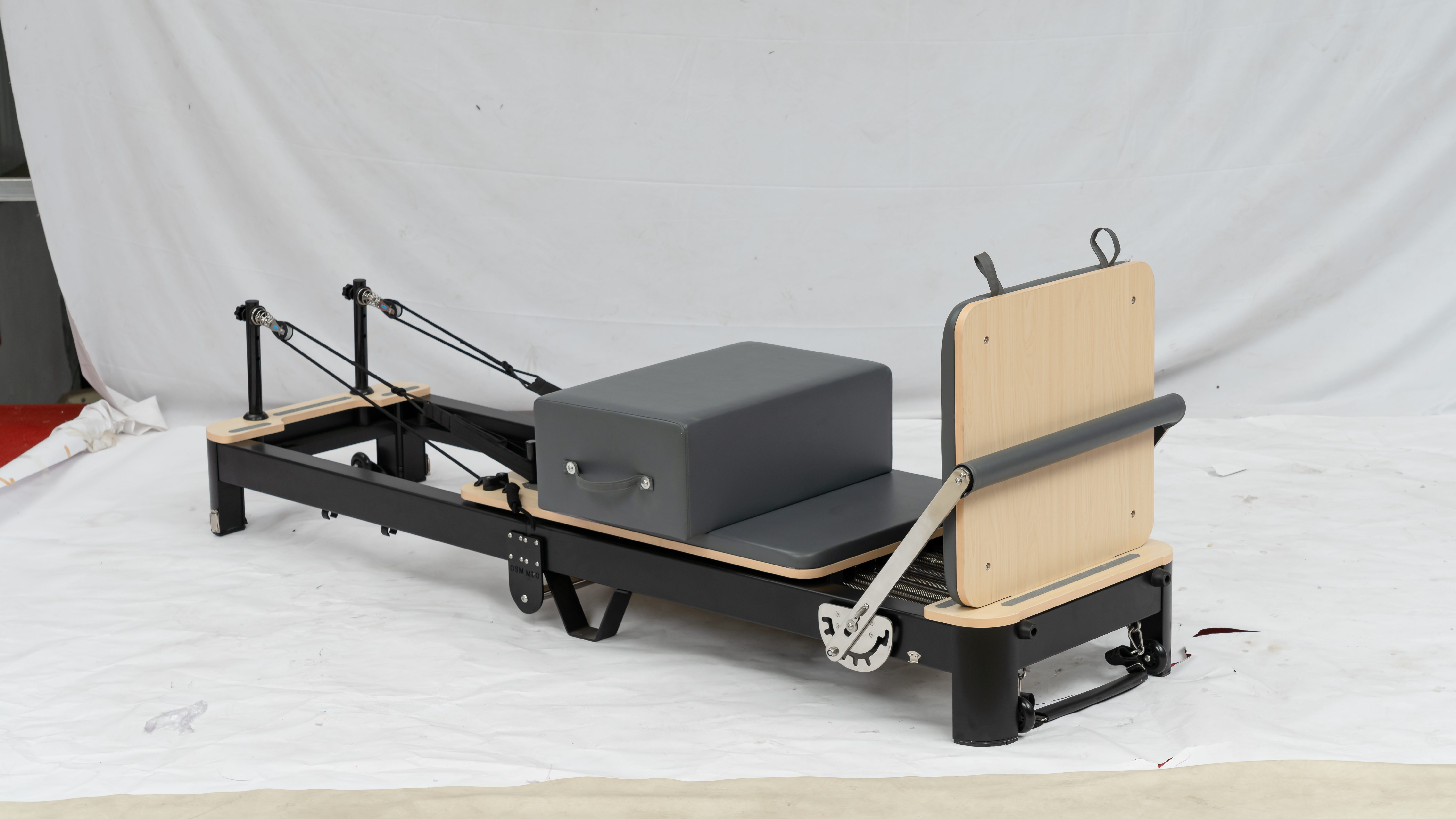
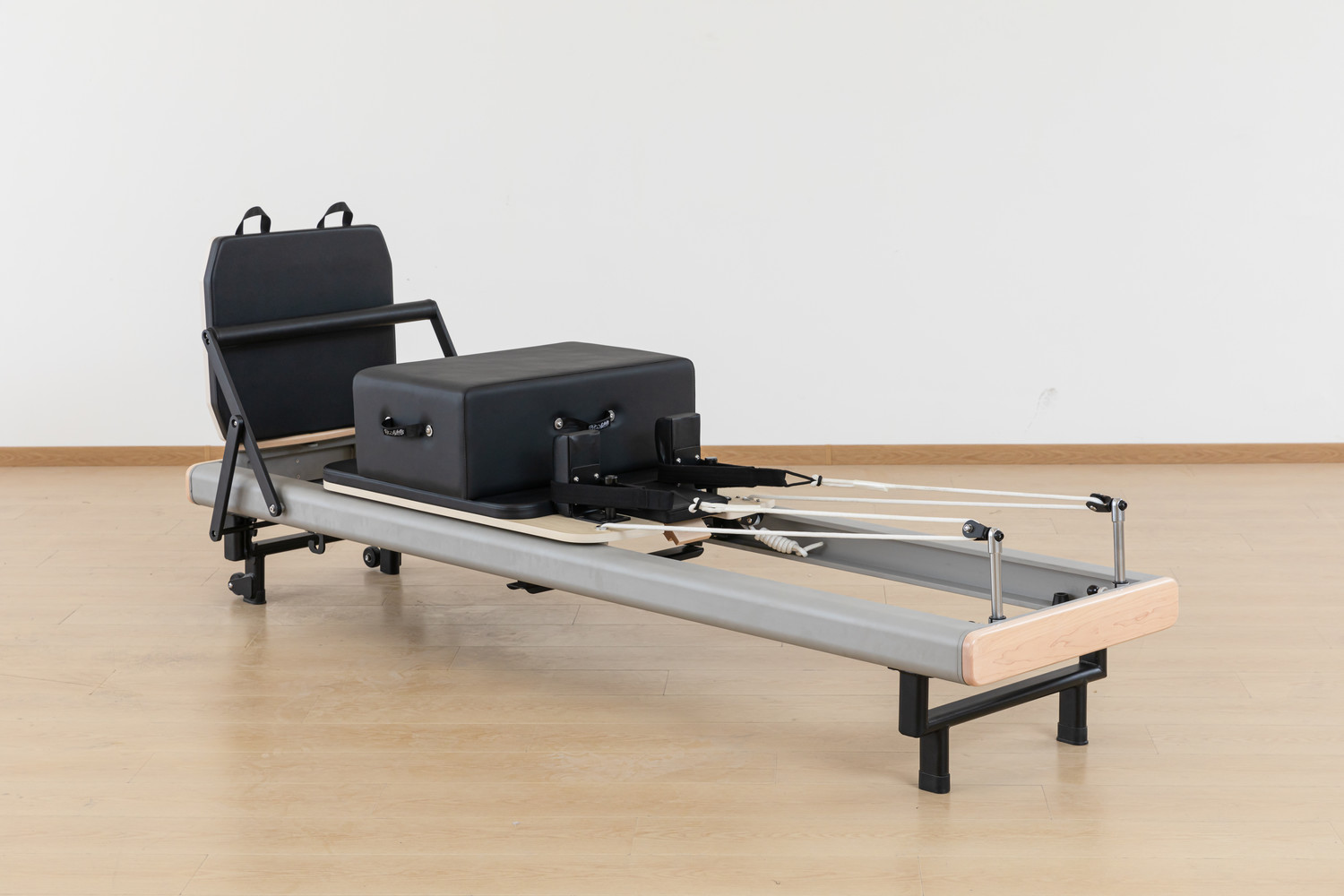
The most obvious long-term benefit of commercial-grade Pilates machines is durability. These machines are engineered for daily, high-volume use in professional studios, where equipment may run through dozens of sessions each week. Frames are typically constructed from aircraft-grade aluminum, solid hardwood, or high-tensile steel, materials chosen for their strength-to-weight ratio and resistance to fatigue. Carriage systems use high-grade bearings and precision rails that maintain smooth movement even after thousands of repetitions. Springs are manufactured to consistent tolerances so that resistance remains predictable over time. Budget equipment, by contrast, often uses thinner materials and lower-grade components that wear quickly under frequent use. A commercial-grade machine may last a decade or more with proper maintenance, while a cheaper alternative might need replacement within a few years. When the cost is spread across years of reliable service, the commercial-grade option often proves less expensive per session.
Consistent Performance Protects Client Results
For trainers and studio owners, equipment performance is not abstract—it directly affects client outcomes. Commercial-grade Pilates machines are built to deliver consistent resistance, smooth carriage travel, and stable support session after session. This consistency allows trainers to program exercises with confidence, knowing that the equipment will respond the same way every time. Clients, in turn, experience reliable feedback from the machine, which helps them develop proper form and progress safely. Inconsistent or degrading equipment can undermine training, causing clients to compensate or lose confidence. When a studio invests in commercial-grade machines, it invests in the quality of every session and the results clients achieve.
Safety and Reduced Liability
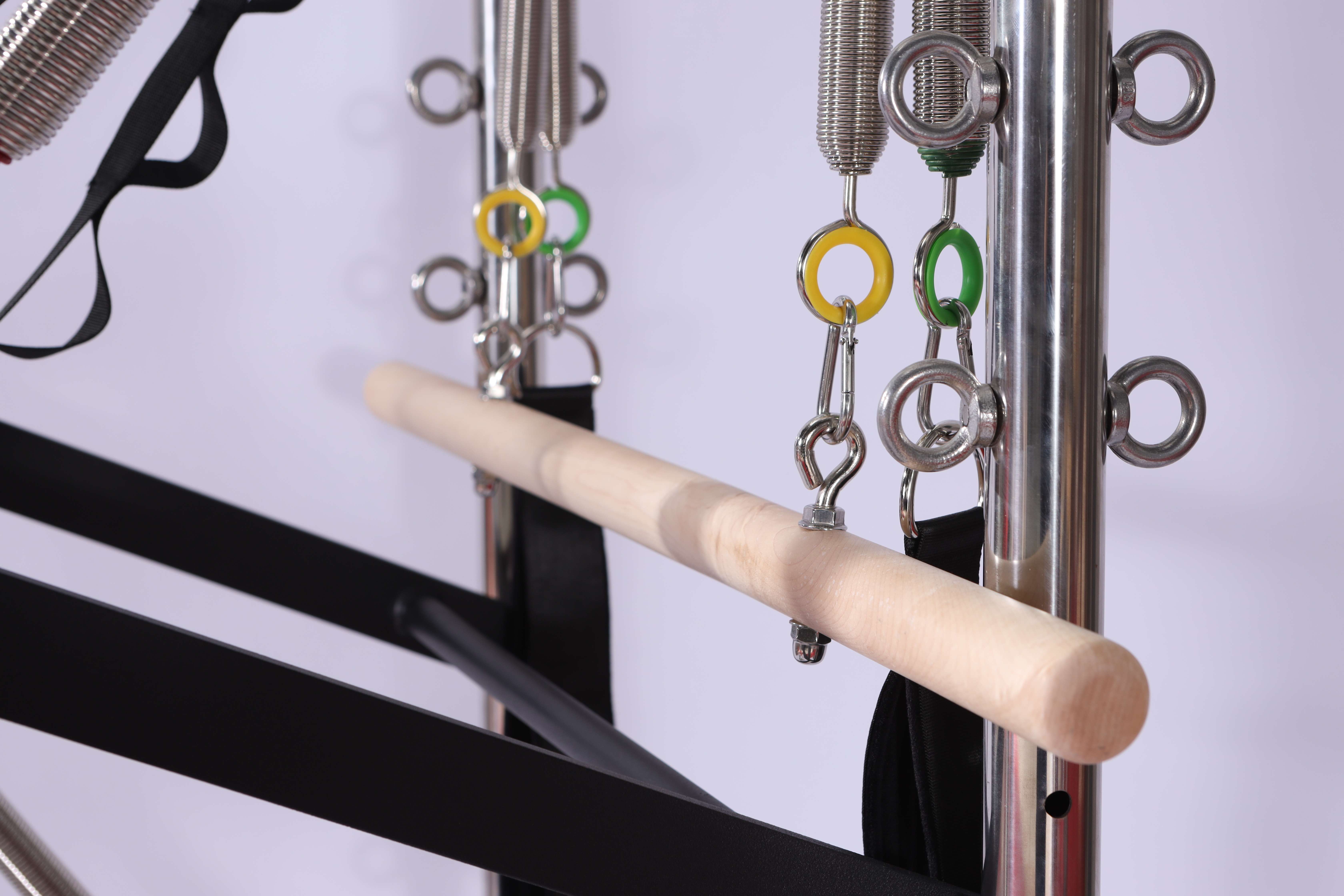
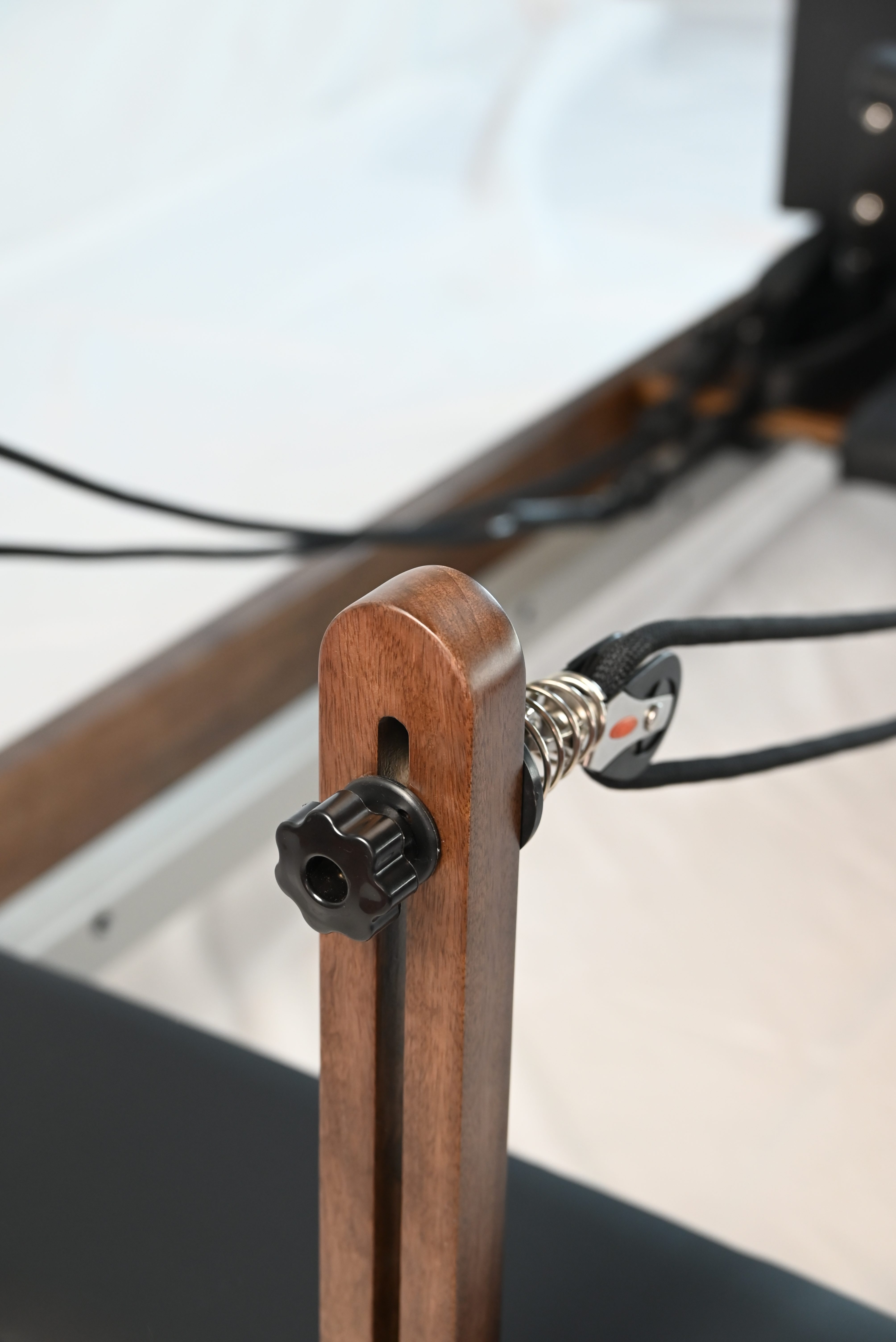
Safety is another critical dimension of long-term value. Commercial-grade Pilates equipment undergoes rigorous testing and is designed with multiple safety features: secure spring attachments, locking mechanisms, non-slip surfaces, and sturdy frames that resist tipping or flexing under load. These features reduce the risk of accidents during challenging exercises. For studios, this translates into lower liability exposure and greater peace of mind. For trainers working with clients who have injuries or joint sensitivities, the predictable response of commercial-grade equipment provides the confidence needed to guide rehabilitation and progressive training. Cheaper machines may lack these safety refinements, creating risks that only become apparent under demanding use.
Client Satisfaction and Studio Reputation
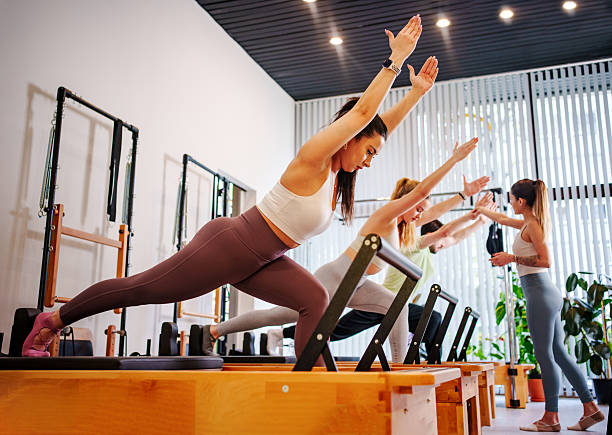
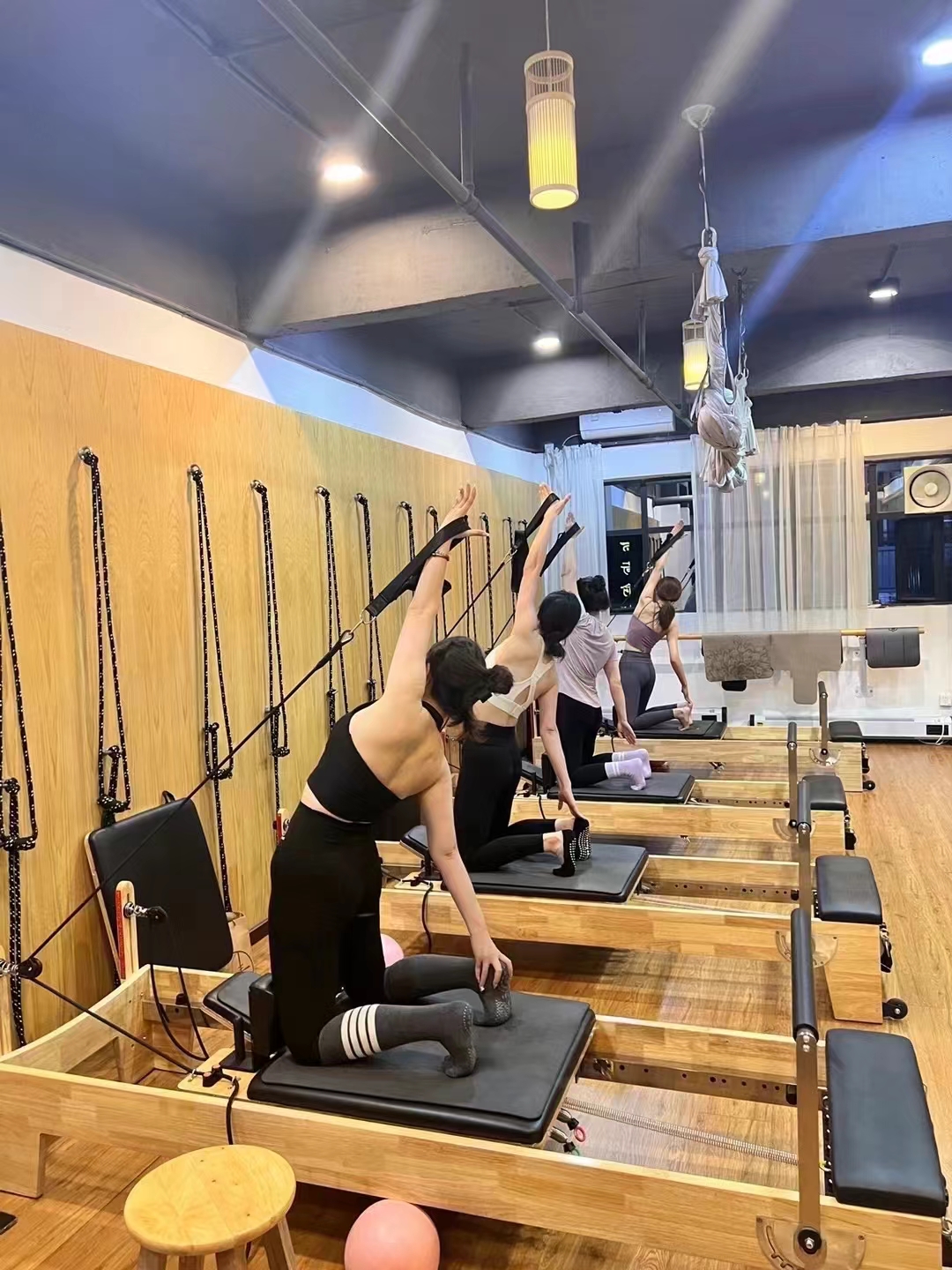
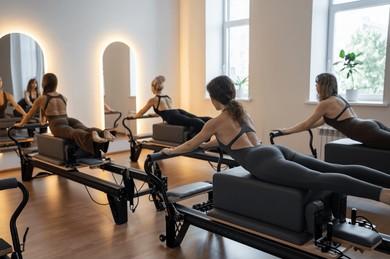
Clients notice equipment quality. The smooth glide of a well-built reformer, the solid feel of a cadillac, and the quiet operation of premium springs all contribute to a premium training experience. When clients feel safe and supported by the equipment, they are more likely to return, renew memberships, and recommend the studio to others. Commercial-grade machines signal professionalism and investment in quality, which strengthens a studio's brand. In a competitive fitness market, equipment quality is a tangible differentiator. Studios that cut corners on equipment may save money initially but risk losing clients who expect a high-standard experience.
Versatility and Adaptability Across Client Needs
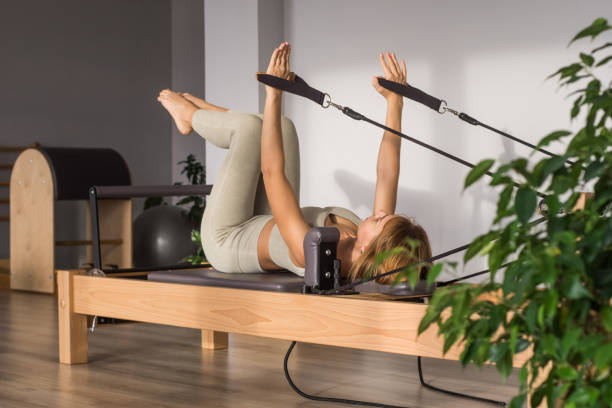
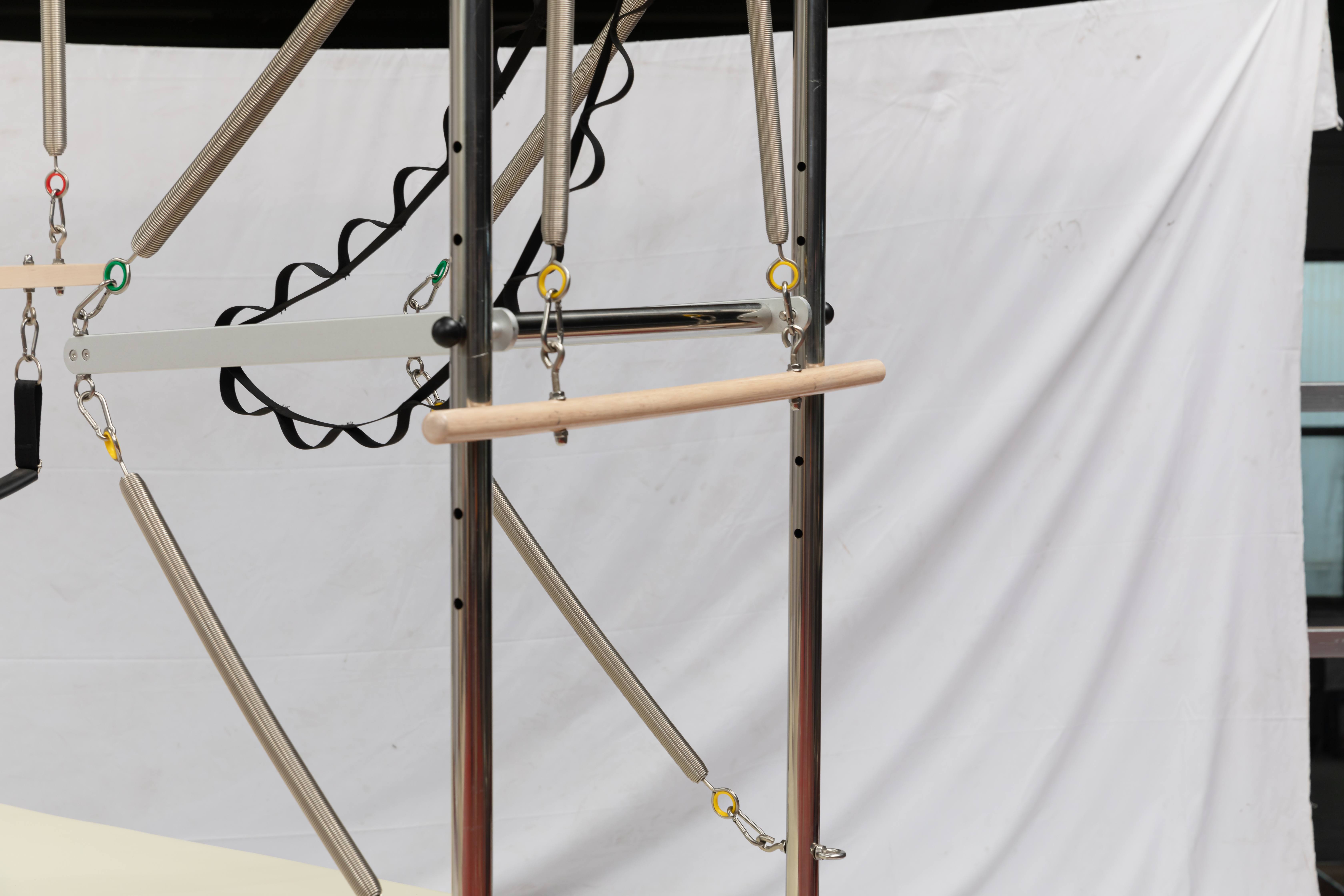
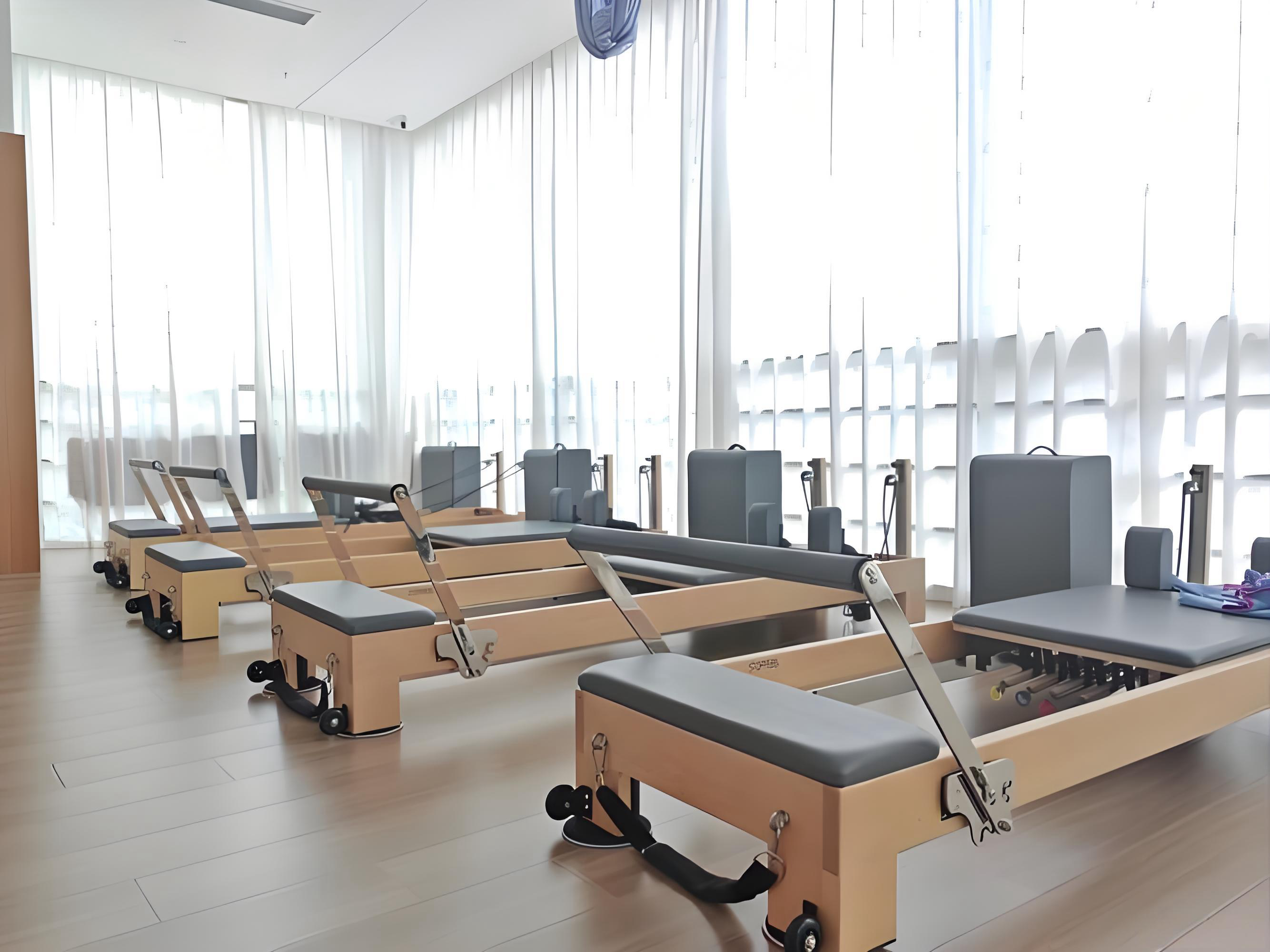
Commercial-grade Pilates machines often offer greater versatility than budget alternatives. Modular designs, adjustable components, and accessory systems allow trainers to adapt exercises for a wide range of clients—from beginners to advanced practitioners, from rehabilitation to athletic conditioning. A premium reformer might include multiple spring attachment points, a jump board, or a tower conversion. This adaptability extends the machine's usefulness across different class formats and client goals, maximizing return on investment. Budget equipment often lacks these options, limiting programming flexibility and forcing studios to purchase additional machines sooner.
Maintenance, Serviceability, and Parts Availability
Commercial-grade equipment is designed to be serviceable. Manufacturers typically provide replacement parts, service guides, and technical support, allowing studios to repair rather than replace. Springs, straps, wheels, and upholstery can be swapped out as they wear, extending the machine's lifespan indefinitely with proper care. Budget equipment often lacks this support, meaning a single worn component can render the entire machine unusable. The availability of parts and service documentation is a significant long-term value factor that is easy to overlook at purchase but becomes critical years later.
Resale Value and Asset Longevity
Commercial-grade Pilates machines hold their resale value remarkably well. Brand reputation, build quality, and proven durability make used premium equipment attractive to buyers. A studio that upgrades or relocates can often recover a substantial portion of its original investment by selling used machines. Budget equipment, by contrast, depreciates quickly and may have little or no resale market. When equipment is viewed as a long-term asset rather than a disposable purchase, commercial-grade machines offer a clear financial advantage.
Supporting Professional Credibility and Growth
For trainers building a career and studios building a business, equipment choices reflect professional standards. Commercial-grade machines demonstrate a commitment to quality that resonates with clients, partners, and staff. They also support growth: as a studio expands its offerings, commercial-grade equipment can handle increased volume without frequent breakdowns. Trainers who work on premium equipment develop better movement awareness and teaching skills, because the machines provide accurate feedback and reliable resistance. This professional development benefits both the trainer and the studio.
Conclusion
The long-term value of commercial-grade Pilates machines extends far beyond the initial purchase price. Durability, consistent performance, safety, client satisfaction, versatility, serviceability, resale value, and professional credibility all contribute to a total cost of ownership that is often lower than budget alternatives. For fitness professionals and studio owners who view Pilates as a long-term investment in health, performance, and business success, commercial-grade equipment is not an extravagance—it is a strategic decision that pays dividends for years.