Studio Insurance Guidance: Liability Coverage Considerations For Commercial Pilates Apparatus
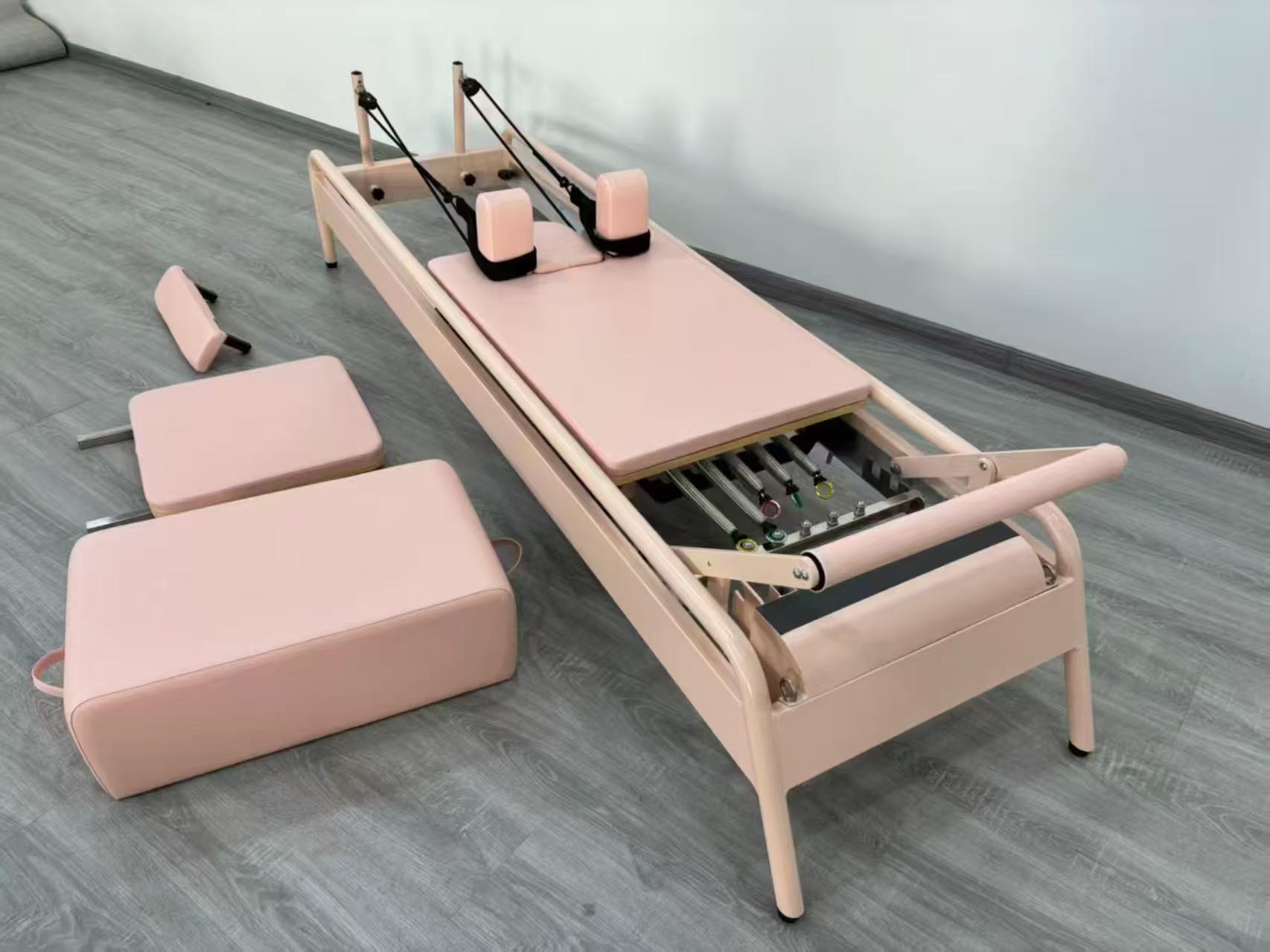
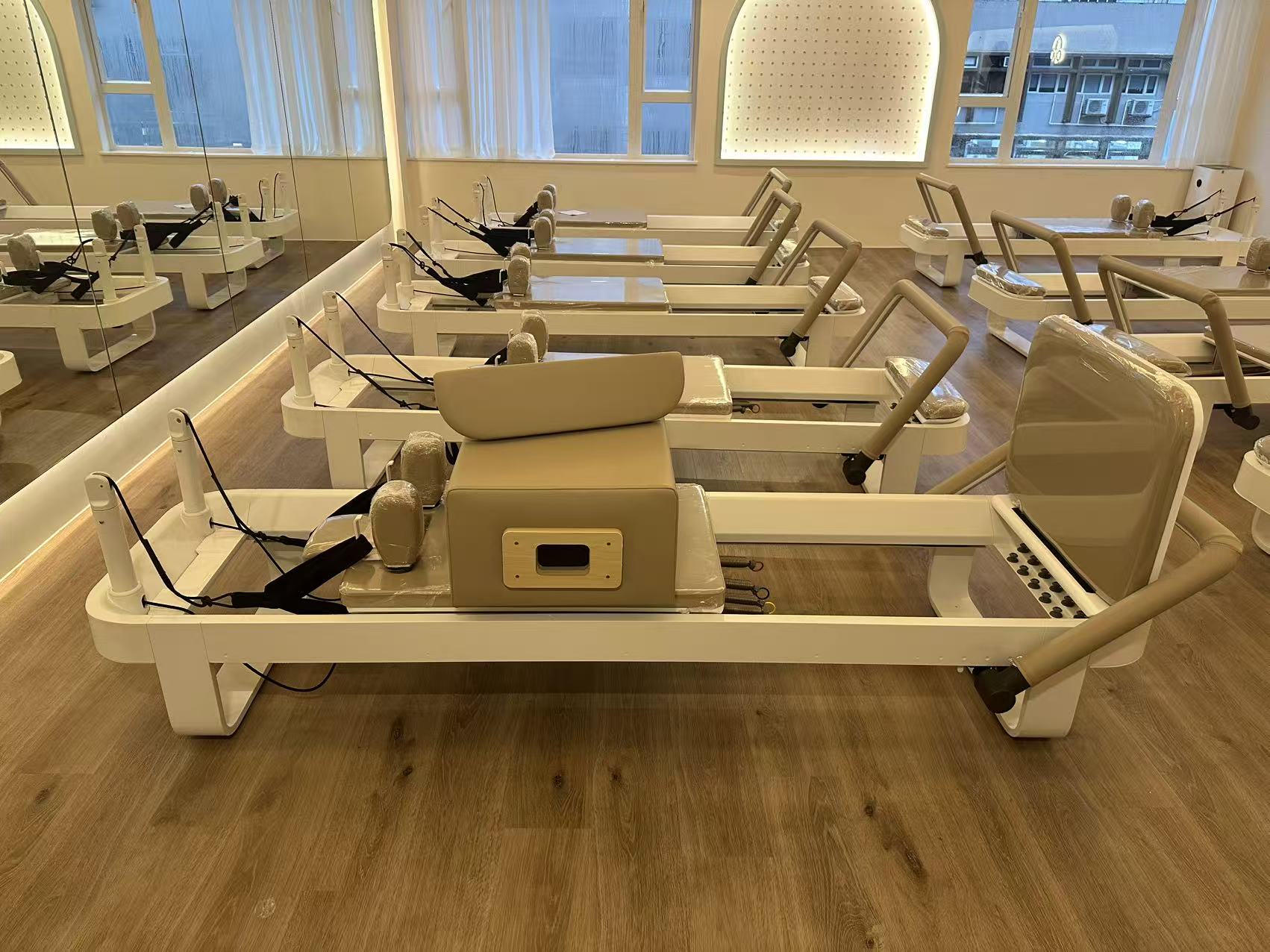
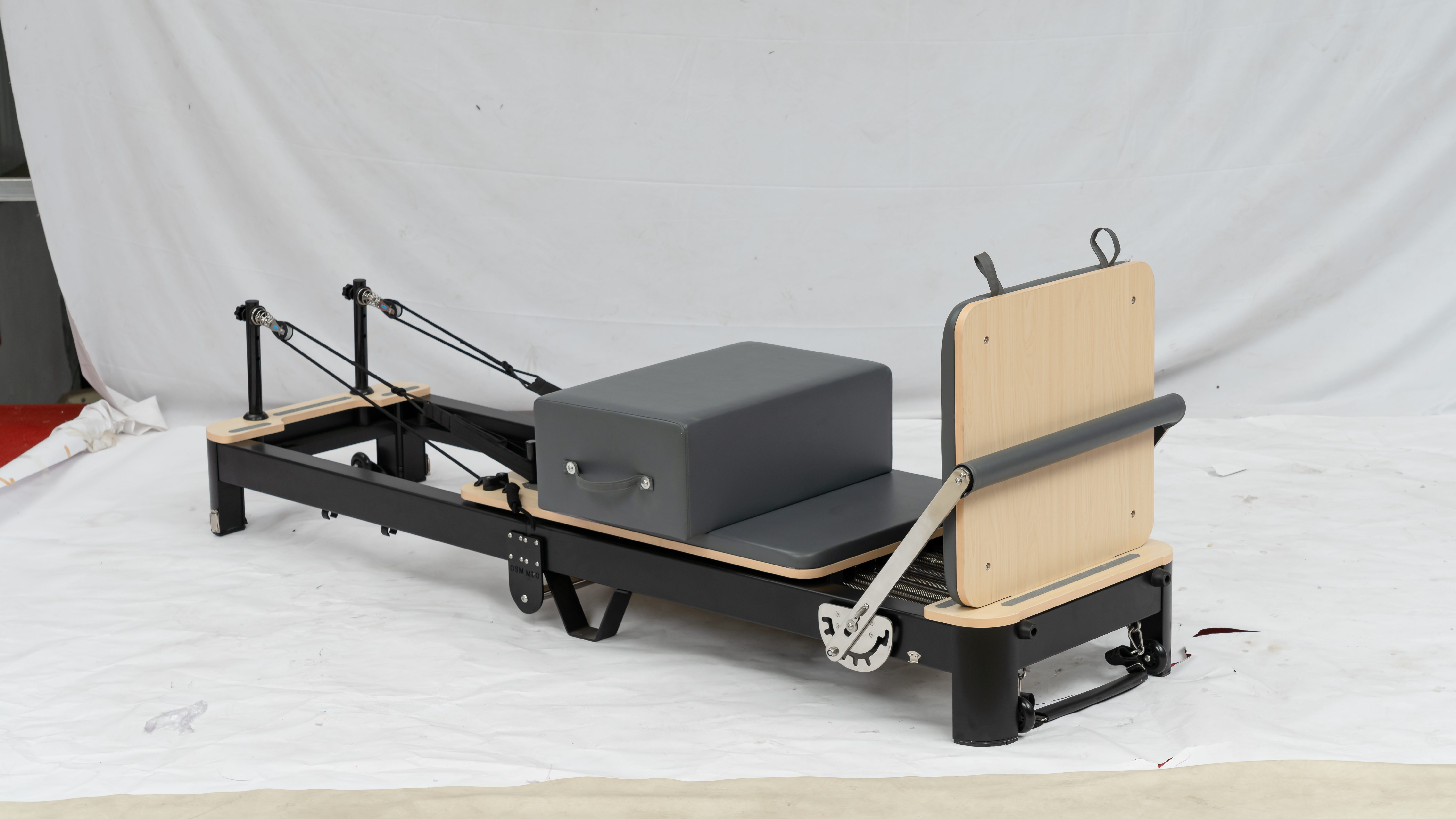
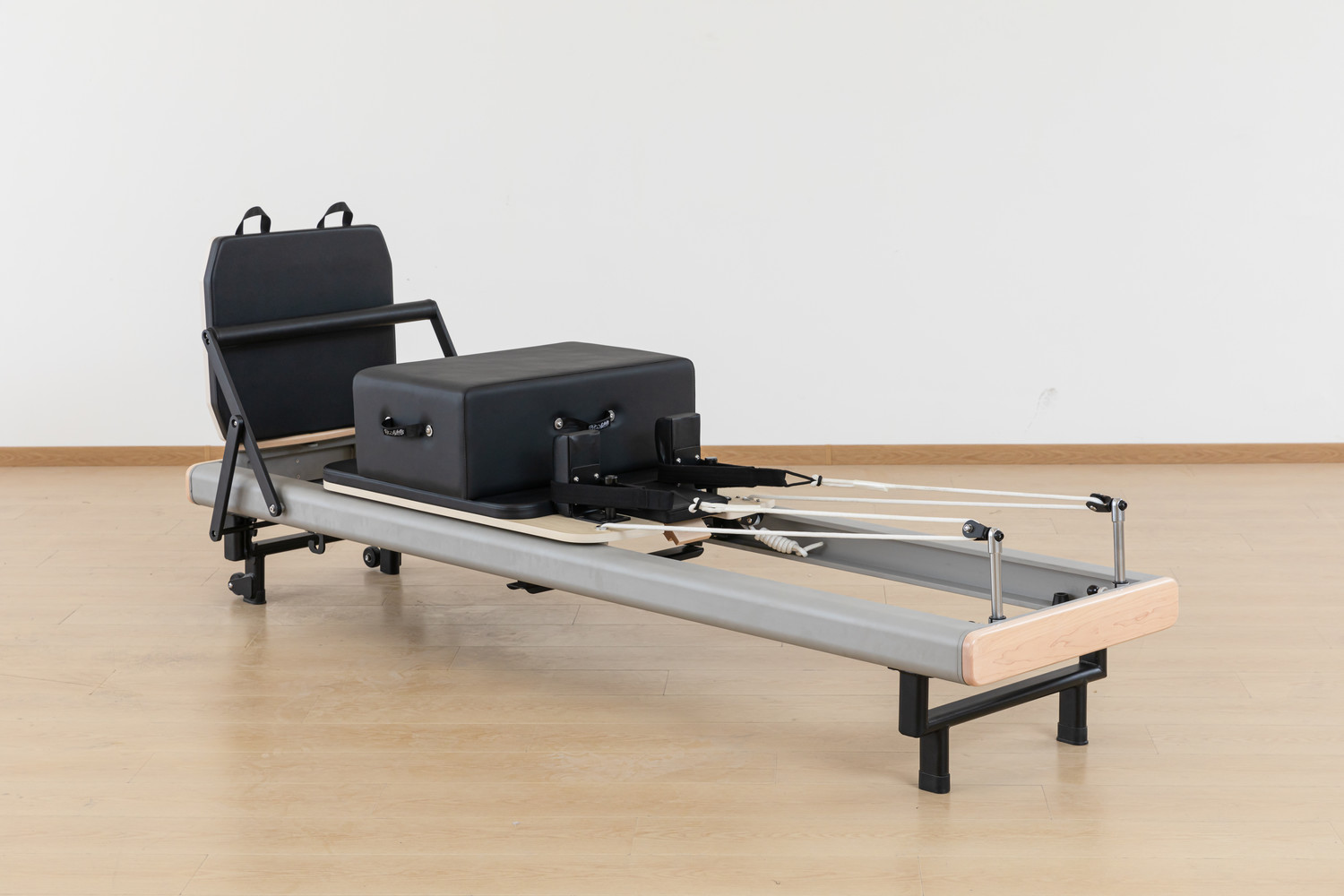
Running a commercial Pilates studio brings unique rewards, but it also carries distinct risk exposure tied directly to your Pilates apparatus. Reformers, Cadillacs, Pilates chairs, barrels, towers and other specialized equipment support low-impact, high-control movement — yet their springs, moving carriages, straps, foot bars and rotating joints create points of potential injury. For studio owners and equipment distributors alike, understanding how insurance liability coverage interacts with commercial Pilates apparatus is essential to protect assets, maintain smooth operations and avoid costly uncovered claims. This guide breaks down core liability considerations, policy exclusions, coverage gaps and practical steps to structure robust protection for studios relying on professional Pilates equipment.
Why Pilates Equipment Creates Special Liability Risks
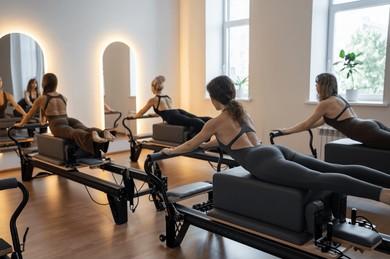
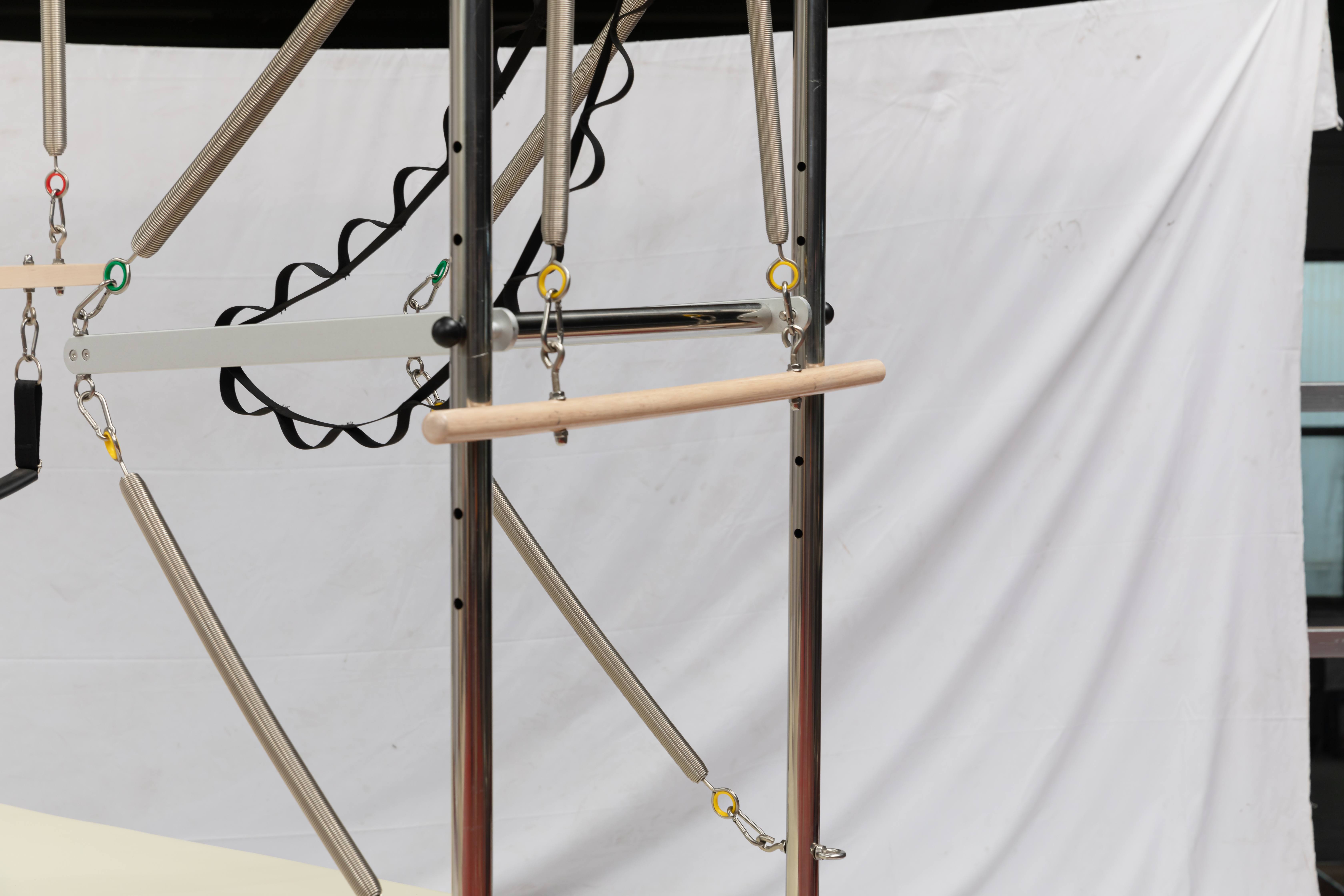
Unlike standard gym weight racks or cardio machines, commercial Pilates apparatus is designed for precise, guided bodywork. Clients trust instructors to use the equipment safely, but accidents can happen across many scenarios. A spring that fatigues and snaps, a loose carriage rail, worn upholstery that causes slipping, misadjusted straps, or improper client positioning can lead to strains, fractures, nerve injuries or falls.
Risk does not exist only during group or private sessions. Hazards appear during equipment assembly, routine maintenance, repairs, deep cleaning, reupholstery work and when moving apparatus between rooms. Second-hand or refurbished Pilates gear adds another layer of risk, as hidden wear, outdated structural specs or missing safety labels are easy to overlook. Even high-quality factory-new equipment can generate claims if installation is poor or maintenance schedules are ignored.
For studio buyers sourcing apparatus from overseas manufacturers or local distributors, liability risk extends further. Imported equipment may lack required safety certifications, English-language warning labels or compliant test documentation. If an injury occurs and the equipment fails to meet regional safety standards, the studio owner can face lawsuits even if they purchased the apparatus from a third-party supplier.
Core Liability Coverage Types Relevant to Pilates Studios
General Liability Insurance
General liability (GL) is the foundational policy for most fitness businesses. It covers third-party bodily injury and property damage claims arising from normal studio operations. If a client slips on a loose reformer strap and sustains an injury, or equipment rolls into and damages a client’s personal belongings, general liability may respond.
Even so, studio owners must read policy fine print carefully. Many standard GL policies contain fitness-industry carve-outs. Some exclude coverage for claims connected to specialized therapeutic movement, one-on-one rehabilitation sessions, or equipment-assisted bodywork. A basic general liability policy is rarely enough for a studio offering clinical Pilates, rehab-focused classes or private training using full apparatus.
Professional Liability / Malpractice Coverage
Professional liability insurance, often called fitness malpractice or errors and omissions coverage, protects against claims rooted in instruction, assessment and programming decisions. This is critically important for Pilates, where instructors assess client limitations, modify exercises and adjust apparatus settings for individual bodies.
If a client alleges that an instructor chose an inappropriate spring tension, gave incorrect cueing, failed to screen for pre-existing injuries, or pushed a movement beyond safe limits, general liability typically will not cover the claim. Professional liability fills this gap. Many insurers bundle professional liability for instructors alongside studio policies, but independent contractors working in the space often need their own separate coverage.
Products and Completed Operations Coverage
This section is especially relevant for two groups: studio owners who sell or rent Pilates equipment to clients, and distributors who resell commercial apparatus. Products liability covers harm caused by defective equipment, faulty components, poor upholstery adhesion, weak welds, defective springs or missing safety hardware.
For a studio that only uses equipment on-site and does not resell goods, products coverage may still be triggered if the studio rebuilds, modifies, reconditions or reupholsters its own Pilates apparatus. Any alteration to factory original design can shift liability toward the studio. Distributors purchasing bulk apparatus from overseas factories must confirm that their policy includes products liability that covers imported goods, and that they have indemnification agreements with manufacturers to share risk if a factory defect causes injury.
Property and Equipment Coverage
Liability insurance pays for claims made by other people; it does not replace or repair your own damaged Pilates apparatus. Inland marine or commercial property coverage protects expensive reformers, Cadillacs and accessories from fire, flood, vandalism, accidental damage during moving, and theft. High-end commercial Pilates apparatus represents a major capital investment, and many studios underestimate replacement costs when setting policy limits.
Add-on options can include breakdown coverage for mechanical failures, which is useful for studios with a large fleet of moving, spring-loaded equipment.
Key Policy Clauses Tied Directly to Pilates Apparatus
Exclusions for Unmaintained or Modified Equipment
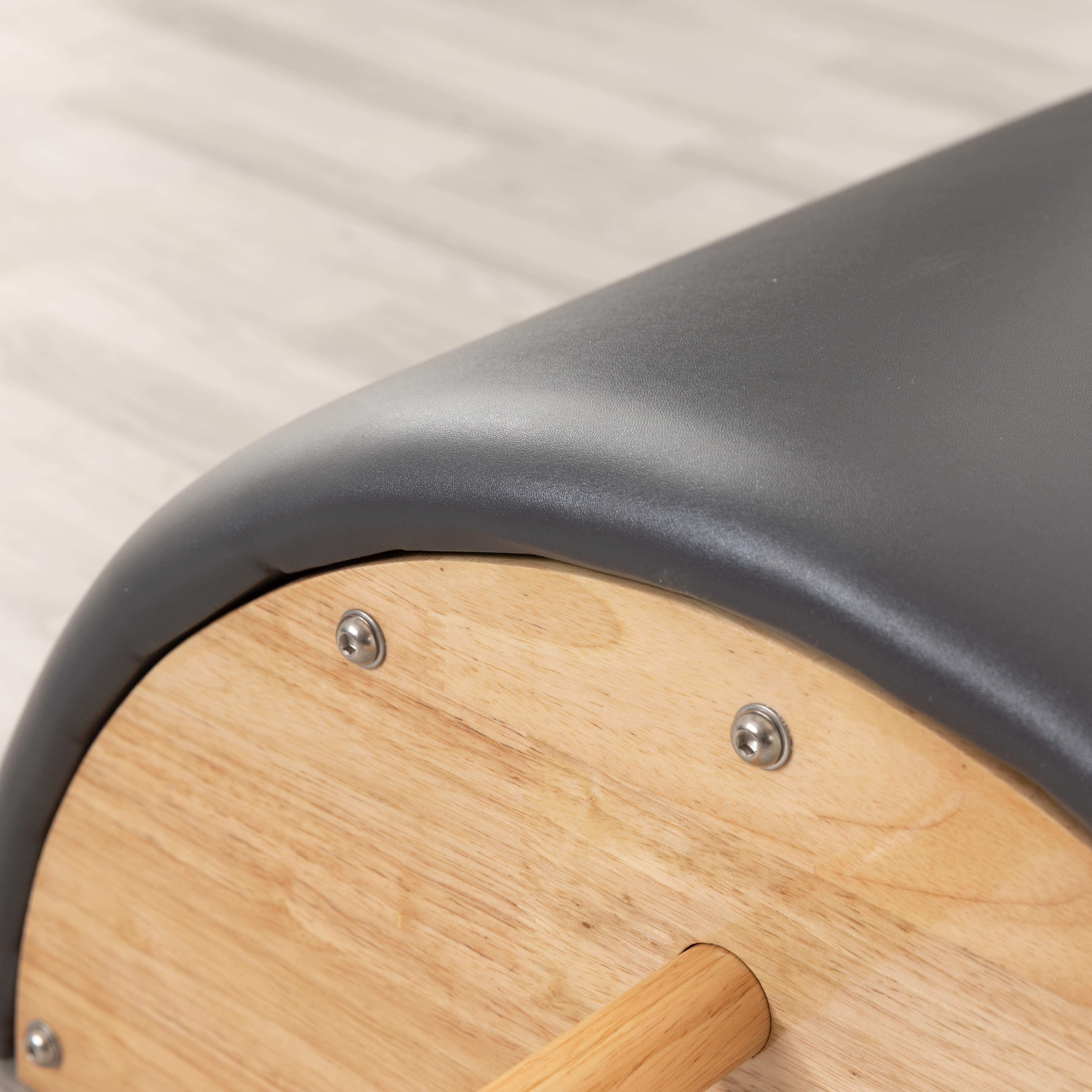
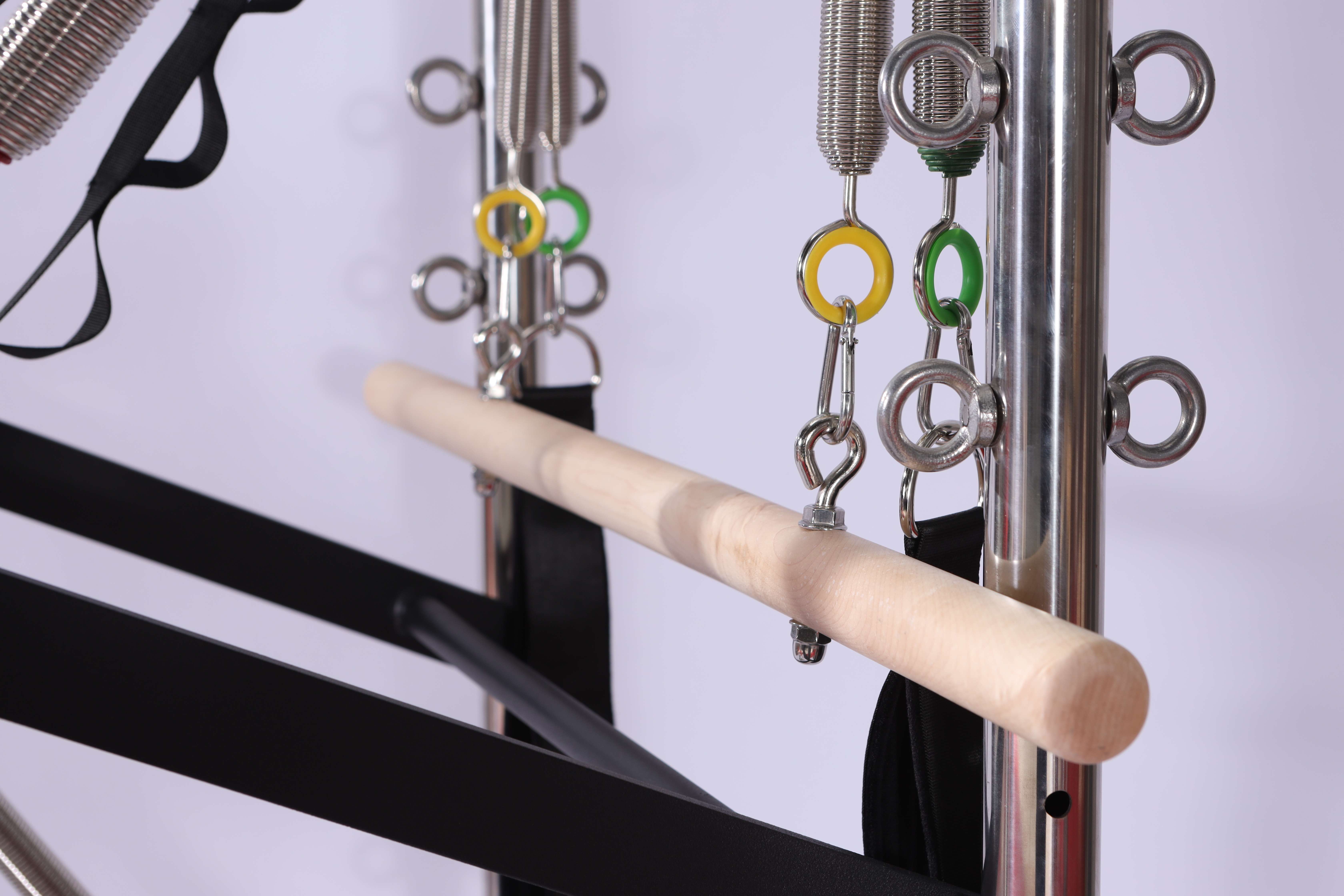
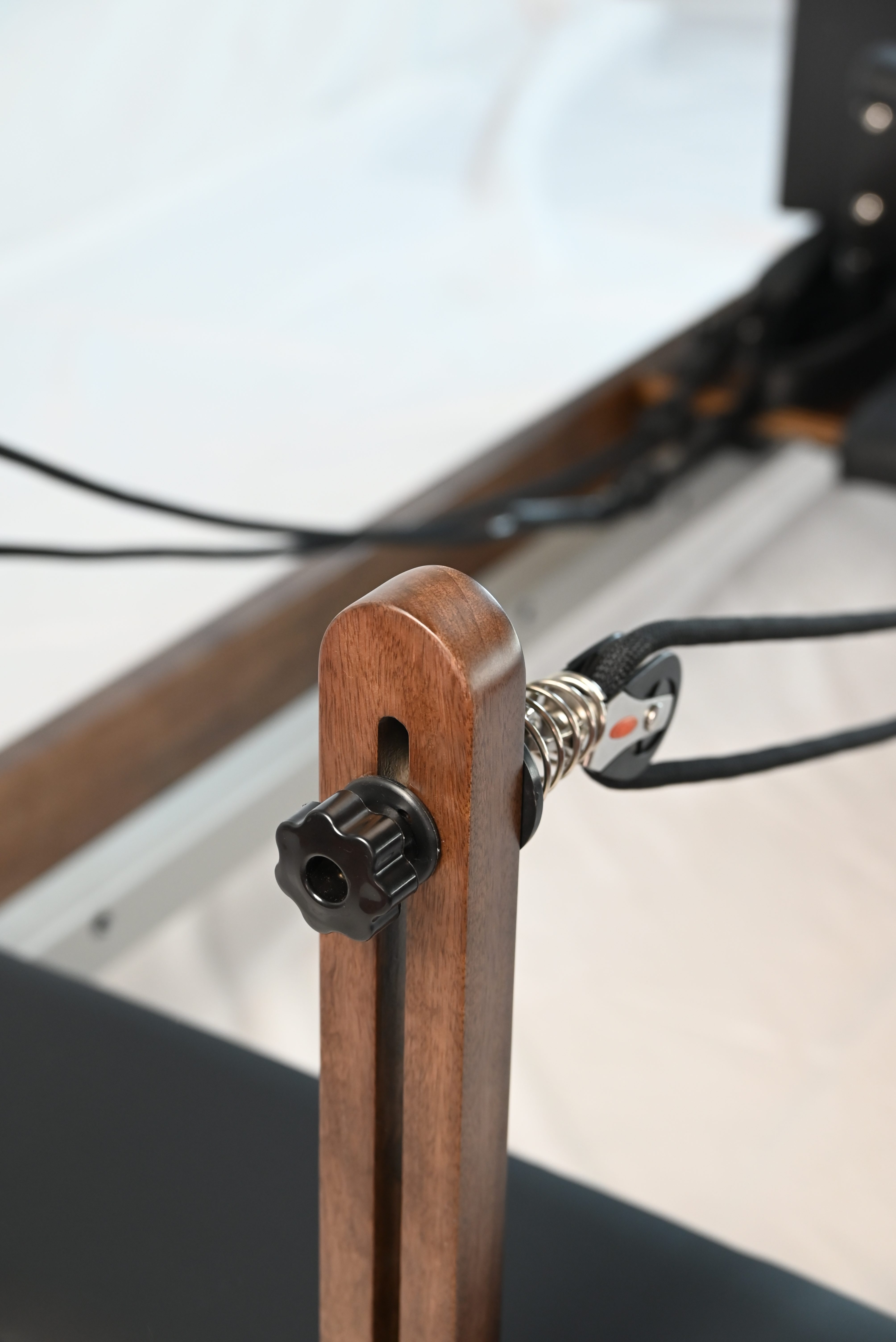
Most liability policies will deny claims if the insurer determines the accident stemmed from neglected maintenance or unauthorized modification. Common issues include worn springs left in service past their replacement schedule, loose bolts that were never tightened, DIY welding on frames, third-party upholstery replacement without structural review, or removal of factory safety stops and limiters.
If your studio customizes reformers, changes spring layouts or alters frame dimensions, you must disclose these modifications to your insurer. Undisclosed custom work is one of the most frequent causes of coverage denial after an equipment-related injury.
Certification and Inspection Requirements
Some underwriters require proof of regular equipment inspection, service logs, and safety compliance documentation, particularly for studios offering rehab Pilates. Keep organized records: dates of spring replacement, carriage rail lubrication, hardware tightening, upholstery checks, and professional service visits. If you import apparatus, retain test certificates, CE documentation, manufacturer safety declarations and user manuals.
Without this paper trail, it becomes far harder to defend the studio if a client’s attorney argues that you knew or should have known the equipment was unsafe.
Indemnification and Additional Insureds
When buying equipment from a manufacturer or distributor, ask for an indemnification clause in your sales contract. This agreement states that the manufacturer will defend and compensate your studio if a claim arises from a factory defect. Many overseas factories are unfamiliar with local liability rules, so distributors and studio buyers should negotiate these terms before placing large bulk orders.
If you rent studio space, your landlord will often require you to name them as an additional insured on your general liability policy. This does not cover equipment defects, but it addresses shared premises risk.
Common Coverage Gaps Studio Owners Miss
One widespread gap is assuming that home-use Pilates equipment has the same insurance eligibility as commercial-grade apparatus. Insurers frequently refuse or restrict coverage if a studio uses consumer-grade reformers built for residential use, because these models are not engineered for daily high-volume class schedules.
Another gap involves guest instructors and subcontracted therapists. If an independent contractor does not carry their own professional liability, your studio policy may be pulled into a claim, and some policies will not automatically extend coverage to contract staff.
Many policies also exclude communicable disease claims, intentional misconduct, or injuries caused while operating the studio outside licensed scope of practice. If your studio markets medical rehabilitation services without proper healthcare licensing, your fitness liability policy may decline to defend you.
Risk Mitigation Steps to Lower Premiums and Protect Coverage
Insurance works best when paired with consistent risk controls. These practices not only reduce the chance of accidents but also demonstrate to insurers that your studio operates responsibly, which can support better policy terms:
- Create a fixed maintenance schedule for all apparatus, including spring replacement, carriage track inspection, strap and foot strap wear checks, and frame bolt tightening.
- Keep manufacturer service guides and follow the recommended lifespan for consumable parts such as springs, ropes, pulleys and upholstery.
- Require client intake forms that document pre-existing injuries, surgical history and physical limitations, paired with clear liability waivers drafted by a local attorney.
- Verify all instructors hold recognized Pilates certifications that cover apparatus safety and injury screening.
- Avoid modifying factory equipment unless the manufacturer provides written approval and updated safety documentation.
- Keep safety labels visible and intact on every piece of apparatus.
- Train all staff to inspect equipment before each class and remove any faulty apparatus immediately.
- If importing equipment, confirm compliance with local safety standards and retain all import, test and declaration paperwork.
- Separate personal and studio equipment, and never use consumer home reformers for paid commercial sessions.
Special Guidance for Distributors Selling Pilates Equipment
If your business imports and resells commercial Pilates apparatus to studios, your insurance profile differs from that of an operating studio. Your products liability policy should cover defects across your full product range, and you should verify whether coverage applies to goods stored in your warehouse, during transit, and after delivery to studio buyers.
Distributors should clearly communicate maintenance responsibilities to customers in sales terms. A well-written agreement explains that the manufacturer warrants against factory defects, while the studio owner is responsible for ongoing inspection, maintenance and safe operation after delivery. This helps draw a clear line of responsibility if an injury occurs years after delivery due to neglected upkeep.
Final Checklist Before Purchasing or Renewing Coverage
- Confirm the policy covers apparatus-assisted Pilates, rehab sessions and private training.
- Verify professional liability limits match the number of instructors and volume of private sessions.
- Confirm products liability coverage if you sell, rent, refurbish or import equipment.
- Disclose all custom modifications, OEM upholstery changes and imported apparatus.
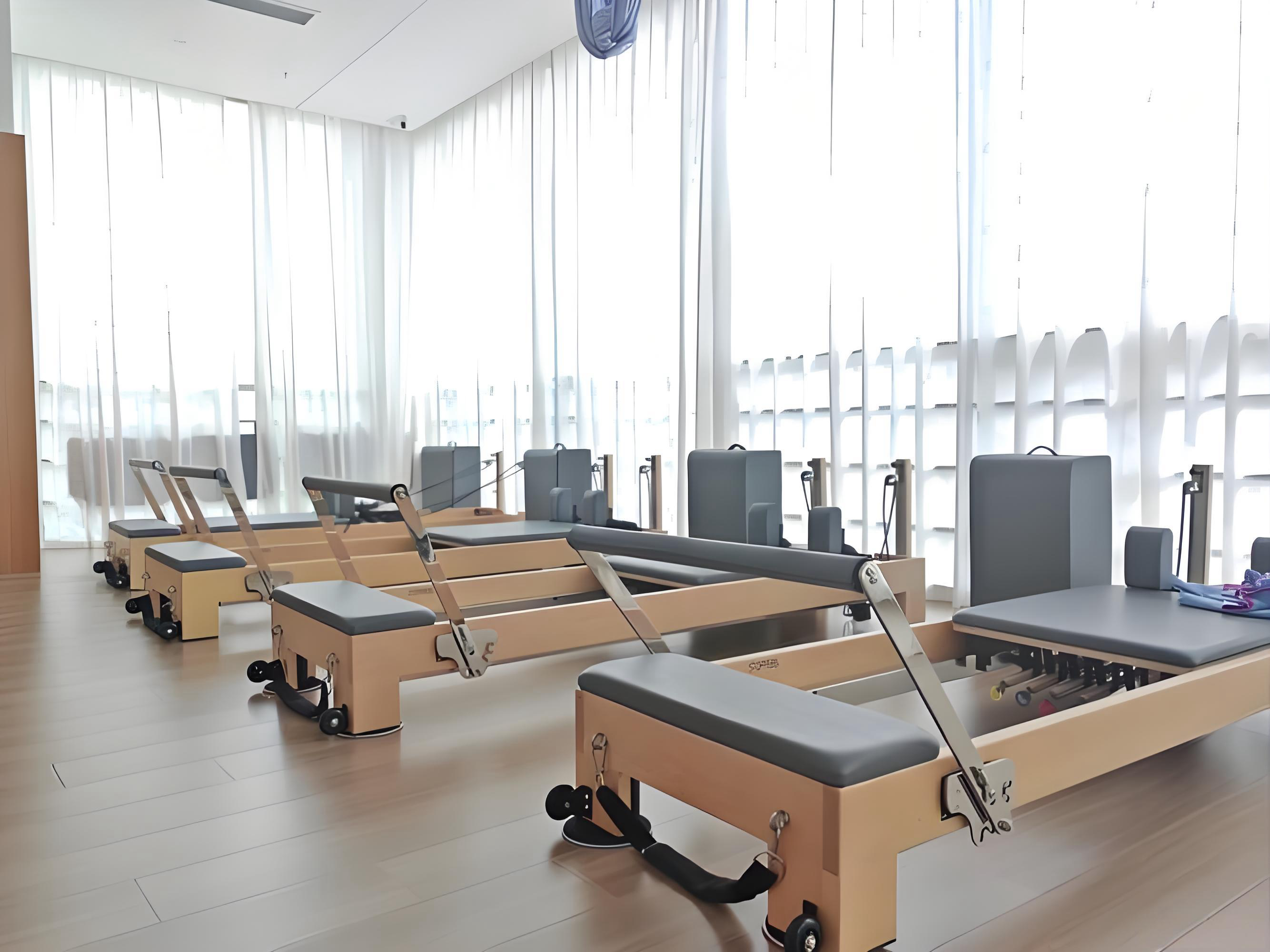
- Confirm coverage applies to your full fleet: reformers, Cadillacs, chairs, barrels, towers and accessories.
- Confirm whether independent instructors must carry separate coverage.
- Review policy limits to ensure they align with the high cost of injury claims in fitness and rehab settings.
- Store maintenance logs, inspection records and manufacturer compliance documents securely.
Closing Thoughts
Commercial Pilates apparatus is the foundation of your studio, but every spring, carriage and strap carries liability exposure. General liability alone is rarely sufficient. Studio owners need a layered insurance strategy combining general liability, professional liability, products coverage and equipment protection, paired with consistent maintenance and documentation.
For distributors supplying bulk Pilates equipment to studios, liability planning starts long before a shipment leaves the factory. Clear contracts, indemnification terms, safety certification verification and robust products liability insurance help separate manufacturing defects from studio-side operational risk. By understanding what your policy covers — and what it excludes — you can protect your business while continuing to deliver safe, high-quality Pilates services to your clients.