What Is FCL vs LCL Cost Breakdown When Shipping Mixed Pilates Equipment For New Distributors

For first-time Pilates equipment distributors, one of the biggest shipping decisions is whether to book a full container load (FCL) or less than container load (LCL). Mixed orders — combining reformers, cadillacs, pilates chairs, barrels, accessories and spare parts — make this choice even trickier. While LCL lowers the upfront order threshold, hidden fees can quickly erase its apparent savings. FCL, by contrast, delivers more predictable unit costs but requires higher initial capital and enough volume to fill the space. This guide breaks down the full cost structure for both modes, highlights hidden charges specific to bulky, heavy fitness apparatus, and helps new importers decide which option fits their cash flow and inventory plan.
Core Definitions for Pilates Equipment Imports
FCL (Full Container Load) means you rent an entire shipping container, typically a 20GP, 40GP or 40HQ. The container belongs exclusively to your shipment, and pricing is quoted per container, not per cubic meter. This is ideal when you are bringing in a large mixed batch of commercial Pilates apparatus. Your goods stay sealed from the factory loading dock until they reach your destination port or warehouse.
LCL (Less than Container Load) consolidates your cargo with shipments from many other buyers. The freight forwarder groups multiple consignments into one shared container, and you pay by volume (CBM) or weight, whichever is higher. LCL is designed for smaller mixed orders, such as a handful of reformers plus spare parts, when you do not have enough cargo to fill a full container.
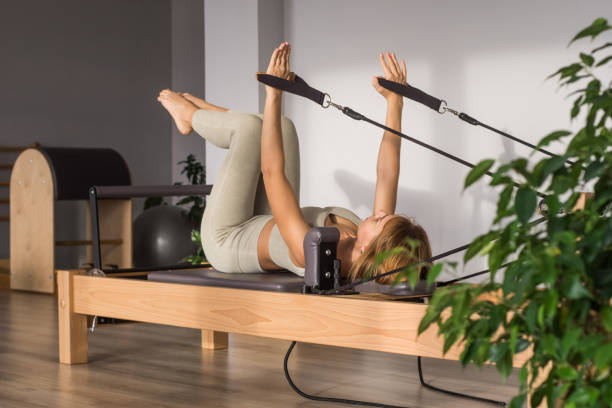
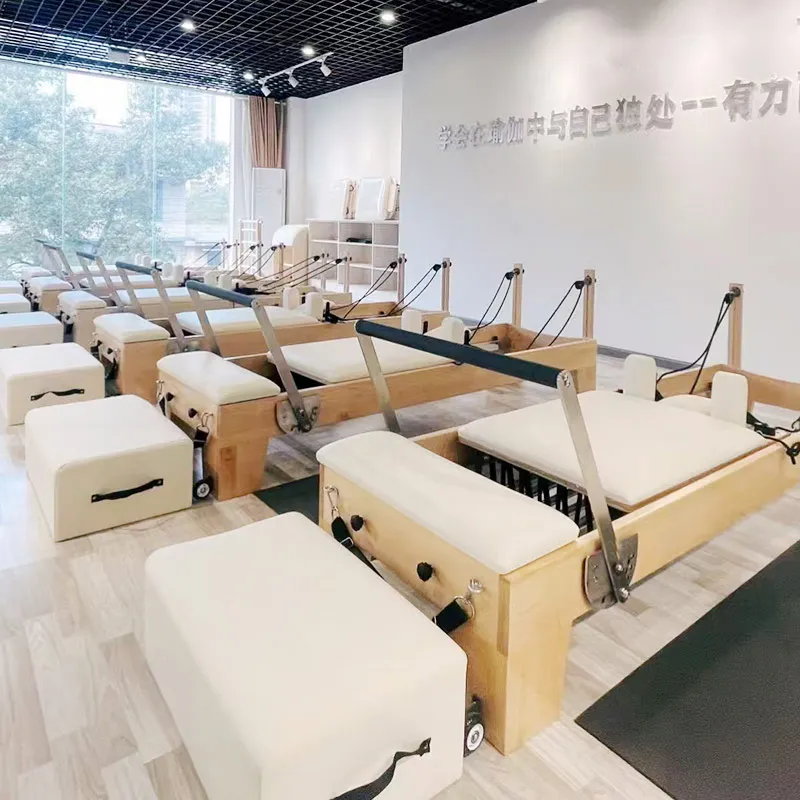
Pilates gear presents unique challenges here. Reformers, cadillacs and towers are large, irregular, and relatively light for their footprint. They are “volumetric cargo”, meaning space, not weight, usually drives the freight price. Wooden crates also increase measured volume, which directly raises LCL charges.
Full FCL Cost Breakdown
FCL pricing is simpler in structure, though the total invoice still has many line items. The biggest advantage is that consolidation and handling fees are minimized, and risk of damage or misrouting drops sharply — critical for high-value wooden-framed Pilates machines.
Ocean Freight
This is the fixed main rate for the container: 20GP, 40GP or 40HQ. The rate fluctuates by season, carrier, route, bunker surcharges and peak season demand. Mixed cargo does not change the ocean freight line item, as you pay for the whole box regardless of how full it is.
Origin Side Charges at Loading Port
- Trucking from factory to container yard: especially important if your Pilates equipment manufacturer is inland, rather than directly beside the port. Large crated reformers require flatbed trucks and careful lifting.
- Loading, stuffing and lashing: securing heavy wooden crates inside the container. Mixed cargo needs proper separation so barrels, chairs and reformer packages do not shift during transit.
- ISPM 15 fumigation / heat treatment and marking: mandatory for wooden packing exported to the EU, UK, Australia and many other markets. This is a non-negotiable cost for wooden crate packaging.
- Documentation fee: bill of lading, packing list, commercial invoice, CE DoC, test certificates and other compliance paperwork.
- Terminal handling charges (THC) at origin port.
Destination Side Charges
- Destination THC: terminal handling at arrival port.
- Duty and import VAT / GST: calculated on the customs value of your mixed shipment. This cost applies whether you ship FCL or LCL, so it should not be the deciding factor by itself.
- Customs clearance and broker fee: verifying declarations, safety certifications and import permits for fitness apparatus.
- Devanning / unloading: once the container arrives at your warehouse.
- Last-mile delivery: trucking from port or depot to your local storage facility or direct drop-off for studio clients.
Additional FCL Contingency Costs
- Container detention and demurrage: if you hold the container beyond the free time window. This is a common pain point for new distributors who underestimate how long it takes to unload large Pilates crates.
- Cargo insurance: highly recommended, given the high replacement cost of commercial reformers and cadillacs.
- Inspection fees: random customs checks or safety verification inspections.
The key FCL benefit for mixed Pilates orders: once the container is booked, adding extra pieces or swapping some accessories rarely increases the ocean freight cost, as long as you stay within volume and weight limits. This gives you flexibility to mix core machines and spare parts without incremental per-unit freight.
Full LCL Cost Breakdown
LCL looks cheaper at first glance, but new distributors often only compare the quoted “per CBM” ocean rate and overlook consolidation, handling and destination surcharges. For bulky, crated Pilates equipment, these extra fees can push final landed cost close to or even above FCL on a per-unit basis.
Ocean Freight (Per CBM or Per Ton)
The forwarder quotes a base rate, normally in USD per cubic meter. Because Pilates equipment is low-density, volumetric calculation almost always applies. Every crate, including gaps in wooden packaging, counts toward your measured CBM. If your factory overpacks or uses oversized bracing, your volume bill rises immediately.
Origin Consolidation Charges
- Cargo receiving and handling fee: the depot receives your crates from the factory.
- Consolidation fee: workers stack your Pilates apparatus alongside other unrelated shipments inside the shared container. This is one of the biggest LCL-specific costs.
- Marking, sorting and palletization: forwarders often require uniform palletization for mixed cargo.
- Documentation and bill of lading fee: similar to FCL, but sometimes higher per shipment.
- ISPM 15 treatment and inspection: still required for wooden crates, even for small mixed orders.
Destination Deconsolidation Charges
This is where many new importers get surprised.
- Deconsolidation fee: the depot opens the full container, separates your Pilates equipment from other merchants’ goods.
- Delivery order fee, handling fee, sorting fee and depot storage: many depots apply a flat handling charge per shipment, not per CBM. If you only ship a small number of reformers, this flat fee inflates your per-unit cost dramatically.
- Demurrage and storage: if you cannot clear and collect your cargo quickly, shared depots often have shorter free-time windows than full-container agreements.
Customs and Local Delivery
Duty and tax follow the same rules as FCL. The difference is that LCL cargo is released from a third-party consolidation depot rather than directly from the shipping line, which can add delays and extra admin charges.
Hidden LCL Risks That Translate to Cost
- Damage risk: your crates are handled multiple times, stacked with other cargo, moved during consolidation and deconsolidation. Springs, wooden frames and upholstery are vulnerable to scratches, dents and tearing. Insurance premiums may be higher, and claims are more complex.
- Measurement disputes: forwarders often re-measure cargo at the consolidation warehouse. If the measured CBM is higher than factory dimensions, you pay the higher volume. Bulky Pilates packaging frequently triggers this.
- Longer transit and release lead times: consolidation and deconsolidation add days or weeks, which delays your ability to fulfil studio pre-orders.
- Minimum volume charges: many forwarders set a minimum CBM per LCL shipment. If you only import one reformer, you may still pay the minimum volume rate.
Side-by-Side Landed Cost Logic for Mixed Pilates Orders
When comparing, do not only look at ocean freight. Calculate landed cost per unit: total all origin fees, freight, destination fees, duty, tax, insurance and delivery, then divide by the number of reformers, chairs or barrels.
For a larger mixed batch — for example, 10 or more reformers plus cadillacs and spare parts — FCL usually delivers a much better per-unit landed cost. The fixed container overhead gets spread across many machines.
For a small test order: two or three reformers plus accessories, LCL can be the right choice, but you must budget for consolidation and deconsolidation flat fees. If you only need sample machines for showroom display, LCL or even air freight may be acceptable, even when the unit freight cost is high.
A common mistake new distributors make is ordering a medium mixed batch that fills only half a container. In that case, FCL still costs the full container price, while LCL’s per-CBM pricing may temporarily win — but once your sales pipeline grows, moving to FCL quickly improves margins.
Practical Rules for Mixed Pilates Cargo
Mixed shipments add extra complexity, whether FCL or LCL.
- Separate high-value core apparatus from small spare parts: springs, straps, pulleys and upholstery samples can be packed tightly and do not consume much volume. In LCL, these small items do not drive cost heavily; in FCL, they are excellent “filler” to use leftover space without extra ocean freight.
- Confirm measured volume before quotation: ask your factory for outer crate dimensions, not product-only dimensions. Wooden protective framing can add 15–30% to total CBM.
- Ask forwarders for all-in quotes: explicitly request origin handling, consolidation, destination deconsolidation, THC and delivery listed separately, not just the base ocean rate.
- Factor in lead time for your sales cycle: if you have pre-sold studio orders and need fast, reliable delivery, FCL’s predictable timeline and lower handling risk often justify the higher upfront spend.
- Consider hybrid strategies: start with LCL mixed test shipments to validate local demand, then consolidate orders until you can fill a 20GP or 40HQ. Once you commit to FCL, you can negotiate better factory pricing because larger orders also qualify for tiered wholesale discounts.
When to Choose FCL
Choose FCL if:
- You have enough mixed Pilates equipment to fill most of a 20GP or 40HQ.
- You plan to stock multiple models: reformers, cadillacs, pilates chairs, barrels and spare parts together.
- You prioritize lower per-unit landed cost for resale to local studios.
- You want to reduce damage risk and avoid third-party consolidation handling.
- You have warehouse space and working capital to absorb a larger single shipment.
- You expect repeat bulk orders and want to build stable pricing with your factory.
When to Choose LCL
Choose LCL if:
- You are a brand-new distributor running a small market test.
- You only need a small mixed batch: a few demo machines plus replacement spare parts.
- Cash flow limits prevent you from funding a full container and associated duty/tax outlay.
- You do not have enough local studio pre-orders to justify filling a container.
- You need to replenish only a narrow range of high-turnover accessories without ordering full apparatus.
Final Checklist Before Booking
Before confirming freight for your mixed Pilates shipment:
- Request full landed cost breakdowns for both FCL and LCL from at least two forwarders.
- Confirm whether the quotation includes ISPM 15, documentation, consolidation / deconsolidation and last-mile delivery.
- Verify whether LCL pricing is subject to re-measurement at the depot.
- Confirm container payload and volume limits if mixing heavy accessories with bulky reformer crates.
- Add cargo insurance, and ask your insurer whether coverage differs between FCL and LCL.
- Build a simple per-unit landed cost sheet for each Pilates model in your mixed order.
Closing Thoughts
For new Pilates distributors, FCL versus LCL is not purely a freight question — it is an inventory, cash flow and margin decision. LCL lowers the barrier to place your first mixed order, but its layered handling fees and volume surcharges eat into profit margins once you start scaling. FCL requires a bigger upfront investment, yet it delivers far more predictable per-unit costs, less cargo handling damage, and greater flexibility to mix reformers, cadillacs, barrels and spare parts without incremental freight increases.
The most sustainable strategy for most new importers is to start small with carefully budgeted LCL test shipments, validate local studio demand, then transition to FCL as soon as your order volume makes the landed-cost math work in your favour.