The Growing Demand for Premium Pilates Apparatus in Modern Fitness
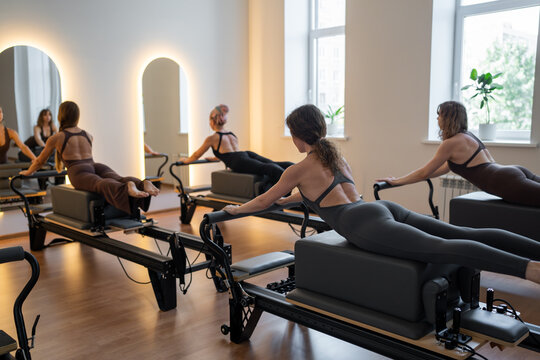
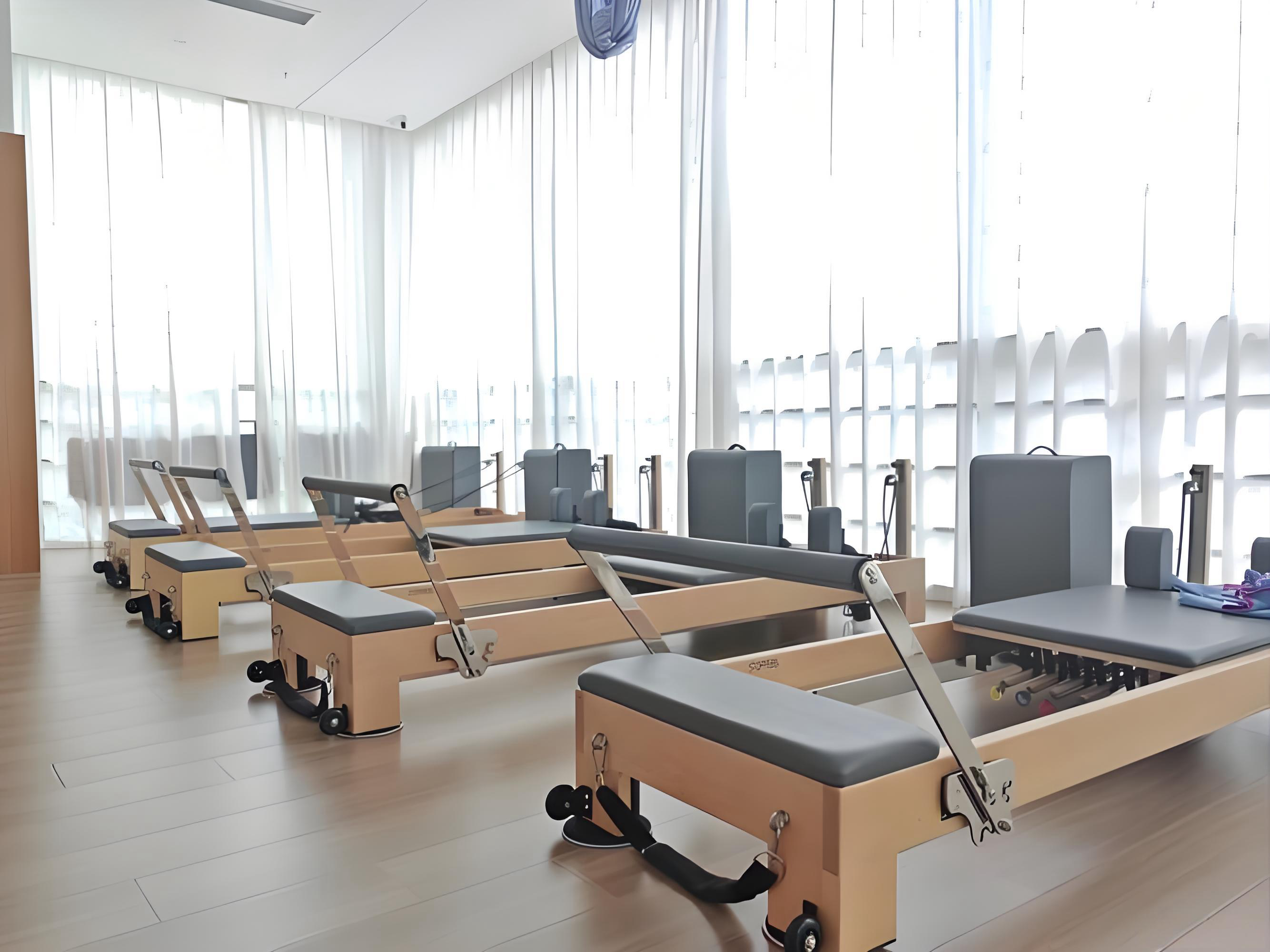
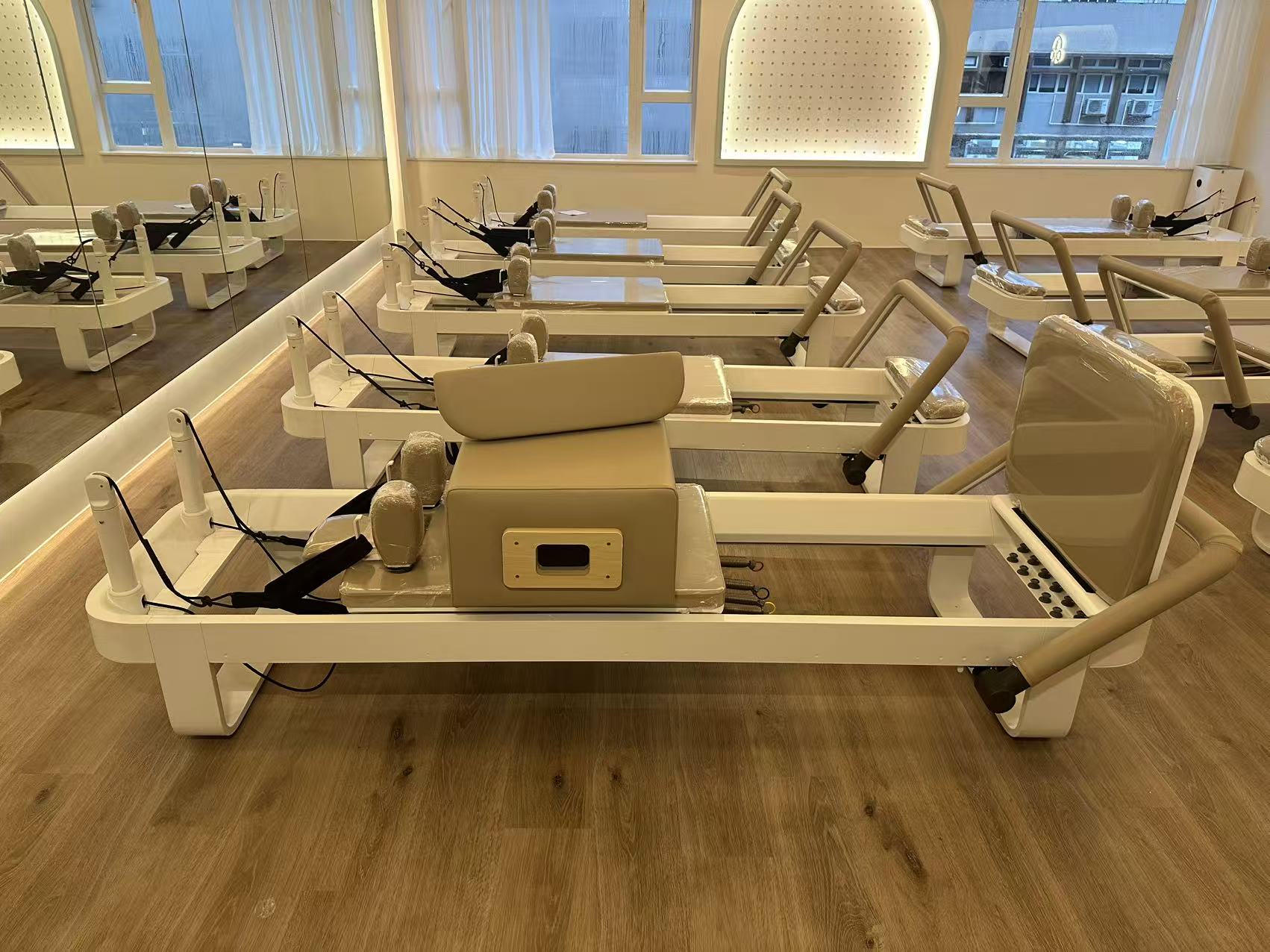
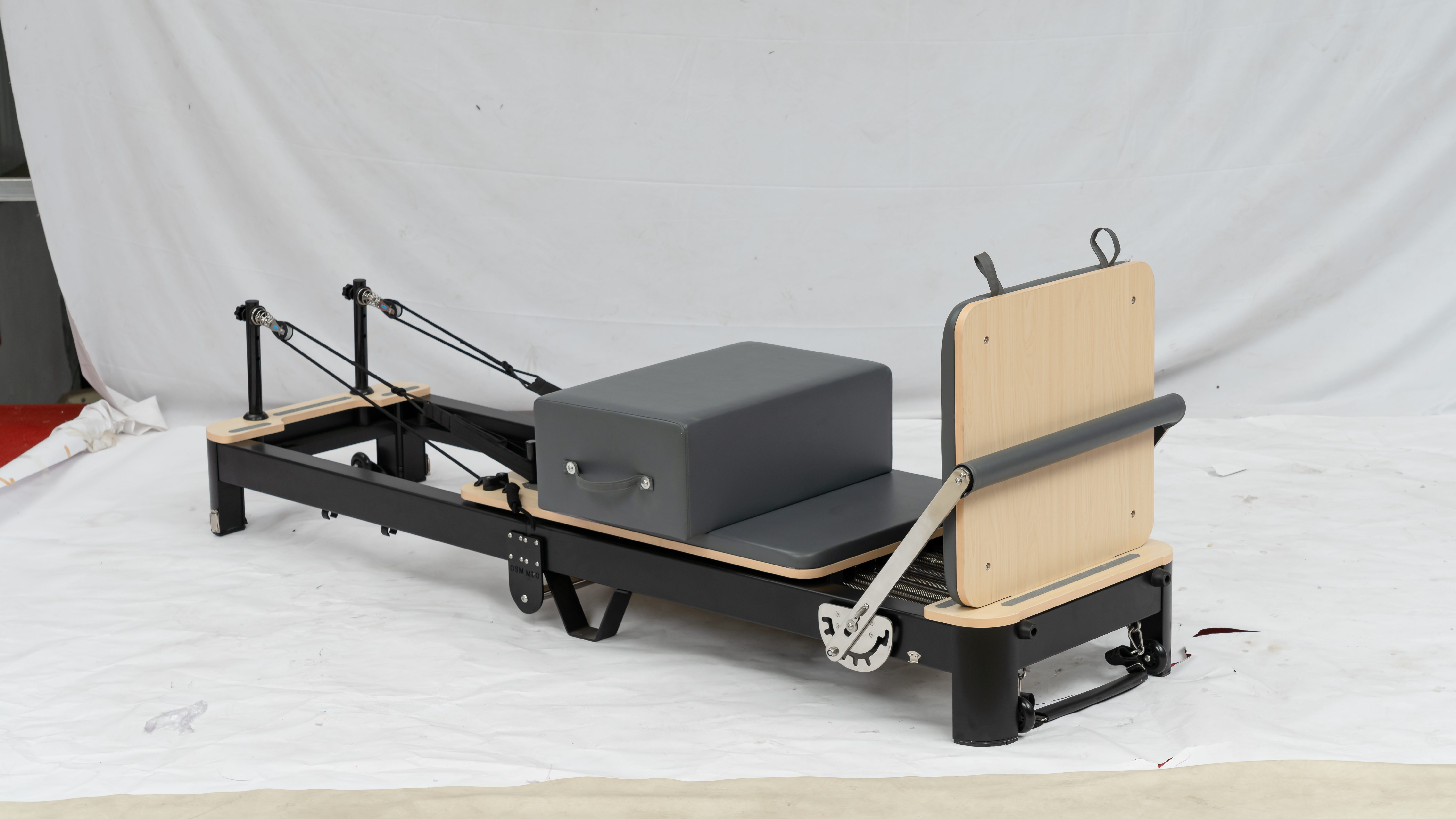
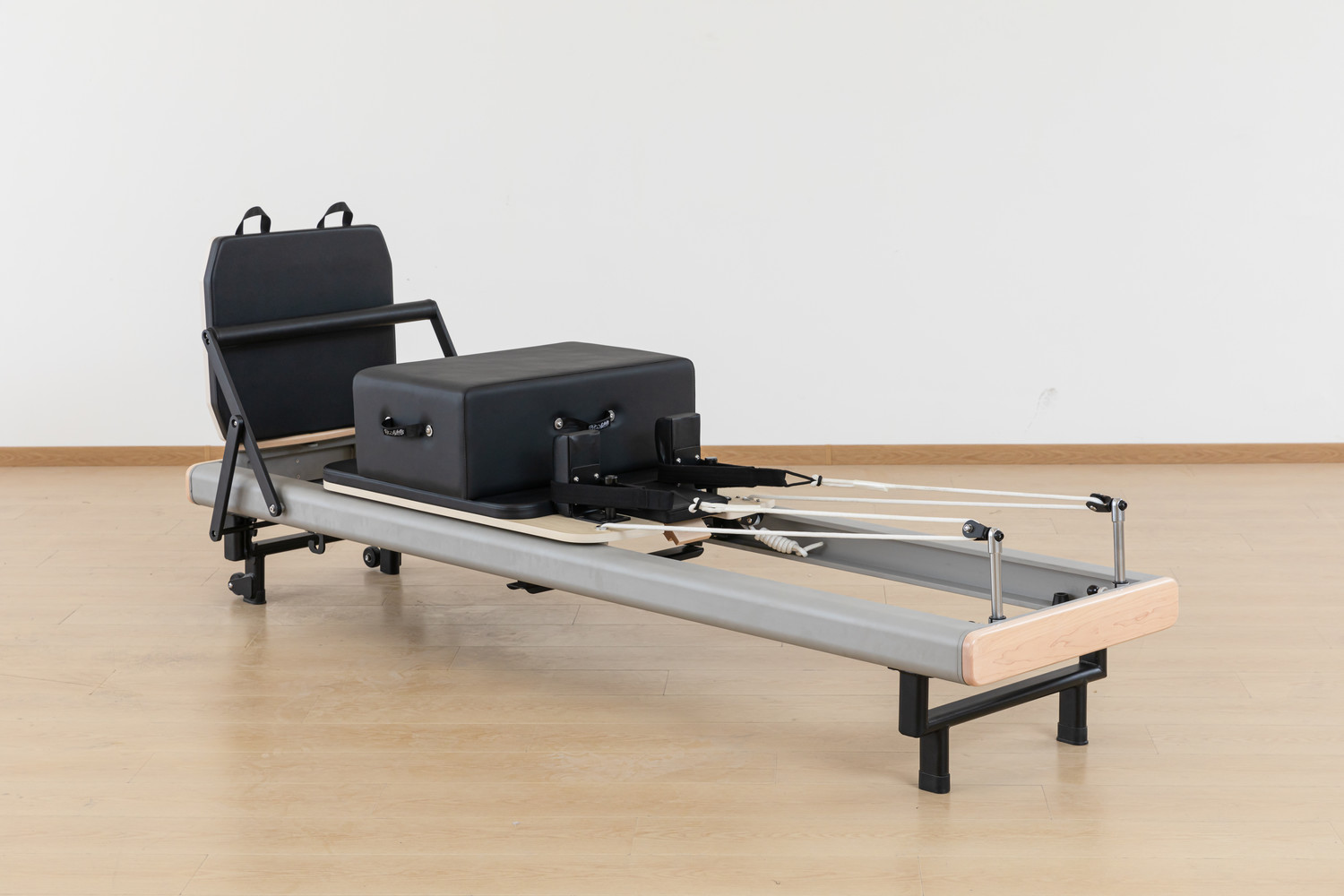
Pilates has undergone a remarkable transformation over the past decade. Once confined to boutique studios and rehabilitation clinics, it has become a staple of mainstream fitness culture. Alongside this rise in popularity, a distinct pattern has emerged in purchasing behavior: demand for premium Pilates apparatus is growing rapidly. Studio owners, personal trainers, and home fitness enthusiasts are increasingly willing to invest in high-end reformers, cadillacs, chairs, and barrels. Understanding why this demand is accelerating offers valuable insight into the future of the fitness industry and the changing expectations of consumers.
Pilates Moves From Niche to Mainstream
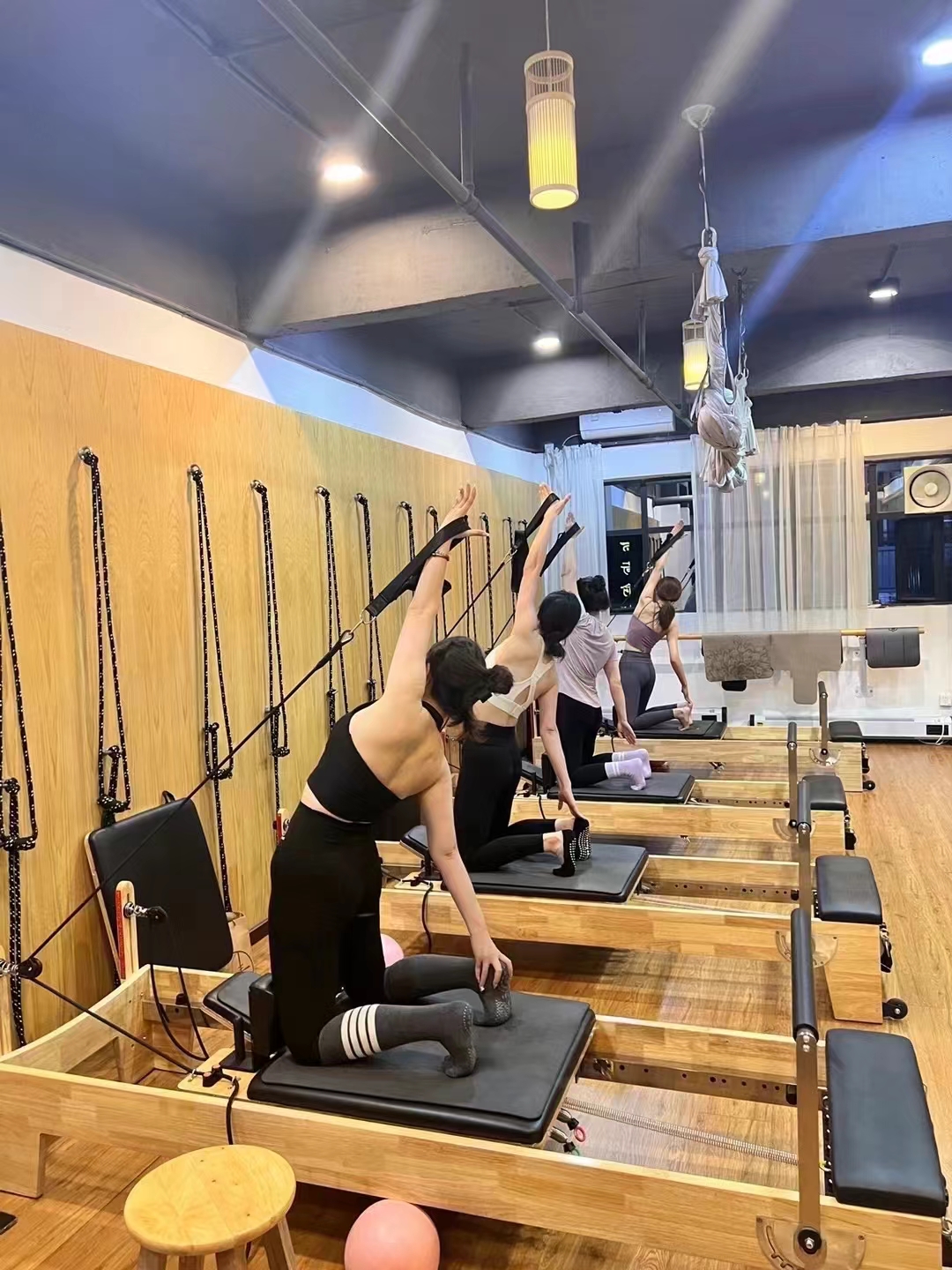
The first driver of premium apparatus demand is the sheer growth of Pilates itself. Social media, celebrity endorsements, and a broader cultural shift toward low-impact, mindful movement have propelled Pilates into the mainstream. Class attendance has surged, and new studios are opening in cities around the world. As the market expands, so does the pool of practitioners who progress from casual attendance to serious, long-term practice. These dedicated practitioners eventually seek out equipment for home use or choose studios based on the quality of their machines. The result is rising demand for premium apparatus that matches the quality of instruction serious clients expect.
Clients Become More Educated and Discriminating
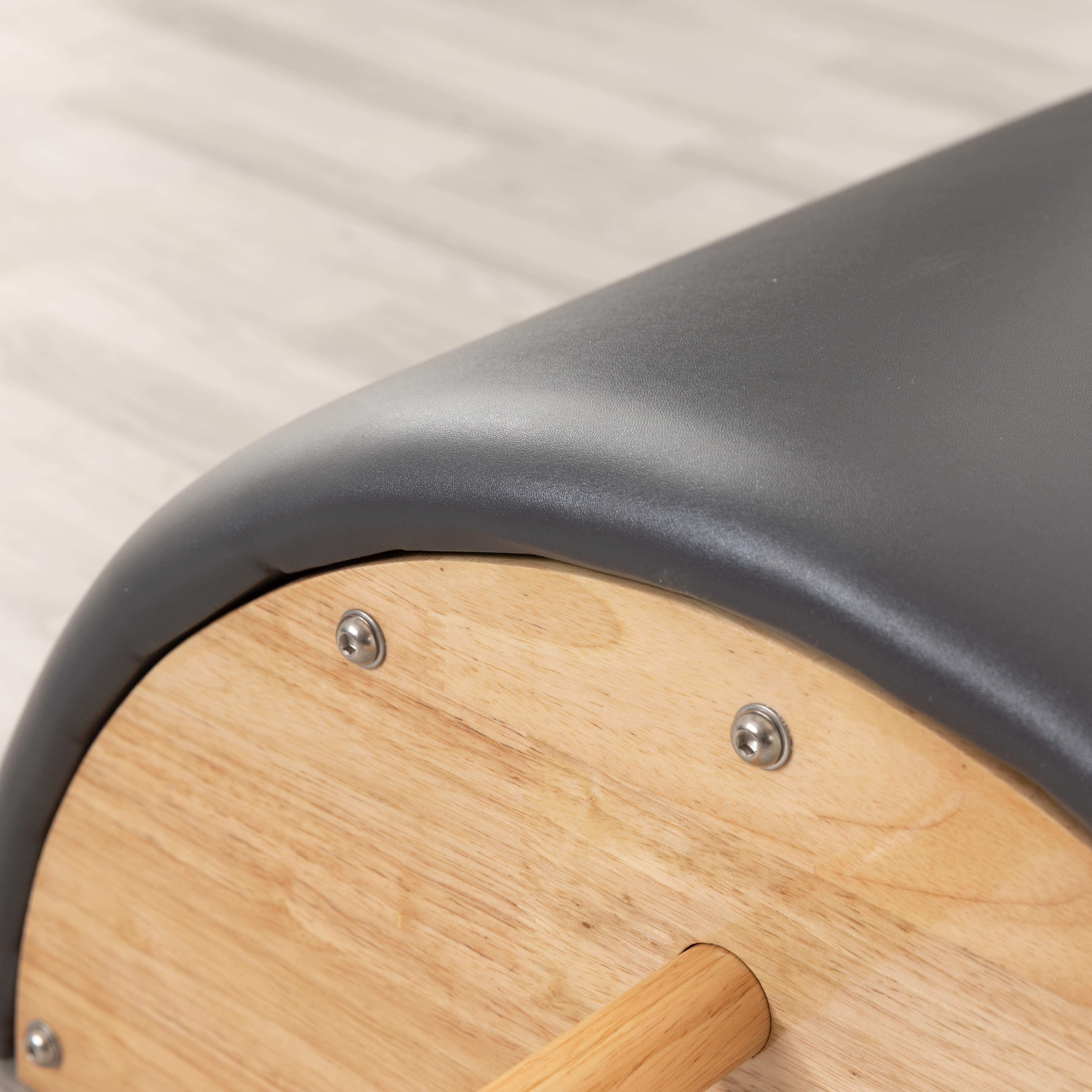
Modern fitness consumers are far more informed than previous generations. They research equipment online, compare specifications, read reviews, and watch video demonstrations before making decisions. Many have experienced both budget and premium machines in different studios and can feel the difference in carriage glide, spring consistency, and frame stability. This educated consumer base is less willing to accept equipment that feels shaky or inconsistent. When clients understand what premium apparatus feels like, they gravitate toward studios and brands that deliver that experience. Educated demand pushes the market toward higher-quality equipment.
The Home Studio Boom
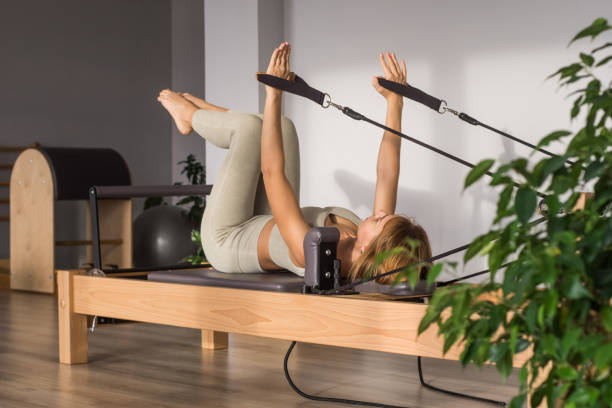
The shift toward remote work and home fitness accelerated during recent years and has not reversed. Many fitness enthusiasts now maintain home training spaces, and Pilates is particularly well suited to home practice because it requires relatively little space and offers low-impact, full-body conditioning. However, home users quickly discover that cheap, flimsy equipment undermines the experience. A wobbly reformer with inconsistent springs makes exercises uncomfortable and potentially unsafe. As a result, home practitioners are increasingly investing in premium, compact apparatus designed for residential use. Manufacturers have responded with commercial-quality machines scaled for home studios, and demand in this segment continues to grow.
Injury Prevention and Joint Health Drive Purchases
A significant portion of Pilates practitioners come to the method for rehabilitation or joint-friendly training. These users are especially sensitive to equipment quality. Premium apparatus offers smoother resistance, better alignment support, and more reliable safety features, all of which matter greatly to someone recovering from injury or managing a chronic condition. Trainers working with these populations also prefer premium equipment because it allows them to program exercises with confidence. As the population ages and interest in joint-healthy fitness grows, demand for premium, safe apparatus rises accordingly.
Studios Compete on Equipment Quality
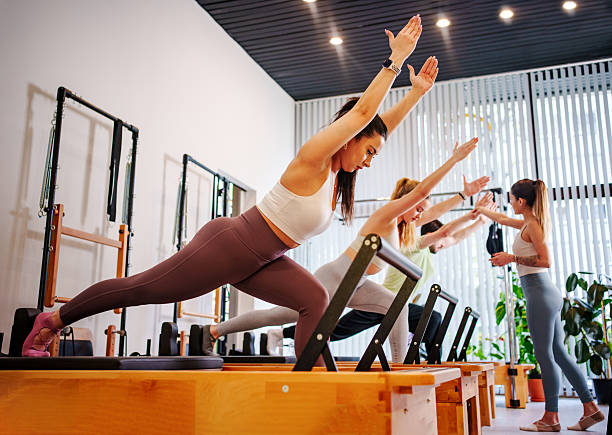
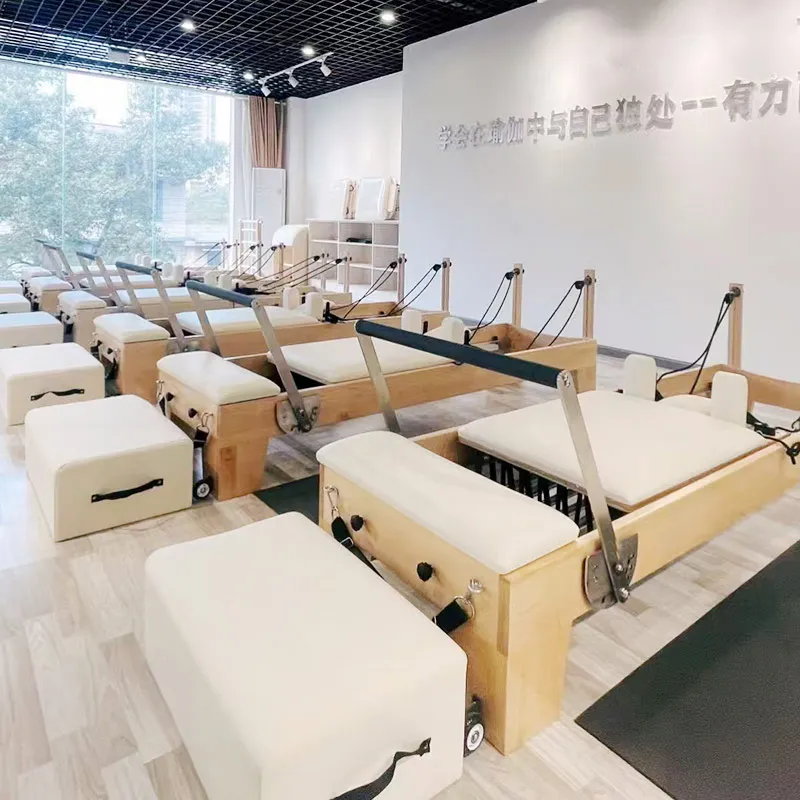
In an increasingly crowded fitness market, studios differentiate themselves through the quality of their equipment. Premium Pilates machines signal professionalism, attract discerning clients, and support higher pricing. Studio owners recognize that clients can choose among many options, and equipment quality is one of the most visible and tangible differentiators. A studio filled with well-maintained premium apparatus communicates that it takes training seriously. This competitive dynamic drives studio purchasing decisions toward premium brands, further increasing overall demand.
Brand Reputation and Community Trust
Premium Pilates brands have invested years in building reputations for reliability, innovation, and customer support. Trainers and studio owners often choose equipment based on recommendations from their professional networks and training organizations. Once a brand earns trust within the Pilates community, demand tends to compound as new studios and trainers follow established peers. This community-driven trust reinforces the premium segment's growth, as buyers prefer proven equipment over unknown alternatives.
Versatility and Programming Needs
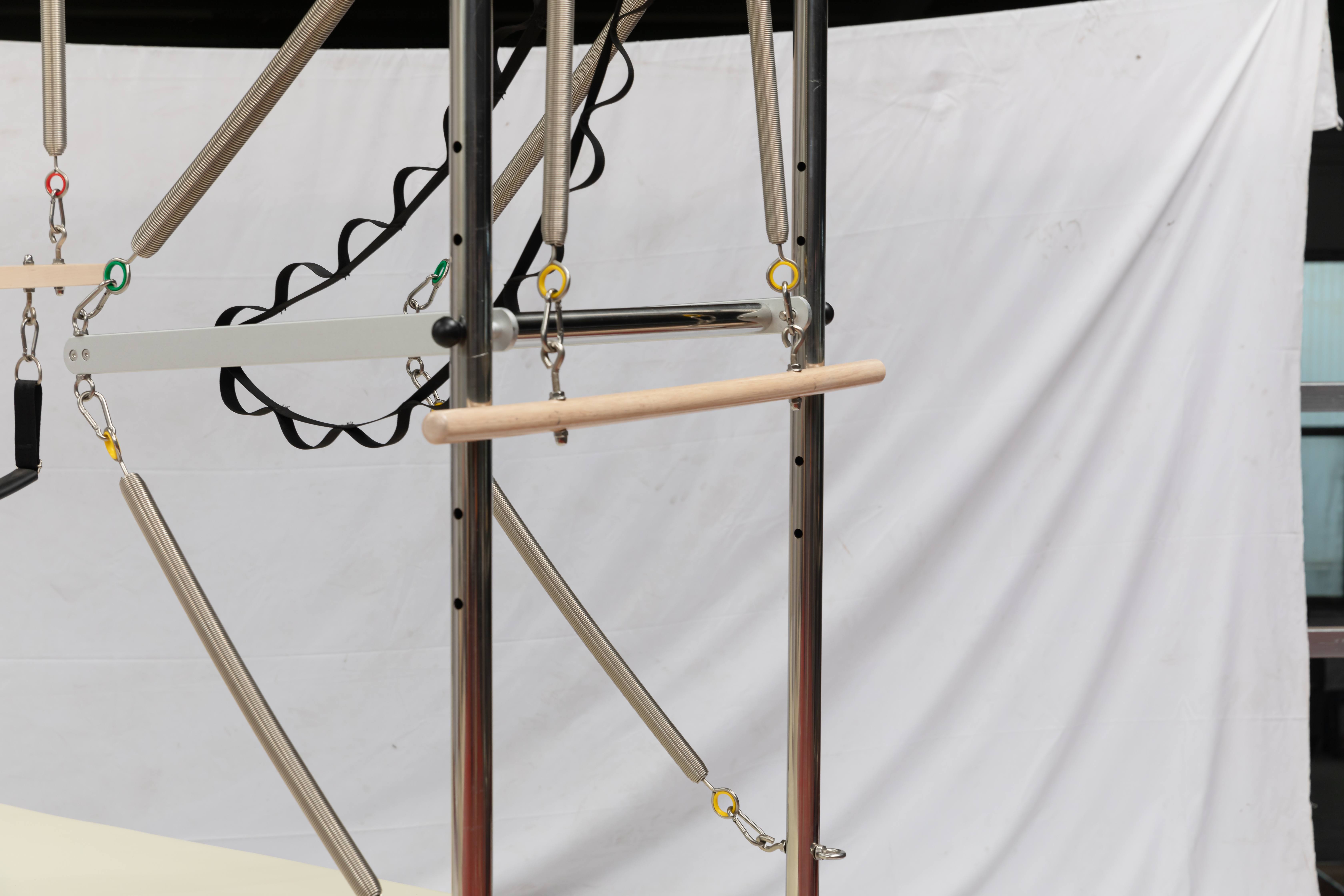
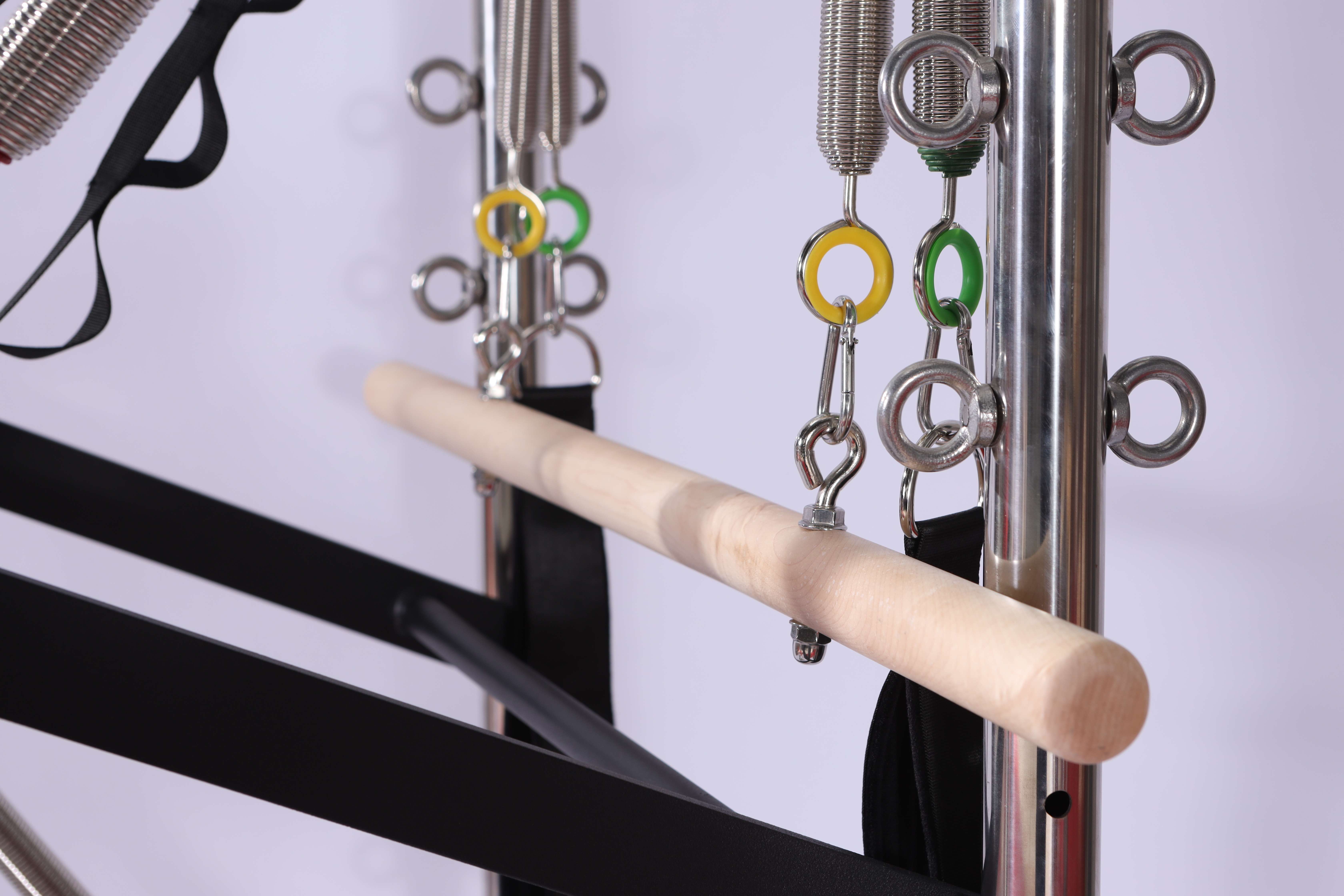
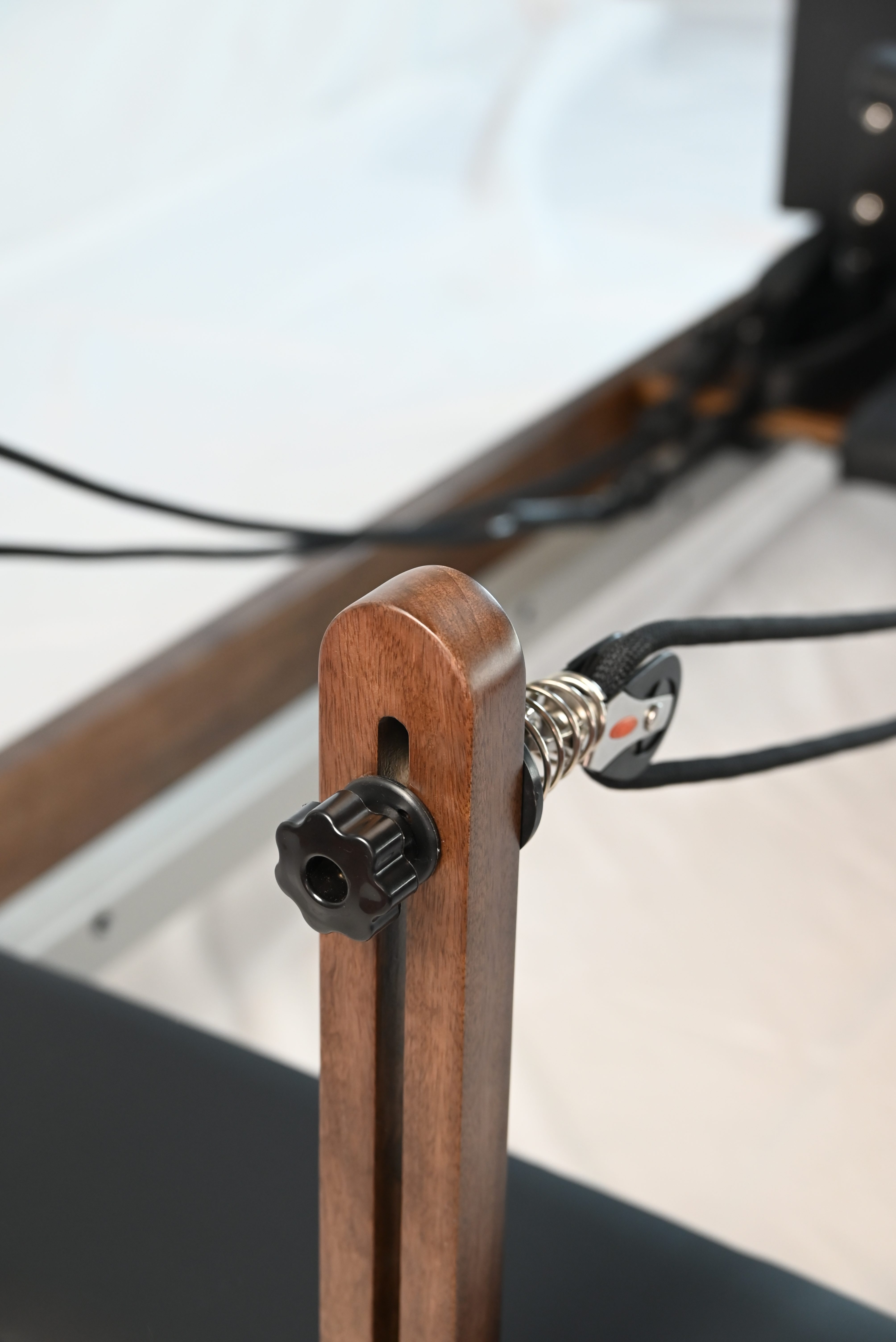
Modern Pilates programming has become more diverse, blending traditional repertoire with athletic conditioning, rehabilitation, and hybrid class formats. Premium apparatus supports this diversity through modular features, adjustable components, and accessory systems. Trainers need equipment that can adapt to different client goals and class styles, and premium machines offer that flexibility. As programming becomes more sophisticated, the limitations of budget equipment become more apparent, pushing demand toward versatile, commercial-grade machines.
Long-Term Cost Awareness
Buyers are increasingly aware that premium apparatus offers better long-term value. Durability, serviceability, parts availability, and resale value all favor commercial-grade equipment. Studio owners who once opted for cheaper machines to save money are now recognizing that frequent replacements and repairs erode those savings. The total cost of ownership favors premium equipment, and this awareness is spreading through the industry. As financial literacy around equipment improves, demand for premium apparatus grows.
Conclusion
The growing demand for premium Pilates apparatus reflects broader changes in fitness culture: a more educated consumer base, the rise of home studios, heightened awareness of injury prevention, competitive pressure on studios, and a clearer understanding of long-term value. These forces are reshaping the equipment market and raising standards across the industry. For manufacturers, studios, and trainers alike, the message is clear: quality matters, and clients are willing to pay for it. The premium segment of the Pilates equipment market is not a temporary trend—it is the direction the industry is moving.