Pilates Equipment Trends Shaping Studios in 2025
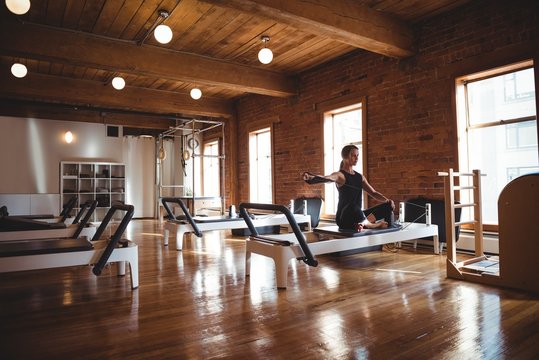
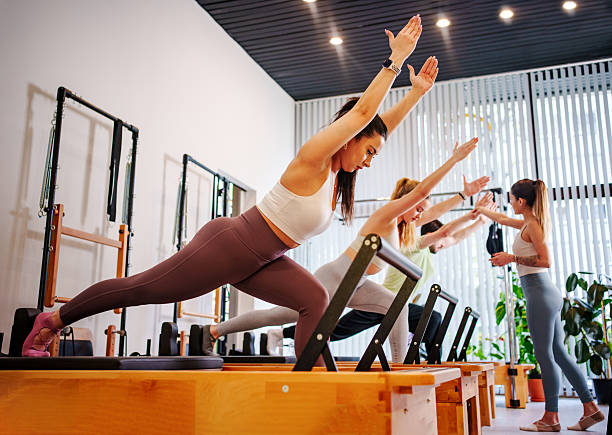
The Pilates equipment landscape is evolving rapidly in 2025, driven by shifting client expectations, technological integration, and the ongoing surge in Pilates popularity. Studios that stay ahead of these trends are positioning themselves for growth, while those clinging to outdated equipment risk falling behind. Several key developments are defining how studios approach equipment selection, studio design, and client experience this year.
Connected and Smart Equipment Takes Center Stage
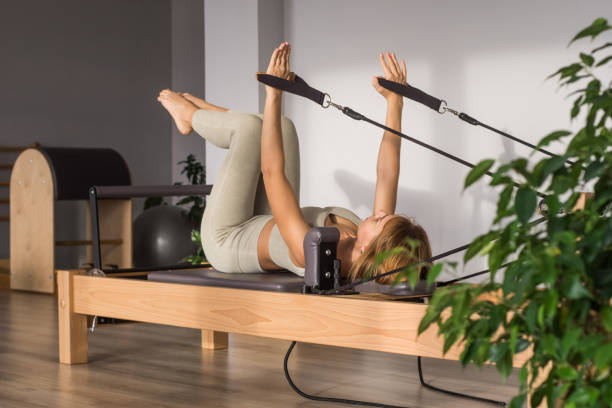
The most visible trend in 2025 is the rise of connected Pilates apparatus. Equipment manufacturers are embedding digital displays, biometric tracking, and on-demand content directly into reformers and other machines. NordicTrack’s Ultra 1 Reform RX-S, for example, features a 24-inch HD touchscreen, real-time resistance adjustments via push-button controls, and Smart Spine technology that collects biometric data and displays power output in real time. This integration of digital coaching ecosystems represents a fundamental shift: equipment is no longer just mechanical; it is becoming a platform for guided, data-driven training. For studios, this means the ability to offer hybrid class formats, support members with on-demand sessions between in-person visits, and provide objective feedback that enhances client progress. The trend also aligns with broader market analysis suggesting that product differentiation will increasingly rely on the integration of digital coaching ecosystems alongside material innovation.
Space-Saving and Flexible Solutions for Urban Studios
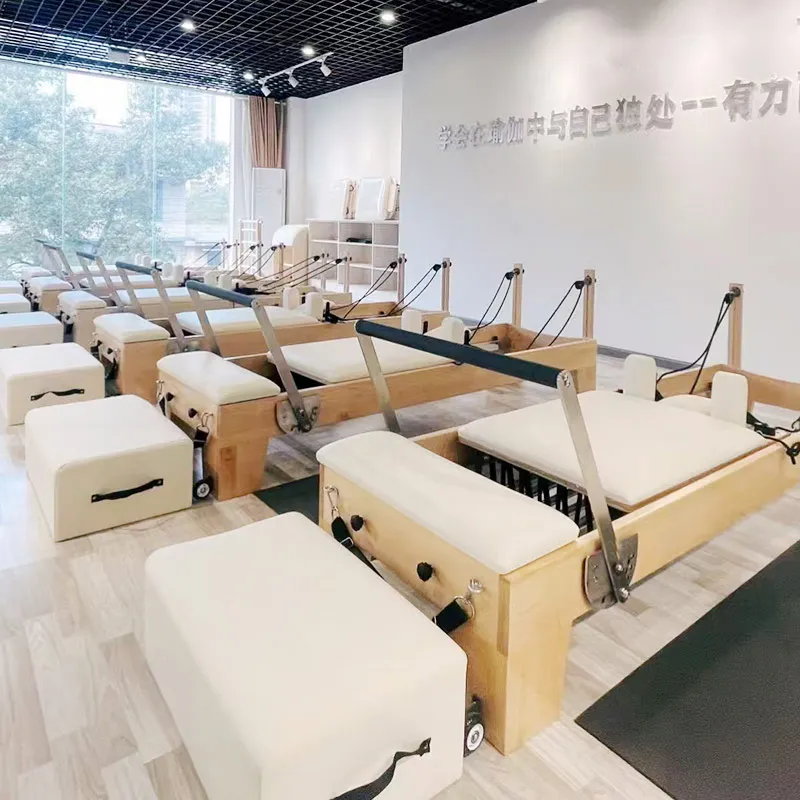
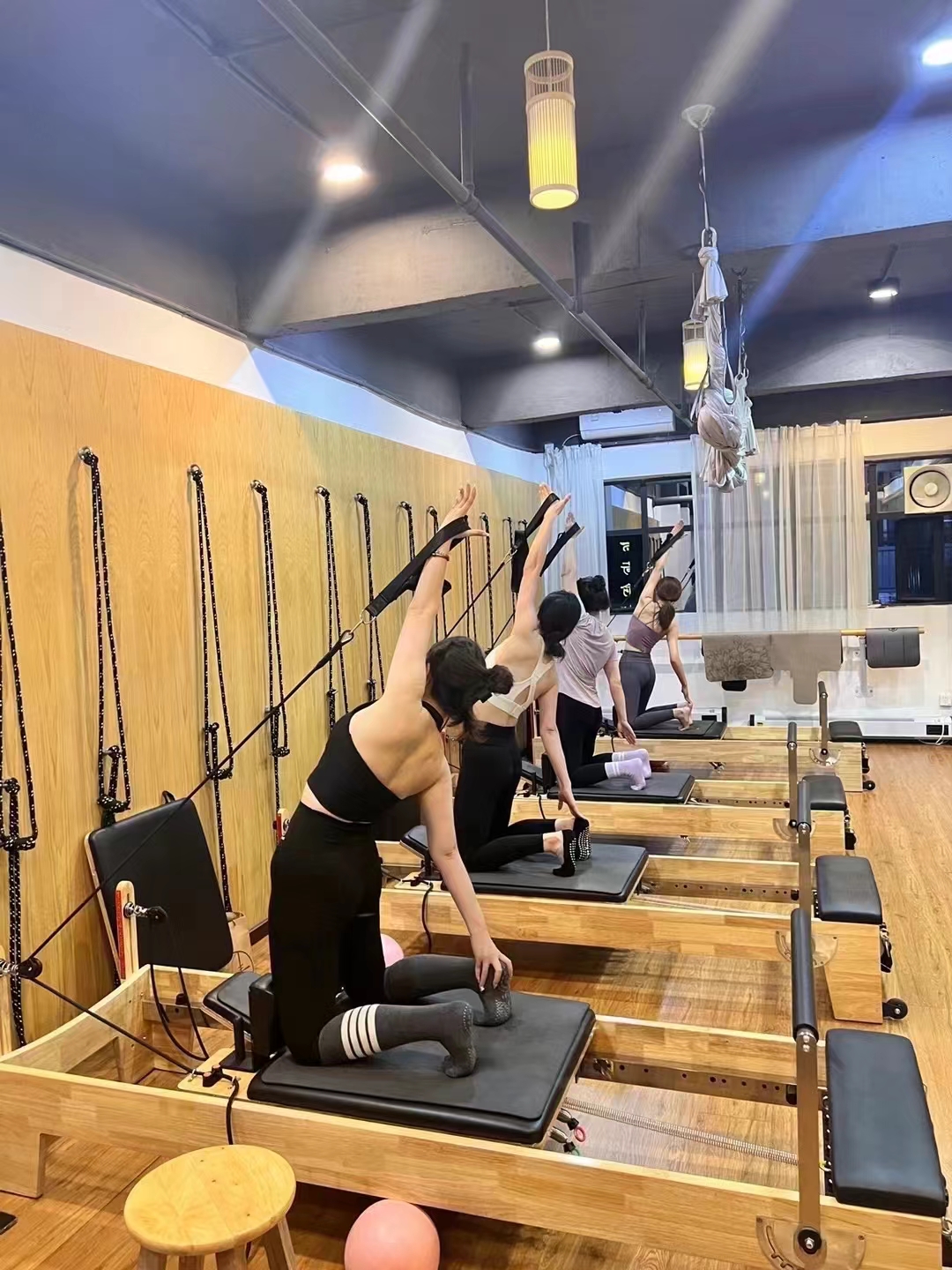
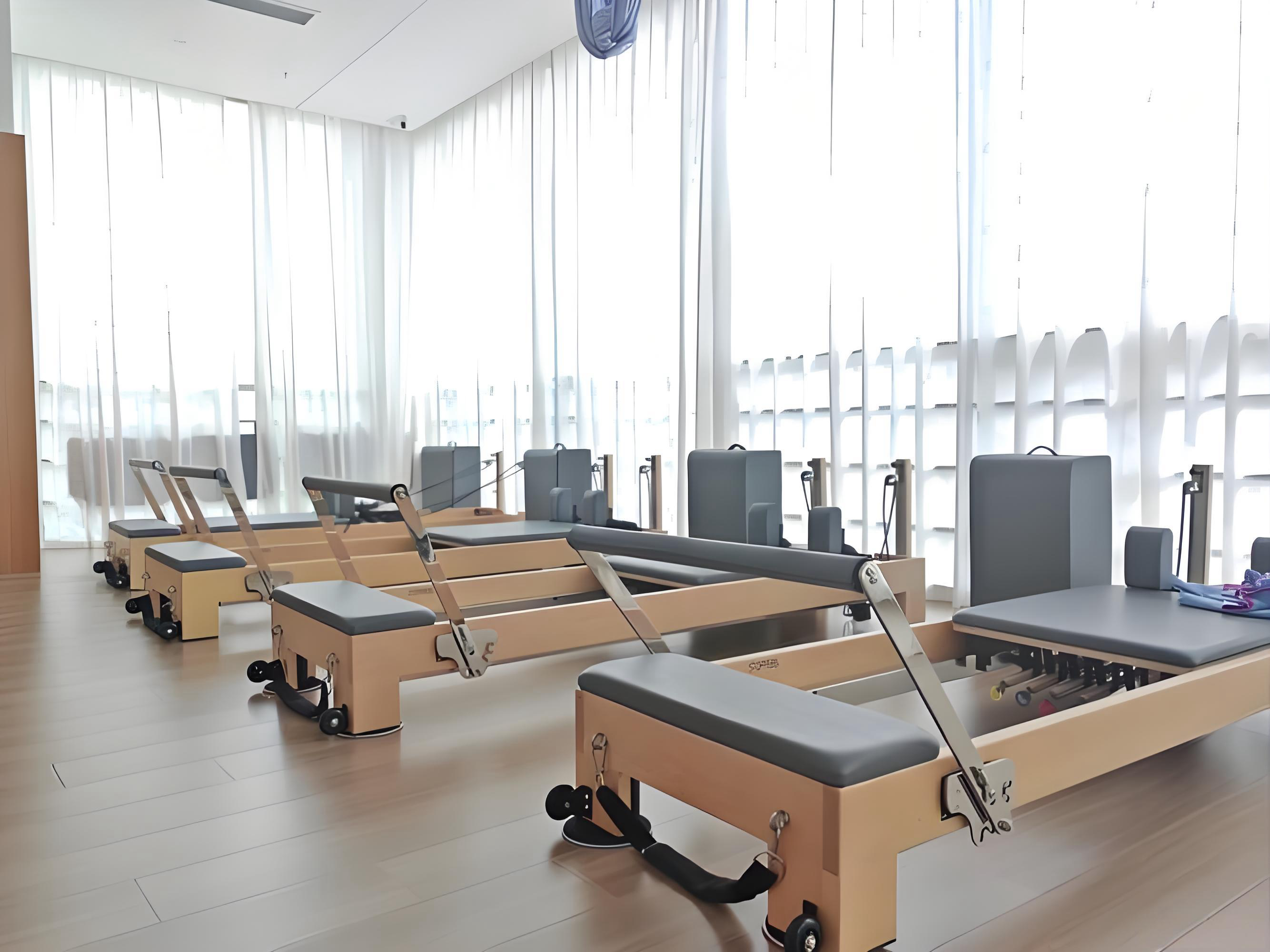
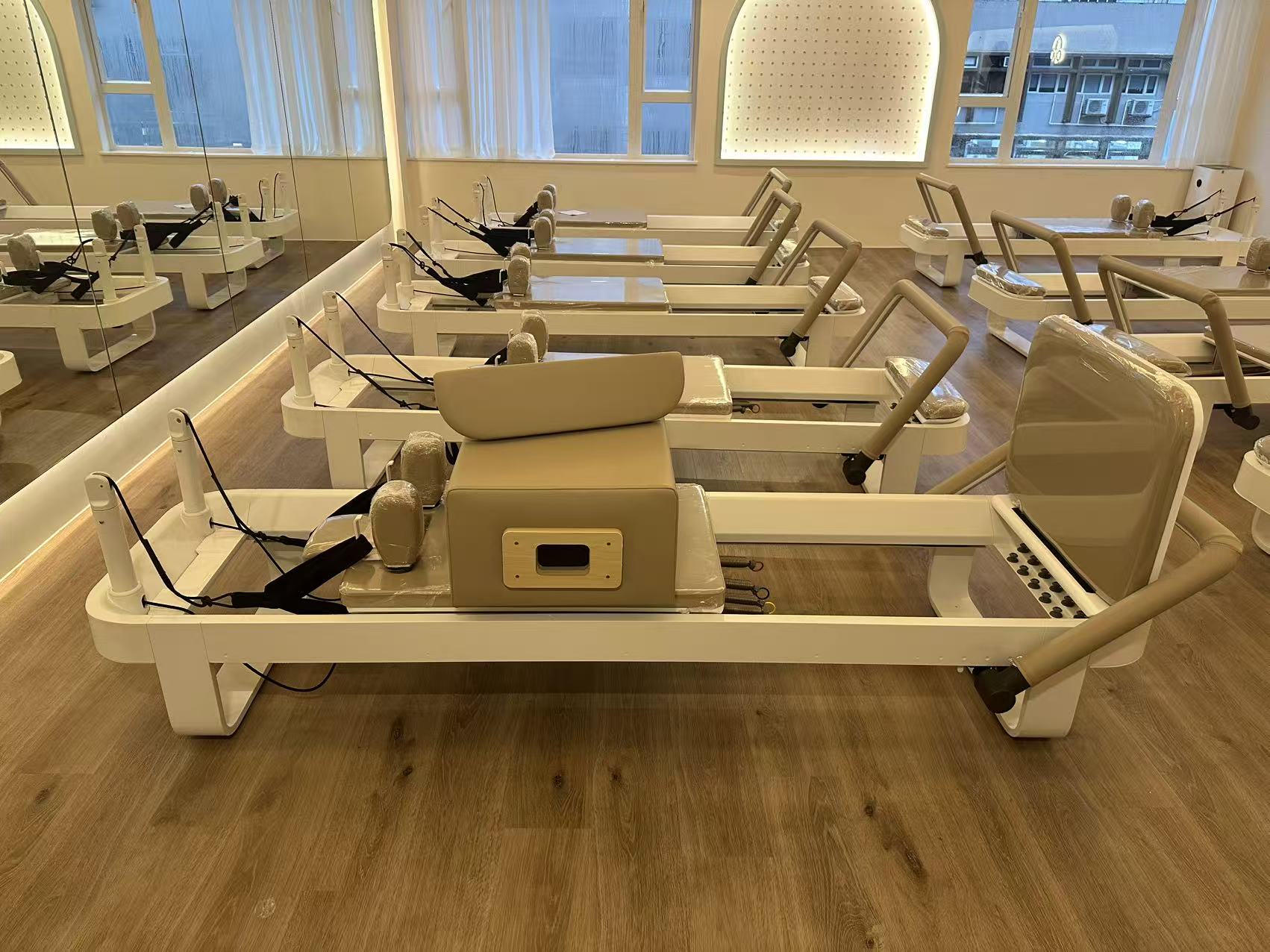
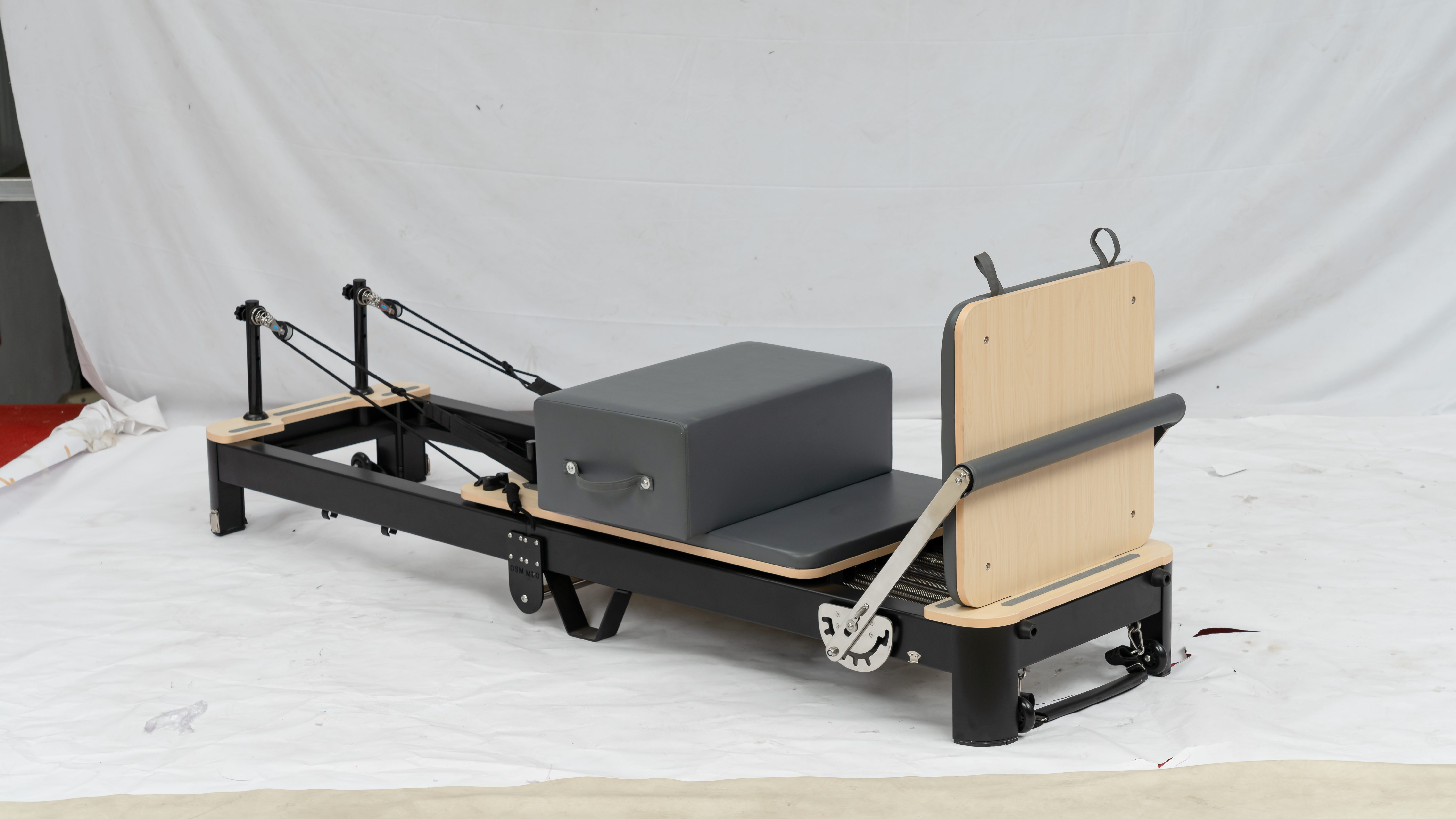
Space constraints remain one of the biggest operational challenges for studio owners, particularly in dense urban markets. In response, manufacturers are developing equipment designed for flexibility and efficient storage. Fold has launched a reformer featuring its Easi-Fold system with assisted springs and “parent and child” wheel technology, marketed as the easiest fold on the market, allowing studios to quickly convert training spaces for different uses. In China, manufacturers like Yilaide have developed stackable Pilates reformers specifically to address the pain point of small studios where three reformers would consume an entire room; the lightweight, stackable design allows rapid reconfiguration of studio space between sessions. These innovations are not merely conveniences—they directly affect a studio’s ability to maximize class scheduling and revenue per square meter.
Modular and Adaptable Equipment for Diverse Client Needs
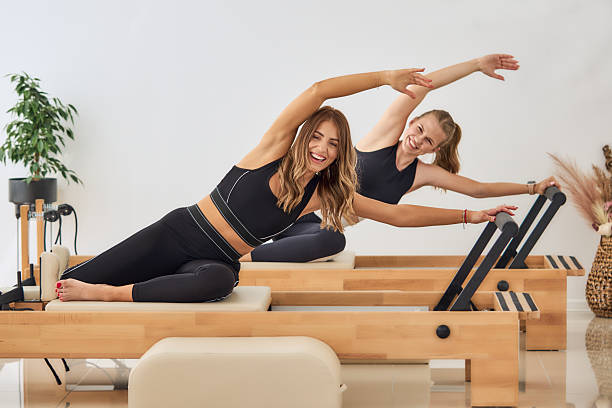
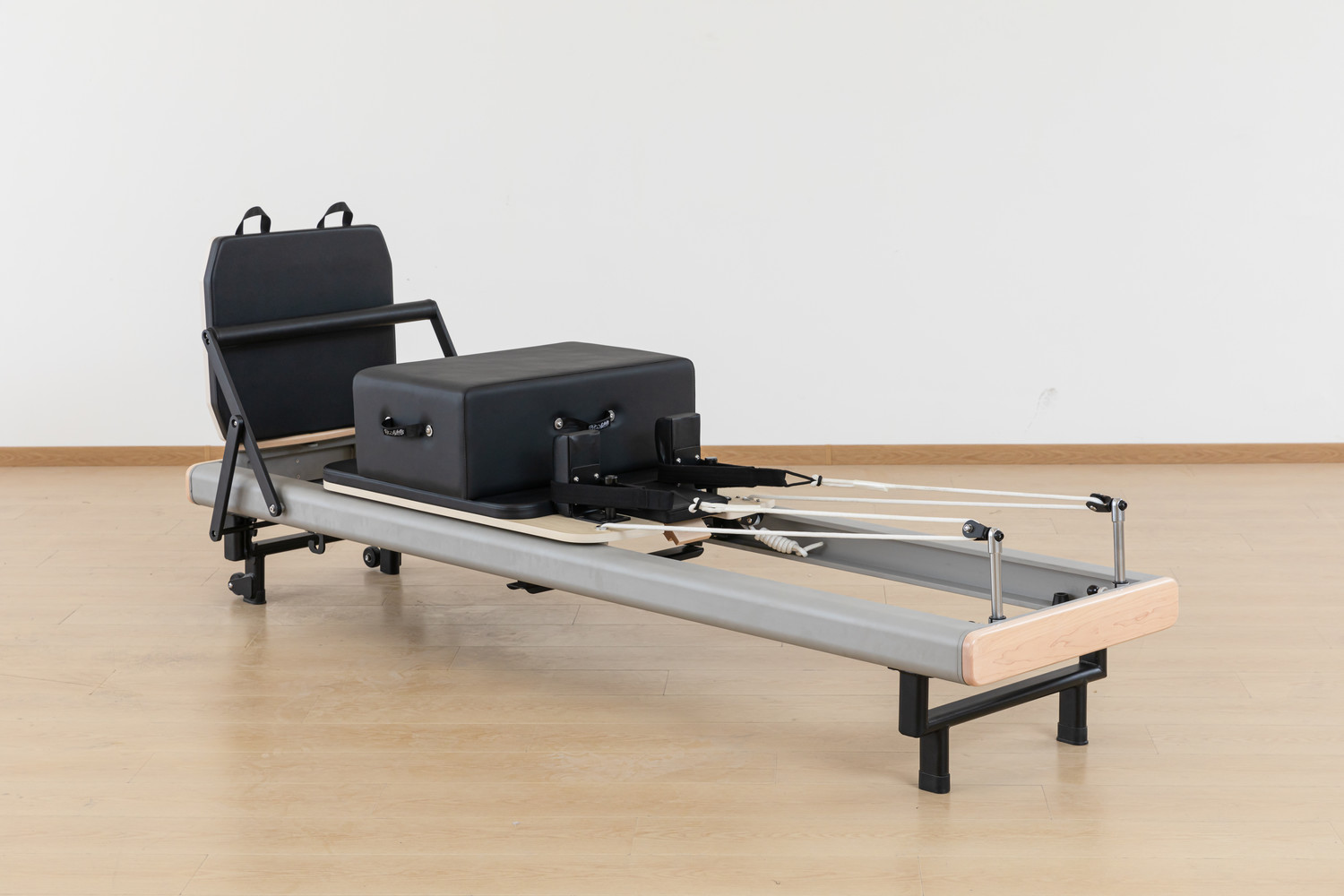
Studios today serve a broader range of clients than ever: beginners, advanced practitioners, pre- and post-natal clients, athletes, and rehabilitation patients. Equipment manufacturers are responding with modular designs that adapt to varied needs. Peak Pilates has introduced accessories including a platform extender and carriage mat to expand reformer functionality, along with an on-demand workout platform called Studio Connect that enables studios to maximize facility use between instructor-led classes. Align-Pilates emphasizes modular designs that let operators start small and expand without reinvesting in entirely new systems. This modularity allows studios to scale gradually, add new class formats, and serve niche client populations without purchasing entirely separate equipment lines.
Enhanced Safety Features and User-Friendly Design
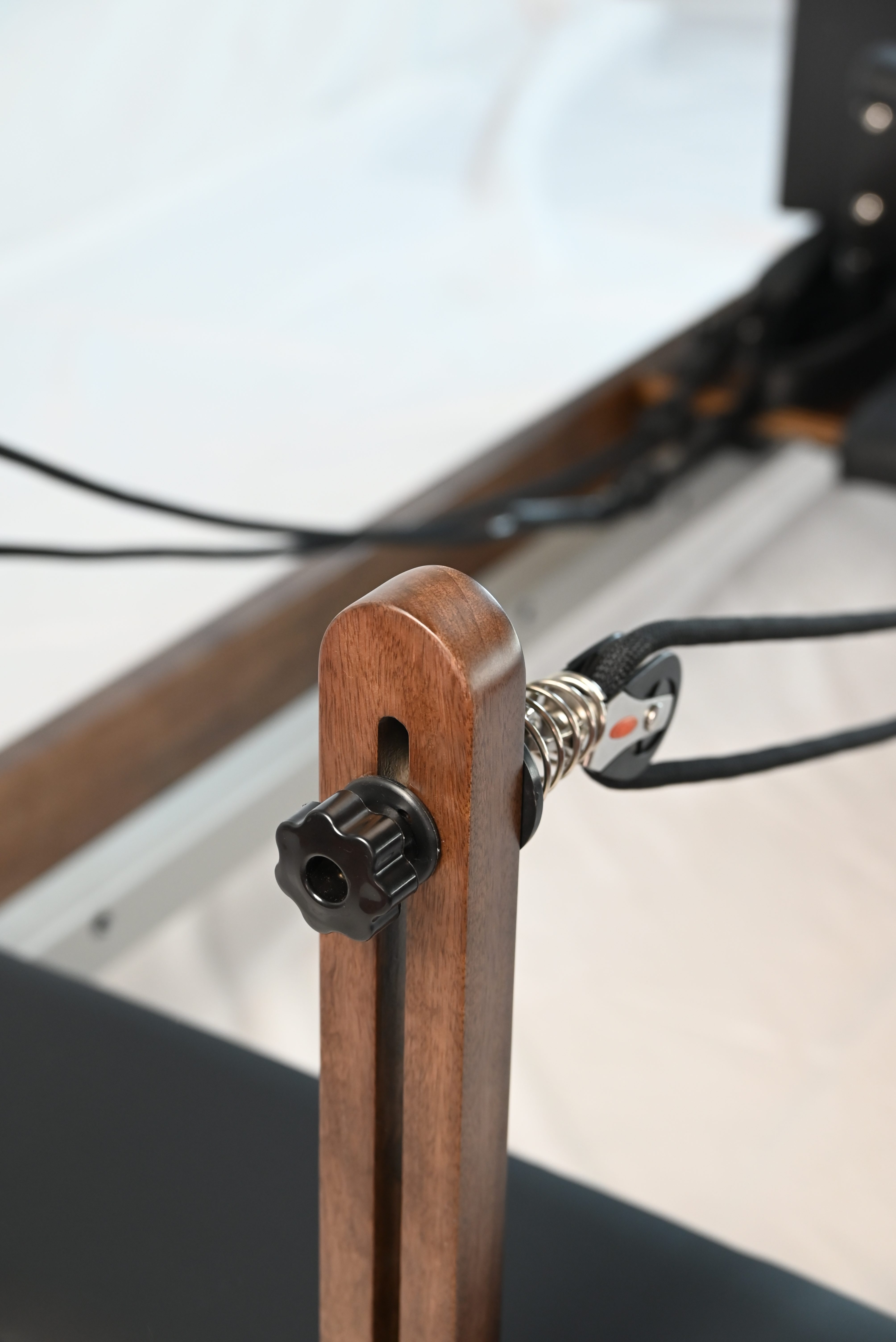
Safety and accessibility are receiving renewed attention in 2025. Traditional reformers with exposed springs can intimidate new clients and pose injury risks if handled improperly. Equipment designers are addressing this with enclosed spring systems and push-button resistance controls. The NordicTrack RX-S features durable enclosed springs that make resistance changes smooth and worry-free. Another manufacturer describes moving away from the “hospital-grade feel” with Formula 1-inspired ergonomics and push buttons instead of traditional exposed springs, creating a safer and less intimidating way to control resistance. These design choices matter for studios seeking to attract beginners and older clients who may be hesitant about traditional apparatus.
The Rise of Tower and Chair Training
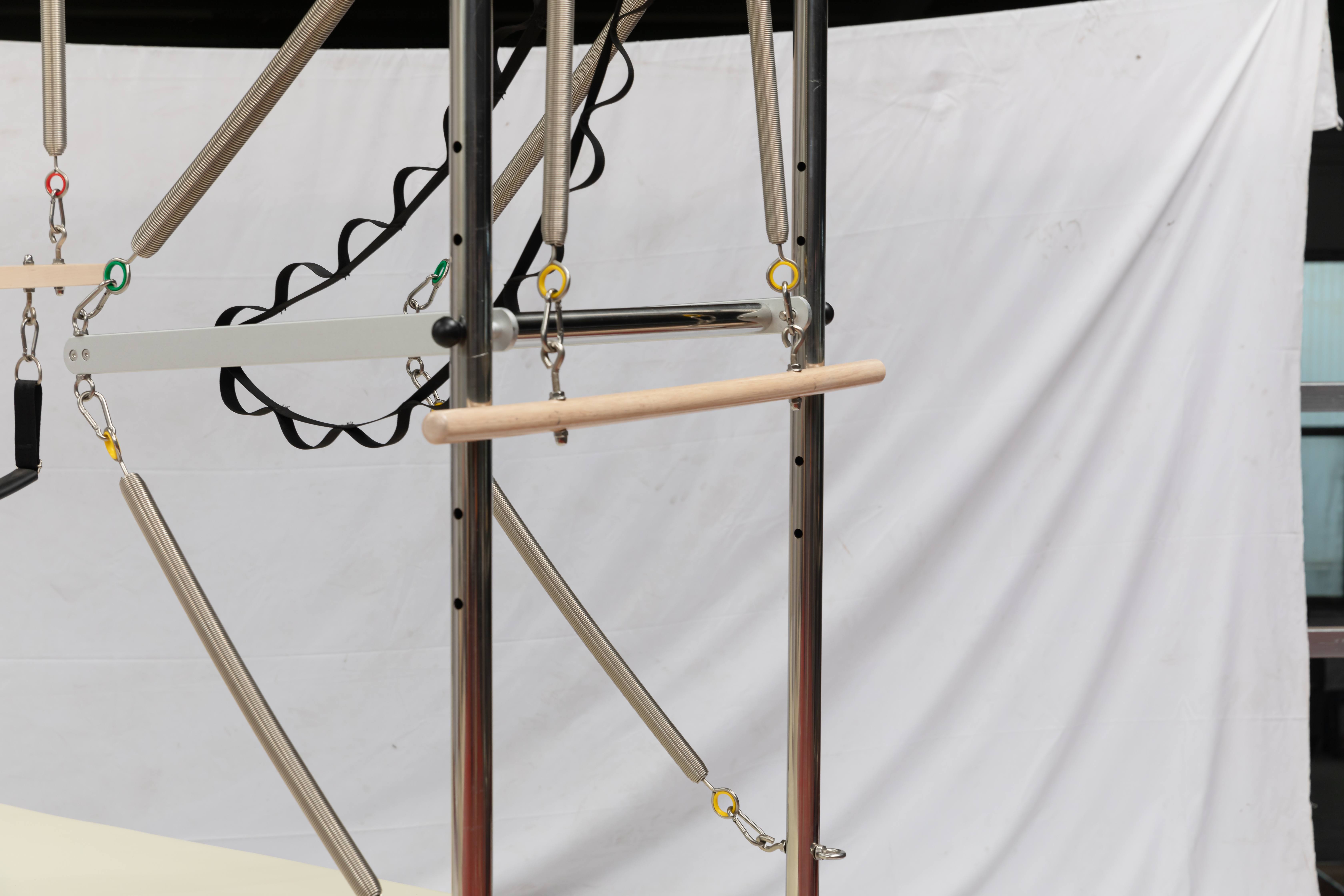
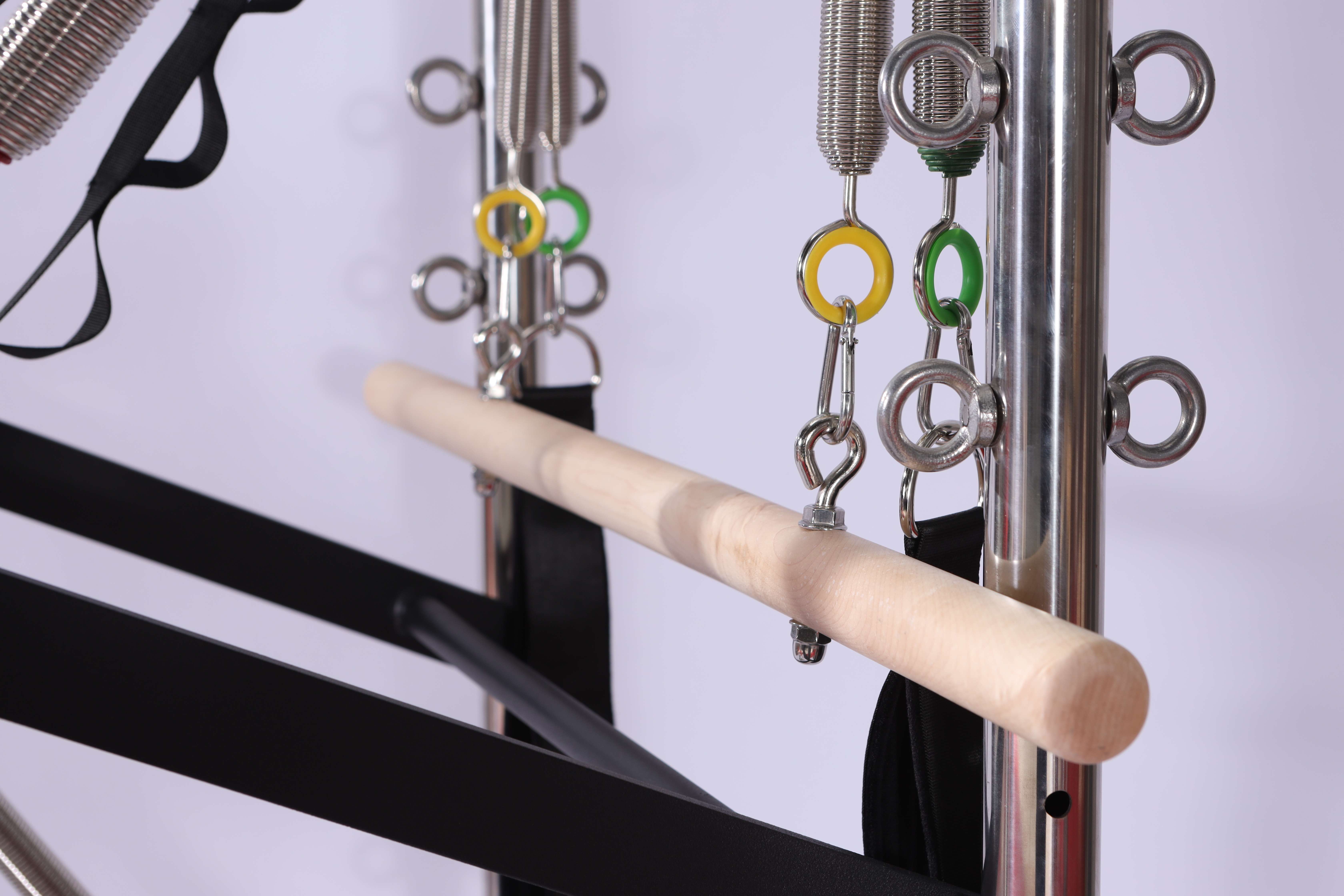
While reformers dominate studio floors, demand is growing for other classical apparatus. In the United Kingdom, Pilates instructor job listings showed an 89.5% increase in mentions of tower and chair skills, indicating growing interest in classes using a broader range of equipment. Studios are diversifying beyond reformer-only offerings, adding tower Pilates and chair-based sessions to differentiate their schedules and serve clients seeking variety. This trend suggests that studios investing in equipment should consider a more complete apparatus ecosystem rather than focusing exclusively on reformers.
Home Studio and Boutique Hybrid Models
The boundary between commercial and home equipment is blurring. Residential users represent a growing segment, fueled by increasing interest in home fitness and flexible routines. NordicTrack explicitly markets its connected reformer as a way to “bring the professional Pilates studio home,” priced at $14,999. Studios are responding by offering hybrid models where members can access on-demand content at home while attending in-person sessions for form correction and community. This trend does not threaten studios—it expands the market by introducing more people to reformer Pilates and creating demand for professional guidance.
Material Innovation and Sustainability
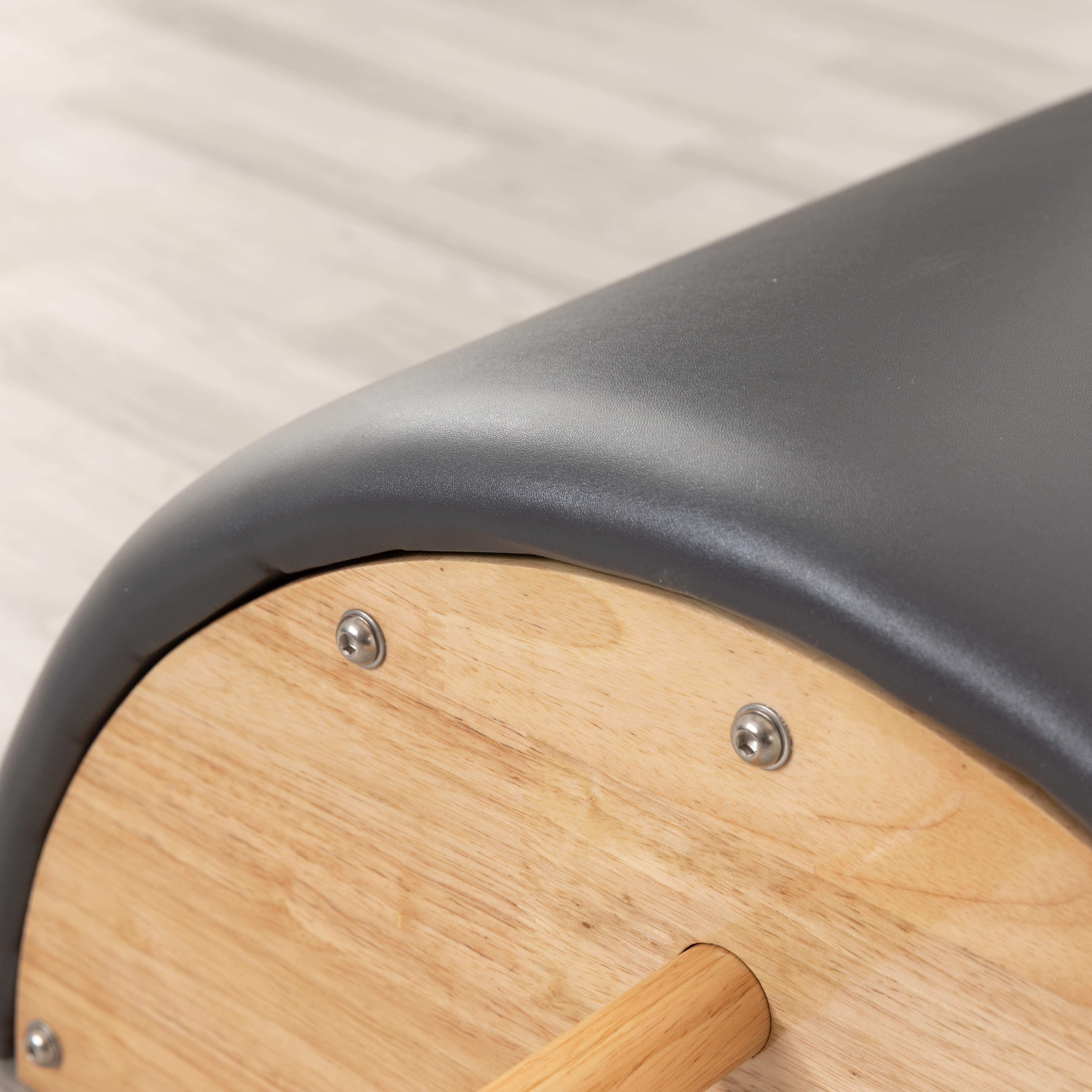
Wood remains the dominant material for Pilates equipment, holding a 35% share in 2025 due to durability, structural strength, and aesthetic appeal for boutique studios. However, composite materials are gaining ground, projected to grow at 9.5% annually, driven by interest in materials that combine strength, reduced weight, and design flexibility. Manufacturers are also responding to institutional buyer demands for sustainability credentials as part of procurement decisions. Studios with environmental commitments are beginning to factor material sourcing and end-of-life recyclability into purchasing decisions.
Conclusion
The Pilates equipment trends shaping studios in 2025 reflect a maturing market. Connected technology, space-saving design, modularity, enhanced safety, and material innovation are no longer futuristic concepts—they are available and increasingly expected by clients and operators alike. Studios that invest in equipment aligned with these trends will be better positioned to attract and retain clients, maximize their space, and adapt as the Pilates market continues its growth trajectory. The equipment decisions made in 2025 will shape studio competitiveness for years to come.