From Niche to Mainstream: How Pilates Apparatus Became a Fitness Essential
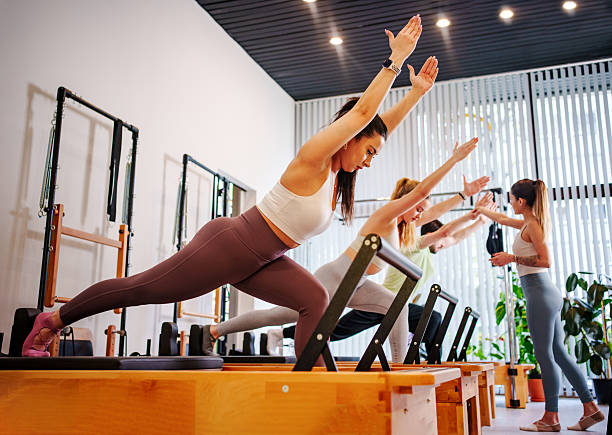
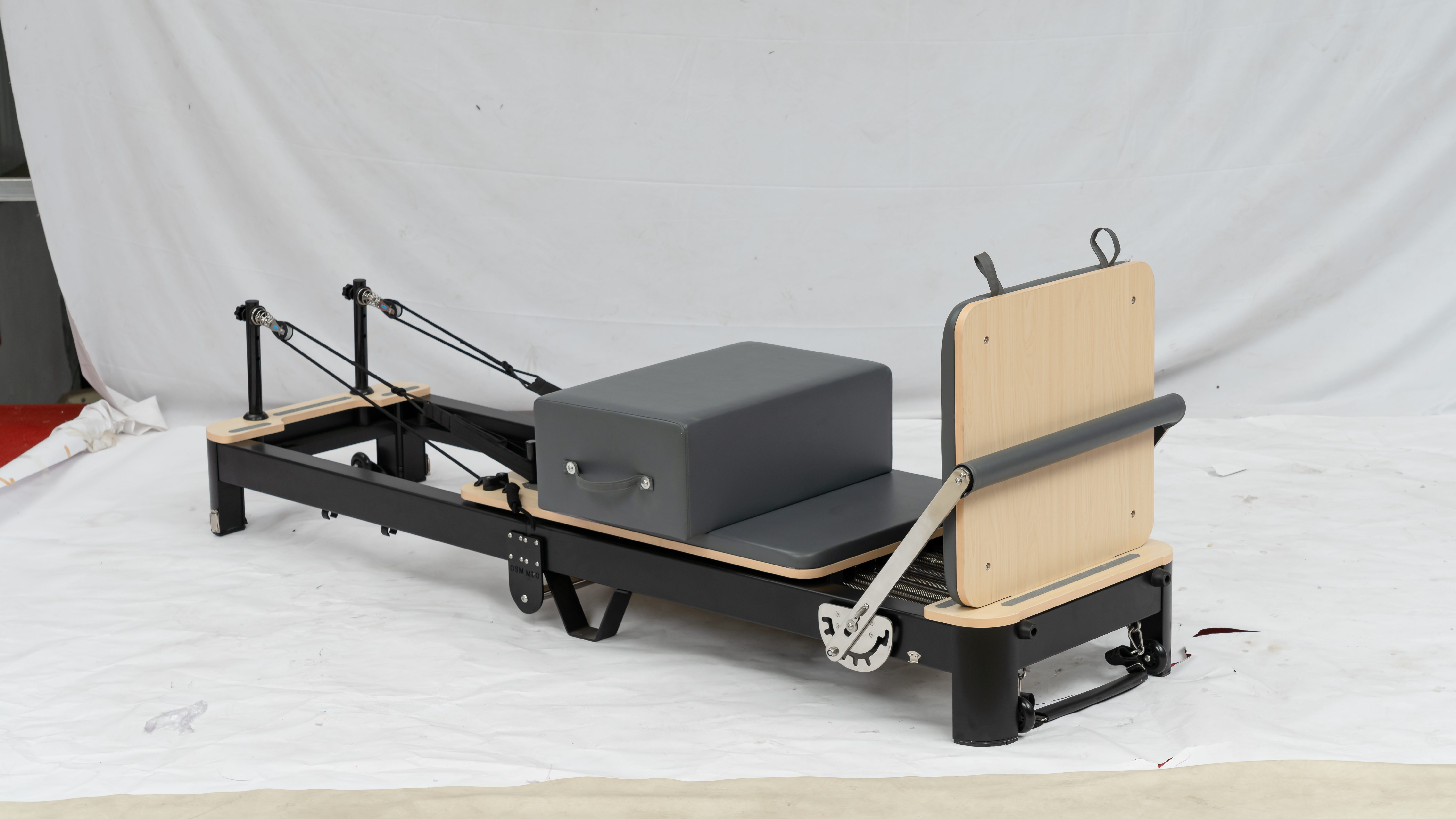
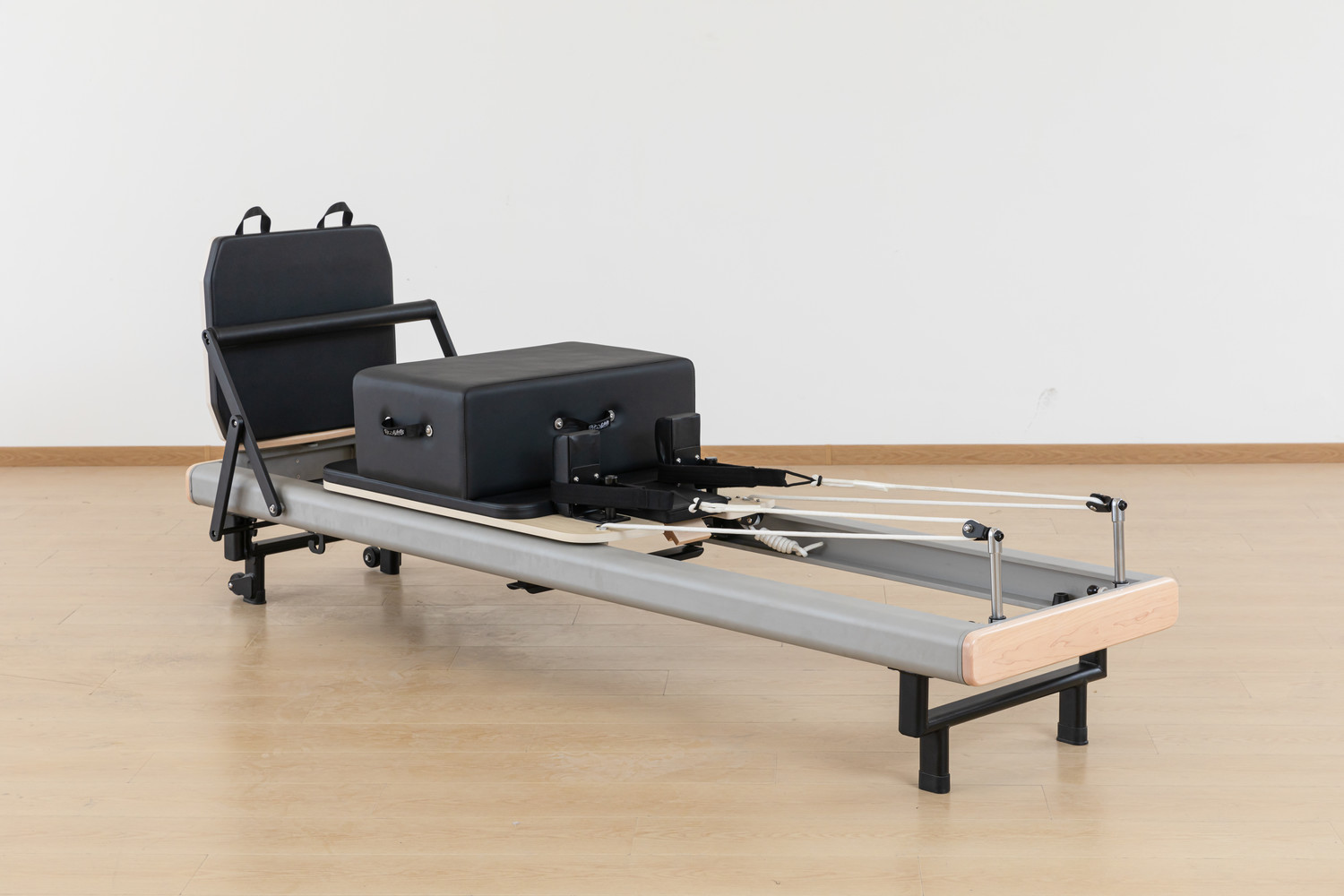
Not long ago, Pilates apparatus was associated with a small, dedicated community—dancers, rehabilitation patients, and a handful of studio devotees. The equipment itself, from the reformer to the cadillac, was expensive, space-consuming, and largely confined to specialized studios. Today, that picture has changed dramatically. Pilates machines appear in commercial gyms, boutique studios, hotel fitness centers, physical therapy clinics, and even living rooms. The journey from niche to mainstream is a story of evolving fitness culture, scientific validation, technological innovation, and shifting consumer expectations.
The Early Years: A Dancer's Secret
The origins of Pilates apparatus lie in the work of Joseph Pilates, who developed his method and machines in the early twentieth century. Originally called "Contrology," the practice was built around a set of apparatus designed to support controlled movement and correct muscular imbalances. For decades, the equipment remained closely tied to the dance world, where injured performers used reformers and cadillacs to rehabilitate and strengthen. The closed nature of this community kept the equipment expensive and relatively unknown to the general public. Pilates was respected but niche, and apparatus was viewed as a professional tool rather than a consumer product.
The Turning Point: Scientific Validation and Rehabilitation
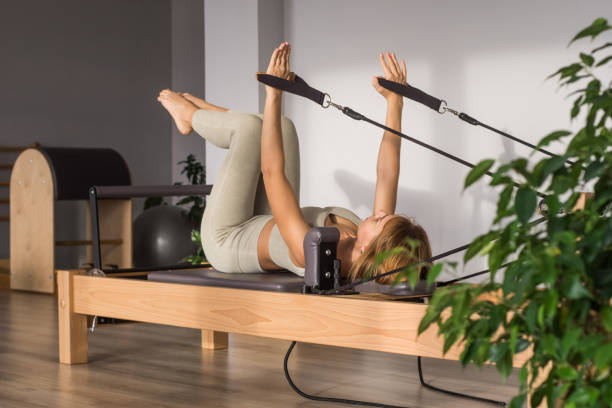
The first major shift came as scientific research began to validate what practitioners had long claimed. Studies examined the effects of Pilates on core strength, posture, flexibility, and rehabilitation outcomes. Physical therapists and sports medicine professionals took notice. The reformer, in particular, proved valuable for controlled, low-impact rehabilitation, allowing therapists to guide movement with adjustable spring resistance. As clinics adopted Pilates apparatus, the equipment gained credibility beyond the dance studio. This medical and therapeutic endorsement laid the groundwork for broader acceptance.
Fitness Culture Embraces Mind-Body Training
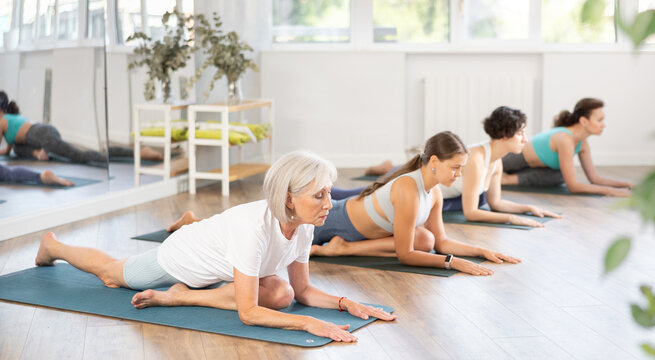
A second shift came from broader changes in fitness culture. As consumers grew tired of high-intensity, joint-pounding workouts, interest in mind-body practices surged. Yoga and Pilates benefited from this trend, and the language of "core strength," "alignment," and "functional movement" entered mainstream fitness vocabulary. Celebrities and influencers began sharing their Pilates routines, and social media made the practice visible to millions. The reformer, with its graceful movements and visible results, became a symbol of the modern, intelligent workout. Studios multiplied, and demand for equipment grew.
Technological Innovation and Design Refinement
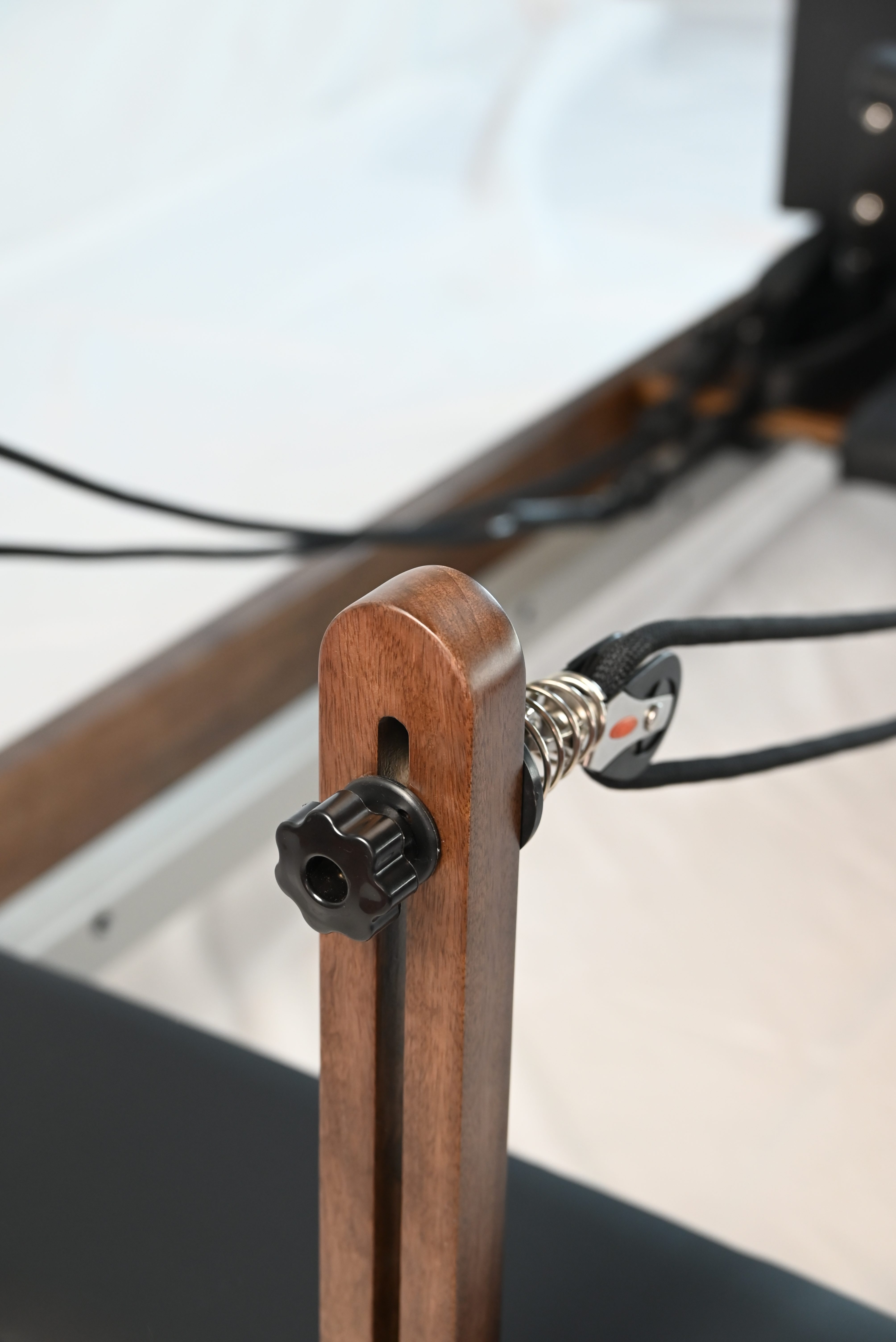
Technology played a crucial role in the transition from niche to mainstream. Manufacturers refined their designs, improving spring systems, carriage mechanics, and upholstery materials. Machines became quieter, smoother, and more user-friendly. Modular designs and compact reformers made the equipment more accessible for home use. Some companies introduced foldable or space-saving reformers specifically aimed at residential customers. Digital integration followed, with apps and online classes offering guided workouts that made home Pilates practical. These innovations lowered barriers to entry and expanded the market beyond professional studios.
The Home Fitness Boom
The home fitness boom, accelerated by global events that closed gyms and studios, pushed Pilates apparatus further into the mainstream. Consumers who had discovered Pilates through online classes sought equipment for their homes. Compact reformers, Pilates chairs, and accessory systems became popular purchases. E-commerce made premium equipment available to buyers who had never visited a specialty studio. Brands responded with home-friendly designs, financing options, and delivery services. The reformer, once a professional-only machine, became a recognized home fitness product.
Boutique Studios and the Experience Economy
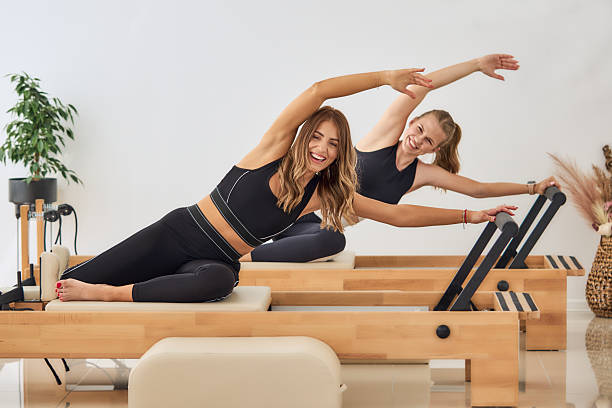
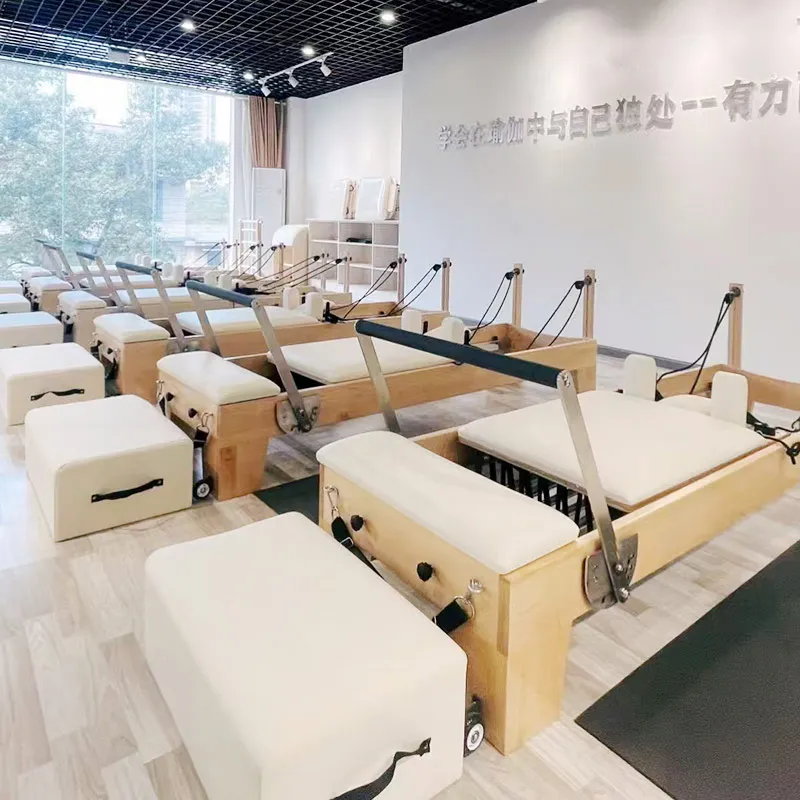
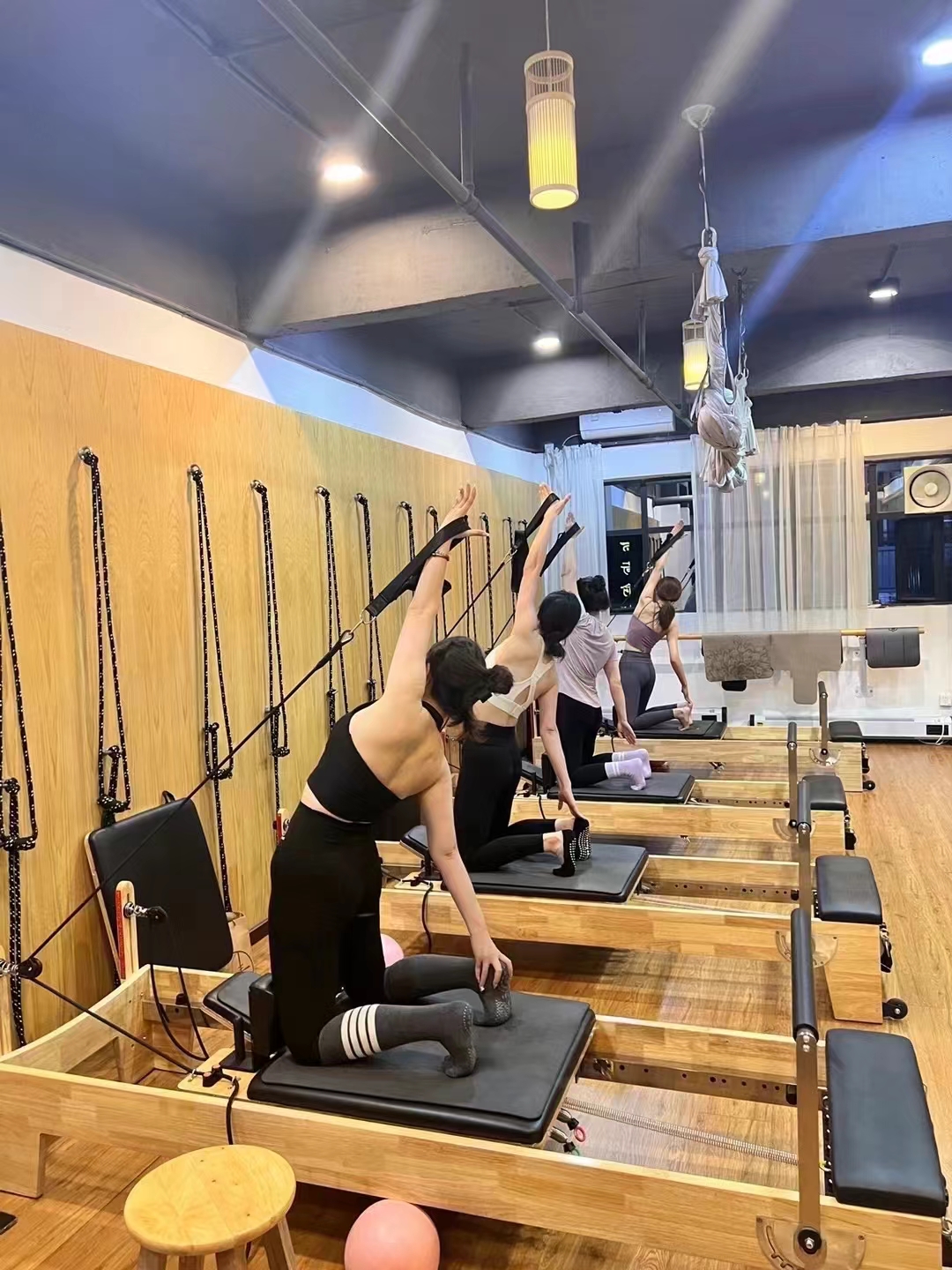
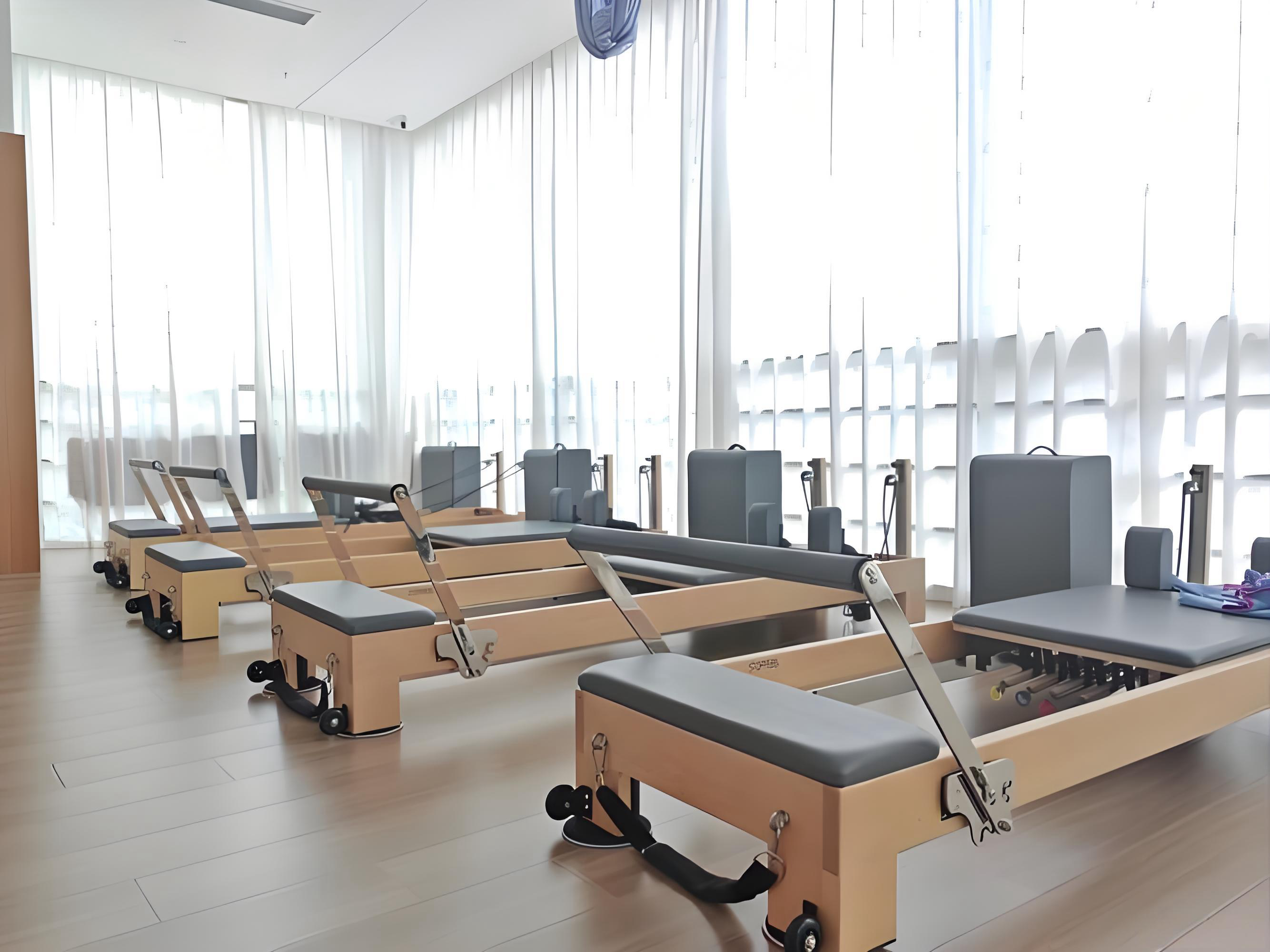
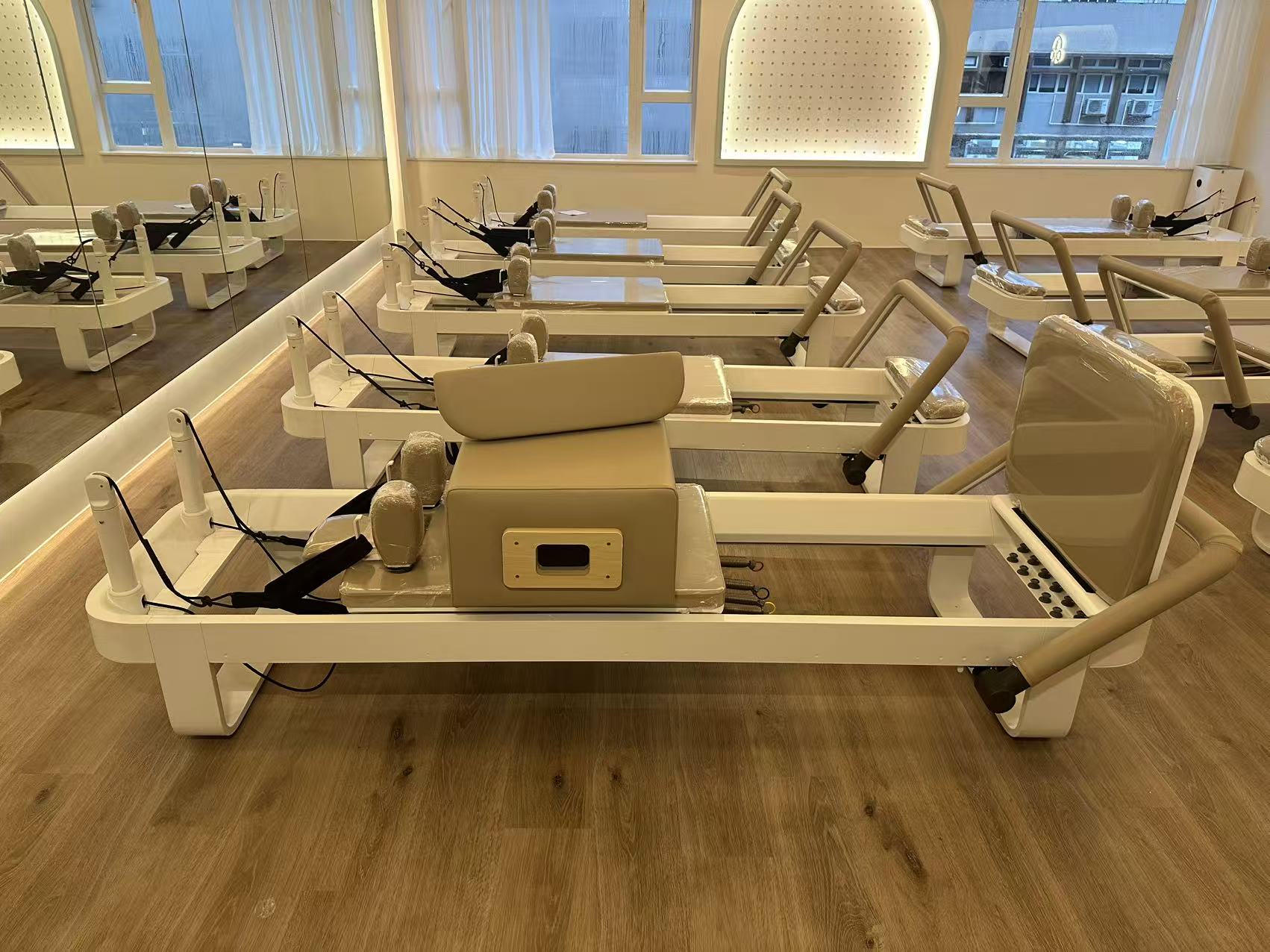
At the same time, boutique Pilates studios flourished, offering small-group classes with a premium feel. These studios positioned Pilates as an experience—personalized, aesthetically pleasing, and effective. The equipment itself became part of the brand identity, with studios investing in matching reformers and elegant interiors. This experience-driven model attracted clients willing to pay for quality, and it reinforced the perception of Pilates apparatus as a desirable, aspirational product rather than a clinical tool.
The Role of Athletic and Functional Training
Another factor in mainstreaming was the adoption of Pilates by athletes and functional training enthusiasts. Professional athletes in sports ranging from football to tennis began using Pilates apparatus for mobility, core stability, and injury prevention. This athletic endorsement broadened Pilates' appeal beyond its traditional audience. Trainers integrated Pilates concepts into strength and conditioning programs, and the reformer became a recognized tool for improving performance, not just rehabilitation. The association with athletic excellence strengthened the equipment's mainstream credentials.
Consumer Education and Informed Buying
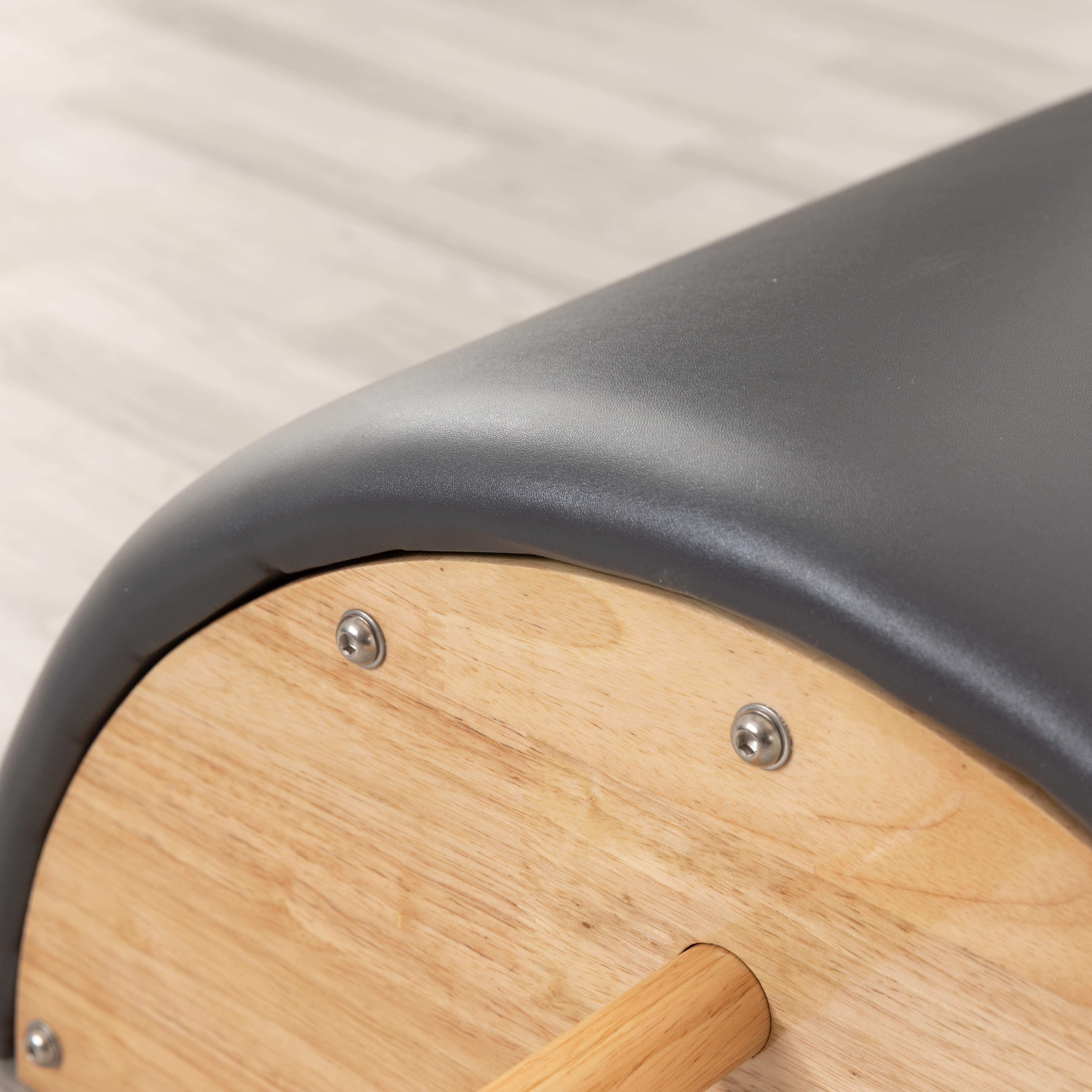
As the market grew, consumers became more educated about equipment quality. Buyers learned to distinguish commercial-grade machines from budget alternatives, understanding the importance of spring consistency, frame durability, and safety features. Reviews, comparison guides, and online communities helped consumers make informed decisions. This education elevated expectations and drove demand for premium apparatus, reinforcing the trend toward quality. The mainstream consumer was no longer satisfied with flimsy equipment and was willing to invest in machines that would last.
Challenges Along the Way
The journey was not without challenges. Space constraints, cost, and the perception that Pilates is "easy" or "just stretching" created barriers. Some consumers questioned whether home equipment was worth the investment. Manufacturers and studios responded with compact designs, financing plans, and educational content that explained the method's depth and benefits. As evidence of Pilates' effectiveness continued to accumulate, skepticism gradually gave way to acceptance.
Where Pilates Apparatus Stands Today
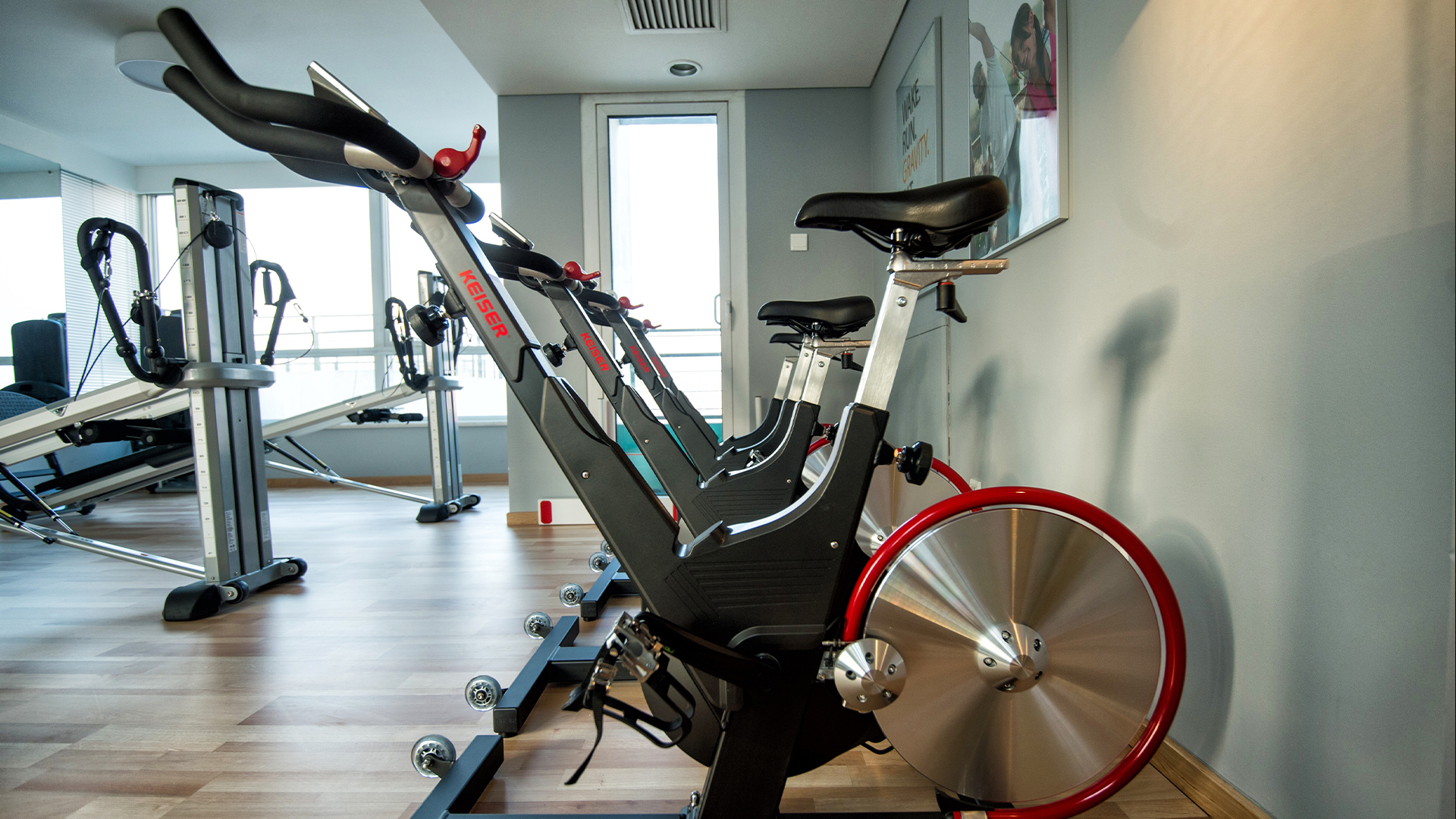
Today, Pilates apparatus is a recognized fitness essential. Reformers appear in commercial gyms alongside treadmills and weight racks. Boutique studios offer specialized classes for rehabilitation, athletic performance, and prenatal care. Home users access a wide range of machines designed for residential spaces. The equipment has moved from the margins to the center of the fitness industry, supported by science, technology, and cultural change.
Conclusion
The transformation of Pilates apparatus from niche professional tool to mainstream fitness essential reflects broader shifts in how people approach health and movement. Scientific validation gave the method credibility, fitness culture embraced mind-body training, technology made equipment accessible, and consumers became informed and demanding. What was once a dancer's secret is now a familiar part of the fitness landscape—and its journey shows no sign of slowing.