How to Build a Pilates Equipment Showroom That Converts Local Studio Owners Into Bulk Buyers
For Pilates equipment manufacturers and regional distributors, a showroom is far more than a display space. It is your live sales floor, product testing lab, and relationship-building hub all in one. Walk-in visitors may be individual practitioners or curious fitness lovers, but your highest-value audience is local studio owners — buyers who are evaluating gear to outfit new studios, replace ageing reformers, expand class offerings, or upgrade their rehabilitation zones. These buyers do not shop on impulse. They compare build quality, test ergonomics, calculate long-term ROI, and negotiate bulk pricing. A well-designed Pilates showroom guides them through that journey and turns casual visitors into repeat bulk clients.
The biggest mistake many suppliers make is filling a space with pretty equipment and assuming sales will follow. Studio owners need proof that your apparatus can survive high-frequency daily classes, that your upholstery resists sweat and abrasion, that springs hold consistent tension, and that your after-sales support can keep their studios running without long downtime. Every zone, every sample unit, and every piece of information in your showroom should answer those practical business questions.
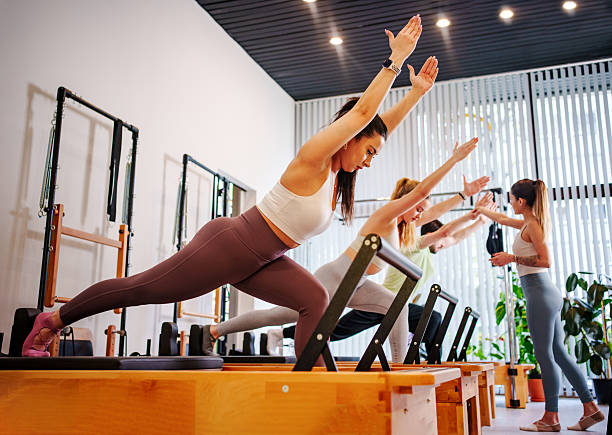
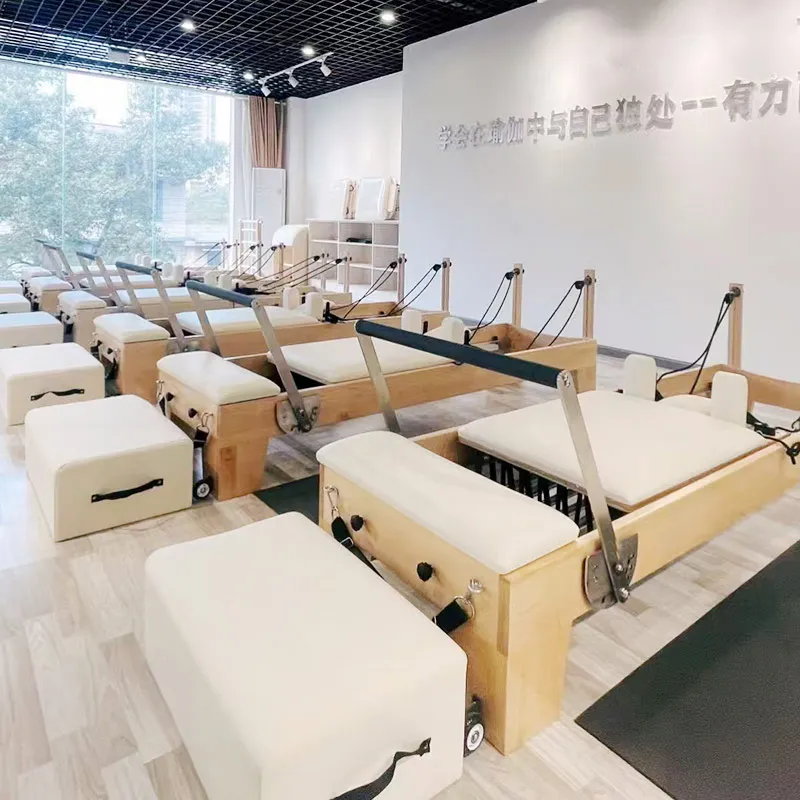
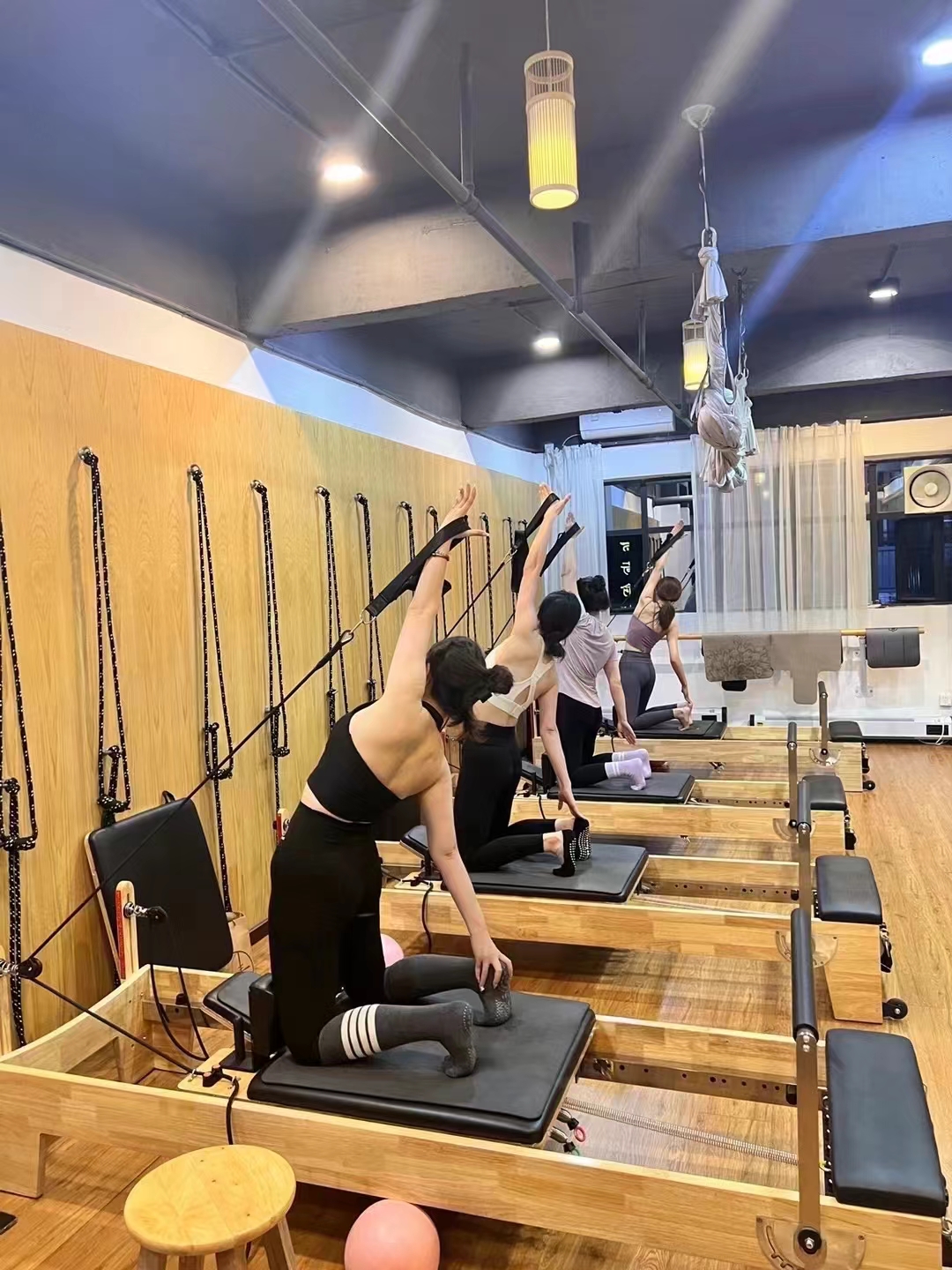
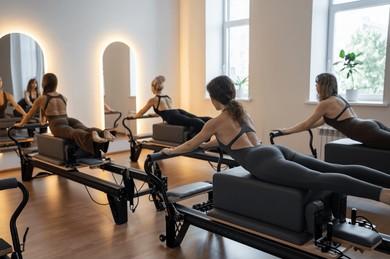
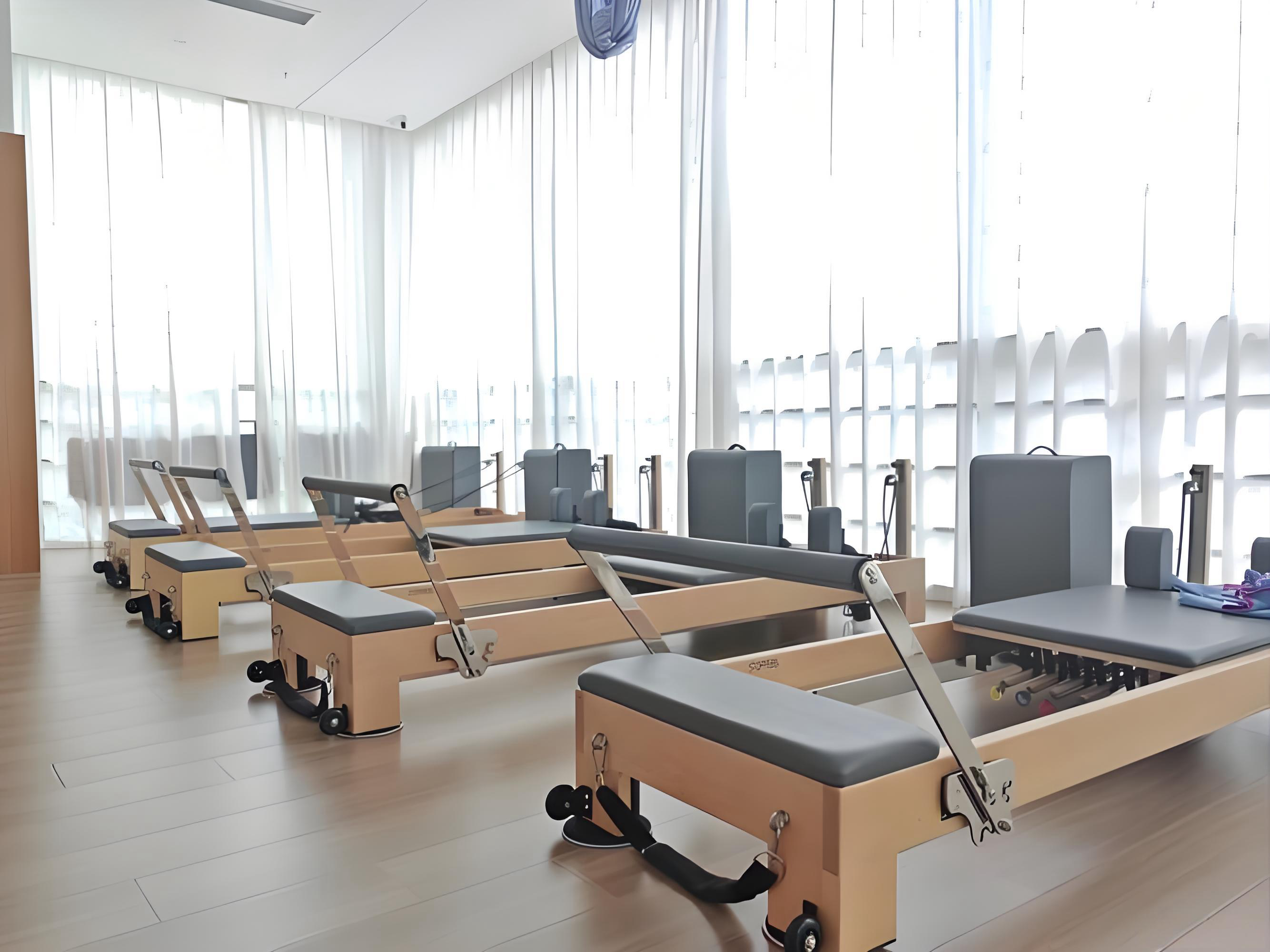
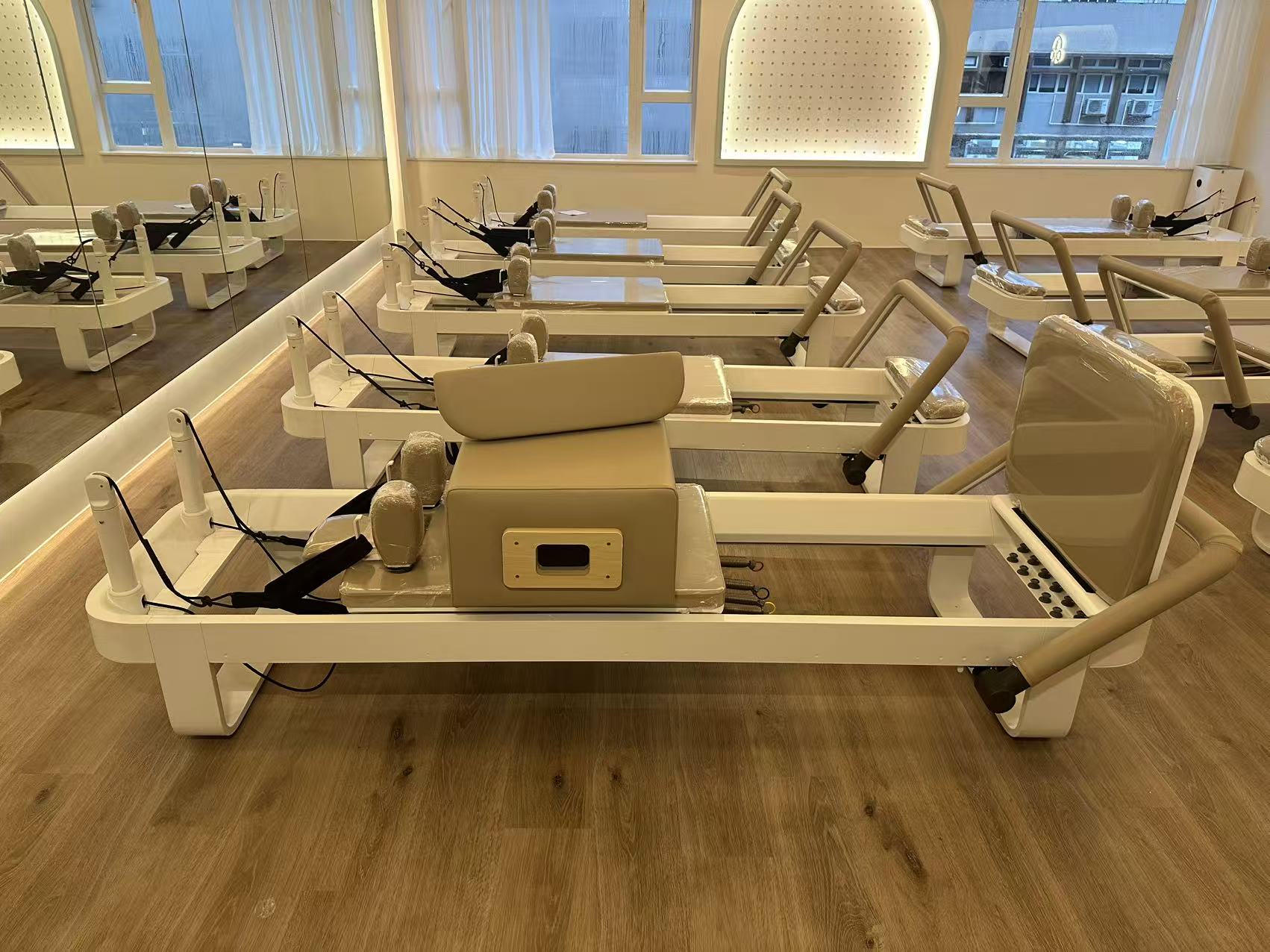
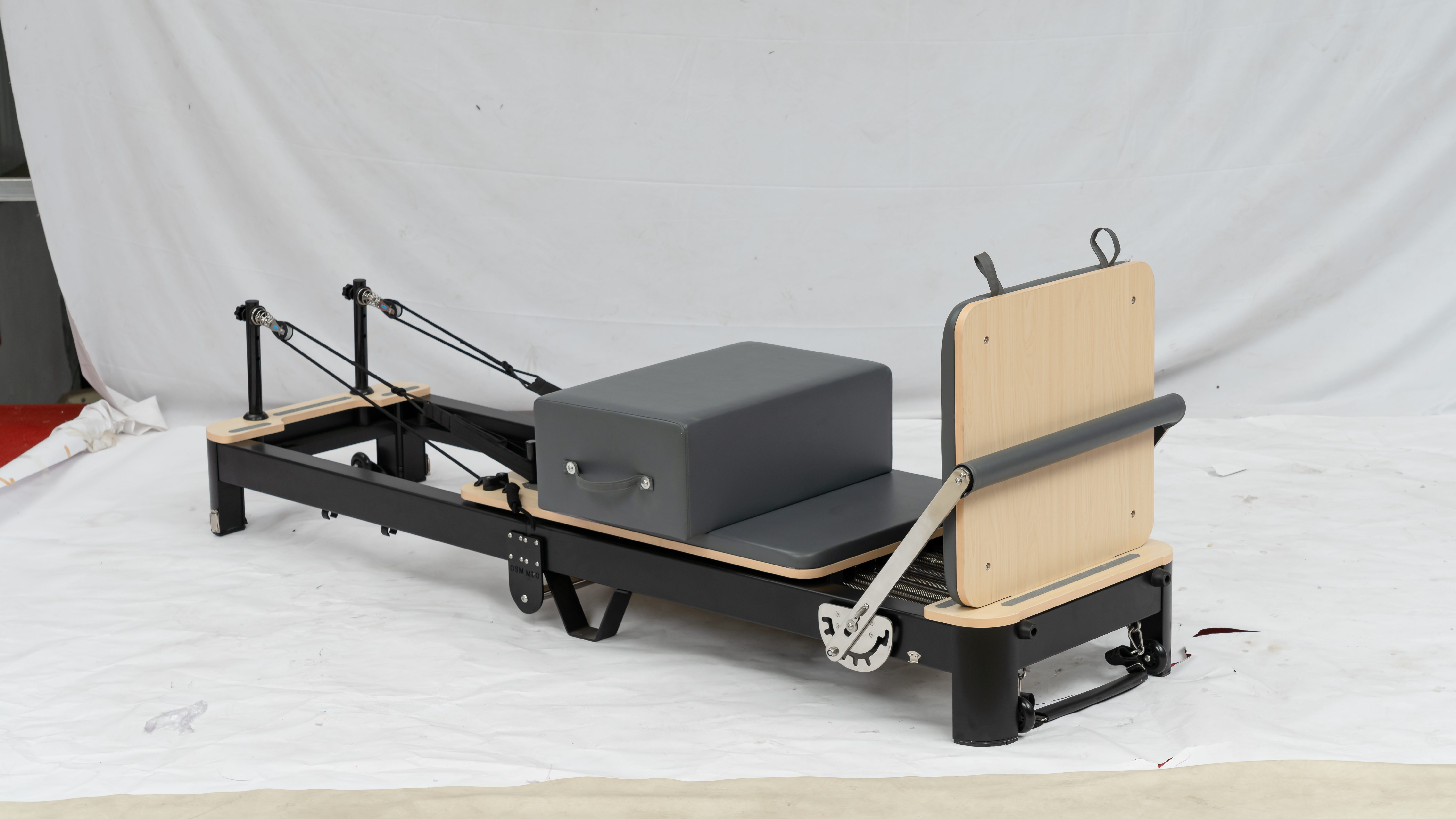
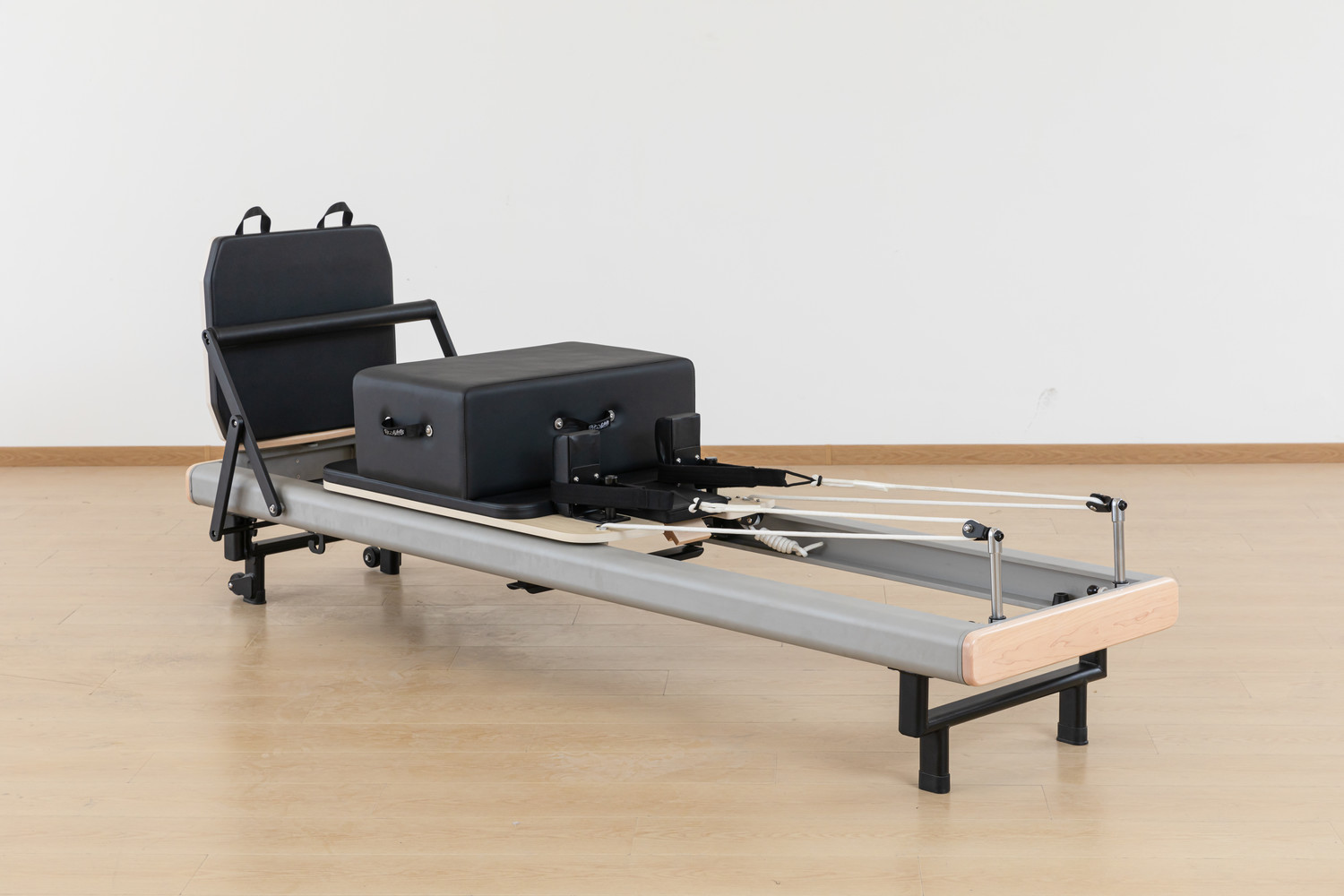
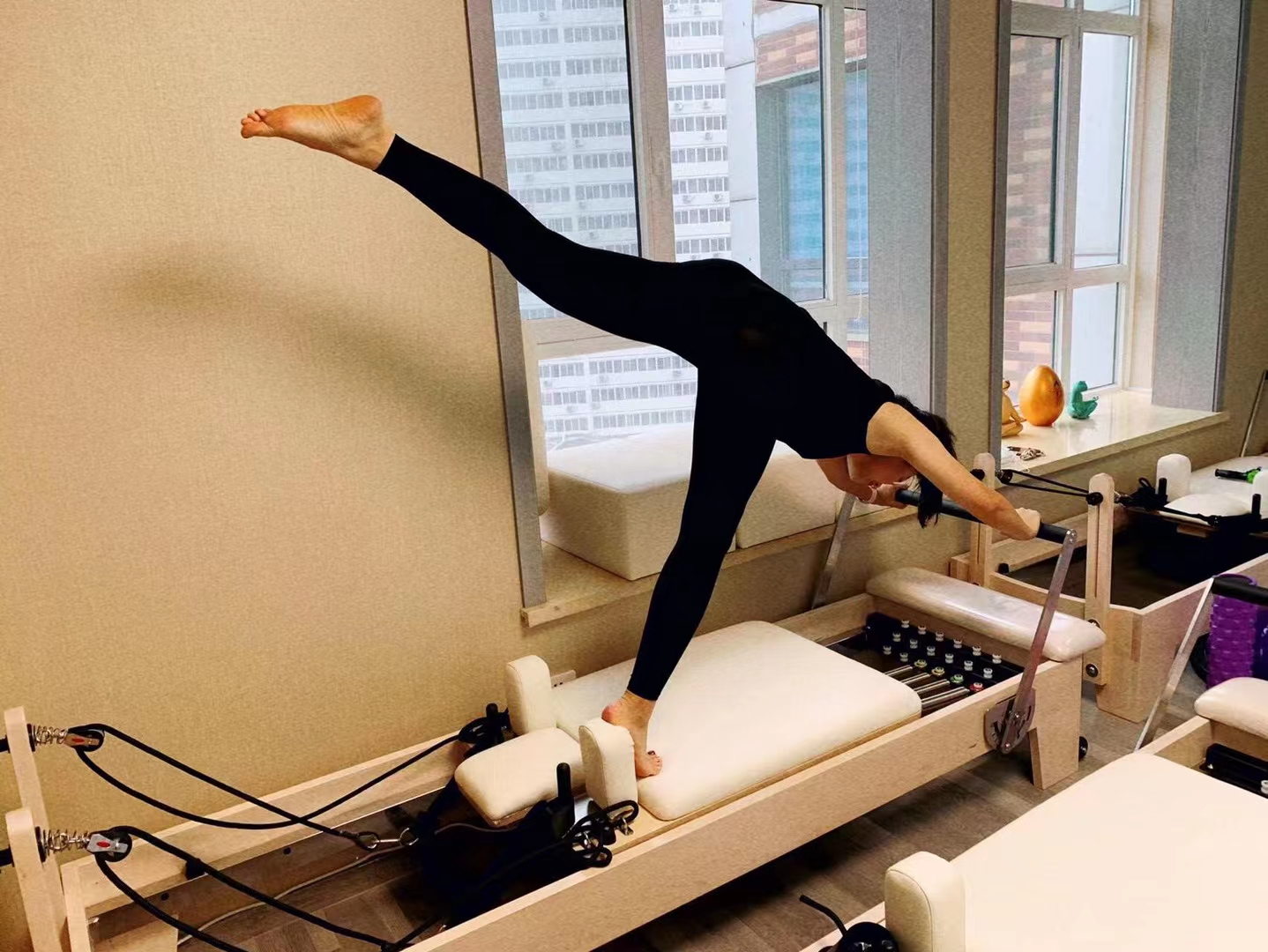
Start your layout by separating the showroom into purpose-driven zones, instead of lining up reformers in a single row. The first zone should be the studio simulation area. Here, replicate a real working Pilates studio layout: place reformers, Cadillacs, towers, chairs, and barrels exactly how they would sit inside a commercial class space. Leave enough room for instructors to demonstrate full sequences, not just static poses. Many studio owners struggle to visualise floor plans and load limits; when they can watch a full class flow inside your space, they immediately understand how your equipment fits their square footage. Include both compact models for small boutique studios and heavy-duty commercial versions for high-traffic rehabilitation centres.
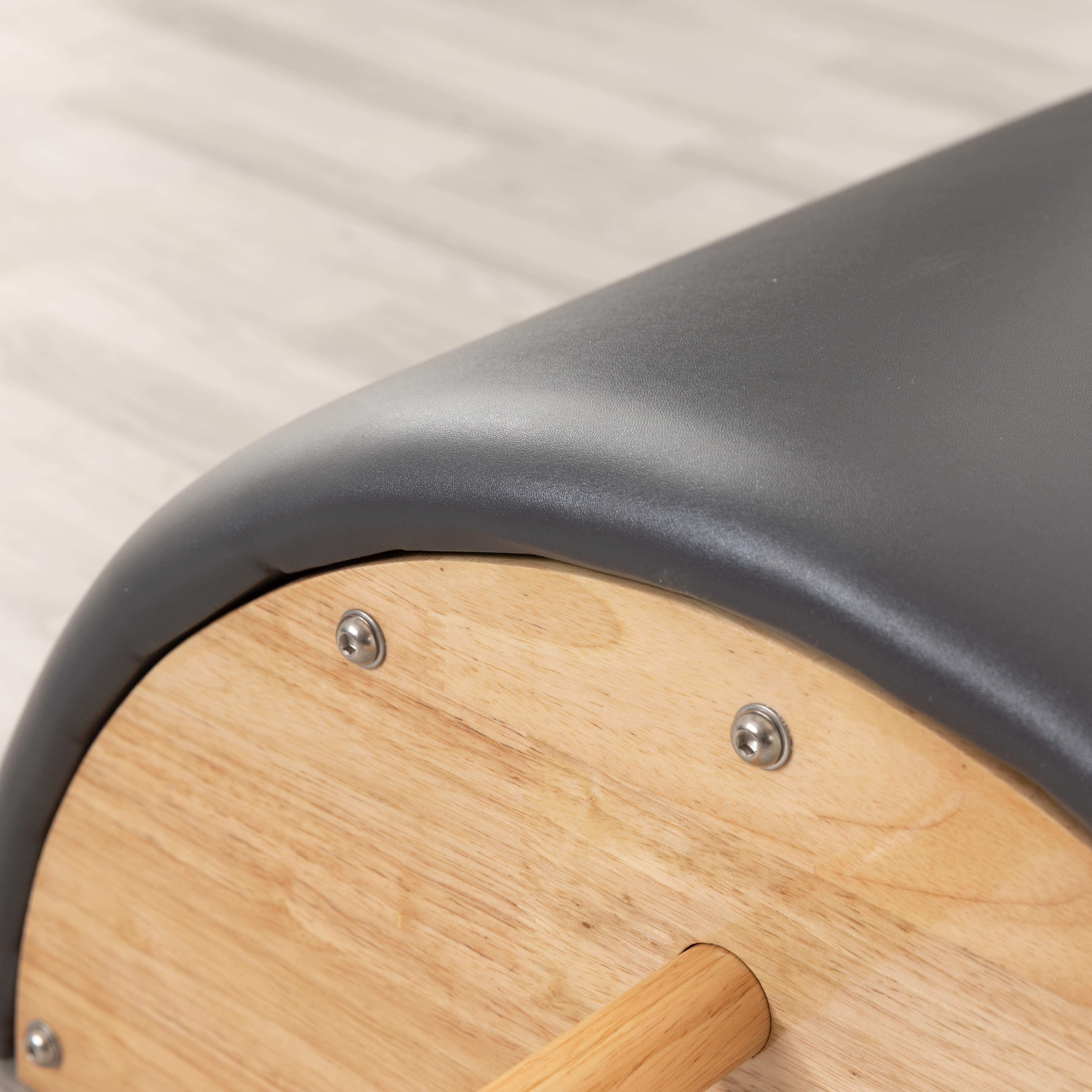
Adjacent to the demo floor, build a dedicated quality-comparison station. This is one of your strongest conversion tools for bulk orders. Place side by side components that buyers often ask about: standard PU upholstery versus premium microfibre, domestic springs versus imported spring sets, solid hardwood frames versus aluminium frames, and standard carriage rails versus low-noise silent rails. Label each option clearly with lifespan estimates, maintenance requirements, warranty terms, and price differences. Studio owners care deeply about hidden operating costs. If they can touch, pull, sit on, and compare these parts in person, they trust your pricing tiers far more than they trust a spreadsheet sent over email. Add a small wear demo display: show scuff marks, faded fabric, and stretched springs pulled from retired units, so buyers see exactly what failure looks like after two, three, or five years of heavy use.
Next, set up a consultation and negotiation zone, away from the noise of demonstrations. This quiet area should hold sample contracts, bulk pricing sheets, MOQ options, customisation menus, and your spare-parts aftersales package brochure. Have physical swatches for upholstery colours, wood stains, and frame finishes ready. Bulk buyers frequently want custom colour matching for their studio branding, and having swatches on hand speeds up decision-making. This is also where you walk them through volume discounts, mixed container ordering, flexible payment terms, lead times, and delivery coordination. Keep printed case studies: photos and short testimonials from other local studios you have fully outfitted, including before-and-after shots and brief notes on their equipment ROI. Local social proof carries enormous weight.
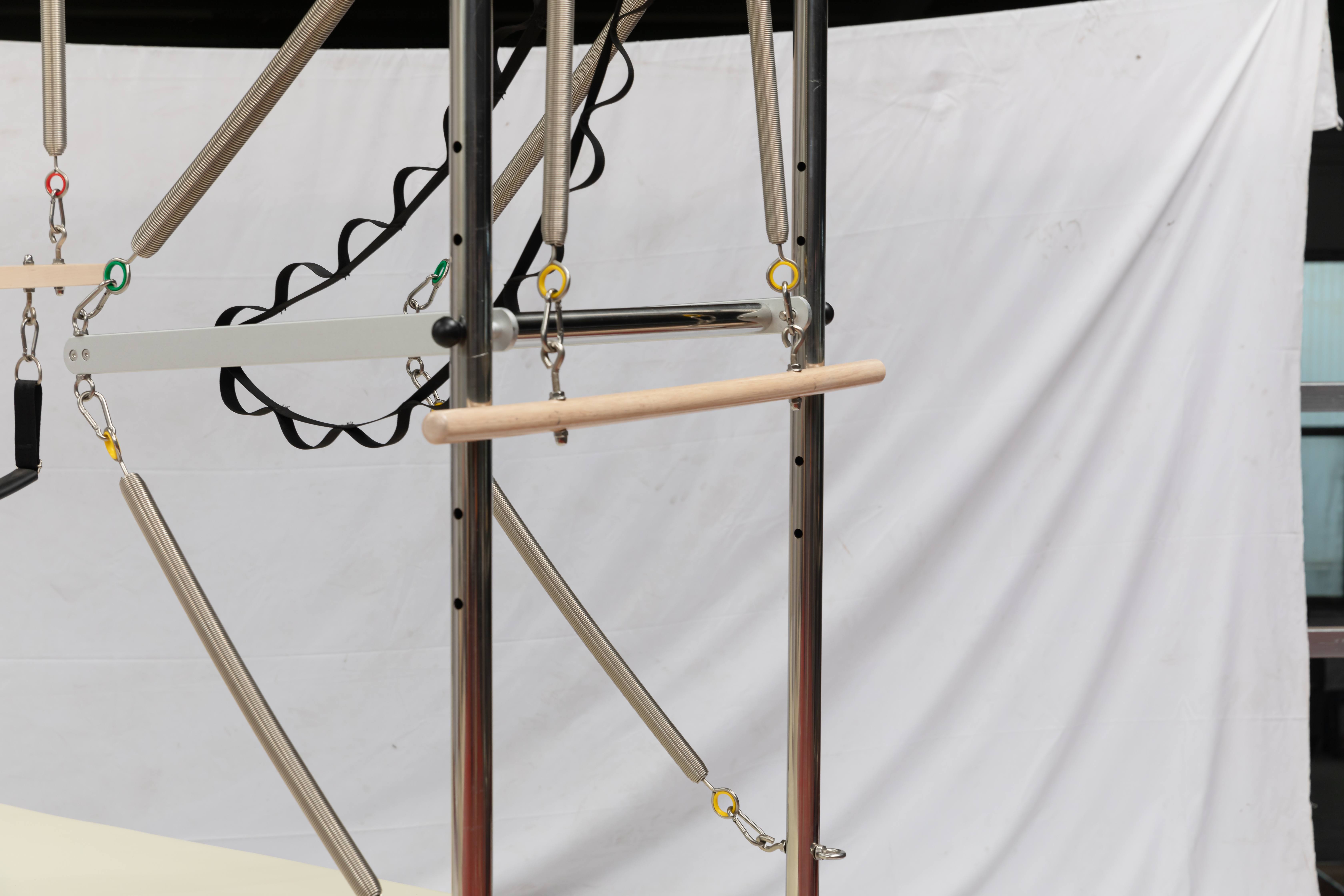
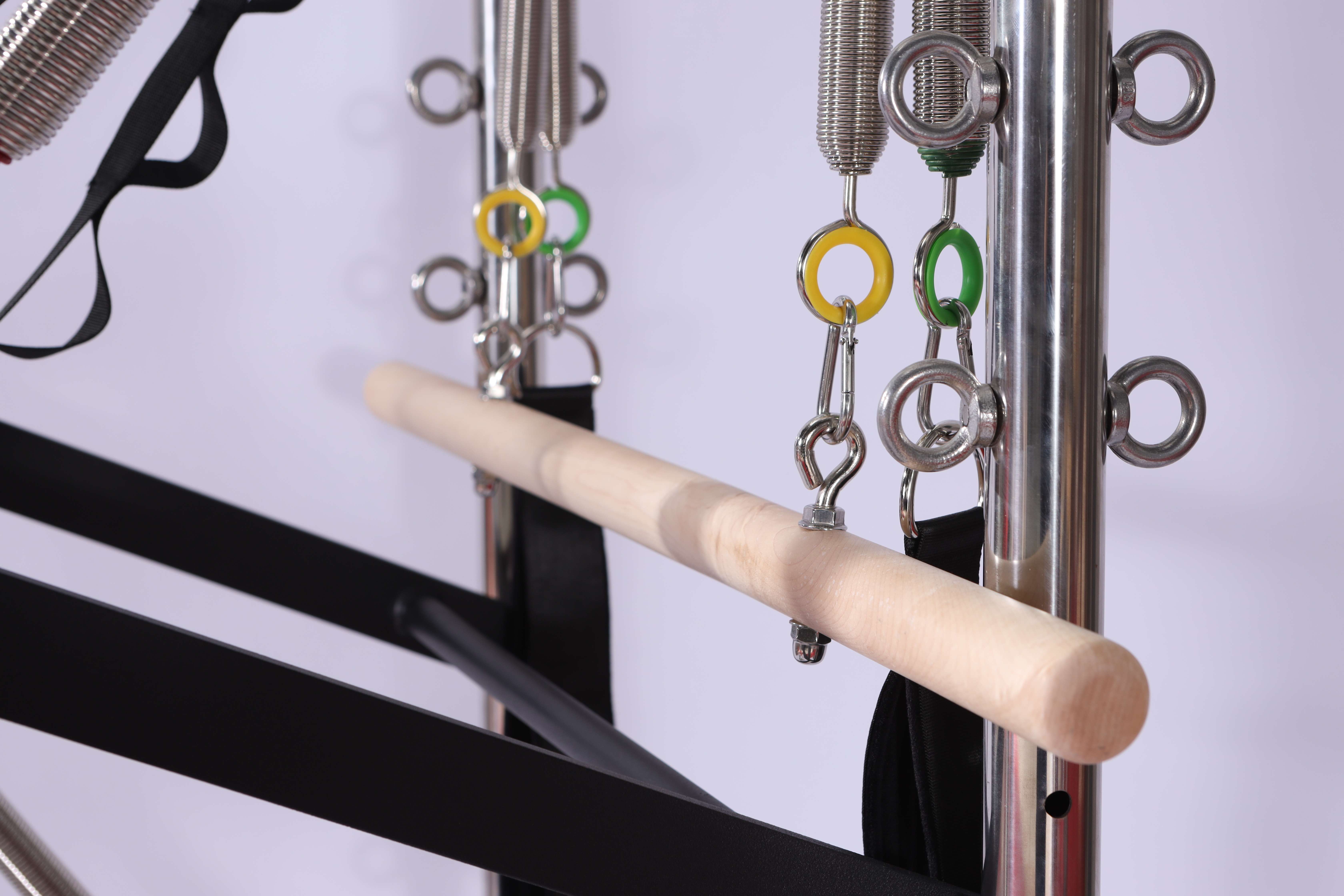
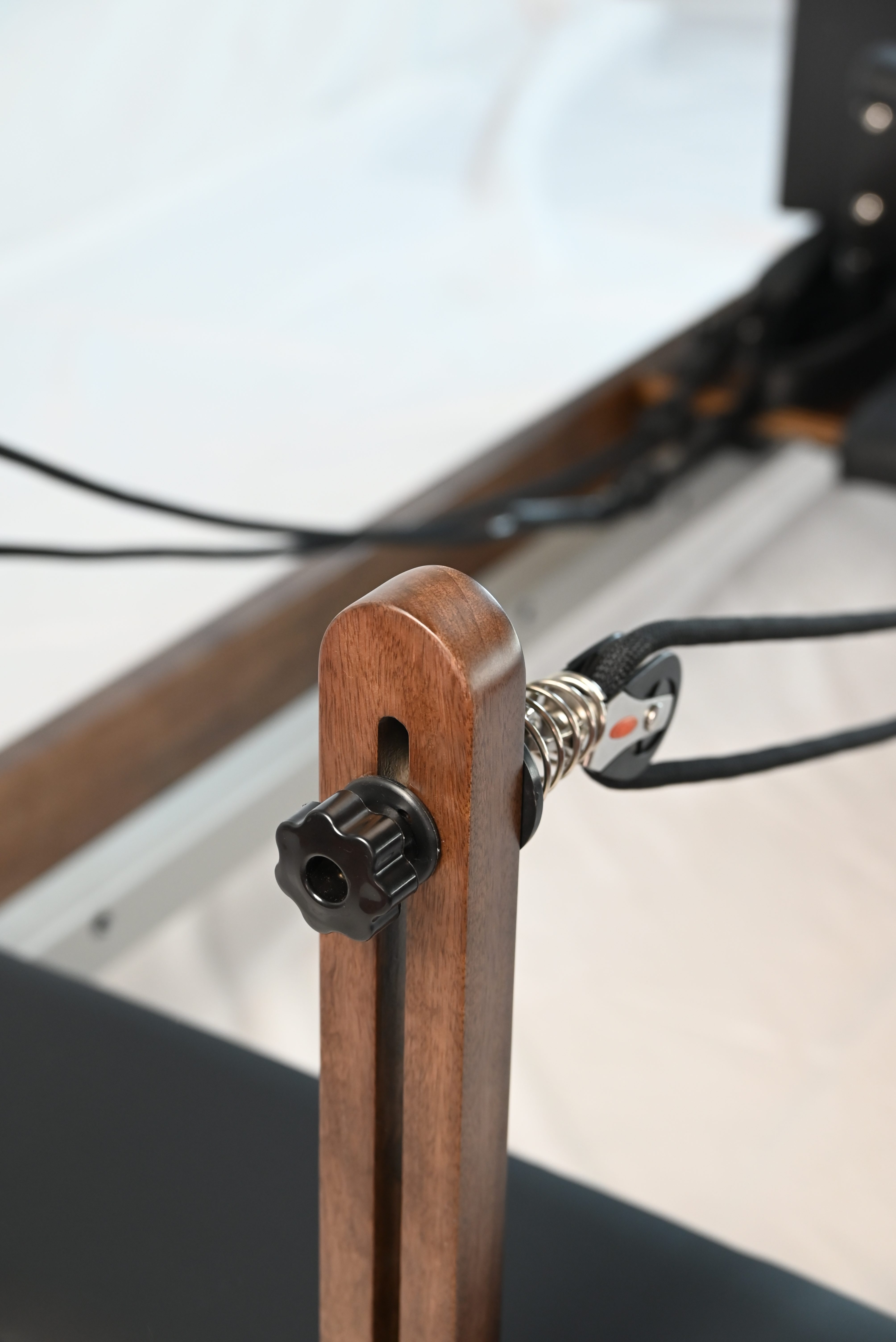
Do not overlook a small maintenance and spare-parts corner. Many equipment suppliers ignore this space, yet it directly reduces buyer risk. Lay out common replacement items: springs, straps, foot bars, carriage rollers, upholstery repair kits, and guide rails. Explain your replacement schedule, stock availability, lead time for spare parts, and whether you offer on-site servicing for regional clients. Studio owners fear being stuck with broken machines and slow support. When they see you actively stock and service these components, they become much more comfortable committing to a large bulk purchase.
Your staffing and booking process will make or break conversion. Require studio owners to book dedicated showroom tours, rather than letting them wander unguided. Assign a sales consultant with strong Pilates studio operational knowledge, not just a general salesperson. This person should understand class scheduling, floor load requirements, insurance liability, CE compliance, shipping and container loading, and the pain points of running a busy studio. Structure the tour around the buyer’s goals: are they opening a brand-new studio? Replacing old equipment? Adding a rehab service line? Adjust your demonstration accordingly. Invite their lead instructor to join the tour whenever possible; instructors often have strong influence over which apparatus the studio owner selects.
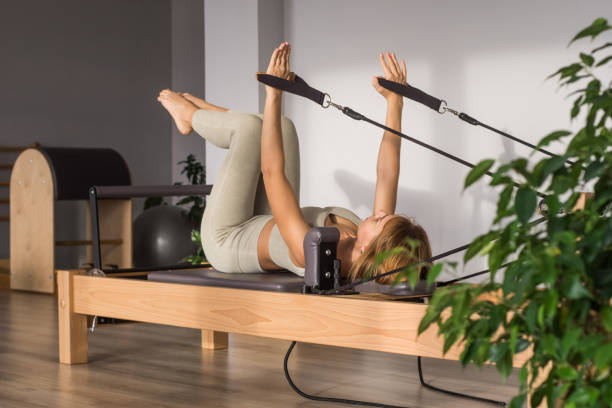
Add structured experiential elements to every tour. Let the buyer and their instructor test each machine through the full range of motion. Ask them to listen for carriage noise, feel spring tension consistency, check how easy the unit is to clean, and test stability under heavy loading. Run through quick maintenance tasks on camera: how to swap a spring, tighten rails, or clean the upholstery. These small hands-on moments reduce the perceived risk of placing a large order. After the demo, move to the consultation area and build a custom quote on the spot, showing tiered pricing based on their exact quantity and mix of equipment.
To turn one-time bulk buyers into long-term distributors or repeat clients, include a follow-up workflow tied to your showroom visits. Within 24 hours, send a recap email with the custom quote, photos from their tour, swatch selections, warranty documents, and links to your online resources. Invite them back for a second visit with their team, or offer to bring a demo unit to their existing studio for an on-site trial. Keep a CRM record of each studio’s class volume, equipment mix, budget, and planned upgrade timeline, so you can reach out proactively when they are ready for their next refresh.
You also need to set clear expectations around logistics and compliance inside the showroom. Display copies of relevant certification documents, load-test reports, and safety standards. If you serve cross-border buyers, keep customs document checklists visible for the UK, EU, and Southeast Asian markets. Many studio owners and small regional distributors underestimate import paperwork, and addressing these topics early removes a major barrier to large orders. Show sample packaging photos, container loading plans, and estimated lead times for mixed FCL and LCL shipments.
Avoid common showroom pitfalls that scare away bulk buyers. Do not overload the space with too many niche accessories before you showcase the core reformers and Cadillacs that drive large orders. Do not rely only on glossy marketing language; ground every claim in tangible samples and testable features. Never hide warranty limitations or spare-part lead times. Studio owners will discover these issues after delivery, and a bad experience will destroy referrals in the tight-knit local Pilates community.
Finally, treat your showroom as an evolving sales asset, not a static installation. Refresh displays when you launch new frame designs, new upholstery grades, or updated spring systems. Host exclusive evening events for local studio owners: small workshops on equipment maintenance, studio layout planning, or how to price premium reformer classes. These events bring qualified buyers together, build your reputation as an industry partner, and create natural opportunities to discuss bulk upgrades.
A high-conversion Pilates showroom does not sell beautiful exercise machines. It sells confidence. It proves to studio owners that when they invest a large sum in your equipment, their classes will run smoothly, their maintenance costs stay predictable, their clients stay safe, and their investment will pay off over time. When you build your space around this promise, local studio owners stop seeing you as just another equipment vendor. They see you as a reliable supply partner — the kind they will contact first when it is time to place their next bulk order.