Importing Pilates Wall Units: Common Design and Installation Mistakes For European Studio Fit-Outs
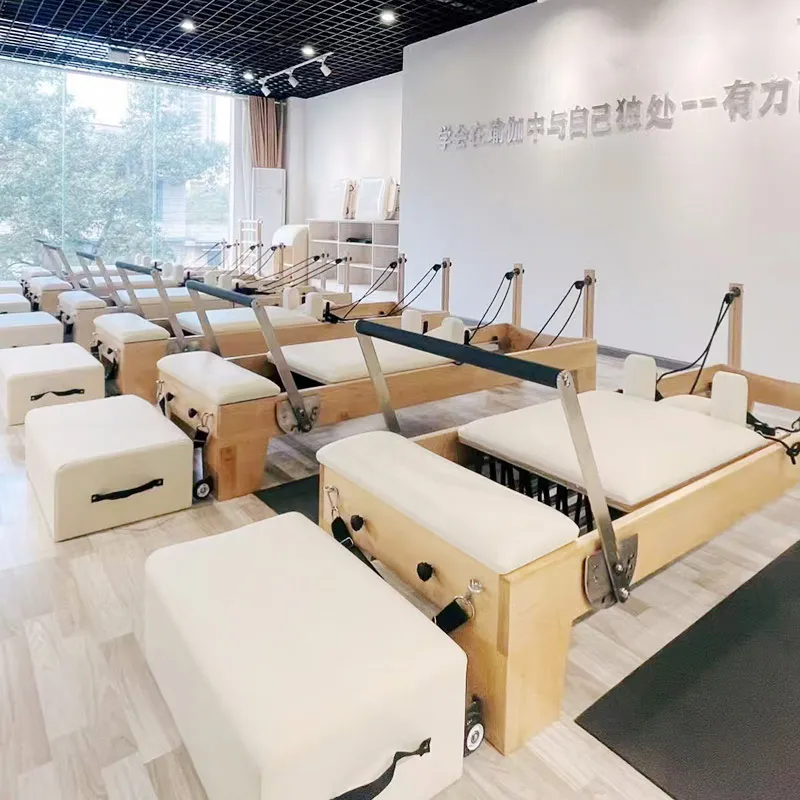
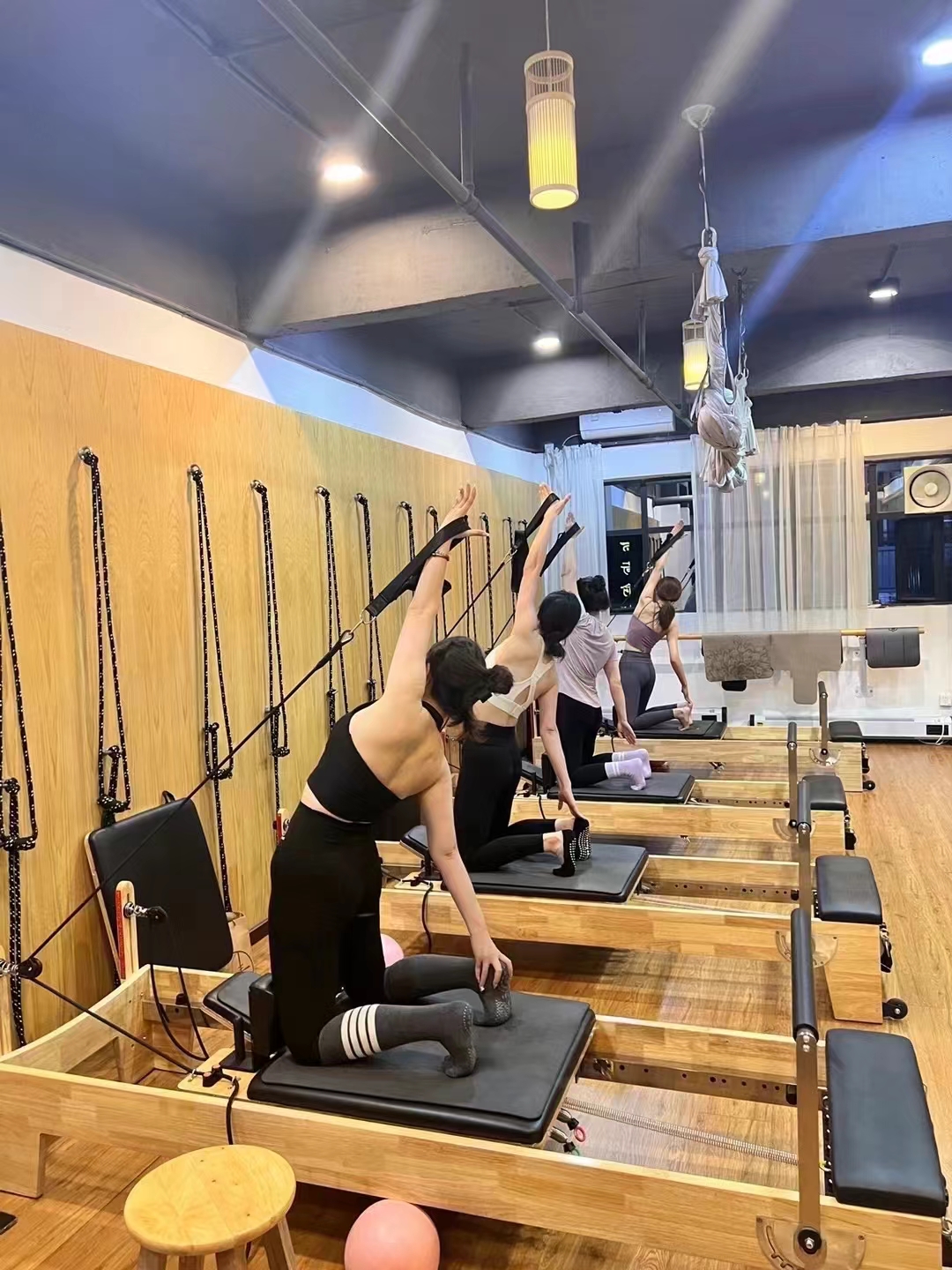
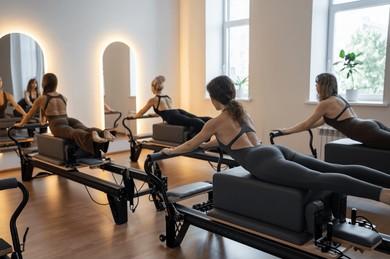
Pilates wall units have become a staple for compact European studios, rehabilitation clinics, and multi-purpose fitness spaces. Compared with full reformers and Cadillacs, these wall-mounted systems save valuable floor space, support a wide range of mat, spring and strap exercises, and suit the tight, heritage-style premises common across the UK, EU and Schengen regions. However, importing wall units from overseas manufacturers and fitting them into European studio layouts carries a unique set of risks. Many importers and studio owners focus only on price, lead time and upholstery finishes, overlooking critical design, structural, compliance and installation details that can lead to unsafe equipment, failed inspections, costly reworks and unhappy clients.
One of the most frequent mistakes is ordering wall hardware built for non-European construction standards. Many factory samples are engineered for solid timber or standard drywall framing common in the manufacturer’s home market, while European buildings vary dramatically. Old stone walls, lime plaster, hollow block partitions, aerated concrete panels and thin party walls cannot safely bear dynamic spring load. A wall unit does not only carry static body weight; repeated pulling, jumping and loaded spring tension creates cyclic shock forces. When buyers skip pre-site structural surveys and simply rely on generic mounting brackets supplied with the unit, installers often discover there is no suitable substrate once the container arrives. This delays studio opening dates and forces expensive reinforcement, such as adding hidden steel beams or heavy-duty backing plates after import.
Closely linked to structural oversight is misjudging local load and safety standard requirements. Across the EU, commercial fitness apparatus must align with EN 957 standards, and commercial installation may also fall under national building, workplace safety and liability rules. Many imported wall units arrive with load test certificates that use non-EU testing protocols, which local inspectors or insurance providers will not recognise. A common error is confusing static maximum weight ratings with dynamic working load limits. A unit labelled for 150 kg static load may not withstand the repeated impact of high-frequency group reformer and tower classes. Distributors and studio owners also frequently forget that the whole assembly — brackets, rawl plugs, anchor bolts, wall substrate and fixing points — must be certified as a combined system. Even if the frame itself passes testing, cheap, unrated fasteners can invalidate compliance and create a major liability risk if an injury occurs.
Design mismatches are another pervasive issue. European studios often have lower ceiling heights, restricted side clearance, and narrow room layouts that many standard factory wall units do not account for. Factories frequently produce wall units with fixed spring track lengths, tall vertical posts and wide side extensions optimised for spacious North American studios. When these arrive, instructors find that full spring extension pulls users into light fixtures, windows, radiators or doorways. Many buyers also overlook minimum side and rear clearance for safe movement, which is essential for insurance and risk assessments. Custom modifications requested after production are expensive and slow, and cutting or drilling imported welded frames on-site will void manufacturer warranties and safety certifications. Colour and finish compatibility also trips up importers: powder coating, timber stains and PU upholstery batches may look different under European indoor lighting, and some imported finishes fail local VOC and indoor air quality regulations for commercial spaces.
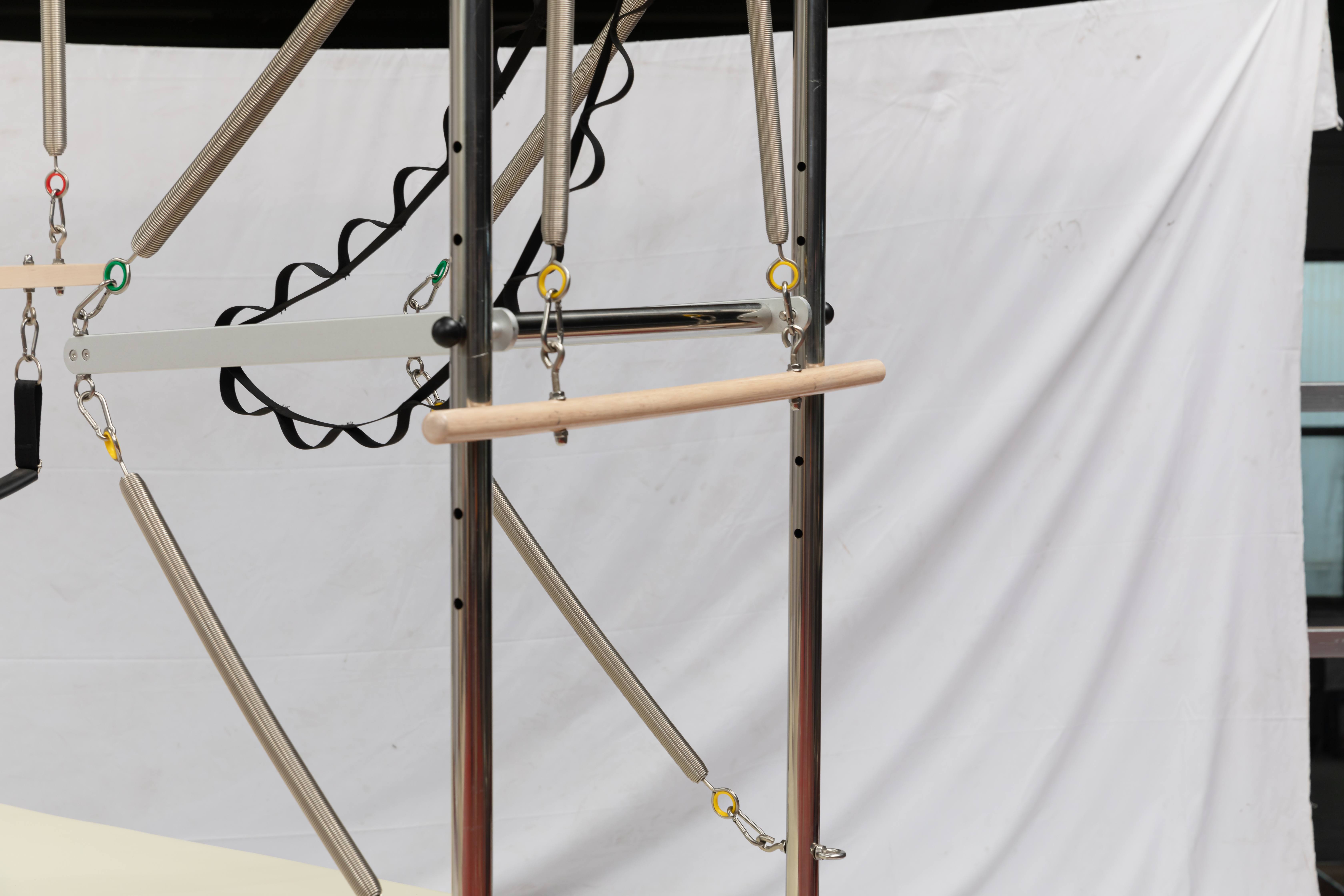
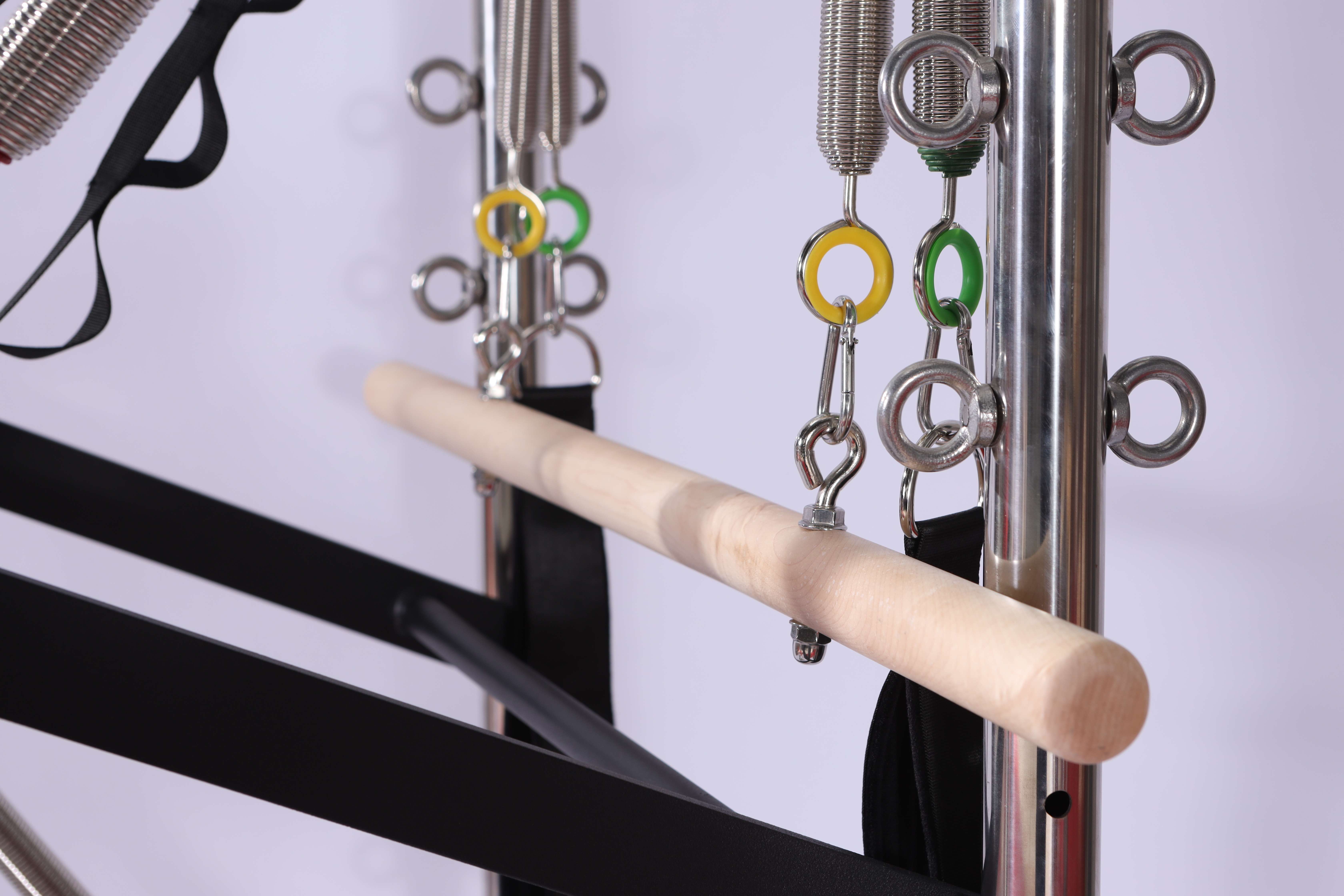
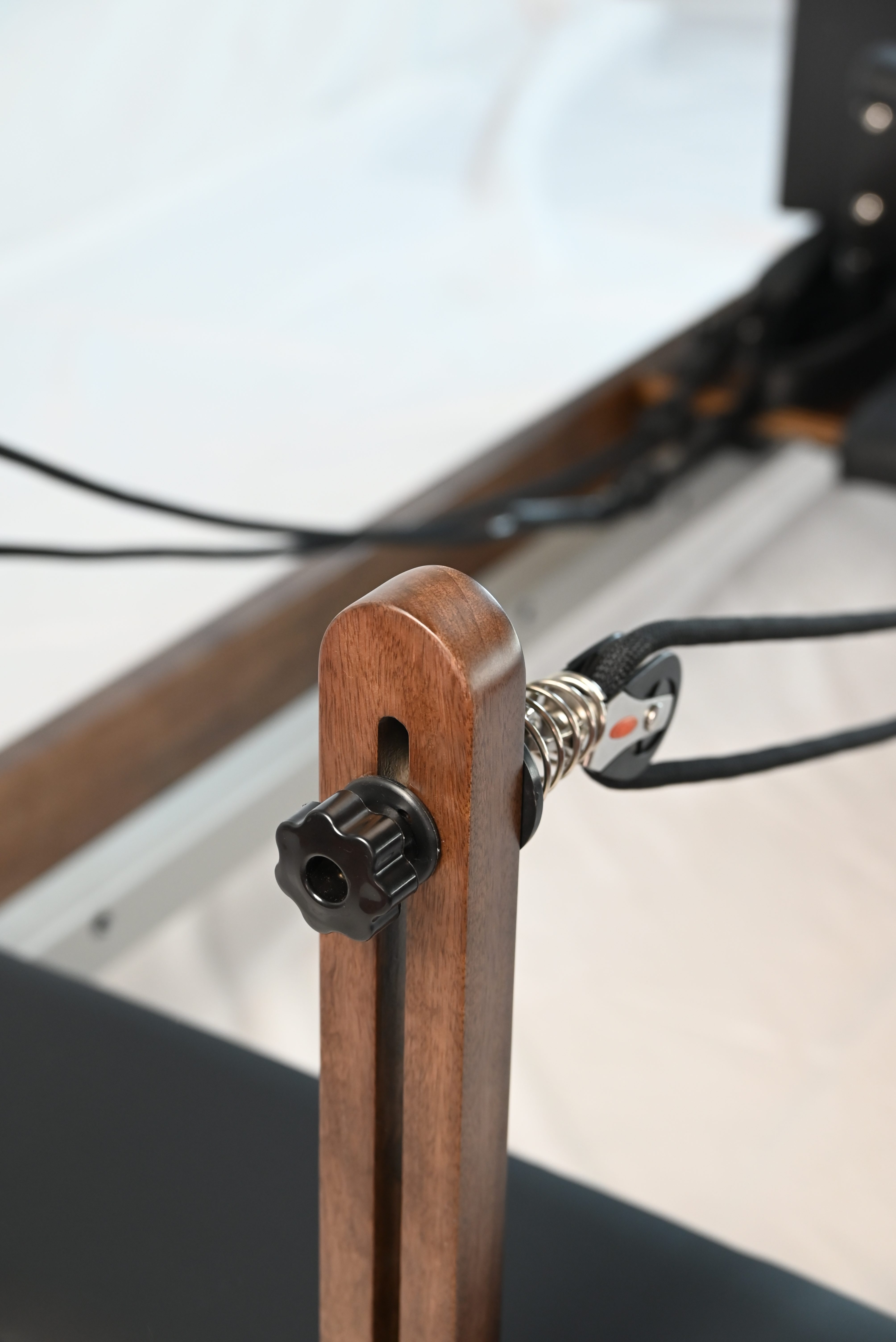
Incorrect spring and hardware specification is a hidden pitfall for bulk importers. Wall unit spring sets are not universal. European studio clients often prefer gradual, predictable tension progression for rehabilitation and beginner-focused classes, while standard factory packs may include heavier, stiffer springs designed for advanced athletic training. If spring ratings are not clearly labelled in metric units and documented in English, German, French or Spanish for local teams, instructors will misassign resistance levels. Cheap imported springs also have inconsistent fatigue lifespans; without traceable batch testing, they can lose tension quickly or snap unexpectedly in daily classes. Small details such as snap hooks, carabiners, pulley wheels and straps are frequently under-specified. These high-wear parts are the first to fail, yet many importers neglect to order a sufficient spare-parts bundle alongside the main shipment. Without readily available replacement hardware, studios face long downtime and damage to your reputation as a supplier.
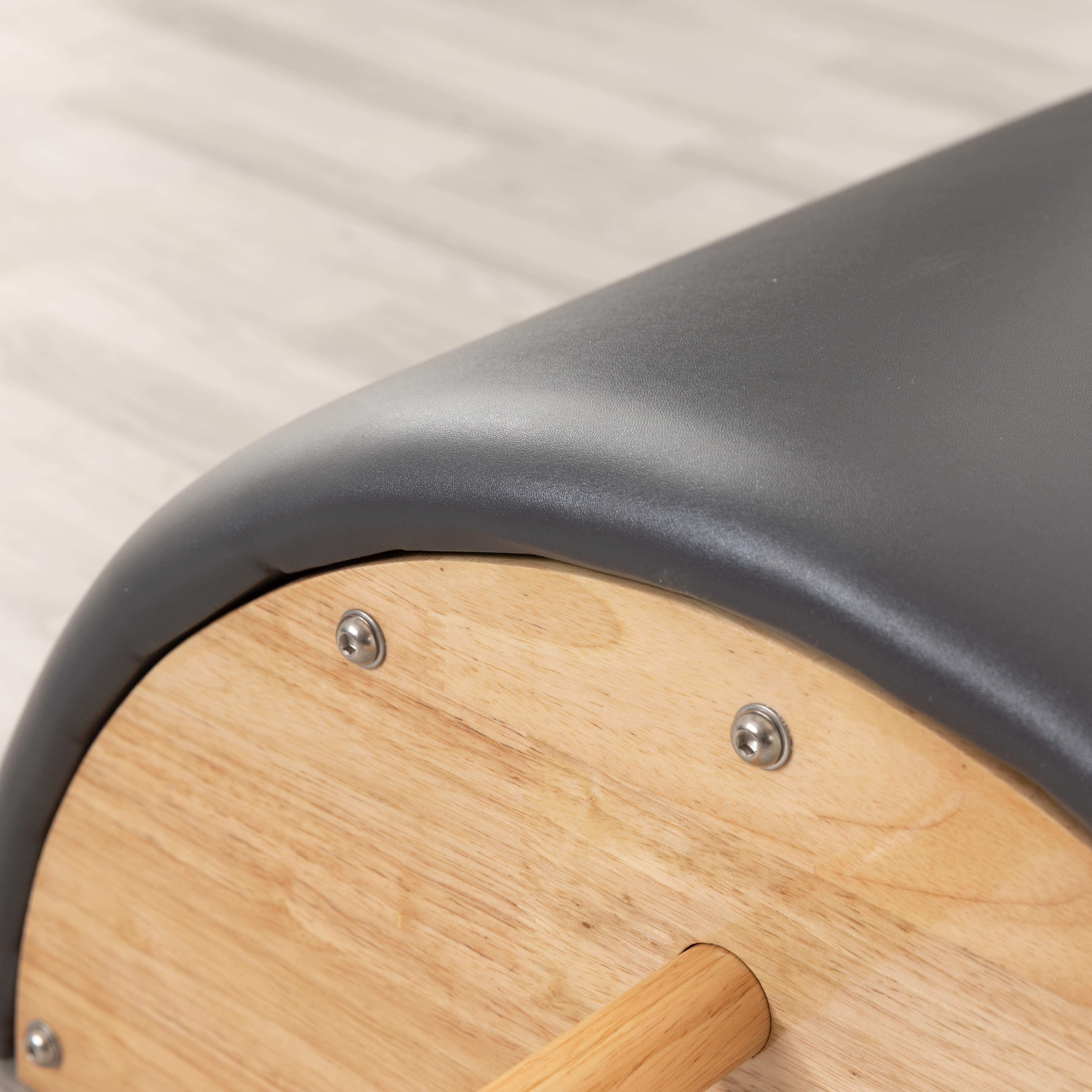
Shipping and packaging errors specific to wall units regularly eat into profit margins. Unlike self-contained reformers, wall systems consist of long extruded rails, thin welded brackets, small loose hardware kits and delicate pulley assemblies. If factories pack all brackets and loose fittings in one unmarked plastic bag, installers lose parts or mix up left and right mounting plates on-site. Long aluminium or steel tracks are vulnerable to bending during sea freight and container loading, and scratched powder coating is extremely difficult to repair locally. Many importers also fail to separate installation manuals, compliance paperwork, load labels and spare-part inventories from the cargo. When the container clears customs, the installation team receives no clear assembly guide in their native language. Installation manuals translated only by machine often misdescribe torque values, anchor spacing and safety lock checks, which directly leads to unsafe fitting work.
Poor handover and installer qualification represent another major blind spot. A surprising number of distributors sell wall units to studio owners who assume any local handyman can complete the installation. Wall-mounted Pilates apparatus is not a simple shelving system. Installers need training on torque settings, anchor spacing, substrate identification, load distribution and final functional safety checks. When unqualified tradespeople complete the fit-out, brackets may be under-tightened, anchors spaced too far apart, or spring tracks mounted out of level. Even if the unit holds weight on the day of installation, misaligned tracks create uneven spring tension, noisy carriage movement and accelerated wear. Savvy European studio operators will ask distributors to provide proof of installer training or a recommended certified fitting partner. Skipping this step leads to warranty disputes, negative reviews and claims against public liability insurance.
Customs and documentation mistakes add further friction for cross-border imports. The UK operates separate import rules from the EU, while countries in Southeast Europe and the Schengen zone have varying requirements for fitness machinery, CE marking declarations of conformity and product labelling. Wall units are often misclassified under broad fitness equipment HS codes, which can trigger extra inspections, delayed clearance or unexpected duty rates. Many suppliers only provide commercial invoices and packing lists, omitting the technical files, test reports, user manuals and safety labels required by market regulators. If the documentation is incomplete, shipments can be held at the port, racking up storage and demurrage fees. For distributors serving multiple European markets, creating market-specific compliance packages before production is far cheaper than resolving hold-ups after the goods have shipped.
So what practical steps can importers and studio owners take to avoid these costly mistakes? Start every project with a mandatory site survey completed before confirming factory drawings. Record ceiling height, wall construction, substrate thickness, window and fixture positions, and mark out safe movement zones. Ask your factory to supply detailed technical drawings showing every fixing point, dynamic load rating, minimum clearance and required anchor specification. Confirm that all test certificates, CE documentation and user guides are prepared for the target country, with clearly stated metric load values. Avoid accepting generic “one-size-fits-all” wall units if your client’s space is compact or built with heritage materials. Order dedicated, labelled spare-part kits including springs, straps, pulleys, fixings and wear components with every bulk order. Vet and train installation partners, and include a post-installation inspection checklist that covers torque testing, level checks, spring function and noise assessment.
Finally, build ongoing maintenance expectations into your sales package. European studio insurers increasingly require periodic safety inspections for wall-mounted fitness equipment. Many buyers assume that once fitted, the unit requires almost no attention. In reality, anchor bolts can loosen over time from vibration, springs degrade, and pulleys wear down with daily use. By educating your clients on inspection schedules and offering regional servicing and spare-part stock, you reduce safety risk and create recurring revenue for your distribution business.
Pilates wall units deliver excellent value for space-constrained European studios — but their safety and performance depend on decisions made long before the container arrives. The most successful importers do not treat wall units as simple commodity accessories. They treat them as engineered, permanently fitted commercial systems, where design, substrate, compliance, installation and aftercare are equally important. By avoiding these common mistakes, you will reduce costly reworks, protect your liability, and build trust with studio owners who rely on your equipment to run safe, professional Pilates classes year after year.