Spring Resistance Explained: What Makes Premium Pilates Equipment Different
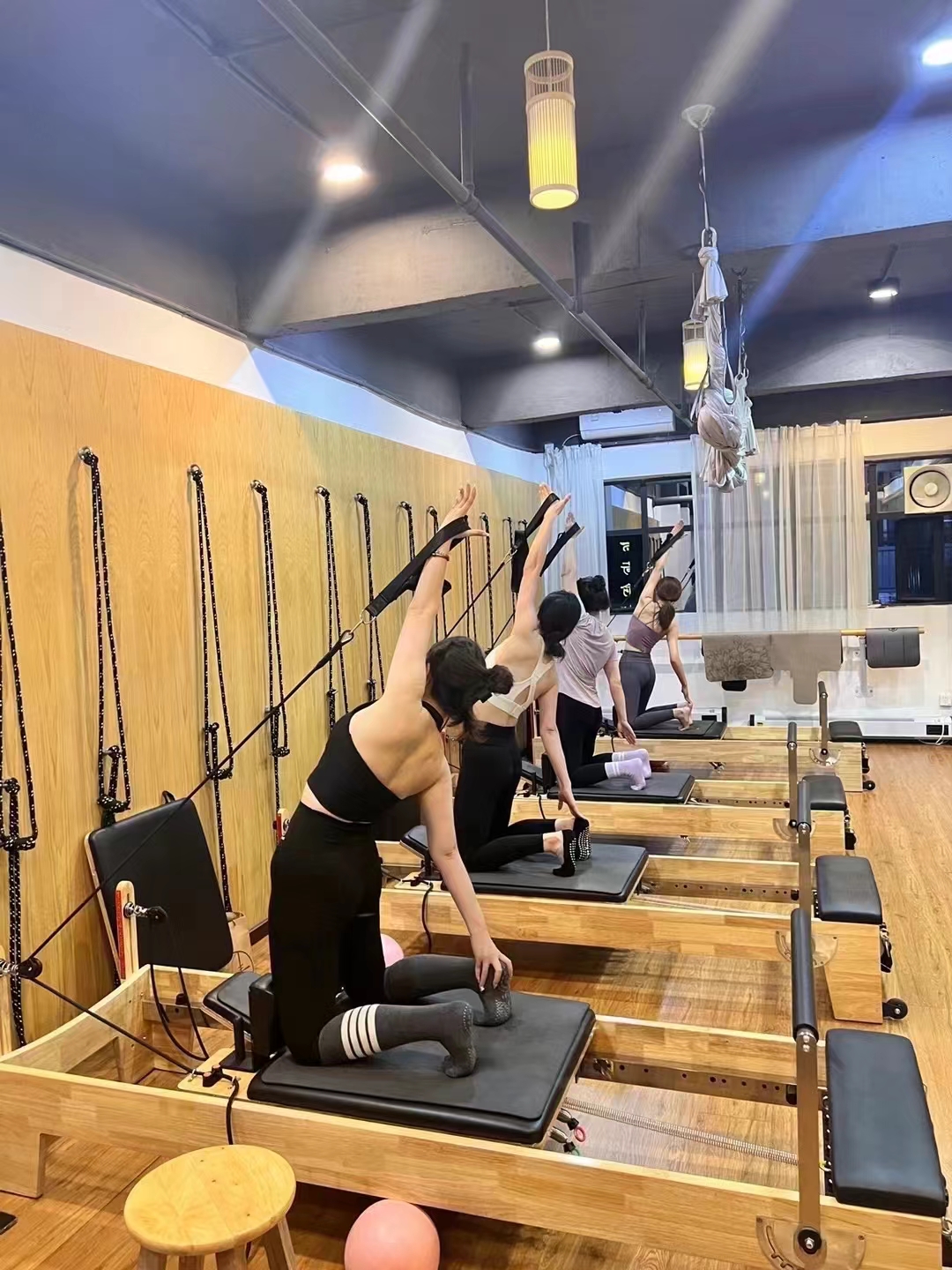
Spring resistance is the heart of Pilates apparatus. It is what allows a reformer to challenge muscles through smooth, controlled tension, what gives a cadillac its responsive support, and what makes a chair or barrel feel alive under the body. Yet not all springs are created equal. The difference between premium Pilates equipment and budget alternatives often comes down to the quality, consistency, and engineering of the spring system. Understanding how spring resistance works—and why premium springs perform differently—helps trainers, studio owners, and enthusiasts make informed decisions about the equipment they choose.
The Basic Mechanics of Spring Resistance
Pilates springs are extension springs, meaning they resist being stretched. When a user pushes or pulls against a spring, the spring stores energy and pulls back toward its resting length. This creates a form of variable resistance: the further the spring is stretched, the greater the force it exerts. In Pilates, this property is used deliberately. A spring that is barely stretched provides light resistance, while a fully extended spring provides strong resistance. Trainers adjust resistance by changing the number of springs attached, their attachment points, and the distance the spring is stretched. This system allows for fine-tuned progression and regression within a single exercise, which is one of the reasons Pilates is so adaptable to different fitness levels.
Why Spring Quality Matters
The quality of a spring determines how predictable and safe that resistance feels. Premium Pilates springs are manufactured from high-grade steel wire with consistent diameter and heat treatment. This ensures that each spring delivers the same resistance curve—meaning the force increases at a predictable rate as the spring stretches. Cheap springs often vary in wire thickness, coil spacing, and heat treatment, leading to inconsistent resistance. One spring might feel soft while another of the same nominal rating feels stiff. Over time, low-quality springs lose tension unevenly, causing the machine to feel unbalanced. For trainers programming exercises, this inconsistency is more than an annoyance—it can compromise form, safety, and client confidence.
Linear vs. Non-Linear Resistance
Premium springs are designed to provide a relatively linear resistance curve, meaning the force increases steadily as the spring extends. This linearity makes the equipment feel predictable and allows users to control the movement smoothly. Some budget springs exhibit non-linear behavior, where resistance jumps suddenly or plateaus unpredictably. This can cause jerky movements and make it difficult to maintain control, especially during slow, controlled Pilates exercises. Premium manufacturers test springs to ensure they meet specific resistance specifications, so that a spring rated at a certain tension performs consistently across the entire range of motion.
Color Coding and Resistance Consistency
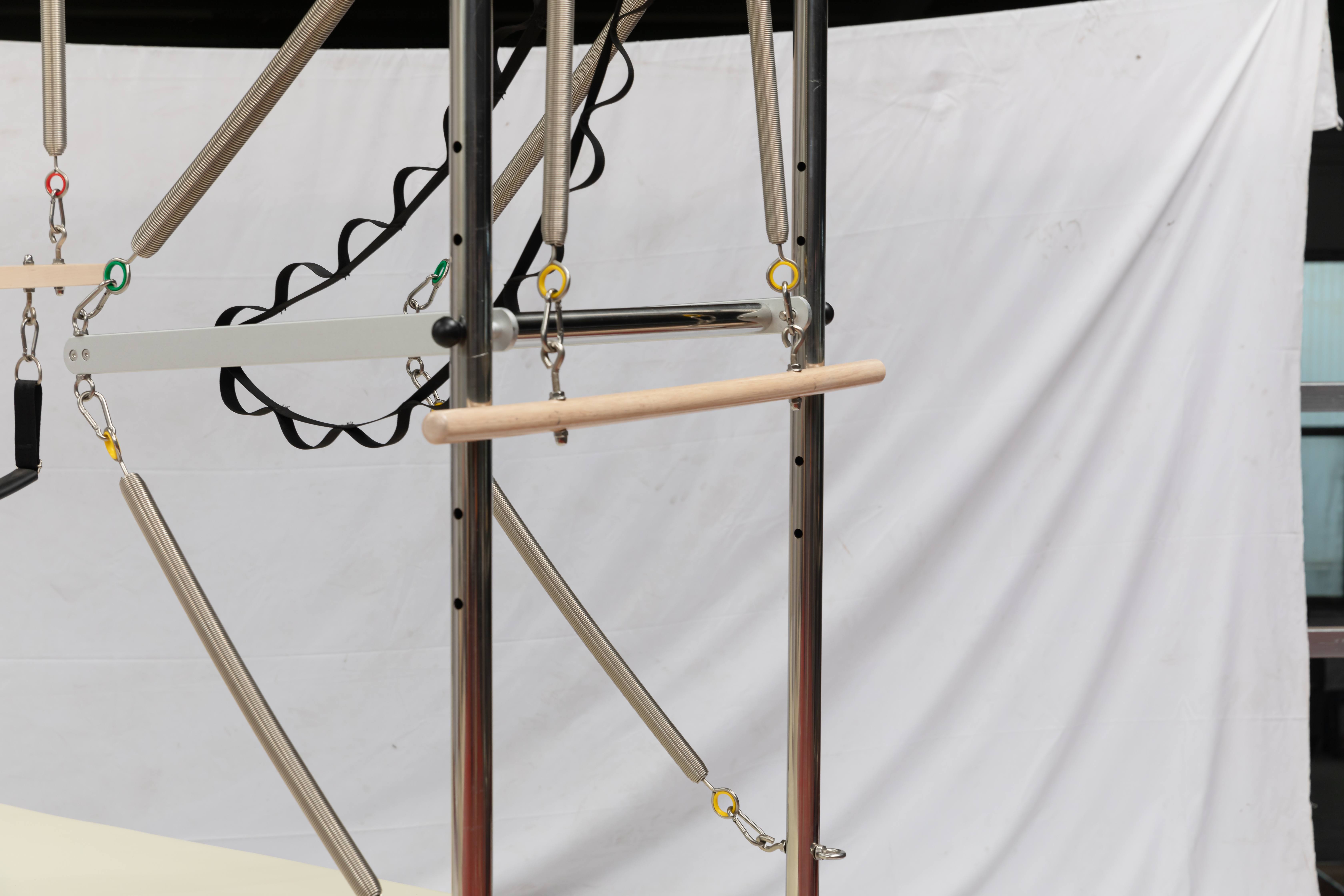
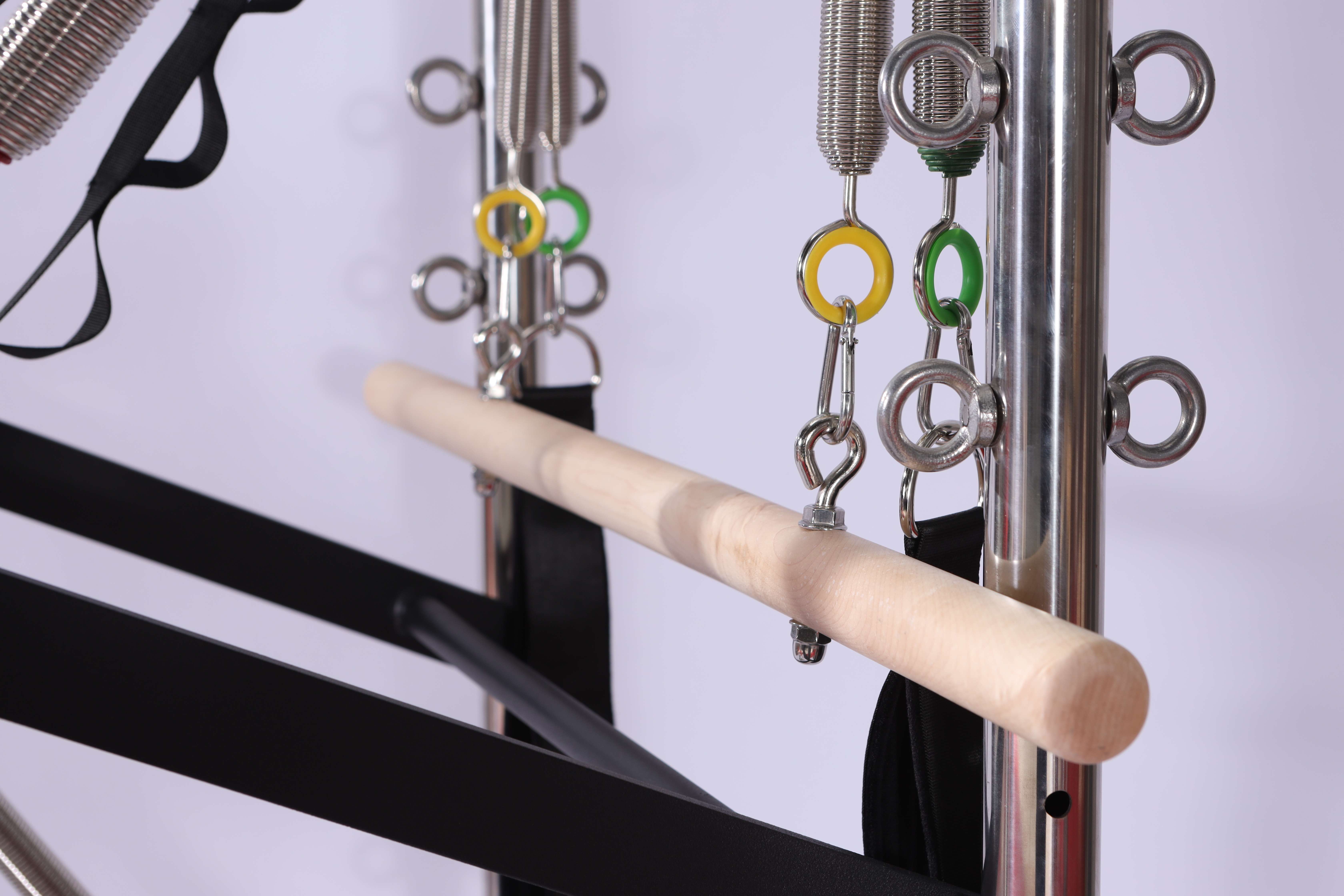
Most Pilates spring systems use color coding to indicate resistance levels. Premium equipment maintains strict standards for each color, so that a red spring from one machine matches a red spring from another machine of the same brand. This consistency is essential for studios with multiple reformers, where trainers need to set up equipment quickly and reliably. Budget equipment often lacks this standardization, meaning colors may not correspond to consistent resistance. Trainers who work across different machines may find themselves constantly adjusting, which disrupts the flow of a session and reduces training efficiency.
Durability and Fatigue Resistance
Springs are under constant tension during use, and they fatigue over time. Premium springs are designed to resist fatigue, maintaining their resistance rating through thousands of cycles. They are often tested to industry standards for cycle life, ensuring that they perform consistently over years of use. Budget springs may lose tension quickly, becoming softer and less responsive. This degradation is gradual, so users may not notice until the equipment feels noticeably different. Premium springs also resist corrosion better, thanks to coatings and material selection, which matters in studio environments where sweat and humidity are present.
Safety Features and Attachment Systems
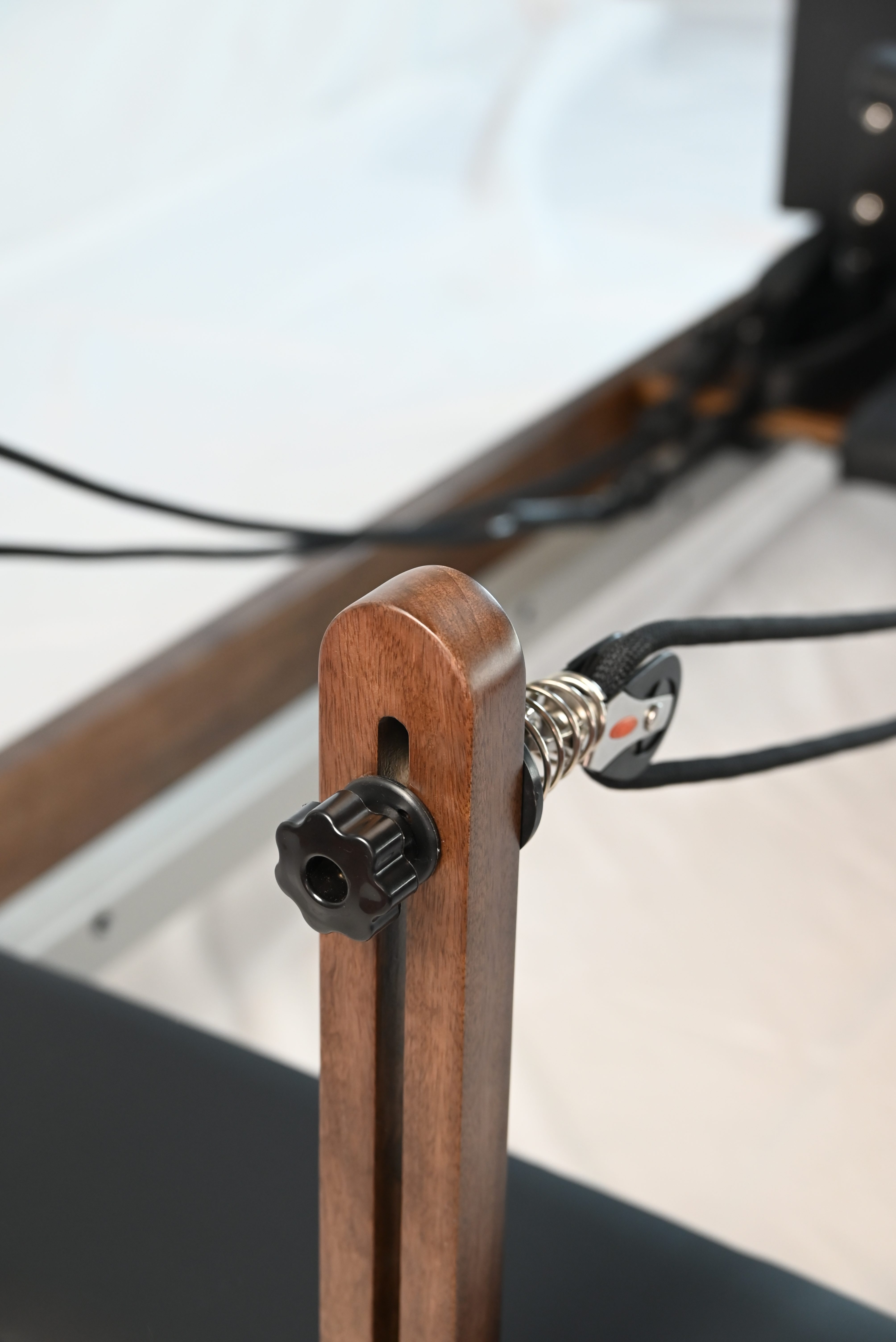
Premium Pilates equipment includes safety features that work in tandem with high-quality springs. Spring clips are designed to lock securely onto attachment points, reducing the risk of accidental detachment during exercise. The springs themselves are often equipped with internal safety cords, so that if a spring breaks, it does not snap back uncontrollably. Attachment points are reinforced and positioned to distribute load evenly. Budget equipment may use cheaper clips or omit safety cords, creating risks that become apparent only under demanding use. For trainers working with clients who rely on the equipment for rehabilitation, these safety features are non-negotiable.
The Feel of Premium Springs
Experienced Pilates practitioners often describe the difference between premium and budget springs in tactile terms. Premium springs feel smooth and responsive, with a consistent pull that communicates clearly through the straps and carriage. They are quiet during use, without the rattling or squeaking that cheap springs often produce. This sensory feedback matters because Pilates relies on precise proprioception—the user's awareness of force and position. When springs provide clean, consistent feedback, users can fine-tune their movements more accurately. When springs feel erratic or noisy, that feedback is muddied, making it harder to develop control and body awareness.
Matching Springs to the Machine
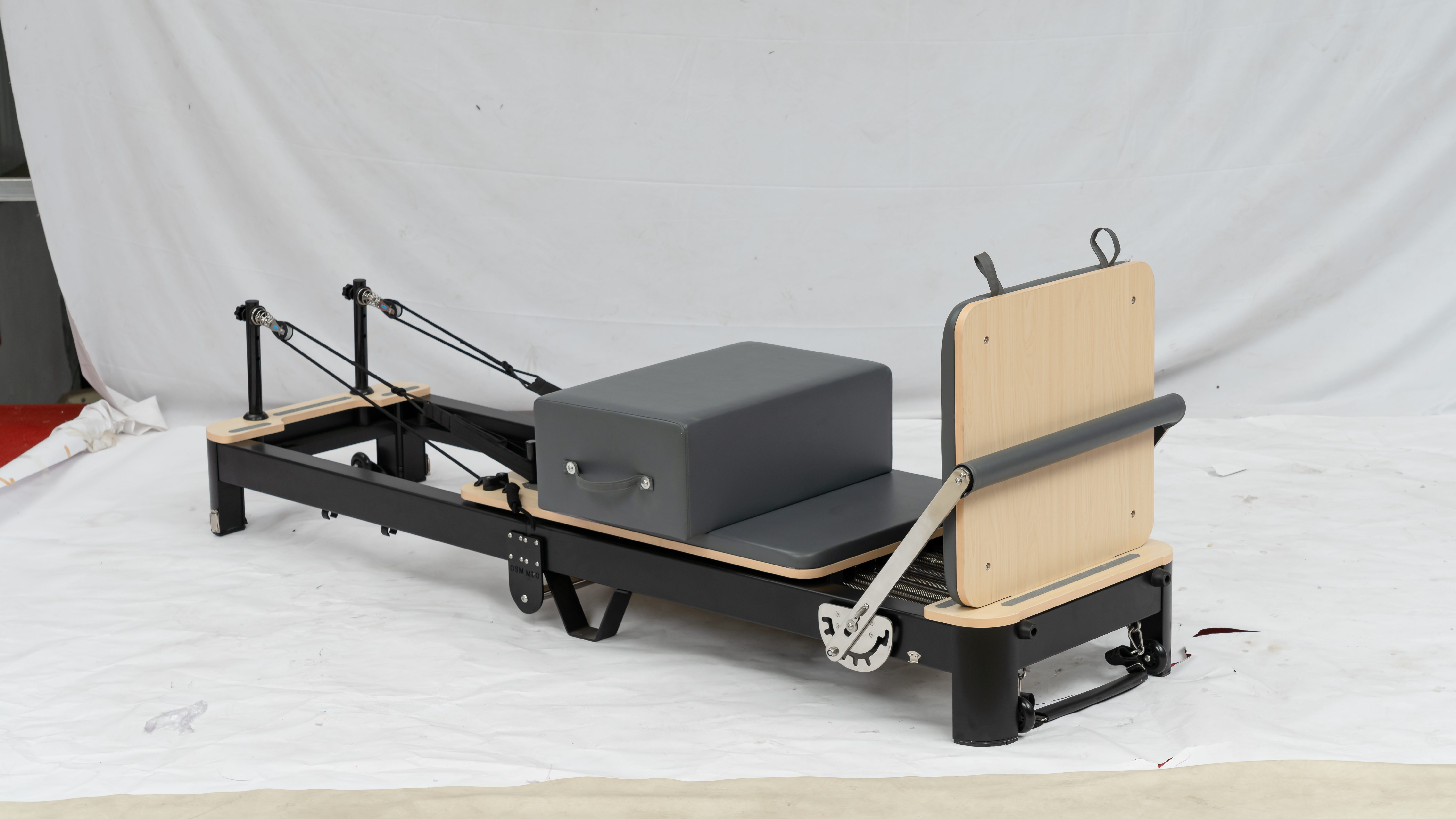
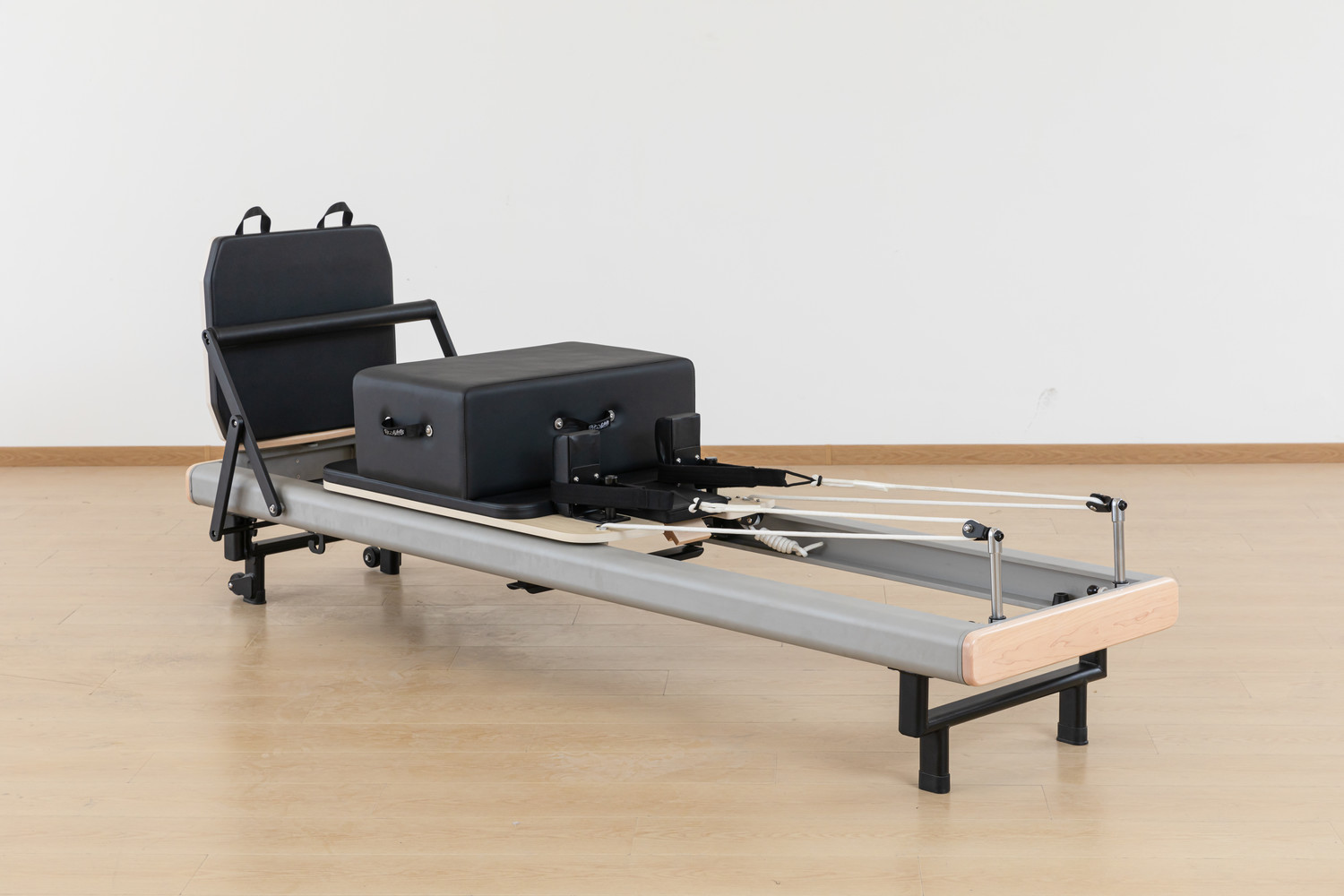
Premium Pilates equipment is designed as an integrated system, where springs, carriage, rails, and frame work together. The spring attachment geometry, the carriage weight, and the rail friction are all calibrated to complement the spring resistance. This systems approach ensures that the equipment feels balanced and responsive. Budget equipment may combine components that were not designed together, resulting in a machine that feels uneven or requires excessive force in certain positions. When springs are matched to the machine, the user experiences smooth, predictable resistance that supports proper movement mechanics.
Maintenance and Replacement
Even premium springs require maintenance and eventual replacement. Trainers should inspect springs regularly for signs of wear, such as gaps in the coils, corrosion, or reduced tension. Premium manufacturers typically offer replacement springs that match the original specifications, so that the machine continues to perform consistently. Because premium equipment uses standardized springs, replacement is straightforward. Budget equipment may use non-standard springs that are difficult to source, forcing studios to replace entire assemblies or accept degraded performance.
Conclusion
Spring resistance is the defining feature of Pilates apparatus, and the quality of that resistance shapes every aspect of the training experience. Premium Pilates equipment uses high-grade springs that deliver consistent, predictable, and durable resistance, supported by safety features and integrated design. Budget equipment often compromises on spring quality, leading to inconsistent performance, faster wear, and reduced safety. For trainers, studio owners, and enthusiasts who value precision, safety, and long-term performance, understanding spring resistance is essential—and choosing premium equipment is the surest way to experience it at its best.